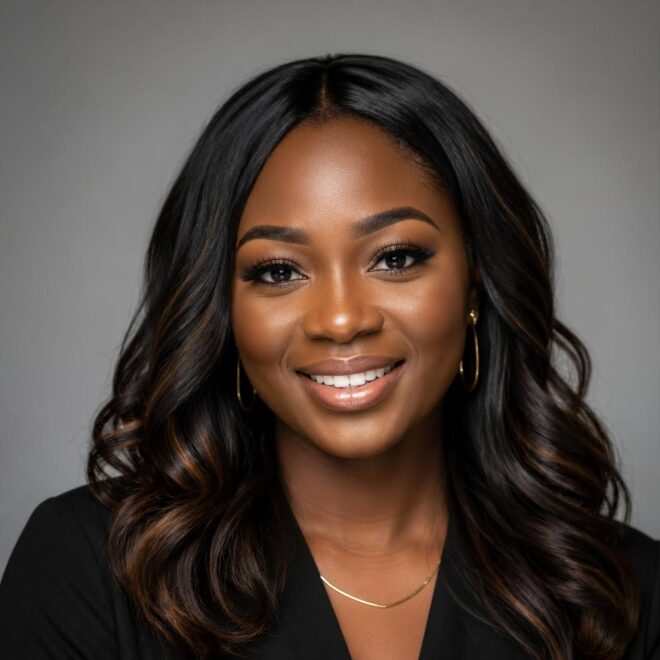


A good curly style on Black hair should not require bargaining with the mirror.
Some mornings, you want a shape that looks intentional in under ten minutes. Other days, you need something that hides a rough wash day, survives humidity, and still leaves your curls looking like curls. That is where easy curly hairstyles for Black women earn their place. They are not about giving up on style. They are about choosing the right kind of effort.
The styles that hold up best usually do one of three things: they work with shrinkage, they protect the ends, or they use the hair’s own texture as the main feature. That sounds simple, but it matters. A wash-and-go, a high puff, a twist-out, or a clipped-up bun all behave differently on 3C curls, 4A coils, and tighter 4B/4C textures, and the best version is the one that fits your pattern instead of fighting it.
I keep coming back to that because so many curly styles look great only when nothing in life is happening. Real hair has dry ends, uneven curl clumps, and moods. So the useful question is not “What’s pretty?” It’s “What still looks good after a school drop-off, a long meeting, or a windy walk to the store?” That’s the lens for every style below.
1. The Classic Wash-and-Go
A wash-and-go is the style people love to overcomplicate, and honestly, that’s a shame. Done well, it gives you defined curls, movement, and a shape that feels fresh without looking stiff.
Why It Works So Well
The trick is moisture and hold in the right order. Start on soaking-wet or very damp hair, rake in a leave-in conditioner, then layer a curl cream or light gel on top. On tighter textures, a stronger-hold gel helps the curls stay clumped instead of puffing out into a halo by lunch.
Do not touch it too much once the product is in. Seriously. Let the curls dry, then break the cast with a little oil on your hands if you used gel. If you like a soft finish, diffuse on low heat for 10 to 15 minutes, then let the rest air-dry.
Quick Shape Notes
- Best for: curls that already have decent definition
- Tools: spray bottle, leave-in, curl cream, gel, diffuser if you use one
- Good move: style in sections so every curl gets product
- Watch for: flaking from layering too many heavy products
Pro tip: If your roots puff up fast, smooth a tiny bit of gel at the root area while the hair is still wet, then leave it alone until it dries.
2. High Puff With Laid Edges
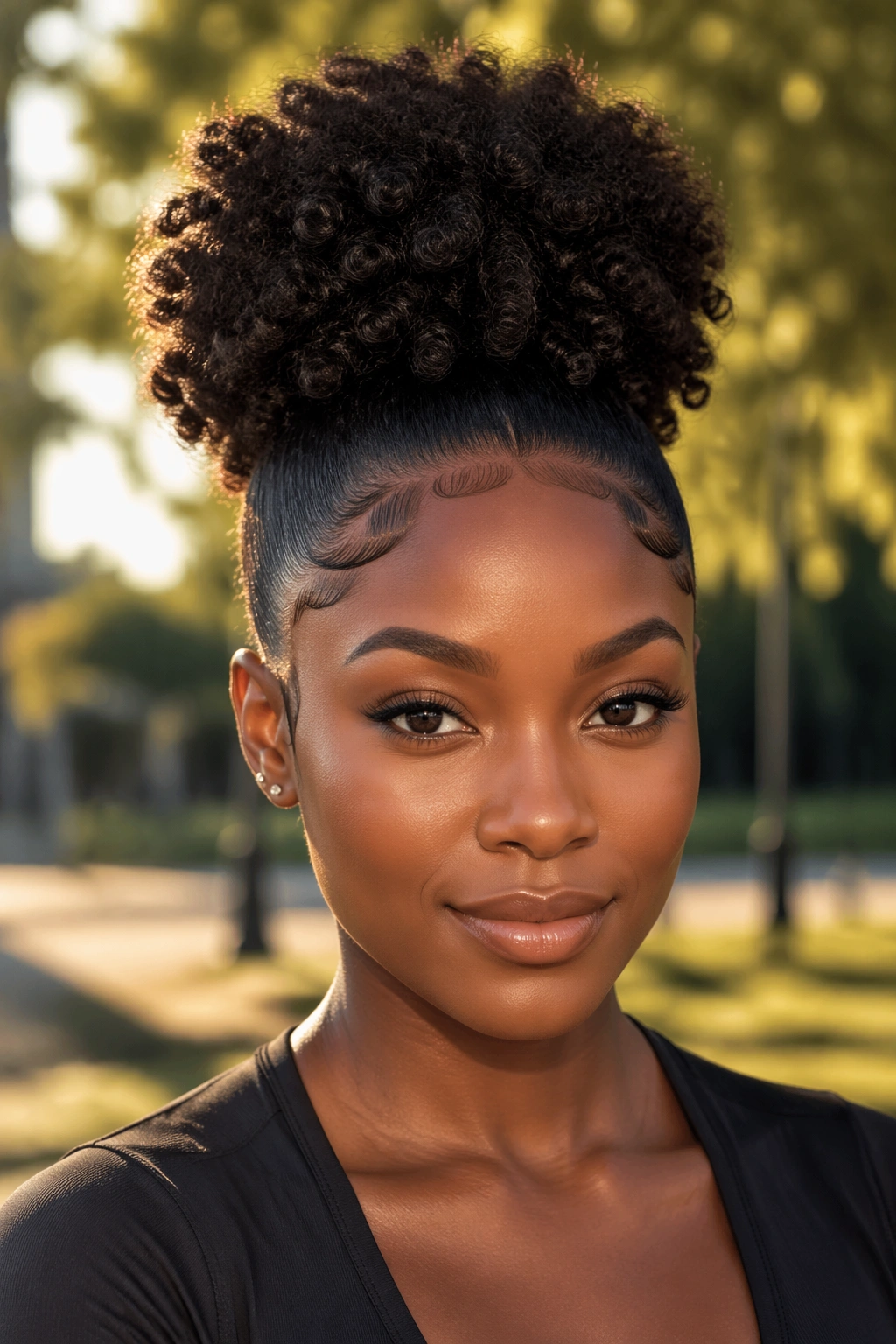
A high puff is one of those styles that looks like you tried hard when you mostly just did the right two things. Gathered high on the crown, it gives volume, lifts the face, and shows off your texture instead of hiding it.
The best part is the speed. If your curls are stretched, a high puff takes under ten minutes. If they are shrunken and dense, it still works. You just need a soft brush, a satin scrunchie or puff cuff, and enough moisture at the base so the hair can smooth without snapping.
Keep the tension gentle around the hairline. That is the part people mess up. A puff should sit snug, not pull like a tiny headache machine. If you want edges, use a light gel and a small brush, then stop before it looks shellacked.
This style is especially good on wash day four or five, when the ends are still fine but the roots need help. That little bit of lift changes everything.
3. Twist-Out on Stretched Hair
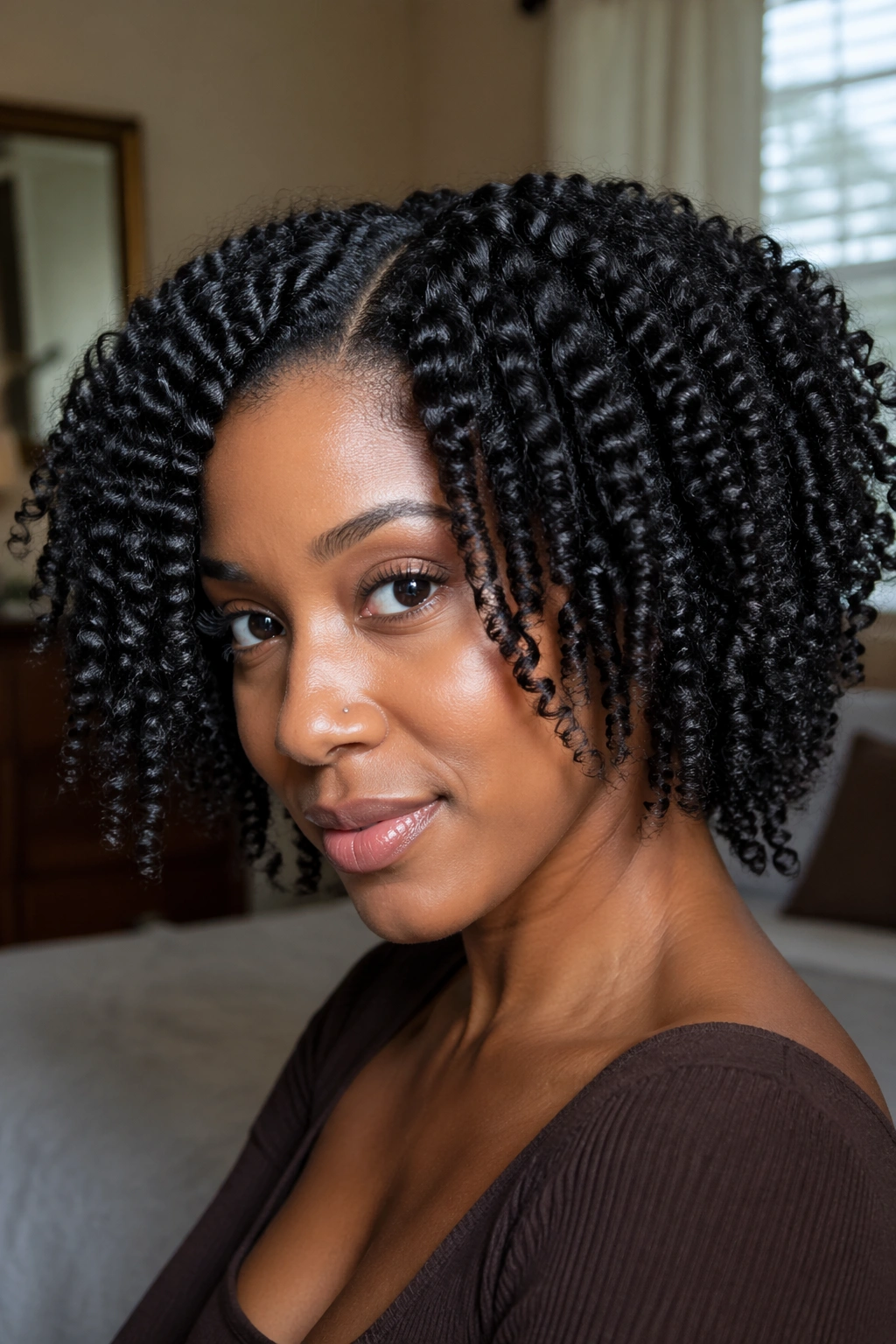
A twist-out gives you the kind of soft definition that reads polished even when the curl pattern is being a little dramatic. It is especially nice on stretched hair because the twists set more evenly and dry with less shrinkage.
What Makes It Different
Two-strand twists are the foundation here, but the starting point matters more than people think. If the hair is stretched first — by banding, blow-drying on low heat, or a previous braid-out — the twist-out usually comes out fuller and less fluffy at the root. That means fewer surprises in the morning.
Use medium-size sections, not tiny ones. Tiny twists can give you a frizzy finish if you separate too much. Medium sections strike a better balance between curl definition and volume.
Best Product Order
- Leave-in conditioner first
- Curl cream or butter next, if your hair needs softness
- A light gel or mousse on top for hold
- Oil on fingertips when unraveling
Pro tip: Take the twists down only when they are fully dry. If the inside still feels cool, wait. Damp twist-outs fall apart fast.
4. Half-Up, Half-Down Curls
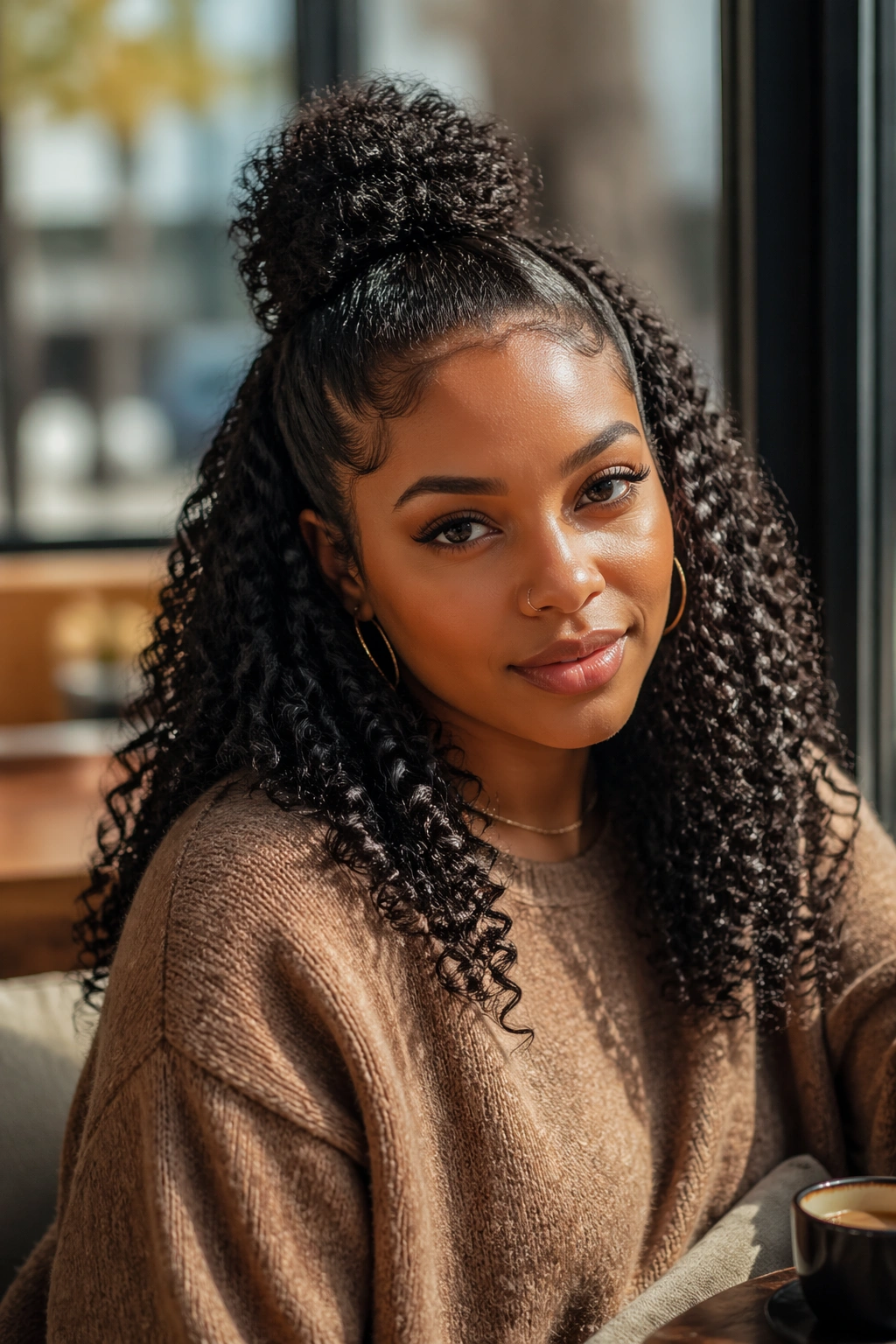
Half-up, half-down is the style you reach for when you want your curls down but not in your face. It gives you shape up top, movement at the back, and enough lift to make even a simple curl set look intentional.
What makes it easy is the fact that the style does half the work for you. The top section can be gathered into a puff, mini bun, small claw clip, or a few flat twists. The lower section stays loose, which is handy when you want to show off length or color.
This style shines on second-day hair. Curls that have lost a little root definition often look better once the top gets pulled back. Add a middle part if you want a cleaner feel, or push the front off to one side for something softer.
One thing: keep the top section loose enough that the front does not get flattened for hours. If your curls are fine, use a small satin scrunchie instead of a tight elastic. It makes a difference.
5. Bantu Knots
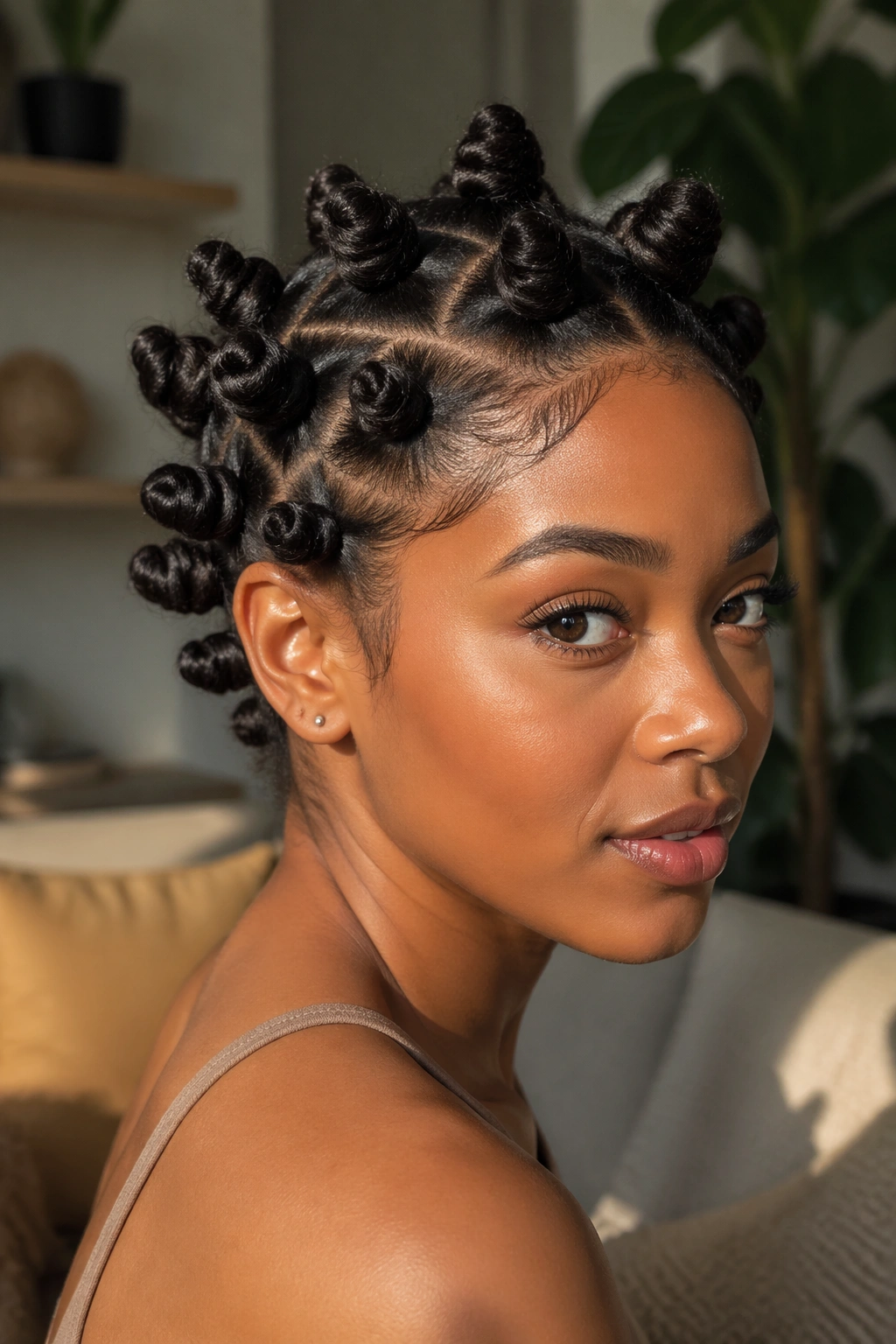
Bantu knots are one of the most useful protective styles because they can be the style and the set at the same time. Worn as knots, they look sculptural and neat. Taken down later, they become a Bantu knot-out with a lot of bounce.
The sections do not need to be tiny unless you want a lot of knots. Medium sections are easier to manage and faster to install. Smooth each section with a little leave-in or cream, twist from root to tip, then coil the twist around itself until it forms a small knot.
A Few Things to Know
- Best on hair that is stretched or lightly damp
- Partings can be square, triangular, or free-form
- A rat-tail comb helps with clean sectioning
- Satin scarf at night keeps the knots from frizzing
Bantu knots look best when they are evenly spaced, but not so tight that the scalp feels sore. If your edges are fragile, keep the front a touch looser. That tiny adjustment saves a lot of grief later.
6. Bantu Knot-Out
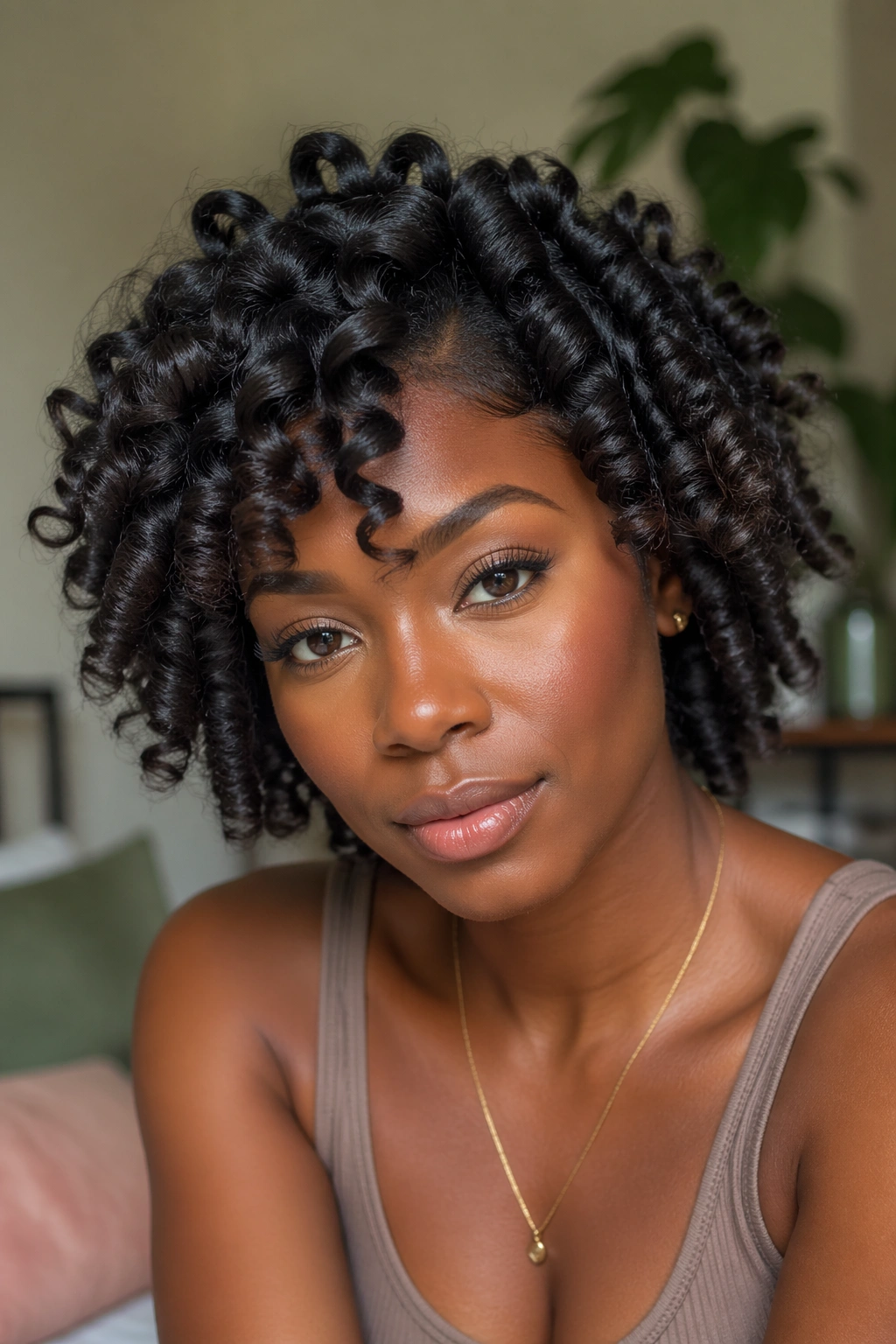
A Bantu knot-out gives you a softer, more rounded texture than a twist-out. The curls usually come out with a little more spring and a little less hang, which is perfect if you want fullness without using a lot of heat.
The key is patience during take-down. Let the knots dry all the way, then add a few drops of oil to your fingertips before uncoiling each section. Pull apart only once or twice. If you keep separating, the style gets bigger, but it also gets frizzier fast.
Unlike some curl sets, this one usually benefits from a gentle fluff at the root and not much else. A pick can lift the crown, but stay away from the ends unless you want a cloud instead of defined curls. There is a time and place for that look. This is not always it.
The best Bantu knot-outs feel plush, not crunchy. If the hair looks stiff, the product load was probably too heavy. Lighter cream, stronger set. That’s the sweet spot.
7. Pineapple Puff
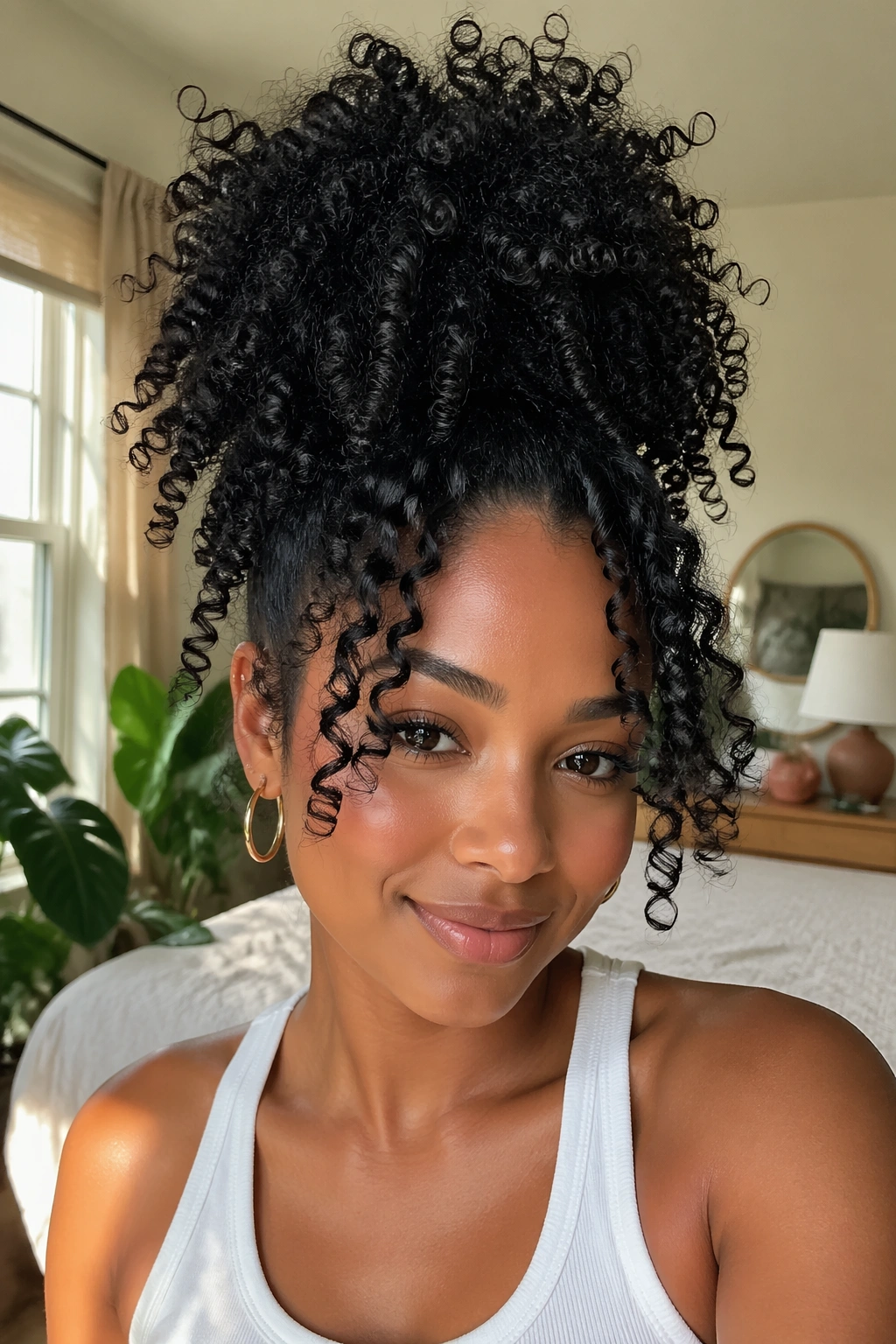
A pineapple puff is basically the grown-up version of the overnight pineapple, and it works because it keeps the curls high, loose, and easy to refresh. If you already sleep with your hair in a pineapple, this daytime version feels familiar.
It is especially useful when your curls are stretched at the ends but still soft enough to gather on top. Flip your hair forward, smooth the sides and back with your hands or a brush, and secure the puff at the crown with a satin scrunchie or puff cuff. Leave the ends loose enough that they keep their curl shape.
The style is forgiving. That matters. You do not need every strand to behave, because the volume is part of the point. If the front is a little frizzy, a touch of edge control near the hairline cleans it up without flattening the whole thing.
Picture this on a busy day: you wake up, shake out the curls, and you are done. That is why people keep returning to it.
8. Flat Twists Into a Low Bun
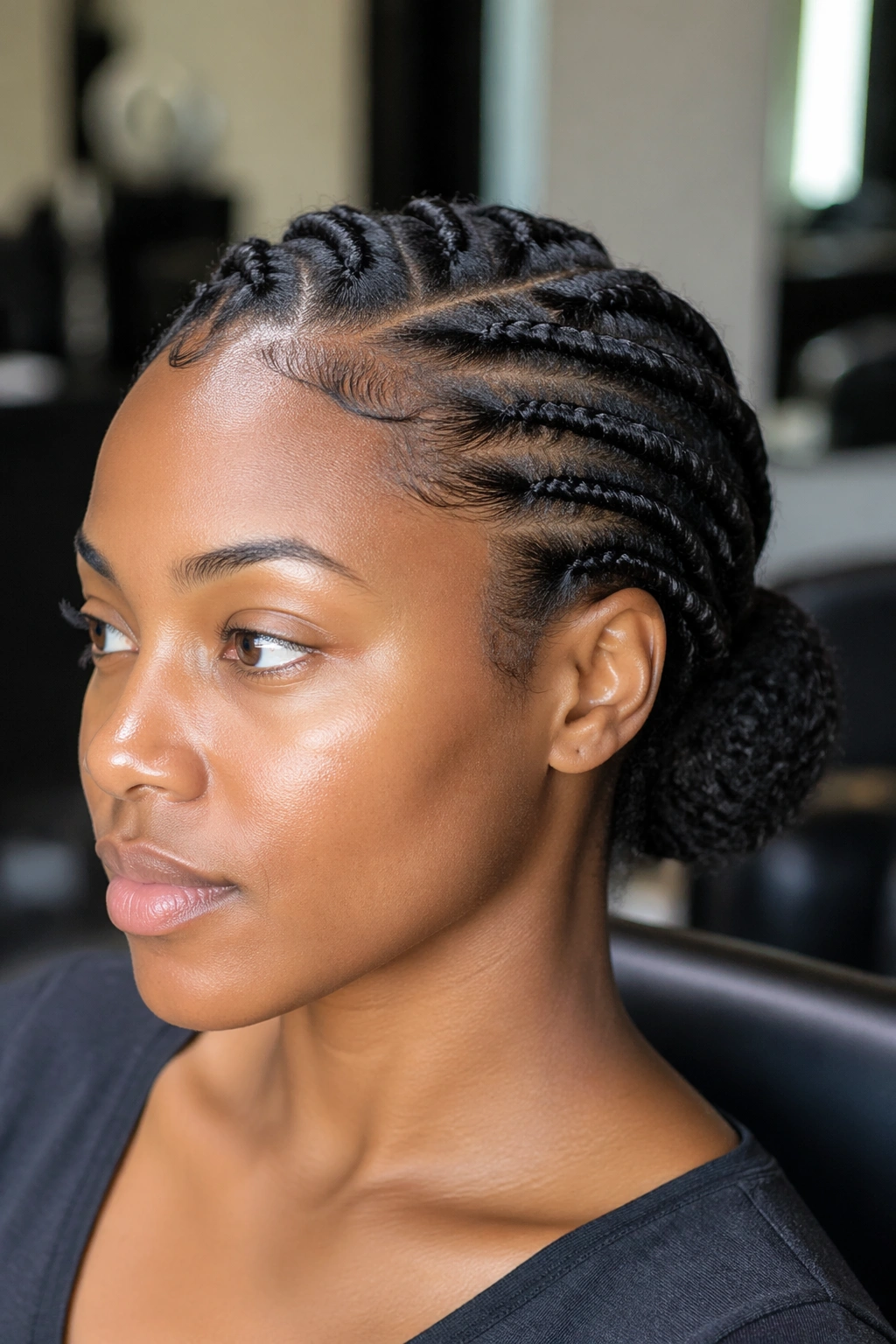
Can a style be neat, practical, and still soft around the face? Yes. Flat twists into a low bun do that job better than most people expect.
The front and sides get twisted close to the scalp, which keeps the hair secure without the stiffness that sometimes comes with braids. The loose length at the nape can be gathered into a low bun, tucked under, or left in a coil if your hair is short. It is one of those styles that works for work, school, and dressy events without feeling like you changed your personality.
Why It Helps
Flat twists reduce daily manipulation, which is useful if your hairline is tender or your curls tangle easily. They also create a clean line around the face, so the bun at the nape looks deliberate rather than thrown together.
A little shine cream on the twisted sections goes a long way. Too much product can make the twists slip apart, and that is irritating when you are trying to move fast. Keep the bun loose if your hair is thick; tight buns stretch the roots in the wrong way.
9. Claw-Clip Curly Updo
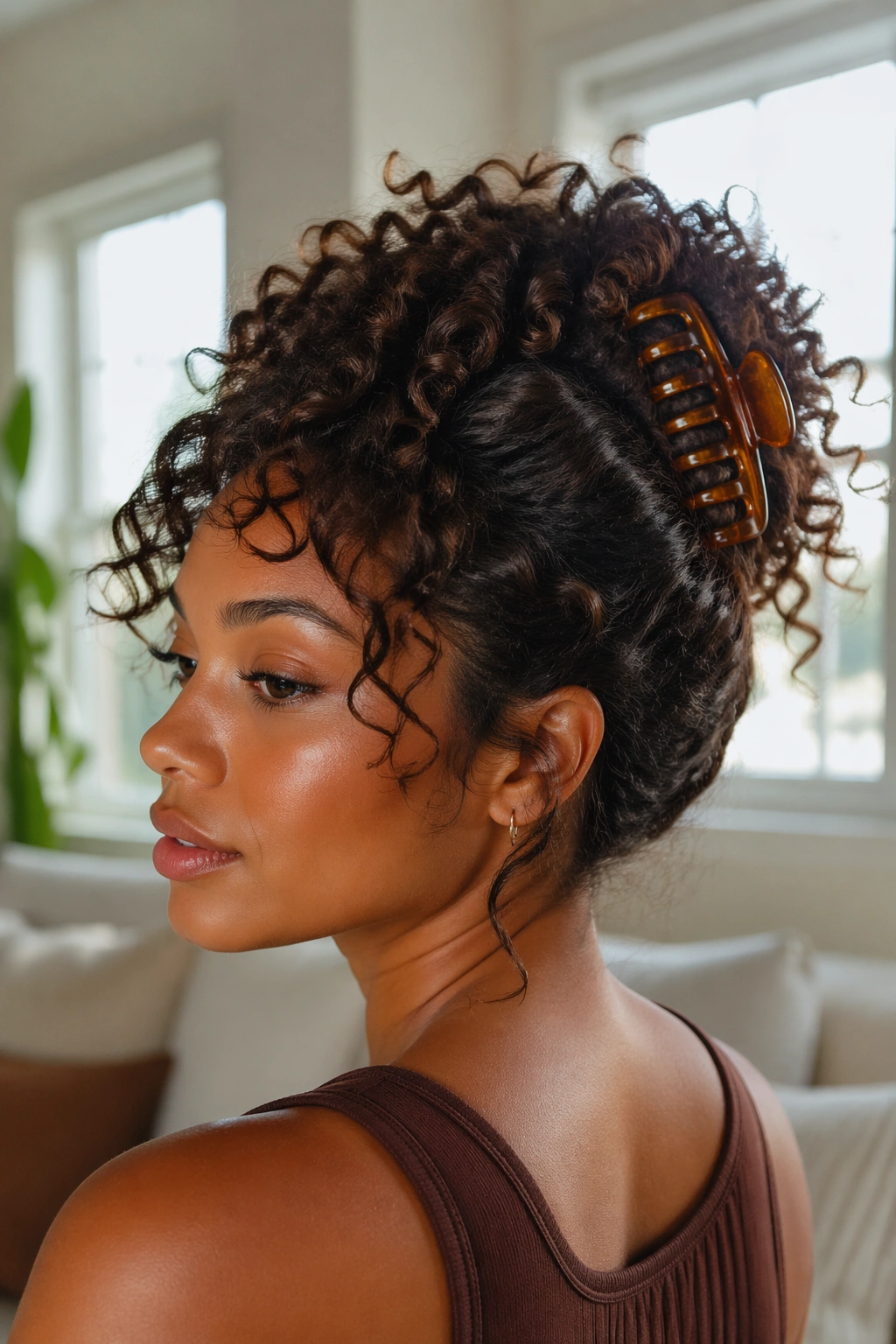
A claw-clip updo is one of the easiest ways to make curly hair look styled in under two minutes. It works because the clip gives the hair shape without forcing it flat.
The best versions leave some curls free at the top or the back. That little bit of mess makes it look better, not worse. Gather the hair loosely, twist it upward, and let the ends spill over the clip. If your hair is dense, choose a large clip with strong teeth. Tiny clips look cute for about five seconds and then give up.
This style is especially useful when your curls are old but not quite ready for a full refresh. A mist of water, a touch of leave-in on the frizzy ends, and the clip can carry the whole look. If you want a cleaner finish, smooth the front with a brush and leave the rest soft.
It is one of my favorite “I need to look pulled together right now” styles. No drama. Just done.
10. Side-Part Curly Afro With a Headband
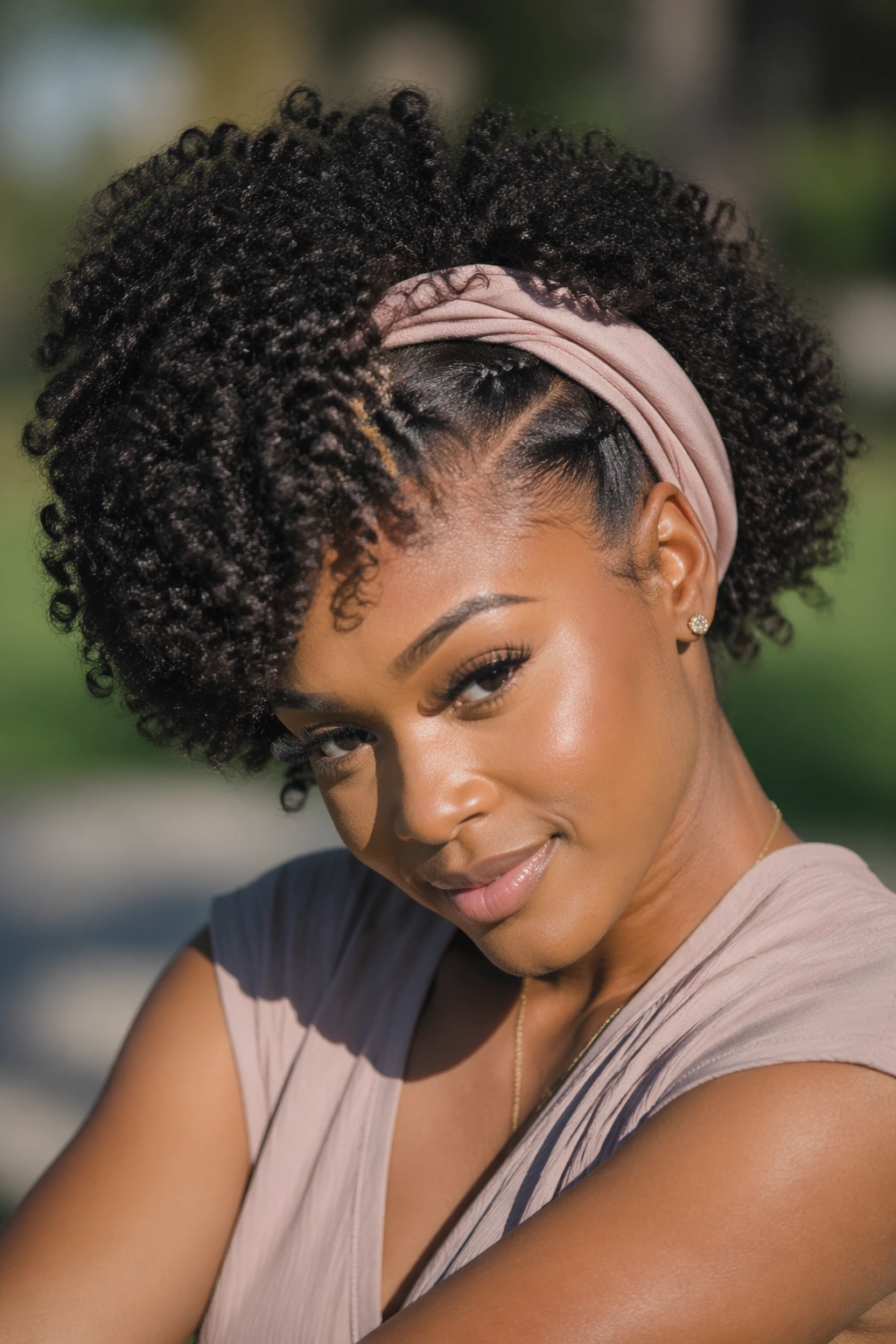
A side part changes more than people think. It shifts volume, frames the face, and gives a curly afro a fresh shape without cutting anything or adding heat.
Start by parting while the hair is damp or slightly stretched, then fluff the roots with fingers or a pick once the curls dry. A soft headband — satin, cloth, or a thin padded style — can keep the front neat while the sides stay full. The contrast is what makes it work.
This style is great when your curl pattern is mixed. The headband pulls attention upward, so the texture differences are less obvious. It also hides a root area that needs one more day before wash day. We all have those days.
A side part looks especially good if one side of your face tends to get lost under a center part. That tiny adjustment can make the whole shape feel more open.
11. Mini Twists for Low-Maintenance Days
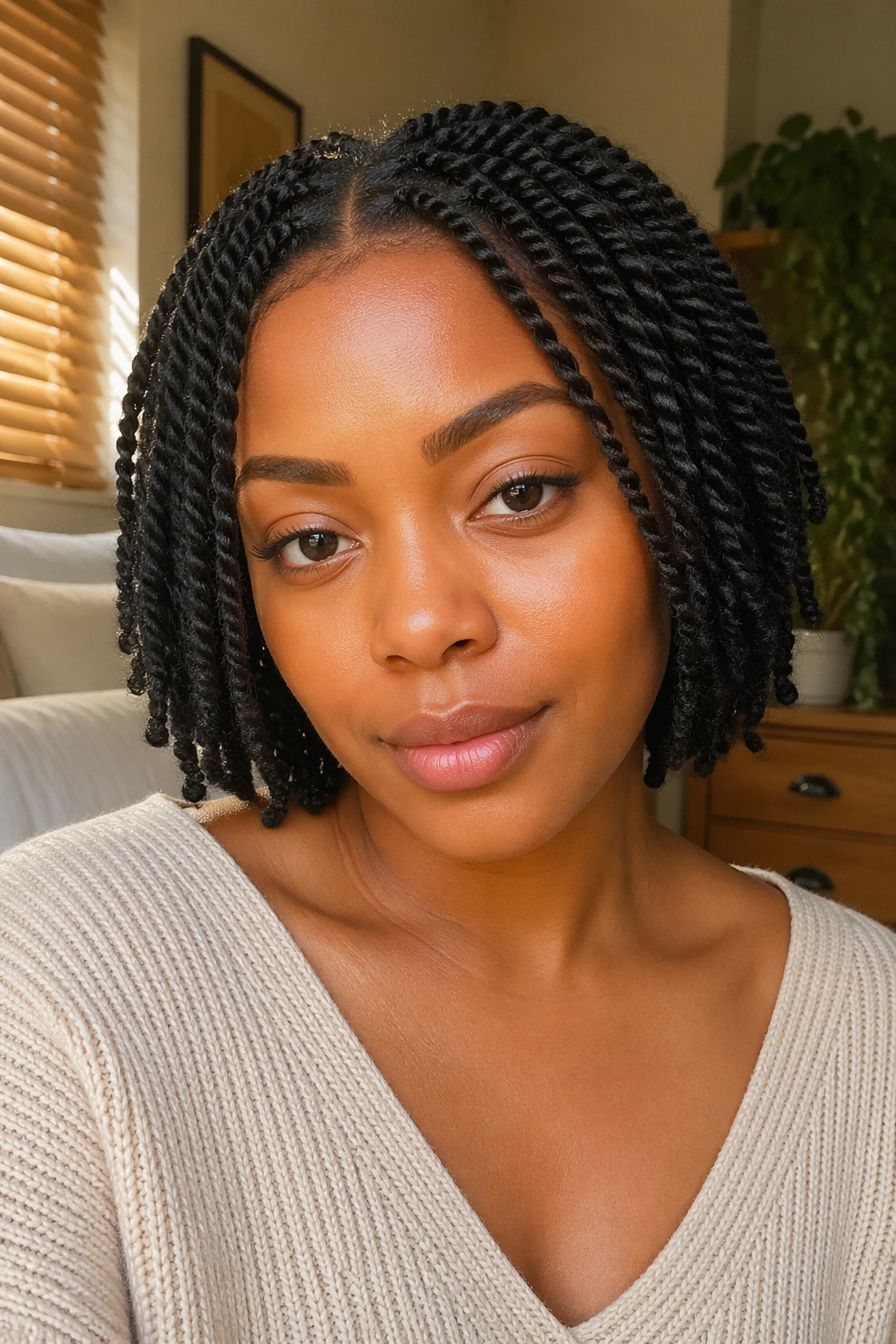
Mini twists are not flashy, and that is exactly why they matter. They can last longer than many loose styles, they keep your ends tucked away, and they still look polished enough to wear out the door without thinking about them all day.
What to Watch For
Mini twists take time to install, but the daily payoff is real. Once they are in, you can wear them down, pin them into a bun, split them into a side part, or gather them into a puff. They also work well on hair that tangles easily because each twist protects a small section.
Use a light cream or leave-in so the twists do not feel greasy. Heavy butter can make them look dull and can attract lint fast. If your hair is very dense, smaller parts are more secure. If it is fine or fragile, make the parts a little larger so you are not overhandling the roots.
- Good for: low-manipulation styling
- Best reset: spritz lightly at night, then wrap with a scarf
- Watch out for: frizz at the root if you keep touching them
- Nice bonus: they can stretch a wash day nicely
Mini twists are a commitment up front. After that, they’re easy living.
12. Double Space Buns
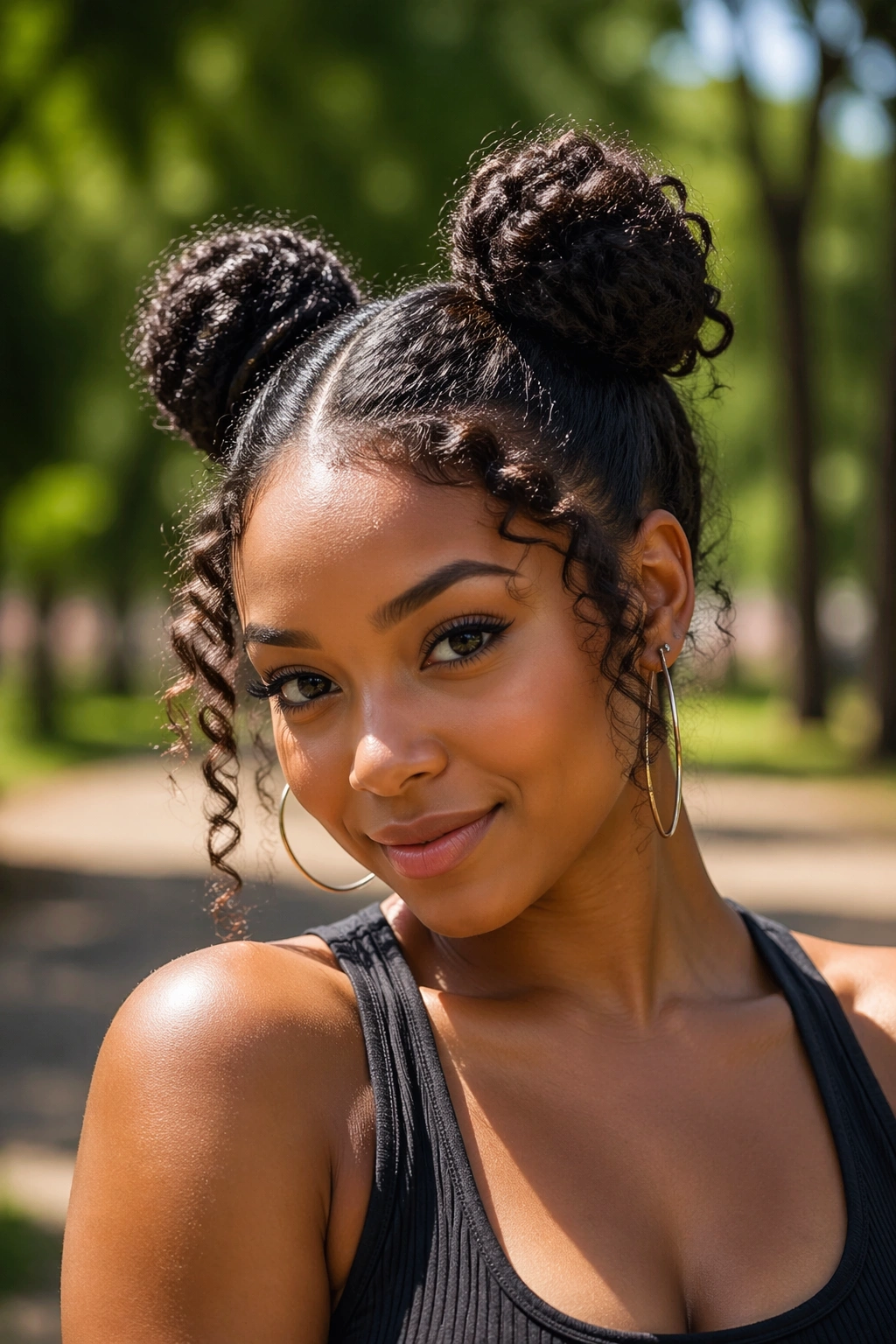
Double space buns have a playful look, but they are not only for casual days. On textured hair, they can look polished, sculptural, and a little unexpected in a good way.
The trick is to make the buns balanced without pulling them tight. Part the hair down the middle, gather each side high or mid-level, and twist the sections into buns that keep some texture visible. If your hair is long enough, the ends can be wrapped into the bun; if not, let a few curls peek out.
This style is kind to day-old curls because it disguises frizz in a way that straight styles cannot. It also gives you a break from wearing all the hair down, which your neck may appreciate more than you expect.
If you want the look to feel less youthful and more grown, keep the buns smaller and lower on the head. That small shift changes the whole mood.
13. Curly Frohawk
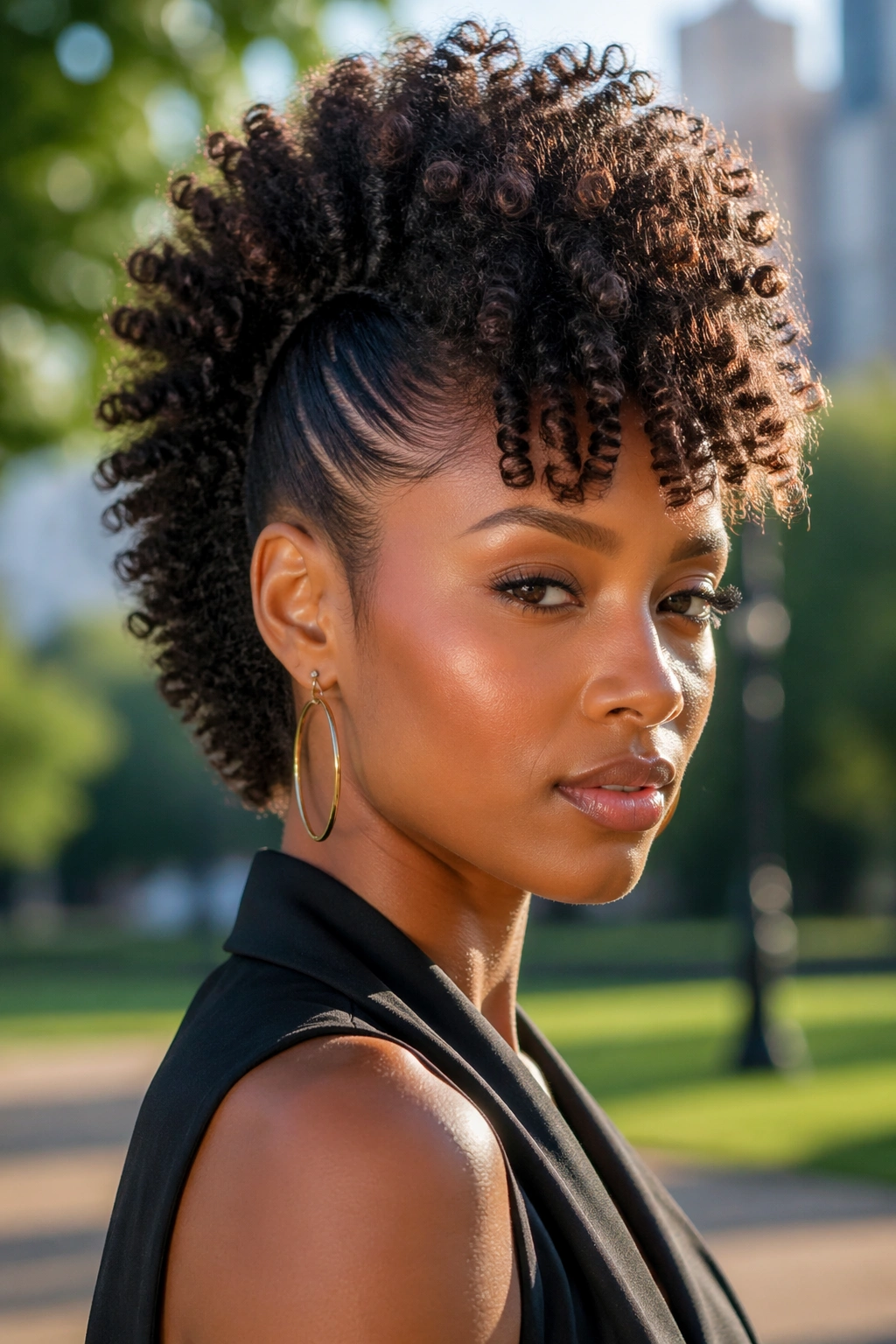
A curly frohawk gives you drama without demanding a full blowout or heat styling. It works by pinning or twisting the sides up tight enough to reveal the center strip of curls, which stays full and textured.
How to Shape It
Start with stretched or defined curls, then decide how much height you want in the middle. The center section can stay loose and big, or it can be lightly pinned in places so it rises higher. Use bobby pins, mini claw clips, or flat twists on the sides if you want a cleaner base.
- Best for medium to long hair
- Great for showing off curl pattern and volume
- Side sections can be slicked, twisted, or braided back
- A strong edge brush helps if you want sharper lines
The frohawk is good when you want something with personality but not a lot of handling. It is not subtle. That is part of the charm. If your curls naturally puff at the crown, this style uses that shape instead of fighting it.
14. Low Puff With Slicked Sides
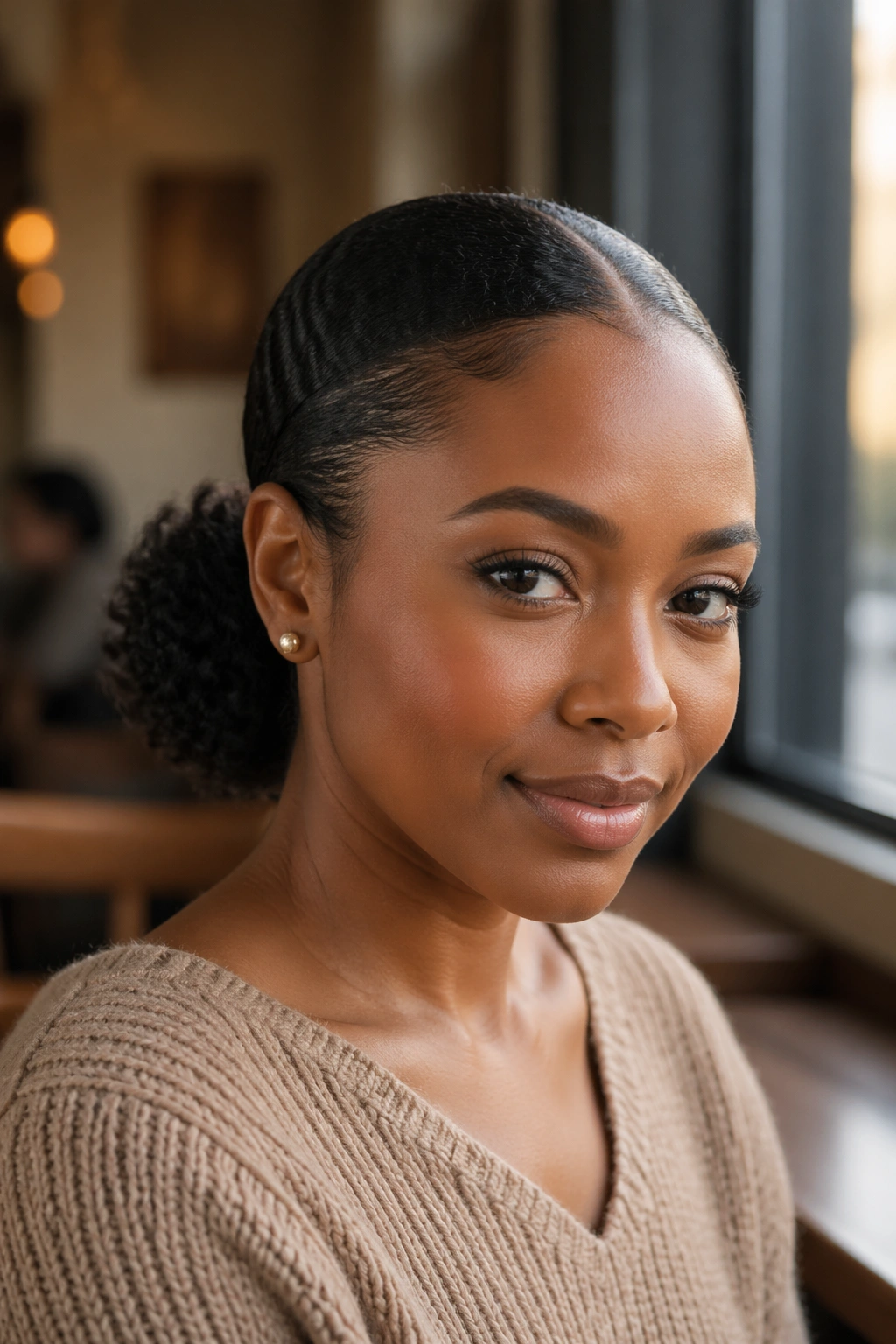
A low puff can look surprisingly elegant when the sides are smooth and the puff sits at the nape or just above it. It is a cleaner cousin of the high puff, and it tends to feel a little more grown-up.
The first step is moisture. Dry sides will fight the brush and make you use too much gel, which often leaves the hairline stiff. Work with slightly damp hair, smooth it back in sections, and gather it low with a satin scrunchie or puff cuff. The puff itself can stay fluffy and full while the front stays neat.
This style works well on hair that is thick enough to create a shape at the back but not so long that it droops. If your curls are long, wrap the base loosely once or twice before securing it. That helps the puff sit up instead of sagging.
It is one of those styles that looks simple until you do it right. Then it suddenly looks expensive, which is a silly word for hair but still accurate.
15. Crown Braid With Loose Curls
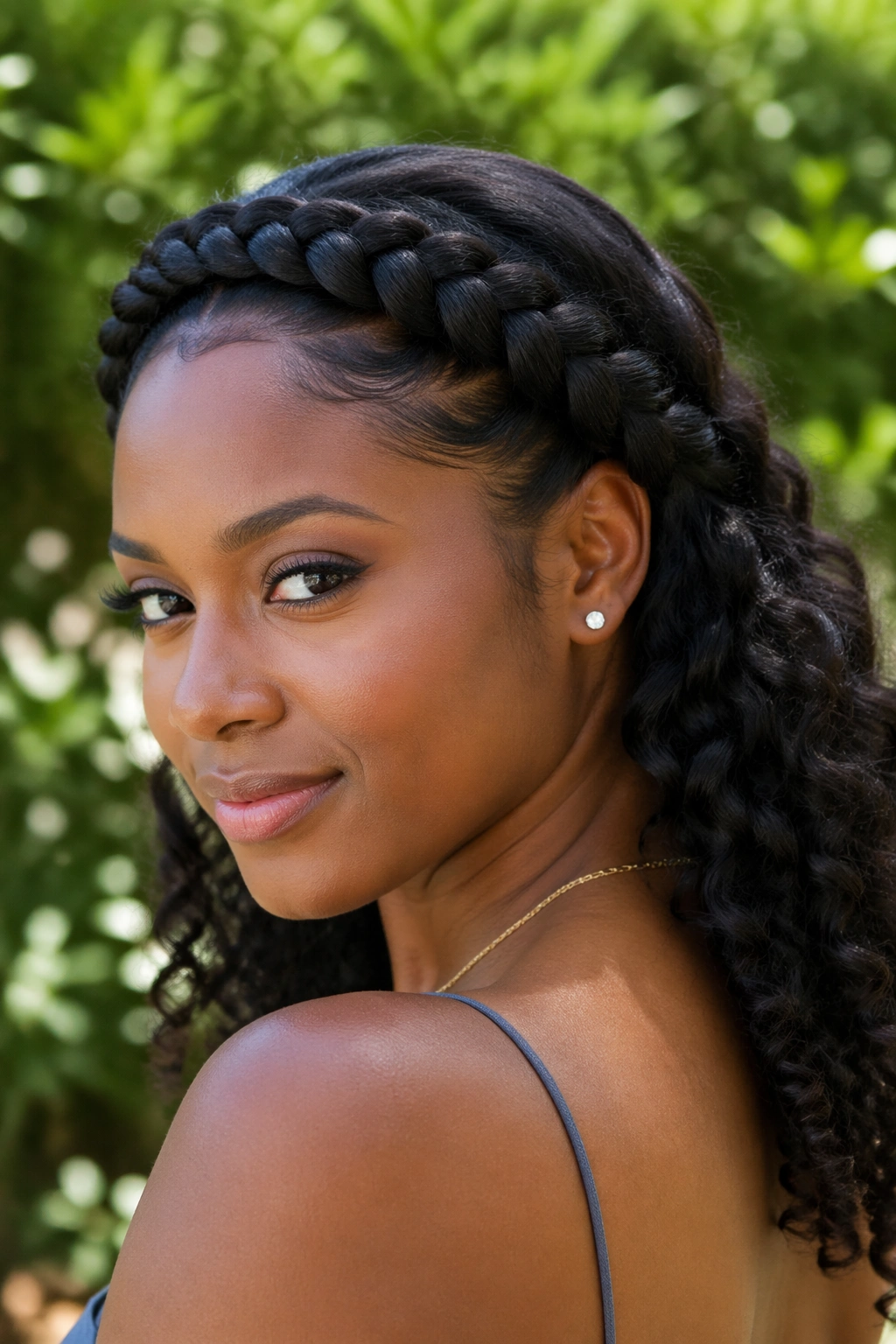
A crown braid with loose curls feels like one of the few styles that can move from errands to a dressier event without needing to change a thing. It keeps the front controlled and lets the rest of the curls stay soft.
Where the Braid Should Sit
The braid does not need to be perfect. It needs to hug the hairline cleanly enough to guide the eye around the head. From there, the loose curls can hang freely or be fluffed for more volume. If your hair is layered, the ends may stick out in a way that looks better than a polished braid ever could.
This style is kinder on medium-density hair than people expect. It is also a smart choice if the front sections tend to frizz first. Braid the front, leave the back alone, and the contrast becomes the style.
A few small pins keep the braid anchored. Use more than you think if your hair is heavy. The braid should feel secure, not tight, and that distinction matters on a long day.
16. Flexi Rod Set
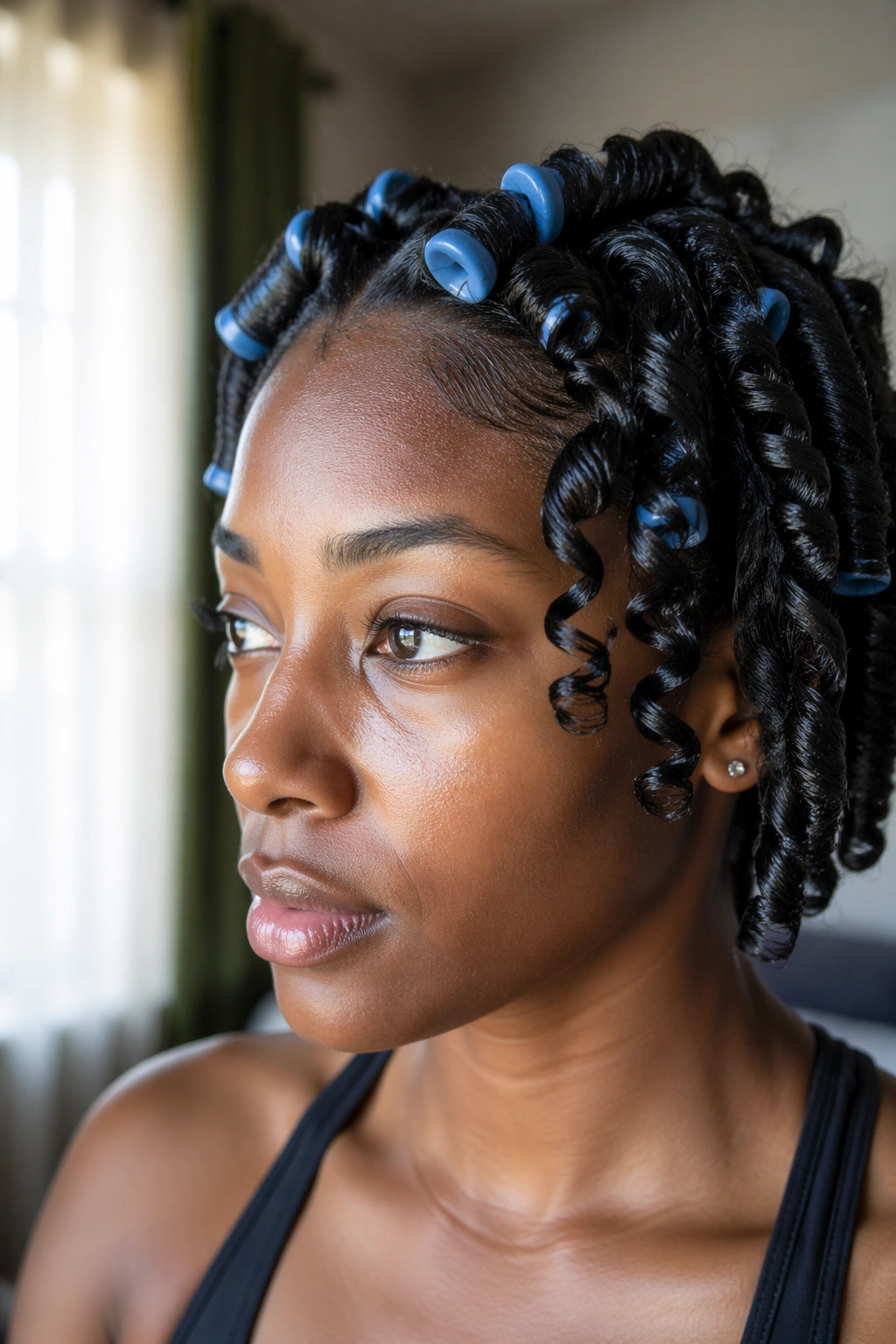
A flexi rod set gives you defined curls without heat, and that alone makes it worth knowing. The curls come out springy, polished, and a bit uniform, which can be useful when your natural curl pattern is uneven or you want a smoother finish.
The rods work best on hair that is damp, not soaking. Too much water means the inside of the rod set never dries fully, and that leads to limp roots or puffiness at the ends. Wrap small sections around the rod, roll it upward, and bend the ends to hold it in place. Medium and large rods give you looser curls; smaller rods make tighter spirals.
This style takes patience because drying time matters. If you rush it, the shape collapses. If you let it dry fully under a hooded dryer or overnight, the result can last several days with only light refreshing.
I like flexi rods for people who want a style that reads neat without looking pressed. There is movement, but the pattern is still obvious. That balance is hard to beat.
17. Two-Strand Twist Style
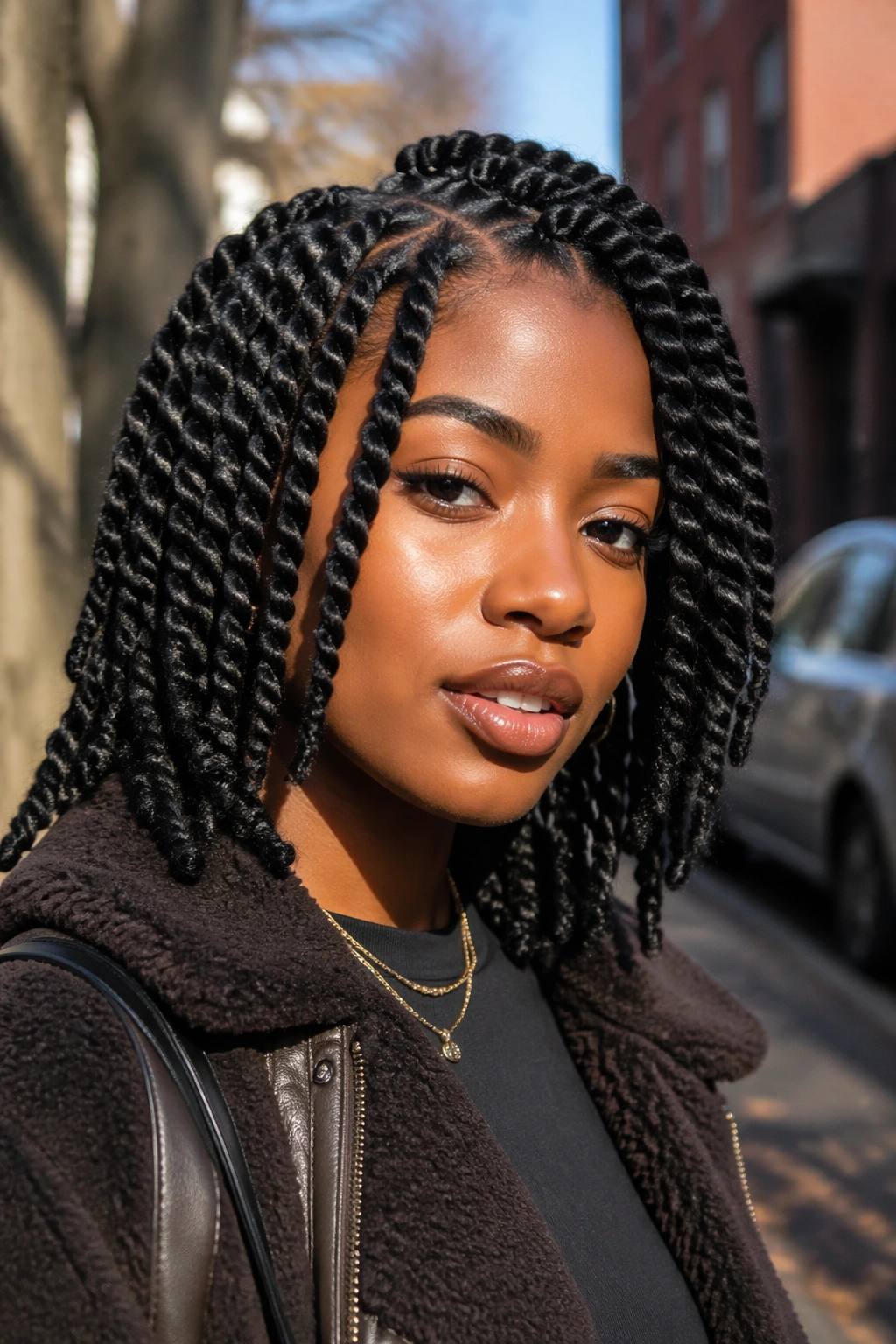
Two-strand twists are one of the most useful styles in the whole curly-hair playbook because they can live as a finished look, a protective style, or the base for a later twist-out. That is a lot of mileage from one technique.
They work best on hair that has been lightly stretched or fully detangled. Start with medium sections, keep the tension even from root to end, and stop twisting once the ends begin to curl around each other. Some people seal the ends with a tiny bit of gel or cream; others leave them to coil naturally. Both can work.
Best on Stretched Hair
Stretched hair gives cleaner twists and helps the style last longer. It also makes the parts easier to see, which matters if you want a neater finish. If the hair is very shrunken, the twists may puff earlier, but that can still look good.
- Wear them down for a simple everyday style
- Pin them up for a bun or half-up look
- Unravel them later for extra volume
- Keep the parts moisturized so the base does not feel dry
This is one of those styles that rewards a calm hand. Rushing makes the twists uneven, and uneven twists age fast.
18. Curly Ponytail With a Wrapped Base
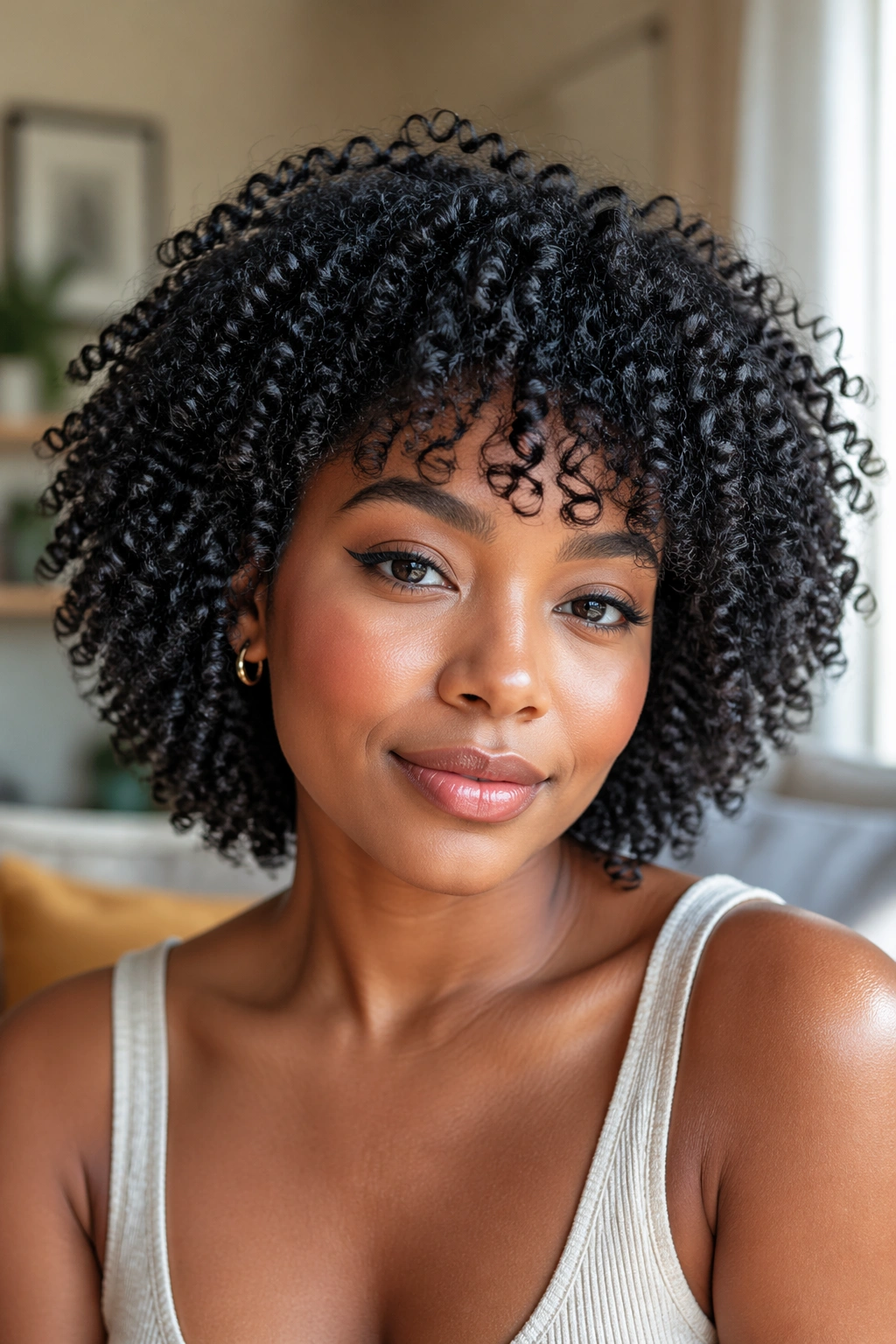
A curly ponytail with a wrapped base is the kind of style you can wear to work, brunch, or a casual night out and not feel underdressed in any direction. It is tidy at the top, soft at the ends, and easy to adjust depending on how much volume you want.
The important part is the base. Smooth the top section with a brush and a little gel or mousse, gather the hair where you want the ponytail to sit, then wrap a small section of hair, a scarf strip, or a clean piece of hair around the elastic to hide it. That small finishing touch does more than people expect. It makes the style look deliberate, not like a gym ponytail that got promoted.
Leave the curls in the tail loose and full. If your ends are dry, add a touch of leave-in or light oil to keep them from looking fuzzy. A low ponytail feels softer and more polished; a high ponytail gives you lift and energy.
If you only keep one style in your back pocket, make it one that can handle a good shirt, a bad hair day, and a last-minute plan. This one does.
A lot of curly styles come down to the same few decisions: how much tension you want, how much curl definition you need, and how long you want the style to last. Get those three things right and the rest gets easier.
And that is the real comfort of easy styles on Black curly hair. They do not ask you to flatten your texture or pretend it is something else. They just give it a shape that works.