
Thick curly hair looks best when it has room to move. That sounds simple, but it’s the difference between a shape that springs and one that swallows your face by noon.
The best medium hairstyles for thick curly hair don’t fight the curl pattern. They work with it, which usually means shaping the bulk, leaving enough length for weight, and giving the curls a clear direction so they don’t puff out in every direction at once.
I keep coming back to medium length because it sits in such a useful middle zone. Too short, and dense curls can stand up like a bell. Too long, and the hair can feel heavy at the roots while the ends drag the whole look down. Medium curls can breathe. They can also be styled fast, which matters on the days when you want your hair to look intentional without spending half the morning on it.
1. Medium Hairstyles for Thick Curly Hair: The Layered Curly Lob
A layered curly lob is one of those cuts that rarely disappoints. It lands around the collarbone, keeps enough weight to calm thick curls, and still leaves room for bounce. The shape works because it takes pressure off the ends without stripping the hair of its body.
What Makes It Work
The secret is in the layers, not the length. Long internal layers remove bulk where thick curls tend to swell, while the outer line stays soft enough to keep the shape looking full. That balance matters when your curl pattern is dense from root to tip.
Ask for a dry cut, or at least a curl-by-curl preview before the stylist commits to the final shape. Wet curls can hide a lot, and shrinkage changes everything once the hair dries.
- Best for: 3A to 3C curls that feel heavy at the bottom
- Style with: leave-in conditioner, curl cream, and a light gel
- Avoid: razor-thinning the ends too much
- Works well when: you want volume without the triangle effect
Pro tip: If your lob feels boxy after styling, the layers are probably too blunt near the sides. A tiny bit of face-framing can fix that fast.
2. The Rounded Shoulder-Length Cut That Softens the Whole Shape
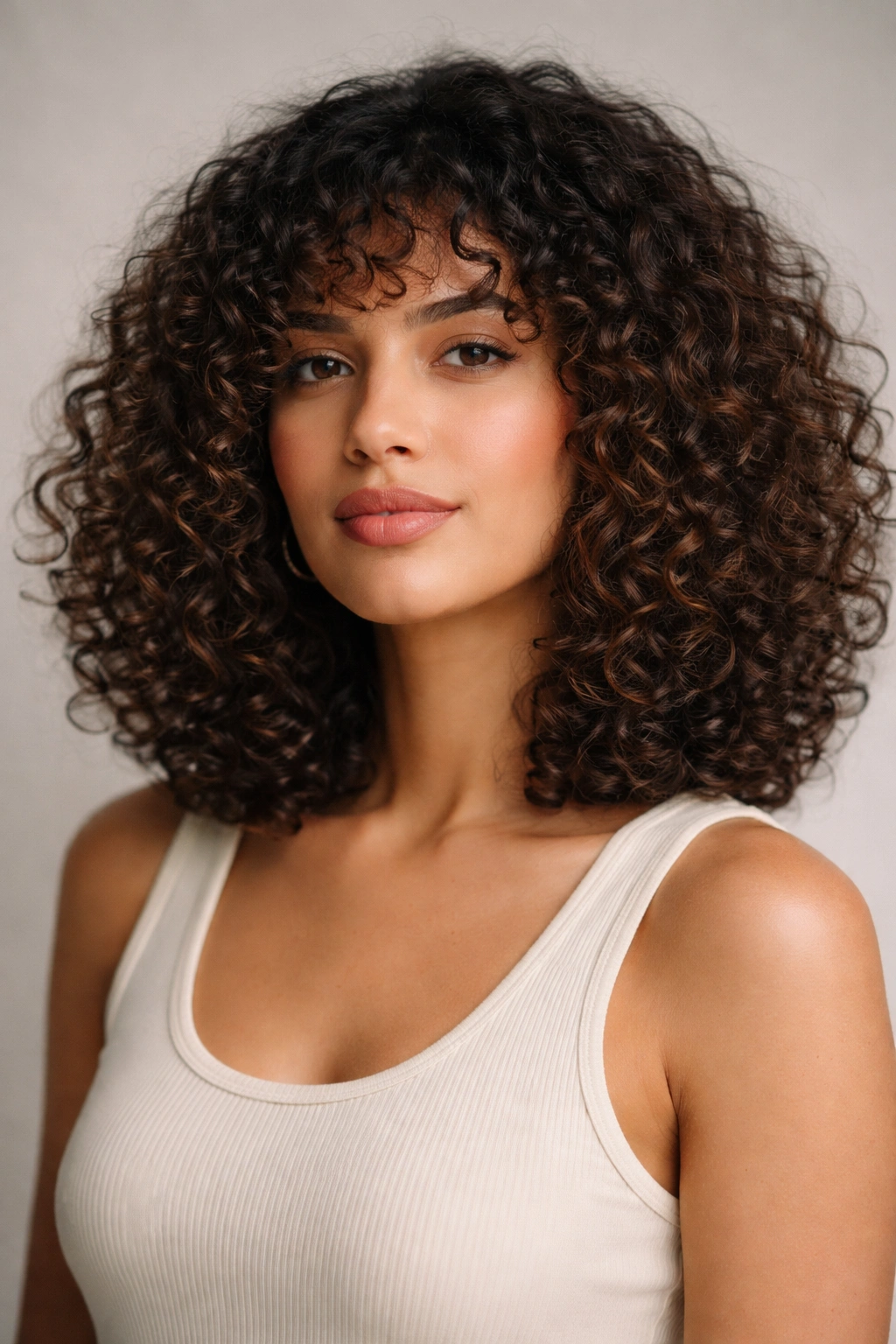
A rounded shoulder-length cut is the haircut version of a good tailor. It shapes the outline of thick curls so the style follows the head instead of flaring away from it.
The difference between this and a blunt shoulder cut is bigger than people think. A blunt line can look heavy and shelf-like on dense curls. A rounded shape keeps the fullness, but it tucks the sides in just enough to frame the cheeks and jaw.
I like this style for hair that already has a strong curl pattern and a lot of density. It gives you that plush, full look without making the silhouette feel boxy. If your curls expand a lot when they dry, this is a smart place to start.
It also holds up well on second-day hair. A few sprays of water, a pea-sized amount of curl cream, and a quick scrunch at the ends are often enough to wake the shape back up.
3. The Curly Shag With a Soft Fringe
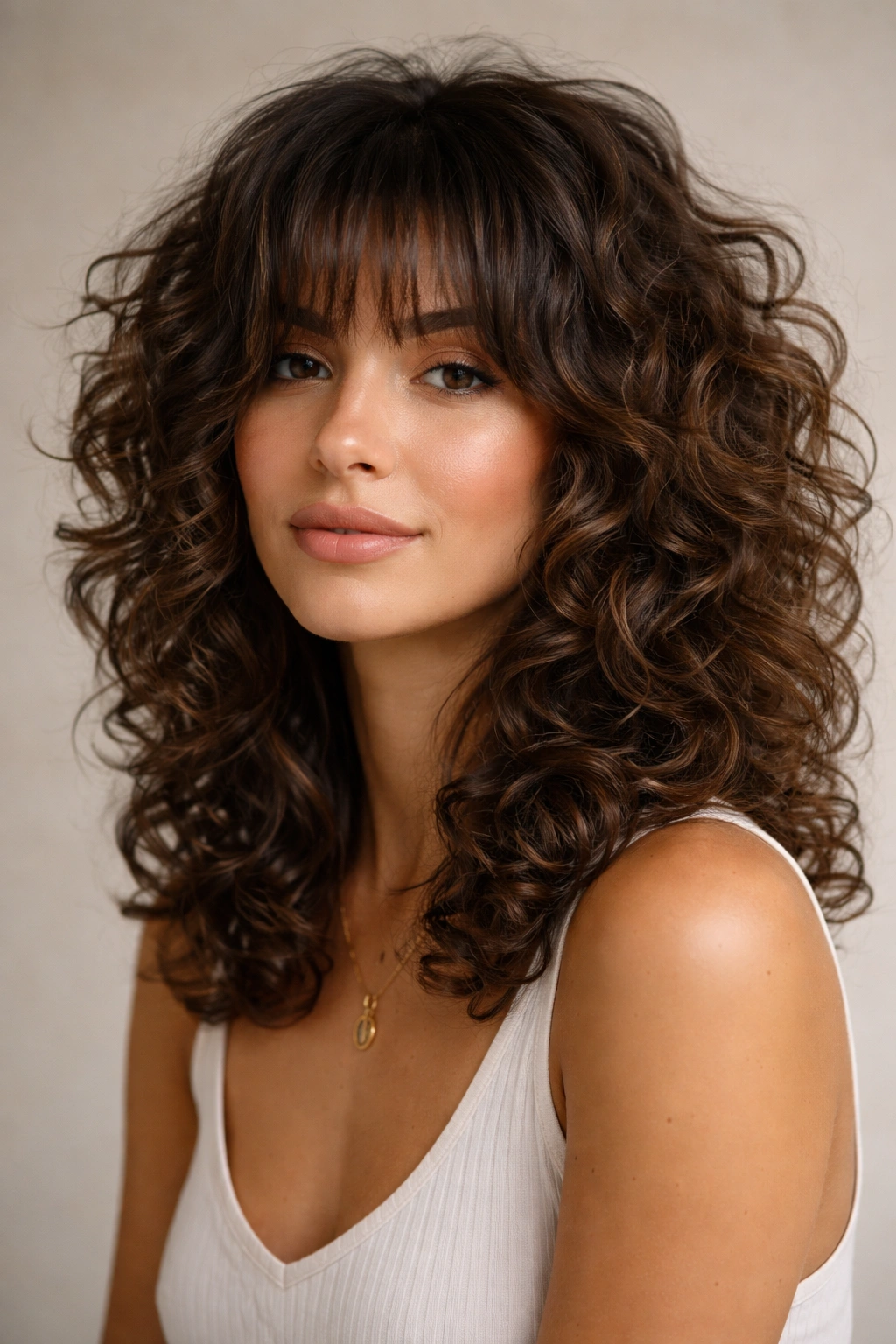
Why do shag cuts work so well on thick curls? Because they build movement into the haircut instead of asking your styling routine to do all the work.
A curly shag gives the crown a little lift, lets the lengths stay airy, and keeps the whole style from turning into one dense block. The fringe matters too. On curly hair, bangs should not be cut like straight fringe. They need extra length so they can shrink and still land where you want them.
What to Tell Your Stylist
- Keep the fringe longer than you think you need
- Build layers through the crown, not only at the bottom
- Leave enough weight around the perimeter so the ends don’t fray
This cut looks good on thick curls that get flat at the roots but huge at the sides. It creates a little chaos, but controlled chaos. That’s the charm.
One caution: if your curls are loose and your hair is very dense, too many short layers can turn the top into a puff. Keep the fringe soft and the crown textured, not choppy.
4. The Deep Side Part That Changes Everything
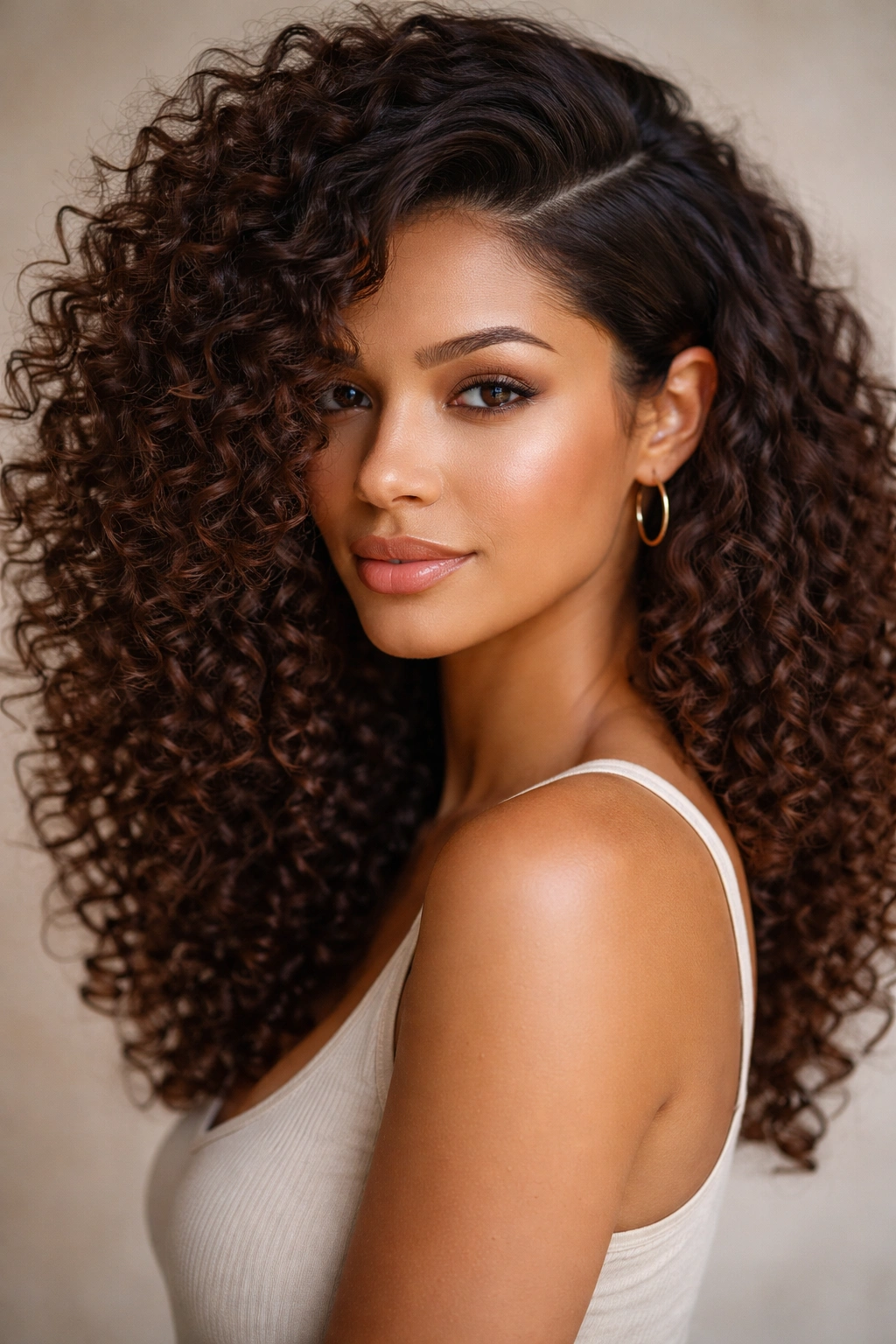
A deep side part can make the same haircut look twice as intentional. It shifts the bulk to one side, gives the crown a little lift, and creates a diagonal line that thick curly hair wears well.
Picture a wash day where your roots look flat on top and the lower half feels too wide. A side part fixes both problems without touching the cut. It gives the eye a place to go, and that alone changes how thick curls read from the front.
This style works especially well if your curls have a lot of spring and a little frizz at the crown. The part gives you shape without asking for another layer of product. I’d choose this on days when you want your curls to look full but not huge.
A small detail makes a big difference here: set the part while the hair is still damp, then clip the roots on the flatter side for a few minutes. That helps the bend stay in place once the hair dries.
5. Curtain Bangs With Long Layers
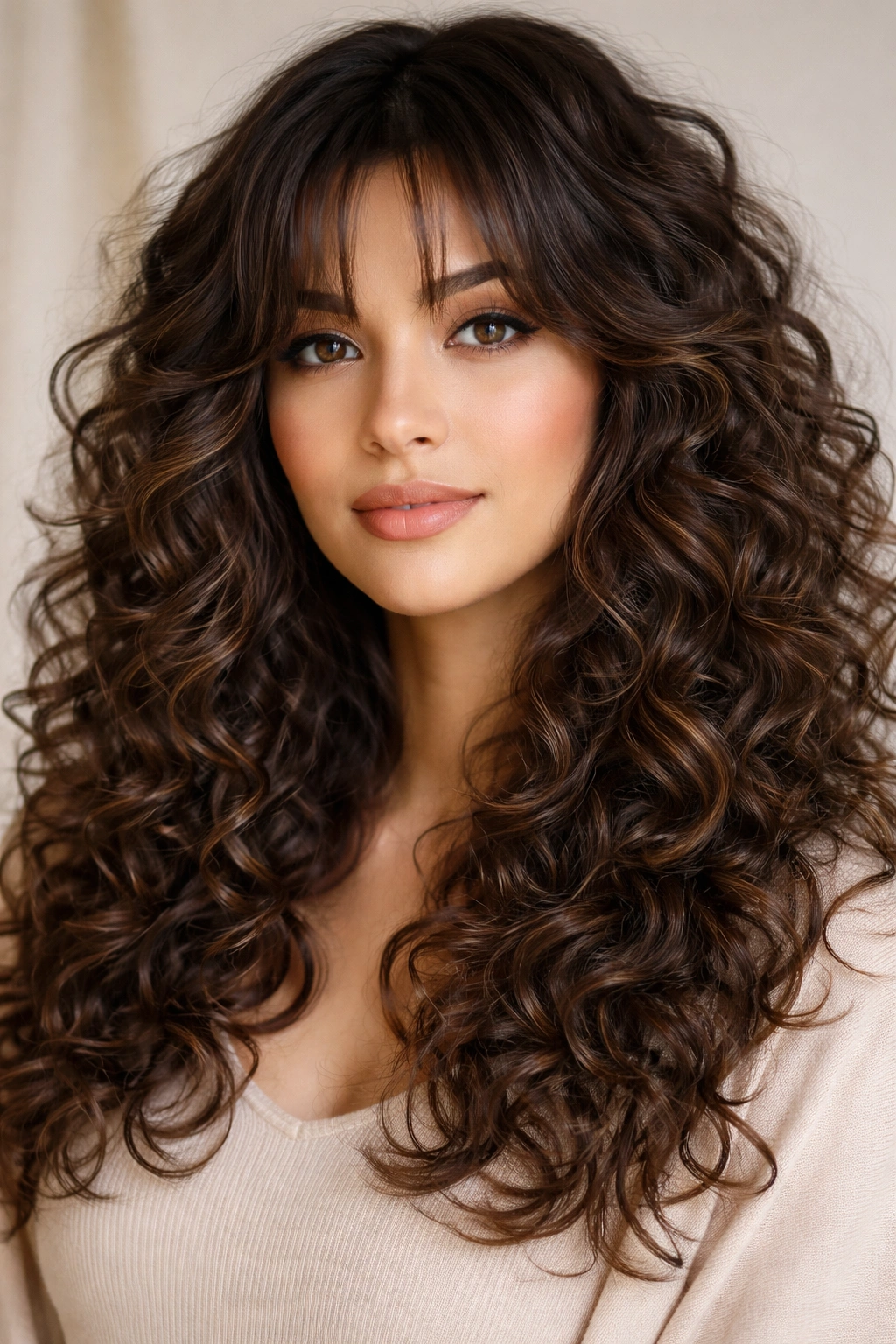
Curtain bangs can look nervous on curly hair when they’re cut too short. Cut them right, though, and they soften thick curls in a way that feels easy rather than fussy.
The long layer around the face pulls the shape inward. That matters because dense curls can easily overwhelm the features if everything hangs at the same length. Curtain bangs split the difference: they frame the face, keep weight off the cheeks, and let the rest of the hair stay full.
I’m partial to this look because it does a lot without looking try-hard. You can wear the bangs centered, sweep them to one side, or tuck them back when you want a cleaner line. They also give you a way to change the silhouette of a medium curly cut without losing length.
The only catch is maintenance. Bangs live closer to the face, so they pick up oil and frizz faster than the rest of the hair. A quick refresh with a spray bottle and a dab of leave-in goes a long way. If your stylist is willing to cut them a touch longer than your first instinct, that usually pays off once the curls spring up.
6. The Half-Up Claw Clip Style That Keeps the Bottom Alive
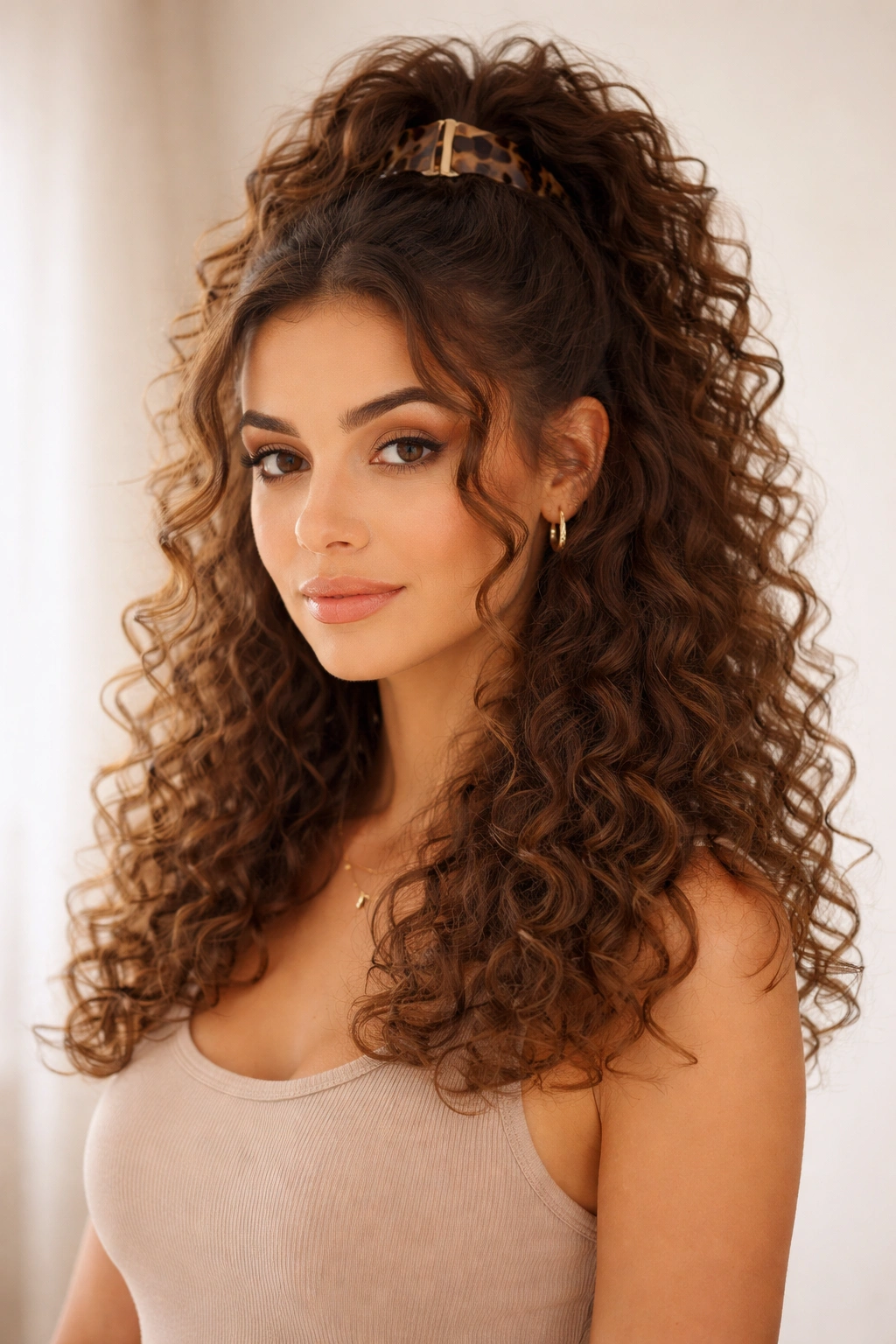
A claw clip does a better job than a tight ponytail when the goal is to keep curl shape. It lifts the top half, leaves the bottom free, and avoids the hard line that elastic bands can leave in thick hair.
This is one of my favorite medium hairstyles for thick curly hair on day-two or day-three curls. The curls usually have enough bend to look good down low, but the roots need a reset. Pulling the top half back with a clip gives the style lift without flattening the ends.
When It Beats a Ponytail
- You want volume at the crown
- Your curls are still defined through the mids and ends
- You don’t want a tight band mark around the back of the head
- You need a fast fix that still looks deliberate
Choose a clip that grabs the hair without crushing it. Small clips tend to slip on thick curls, and giant clips can feel clumsy. A medium-to-large claw clip with a strong spring usually works best.
My advice: leave a few curls loose around the face. That keeps the style from looking too stiff, which is the main thing a half-up clip can ruin if you pull everything back too neatly.
7. The Pineapple Puff for Easy Volume
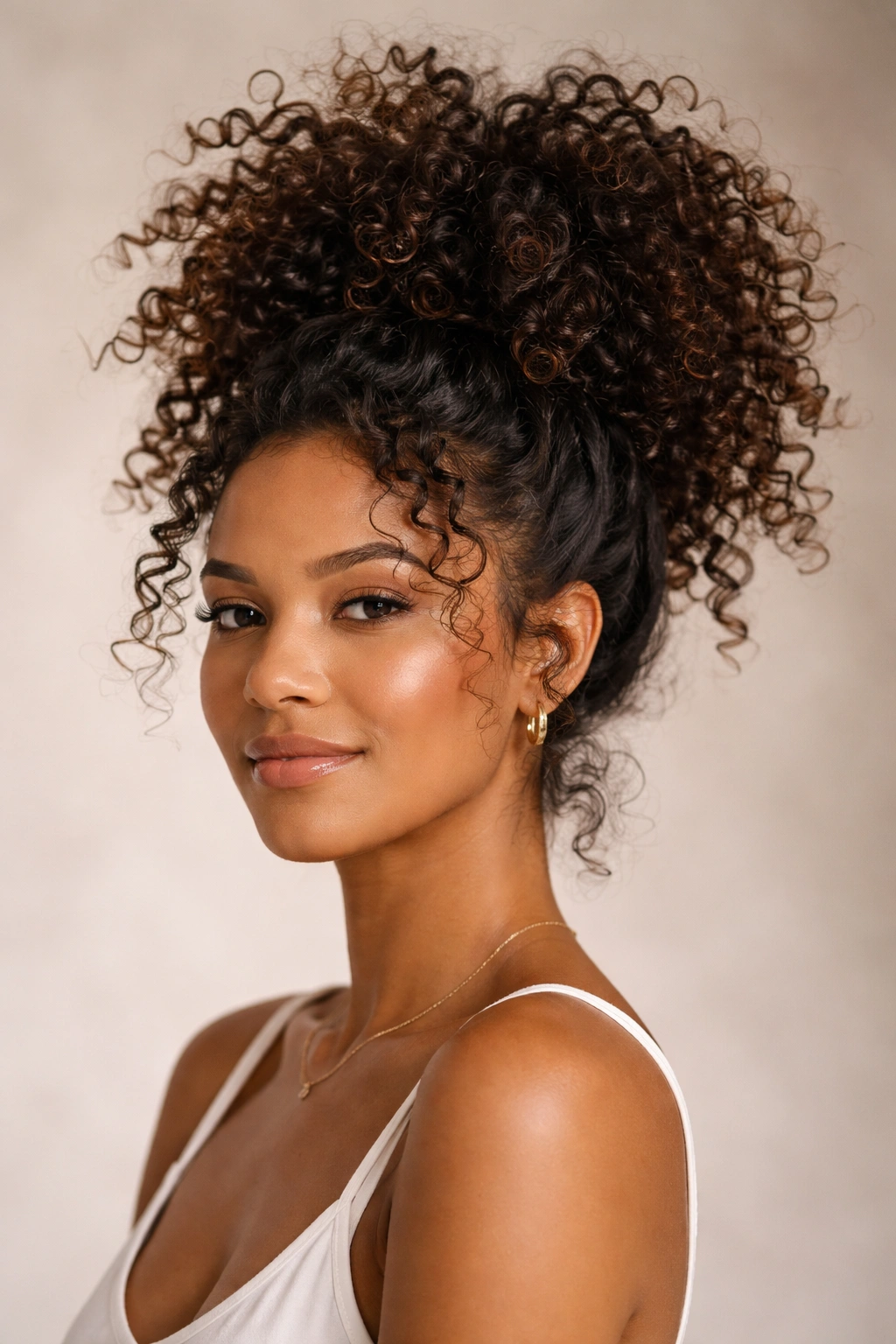
You know that moment when the roots are a little flat but the curl ends still look good? That’s pineapple territory.
A pineapple puff lifts the hair high, loosely, and with enough slack that the curls can keep their shape. On medium-length thick curls, it gives you volume without turning the whole head into a tight knot. It also keeps the back from getting mashed while you move through the day.
I think this style works best when the ponytail sits high but not strained. Use a silk scrunchie or a soft elastic, and stop as soon as the hair is gathered. No need to pull the curls sleek. The puff should look airy, not severe.
This is also a useful bedtime move. If you gather the hair loosely on top before sleep, the curls tend to hold their form better by morning. Some people keep the front a bit looser and let a few pieces fall around the temples. That can be a good thing. It softens the shape and keeps the style from looking too top-heavy.
8. The Curly Wolf Cut With Soft Edges
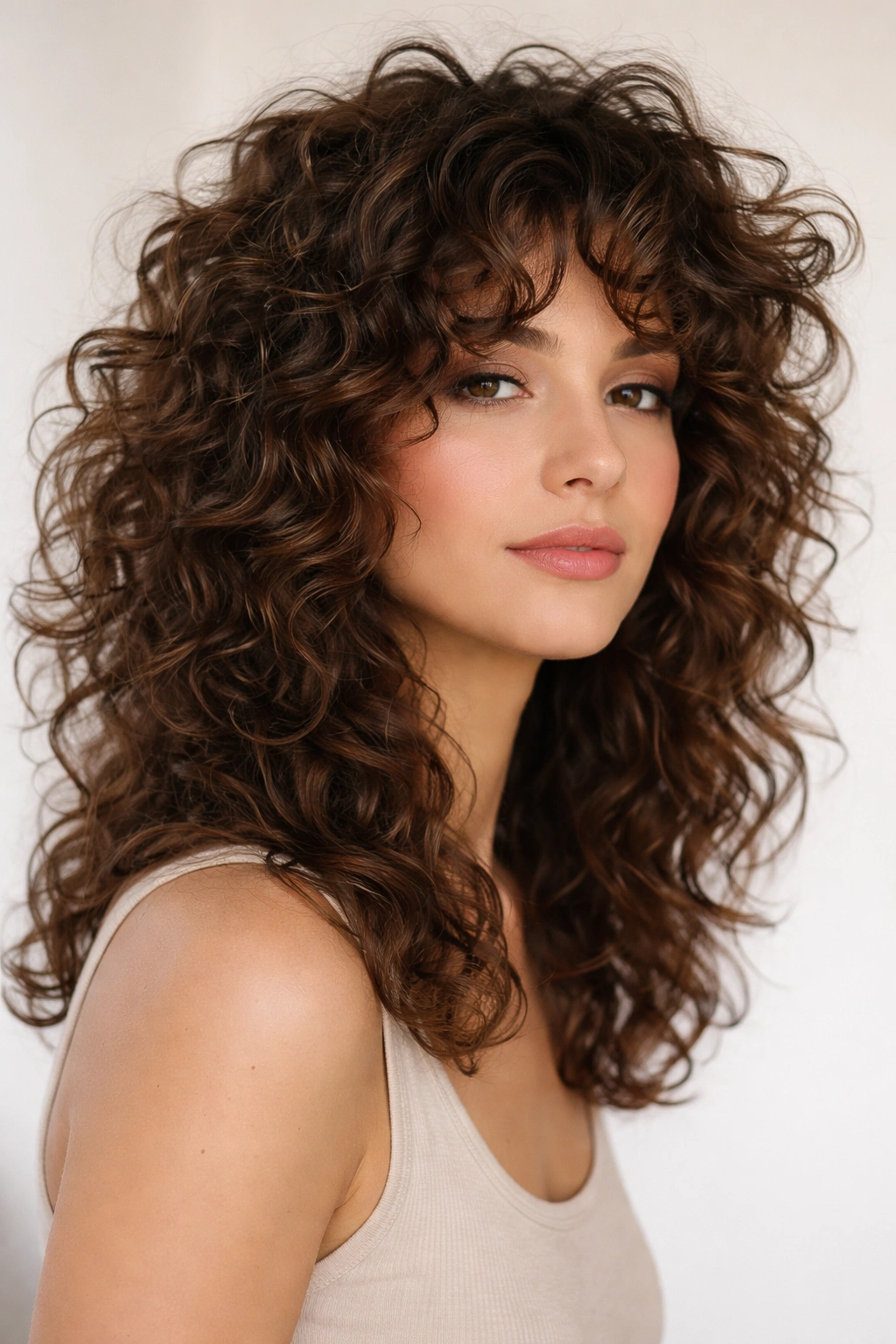
If your curls like a little attitude, the curly wolf cut is hard to ignore. It gives the top more texture, leaves the bottom longer, and builds a shape that looks lively instead of tidy.
The important part is restraint. Thick curly hair can handle the wolf-cut idea, but it does not need to be hacked apart with a razor. The best version keeps the edges soft and the layers deliberate, so the cut reads as movement rather than frizz.
The shape is useful if your curls get heavy at the bottom and flat at the crown. Shorter layers up top create lift, while the longer length keeps enough weight to stop the hair from sticking up too much. That balance is the whole point.
What to Avoid
- Very short crown layers that puff out
- Over-thinning the ends until they look wispy
- A fringe that lands too high once the curls shrink
- Choppy sections that fight the natural curl groupings
This cut suits people who like a style with some edge and do not mind a little styling effort. A diffuser, a light gel cast, and a gentle scrunch usually do the job.
9. The Low Curly Ponytail With a Wrapped Base
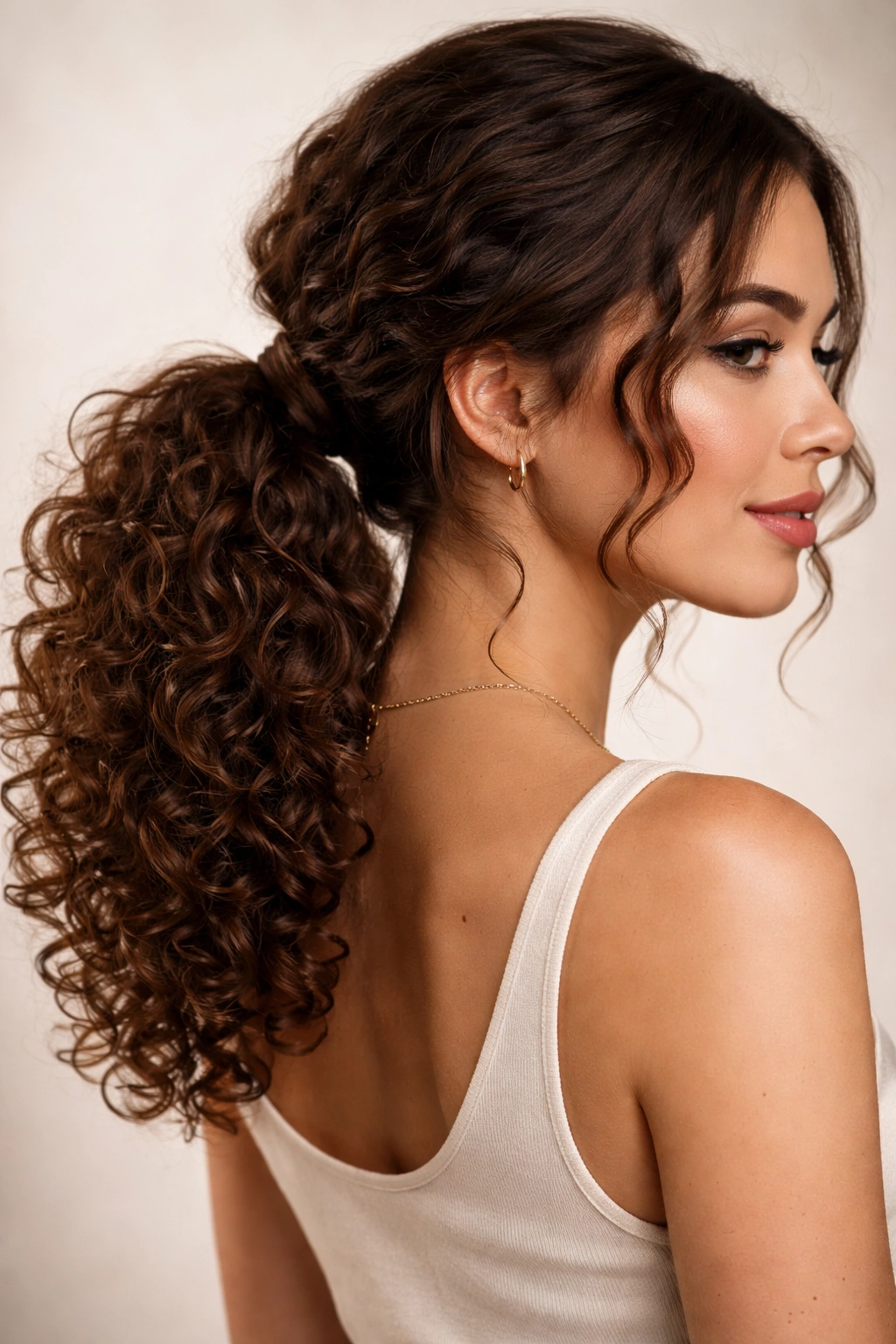
Can a ponytail count as a real hairstyle? Absolutely, if you shape it instead of tossing it back.
A low curly ponytail sits at the nape, where it keeps the curls contained without crushing all the volume at the crown. The wrapped base matters. A strand of hair wrapped around the elastic makes the style look finished, and it also hides the rough spot where the band would usually show.
This works well on medium-length thick curls because the hair is long enough to gather cleanly but not so long that the ponytail hangs like a heavy rope. Leave a few face-framing pieces out if you want softness. That keeps the style from feeling severe.
A little cream along the hairline helps here, especially if your edges tend to frizz first. Keep the ponytail loose enough that the curls still have room to spring inside the holder. Too tight, and the whole style loses its shape.
10. The Braided Crown With Loose Curls
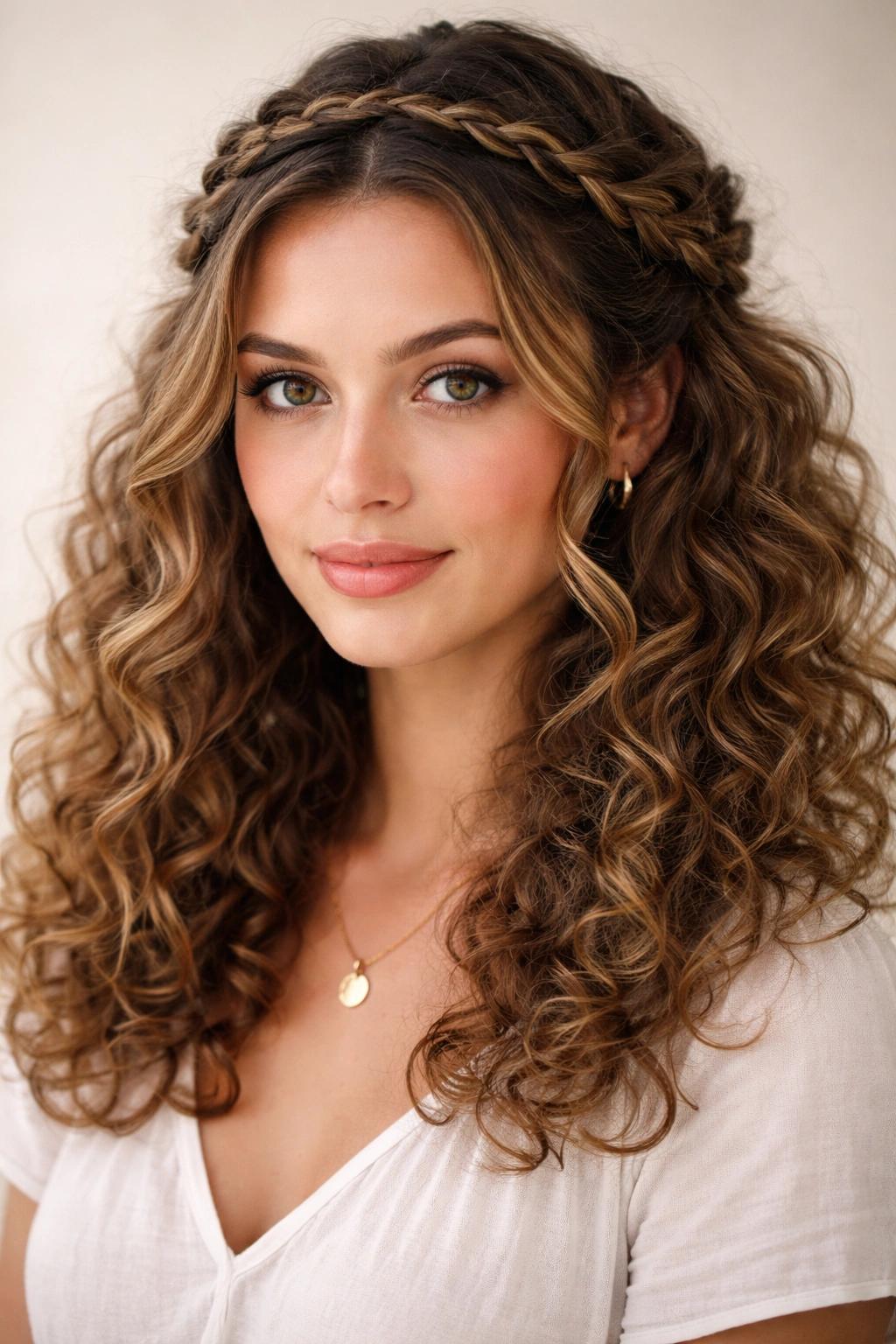
A braided crown gives you control at the front and freedom at the back. That’s a useful trade when thick curls need to stay off the face without losing their shape.
The basic idea is simple: braid or flat-braid the front sections back toward the crown, then pin them so the rest of the curls can fall loose. Medium-length hair has enough length to make this work without looking stretched. The braids become a frame, not the whole story.
I like this style because it keeps the top tidy while leaving the lower curls visible. It feels balanced. The braid line adds structure, and the curls at the back keep the style from becoming too formal.
Small elastics and discreet pins are the difference between this looking polished and looking fussy. If your curls are very thick, braid on slightly stretched hair so the sections stay neat. Dry hair is easier to grip, but a little styling cream keeps the strands from slipping apart while you work.
11. The Diffused Wash-and-Go That Holds Its Shape
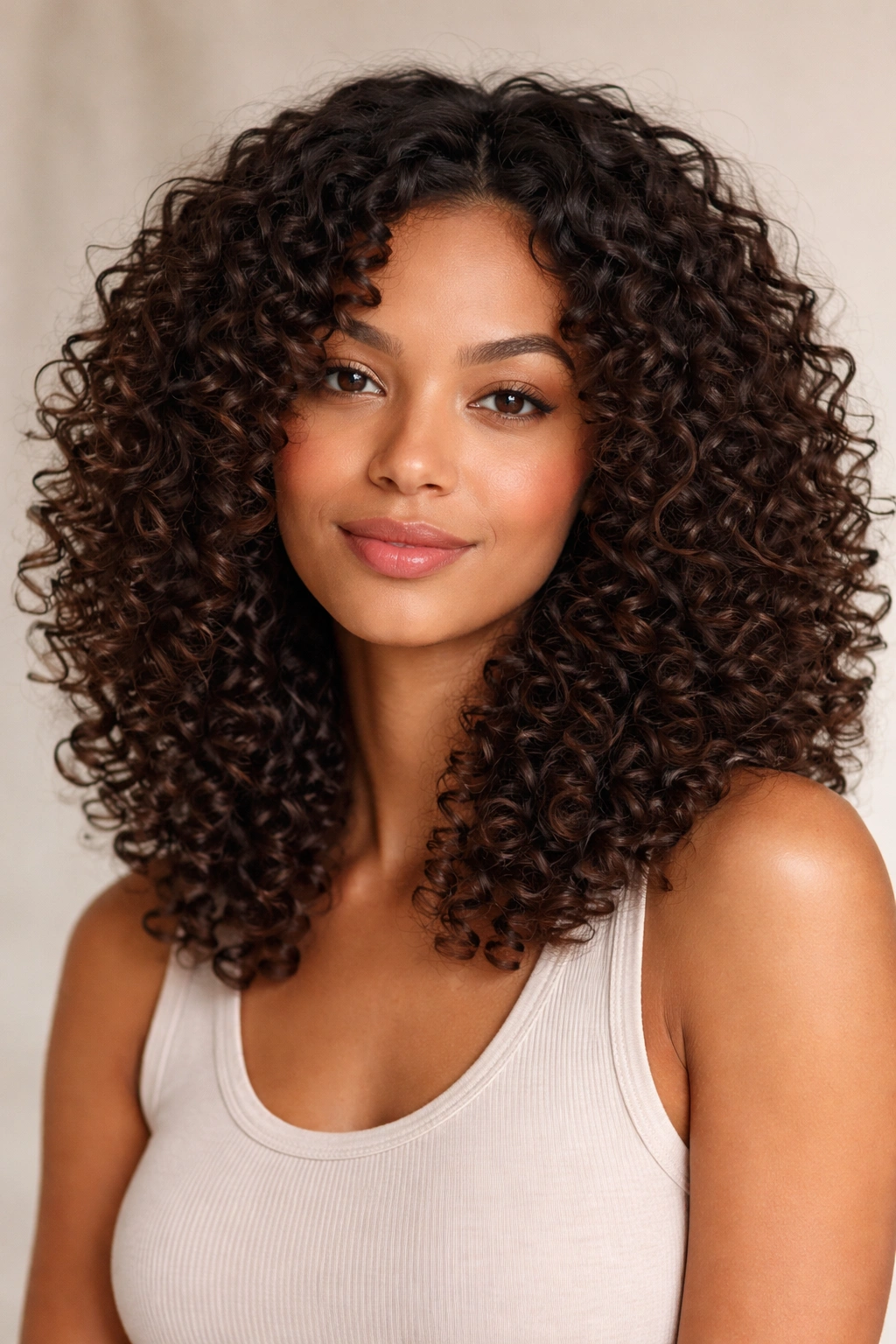
A wash-and-go on thick curls only looks casual if the setup is disciplined.
The hair needs a clean base, a leave-in that adds slip, and a styler that gives hold. For dense curls, I usually like a light curl cream under a gel, then a diffuser on low heat. The goal is clumping first, volume second. If you reverse that order, the hair can get big in the wrong places.
Small Steps That Matter
- Apply product in sections, not all at once
- Smooth the curls downward first, then scrunch
- Keep the diffuser a few inches away from the hair
- Stop touching the curls until the cast forms
- Scrunch out the cast with a drop of oil or serum
This is one of the best medium hairstyles for thick curly hair when you want definition without a cut that does all the talking. The style depends on curl shape, so it rewards patience.
A wash-and-go can go wrong fast if the roots are dried too hard or the hair gets disturbed before it sets. Leave it alone. That’s the part people skip, and it’s usually the part that saves the finish.
12. The Twist-Out That Stretches Thick Curls
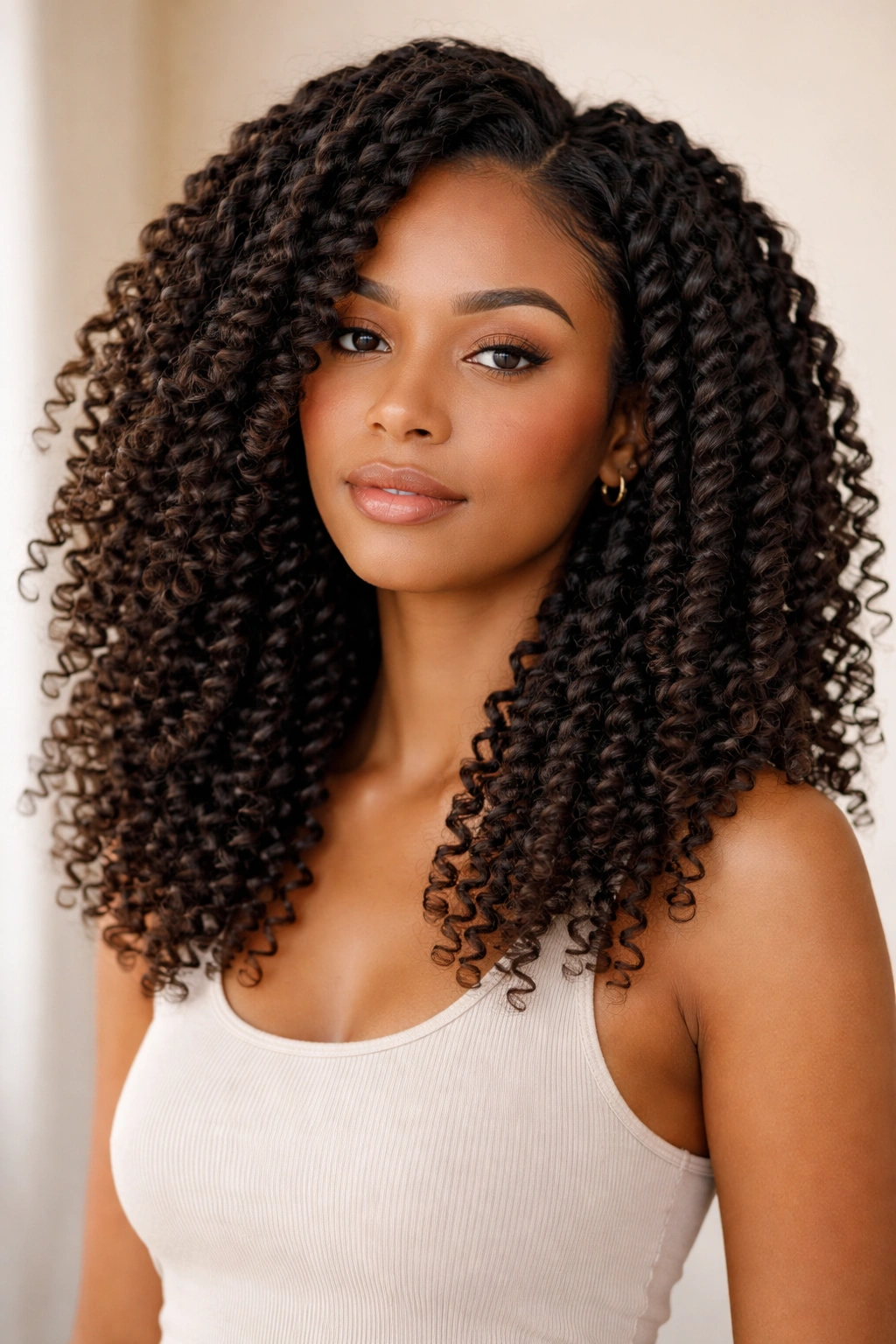
A twist-out is the stretching trick thick curls often need when the hair feels too dense at full length.
Two-strand twists, done on damp hair, reshape the curl pattern into a softer, more elongated version of itself. When you take them down after a full dry, the hair looks fuller at the roots and smoother through the ends. That helps a medium-length cut keep movement without getting too bulky.
The trick is section size. Smaller twists near the crown give the roots more definition, while slightly larger twists through the lower half keep the ends from looking stringy. Use a leave-in first, then a cream or light butter, then a tiny bit of gel at the ends if your hair tends to frizz out.
How to Keep the Shape Clean
- Unravel only when the hair is fully dry
- Separate each twist once, maybe twice, not endlessly
- Use a little oil on your fingertips
- Stop separating as soon as the curls start to lose their clump
I like twist-outs on thick curly hair because they add length without heat. They also give you a style that looks a little more controlled than a wash-and-go, which can be useful when your curl pattern needs a break from constant volume.
13. The Flat-Twist Halo That Sits Close to the Head
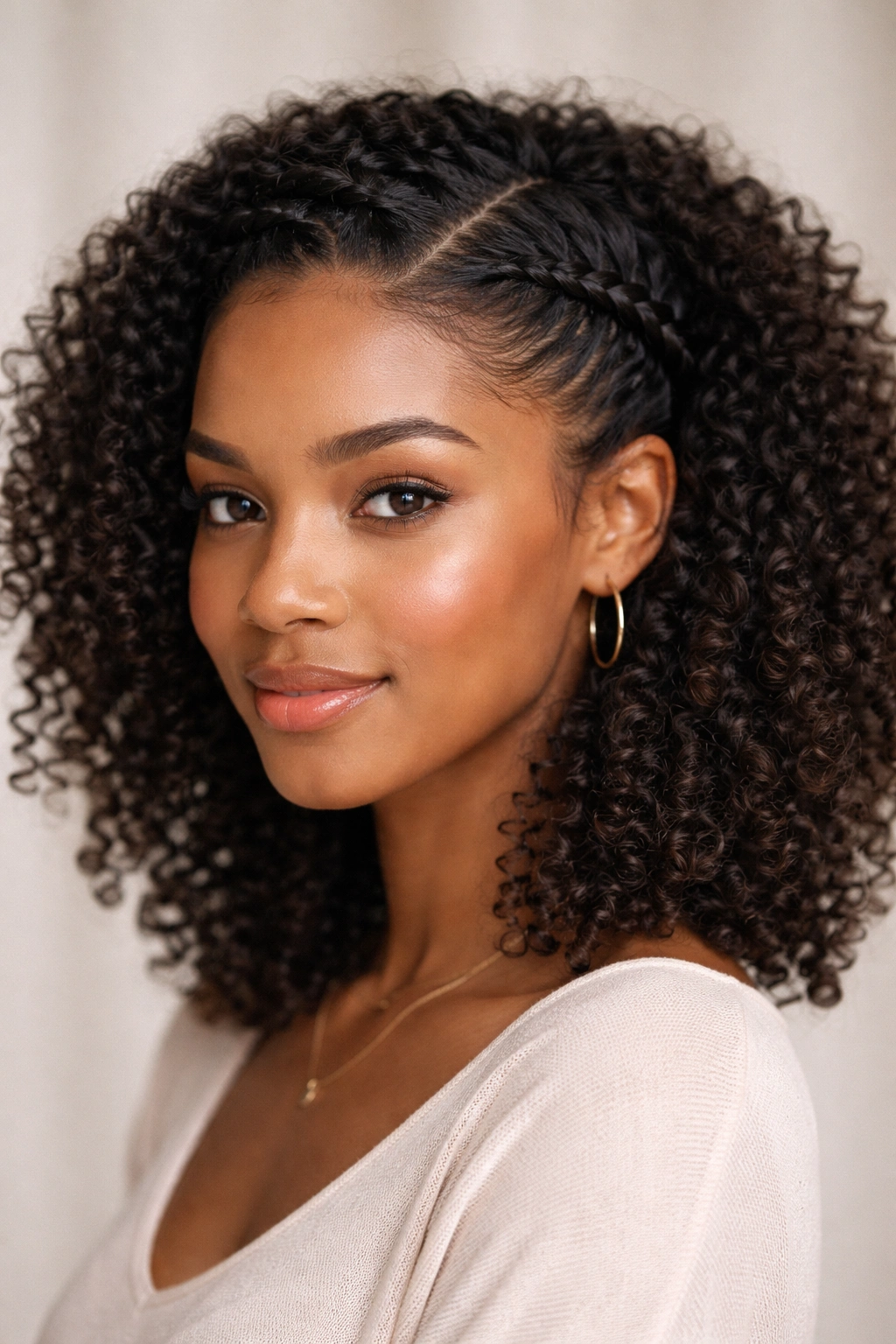
Flat twists feel tidier than braids and sit closer to the head, which makes them a smart choice when thick curls need to stay put.
A halo of flat twists wraps around the hairline and keeps the front under control while the rest of the hair can stay curly or be tucked away. On medium-length hair, the style has enough length to wrap neatly without needing a lot of pins. That matters. Too many pins, and the whole thing starts to wobble.
This style is especially useful when you want the hair off your face but do not want a slicked-back look. The texture stays visible. The curls still feel like curls. You just get a cleaner frame around the face and a little less bulk around the temples.
It also plays nicely with thick hair because the twists help divide the density into manageable sections. If your hair is especially full at the crown, the halo can make the whole head feel lighter without sacrificing the shape at the back.
14. The Clipped-Back Face-Framing Style That Looks Deliberate
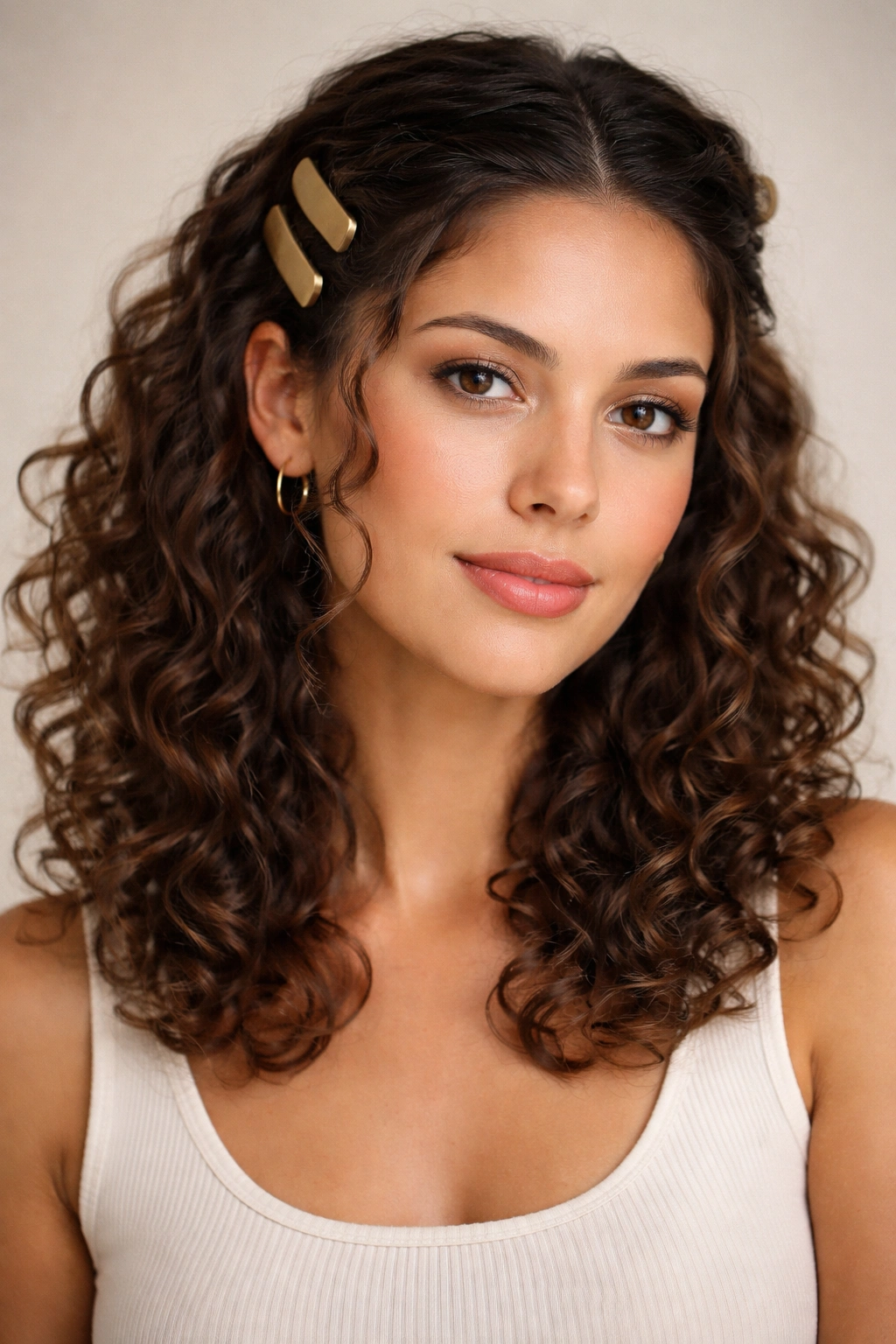
Two barrettes and five minutes can save a bad curl day.
This style works because it treats the front sections like a feature instead of an afterthought. Pull back the temple pieces or the front layers, clip them just behind the ears, and let the rest of the curls fall around them. On medium-length thick hair, that creates a nice contrast: the face opens up, but the back keeps its volume.
I reach for this one when the front pieces have gone soft but the rest of the hair still looks good. It is also handy if your curl pattern at the front is looser than the pattern at the back. That mismatch can be annoying when the hair is all down. Clipping the front back solves it without a full restyle.
How to Keep It From Slipping
- Use matte clips or strong barrettes, not flimsy ones
- Take a slightly deeper section than you think you need
- Clip on dry or almost-dry hair
- Leave a curl or two loose near the temples for softness
The best part is how low-effort it is. It reads as styled, even when the rest of your morning was a mess.
15. The Soft Faux Hawk for Thick Curls That Need Shape
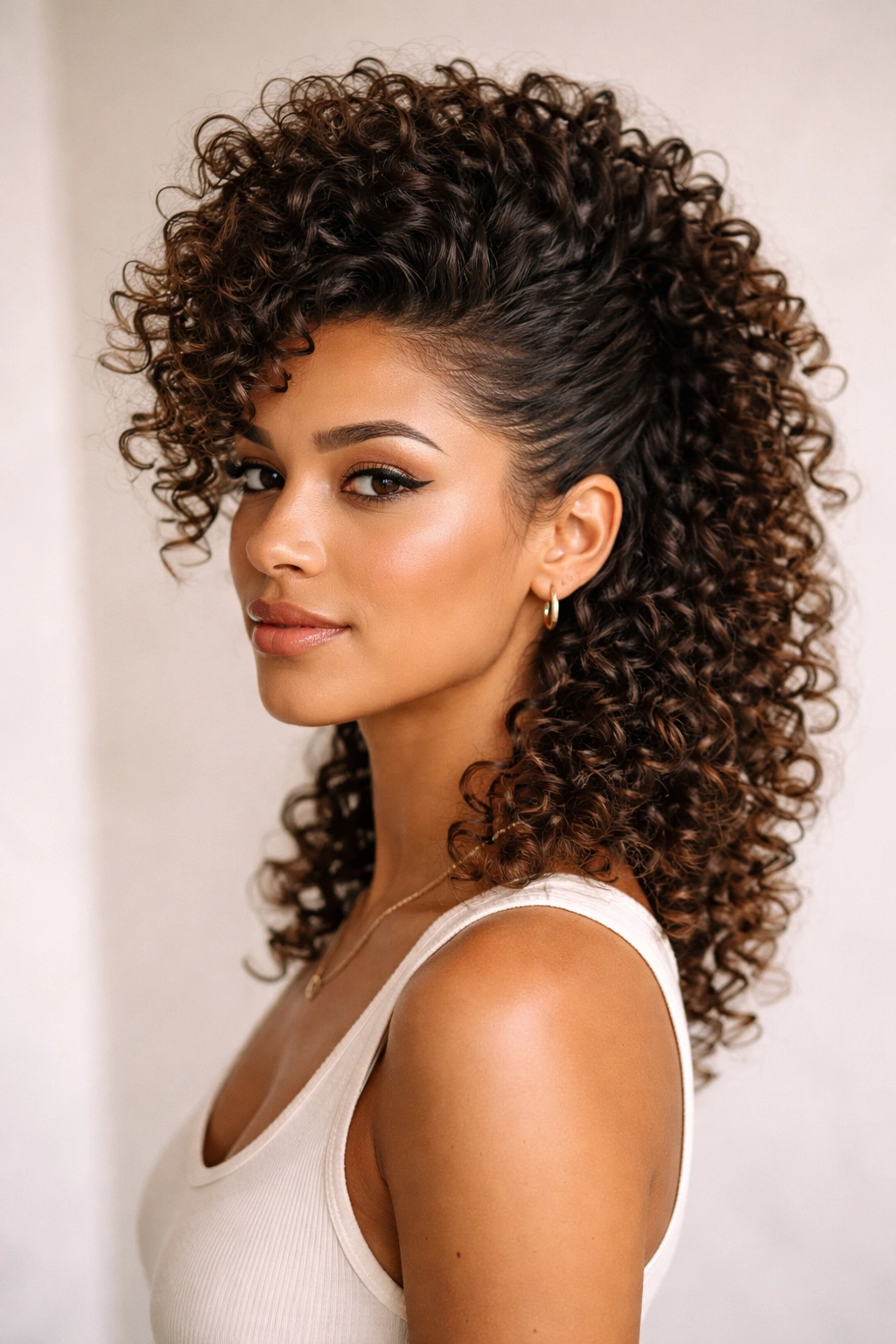
The soft faux hawk is what happens when thick curls stop apologizing.
Instead of flattening the sides and forcing the top to lie down, this style keeps the center line full and pushes the sides back or up. The result is a taller silhouette that still feels wearable. On medium-length curls, the shape can look bold without becoming bulky.
I prefer the softer version over the heavily teased one. Use pins, not a lot of backcombing. Smooth the sides with a light gel or cream, then let the center section stay loose and defined. If the top needs more lift, diffuse it while clipping the roots upward. That gives the ridge shape without making the ends frizzy.
Who It Suits Best
- Thick curls that naturally have strong volume
- Medium-length hair that falls around the shoulders
- Anyone who wants height without losing curl definition
- Styles that need to look a little more dressed up
This one has a little drama to it. Not too much. Just enough to make thick curls look intentional from every angle.
Final Thoughts
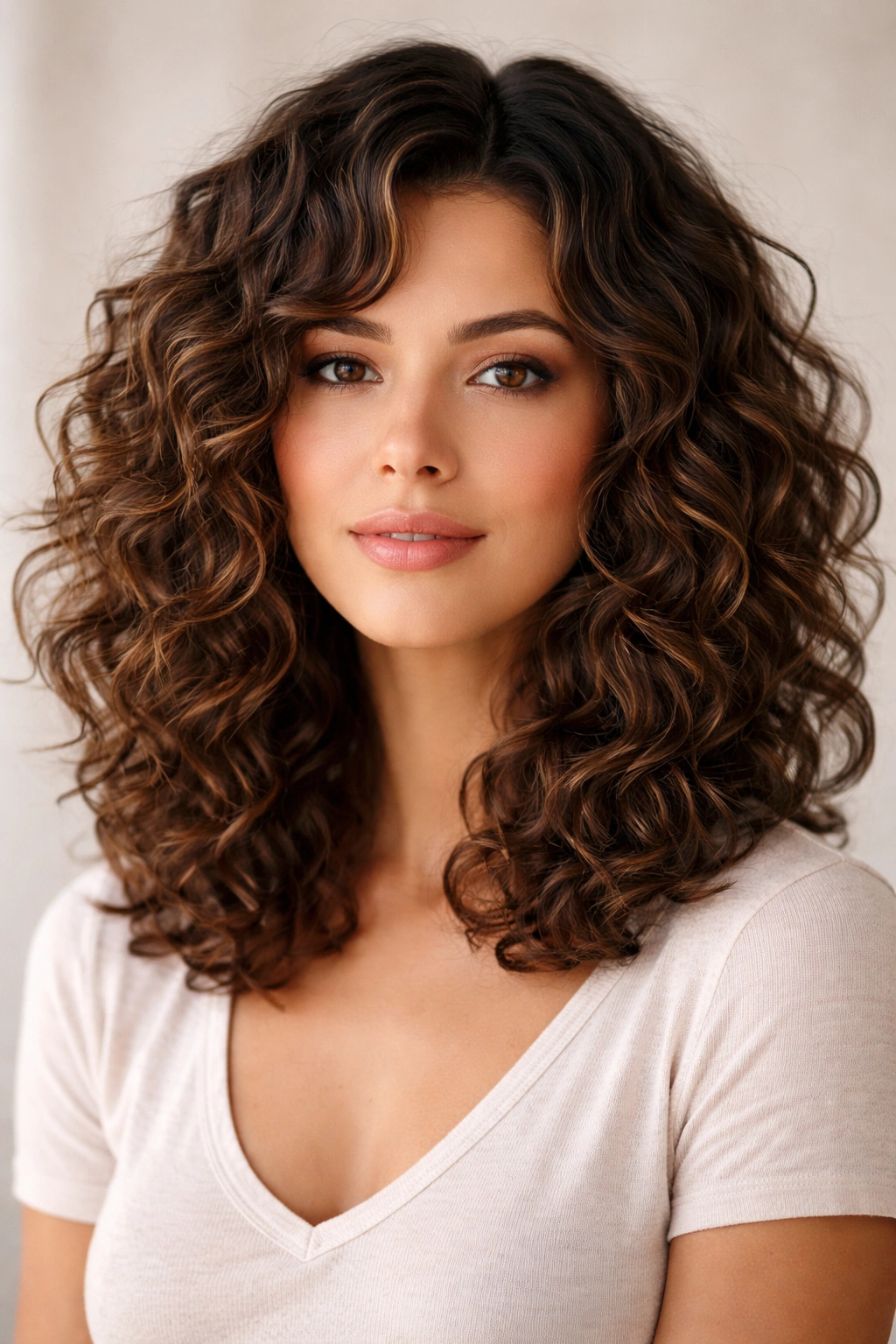
The smartest medium hairstyles for thick curly hair do one of two things: they remove bulk where the hair needs release, or they steer that bulk into a shape that looks on purpose. That’s the whole game. If the haircut or style ignores density, the curls usually answer back.
I’d trust a layered lob, a rounded cut, or a soft shag before I trusted anything too blunt or too thin. Thick curls need room, but they also need direction. That is why the best results usually come from shape first, product second.
And if you’re stuck between styles, look at your hair on day one and day three. The right cut should still make sense when the curls are a little softer and a little less cooperative. That’s the real test.