



A long wavy lob has a useful trick: it makes hair look styled even when you have not spent forever on it. Long wavy lob haircuts sit in that sweet spot where the ends still have enough weight to fall nicely, but the shape is short enough to keep movement and bend. That balance is why this cut shows up in so many different versions and still feels fresh when the styling changes.
Too short, and waves can puff up or spring out in odd places. Too long, and the whole shape can go flat, especially if your hair is fine or if the wave pattern is loose. The lob fixes both problems by keeping the line around the collarbone, where the hair has enough swing to look soft but enough structure to avoid looking messy.
That structure matters more than people think. A blunt edge gives a wave pattern somewhere to sit. Layers change how much air gets into the shape. A side part can make the whole cut look fuller at the root, while a center part makes the texture read cleaner and more modern. Small changes, big difference.
1. Blunt Collarbone Lob With Soft Wave Ends
A blunt collarbone lob is the haircut I reach for when someone wants their waves to look fuller without a lot of layer drama. The clean perimeter gives the hair a dense outline, and the wave pattern sits on top of it instead of getting chopped apart. That makes this one especially good for fine to medium hair.
What to ask for
Ask for the longest point to land right at the collarbone, with a blunt edge all the way around and only a whisper of texture at the ends. If your stylist reaches for thinning shears halfway up the hair, that is not the move. Keep the weight low and the line clean.
- Collarbone length, not shoulder length
- Blunt ends with soft point-cut detailing
- Minimal layers through the interior
- Loose bends from mid-length down
Best tip: curl the top half away from the face, then leave the bottom inch straighter so the cut keeps its shape.
That tiny contrast gives the lob a little edge. Otherwise it can start to look too round, too fast.
2. Long Wavy Lob With Curtain Bangs
Curtain bangs change the whole face of a long wavy lob. They pull the eye inward, soften the forehead, and create that easy split-down-the-middle frame that flatters almost every hair texture. The trick is keeping the bang length long enough to blend into the wave pattern instead of sitting like a separate piece.
Tell your stylist to start the shortest point around the cheekbone and let the outer pieces taper into the jawline. Anything shorter than that can get stubborn when you wear your hair wavy. The best curtain bang lob has movement, not a hard shelf.
A round brush and a medium barrel iron are enough here. Bend the bangs away from the face, then shake them loose with your fingers once they cool. Don’t over-style the front. If the fringe looks too perfect, it loses the whole point.
3. Deep Side-Part Lob With Lifted Roots
Want more lift without losing length? A deep side part does a lot of work for very little effort. It gives the root area a built-in push, and that matters on wavy hair because waves can fall flat right where you want volume most.
Why the part changes the whole cut
A deep side part shifts the weight of the hair, so one side drops and the other side gets a little extra height. That unevenness is the magic. It makes the lob look less round and more intentional, especially on faces that want a bit of angle.
Ask for soft layers that start below the chin, then style the heavier side with a loose bend away from the face. If your roots are flat, clip the lifted side at the crown for ten minutes while the hair cools. That little cooling set matters.
A side part can also save a lob that feels too “cute.” It gives the cut a sharper line.
4. Shaggy Lob With Choppy Ends
Shaggy lobs are not about looking undone in a lazy way. They are about air. The chopped ends and soft internal layers let the waves separate a little, so the shape reads relaxed instead of heavy. This works especially well if your hair already bends on its own.
The downside? Too much shag can make the outline disappear. That is why the best version keeps the length around the collarbone and uses texture mostly through the mid-lengths and ends. You want movement, not holes.
Quick shape notes
- Ask for soft, chipped ends rather than severe razoring
- Keep the crown light, not puffy
- Let the front fall just below the chin
- Style with mousse, not a heavy cream
My take: this cut looks best when the waves are imperfect. If every bend is the same, the shag starts to look too neat.
5. Face-Framing Layered Lob
Face-framing layers are the safest way to add movement to a long wavy lob without losing the length people usually want to keep. The front pieces start around the cheekbone or jaw and then taper down into the rest of the hair. That shape opens the face and stops the lob from feeling like one heavy block.
I like this version on medium to thick hair because it gives the front a job to do. The back can stay more grounded, while the front pieces swing and catch the wave pattern. It also helps if your hair falls forward at the temples, which can make a lob feel boxy.
Keep the layers long. Short face-framing pieces can look dated fast, and they can turn a wavy cut into a triangle if the rest of the hair is dense. Long, soft, and blended wins here.
6. Rounded Lob With Polished Waves
Rounded lobs are underrated. This shape bends inward slightly at the ends, so the whole haircut feels softer and more finished than a blunt cut. It is especially good if your waves are loose and you want the outline to look neat instead of piecey.
The rounded edge also works well for thick hair because it removes some of the bulk without making the bottom look thin. You still keep a strong line, just not a hard one. That matters if your waves flare out at the sides.
A blow-dry with a round brush gives this cut its best version, but you do not need a full salon finish every day. A wide-barrel iron and a soft brush-through after cooling are enough. Keep the wave big, not tight. Small curls fight the rounded shape.
7. Bottleneck Bangs On A Wavy Lob
Bottleneck bangs sit somewhere between curtain bangs and a soft fringe. They start narrow in the center, then open out near the temples, which gives the face a gentle frame without covering too much of it. On a long wavy lob, that shape feels especially balanced because it connects the fringe to the wave pattern.
Where they sit matters
Ask for the shortest part to skim the middle of the forehead or just above the brows, then let the sides grow longer to blend into the cheekbone. If the bangs are cut too wide at the start, they lose that soft bottle-neck shape and turn into a standard curtain fringe.
The rest of the lob should stay lightly layered so the bangs have somewhere to disappear into. Otherwise they can look pasted on. Blending is the whole game here.
This cut is a good fit for longer faces, but it also softens a strong forehead without hiding it.
8. Invisible-Layer Lob For Thick Hair
Invisible layers keep the outline clean. That is the whole point. Thick wavy hair can turn into a solid wall if the weight is not moved from the inside, so this cut removes bulk where you cannot see it while keeping the perimeter looking blunt and full.
It is a better choice than obvious, stepped layers if you want a long wavy lob that still looks polished. The outside line stays smooth, but the hair moves easier. That means less triangle shape at the bottom and less of that helmet feeling thick hair sometimes gets.
A good stylist will cut some of the weight from the interior and leave the last inch or two mostly intact. If the outer edge gets too thin, the whole cut starts to fray. Hidden texture, visible density. That is the formula.
9. Soft Money-Piece Lob With Wide Front Layers
If you want the front to matter, wide front layers do the heavy lifting. This version uses longer face-framing pieces that sit farther back than a curtain bang, so the cut looks open and soft without losing the lob length. The optional lighter front pieces can brighten the shape, but the haircut itself is doing the real work.
The front layers should start around the cheekbone and drift toward the collarbone. That gives the waves a longer path and keeps the whole cut from closing in around the face. It is a nice choice if you wear your hair down a lot.
One warning: if the front pieces are too short, they can separate from the rest of the hair and look disconnected. Keep the blend smooth. Longer is usually safer.
10. Sleek-Root Lob With Wavy Mid-Lengths
Straight roots with waved mid-lengths create a nice contrast. The top looks smooth and controlled, while the lengths keep the movement people want from a wavy lob. It is a smart choice if your waves get frizzy close to the scalp but settle nicely lower down.
This cut works best when the layers are subtle. Too many layers can make the waves rise unevenly and throw off the polished root area. Ask for a collarbone length with a clean bottom line, then style the roots with a paddle brush or flat brush before adding bends below the ears.
A light heat protectant and a medium barrel iron are enough. You do not need tight curls. Smooth top, soft bottom. That contrast is the whole point.
11. Angled Lob With A Longer Front
An angled lob gives the haircut a little attitude without turning it into a dramatic A-line. The back sits shorter, and the front drops lower toward the shoulders, which creates a clean diagonal line through the waves. It is a good option if you want the neck to look longer and the face to feel a bit slimmer.
How the angle should read
The difference between back and front does not need to be huge. Often, one to one and a half inches is enough to show the angle once the hair is waved. Too much difference and the cut starts to feel sharp instead of soft.
Keep the ends blunt enough that the wave pattern has a strong edge to sit on. If the stylist over-texturizes the front, the angle gets fuzzy. That is one of those details people often miss. The cut should look deliberate even when the waves are loose.
12. Center-Part Lob With Loose S-Waves
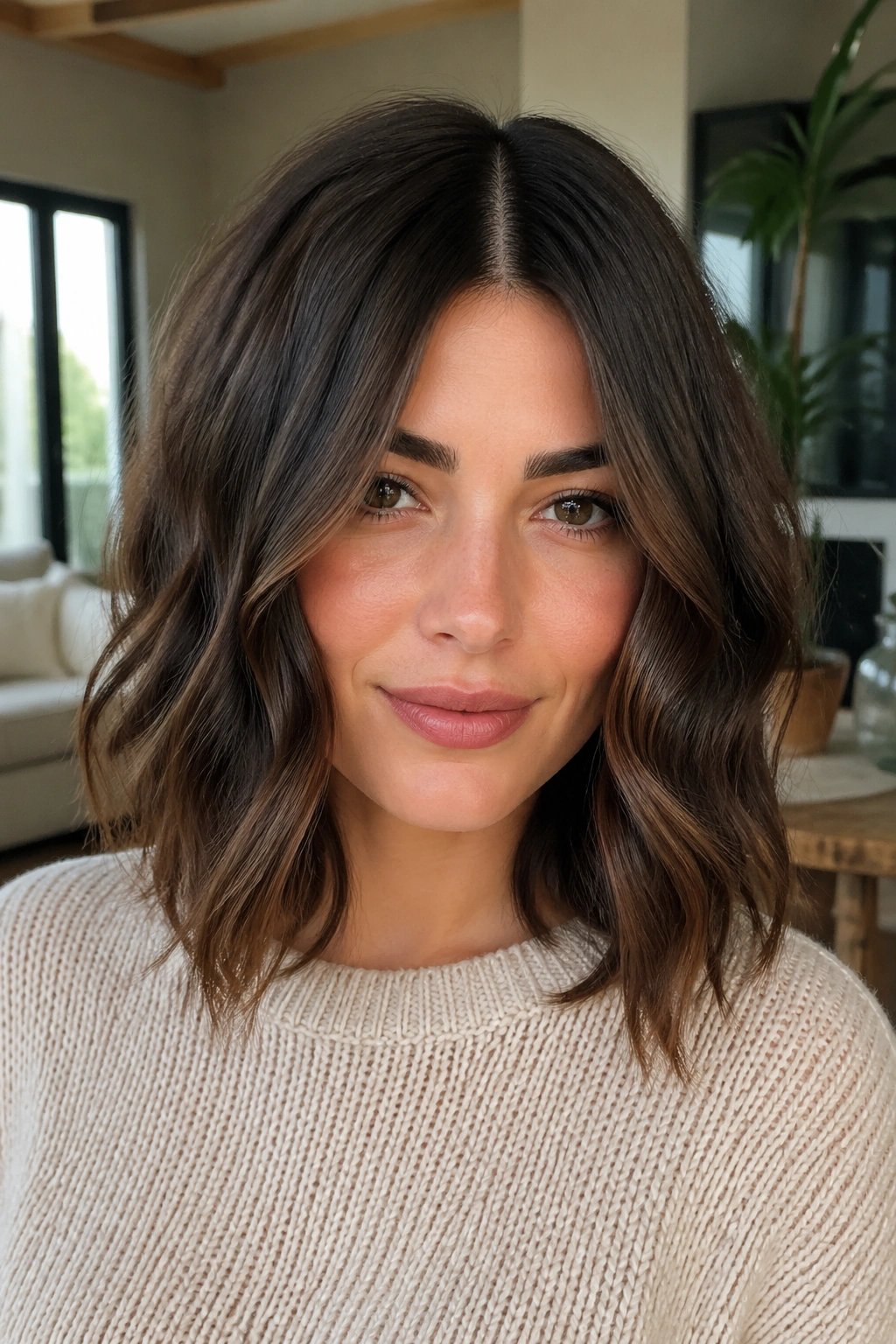
Center parts can look plain on paper. On wavy hair, though, they can look clean, calm, and a little expensive without screaming for attention. The key is soft S-waves that fall evenly on both sides so the center part feels balanced, not severe.
This shape works well if your face is naturally symmetrical or if you want the haircut to feel more modern and less styled. Ask for a lob that lands just below the collarbone, with very light layering through the bottom third. That keeps the wave shape from breaking apart.
The styling is simple. Twist large sections away from the face, let them cool, then brush them out with your fingers. Loose S-waves beat tight curls here. Tight curls make the center part feel older than it should.
13. Razor-Cut Lob With Airy Ends
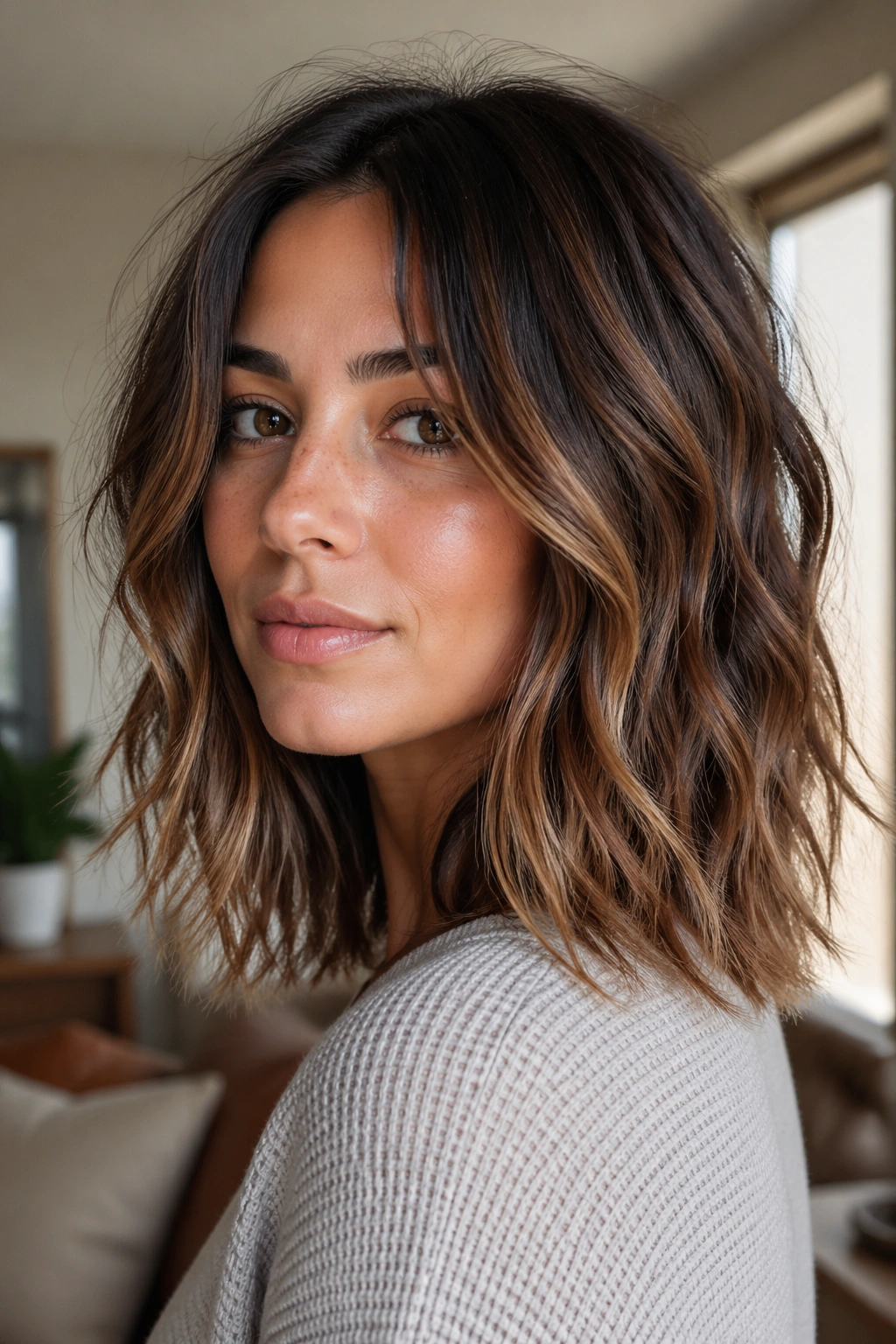
Razor cuts have a bad reputation in the wrong hands. Used lightly, though, they can make a long wavy lob feel airy and soft at the ends instead of chunky. That is useful if your hair is medium density and you want the wave pattern to move a little more freely.
The mistake is overdoing it. Too much razor work can make fine hair look frayed, and it can make waves separate in a way that feels weak instead of textured. Ask for a razor only on the bottom sections, or have the stylist use it for a few subtle passes through the ends.
This version is not for every head of hair. It does shine on naturally textured hair that needs a little softness around the line. A light hand is everything.
14. Debulked Lob For Dense Hair
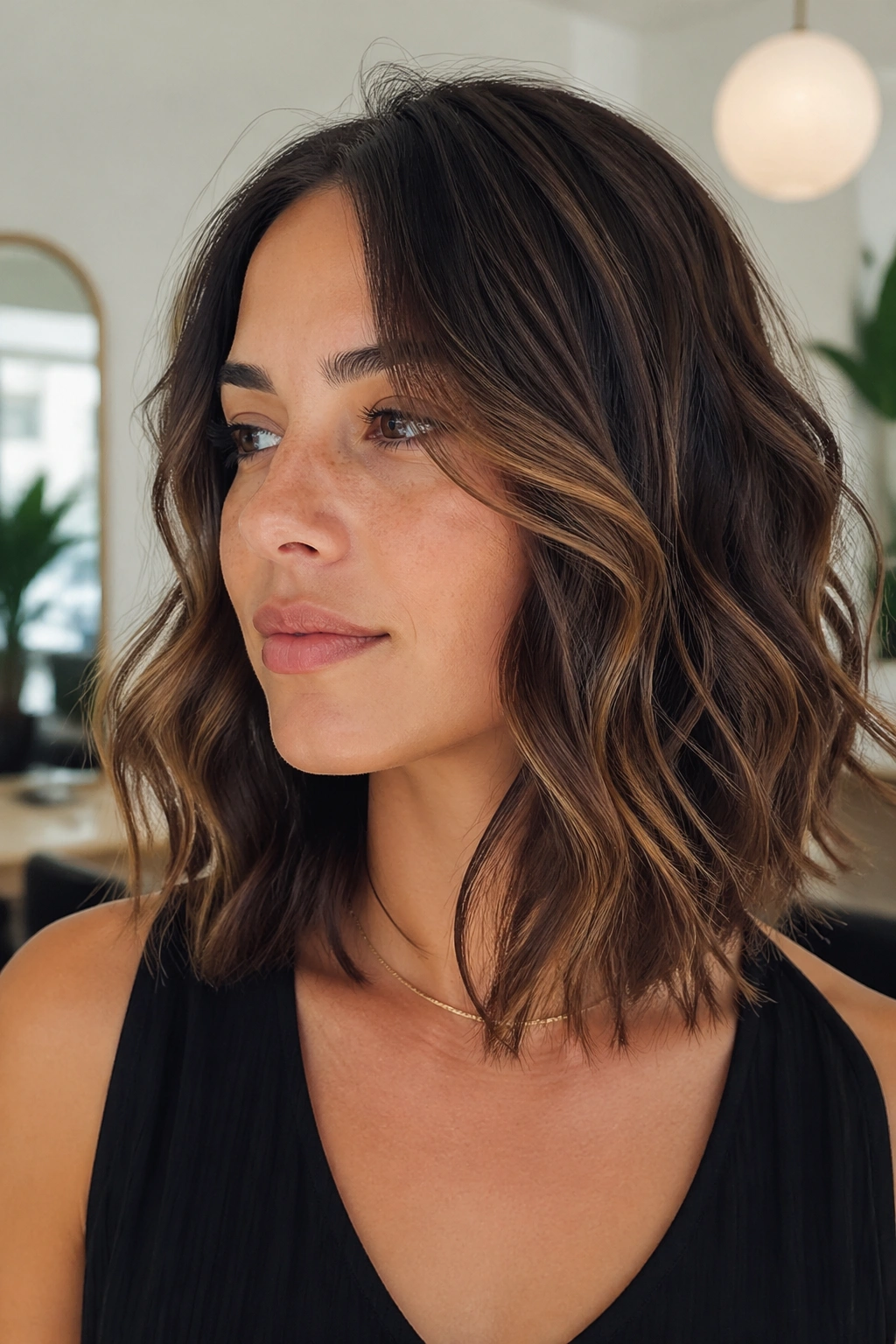
Dense hair can turn a lob into a triangle fast. That is why this version focuses on removing weight from the inside rather than slicing the surface apart. The shape still looks full, but it sits closer to the head and moves better when the waves dry.
What to ask your stylist
- Keep the perimeter around collarbone length
- Remove bulk from the interior, not the top layer
- Leave the bottom edge full enough to hold shape
- Use long layers, not short chopped pieces
This cut is a relief for people whose hair feels heavy by midday. The lob stops ballooning out and starts falling with a cleaner line. Less bulk, more swing. That is what you want from thick wavy hair.
15. Side-Fringe Lob With Soft Movement
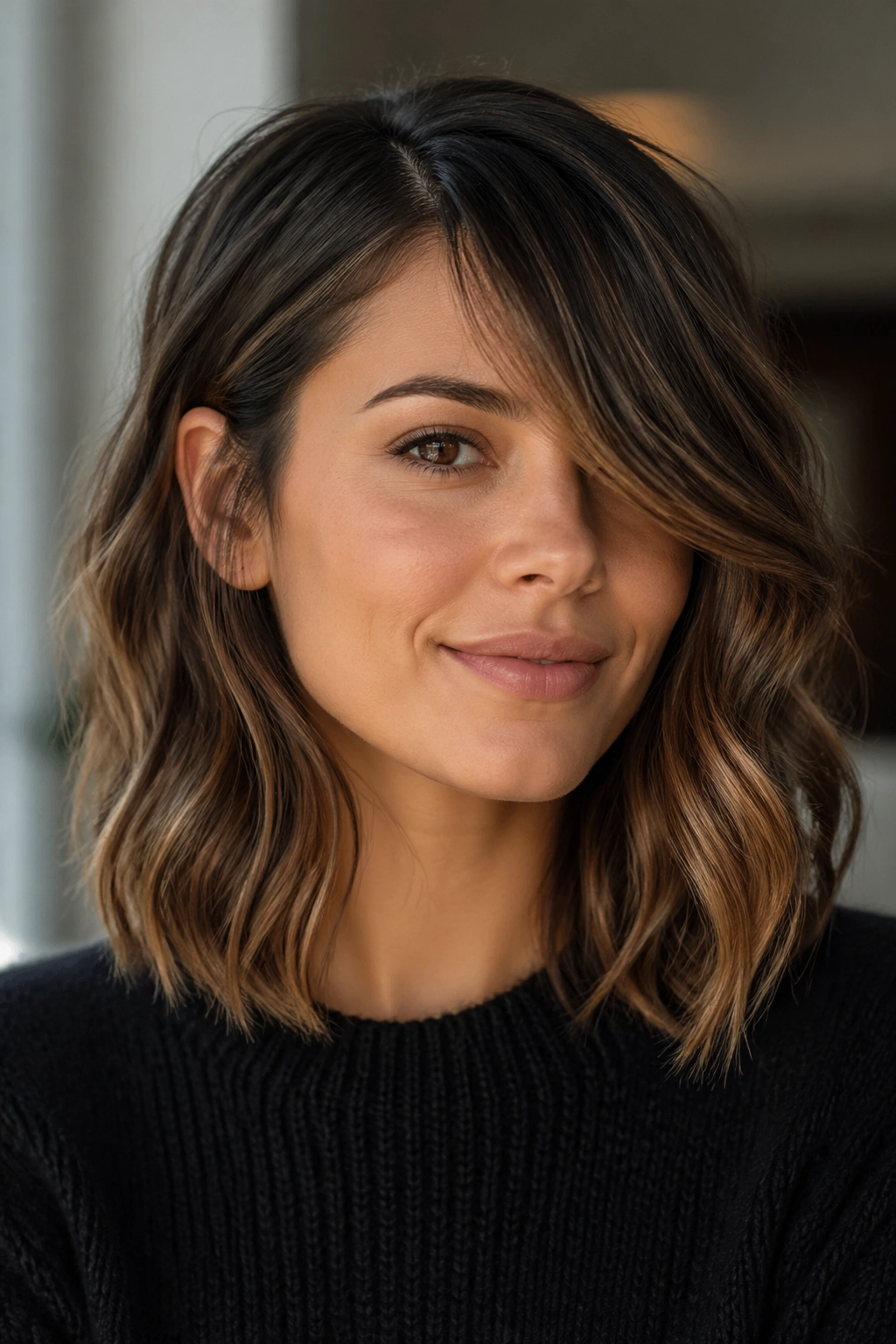
A side fringe gives the face a diagonal line, and that can be flattering in a way a straight fringe simply is not. On a wavy lob, it also helps break up the roundness that waves can create near the front. The whole cut ends up looking softer and a little less predictable.
Why it works
The fringe draws attention across the face instead of straight down it. That is useful if you want to soften a strong jaw, widen a narrow forehead, or just make the haircut feel less symmetrical. Keep the fringe long enough to tuck behind the ear or sweep into the side layers.
This one looks good with a deep side part, but it can also work with a softer off-center part. The important part is keeping the fringe connected to the wave pattern. Disconnected side bangs are a mess. Blended side fringe is the move.
16. Tucked-Behind-Ear Lob With Extra Front Length
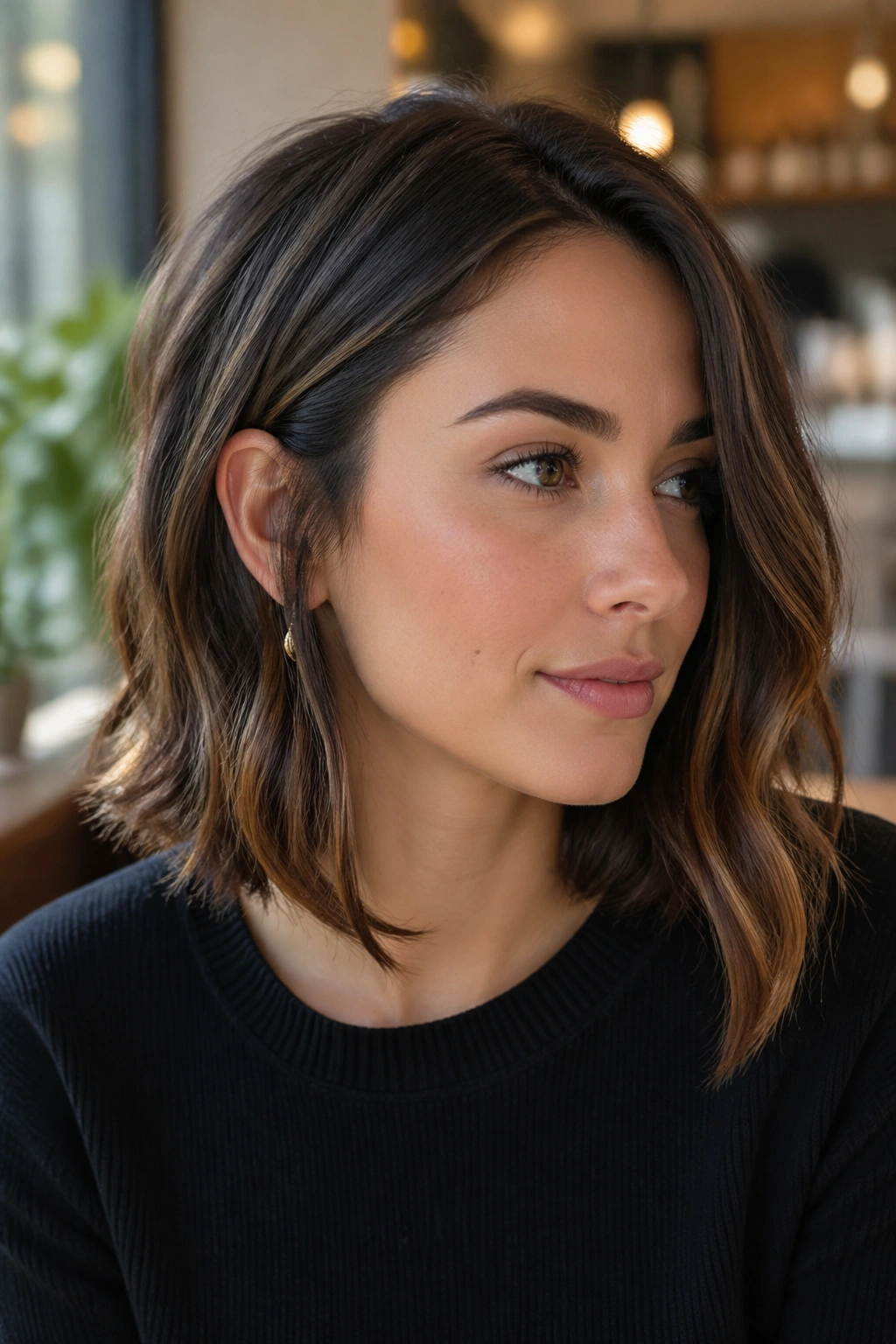
Tucking hair behind the ear exposes the shape of the cut, which is why this lob needs a little extra front length. If the front pieces are too short, the style loses its lines the second you tuck one side. If they are long enough, the tucked look feels intentional and sharp.
This is a nice cut for people who wear glasses or jewelry, because it keeps the face open without making the haircut disappear. Ask for the front to graze below the chin while the back stays near the collarbone. That gives you room to tuck one side and keep the other loose.
The styling is low-key. A soft bend through the mid-lengths and one clean tuck are enough. It looks casual, but the shape has to be precise.
17. Dimensional Lob For Fine Hair
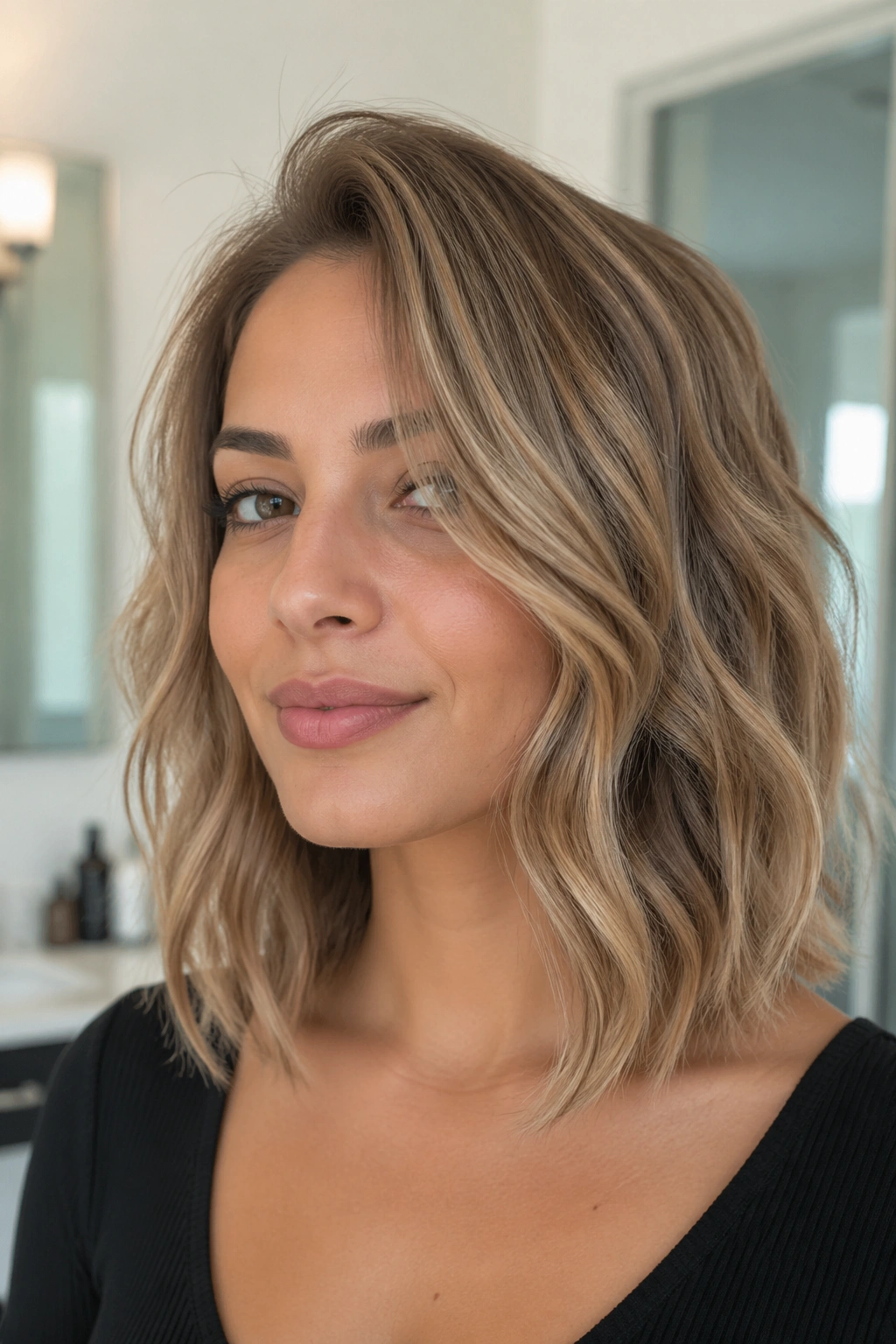
Fine hair asks for a different lob than thick hair does. You usually want a blunt outline, a little lift at the root, and enough internal movement to keep the waves from hanging limp. Too much layering on fine hair can make the ends look wispy.
I like this shape because it gives the illusion of fullness without overcomplicating the cut. The waves sit in a more compact line, and the hair looks denser from the front. A side part or a soft off-center part can help even more.
Keep these details in mind
- Use minimal layering through the top
- Keep the perimeter blunt
- Add wave from the mid-length down
- Finish with a light mousse, not a heavy cream
The goal is density at the edge. That is what fine hair needs most in a lob.
18. Internal-Layer Lob For Heavy Hair
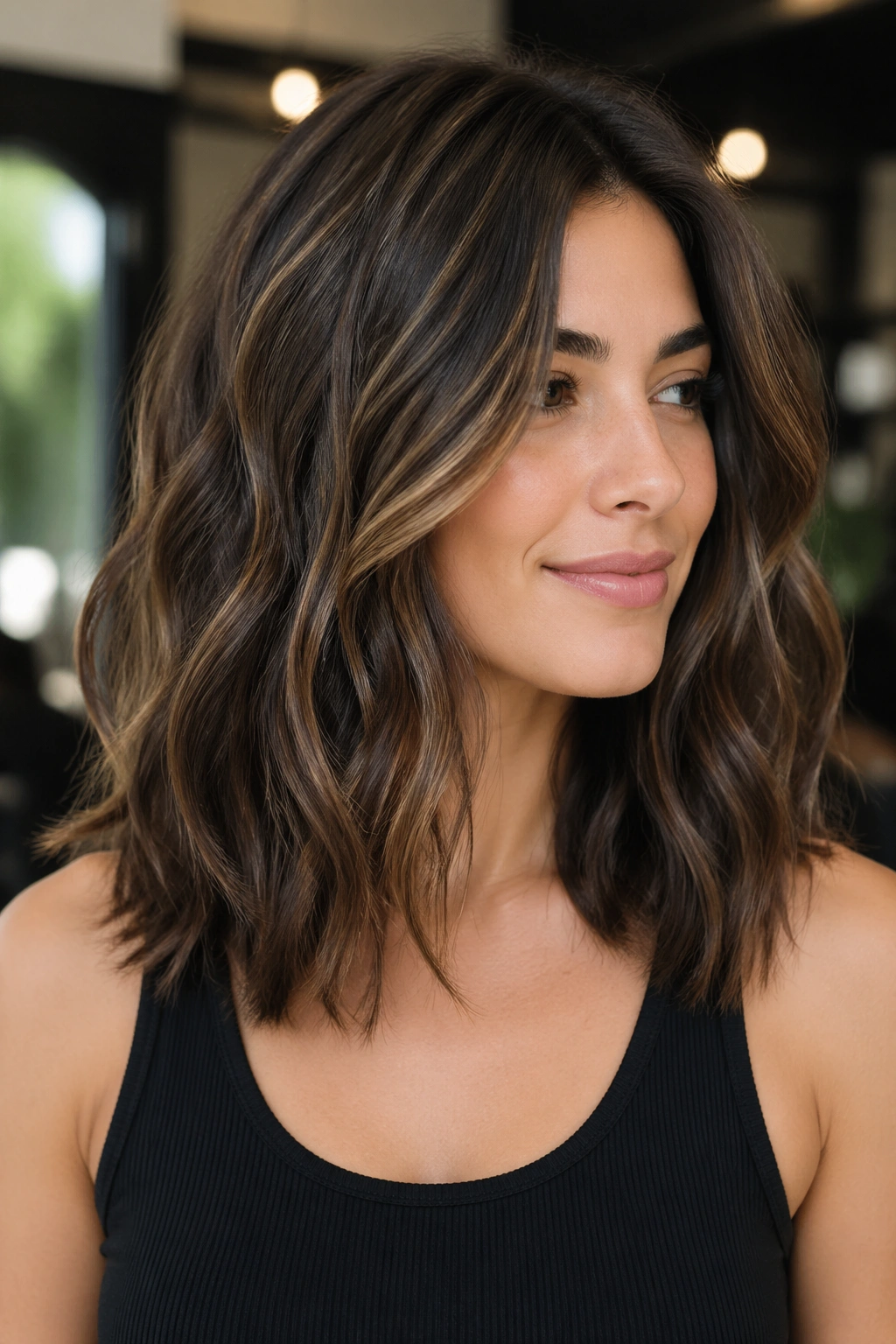
Heavy hair can hide the wave pattern if the cut is too solid. Internal layers fix that by reducing weight where the eye does not see it first. The outside still looks long and clean, but the inside has room to move, which keeps the lob from becoming boxy.
This shape is especially useful when your hair has a strong bend but also a lot of volume. Without internal layering, the wave can sit on top like a helmet. With it, the hair drops more naturally and the waves separate in a nicer way.
Do not ask for layers everywhere. That is where the shape gets frizzy. Keep the outer edge fuller and let the inner structure do the work. Hidden movement, visible control. That is the real win here.
19. U-Shaped Lob With Full Back Length
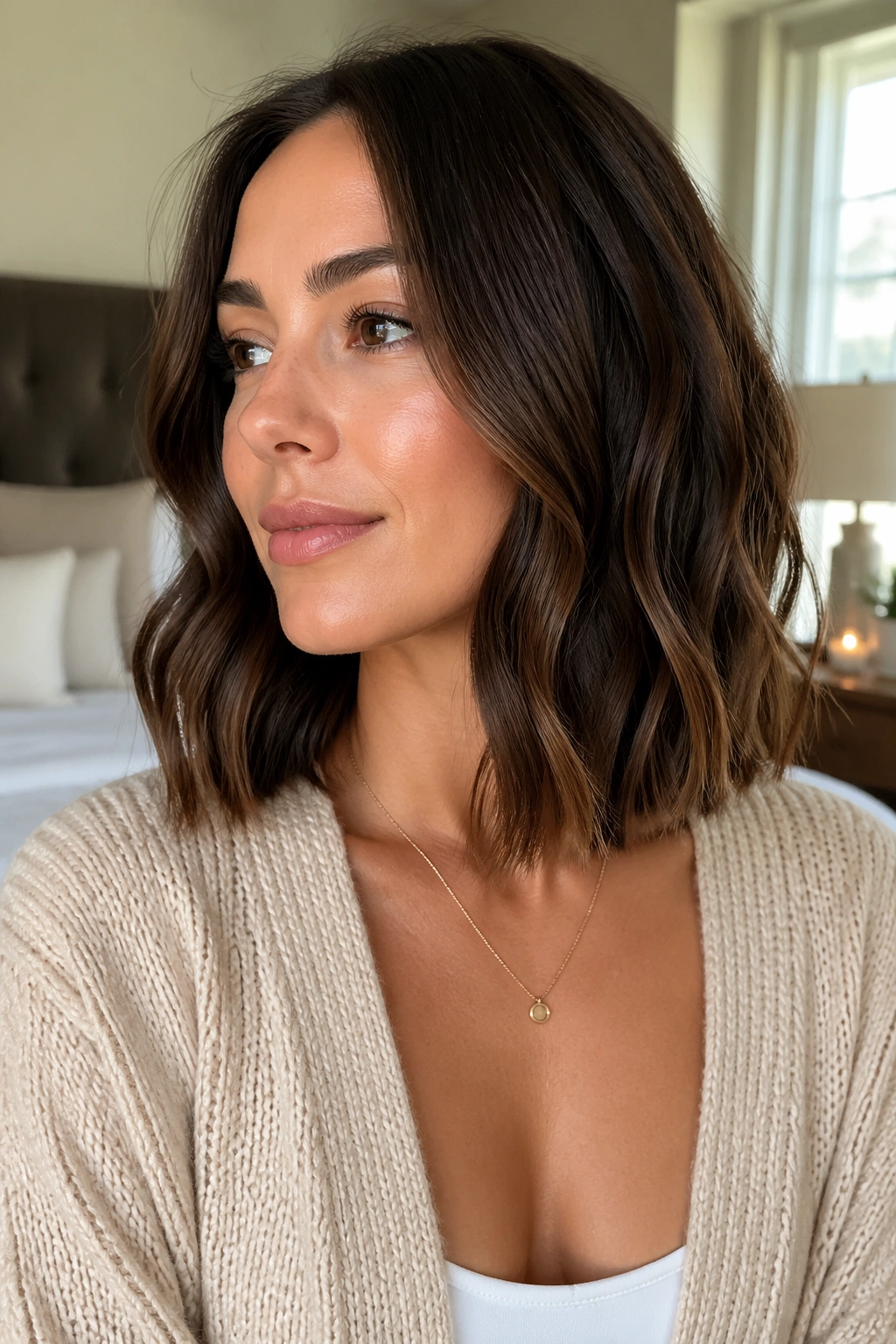
A U-shaped lob keeps the back slightly fuller and curved, which makes the whole cut feel softer than a straight line. The center back stays a touch longer, and the sides rise gently toward the front. It is subtle, but on wavy hair, subtle shape changes matter.
How it reads in motion
When the waves move, the U-shape keeps the lower line from looking flat. The hair falls in a rounded curtain rather than a hard shelf. That can be especially flattering if your hair is thick or if the front tends to swing forward more than the back.
Ask for a smooth curve, not a dramatic point. Too much curve and the cut starts to feel old-fashioned. A soft U is modern enough and still easy to wear. That is why this shape holds up so well.
20. A-Line Lob With Clean Graduation
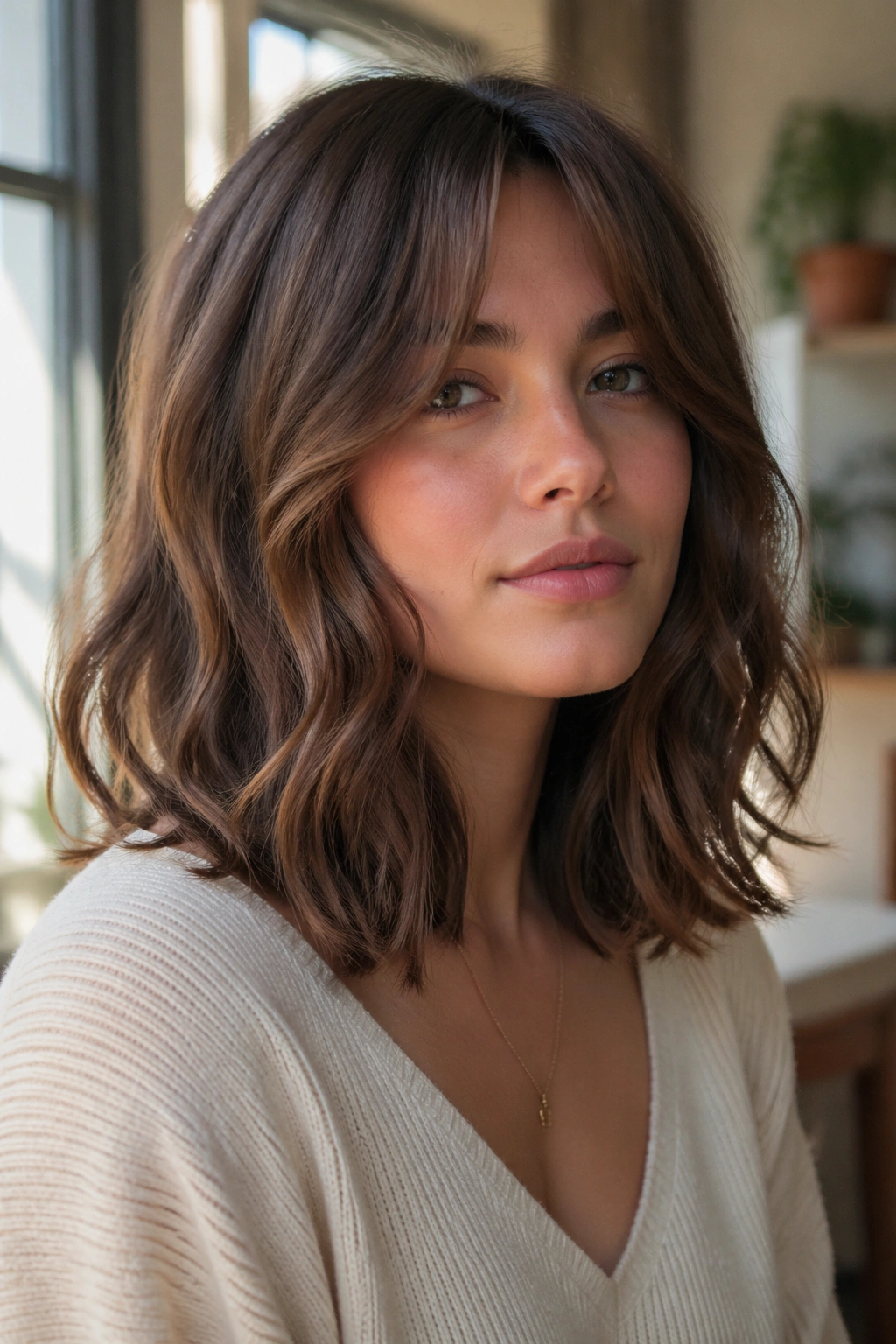
An A-line lob is sharper than a U-shape. The back sits shorter, and the front runs longer and cleaner toward the jaw and shoulder, which gives the haircut a crisp outline. On wavy hair, that geometry stands out in a nice way because the bend softens the line.
This cut is a good fit if you like structure. It can make a round face look a little longer and can help straight-to-wavy hair feel more polished. The key is keeping the waves soft so the angle stays readable. Tight curls can hide the line, which defeats the point.
Request a gradual slope, not a dramatic one. The front should still feel long enough to tuck, wave, and move. The line should lead the eye, not shout at it.
21. Grown-Out Lob With Easy Movement
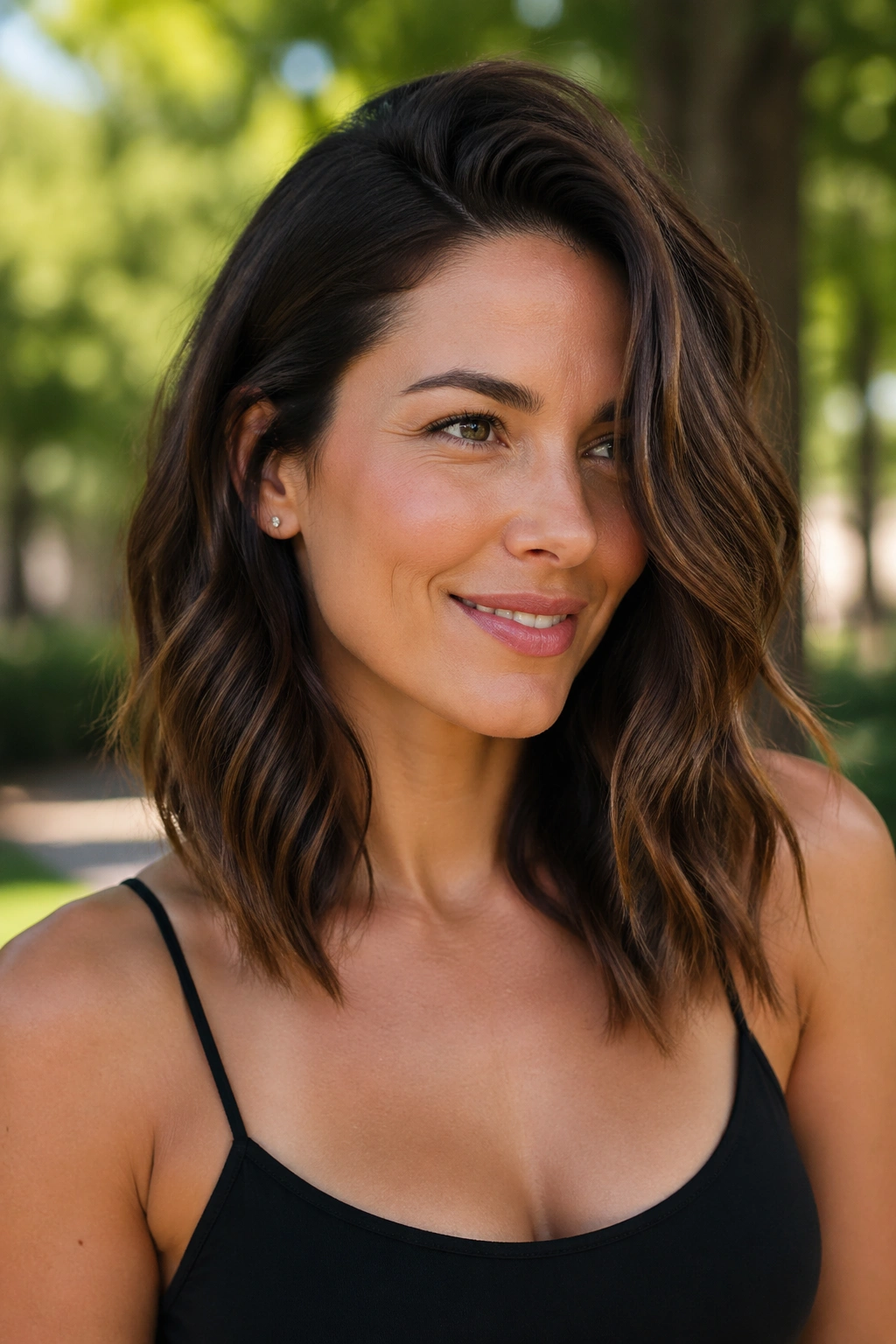
A grown-out lob is one of the easiest shapes to live with. It sits right in that in-between zone where the haircut still looks intentional even when it has gone a little past the original cut line. That makes it good for people who do not want constant trims.
The trick is letting the layers stay long enough to keep moving as the hair grows. If the cut is too short in the front, it can start to kick out awkwardly once it passes the chin. Keep the wave pattern soft and the edge slightly textured, not razor-sharp.
This is the lob I would pick for someone who wants less maintenance without losing shape. A good grow-out cut should still look like a cut. This one does.
22. Root-Volume Lob With Crown Lift
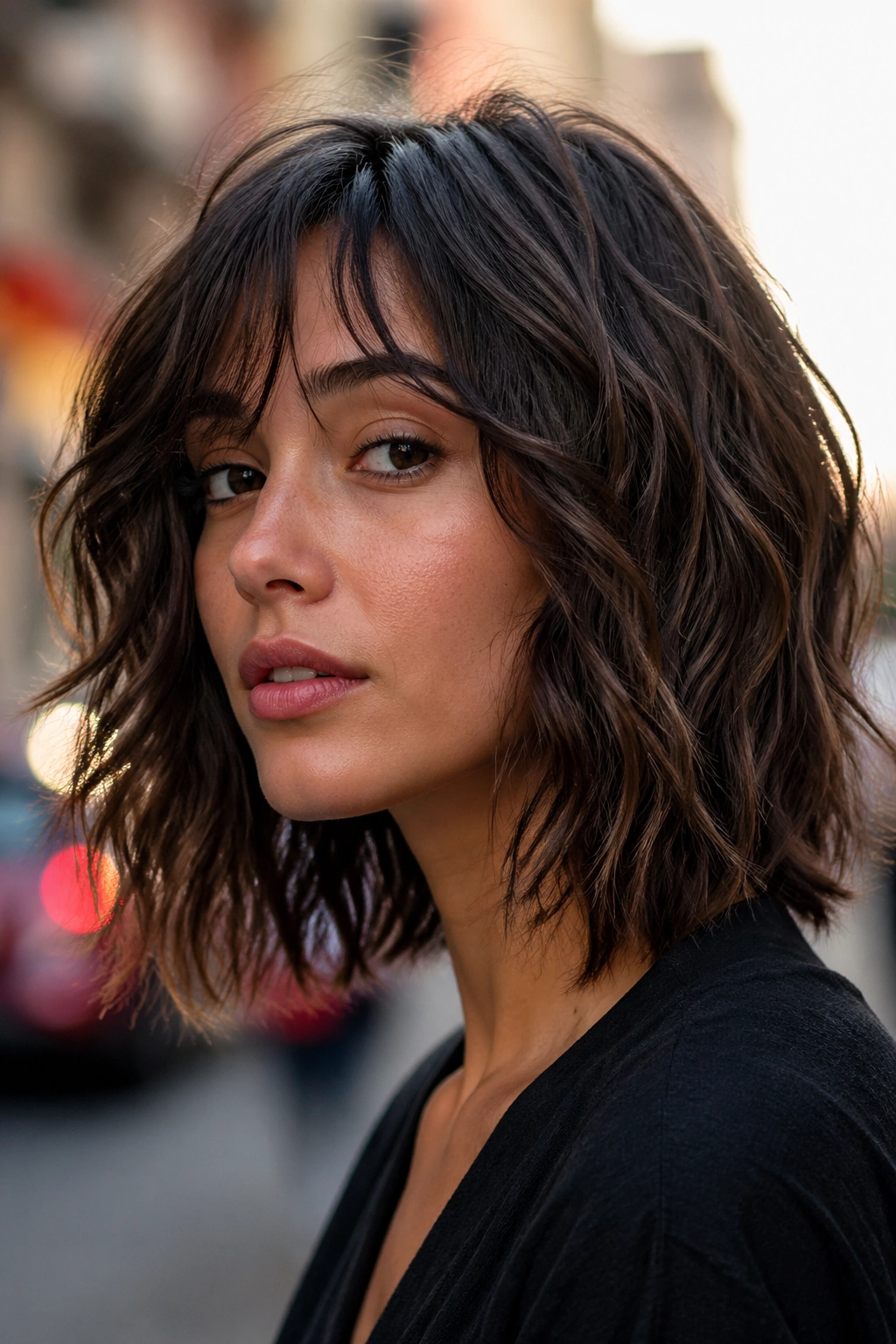
Root volume matters more than a lot of people think. When the crown is flat, even a well-cut lob can look tired. Add a little lift at the top, and the whole haircut wakes up. That is especially true for waves, which can collapse faster than straight hair at the root.
Ask for short internal layers at the crown only if your hair can handle them. On some heads, a subtle shorter layer near the top gives enough push. On others, you will get a halo effect you did not ask for. A root-lifting spray, blow-dried against the natural fall, usually does more than enough.
The finish should still feel soft. Volume at the crown, length at the ends. That contrast keeps the lob from looking top-heavy.
23. Long-Bang Lob With Eye-Grazing Fringe
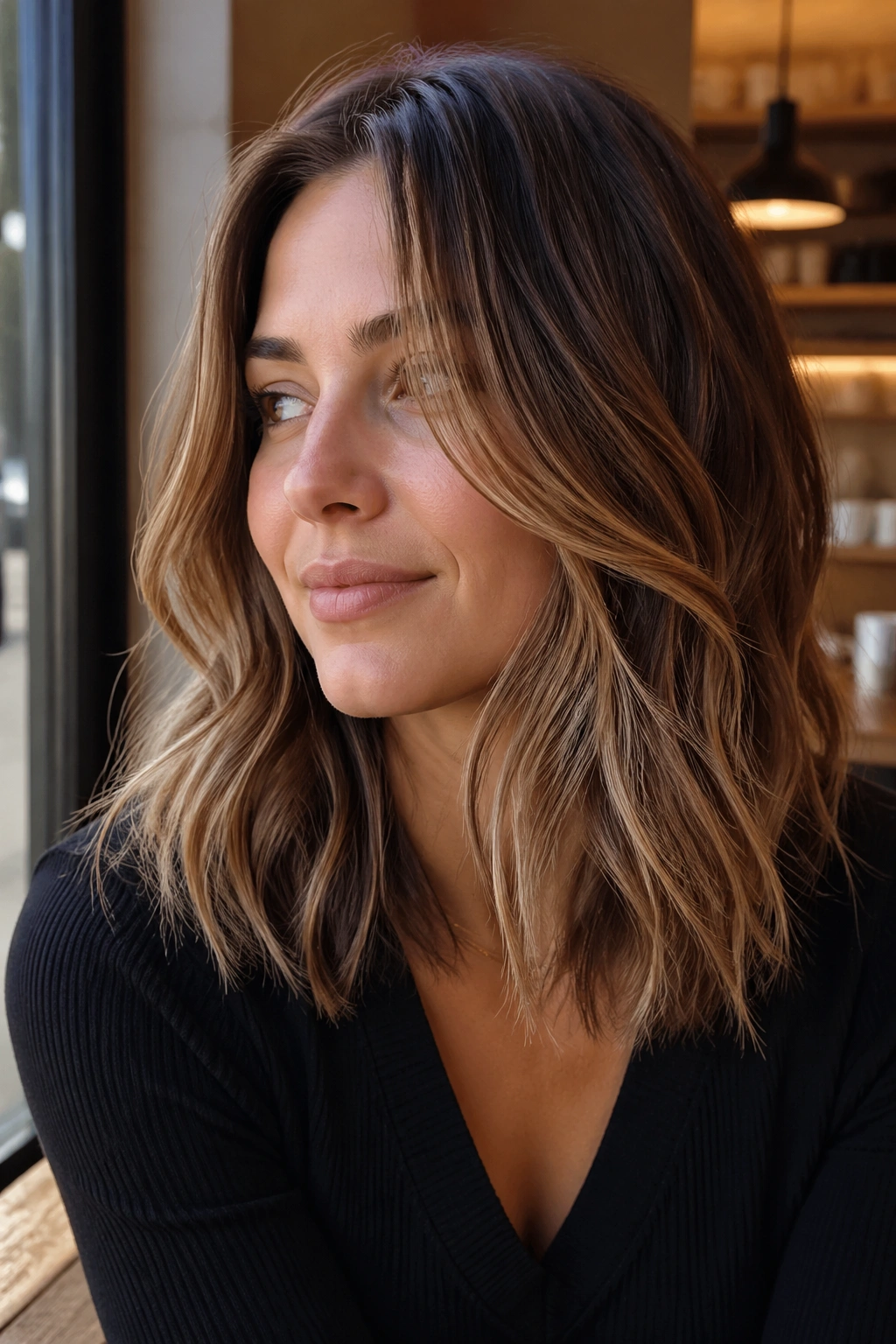
Long bangs are the easiest way to soften the eyes without taking over the whole face. On a wavy lob, they sit between a fringe and a face-frame, which means they can be pushed aside, tucked, or worn straight down depending on the day.
Where they should land
The shortest pieces should graze the lashes or sit just above them, while the sides should fall into the cheekbone area. Anything shorter can feel too blunt with a wavy cut. You want the bang to blend, not announce itself.
This shape is nice if you like a little mystery around the face without committing to a full fringe. It also works well when your waves are loose, because the bangs can move a little and still look intentional. Think softness, not drama.
24. Rounded Face-Frame Lob
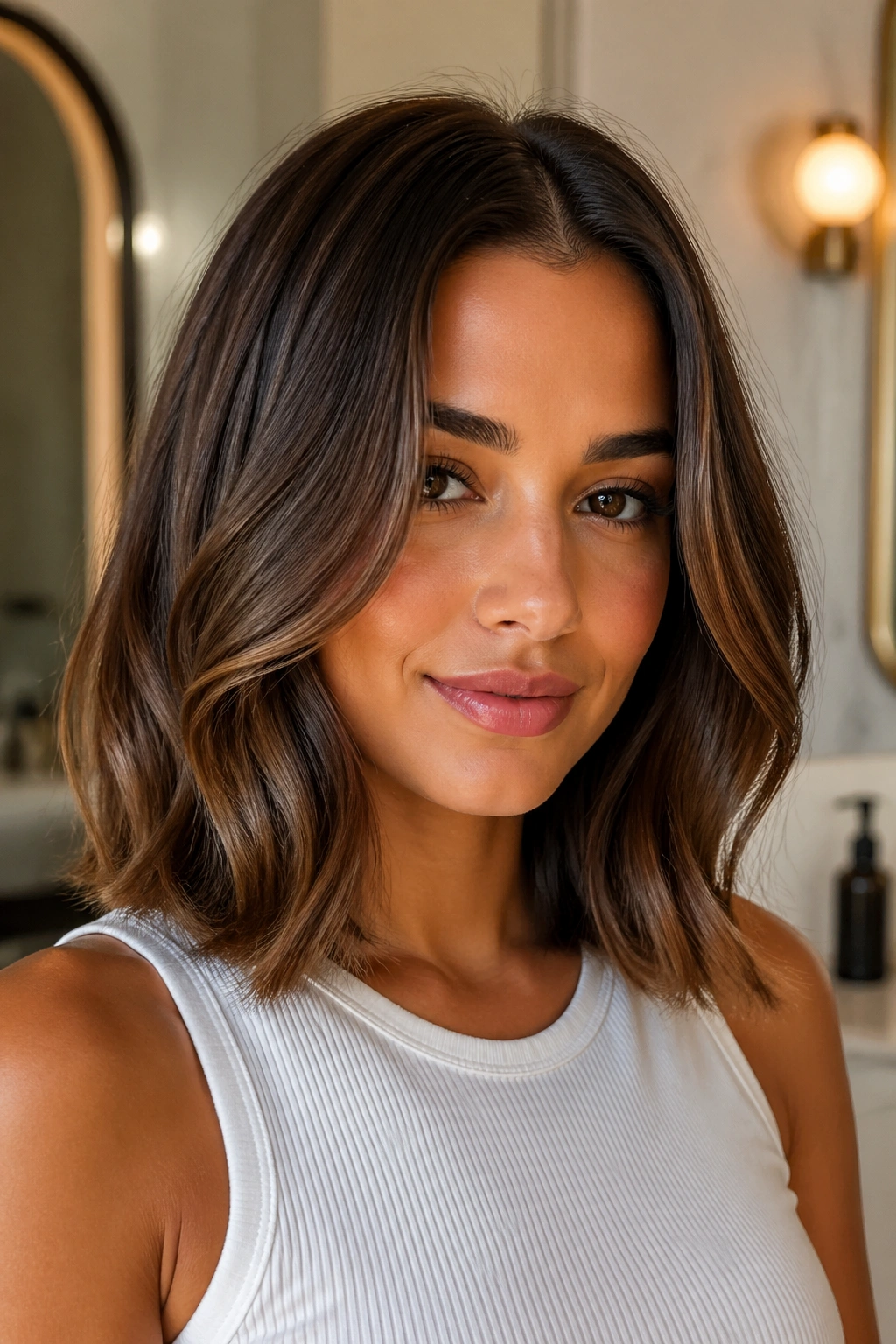
A rounded face frame does different work than curtain bangs. Instead of opening the center and moving away from the face, it curves around the cheeks and jaw, which can make the whole lob look softer and more polished. It is a good option if you want the face to feel framed without obvious fringe pieces.
This cut is especially nice on longer faces, because the curved front adds width where you want it. Ask for the front sections to curve inward with the wave pattern, then keep the back fuller and smooth. That lets the shape stay balanced.
I like this one when hair needs a bit of softness but not a lot of obvious layering. It is gentle, but it is not boring. There’s a difference.
25. Middle-Part Lob With Classic Waves
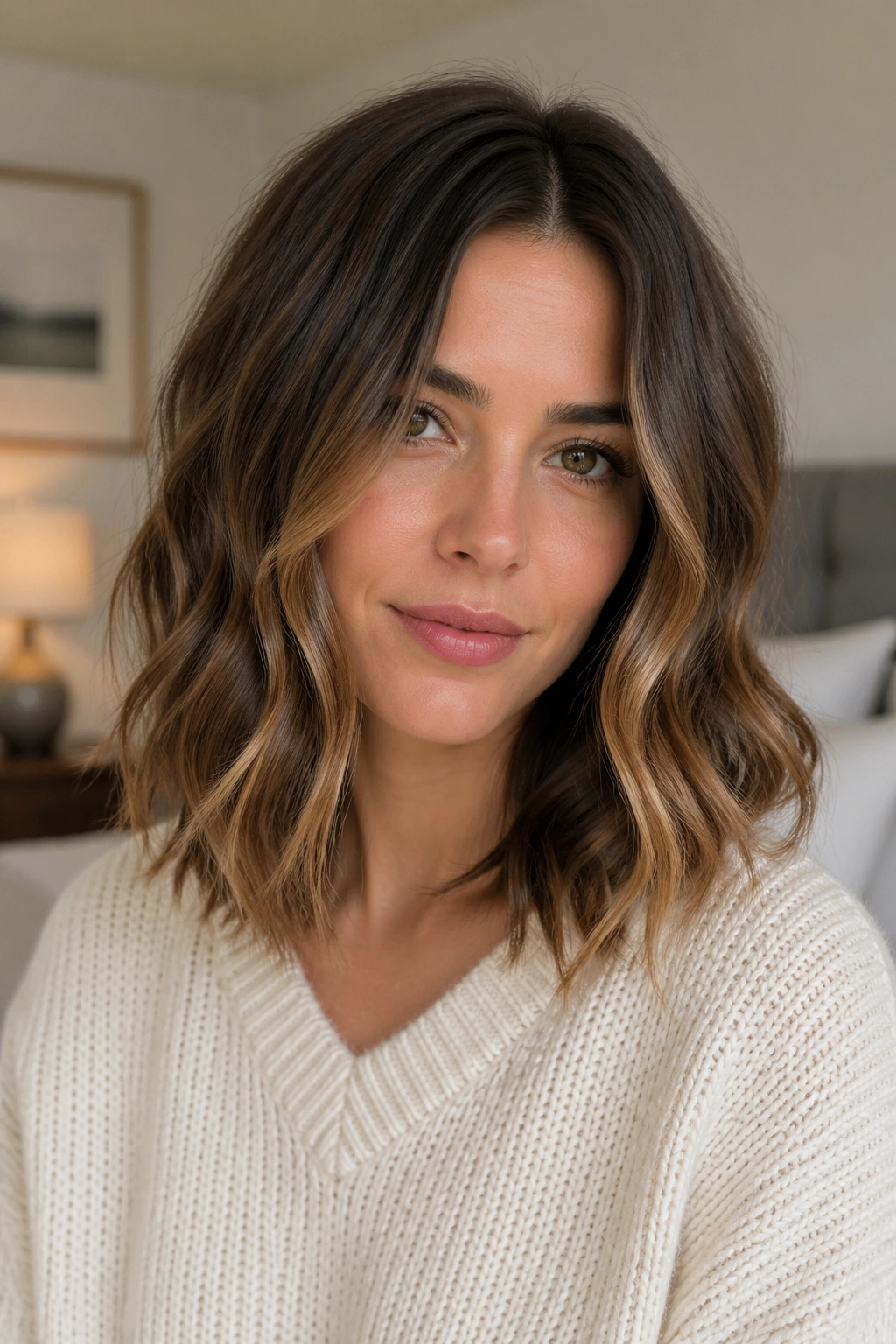
The middle-part lob has staying power because the shape is clean. When the waves are loose and the ends are cut well, the whole look feels calm and deliberate. There is no extra trick here, and that is part of why it works.
The haircut should sit around the collarbone with just enough layering to stop the ends from looking heavy. The waves can be brushed out for a softer finish or left a little piecey for more texture. Either way, the middle part keeps the shape centered and easy to read.
If your hair naturally parts near the center, this is one of the least fussy options. Nothing has to fight the cut. That alone makes life easier.
26. Curtain-Fringe Lob With Longer Front Pieces
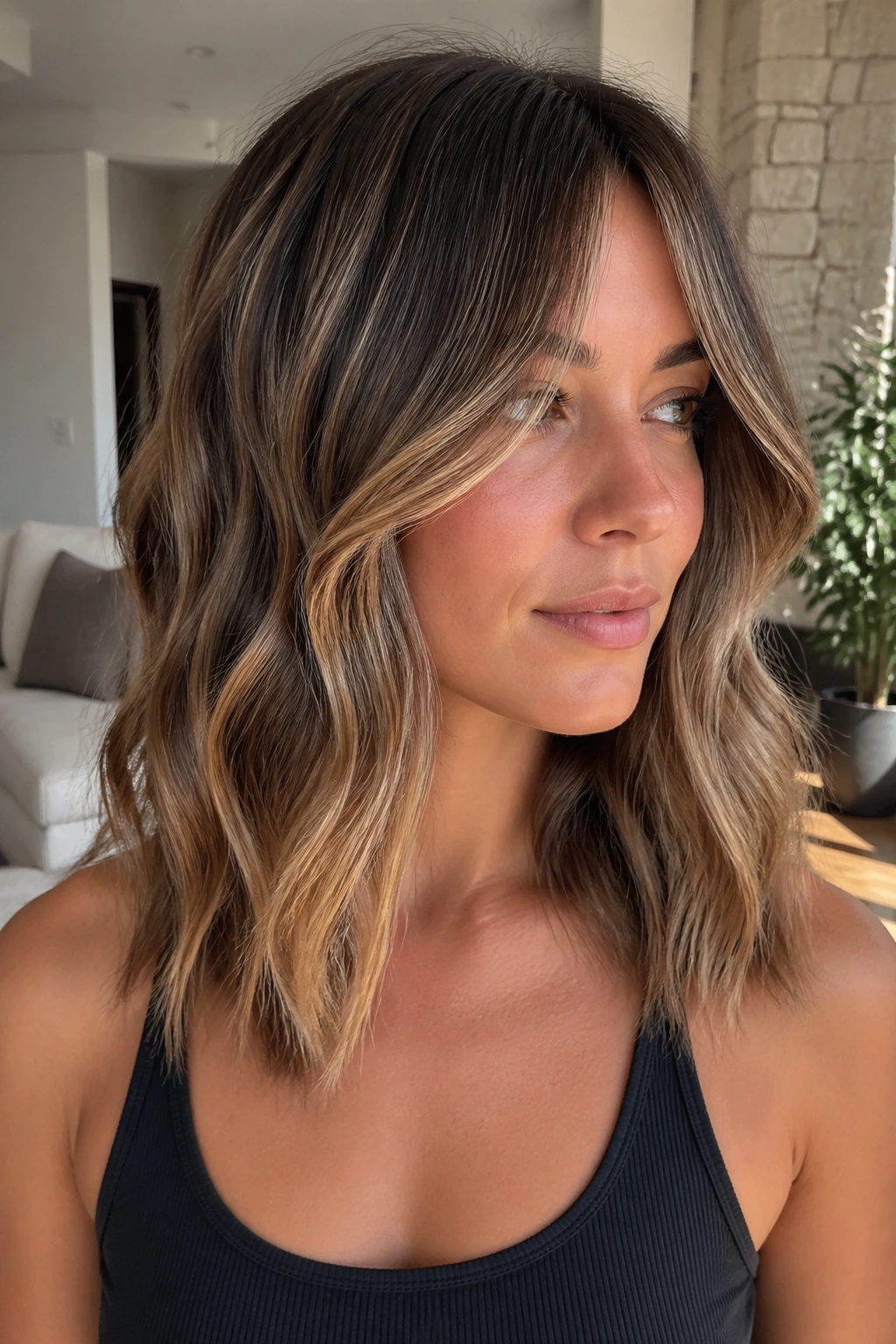
Curtain fringe is not the same as shorter curtain bangs. This version starts lower, often around the nose or mouth, and then sweeps out into longer front pieces that blend into the lob. That makes it feel softer and a little more grown-in.
The longer fringe gives the face room. It does not box you in at the forehead, and it keeps the lob from feeling too neat. On wavy hair, the fringe can bend in a way that looks loose and flattering rather than styled to death.
Tell your stylist you want the fringe to connect to the front lengths without a hard step. The best version feels like one shape, not three separate cuts. That blend is what makes it work.
27. Disconnected-End Lob
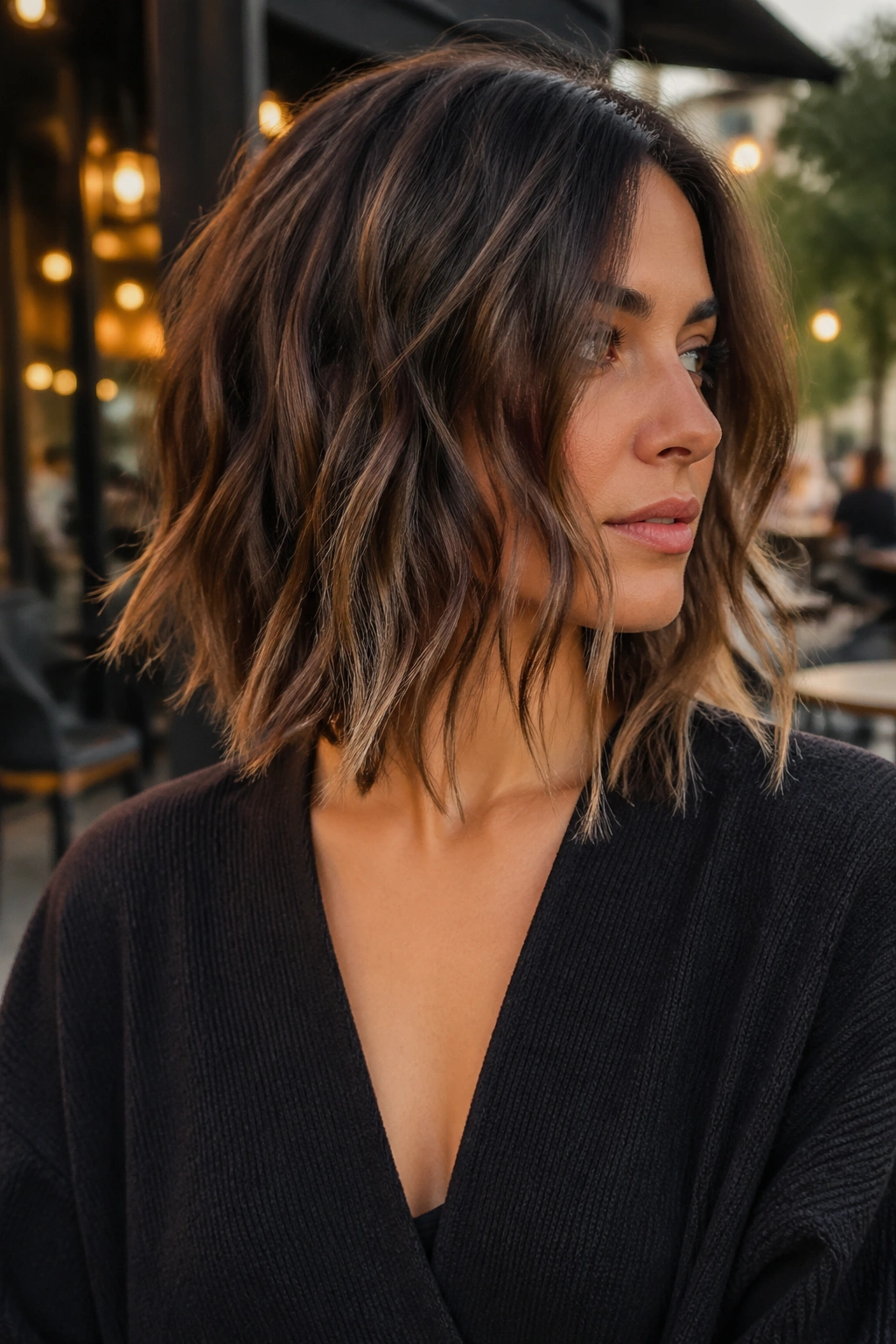
Disconnected ends are for people who want a little edge in the shape. Instead of the whole cut melting together softly, the ends hold more separation and pieceiness. That can look sharp on wavy hair, especially if your texture already has some natural grit.
What makes it different
A disconnected cut keeps more contrast between sections. The ends may look a little staggered, and the wave pattern can show through in a more editorial way. It is less polished than a blunt lob, but it can look very good when the styling is loose and a little imperfect.
This is not the haircut I would send someone to if they want zero maintenance. It needs a hand from mousse, texture spray, or a quick iron pass. The cut has personality, but it expects a little effort.
28. Natural-Wave Lob With Minimal Styling
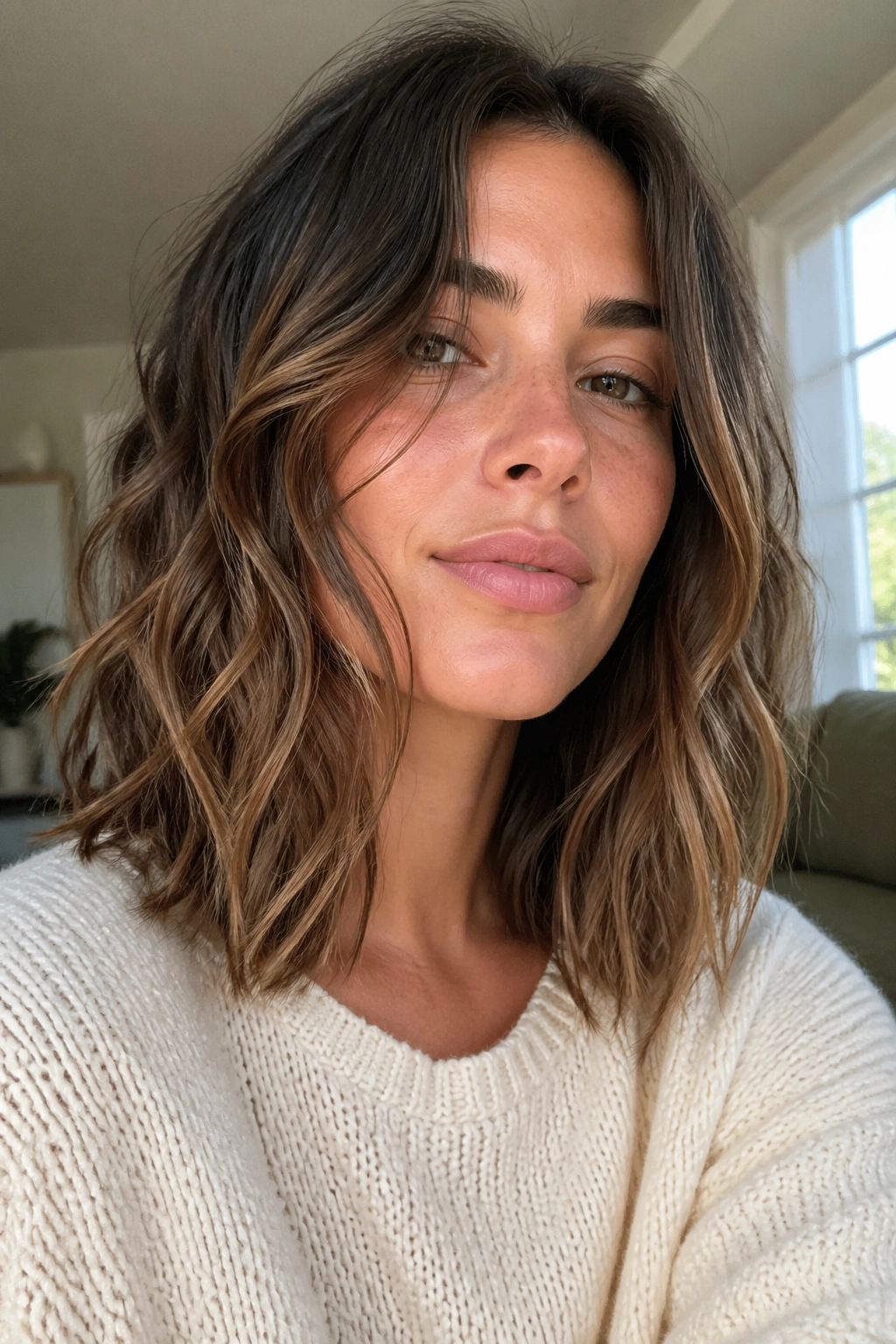
The most honest lob is the one that works with what your hair already does. If your wave pattern bends easily, this cut keeps the structure simple and lets the texture lead. You get a cleaner look, less heat, and fewer mornings spent trying to force the hair into something else.
Ask for a collarbone length with minimal layers and a gentle shaping around the face. Then leave room for your natural wave to show up. That usually means a light curl cream, a small amount of mousse, and a diffuser used on low heat, not a long session with a round brush.
This is where a lot of people go wrong. They think more styling solves more problems. Sometimes it just makes the hair look tired. Work with the bend you already have. That is usually the smarter call.
29. Glossy S-Wave Lob
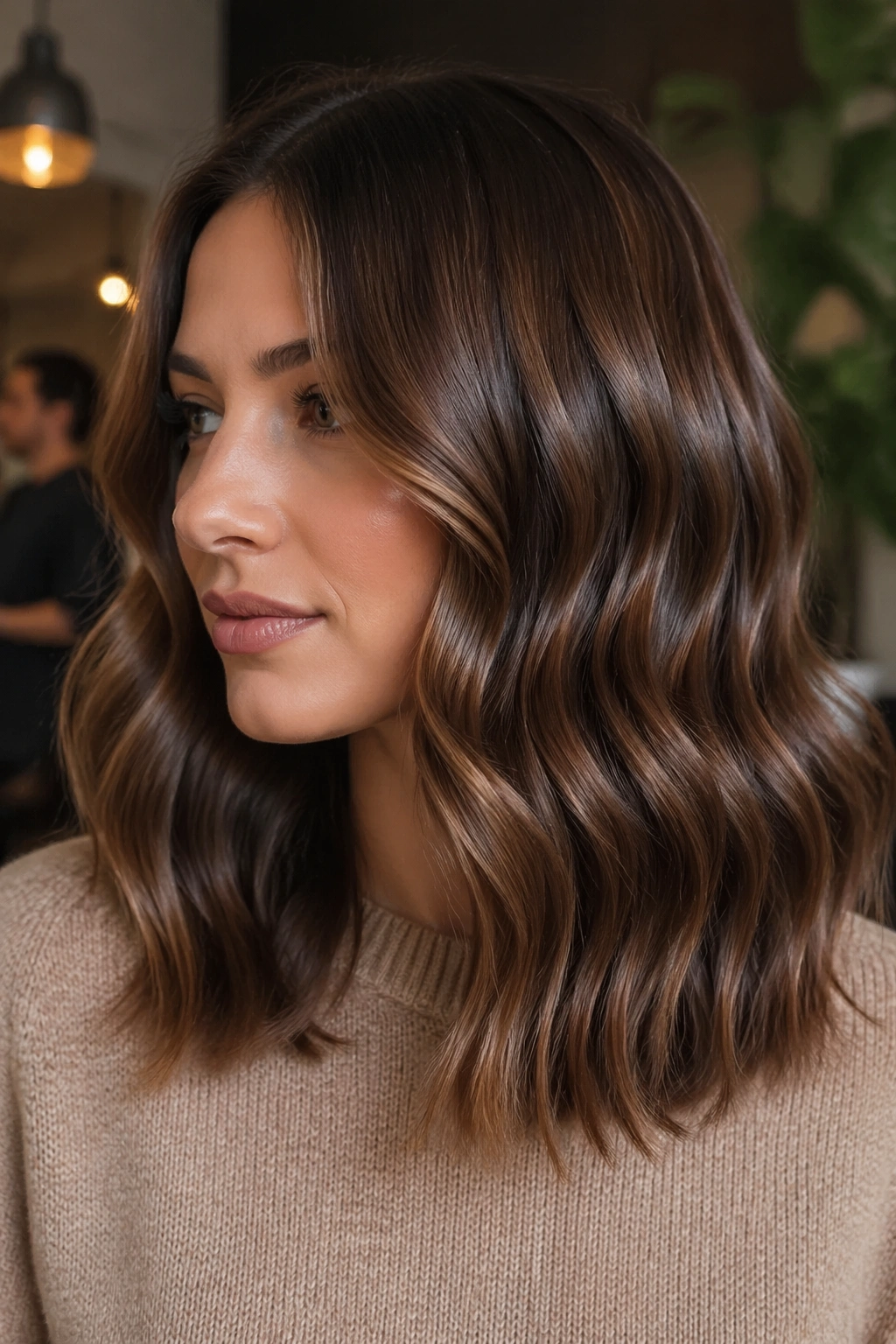
Glossy S-waves look smoother and more deliberate than beach waves. They have a more polished bend, usually created with a large iron or rollers, and they sit beautifully on a long lob because the length gives the wave room to stretch out.
The cut itself should stay fairly clean. If the layers are too choppy, the glossy wave pattern loses that fluid look and starts to break apart. Ask for a shape that can hold a smooth curve from root to end, especially around the front.
A shine spray or a light finishing cream helps here, but do not overdo it. You want reflection, not grease. The wave should look soft and deliberate, not slick.
30. Flip-End Lob With Playful Shape
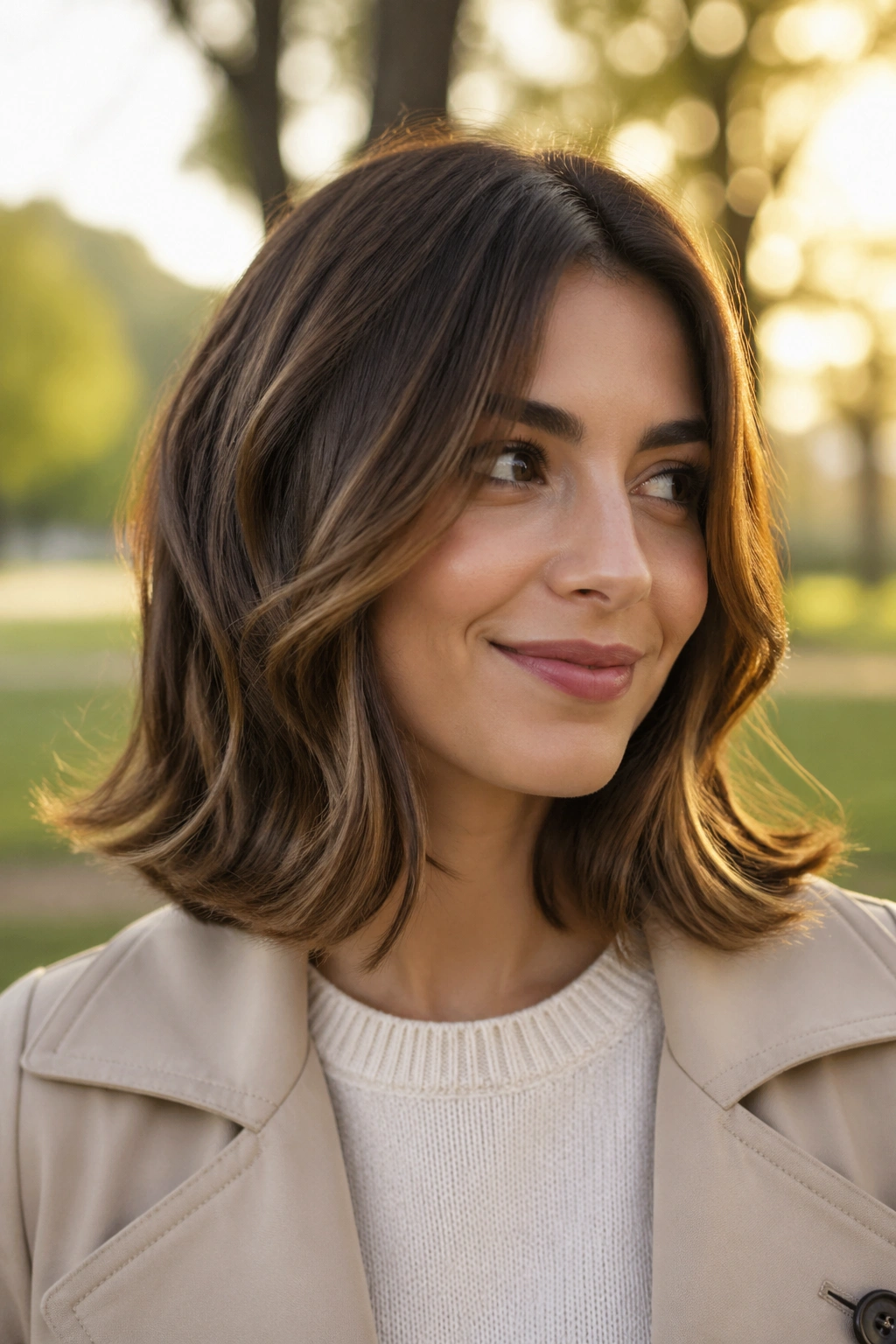
Flip ends can change the mood of a lob fast. Instead of turning under, the ends kick slightly outward, which gives the whole haircut a lighter, more playful finish. On wavy hair, that outward movement can make the shape feel fresh without needing extra layers.
This works best when the bottom edge is still controlled. If the cut is too textured, the flip can look random. Keep the line clean and let the ends do the talking. A flat iron or a round brush can add the outward bend in a few quick passes.
It is a nice option if your hair naturally resists turning under. Sometimes the hair wants to flip. Let it. Fighting that can be a waste of time.
31. Soft V-Shape Lob
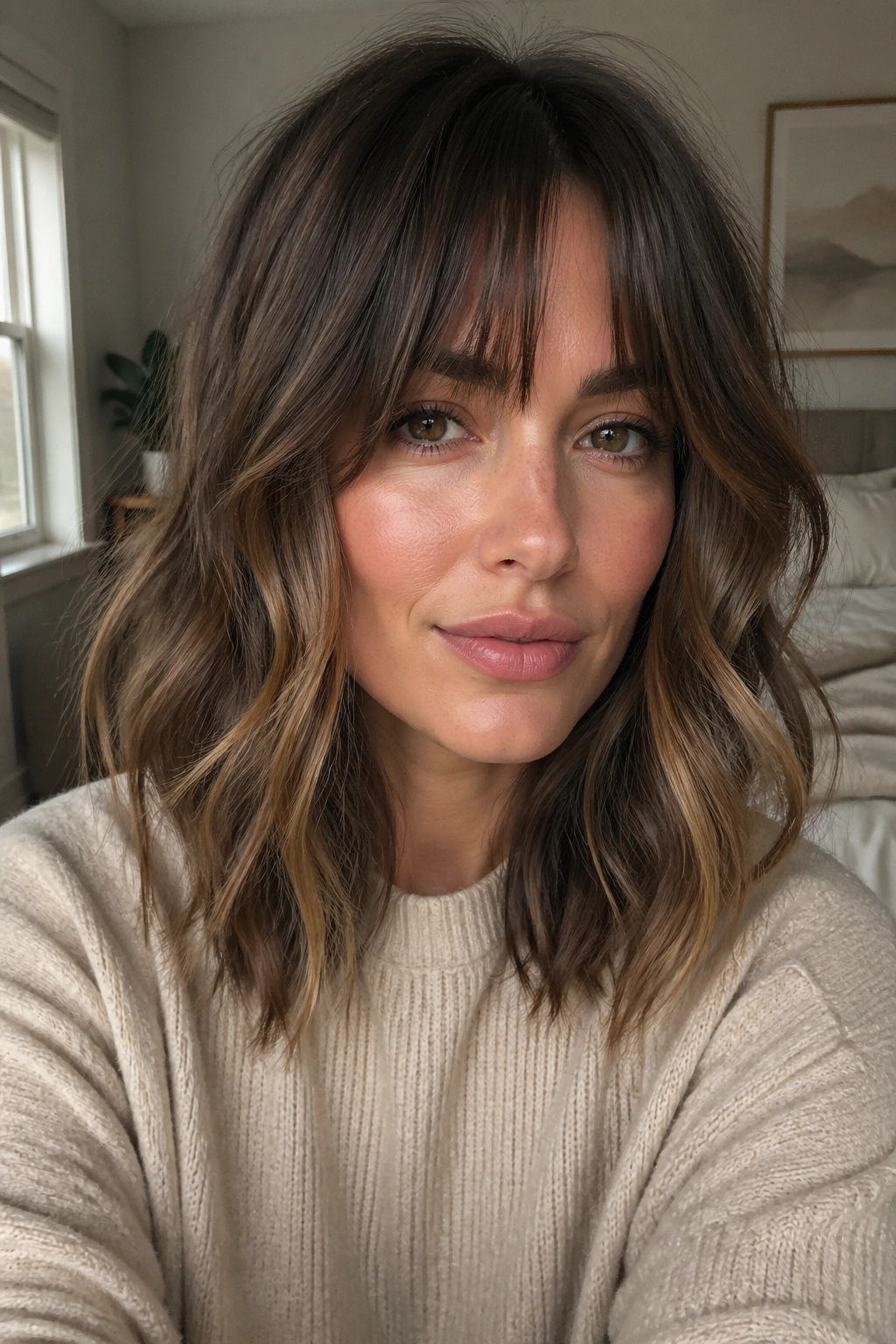
A soft V-shape gives the back a little point without shouting about it. The center back stays longer, and the sides taper down just enough to create a gentle V when the hair moves. On waves, that shape can look richer than a straight line.
How to keep it soft
The V should be subtle. If the point is too sharp, the lob stops looking wearable and starts looking stylized for no reason. Ask for the front to stay long and the back to taper slowly, with the waves falling into the shape naturally.
This is a good choice if you want a little length in the center while still keeping the overall cut in lob territory. Soft is the key word. Hard V shapes tend to date themselves.
32. Hidden Undercut Lob
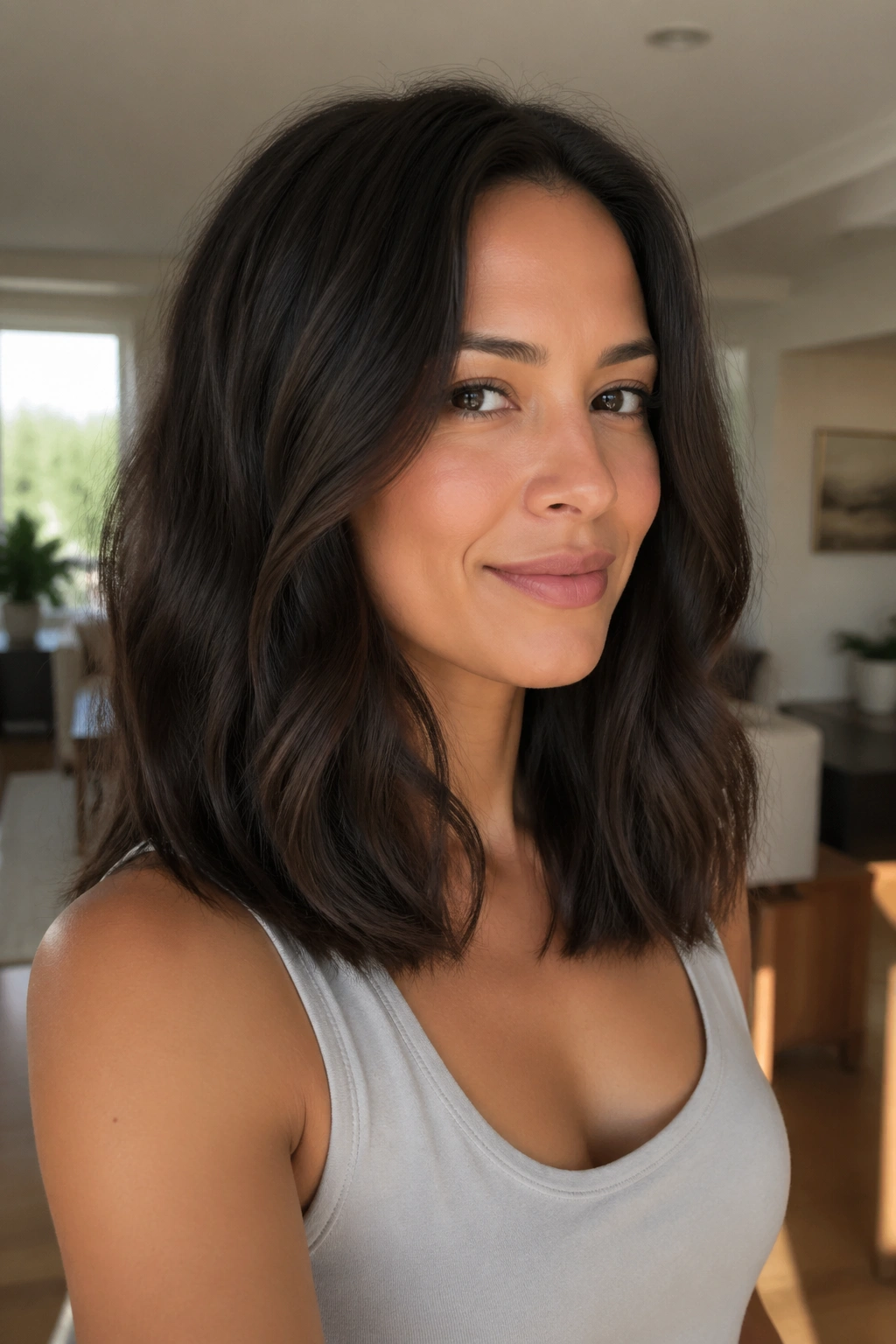
A hidden undercut can save thick hair from ballooning out. It removes weight from the nape or underneath layers where nobody sees it, which keeps the visible top layer smoother and easier to wear. That is especially helpful when the hair feels bulky even after a solid haircut.
The best part is that the cut still looks like a regular lob from the outside. You do not get the obvious edge of an undercut unless the hair is pulled up. That makes it a good choice for people who need weight removed but do not want the cut to look edgy in daily wear.
It is not the first move for fine hair. Fine hair usually does better with shape, not subtraction. For dense hair, though, this can be a relief.
33. Blended-Layer Lob For Thick Wavy Hair
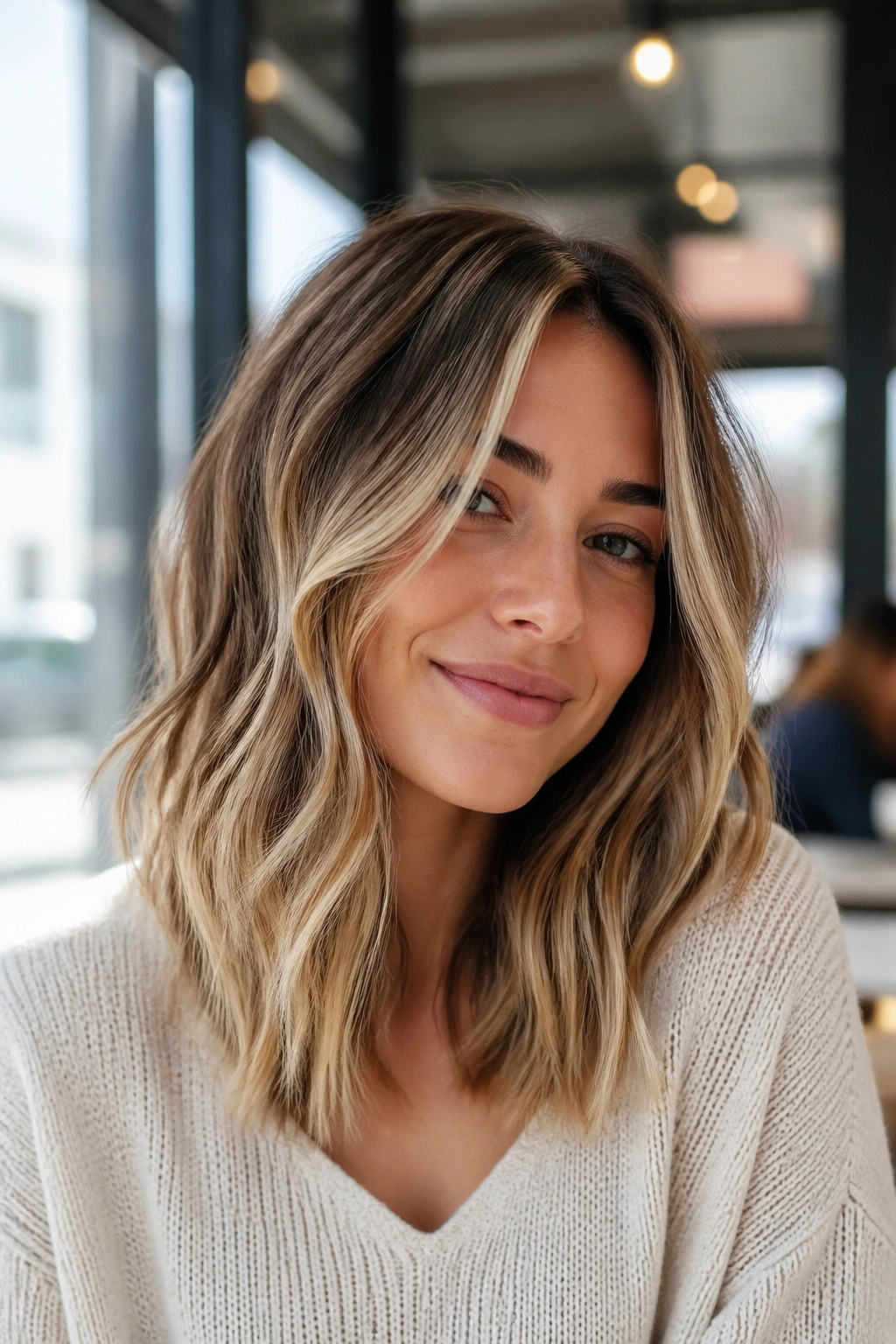
Blended layers are the opposite of chunky layers. They slide into one another so the haircut keeps its shape while the waves move. For thick wavy hair, that blend is useful because it stops the cut from looking heavy at the bottom or split into obvious steps.
Ask for long layers that begin around the cheekbone or chin and keep the perimeter full. The goal is to reduce weight without making the ends look see-through. If the stylist cuts too much into the top, the hair can puff up. If they cut too little, the lob gets square.
I like this version when someone wants volume but not bulk. Fullness is good. Shelf-like bulk is not. That is the line to hold.
34. Chin-Skimming Front Panels Lob
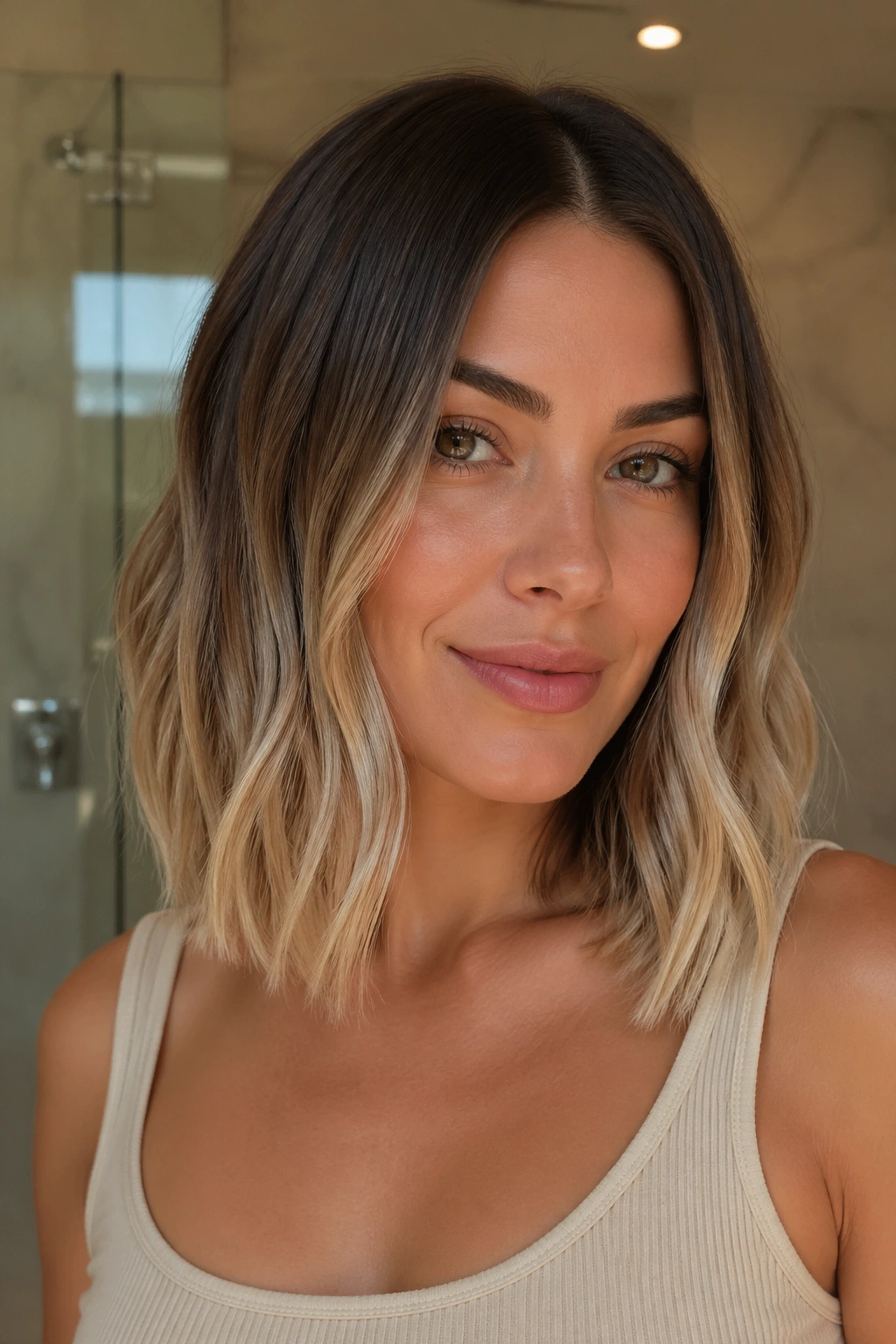
Chin-skimming front pieces sharpen soft waves in a nice way. They give the face a frame that feels a little more defined, and they work especially well if your jawline gets lost when your hair is all one length. The front panels do not need to be dramatic; they just need to hit the right spot.
The best version keeps the back a little fuller and lets the front pieces move around the chin and cheek. That creates a natural pull toward the face without chopping the length off. It also helps waves fall forward in a flattering way instead of puffing outward at the sides.
This shape is a quiet fix for a lot of common lob problems. The front does the shaping. The rest of the cut can stay relaxed.
35. Minimal-Layer Lob For Easy Grow-Out
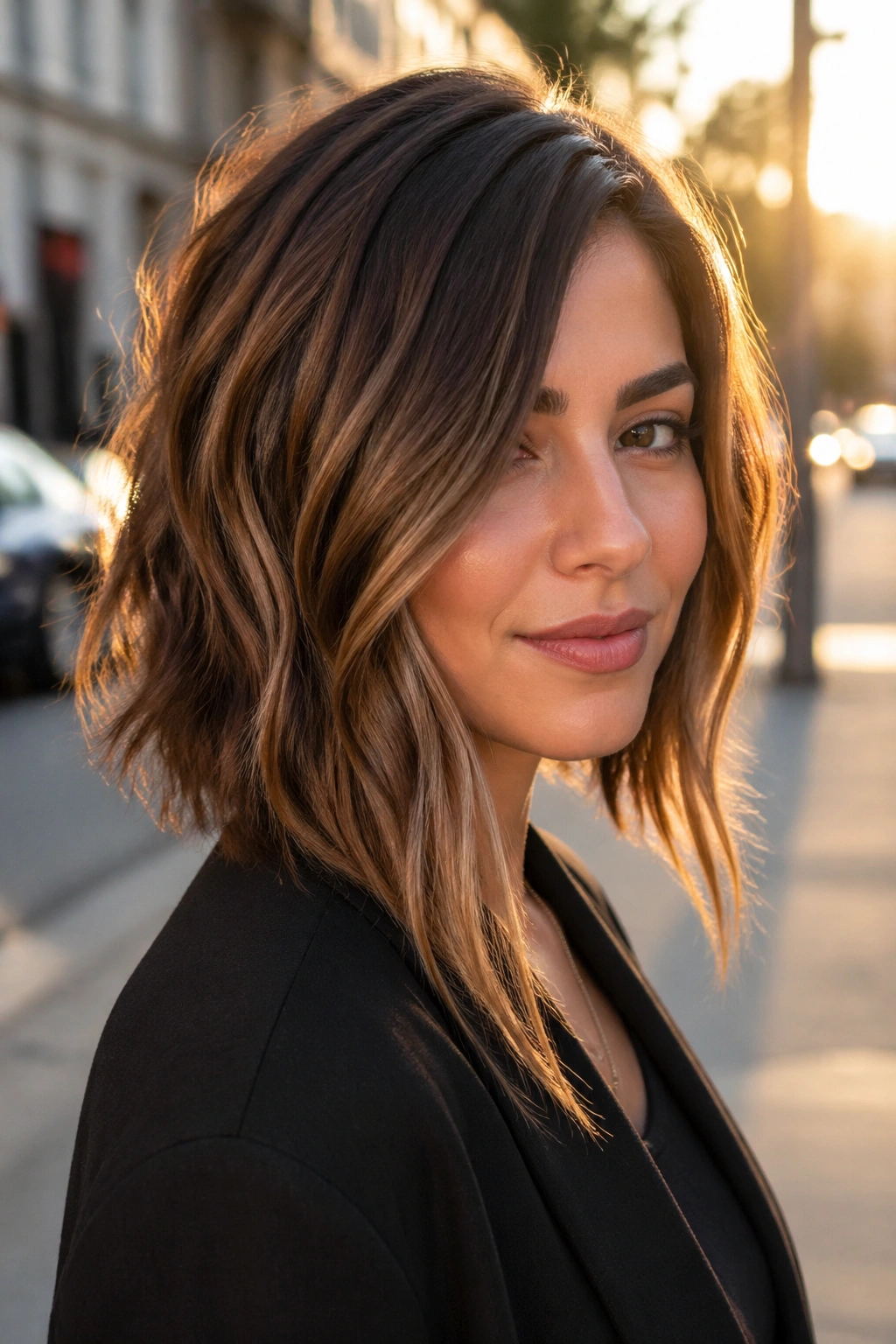
Minimal layers are the quiet answer. If you want a long wavy lob that still looks good after it grows for a few weeks, this is the place to start. The perimeter stays clean, the layers stay light, and the wave pattern gets to do most of the work.
The beauty of this cut is how forgiving it is. The shape does not collapse if you skip a styling day, and it does not turn choppy the second it gets a little longer. Ask for soft, barely-there layers and keep the ends full enough to hold the outline. That little bit of discipline in the cut saves a lot of work later.
If I had to pick one lob shape for someone who wants movement, softness, and an easy grow-out, this would be near the top of the stack. It is calm, practical, and still has enough style to stand on its own.
