



Big all back cornrow styles are the comfort food of braided hair. They’re fast to install, gentle on the scalp, easy to maintain, and they look polished without trying too hard. The big-and-back combination is what most people picture when they think of classic cornrows — wide rows running cleanly from forehead to nape, no fuss, no gimmicks, just braids that get the job done and look good doing it.
The “big” part matters more than people realize. Smaller cornrows pull tighter, take longer to install, and stress the hairline more. Big cornrows let your scalp breathe, finish in a fraction of the time, and stay comfortable through the whole wear period.
The “all back” part is about direction. Every cornrow runs from the front of the head to the back, parallel or curving slightly, with no detours. Simple geometry, clean visual line.
These styles work for offices, gyms, weddings, vacations, and lazy Sundays. Pick five different finishes and you’ve got a month of styled hair without restyling.
Why Big Cornrows Beat Small Ones for Daily Wear
Small cornrows have their place. Micro cornrows can last six weeks and look unbelievable in photos. But for the daily reality of going to work, taking kids to school, and living your actual life — bigger cornrows make more sense.
Less tension at the scalp means less risk to the hairline. Faster install means more affordable appointments. Easier maintenance means the style still looks good at week three.
There’s also the comfort question. Big cornrows lie flatter against the scalp and don’t pinch when you’re sleeping or wearing a hat. Small cornrows can poke into the scalp from every direction.
For people with thinner hair, big cornrows show less scalp between rows. Counterintuitive but true — when there’s less hair to spread out, smaller braids leave bigger gaps. Bigger braids cover more.
What “All Back” Really Means
All back cornrows go in one direction: from the hairline to the nape. No side parts, no curves toward the ears, no diagonal sweeps. Just clean rows running back.
Within that simplicity, there’s actually a lot of variation. The number of rows can range from four to twelve. The thickness can range from finger-width to thumb-width. The ending can be loose, beaded, bunched into a tail, or fed into a low bun.
What stays consistent is the direction. That direction creates a unified look from any angle and gives the style its tidy, sleek silhouette.
Prep for a Big All Back Install
The prep is simpler than for more complex styles, but the basics still matter.
Hair should be washed and conditioned within the past week. Same-day washing makes the cornrows slippery, which causes them to loosen quickly. Two days post-wash is the sweet spot.
Stretch the hair the night before. African threading, braiding into stretched plaits, or a quick blowout on cool air all work. Stretched hair lies flatter under the cornrows.
Have these ready at the appointment:
- Edge control with strong hold
- A spray bottle with water and a few drops of leave-in
- A wide-tooth comb
- A long rat-tail comb for parting
- Whatever you want to use for the ending — beads, elastics, kanekalon
Avoid heavy butters and oils for at least 24 hours before the install. They cause the cornrows to slip during braiding.
Choosing the Right Number of Cornrows
Four big cornrows reads bold and editorial. Six is the standard. Eight to ten reads more practical, less statement.
Fewer cornrows mean each one is thicker. Each finished braid carries more weight. The finished look reads more like rope braids than traditional cornrows.
More cornrows mean each one is thinner. The look stays more classic, with the clean parallel lines that define the cornrow style. Maintenance is easier because the cornrows distribute weight more evenly.
For a first install, six to eight cornrows is usually the sweet spot. Comfortable, easy to maintain, and forgiving of styling choices.
How to Tell a Skilled Braider from an Average One
A skilled braider creates parts that are perfectly straight and evenly spaced. An average braider creates parts that wobble and vary in width.
Watch the hands during the first few rows. Skilled hands move with steady tension throughout the braid. Average hands tighten and loosen unpredictably.
Listen to the braider’s instructions. A good one tells you when to tilt your head, when to lean forward, when to relax your jaw. A great one explains why.
Ask about wash recommendations. A braider who has clear instructions for caring for the install knows their craft. A braider who shrugs and says “whatever you usually do” hasn’t thought about long-term wear.
1. Six Big Cornrows Straight Back
The classic. Six wide cornrows running from the hairline to the nape, evenly spaced, no extensions.
What Makes It Timeless
- Six rows is the right number for most head sizes
- The width is forgiving on hair texture and density
- The look reads polished without being formal
Styling tip: Smooth the front of each cornrow with a small dab of edge gel before braiding for a sharp clean line at the hairline.
This is the install for new cornrow wearers. It builds the foundation for understanding what bigger or smaller, longer or shorter, will look like on your specific head.
2. Eight Big Feed-In Cornrows
Eight cornrows with feed-in extensions running back. The kanekalon adds length past the natural hair, finishing well below the shoulder.
The feed-in technique starts with thin natural hair at the front and adds kanekalon piece by piece as the braid moves back. The result is a smooth taper that hides the transition between natural and added hair.
This style takes about two and a half hours to install. The wear time runs four to six weeks with proper care.
3. Four Jumbo Cornrows Down the Back
Bold claim: four jumbo cornrows make the strongest statement of any all-back style.
Just four. Each one thick enough to compete with a wrist. Running straight back from the hairline to the nape, then continuing in long single braids past the shoulder.
The minimal count creates maximum visual impact. The cornrows themselves become the feature rather than the pattern they create.
These take around an hour and a half to install. The wear time runs three to four weeks.
4. Six Cornrows Into a Low Bun
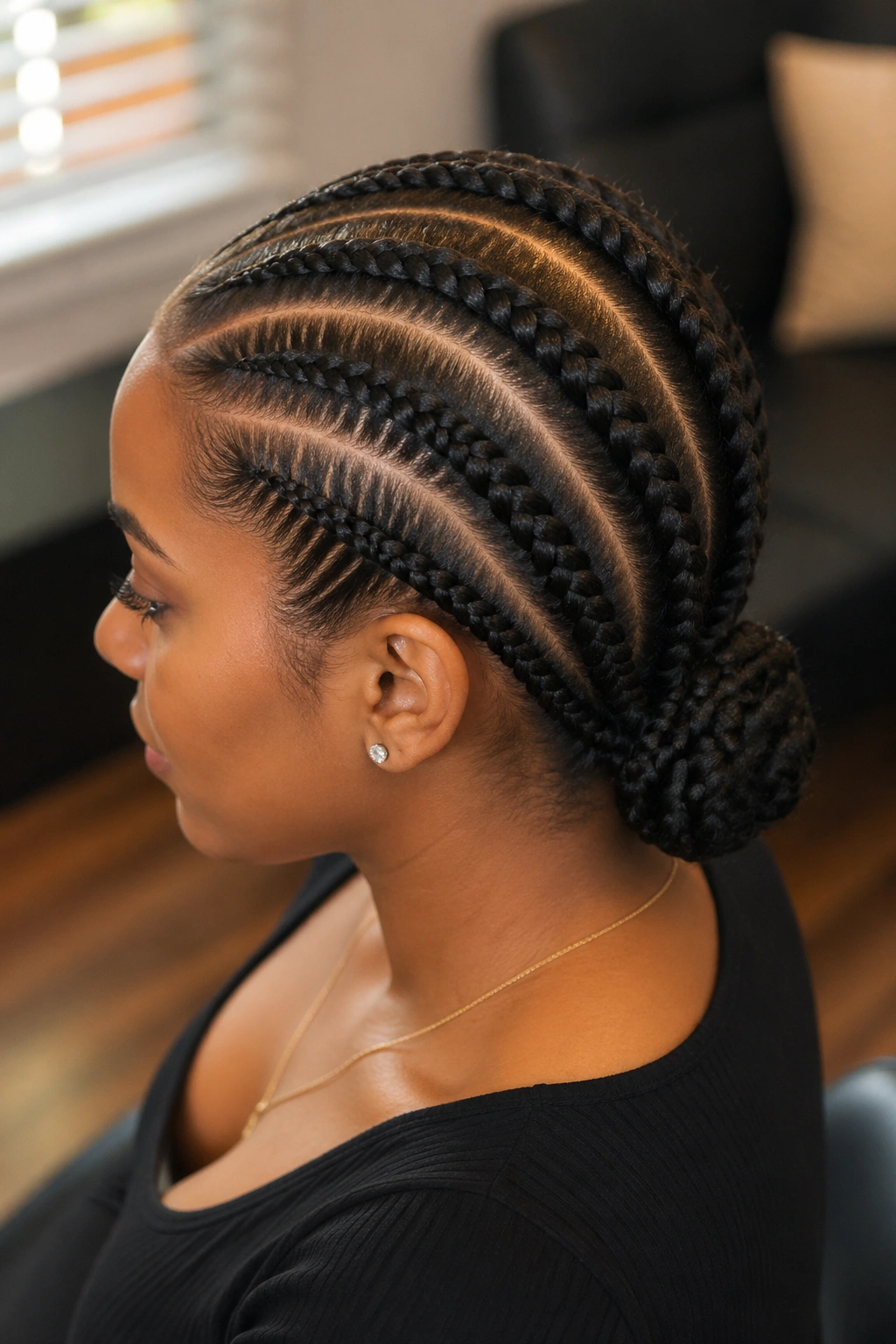
Six big cornrows running back, gathered at the nape into a low bun made from the cornrow ends.
The low placement of the bun reads professional and put-together. The bun can be tight and small or loose and full depending on how much volume you want at the back of the head.
Wrap one of the cornrow ends around the base of the bun to hide the elastic that holds it. Pin it in place with a few bobby pins matching your hair color.
5. Five Cornrows With Beaded Ends
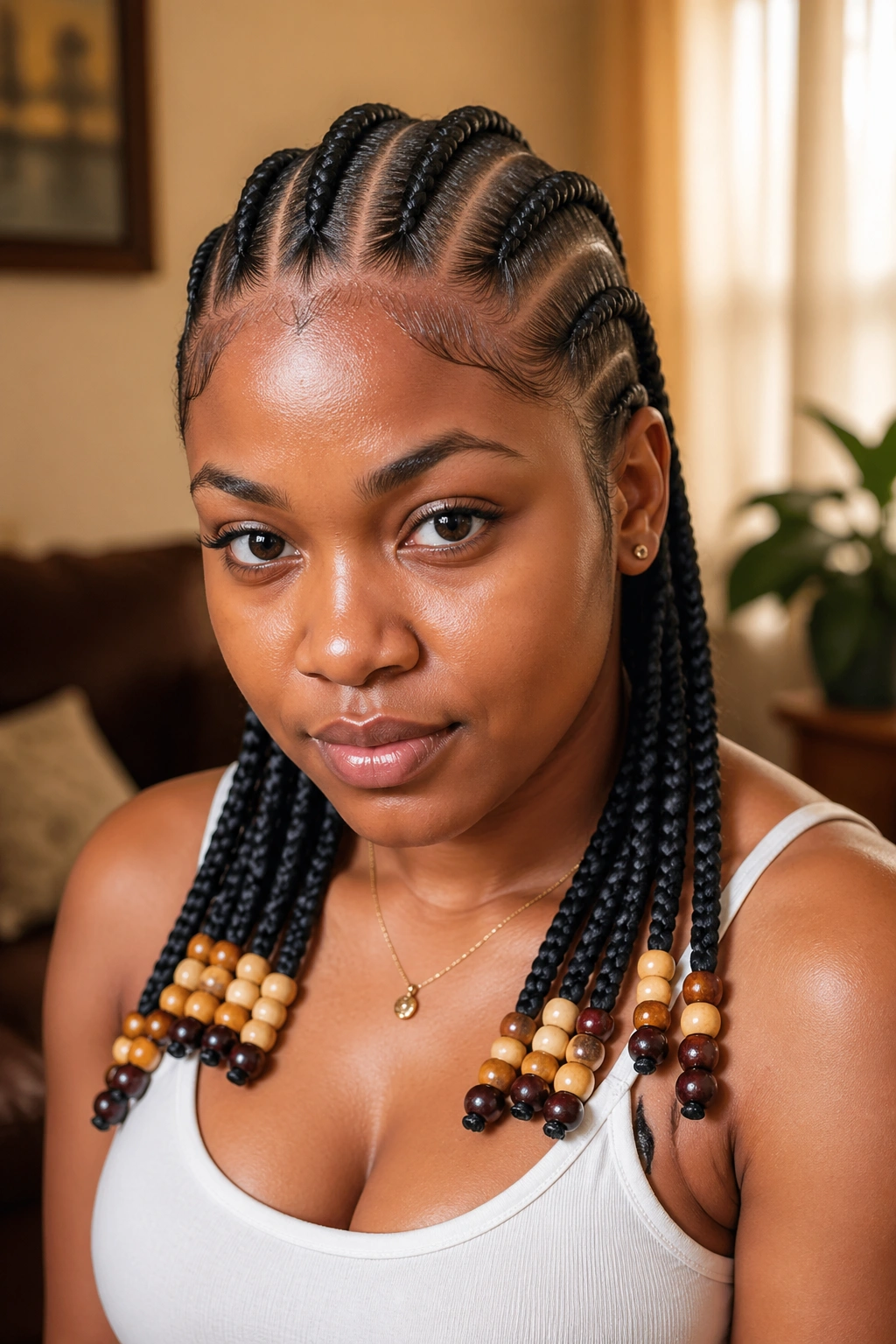
Five wide cornrows running back, each one finishing with two or three beads at the end.
The bead choice changes the entire feel. Cowrie shells read cultural and grounded. Wood beads read earthy and casual. Gold beads read polished and formal.
What to Watch For: Beads add weight to the ends of the cornrows, which over time can pull the hairline forward. Limit beads to three per braid maximum, and avoid heavy metal beads on people with sensitive scalps.
6. Seven Cornrows With a Stitch Pattern
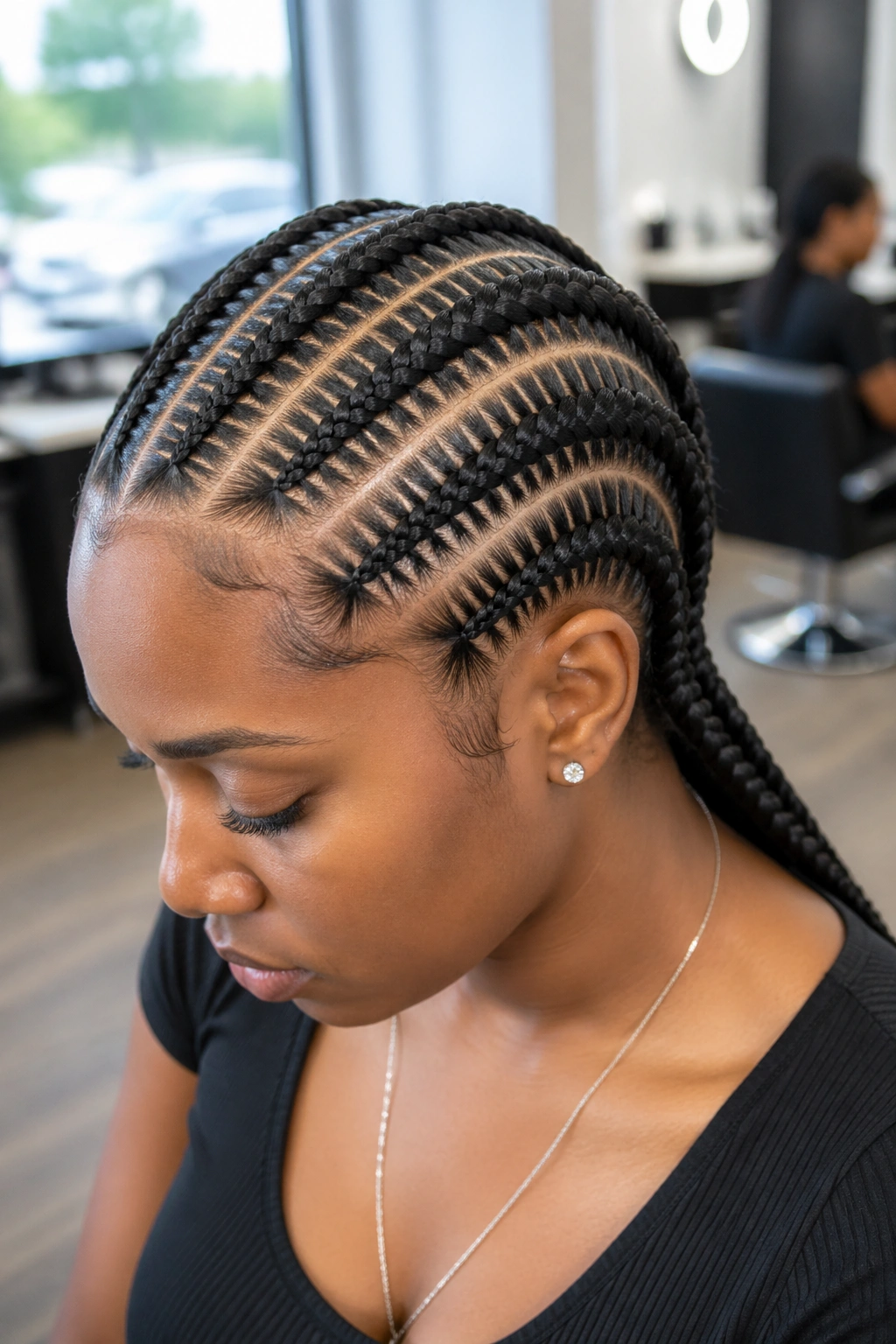
Stitch cornrows in an all-back layout — seven of them running parallel from forehead to nape. The stitches inside each braid create that crisp etched look that photographs beautifully.
The stitches require more time and tighter tension during installation. Plan for an additional 45 minutes compared to a standard cornrow install of the same count.
The result is worth the time. Stitch detailing in big cornrows lasts visibly longer than in smaller ones because the wider braid showcases each stitch clearly.
7. Six Cornrows With a Side Sweep at the Front
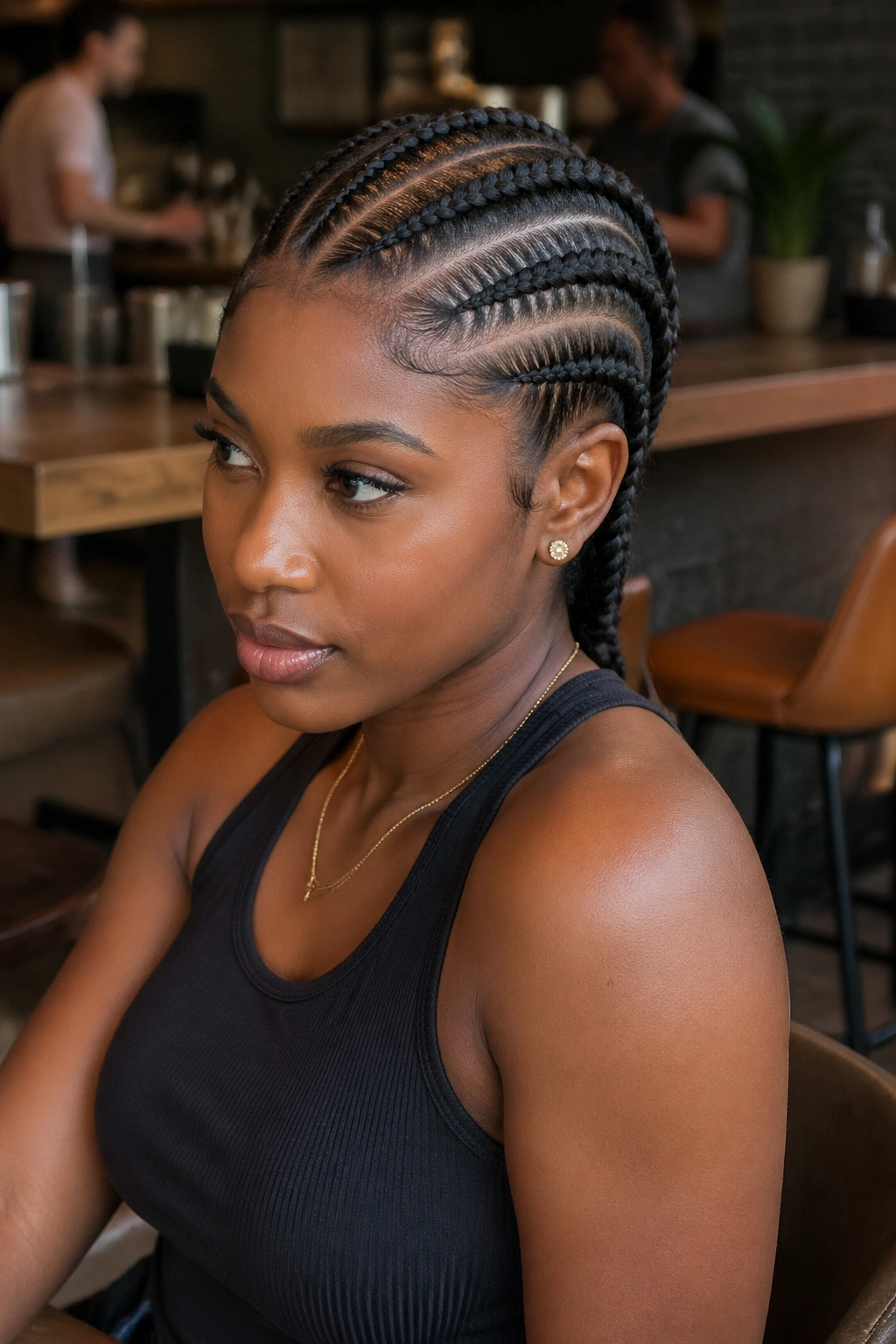
Six big cornrows running back, but instead of starting parallel, the front sections sweep slightly to one side before joining the straight-back pattern.
The side sweep softens the harsh straight-line look at the hairline. It also better suits faces with strong central features — the diagonal at the front balances out the symmetry.
Most braiders need to be specifically asked for a side sweep at the front. Without the request, they default to fully parallel rows.
8. Big Cornrows With a Center Part
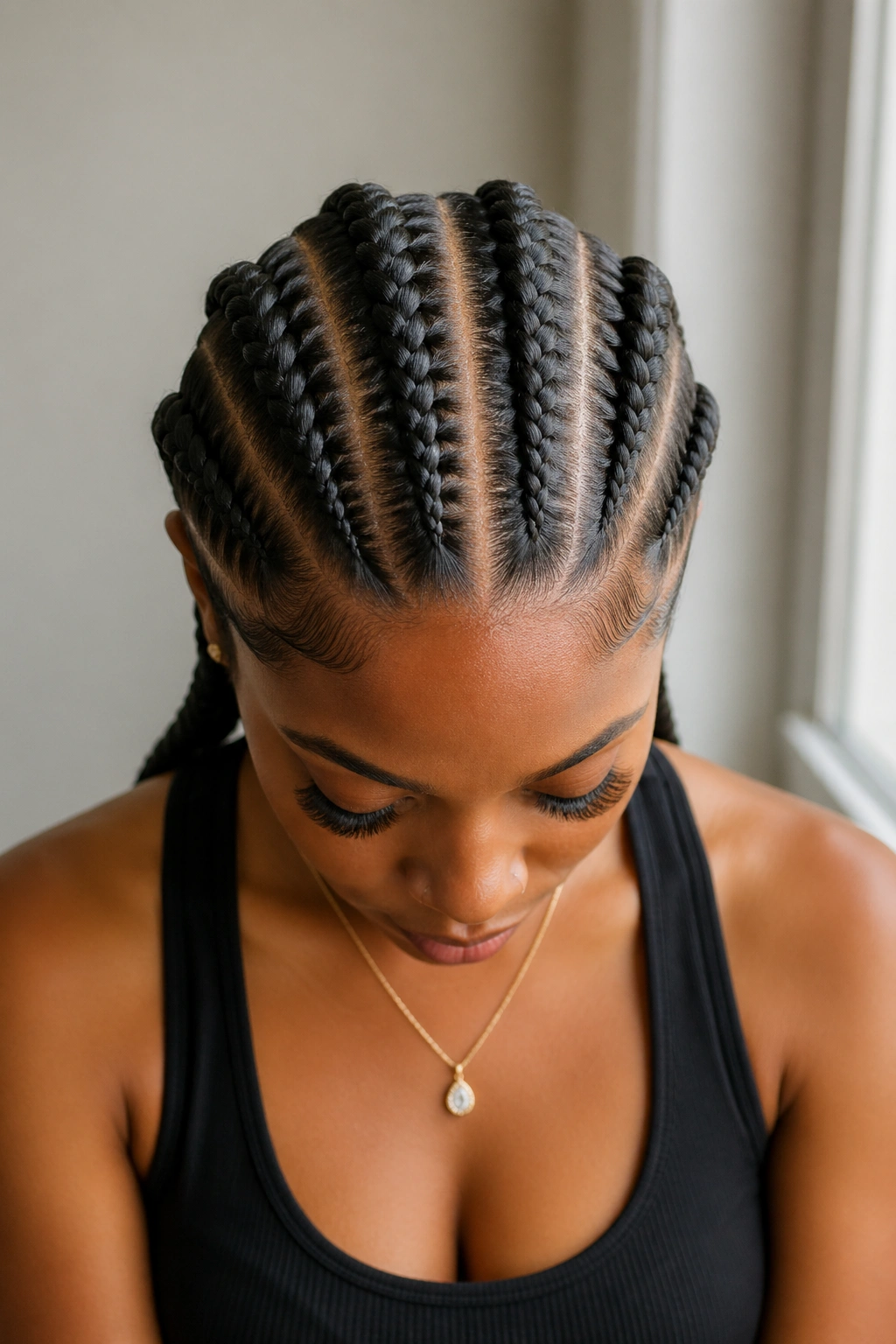
Question opener: what does adding a center part do to a six-cornrow install?
It changes the symmetry of the style. Without a center part, six cornrows feel continuous across the head. With a center part, they read as two groups of three — three on the left, three on the right.
The center part adds a vertical line that flatters most face shapes. It also creates a natural place for accessories like a head scarf or a beaded crown.
How to Style It
- Use a fine-tooth comb to carve the center part precisely
- Smooth a small amount of edge gel along the part to keep it crisp
- The cornrows on each side should mirror each other in size and spacing
9. Big Cornrows Into a High Ponytail
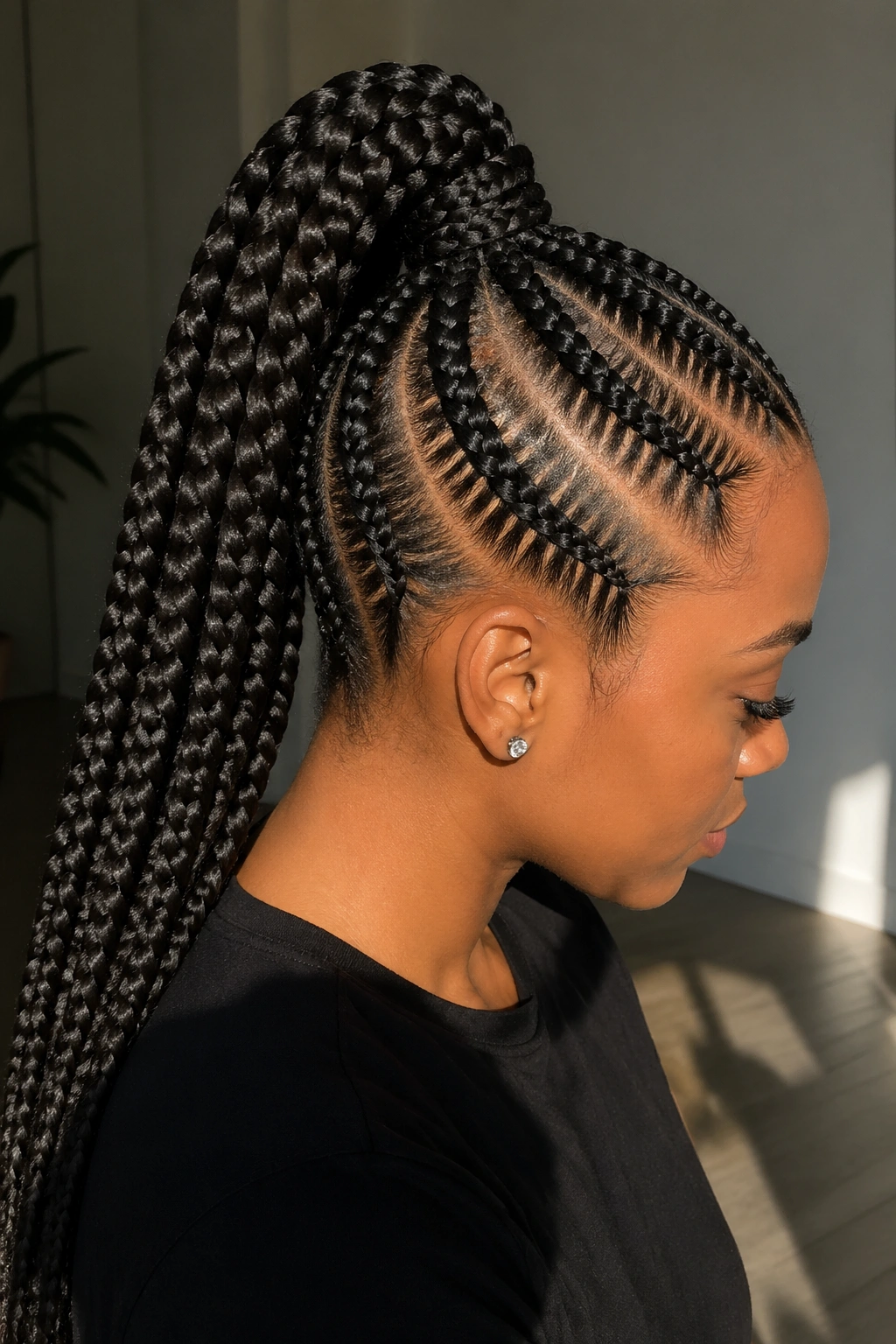
Six to eight big cornrows running back, gathered at the top of the back of the head into a high ponytail.
The high ponytail can be the cornrow ends themselves, the cornrow ends plus added kanekalon for length, or a clip-in ponytail attached at the gathering point.
For a curly ponytail finish, use water-wave braiding hair as the extension and dip the ends in hot water after braiding to set the curl.
10. Big Cornrows With a Headband Wrap
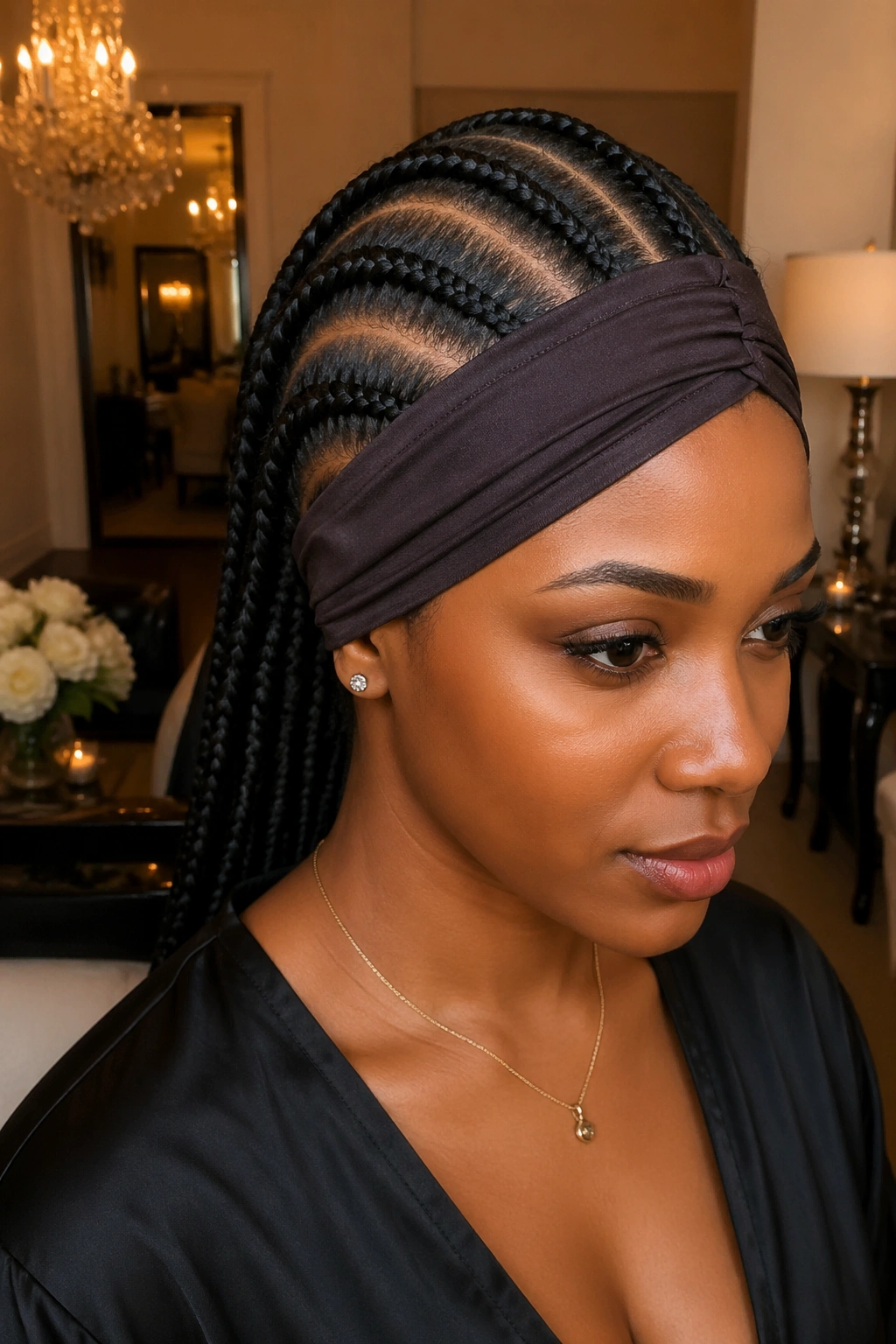
Brief scenario: you’ve got a big cornrow install but want to dress it up for an event. A wide silk or velvet headband wrap across the front transforms the look.
The headband sits across the hairline, covering the start of the cornrows for the first inch or two. The cornrows continue back from there.
Pick a headband that complements your outfit color. Tie it at the back, where the knot disappears under the cornrow flow.
- Velvet reads luxurious for evening events
- Silk reads polished for daytime
- Patterned cotton reads casual and weekend
11. Cornrows With Curly Ends
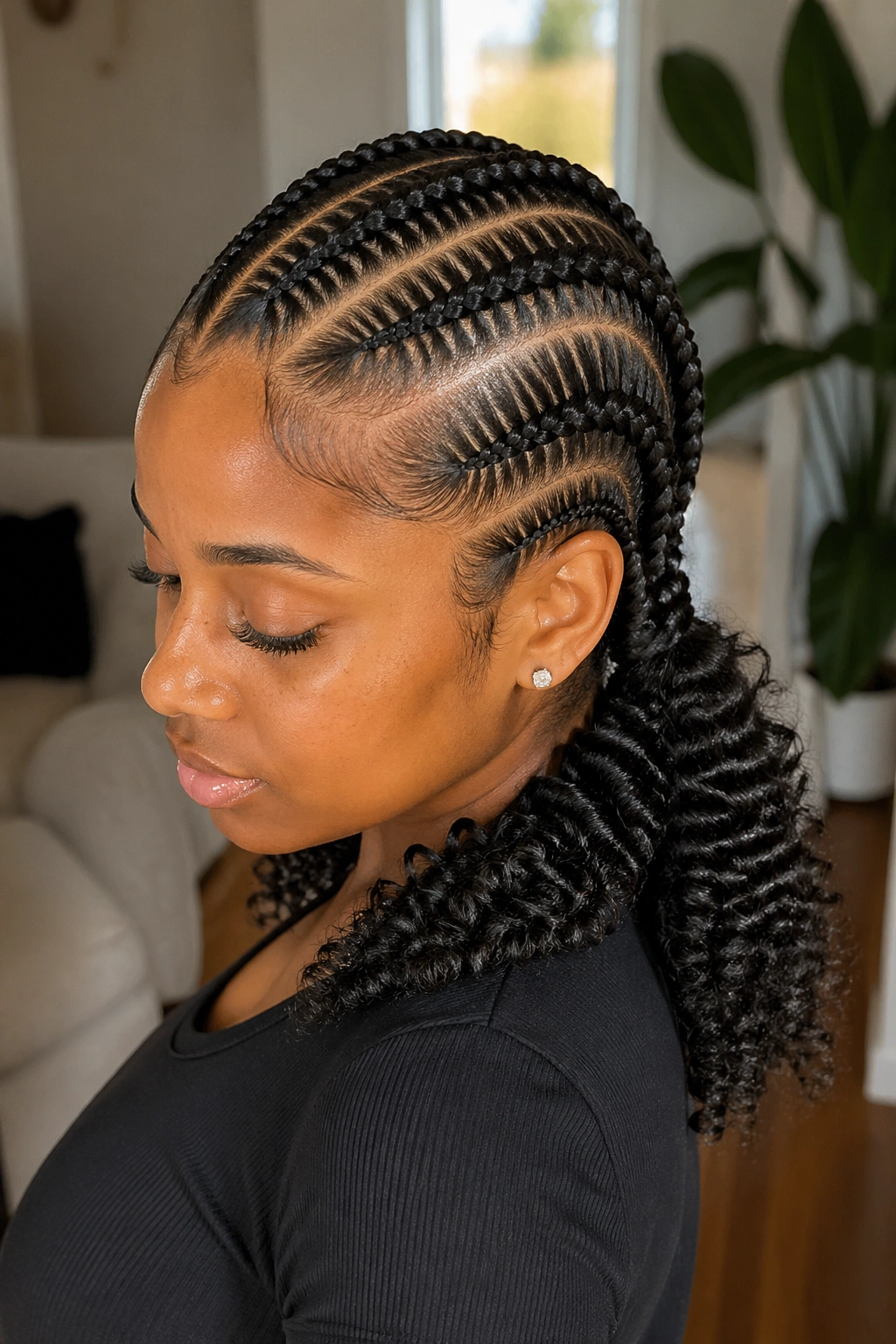
Big cornrows running back to the nape, with the last two or three inches of each braid left loose and curly.
The transition happens at the nape. The braider stops braiding, secures with a small elastic, then teases out the kanekalon ends or leaves the natural hair to its own curl pattern.
The curly ends add softness to what would otherwise be an entirely sleek style. The contrast between sleek braids and bouncy curls is the appeal.
12. Twelve Smaller Cornrows All Back
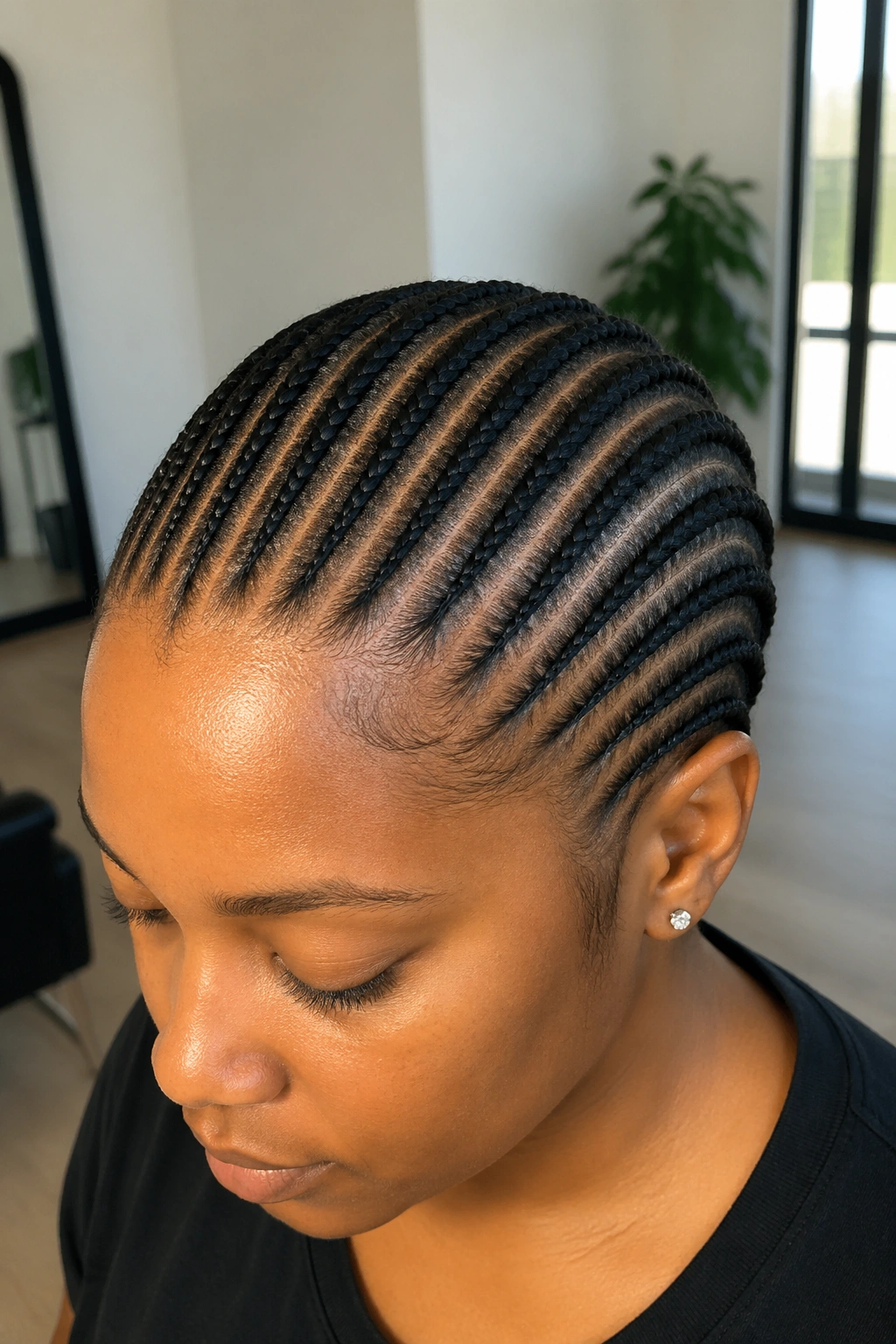
Twelve cornrows still counts as big when each one is finger-thick. The higher count creates a more covered look at the scalp without sacrificing the comfort of bigger braids.
This count works well for people with thicker hair density. Six big cornrows on very thick hair can leave each braid disproportionately massive.
The wear time runs four to five weeks comfortably.
13. Big Cornrows With Cuffs at the Front
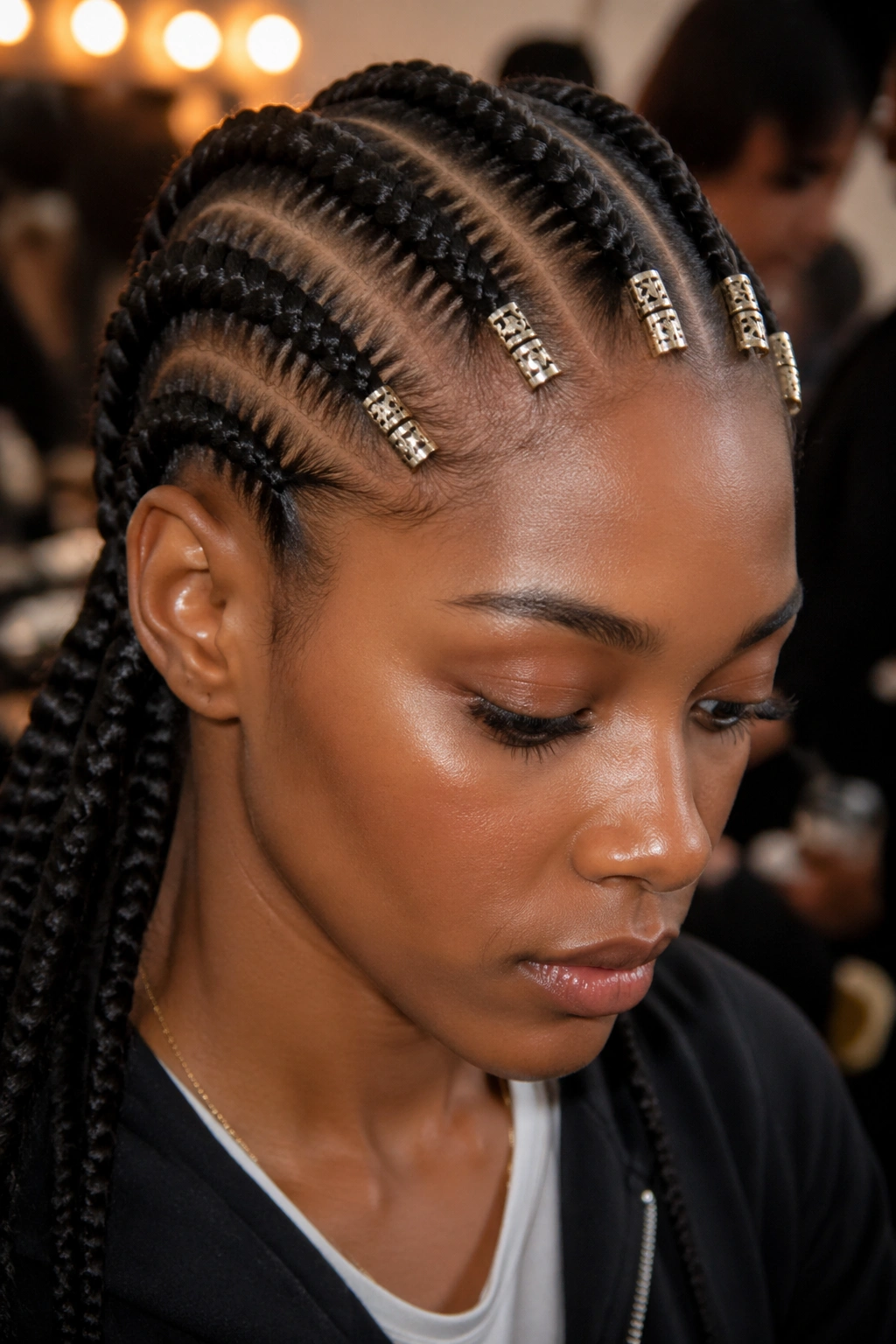
Six big cornrows running back, with metal cuffs sliding onto the first inch or two of each braid at the hairline.
The cuffs sit visible from the front, framing the face. The rest of the cornrows stay clean and unadorned.
Gold cuffs read warm. Silver cuffs read cool. Mixed metal cuffs read intentional and styled.
14. Big Cornrows Into a Mid-Back Single Braid
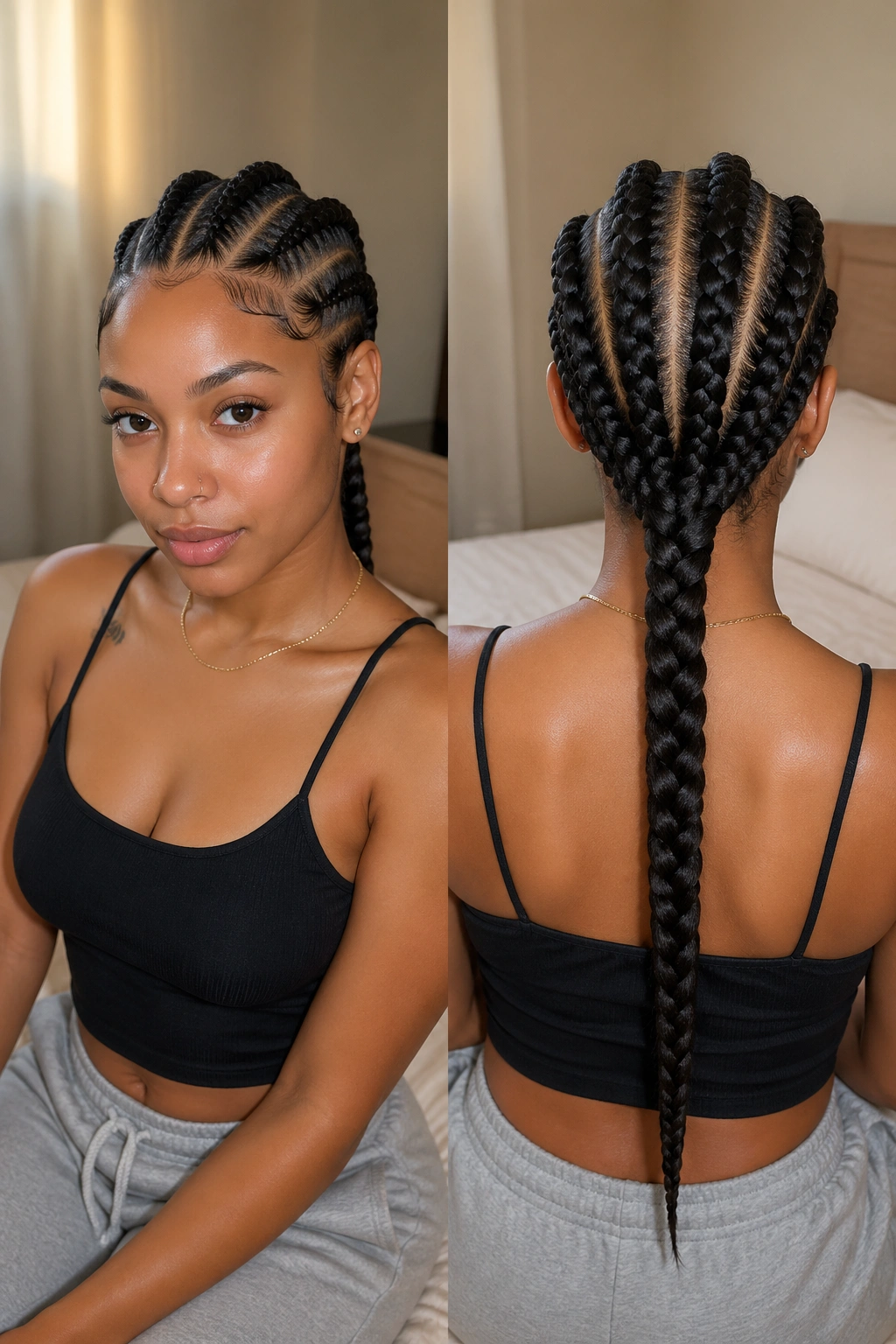
Six big cornrows feed back to the nape, where they all combine into one large single braid that hangs down the middle of the back.
The single braid finish creates a unified look at the back. From the front, you see the cornrows. From behind, you see one thick braid.
The single braid can hold its shape for the full wear period. It can also be unbraided for a half-up half-down look between weeks one and two without disturbing the cornrows themselves.
15. Cornrows With a Front Curl Bang
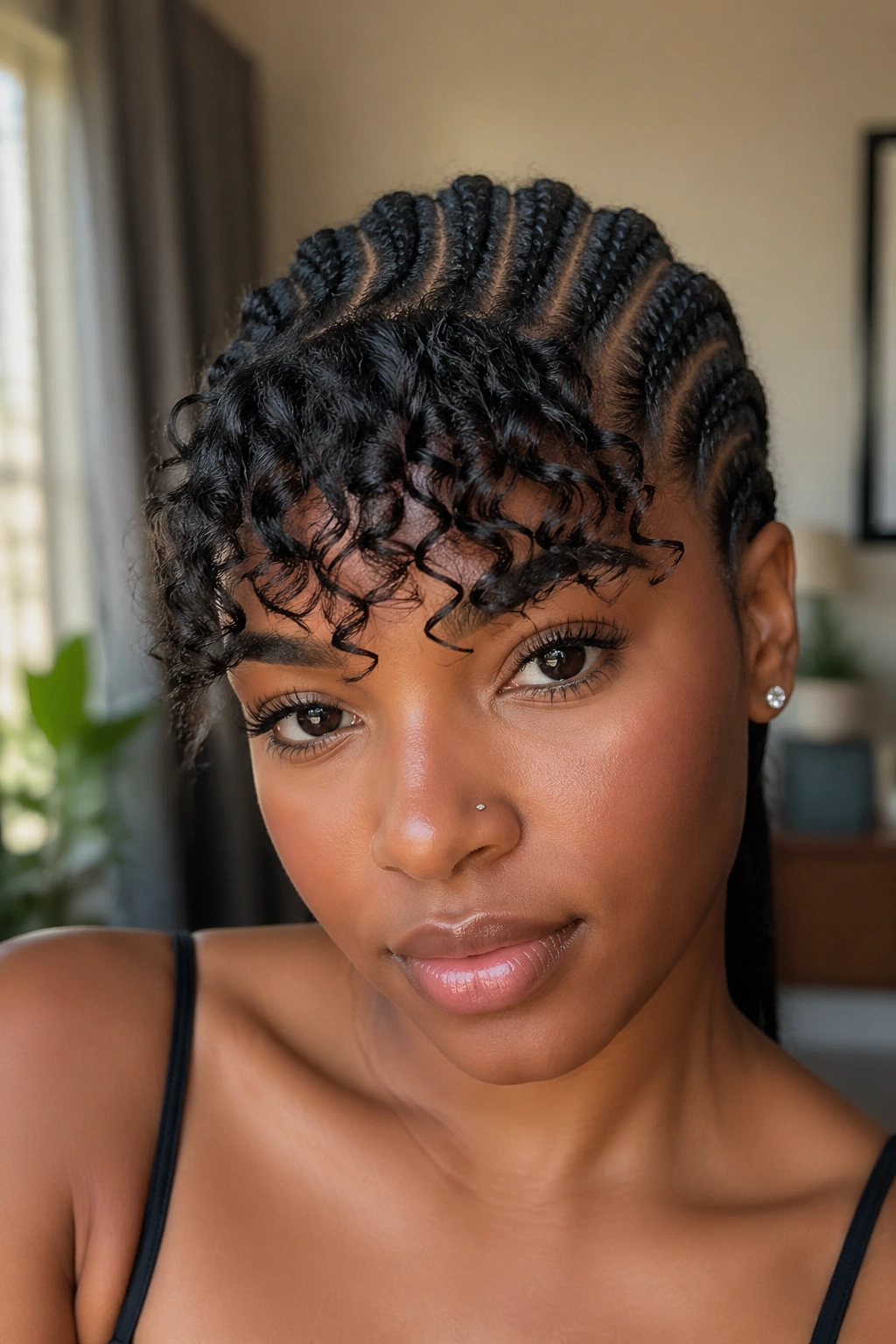
Big cornrows starting two inches back from the hairline, with the front two inches of natural hair styled as a curly fringe over the forehead.
The bang covers the cornrow starting point. From the front, you see a curly fringe that looks like the entire hairstyle. From behind, you see the cornrows running back.
This works for people who want the protective benefit of cornrows but don’t want the pulled-back look that exposes the entire hairline.
16. Tribal Big Cornrows
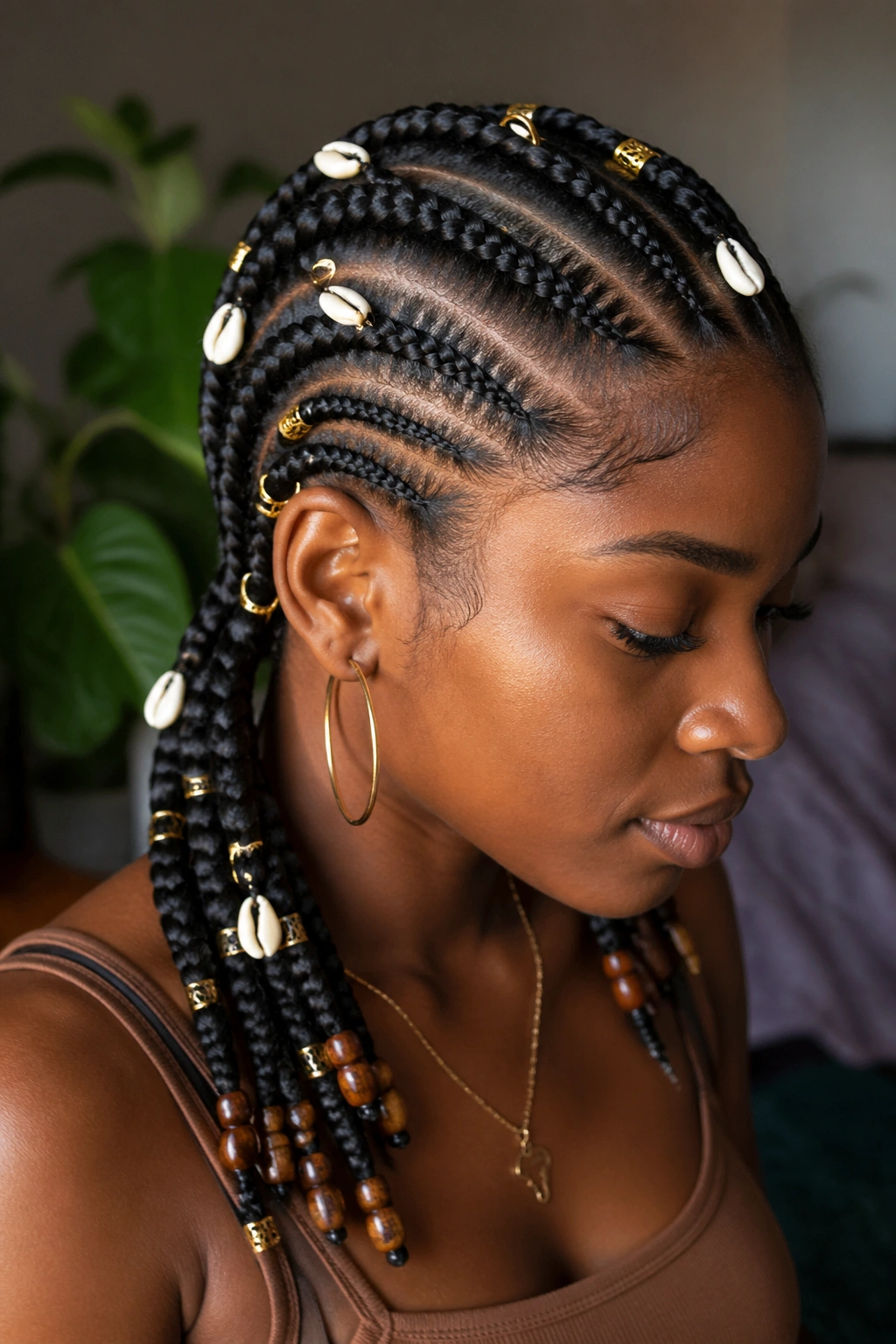
Pure prose for this one. Big cornrows in the all-back direction, with tribal accessories — cowrie shells, gold cuffs, brass rings, wooden beads — added throughout. The cornrows themselves are simple. The accessories create the storytelling element.
The shells should sit at varied positions along the braids — some at the end, some in the middle, some near the root. Random placement reads more authentic than evenly spaced.
The Fulani tradition of woven hair adornment goes back centuries. Adding cowries to a big cornrow install honors that lineage while creating a styled finished look.
For a special occasion, mix metals — gold cuffs with brass rings with silver beads. The mixed-metal look reads contemporary while honoring the roots.
17. Six Cornrows With a Back Crown
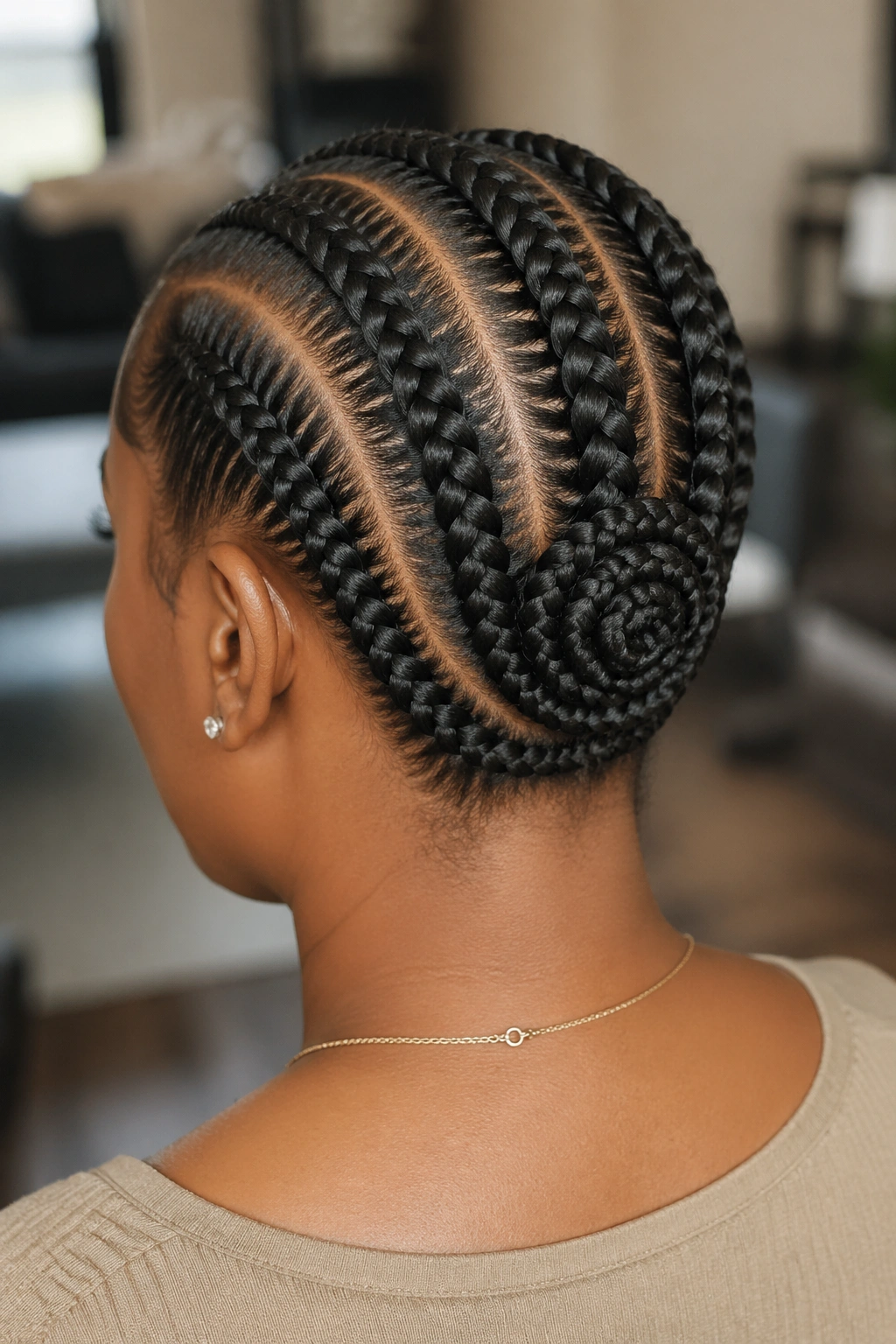
Six cornrows running back, with the ends gathered and pinned into a flat circular crown shape at the back of the head — like a halo lying flat against the skull.
The crown is the feature. It sits at the crown of the head, made from the cornrow ends woven into a circular braid.
This style needs a flat smooth back of the head to read clean. People with a more rounded skull might find the crown shape sits awkwardly.
18. Big Cornrows With Color Highlights
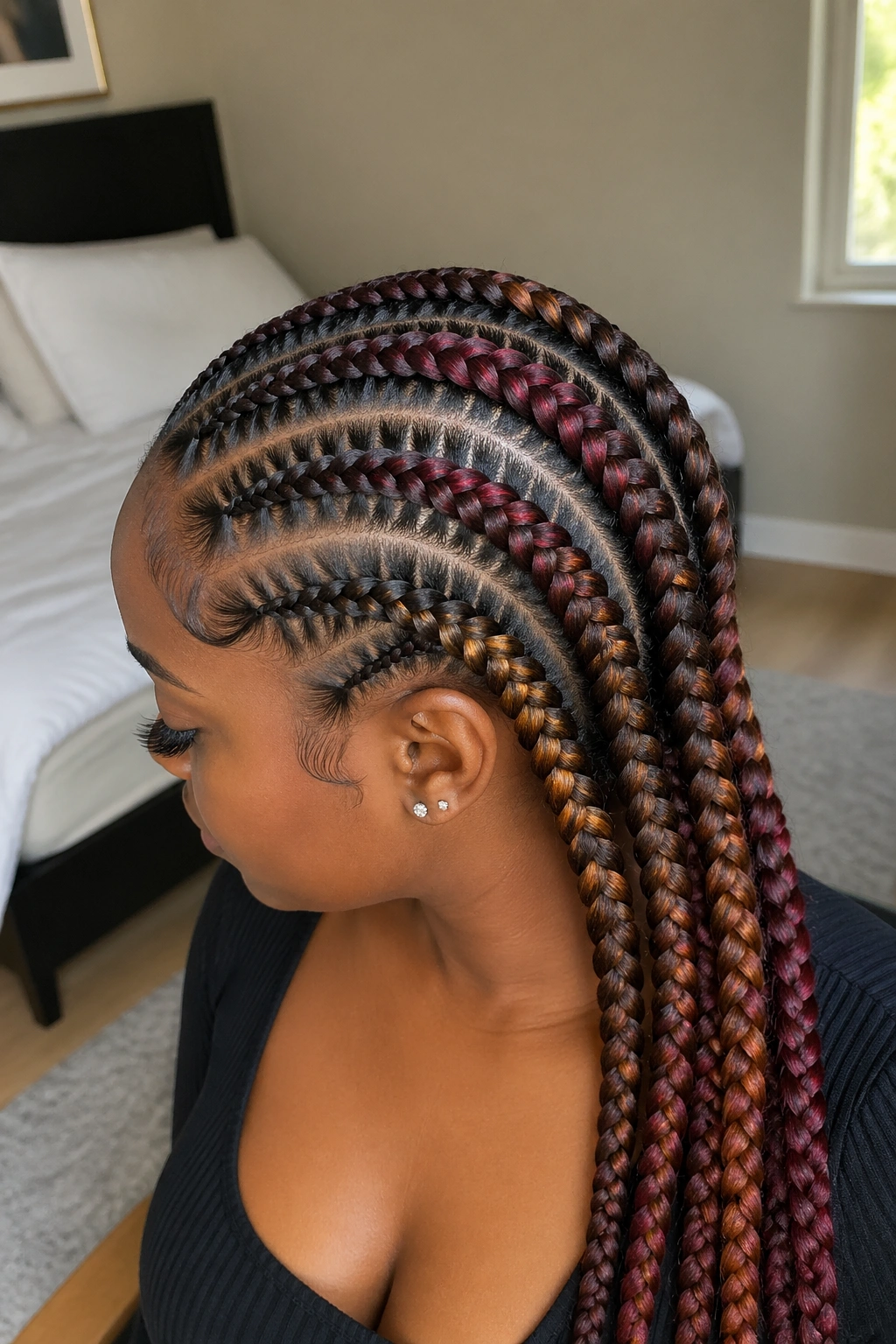
Big cornrows installed with kanekalon that includes color streaks — burgundy, honey, copper, plum. The color shows up in flashes as the cornrows move.
The amount of color matters. One or two colored braids out of six is the right ratio. More than that and the look reads as a color statement rather than a cornrow style with color accents.
The color sits well against most skin tones. Warmer colors (copper, honey) suit warm skin tones. Cooler colors (plum, burgundy) suit cool skin tones.
19. Big Cornrows Into a Low Half Bun
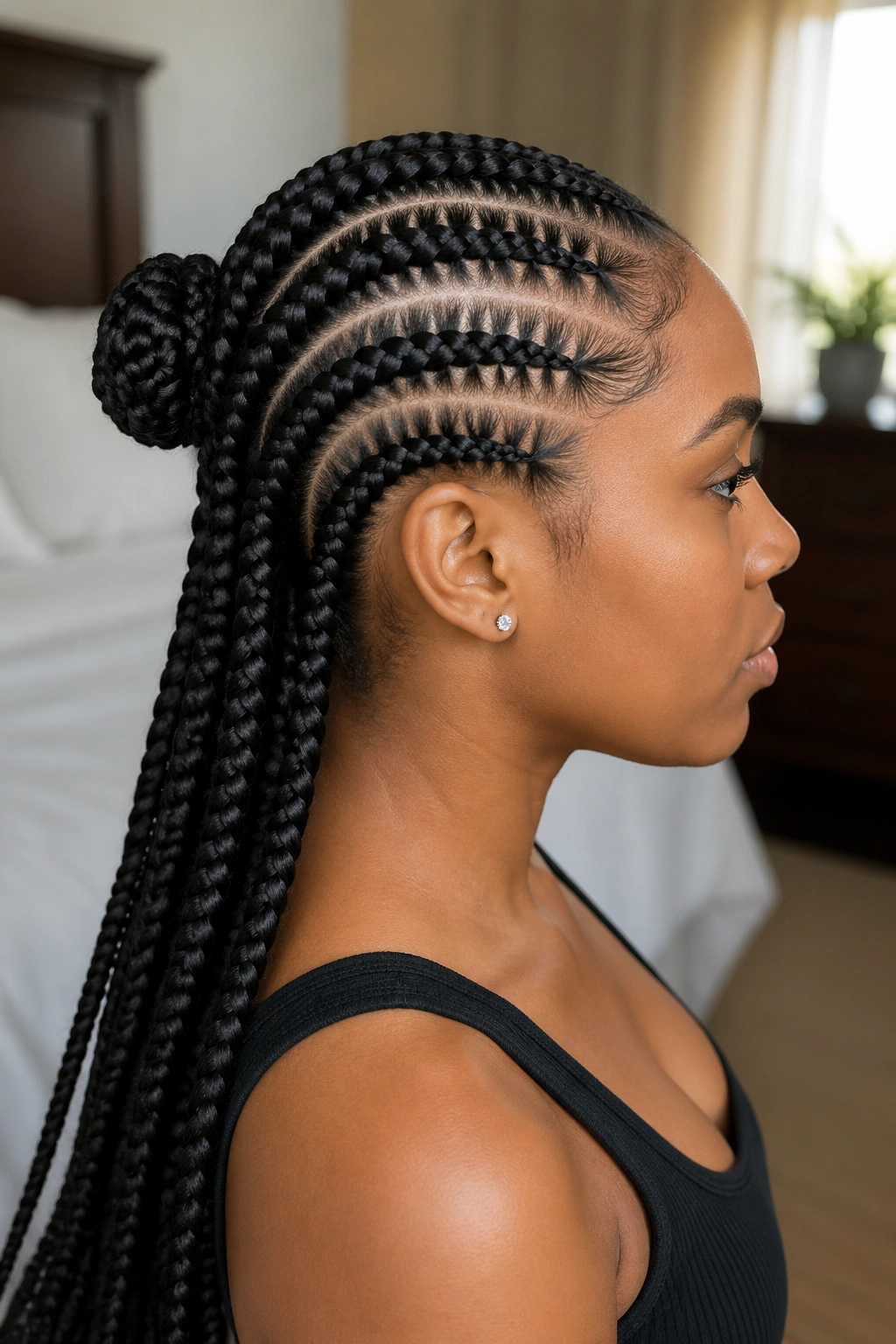
Six big cornrows running back, with only the top half of the braids gathered into a low half bun at the crown. The bottom half hangs free.
The half bun adds shape without committing to a full bun. The hanging cornrows below add movement.
This is the cornrow style for hot days when you want hair off the face but also want the bottom of the cornrows visible.
20. Cornrows With a Side Pony
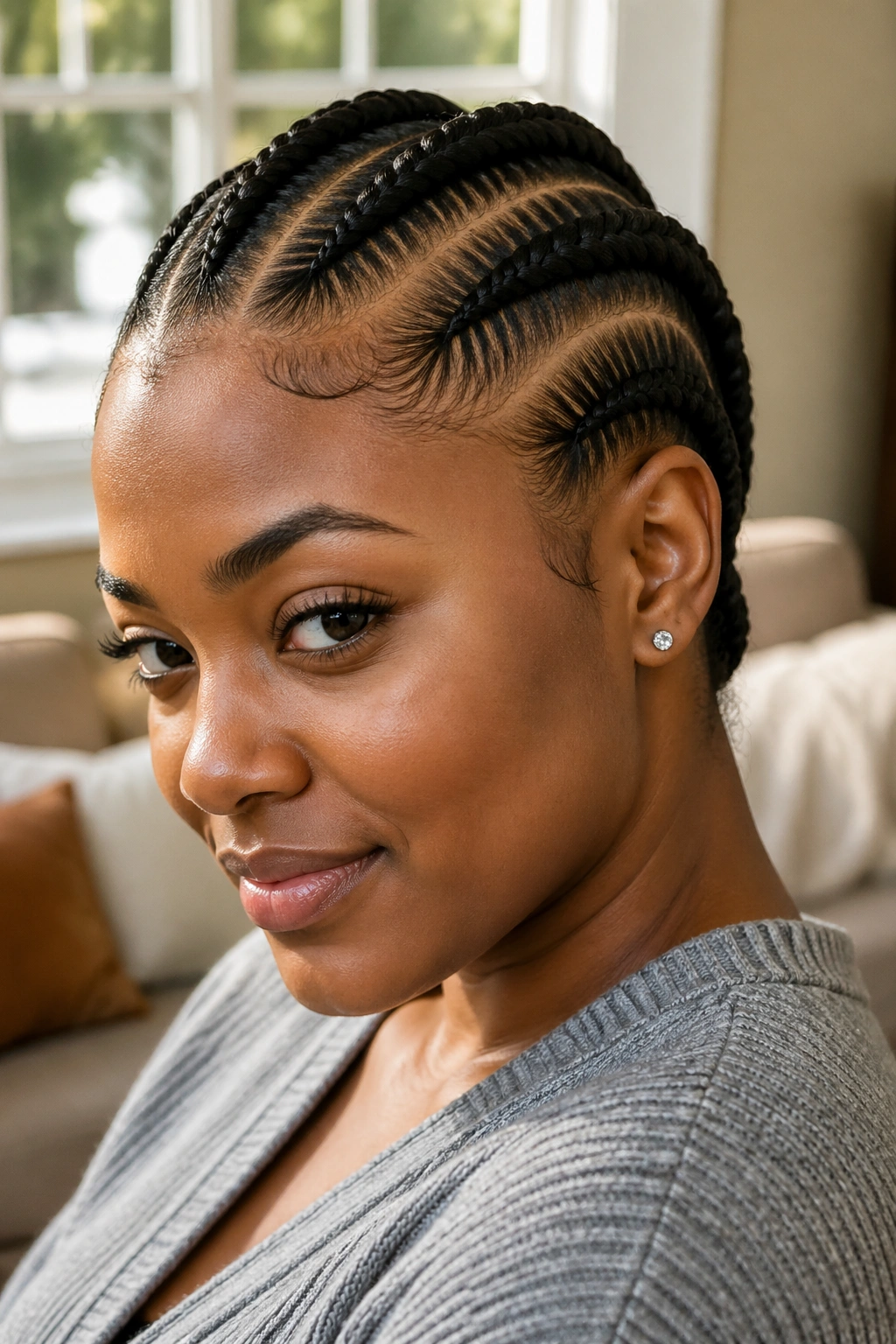
Big cornrows curved diagonally to one side of the head, gathered into a side pony just behind one ear.
Unlike most all-back styles, this one breaks the parallel rule. The cornrows curve gently toward the gathering point, creating an asymmetric sweep that reads modern and flattering.
The side pony can hang loose, be braided into a single side braid, or be wrapped into a side bun. All three finishes work.
21. Cornrows Into a Pinned-Up Tail
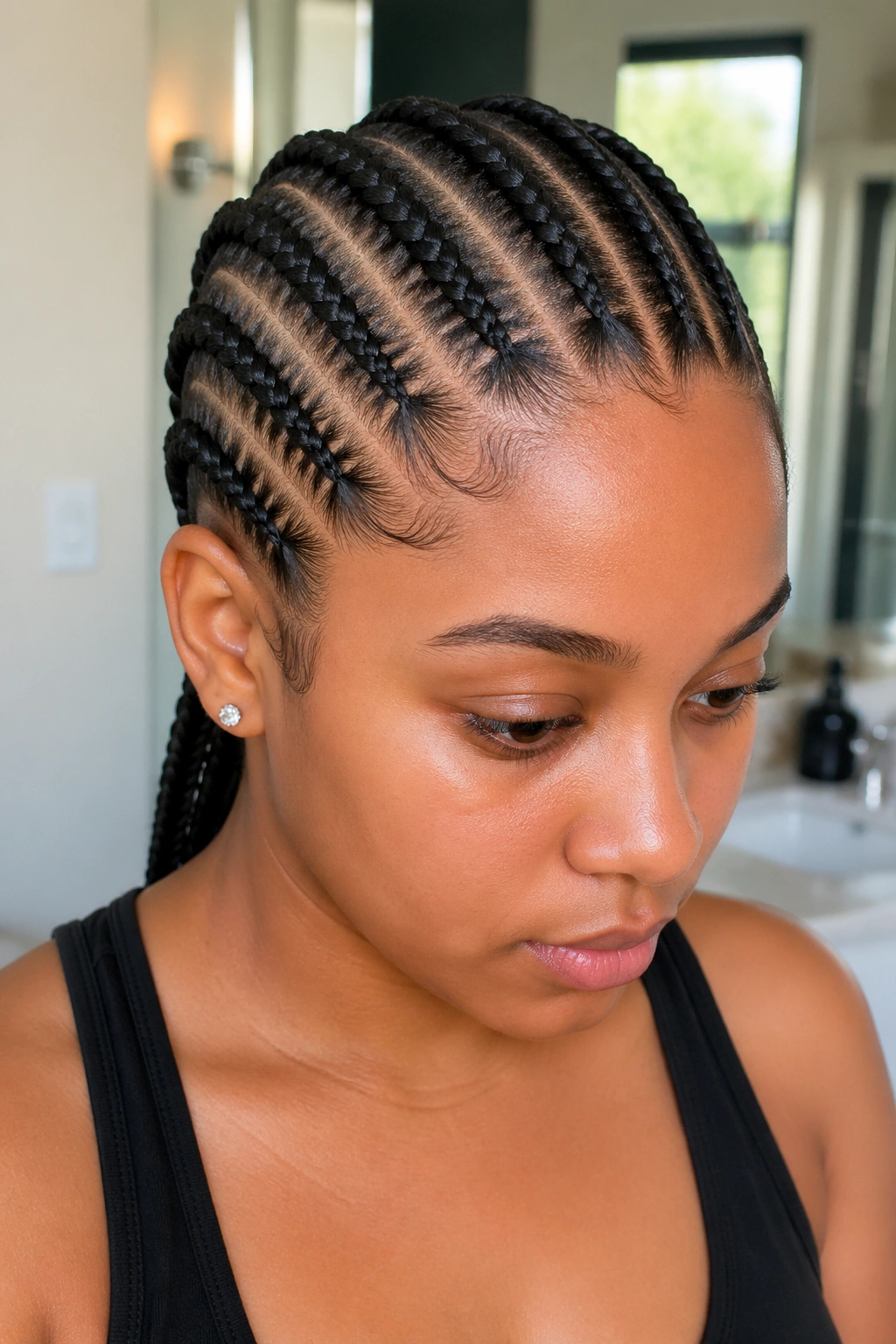
Six big cornrows running back, gathered into a low ponytail, then folded up onto itself and pinned flat against the back of the head.
The pinned-up tail creates a tucked-under look. The back of the head reads smooth and finished. The cornrows in front read clean.
This is the all-back cornrow style for formal events where loose ends won’t fly.
22. Big Cornrows With a Front Twist Section
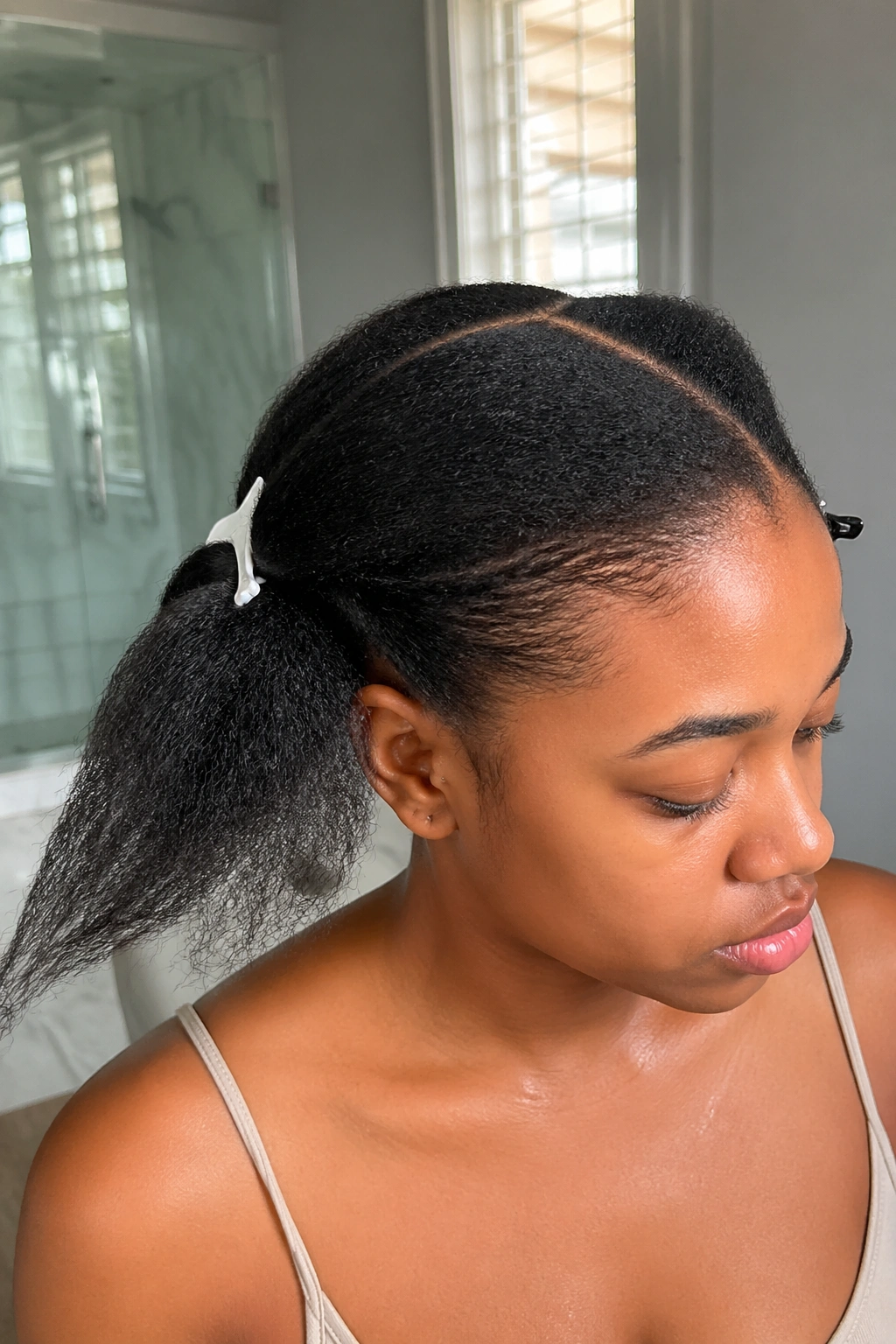
Big cornrows running back from the crown, with a small section at the very front twisted into two flat twists rather than cornrowed.
The twists at the front add textural variety. From the front, you see two twists. From the side, the twists transition smoothly into the cornrow pattern. From behind, you see all cornrows.
The twists soften the front of the style. They also offer a way to incorporate decorative beads or thread wraps without disturbing the cornrow pattern.
Maintaining Big All Back Cornrows
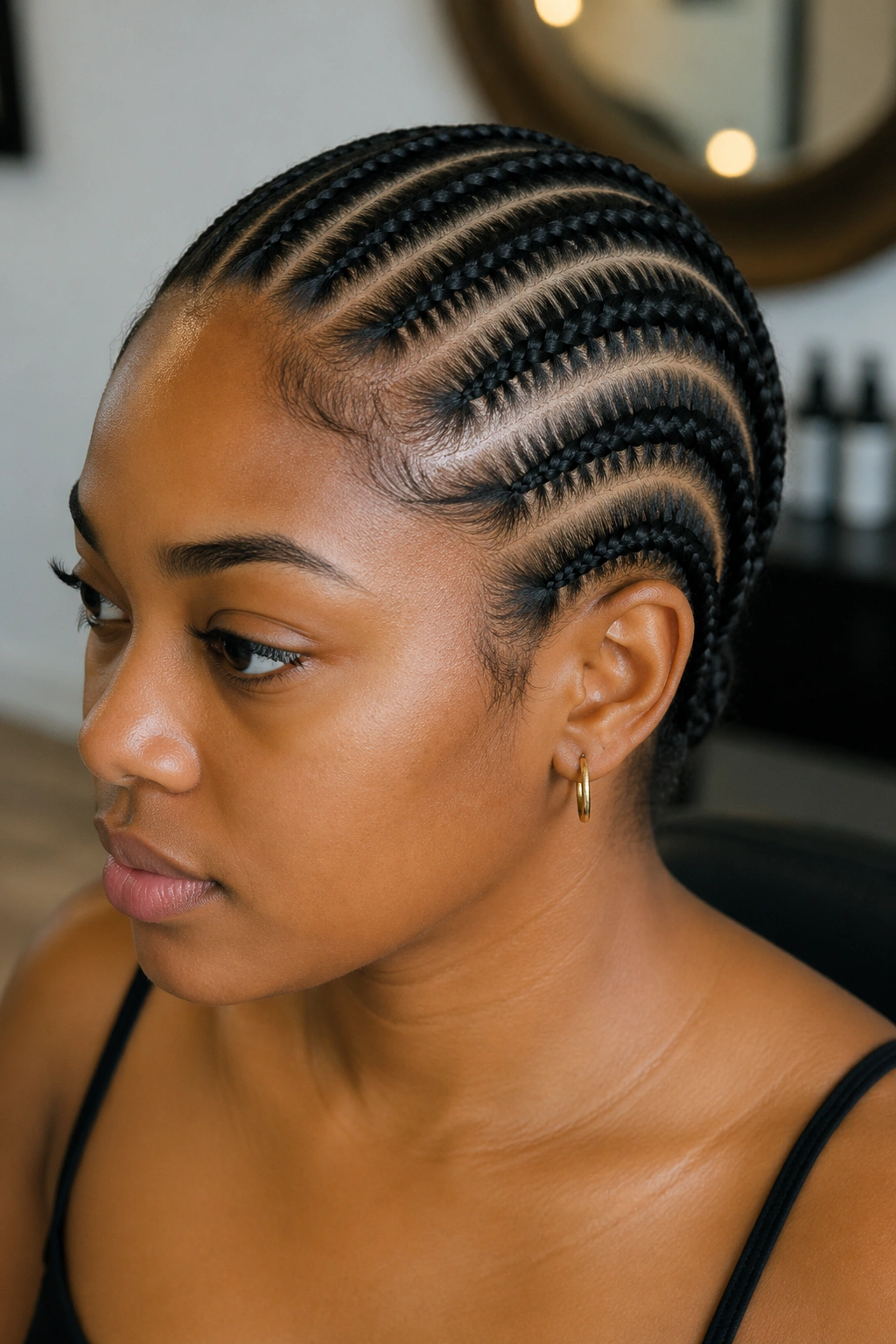
Big cornrows are forgiving, but they still need regular care to look good through week three.
Edge gel touch-ups every five to seven days keep the hairline crisp. A small dab smoothed with a soft brush is all it takes. Avoid using brushes on the cornrows themselves — that creates frizz.
A weekly mousse refresh smooths flyaways along the length of the cornrows. Apply a small amount to your palms, smooth along each cornrow once, then tie a silk scarf around the head for thirty minutes to set.
Avoid heavy butters and oils on the cornrows. They build up faster than you’d expect, creating a greasy weight that pulls the cornrows down and makes them harder to refresh.
A diluted shampoo wash every two weeks keeps the scalp clean without disturbing the braids. Mix one part clarifying shampoo with three parts water in a squeeze bottle, aim at the parts, massage with fingertips only.
Sleeping in Big Cornrows
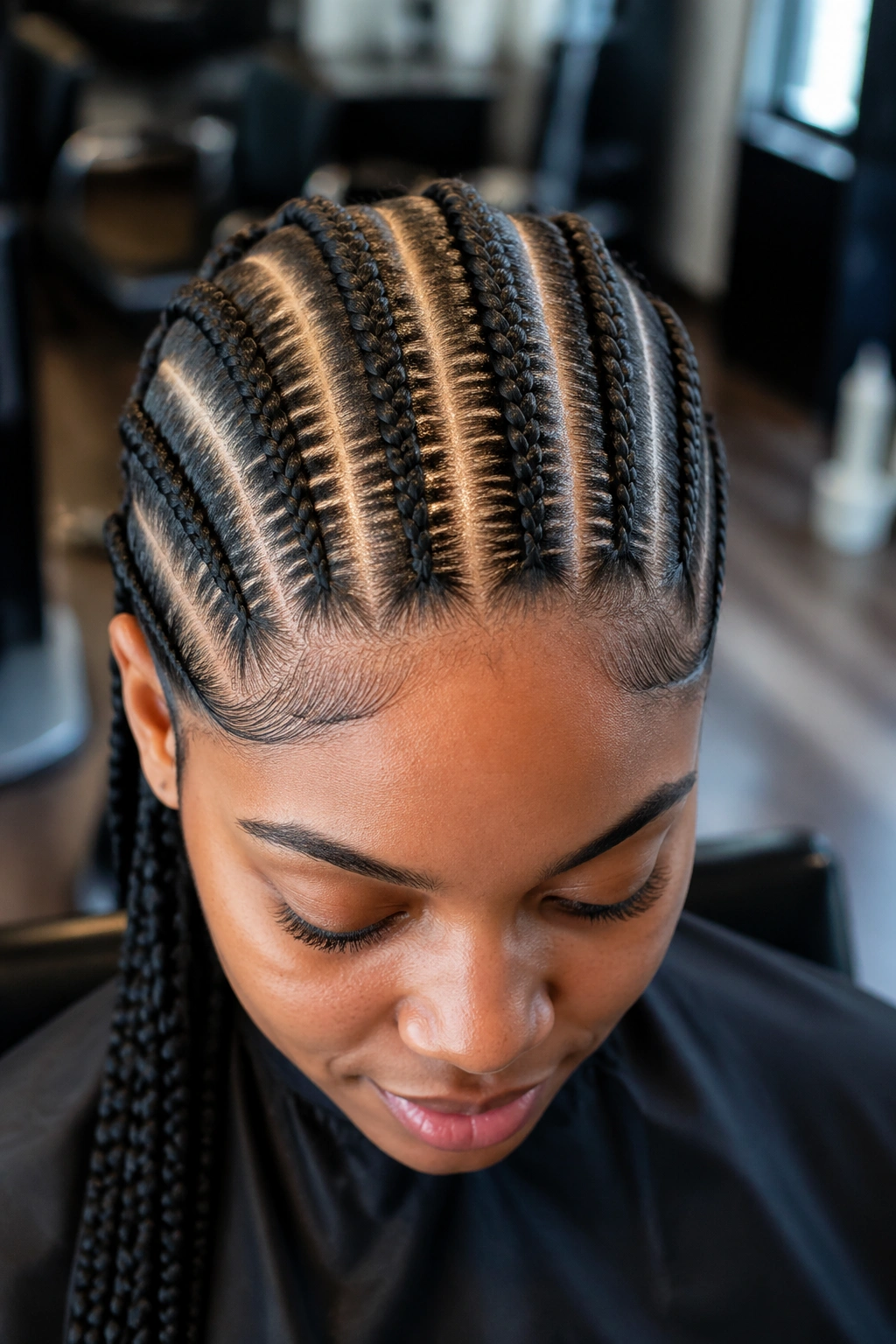
A silk or satin bonnet is the minimum. Cotton pillowcases pull moisture from the cornrows and snag on flyaways.
For longer cornrows, gather them loosely into a low ponytail before putting on the bonnet. The ponytail keeps the cornrow ends from tangling overnight.
Avoid sleeping with the cornrows in any pulled-up position. High buns or top knots overnight create pressure on the front rows that thins edges over time.
A satin pillowcase as a backup for nights when the bonnet shifts is a smart investment.
When Big Cornrows Start to Lift
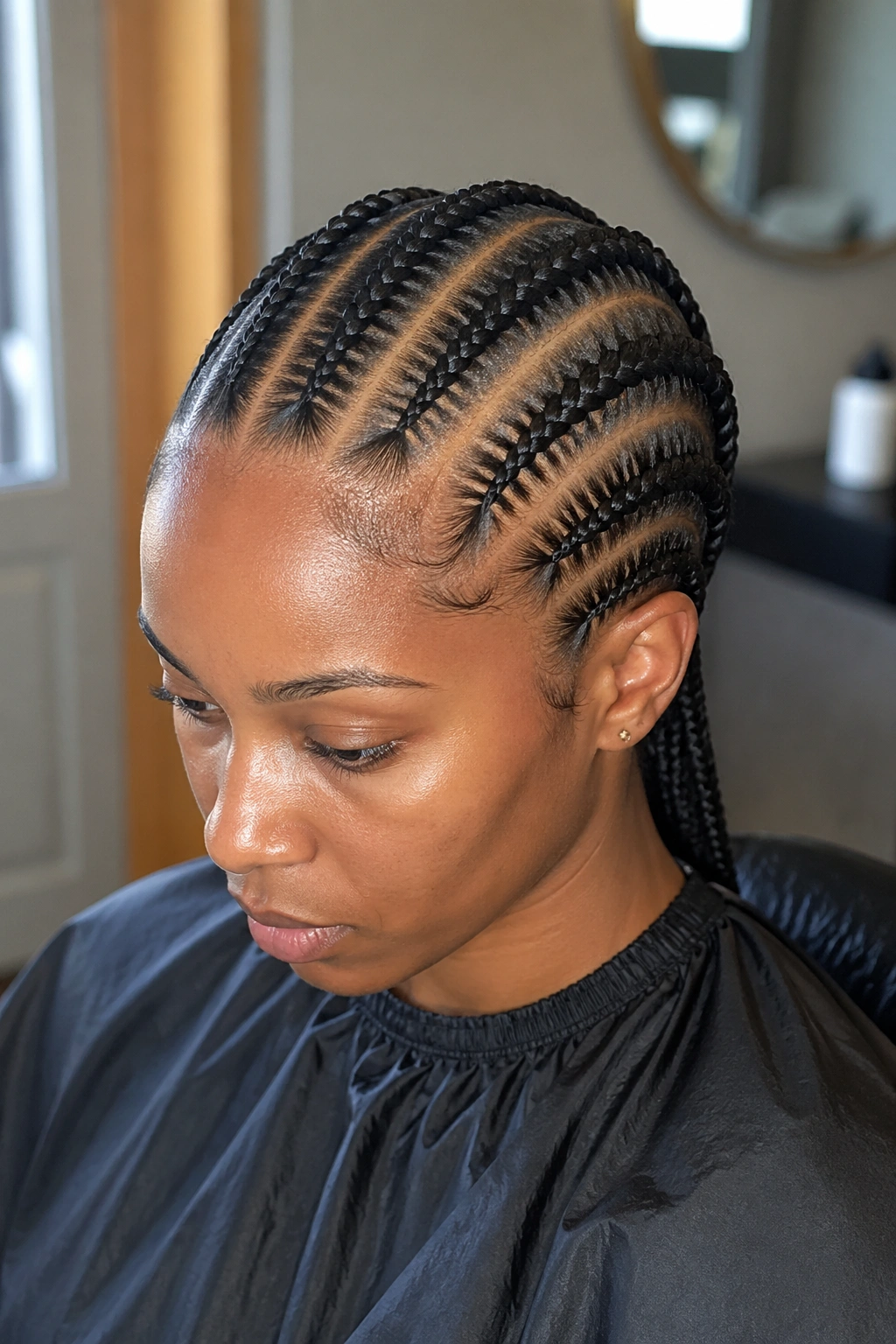
Around week two, big cornrows often start lifting at the root. The braids themselves are still intact, but you can see new growth pushing them up off the scalp.
This is normal. It’s not a sign your install was bad.
A small amount of edge gel pressed into the lifted area, then a silk scarf tied around the lifted section for fifteen minutes, settles the lift well enough to extend the wear another week or two.
If the lift gets dramatic — more than half an inch — that’s the signal to plan a takedown. Pushing past significant lift creates matting that’s hard to detangle.
Taking Down Big Cornrows Without Breakage
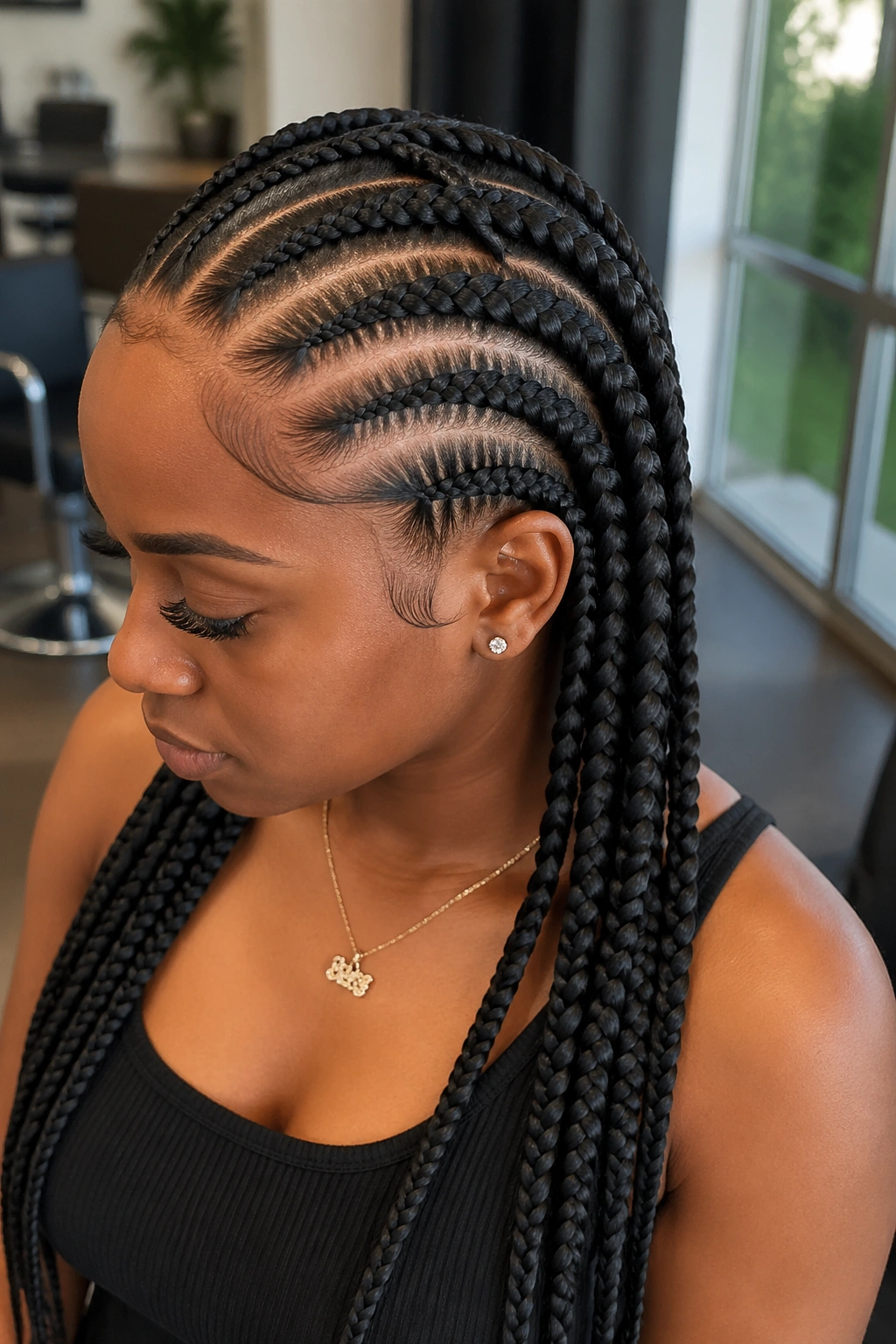
Big cornrows take down faster than smaller ones because there are fewer to undo. A full takedown for six big cornrows usually runs an hour or less.
Start at the ends. Unravel each braid slowly, working toward the root. A small dab of conditioner or oil at the end helps the braid release without tugging.
After all cornrows are out, finger-detangle each section before reaching for a comb. There’s accumulated shed hair that needs to come out gently.
Wash twice — once for product buildup, once for actual cleaning. Deep condition before any styling.
The hair should feel softer and more moisturized after a good takedown than it felt before the install. If it feels dry or brittle, the wear was too long or the products were too heavy.
Common Mistakes With Big All Back Cornrows
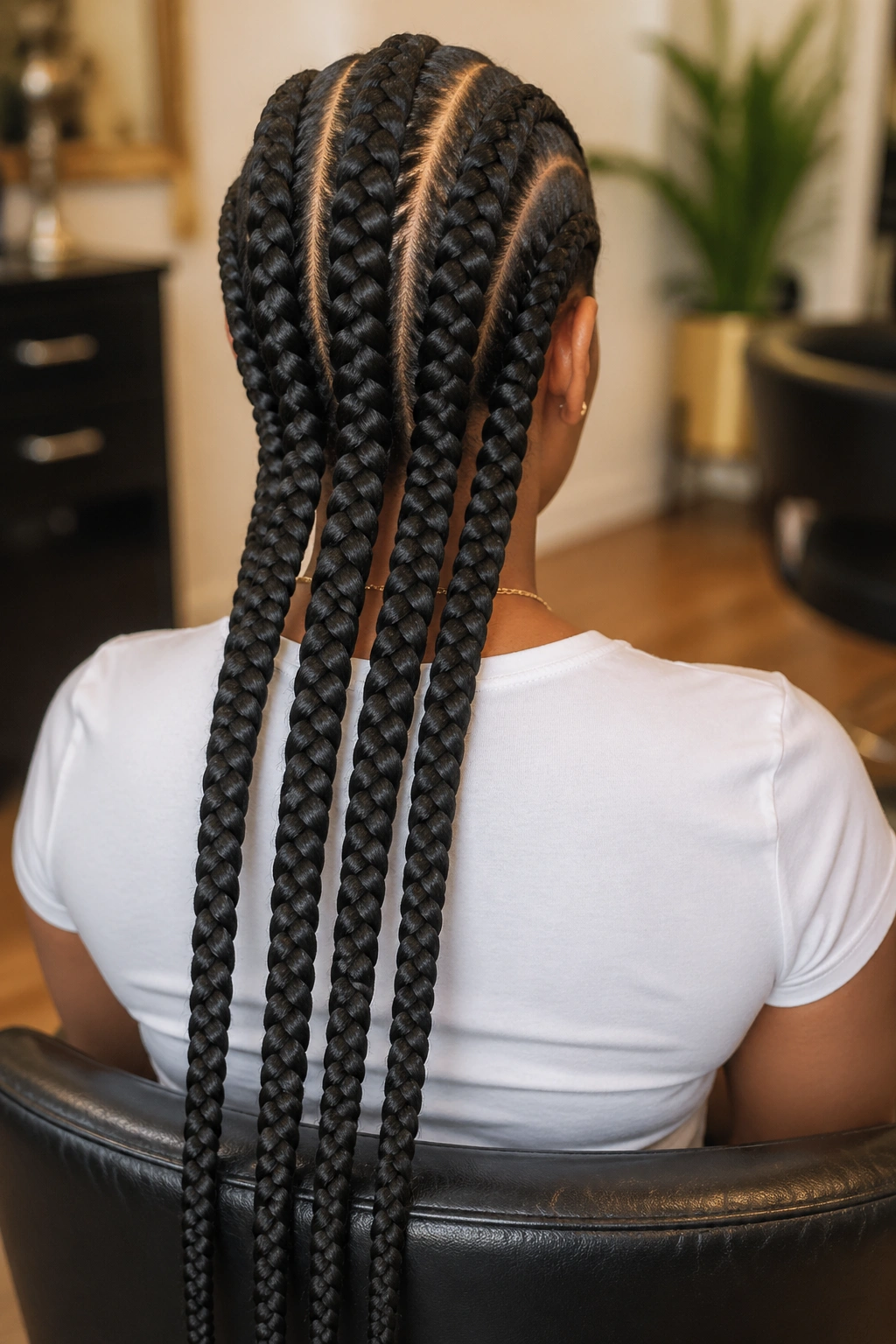
The first mistake is choosing too few cornrows for the head shape. Four big cornrows on a small head can look disproportionate. Six to eight is safer for most people.
The second mistake is leaving the install in too long. Big cornrows feel comfortable, which makes it easy to stretch them past five weeks. Don’t. Matting starts faster than you’d expect.
The third mistake is over-oiling the scalp. A daily heavy oil application coats the cornrows themselves, weighing them down and causing buildup. A few drops of light oil tapped along the parts is plenty.
The fourth mistake is skipping the prep. Unstretched hair under cornrows creates bumps that look messy from day one. A stretch session the night before fixes this.
The last big mistake is asking for tighter cornrows because you want them to last longer. They won’t last longer. They’ll just hurt. Skill, not tension, is what makes cornrows last.
Big all back cornrows reward simple care done consistently. Wash gently, refresh weekly, sleep covered, take down on time. That’s the routine. It works.
