

Fine curly natural hair gets overlooked in a lot of styling conversations — most curl advice assumes thick, dense strands, and the guidance for fine curly natural hair is a fraction of what it should be. But fine natural hair has its own beauty and its own set of possibilities. The challenge isn’t finding styles that work; it’s understanding what “fine” actually means for your texture and then working with it instead of against it.
Understanding What “Fine” Actually Means for Natural Hair
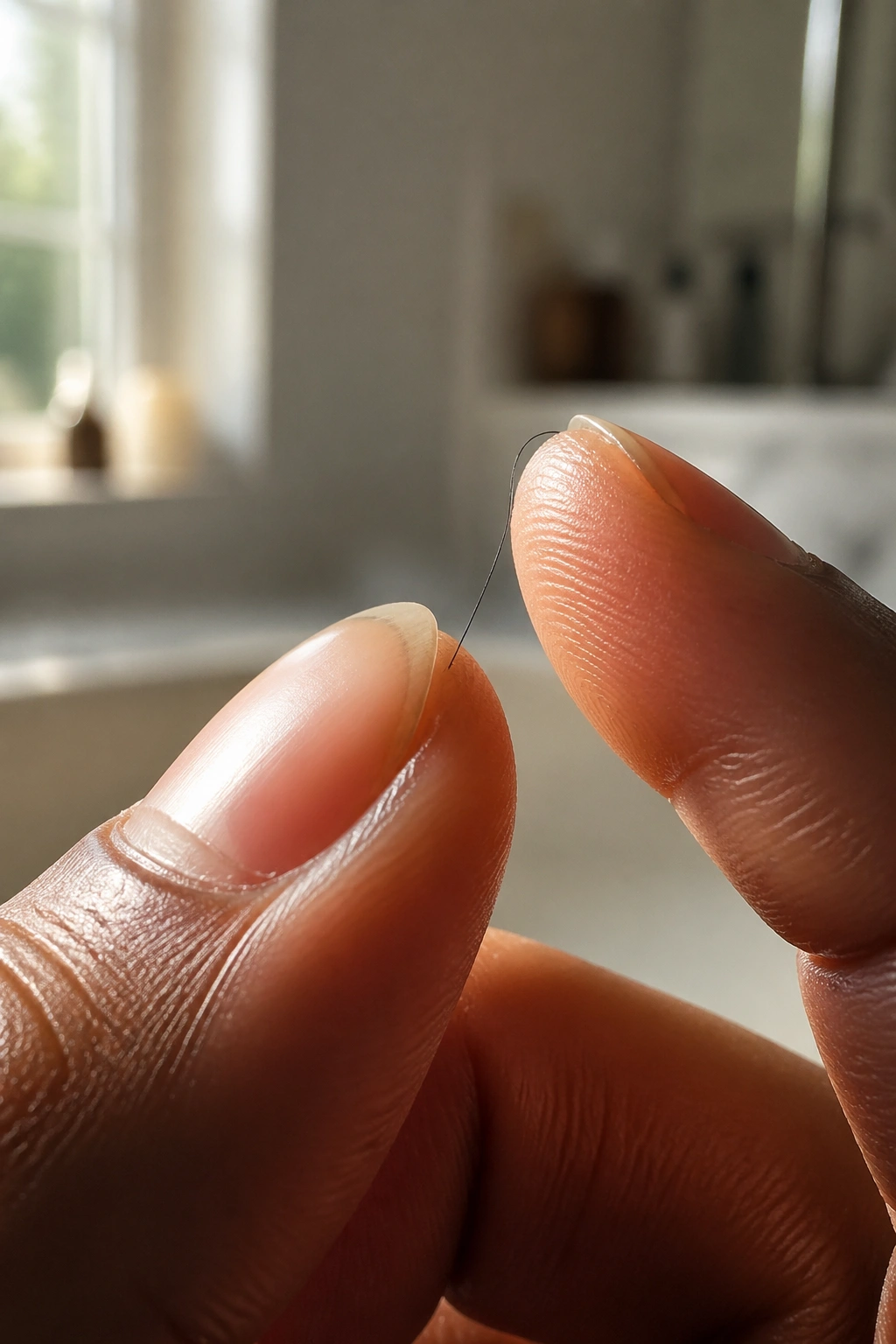
“Fine” refers to the diameter of individual hair strands — not the density of hair on your head, not the tightness of your curl pattern. You can have fine hair and a lot of it (high density, fine strands). You can have fine hair and not much of it (low density, fine strands). These are different situations that respond differently to styling.
What fine strands share across all density levels is this: they’re more susceptible to weighing down. Heavy products, too much protein, or styles that pull on the hair can make fine natural curls look limp, flat, or shapeless. They’re also more fragile — fine strands break more easily than coarser ones, which makes gentle handling non-negotiable.
The good news? Fine natural hair often has a beautiful curl definition that can look incredibly polished with the right approach. The individual curls tend to be more uniform because there’s less density to create irregular clumping. When styled properly, fine natural curls have a delicate, refined quality that reads as elegant.
Why Heavy Products Are the Enemy
This is probably the most important thing to understand about styling fine curly natural hair: heavy products will destroy your style. Thick butters, heavy creams, and dense oils coat fine strands and weigh them down almost immediately. What might look like a gorgeous, defined curl in the morning becomes a stretched-out, limp droop by noon.
Switch to lightweight alternatives:
- Milks and lotions instead of heavy creams
- Light oils like argan, jojoba, or grapeseed instead of castor or shea butter
- Water-based gels that provide hold without coating the strand
- Lightweight leave-in sprays instead of cream leave-ins
The goal is products that absorb into the strand rather than sitting on top of it. Fine hair simply doesn’t have the structural strength to hold heavy products aloft — they’ll pull it down every time.
Volume Is Your Goal — Here’s How to Find It
Fine natural hair’s biggest styling challenge is creating the appearance of volume without the products or techniques that cause it to collapse. A few strategies that actually work:
Root lifting is your best friend. Use the pads of your fingers to gently lift and separate your roots after your style is completely dry. Don’t do this while wet — you’ll break up your curl clumps and create frizz. But once dry, gentle root lifting adds height without disrupting the curl pattern below.
Diffusing upside down amplifies this effect. Flipping your head forward while diffusing sends your curls downward, and when you flip back up, they have more root lift and height than if you’d diffused upright. It’s one of the simplest volume tricks and it genuinely works.
Layered cuts remove interior bulk that would otherwise weigh fine hair down while keeping the exterior shape full-looking. This seems counterintuitive — removing hair to add volume — but layers are how fine natural hair creates the illusion of density.
Protein Balance for Fine Natural Hair
Fine strands have a smaller cuticle surface and can become protein-sensitive more easily than coarser textures. Too much protein makes fine hair stiff, brittle, and prone to breakage — not what you want when your strands are already more fragile than average.
But the right amount of protein helps fine natural hair hold its shape better and resist the environmental factors that cause it to wilt throughout the day.
The balance looks like this: use a protein-containing deep conditioner once a month, not every wash. Avoid leave-in products with protein as a top ingredient unless your hair is visibly suffering from elasticity loss. When in doubt, prioritize moisture over protein for fine natural hair.
Protecting Fine Natural Hair Without Over-Manipulating
Fine natural hair benefits enormously from protective styling — but it’s also more vulnerable to tension and breakage from tight styles. Braids and twists should never be installed too tightly at the root. Edges on fine natural hair are particularly delicate and can thin out quickly if protective styles pull too hard.
When you’re in a protective style, keep your scalp moisturized. Fine hair tends toward lower porosity in many cases, meaning moisture has trouble getting in — but scalp oils and lightweight sprays between washes can maintain hydration without product buildup.
1. The Defined Wash-and-Go on Fine Curls
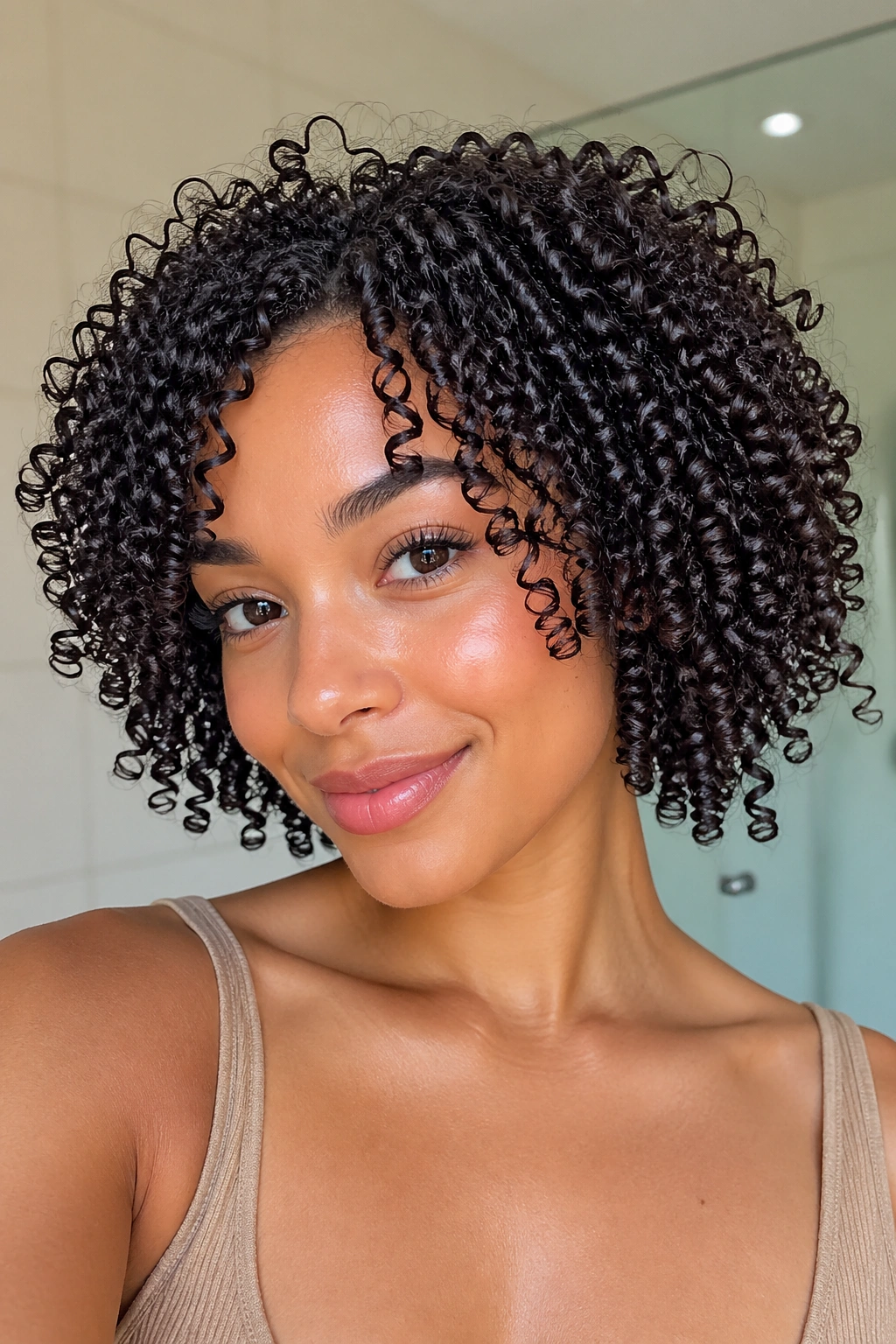
A well-executed wash-and-go is actually one of the best styles for fine curly natural hair — when you use the right products. The key is a lightweight curl-defining gel applied in sections on soaking-wet hair, smoothed from root to tip to encourage curl clumping.
Avoid raking products through — instead, smooth. Raking separates strands; smoothing encourages them to clump together, which is exactly what fine hair needs to look full rather than sparse.
Diffuse using a low heat setting, cupping the curls gently in the diffuser basket without disturbing them. Let cool completely before touching.
2. The Twist-Out for Fine Natural Hair
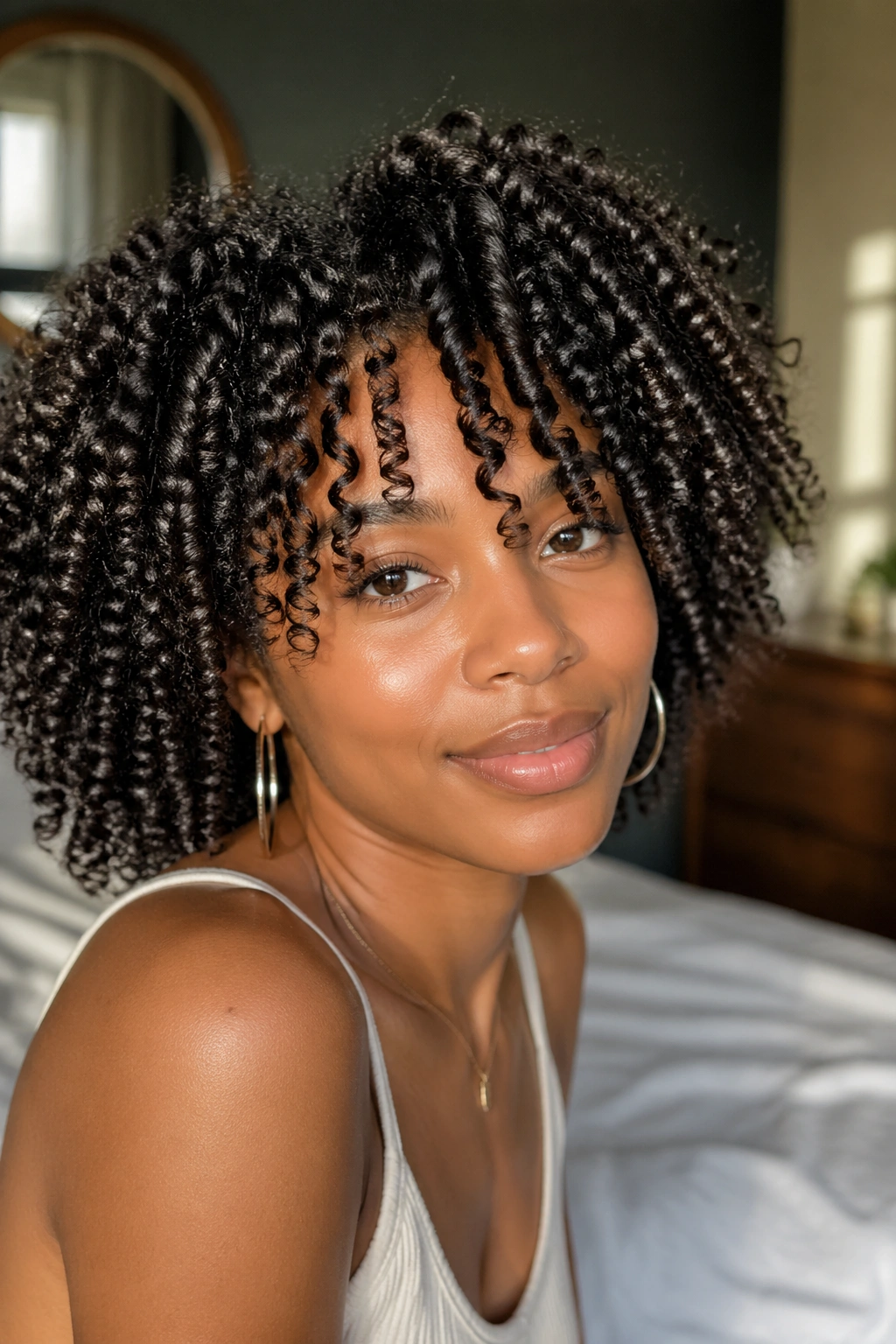
Twist-outs work beautifully on fine natural hair because the twisting process encourages the hair to clump together in a defined curl. The resulting curl from the twist is typically bigger than your natural wash-and-go curl — which adds visual volume.
How to Get It
Apply a lightweight curl cream or setting lotion (not a heavy butter) to damp hair in small sections. Twist tightly from root to tip. Let dry completely — 100%. Unravel gently, separating each twist into two sections using a tiny bit of oil on your fingertips. Fluff at the roots for volume.
Don’t separate too aggressively. Fine hair loses definition faster when over-separated. Keep the sections relatively intact for a fuller, more voluminous result.
3. The Braid-Out for Extra Volume
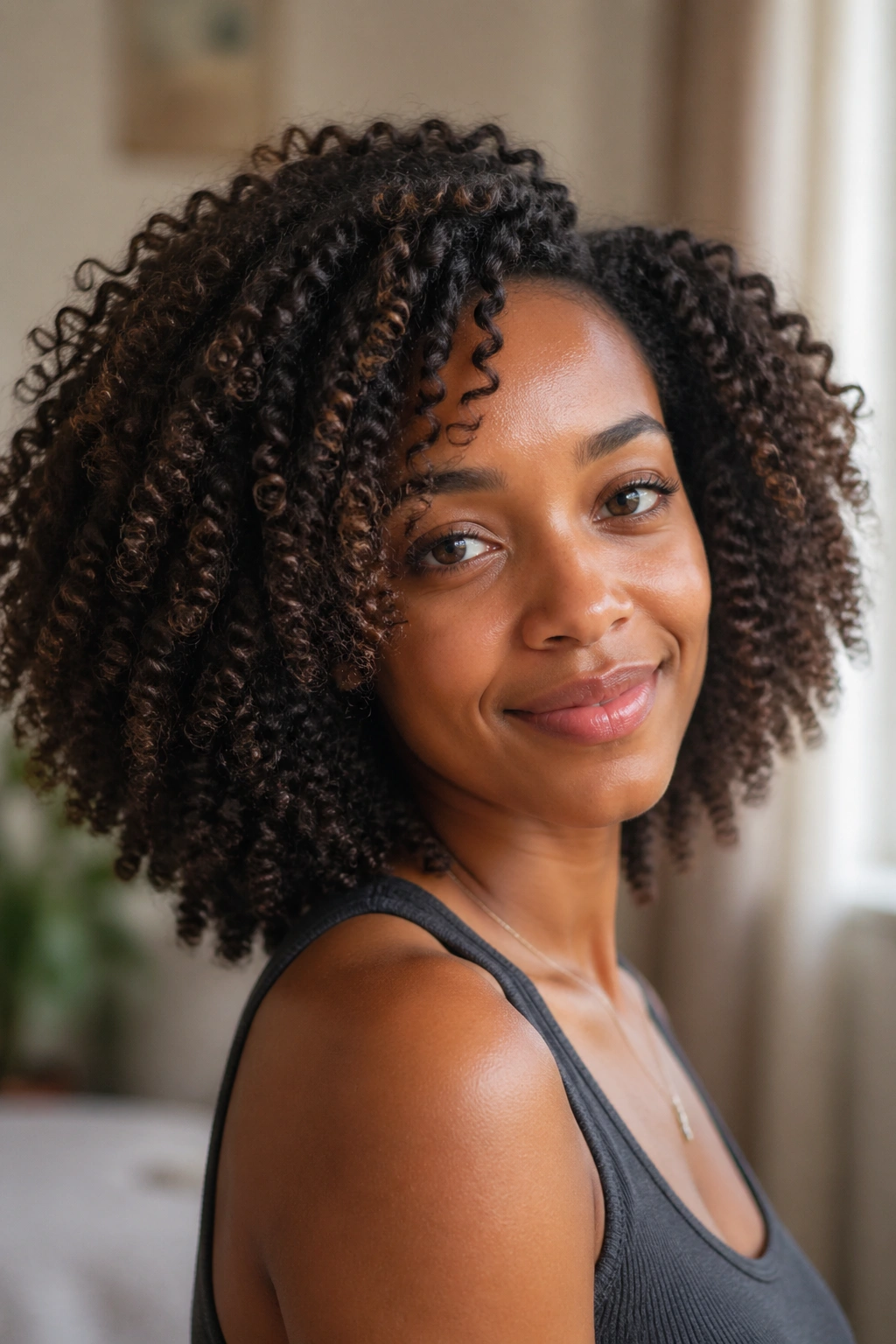
Similar to a twist-out, the braid-out uses three-strand braids on damp hair to create a stretched, defined curl pattern. On fine natural hair, the braid-out tends to produce slightly more volume than a twist-out because the three-strand braid creates more surface area and a different kind of wave structure.
Use smaller braids for tighter definition, larger braids for looser, more voluminous waves. Let dry completely before unraveling.
4. The High Puff
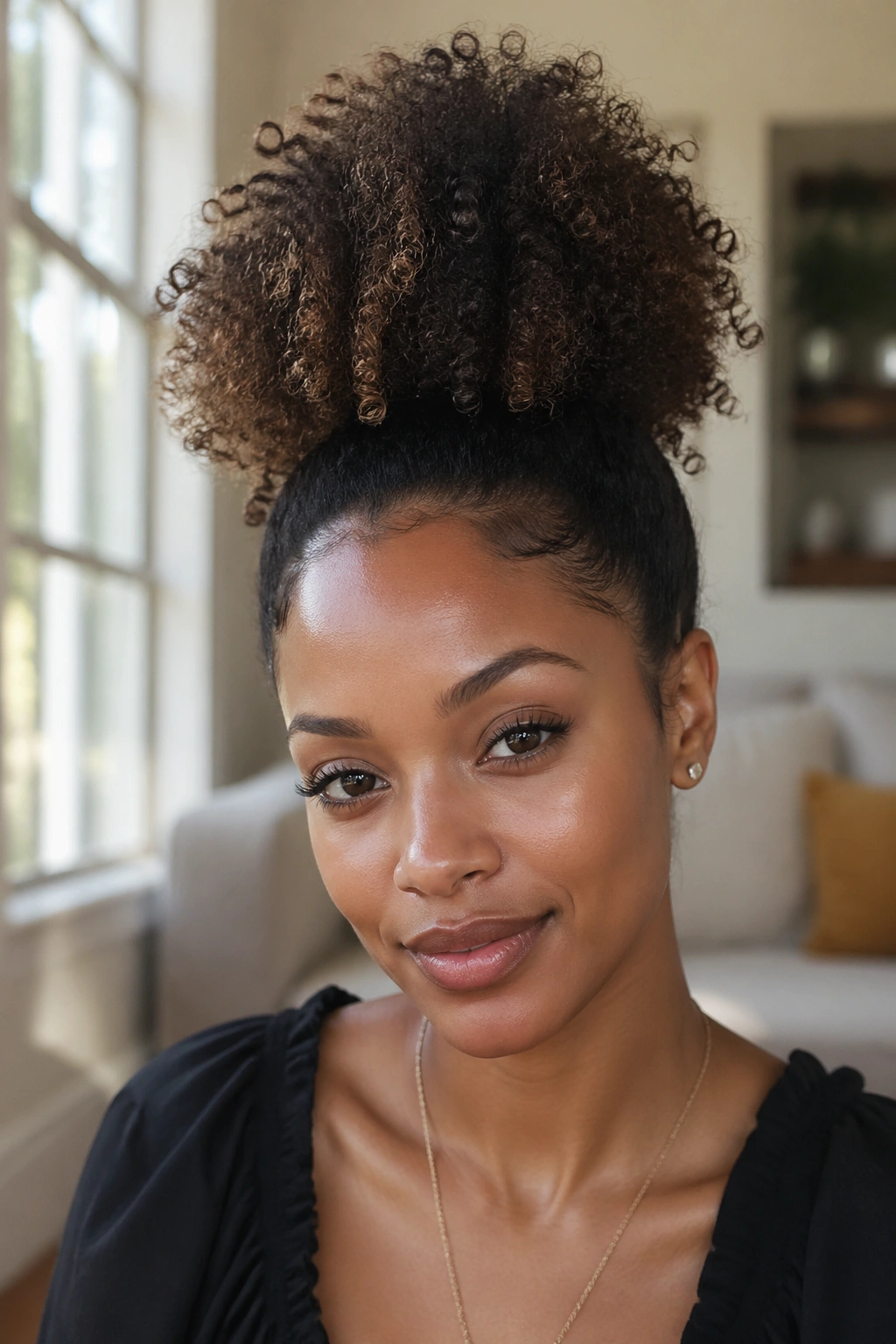
The high puff is one of the most forgiving styles for fine natural hair because it gathers all your strands together — creating the illusion of density — and lifts them upward, which adds height. Even if your individual strands are fine, a high puff at the crown looks full and voluminous.
How to Get It
Apply edge control or a lightweight gel to your hairline. Use your hands or a soft-bristle brush to smooth your hair up toward the crown. Secure with a soft scrunchy. Pull the puff slightly forward for height and separate loosely with your fingers.
5. The Mini Twists
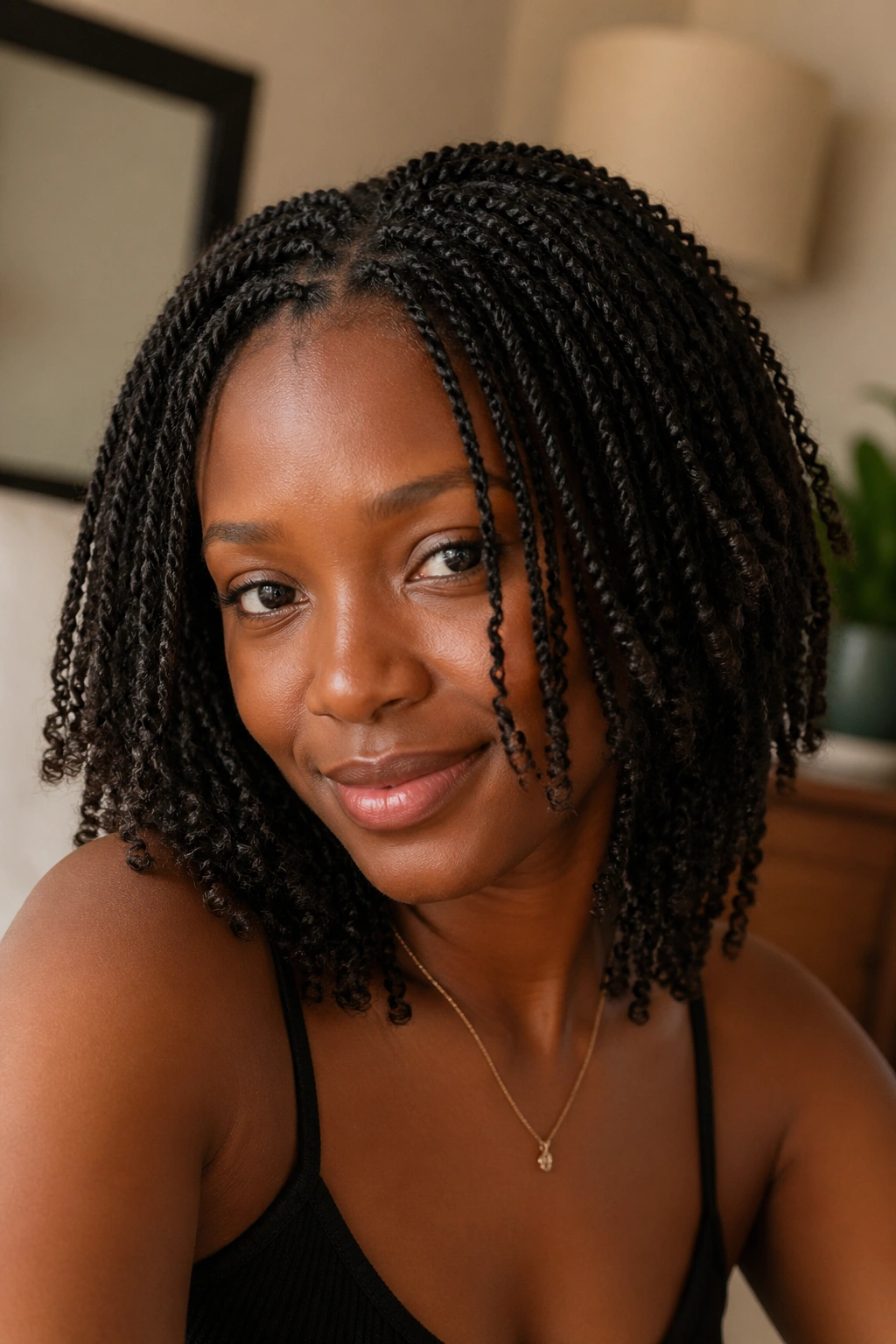
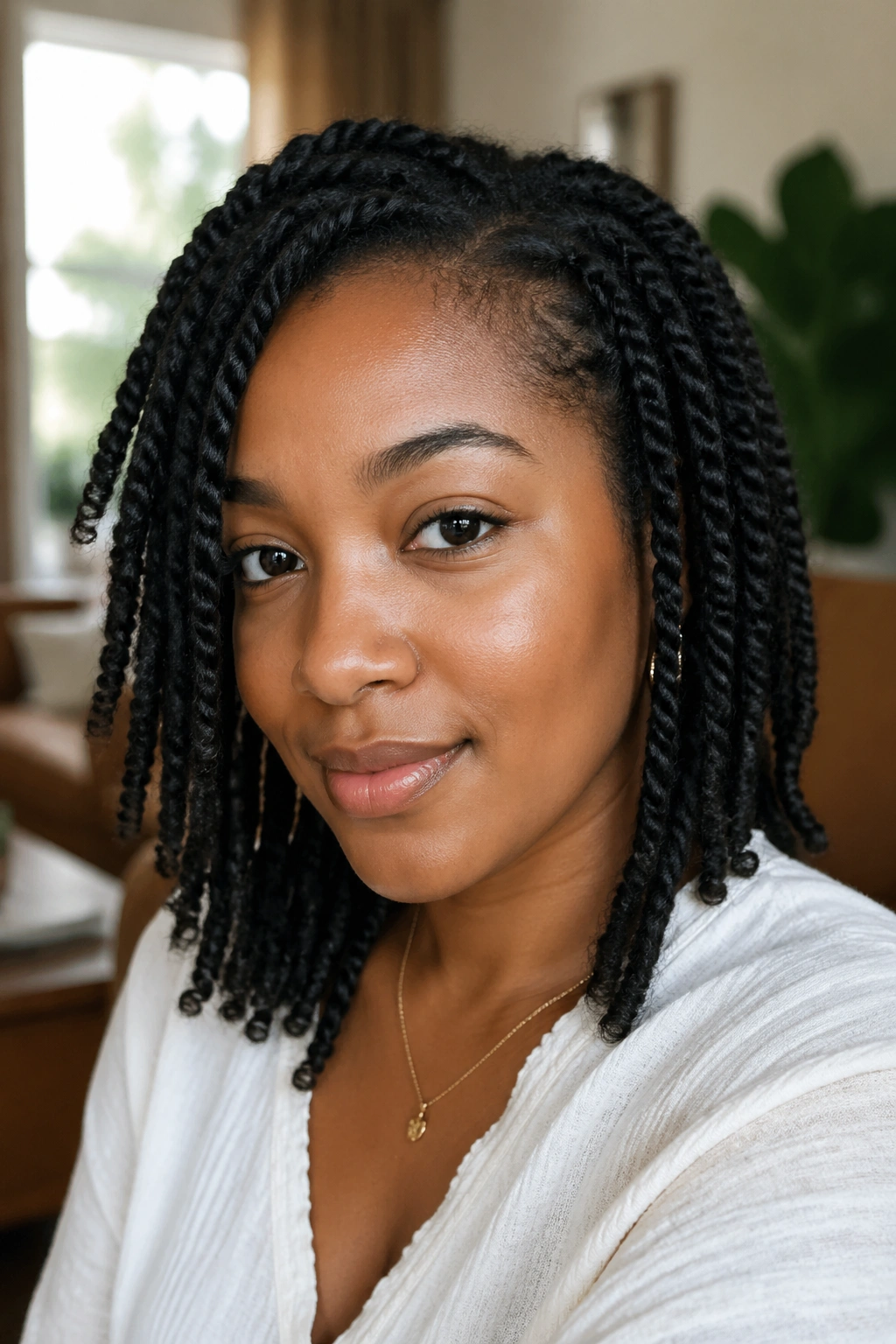
Mini twists — small, two-strand twists installed all over the head — are a protective style that doubles as a beautiful worn-out look. On fine natural hair, mini twists create the appearance of significantly more density than a loose style, because dozens of small twists together look fuller than the same hair worn in its natural state.
They last 2-3 weeks when properly maintained, making them a practical option for fine natural hair that benefits from low daily manipulation.
6. The Flat Twist-Out
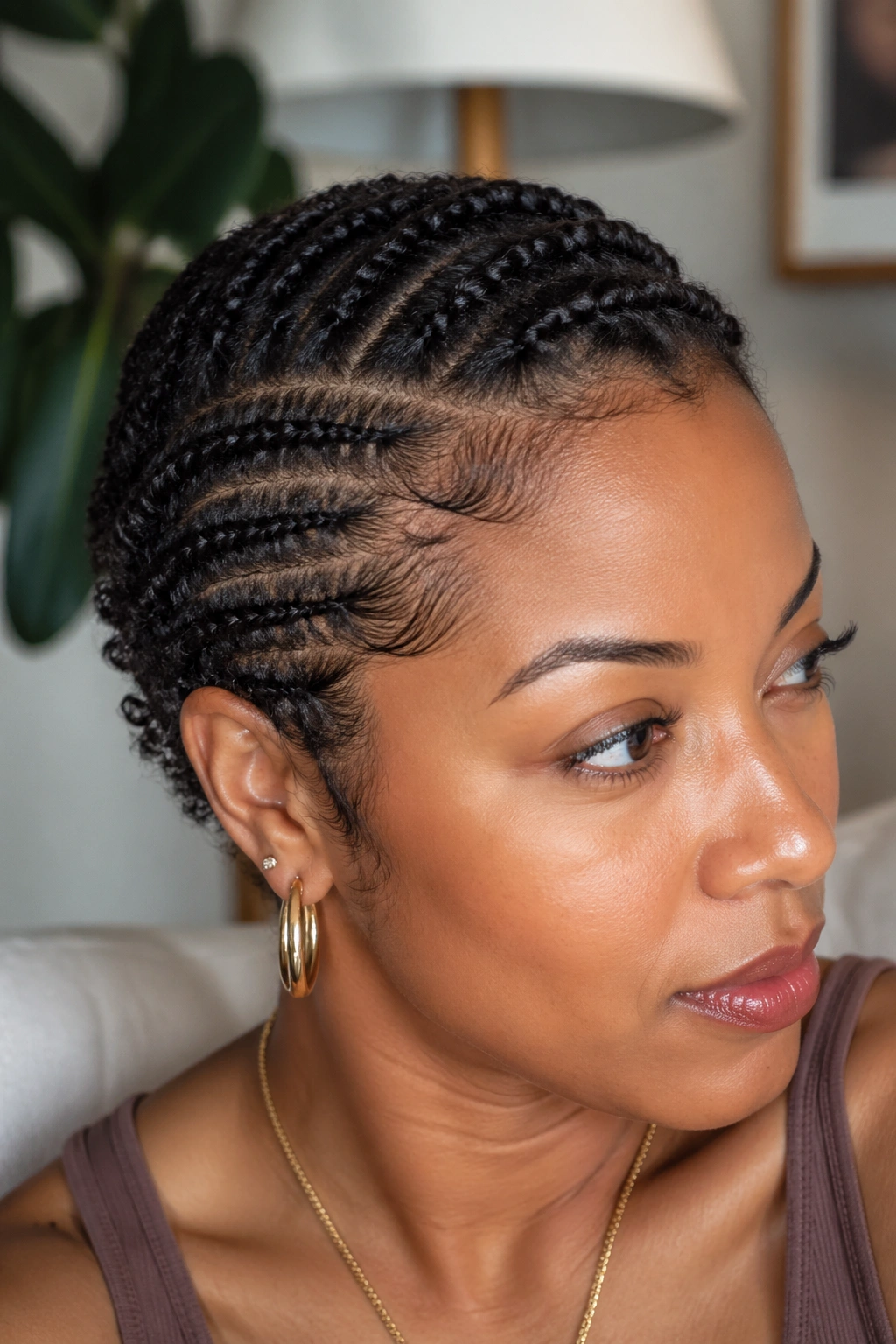
Instead of regular two-strand twists, flat twists lie against the scalp like cornrows before being unraveled. The flat twist-out on fine natural hair creates a slightly different wave pattern than a standard twist-out — and because the hair was flat against the scalp while drying, the resulting style tends to lay flatter and more controlled, which can be easier to manage on finer textures.
7. The Flexi-Rod Set
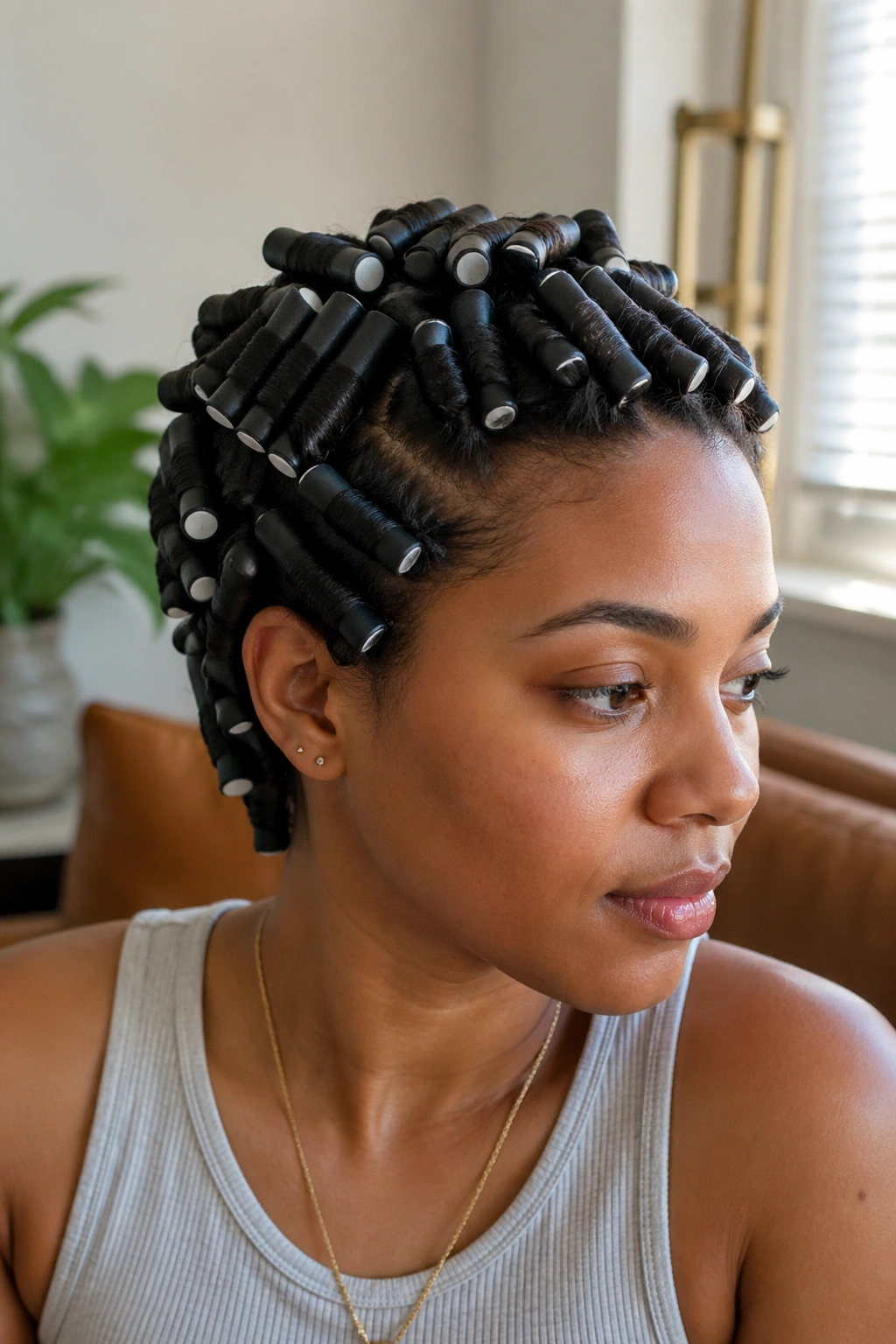
Flexi-rods on fine natural hair create beautifully uniform curls that look polished and intentional. The added benefit for fine hair is that the rod does the work of defining and shaping the curl — you don’t need heavy products to achieve definition because the rod creates the curl mechanically.
Use smaller-diameter rods for tighter, more defined curls. Use a lightweight setting lotion rather than a cream for the best results on fine strands.
8. The Low-Manipulation Protective Bun
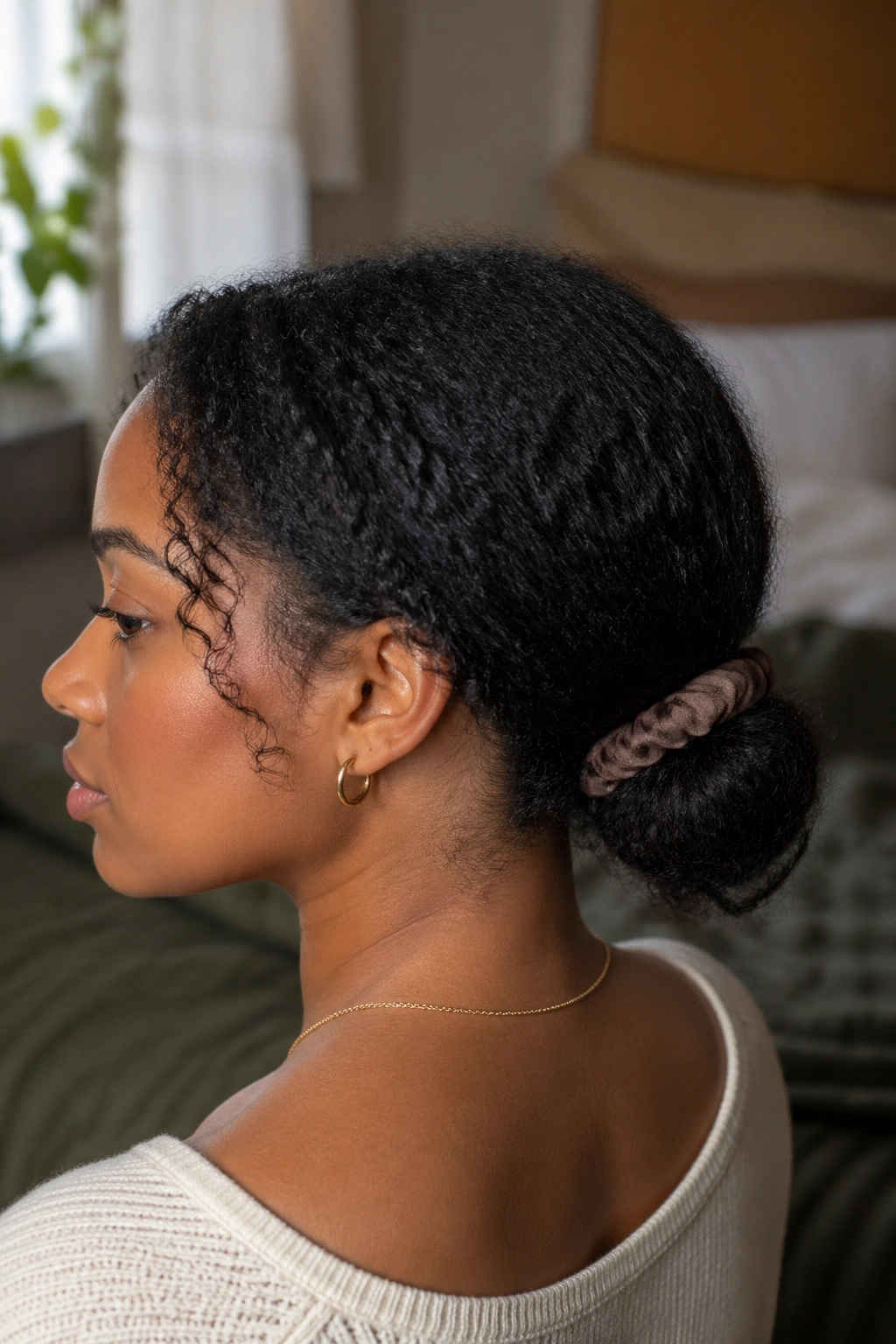
A simple low bun — all hair gathered at the nape with ends tucked — is one of the most protective options for fine natural hair. It requires zero daily styling once installed, keeps ends protected, and looks clean and polished.
The key for fine hair is to avoid tight elastics that can snap fine strands. Use a soft scrunchy or fabric hair tie and don’t pull too tightly at the base.
9. The Bantu Knot-Out on Fine Curls
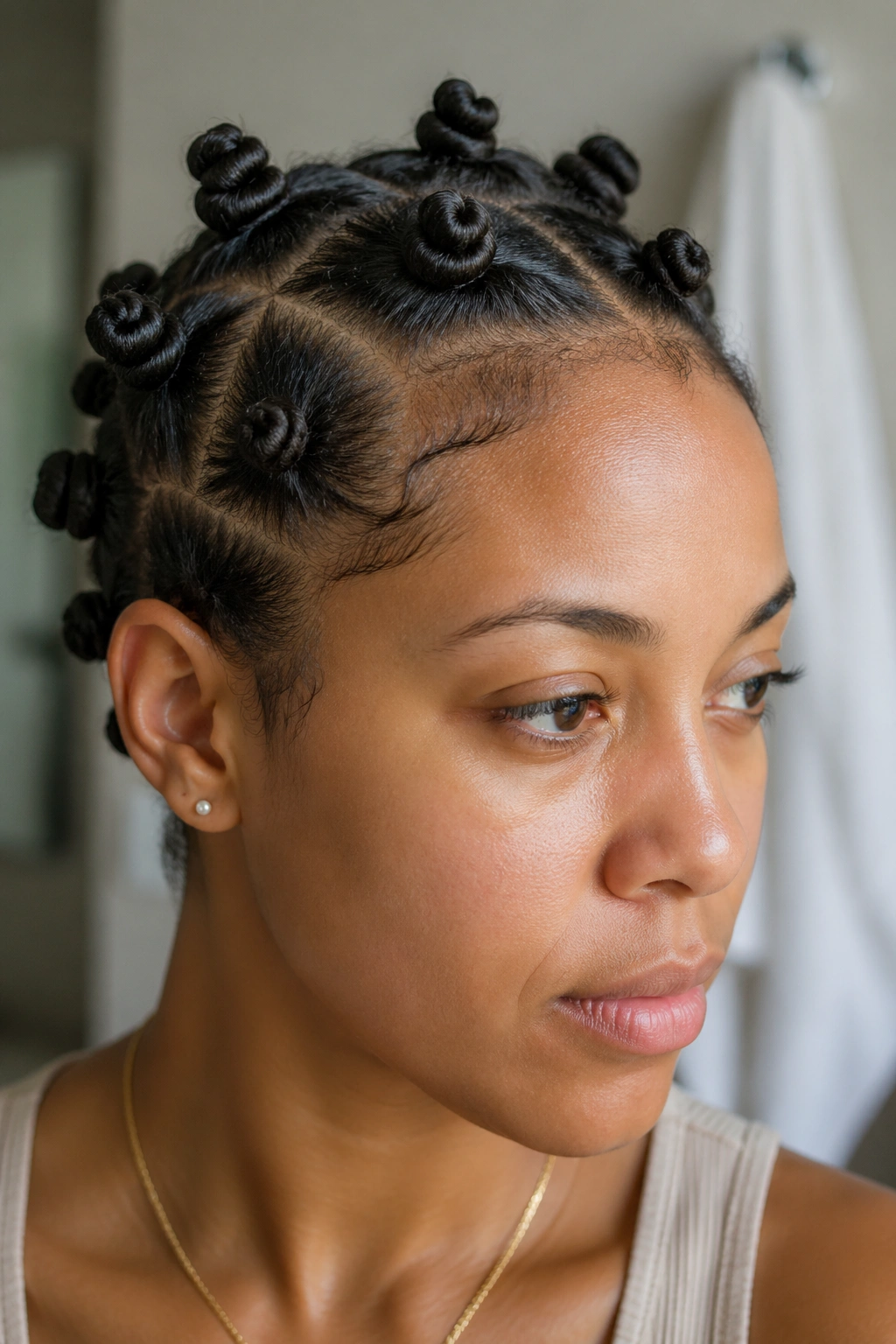
Bantu knots on fine natural hair need to be done with a lighter product than on coarser textures — too much heavy cream and the knot-out will droop. Use a lightweight gel or setting lotion, twist each section into a compact knot, and secure.
The resulting knot-out on fine natural hair is surprisingly full — each unraveled knot expands into a defined spiral, and together they create a voluminous style.
10. The Finger Coil Style
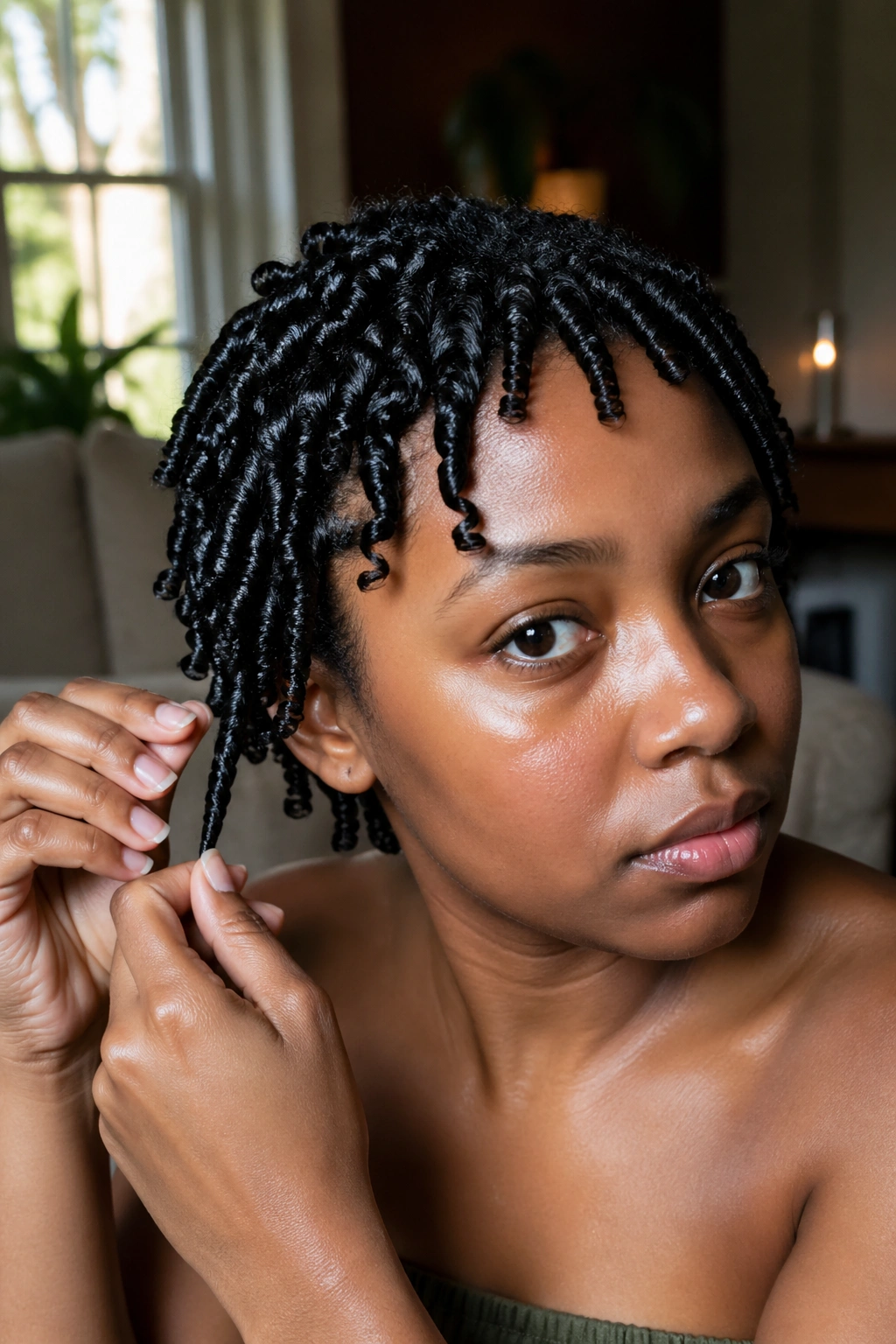
Finger coiling — wrapping small sections of wet hair around your finger — creates individually defined coils that hold their shape beautifully on fine natural hair. Because you’re creating the curl shape manually, the result is more defined and controlled than a standard wash-and-go on hair that might not naturally clump into clean curls.
Use a lightweight gel to hold each coil in place. Let air dry or diffuse gently.
11. The Box Braids (Mini or Medium)
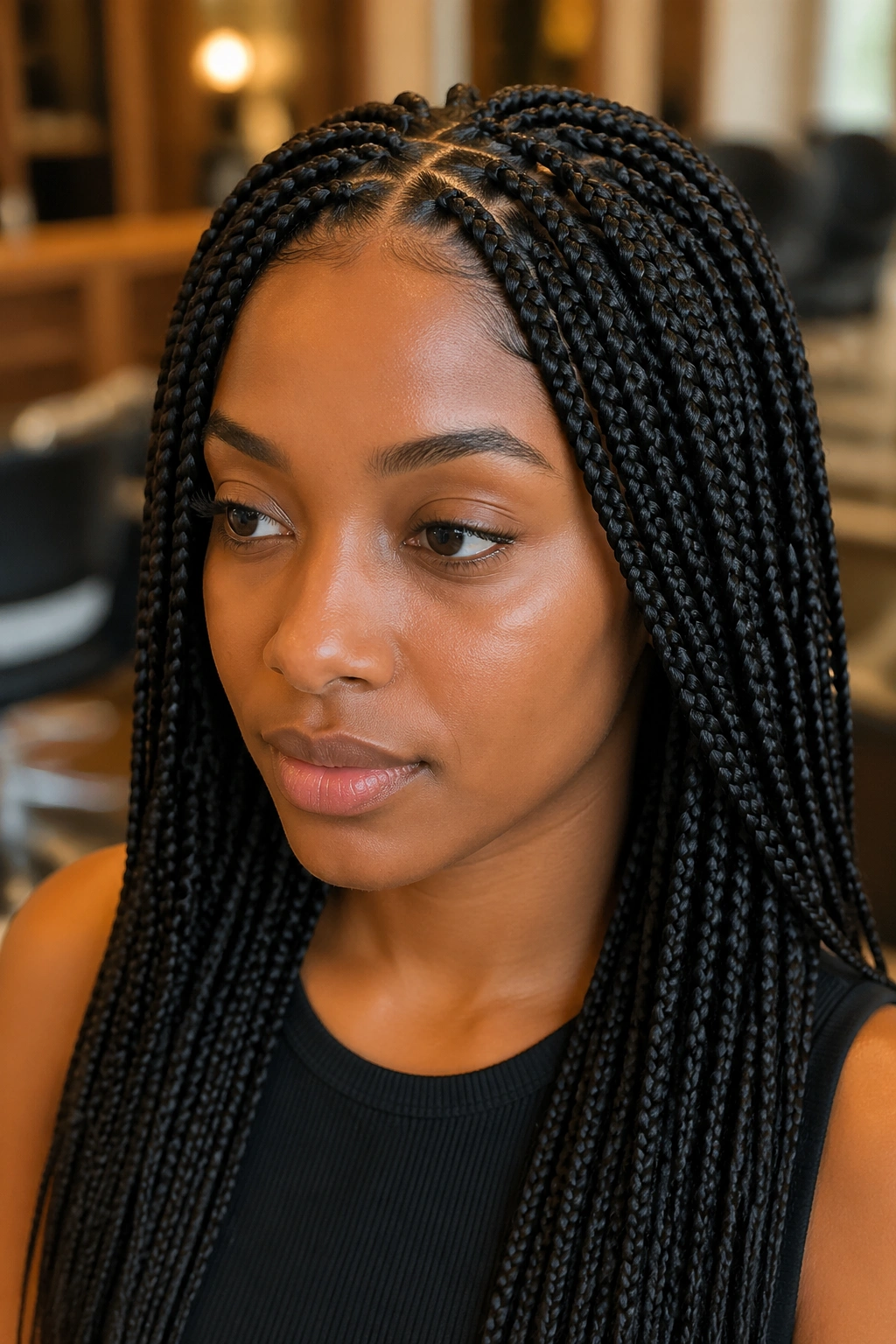
Box braids for fine natural hair should be medium or mini-sized — not jumbo. Jumbo braids on fine natural hair can be too heavy for the strands at the root, causing tension breakage. Medium and mini box braids distribute the weight more evenly and put less stress on your hairline and roots.
Always ensure the braids aren’t too tight at the scalp. Fine hair is more vulnerable to traction alopecia than coarser textures.
12. The Crown Braid
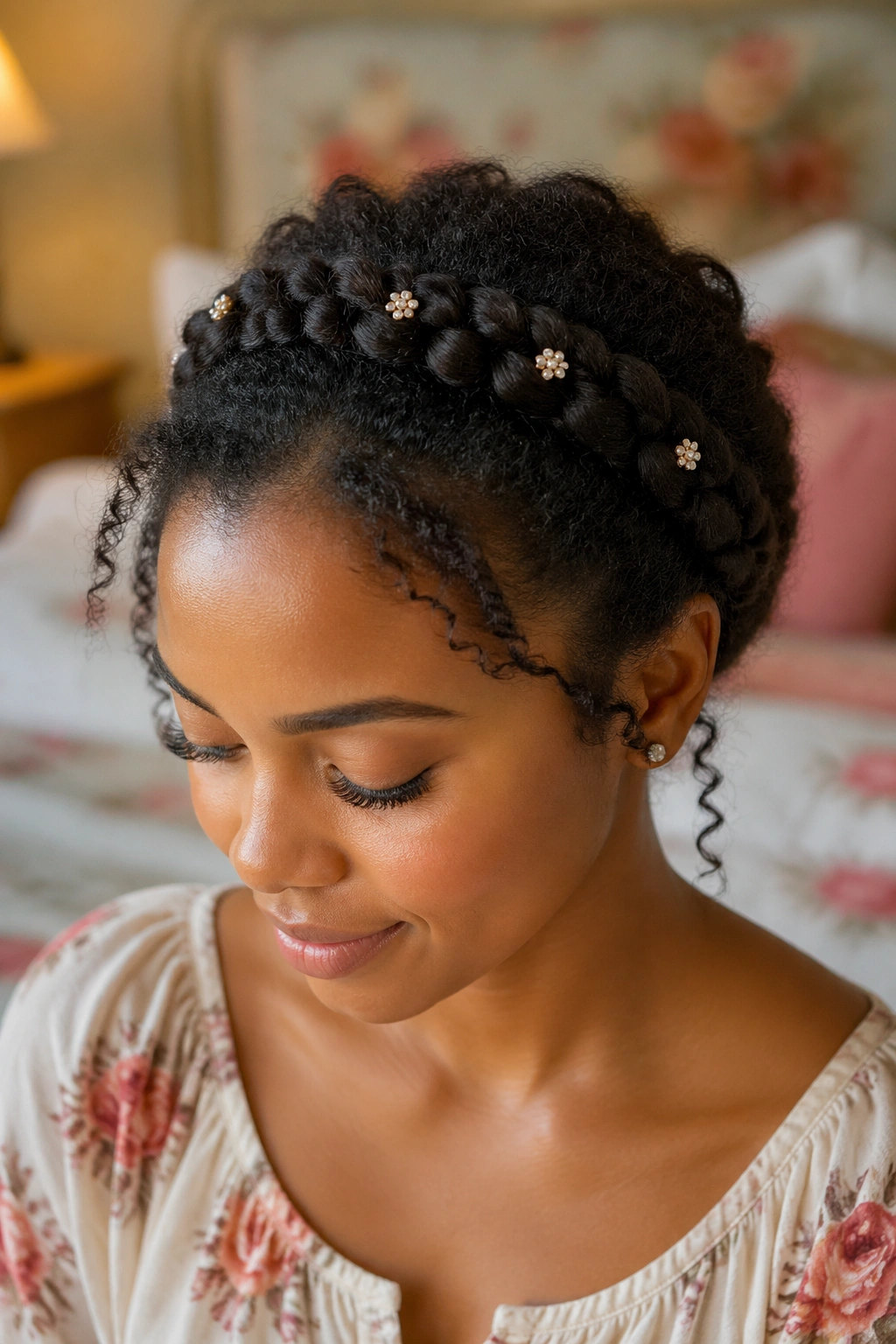
A crown braid on fine natural hair looks delicate and intricate — which, honestly, matches the quality of fine-textured strands. The thinness of individual strands means the braid itself looks more refined and less chunky. Pair with small decorative pins or flowers for an especially polished look.
13. The Chunky Side Braid
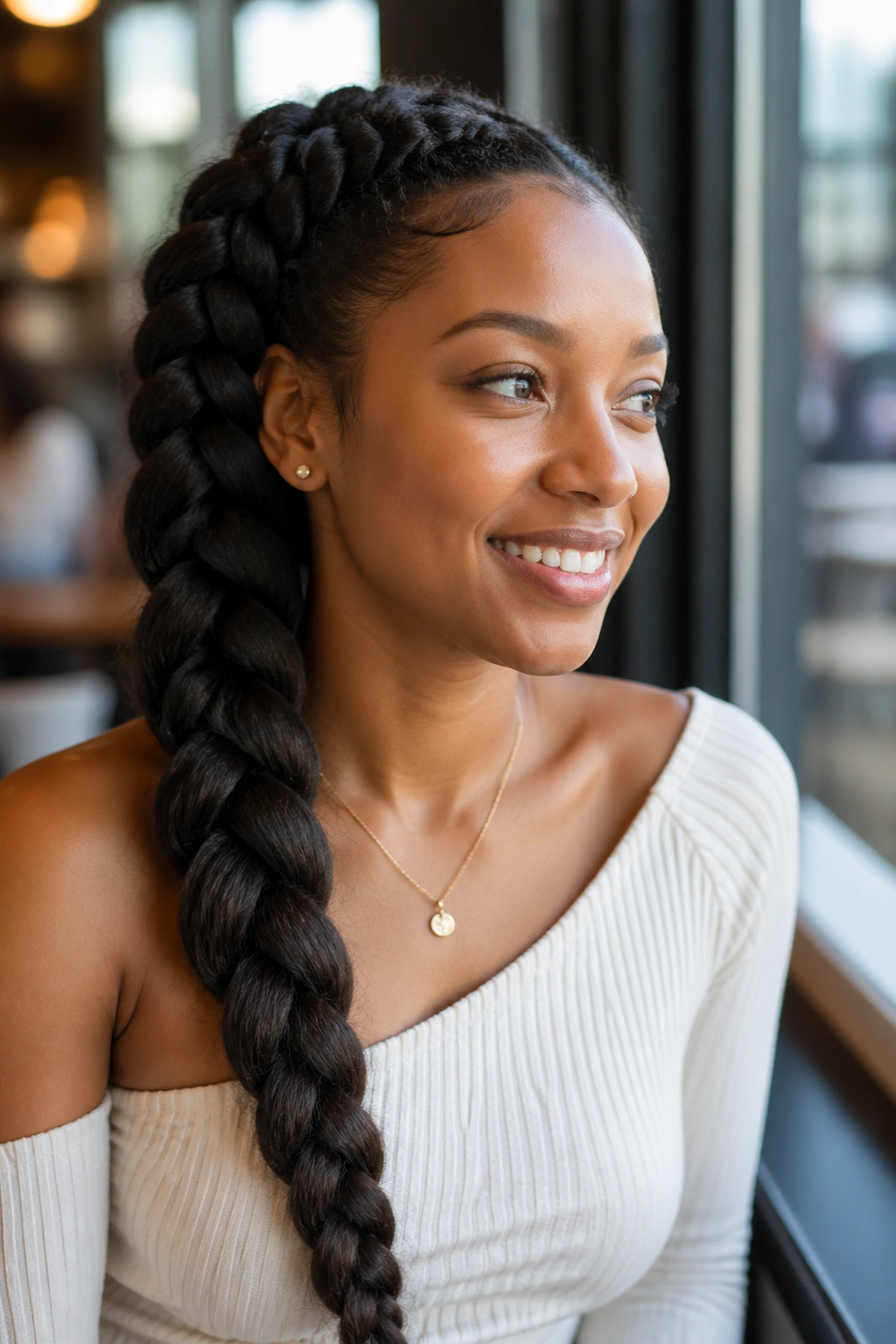
A single, thick side braid on fine natural hair is a quick, easy style that keeps your hair protected and contained. For added volume, try a chunky three-strand braid rather than a sleek one — the looser the braid, the more volume the style appears to have.
14. The Afro With a Headband
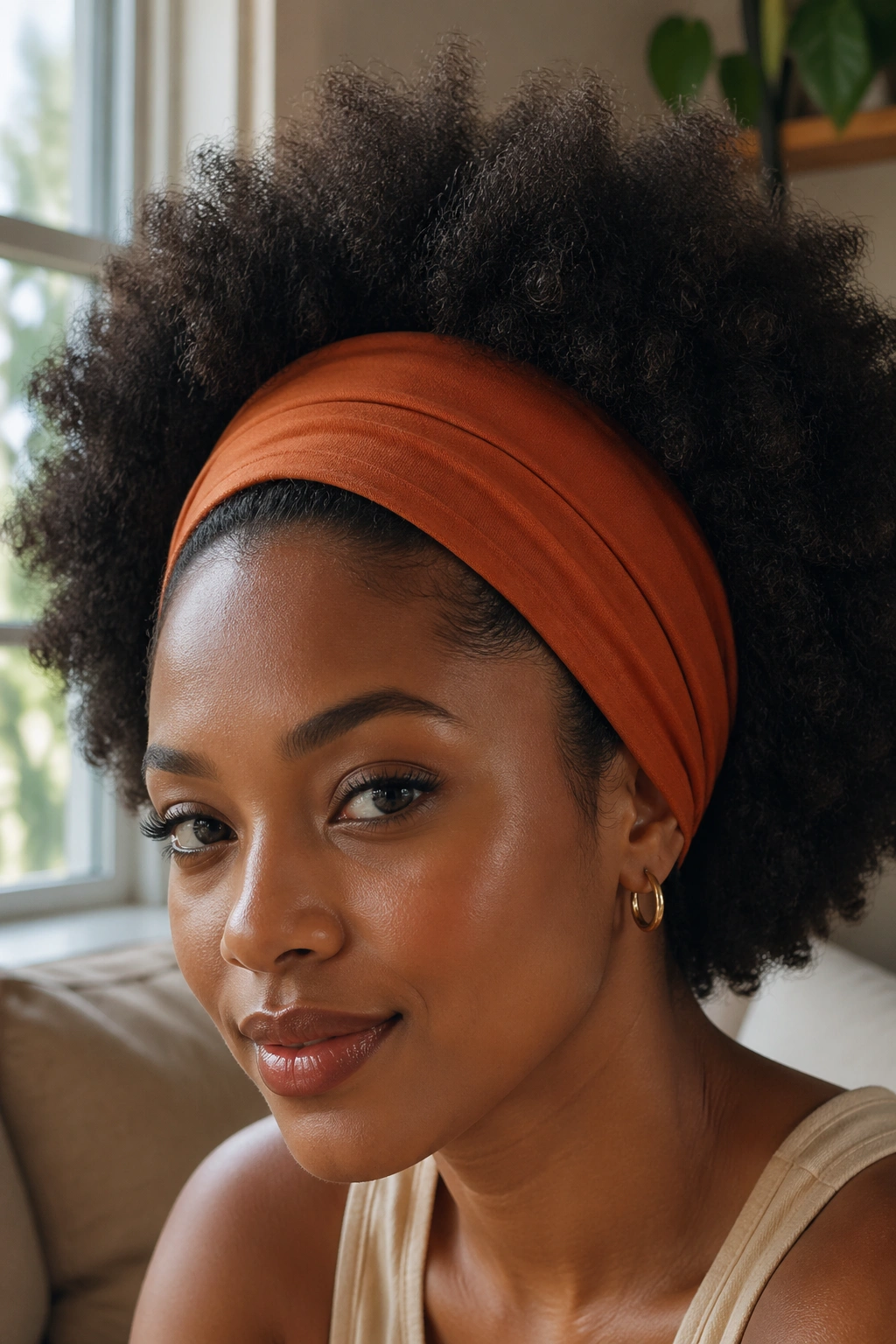
For fine natural hair worn in a picked-out afro, a wide headband or head wrap adds structure and visual weight that complements the delicacy of fine strands. It also keeps the hairline neat without edge control, which can be helpful for fine hair that’s easily weighed down near the face.
15. The Half-Up Style
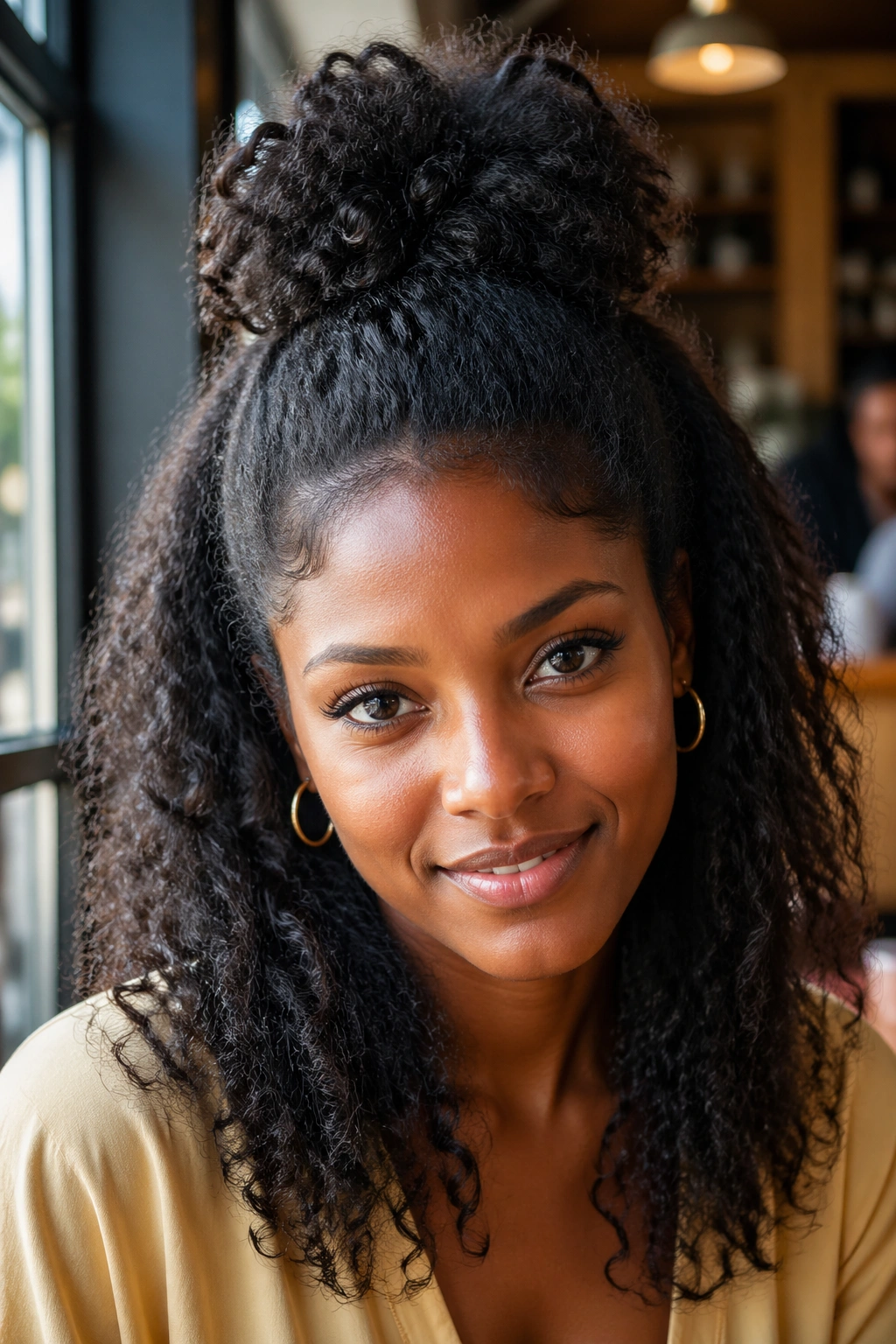
The half-up style on fine natural hair is particularly flattering because it creates two visual layers — the top half gathered and up, the bottom half hanging down. This layering effect makes the hair appear fuller than wearing it all down, where the fine strands might look sparse.
Gather the top section into a loose puff or bun, or braid it back from the crown, and let the rest hang free.
16. The Two-Puff Style
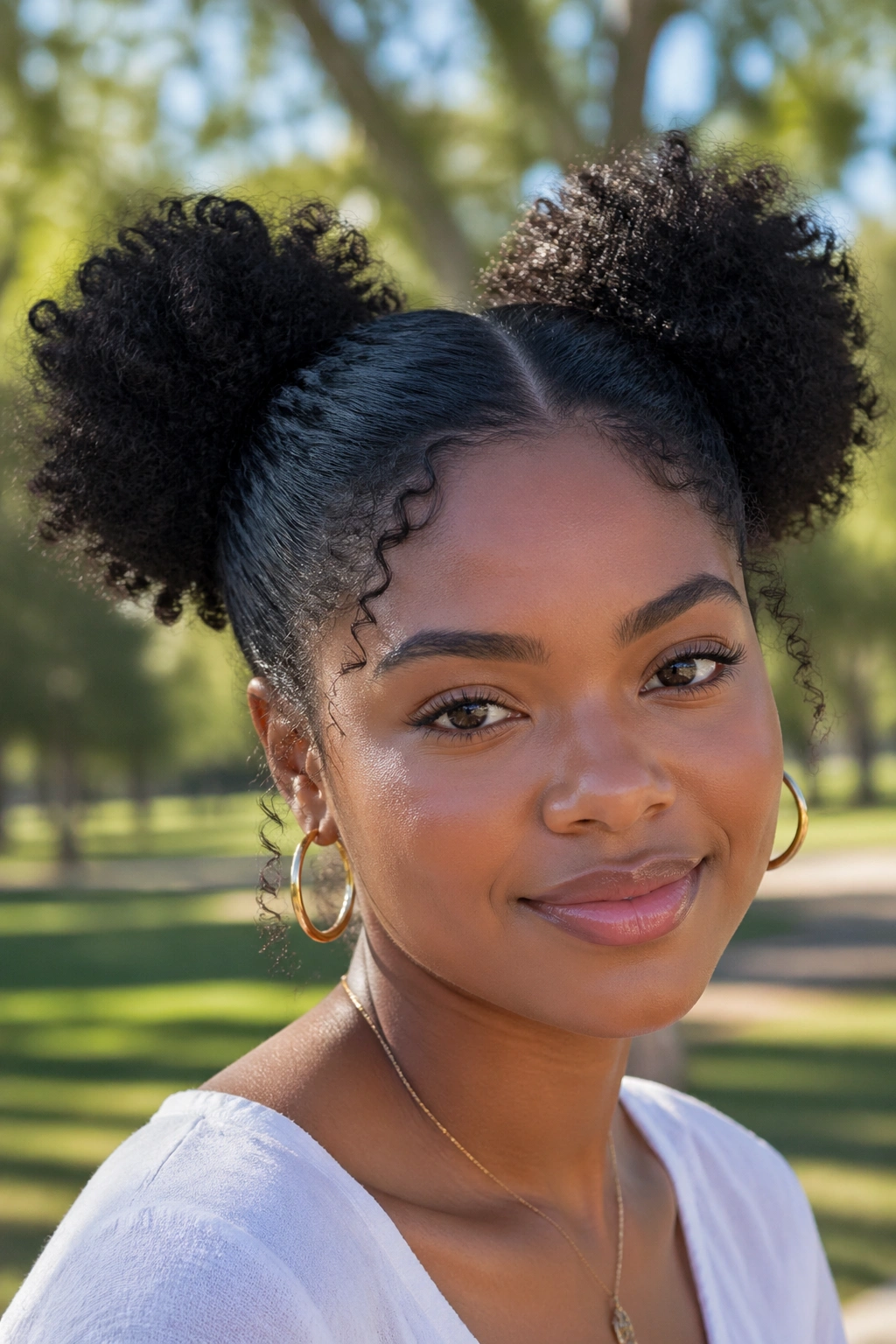
Two puffs — one on each side of the head — is a playful, retro style that works well on fine natural hair because gathering the hair into two sections concentrates the strands, making each puff look fuller than the whole head of hair worn down would.
It’s also a very low-manipulation style, which is great for fine hair that benefits from being handled as little as possible on a daily basis.
17. The Flat-Top Fro
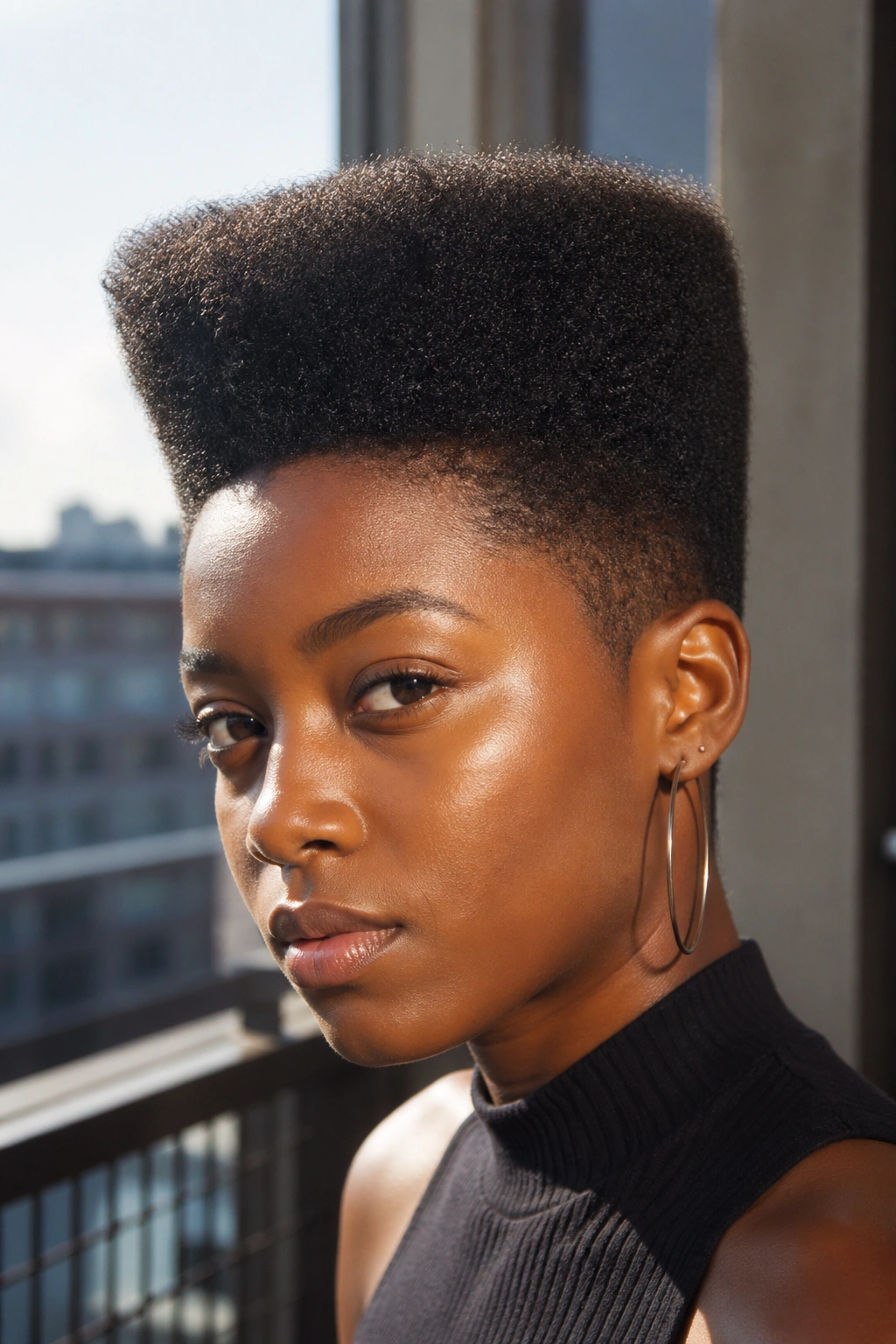
The flat-top afro has a deliberately shaped, geometric silhouette with a flat top surface and full sides. On fine natural hair, achieving this shape typically requires more structure — a stronger-hold gel or mousse — but the result is a visually impactful style that makes fine hair look full and substantial.
18. The Loose Two-Strand Twists (Worn Out)
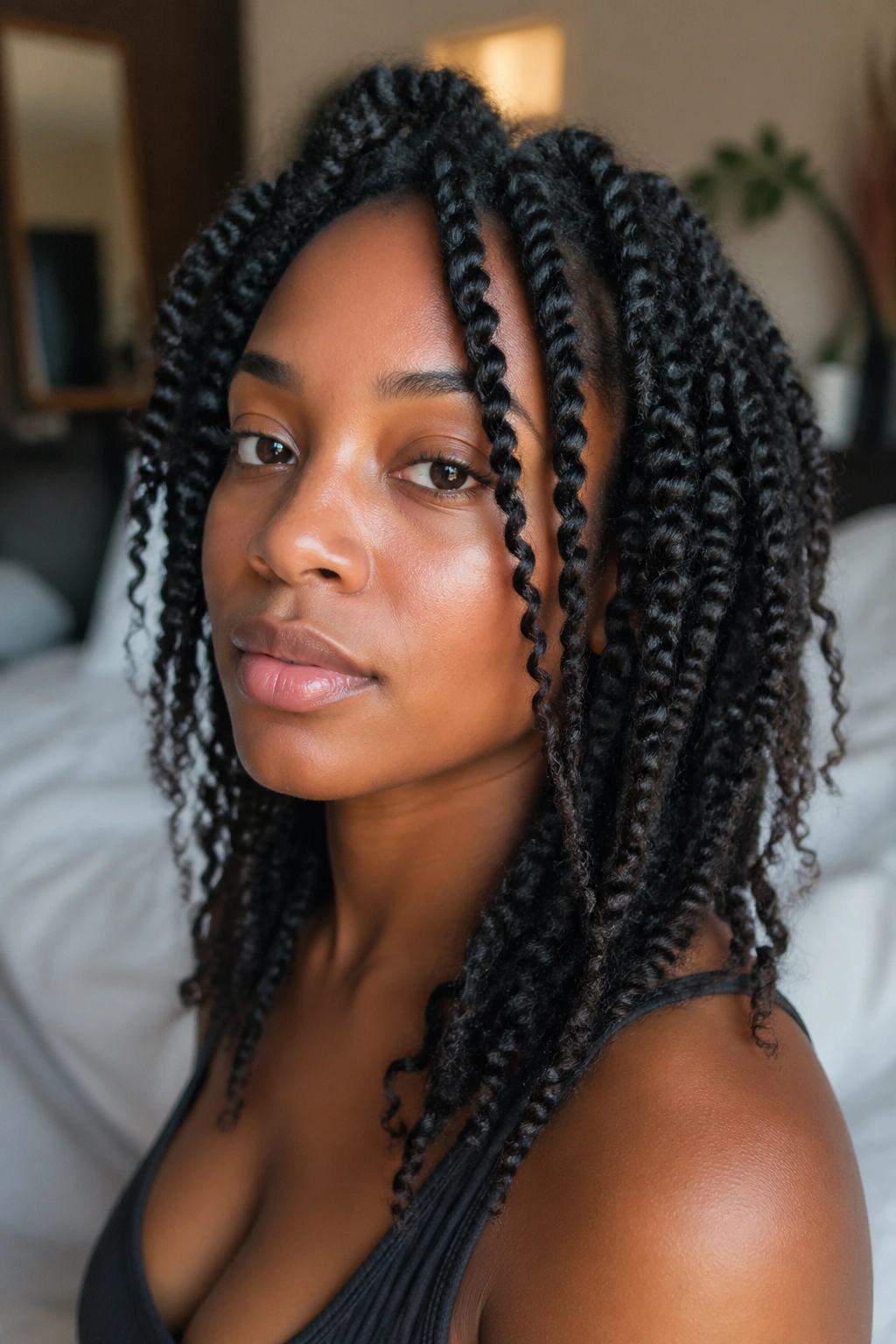
Instead of unraveling your twists into a twist-out, simply wear the twists themselves as your style. Loose, hanging two-strand twists on fine natural hair create a lot of visual interest — each twisted section catches the light differently, and the overall effect is of a full, textured style.
This also keeps your hair protected and minimizes daily manipulation.
19. The Faux Locs
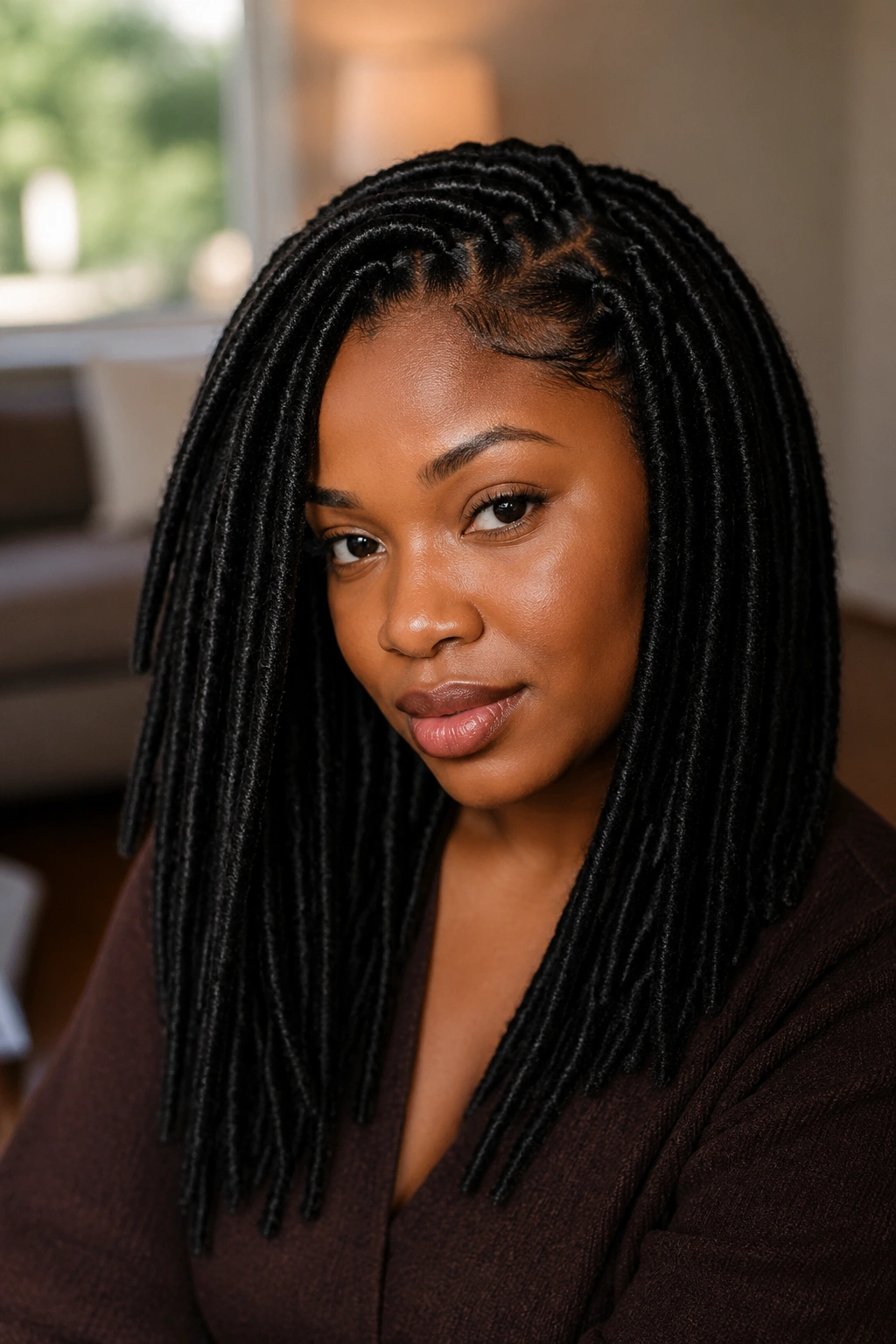
Faux locs — created by wrapping extension hair around small sections of natural hair — add significant thickness and weight to fine natural hair, creating a dramatically different visual effect. On fine natural strands, faux locs look just as full as on coarser hair because the extension material does the heavy lifting.
Just be mindful of weight — faux locs can be heavy, and fine natural hair at the roots needs to be strong enough to support the style comfortably.
20. The Space Buns
Two high buns positioned on either side of the top of the head — space buns on fine natural hair are a youthful, fun style that concentrates your strands into compact, fluffy balls. The volume of a space bun doesn’t depend on strand thickness because the gathering of hair creates density regardless.
21. The Sleek Low Ponytail
A sleek low ponytail on fine natural hair reads as sophisticated and intentional. Apply edge control or a lightweight gel to smooth the hairline, gather hair at the nape, and secure. You can leave the ends curly for a contrast between the sleek top and natural curl at the end, or twist the ponytail for added definition.
22. The Faux Bob With Pins
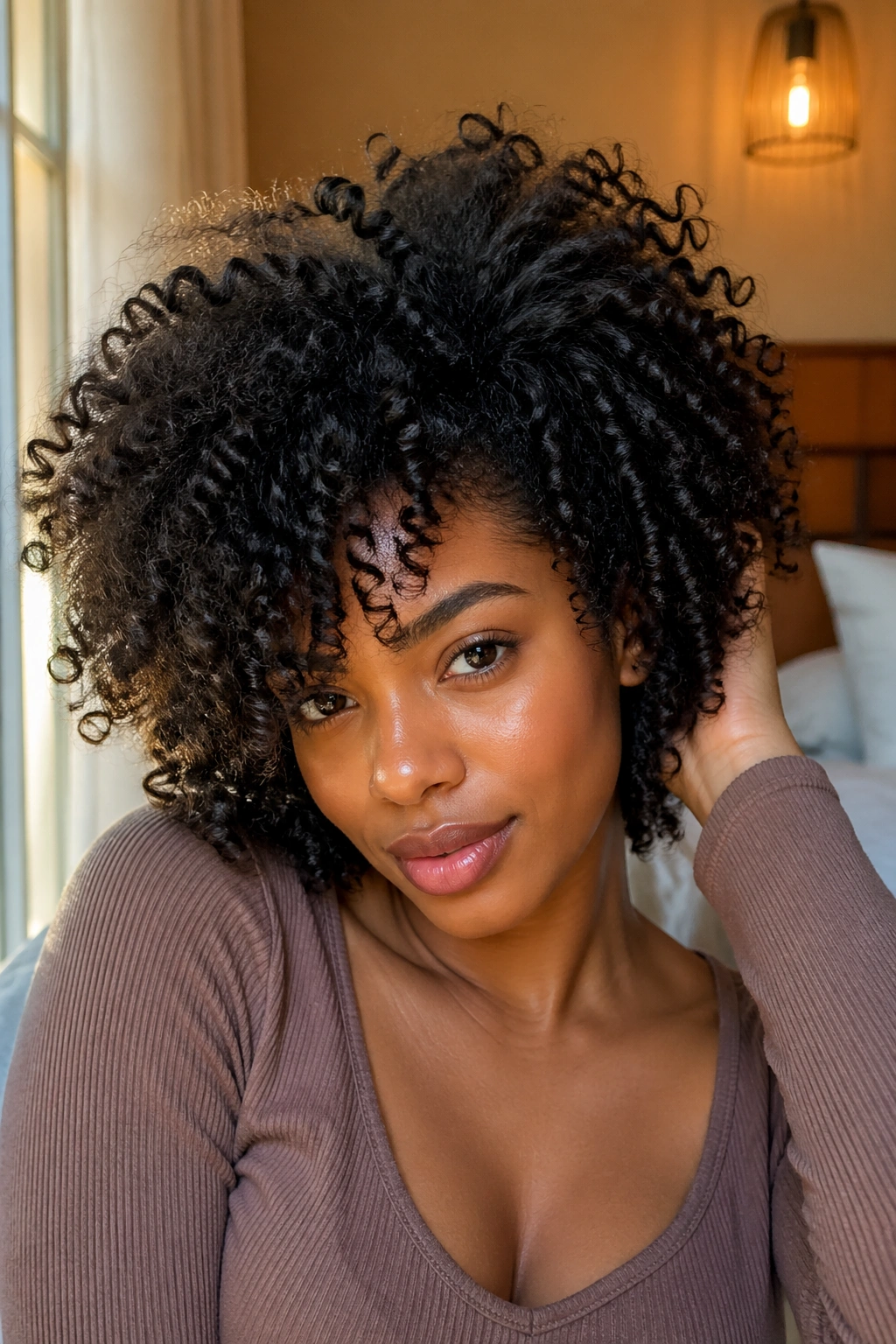
If your natural hair is medium or longer length, you can create a faux bob by pinning the ends up under the hair at the nape — creating the silhouette of a bob without cutting. On fine natural hair, a faux bob looks particularly clean and polished. It’s also a protective style for the ends and a low-manipulation option for days when you don’t feel like styling.
Choosing Your Stylist for Fine Natural Hair
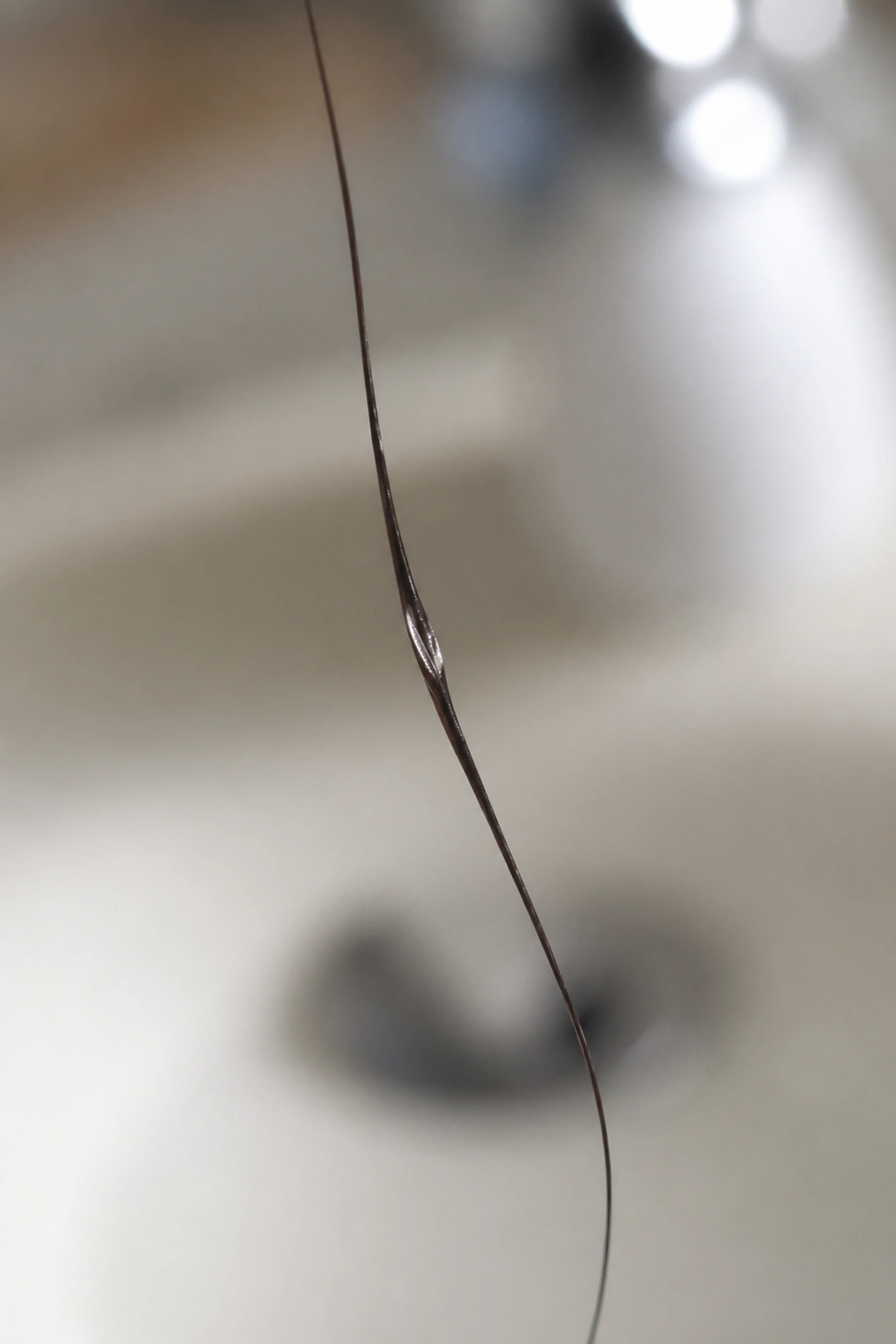
Not every stylist who works with natural hair is equipped to work with fine natural hair. You need someone who understands that fine strands require less tension, lighter products, and a different approach to cutting than coarser textures.
Look for a stylist who:
- Has experience with fine natural hair specifically (ask to see their work)
- Cuts dry in the natural curl state
- Understands how to use layers to add volume without removing needed density
- Knows to avoid overly tight braids and high-tension styles on fine strands
A good stylist for fine natural hair will also take the time to understand your individual curl pattern, because fine hair + type 3 curls behaves quite differently from fine hair + type 4 coils, even though “fine” applies to both.
The Long Game: Retaining Length With Fine Natural Hair
Fine natural hair can absolutely grow long — length retention is just the same process as for any other natural hair type, with a few extra considerations. Minimize heat. Avoid tight styles that create tension at the root. Keep ends moisturized and trimmed. Sleep on satin.
The additional consideration for fine natural hair: be more aggressive about protein-free deep conditioning. Fine strands that become brittle from protein overload or environmental damage break before they have a chance to grow long. Consistent moisture-focused deep conditioning every one to two weeks keeps fine natural hair elastic, strong, and retaining length effectively.