



There is a specific kind of freedom that comes with a perfectly executed ponytail. When your hair is secured, away from your face, and styled in a way that feels intentional rather than like an afterthought, you can move through your day with a different level of confidence. For Black women, the intersection of protective styling and aesthetic versatility is where the French braid ponytail truly shines. It isn’t just a hairstyle; it’s a time-saver, a way to protect your natural texture, and a blank canvas for accessories.
Whether you are working with your natural hair, extensions, or a blend of both, the French braid base provides a structured foundation that keeps hair tidy while allowing the ponytail—whether it’s straight, curly, or braided—to take center stage. The beauty of this style lies in its tension control and scalability. You can keep it sleek and professional for the office or pump up the volume with textures and accessories for a weekend outing. The following styles demonstrate the range of this look, proving that a braid is never just a braid.
1. Classic Single French Braid Pony
The foundation of the entire category starts here. This is the “no-nonsense” version of the look, where a single, clean French braid runs from the front hairline back to the crown, transitioning seamlessly into a ponytail. Because there is only one braid, the focus remains on your parting and the uniformity of the plait.
Why It Works
By concentrating the braid along the center, you eliminate the risk of uneven tension across the scalp. It creates a symmetrical look that frames the face perfectly.
The Technique
Start by creating a sharp center part from the hairline to the crown. Section your hair into three strands. As you cross the strands, pick up small pieces of hair from the edges, tucking them into the braid. Stop the braiding process once you reach the crown and secure the remainder of the hair into a ponytail. Use a snag-free hair tie to prevent breakage at the base of the pony.
2. Double French Braid into Pony
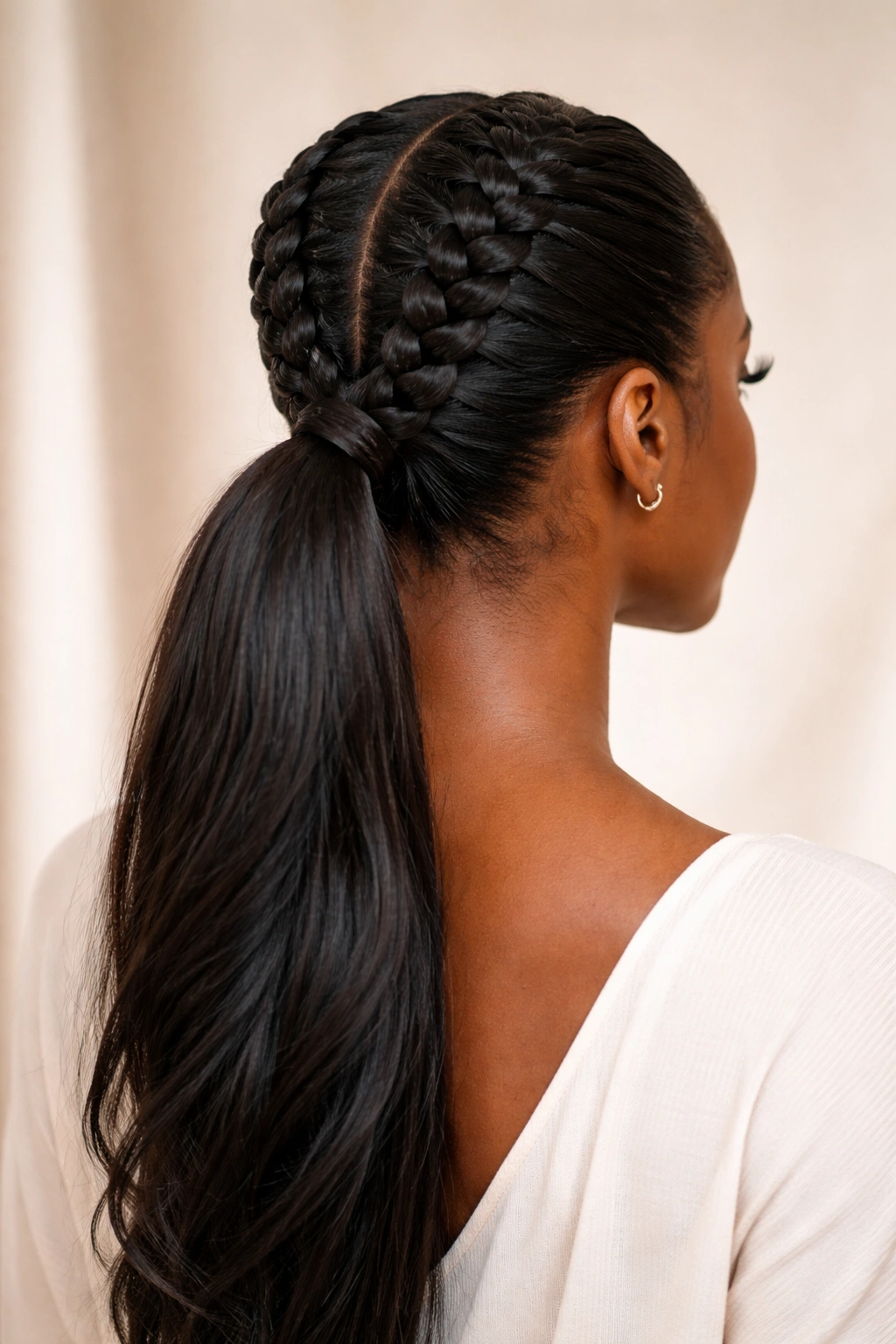
If a single braid feels a bit too minimal, the double French braid style adds architectural interest to your scalp. This look creates two symmetrical pathways that meet at the back of the head, giving you more control over the distribution of hair and creating a more intricate visual design.
Why It Looks Great
The two braids create a “frame” for your face. It draws the eye upward and toward the center, which can be very flattering if you have a rounder face shape.
Key Styling Tips
- Parting is everything: Use a rat-tail comb to ensure the part down the middle is razor-straight.
- Tension Management: Since you are managing two braids, it is easier to accidentally pull one side tighter than the other. Check your symmetry in the mirror after every two passes.
- Product choice: A medium-hold gel is essential here to keep the roots smooth without causing flaking.
3. Feed-In French Braid Ponytail
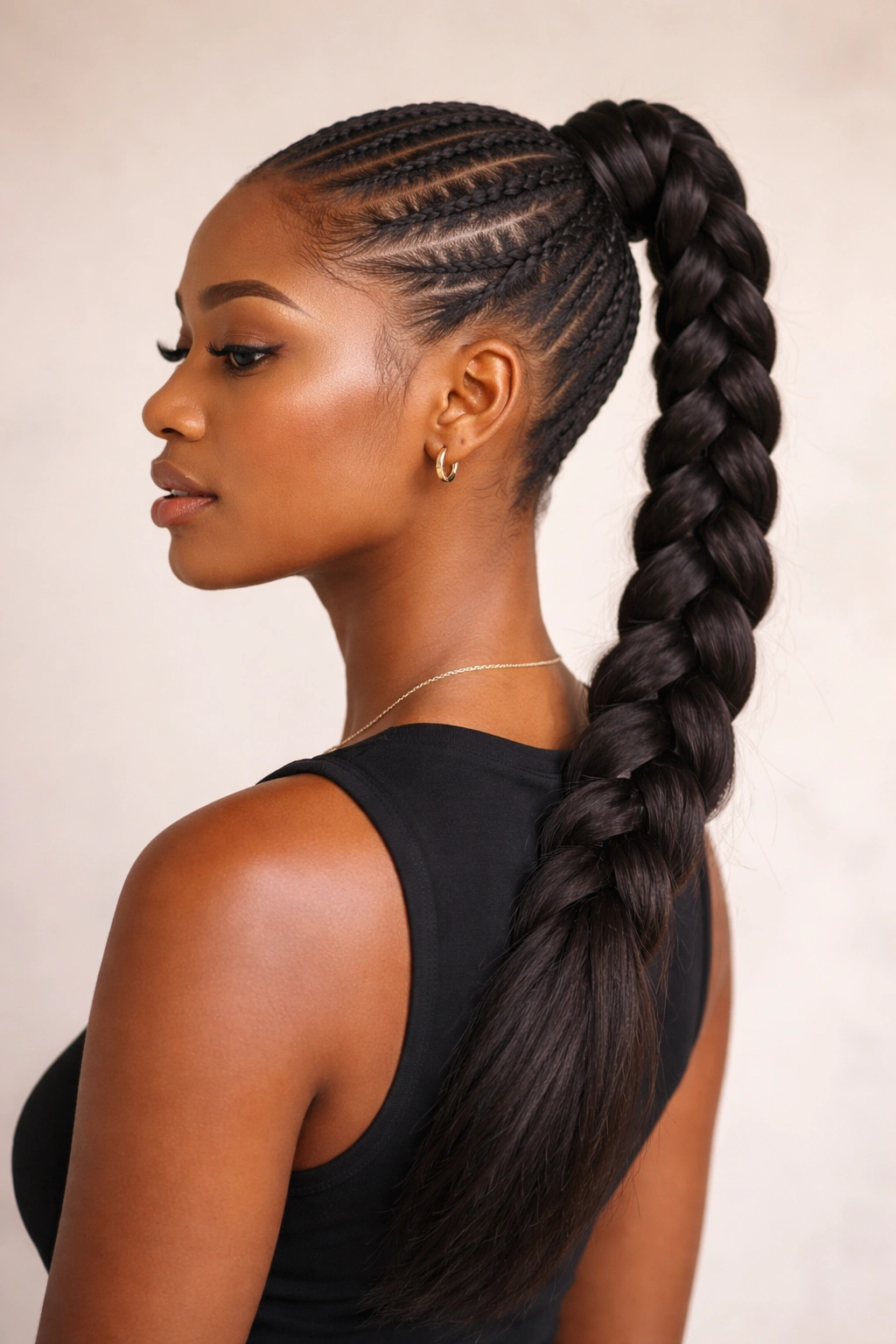
This is the go-to style for those who want length and volume without waiting for their natural hair to grow out. “Feed-in” refers to the method of adding synthetic braiding hair into your natural plaits as you go, which creates a more natural look and places less stress on your hairline.
The Benefit of Feed-Ins
Traditional braiding hair can sometimes look bulky at the start of the braid. Feed-in braids look thin at the hairline and gradually become thicker, which mimics the way natural hair grows.
How to Get the Look
Start your braid with only your natural hair. After one or two passes, feed in a small, tapered section of braiding hair. Continue this process until the braid reaches the desired thickness. This creates a smooth, flat start that protects your delicate edges from the weight of the extensions.
4. High-Volume Curly Pony with French Braid Base
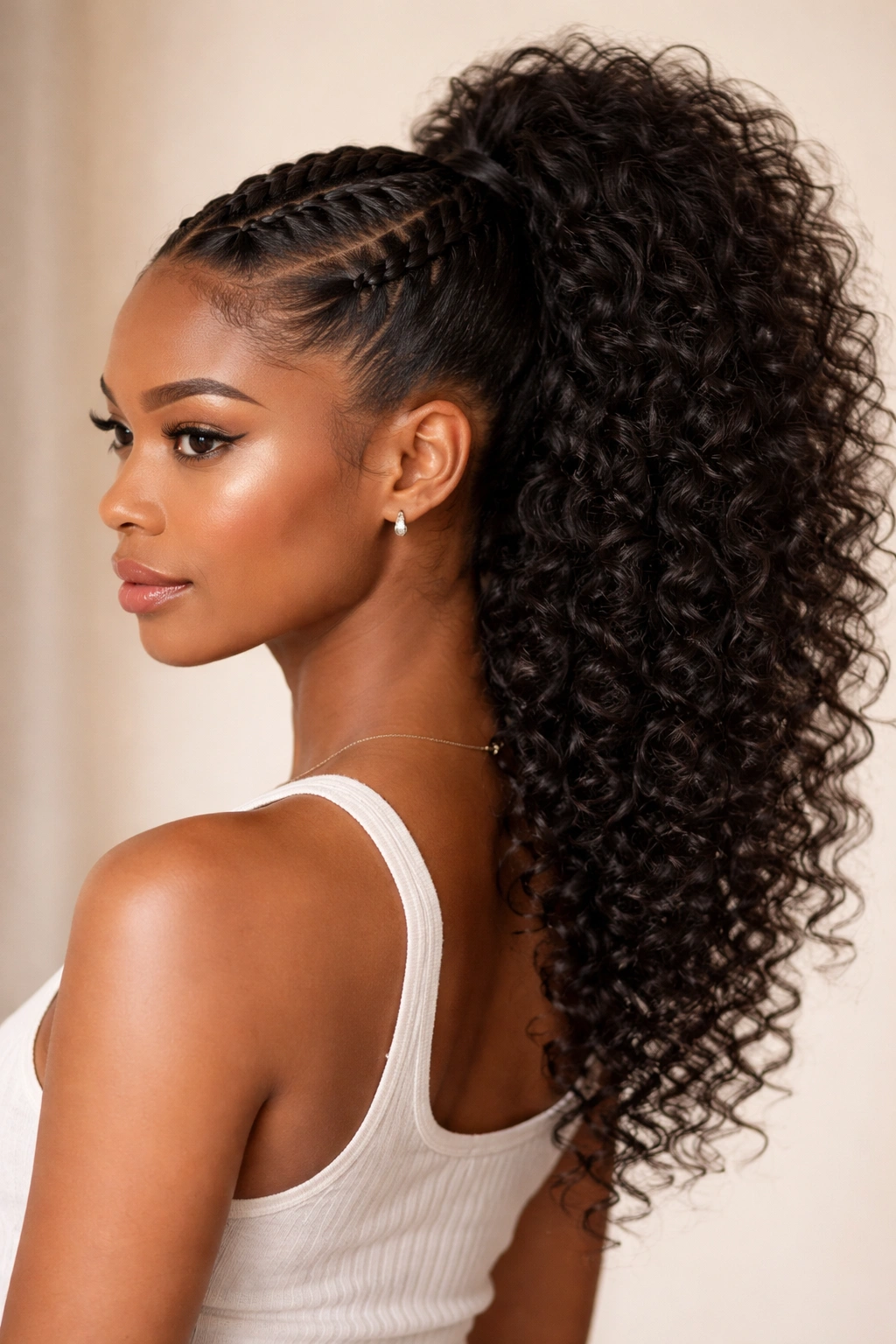
Sometimes you want the structure of a braid on top but the wildness of curls at the base. This style relies on a French braid to control the roots while a drawstring ponytail or clip-in extensions are used to provide the volume at the back.
Styling for Texture
If your natural hair is straightened, this contrast is striking. If your natural hair is textured, matching the curl pattern of the ponytail to your own hair is vital. You want the transition from the braided base to the loose pony to feel cohesive.
The Secret to Success
Wrap a small piece of hair from the pony around the base where the hair tie is visible. Use a bobby pin to tuck the end underneath. This small detail instantly makes the hairstyle look expensive and professional.
5. French Braided Crown into Low Pony
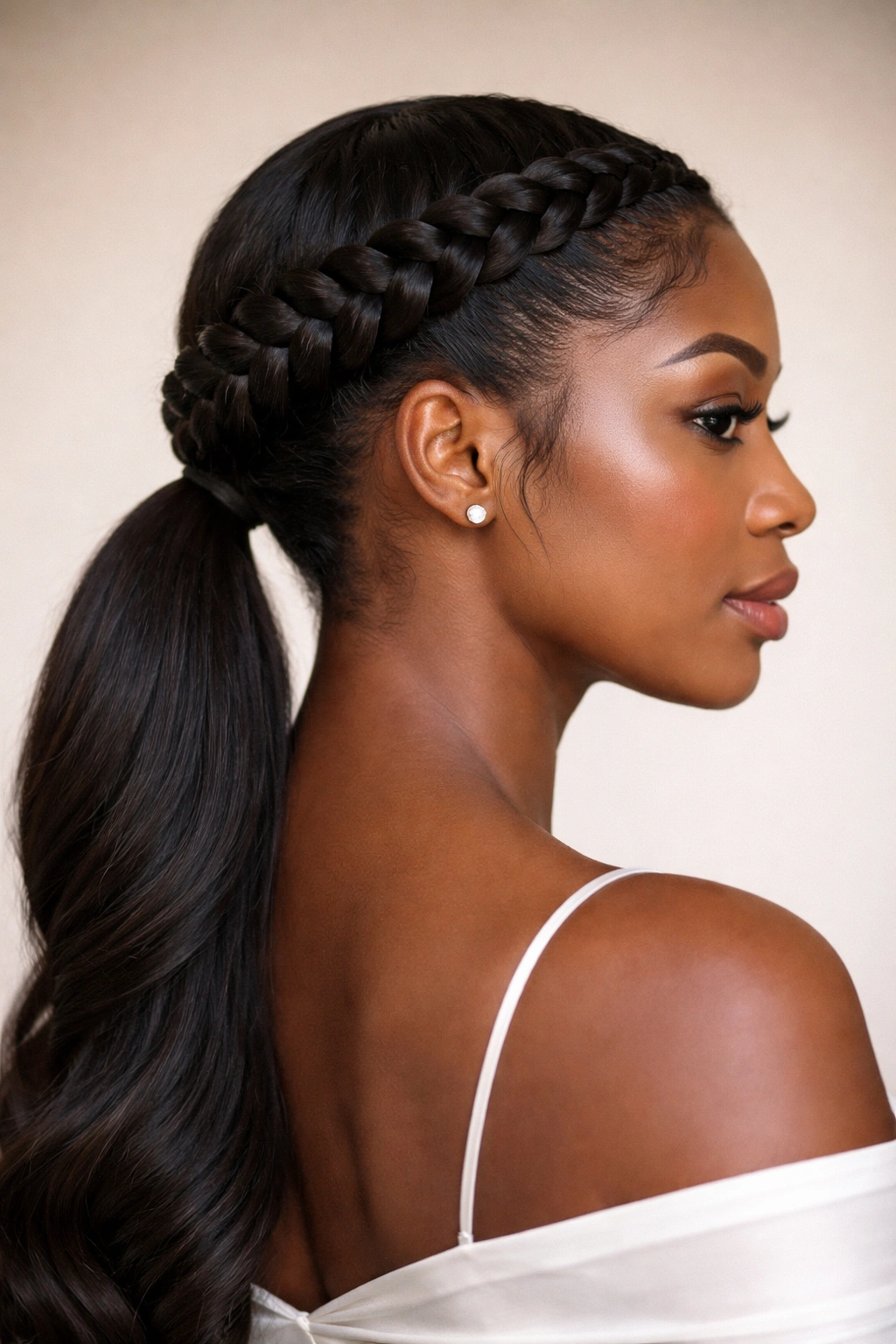
If you prefer a style that sits lower on the head, this is your best option. A crown braid isn’t just for updos; it serves as a beautiful transition into a low, sleek ponytail at the nape of the neck.
Where to Wear It
This is an incredibly versatile look. It works for formal events, where it looks elegant and understated, but it also works for gym sessions, where it keeps hair securely off your neck.
Managing the Tension
Because the braid travels around the head, be careful not to pull hair too tightly near the ears. This is a high-tension area. Use a little extra leave-in conditioner at the temples to ensure the hair stays supple and doesn’t snap.
6. Zig-Zag Parting French Braid Pony
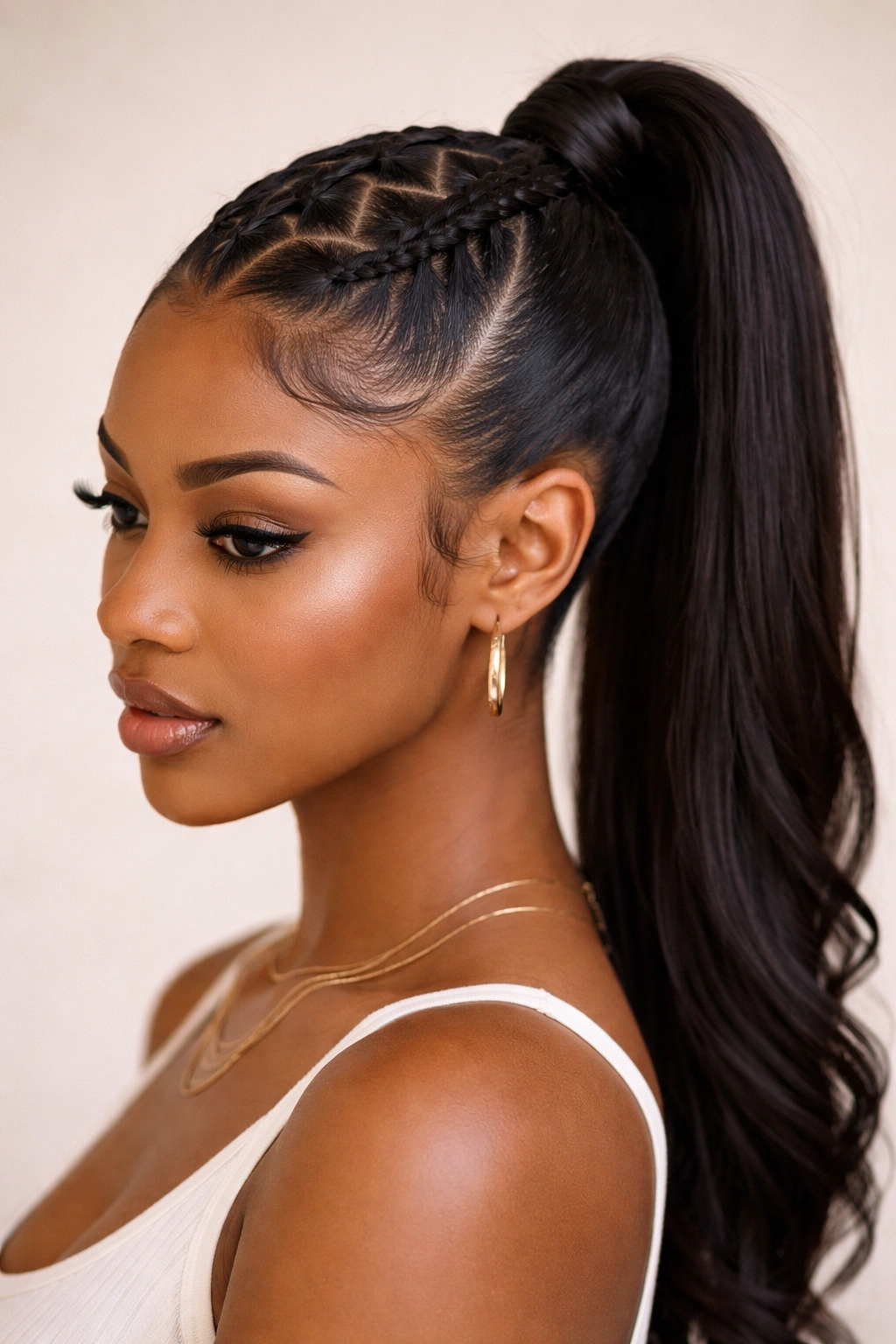
The parting can change the entire personality of a hairstyle. While a straight middle or side part is classic, a zig-zag parting adds a playful, modern twist to the standard French braid ponytail.
When to Choose This Style
This is perfect for when you want your hair to feel a bit more “done” or edgy. It’s a great way to showcase skill, as the zig-zag creates a visual complexity that catches the eye immediately.
Achieving the Precision
Use a fine-tooth comb to draw the zig-zag pattern before you start braiding. Once the part is set, use a light-hold pomade to slick the hair on either side of the part down. If the zig-zag looks messy, the whole style loses its impact.
7. French Braid into Sleek Bubble Ponytail
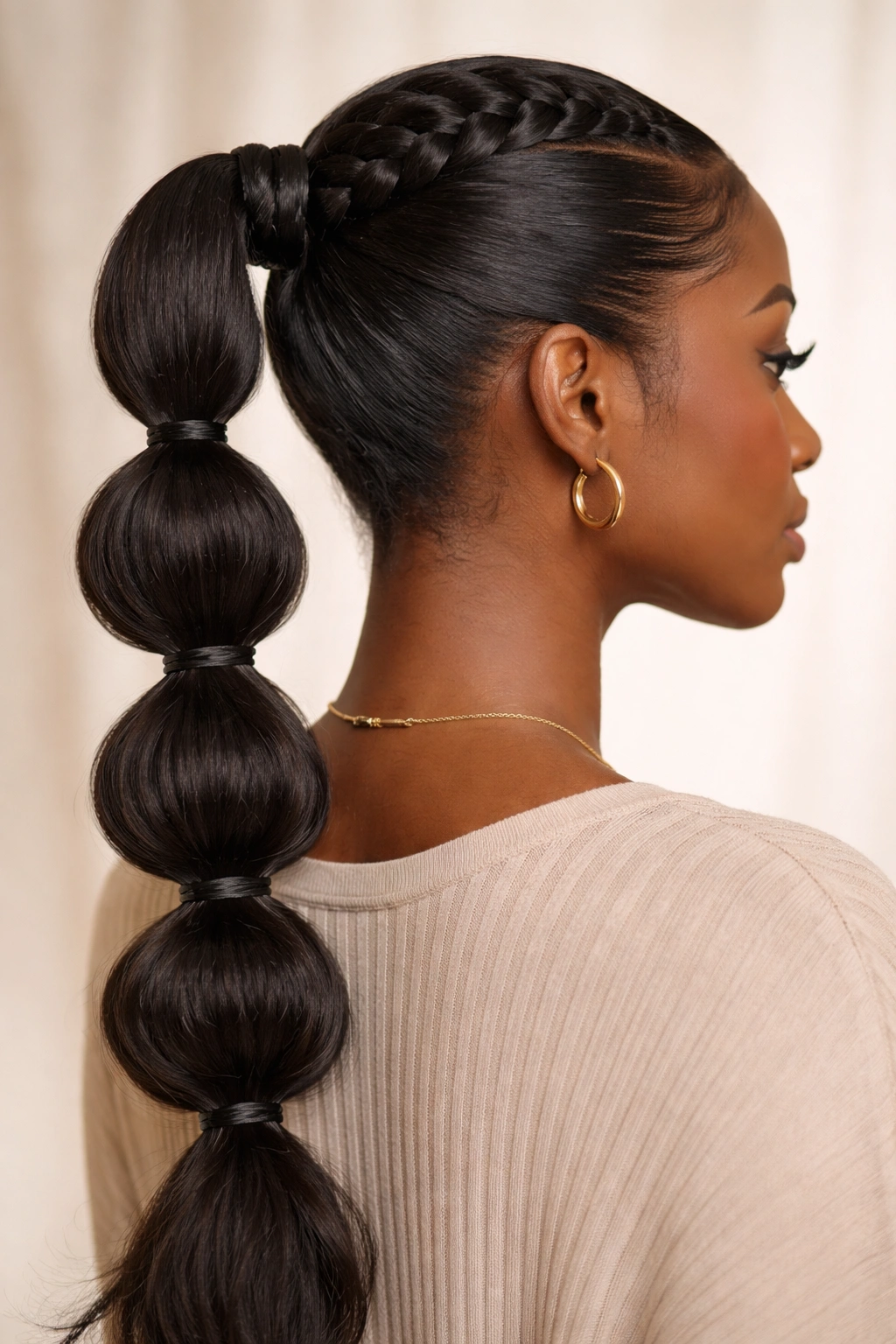
This is a hybrid style. You start with a traditional French braid at the roots, but instead of finishing with a regular ponytail, you create a “bubble” effect by placing hair ties at equal intervals down the length of the ponytail and pulling the hair between them to create volume.
Why This Style Persists
It offers the protective benefits of a braid with the aesthetic playfulness of bubbles. It’s also surprisingly easy to adjust based on the length of your hair.
The Bubble Technique
- Secure your base ponytail.
- Place a second hair tie about two inches down.
- Gently pull at the hair between the ties to create a rounded “bubble” shape.
- Continue down the length of the hair. Pro Tip: Use tiny, clear elastic bands to ensure the bubbles look clean and uniform.
8. Half-Up, Half-Down French Braid Pony
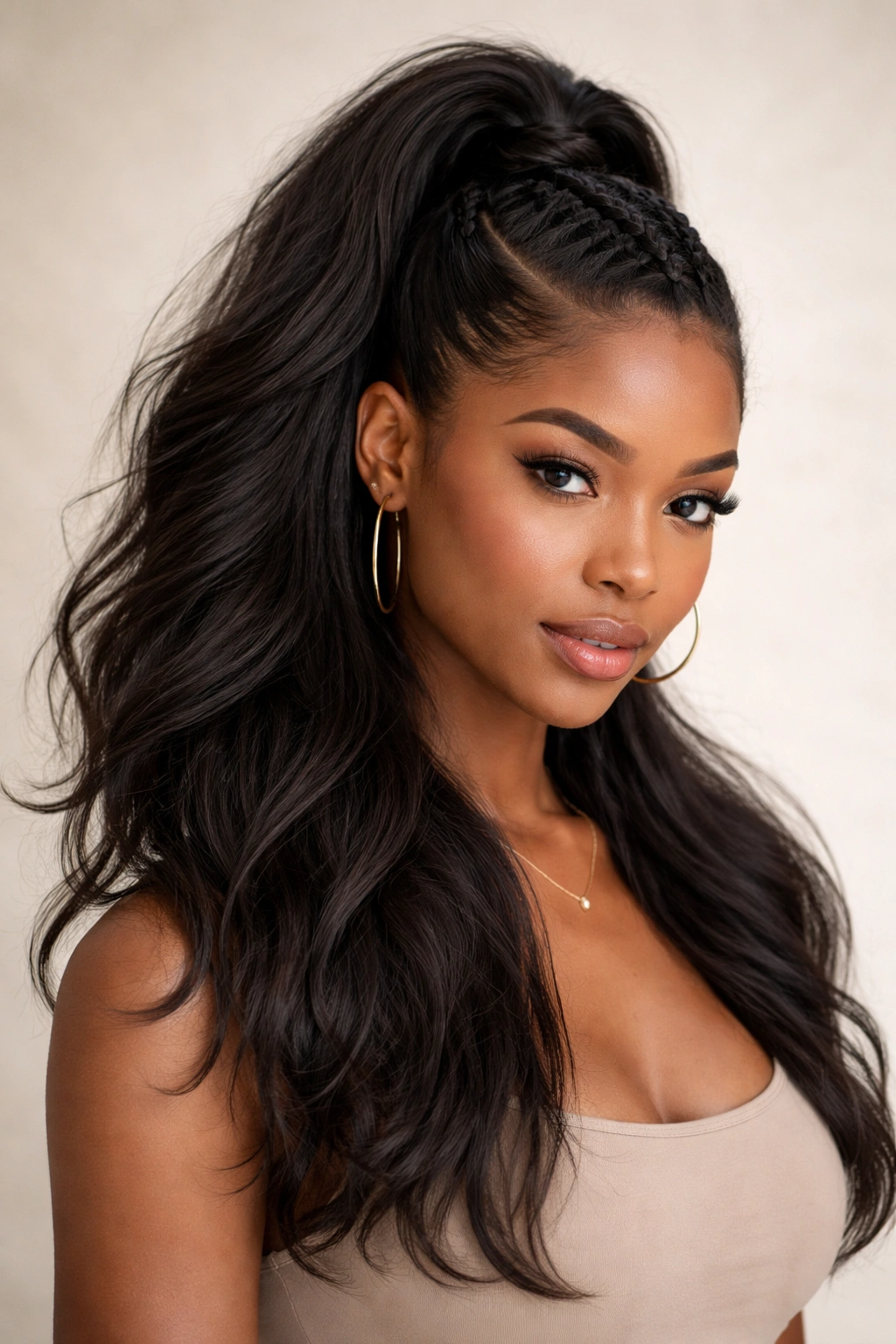
This style gives you the best of both worlds: the structure of a ponytail and the freedom of wearing your hair down. The French braid acts as the anchor for the top section, while the bottom half remains loose.
Styling for Different Textures
This works exceptionally well with blown-out, textured hair. The braid provides the “up” portion, which keeps the hair out of your eyes, while the “down” portion shows off the length and volume of your natural hair.
The Anatomy of the Look
Focus the French braid on the top, central section of the head—what stylists often call the “mohawk” section. Secure the braid at the crown, let the rest fall loose, and then gather the hair into a half-up ponytail.
9. Beaded French Braid Ponytail
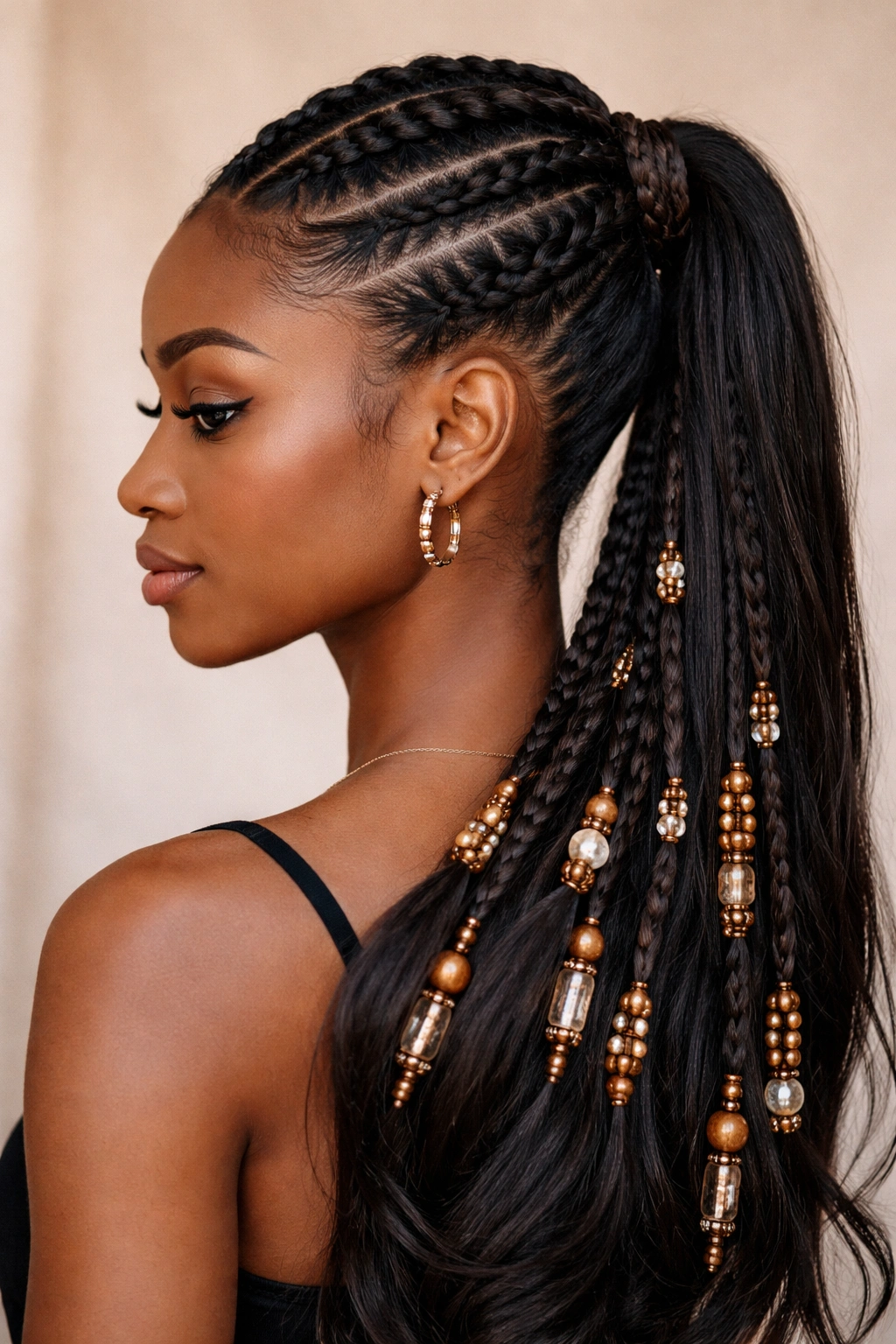
Accessories are not just for children’s hairstyles; they are a sophisticated way to add character to a braided ponytail. Adding gold or wooden beads to the ends of the French braid before it transitions into the pony adds a touch of personality and history.
Placing the Beads
You can place beads solely on the braided portion or integrate them into the ponytail strands. If you are using beads, consider the weight. Too many heavy beads can pull at your scalp, so opt for lighter materials like wood or lightweight acrylic if you plan to wear the style for a full week.
Maintenance
When washing your hair or sleeping, beads can be a nuisance. Keep the style protected with a silk bonnet at night to prevent the beads from snagging on your pillowcase.
10. Sleek Center-Part French Braid Pony
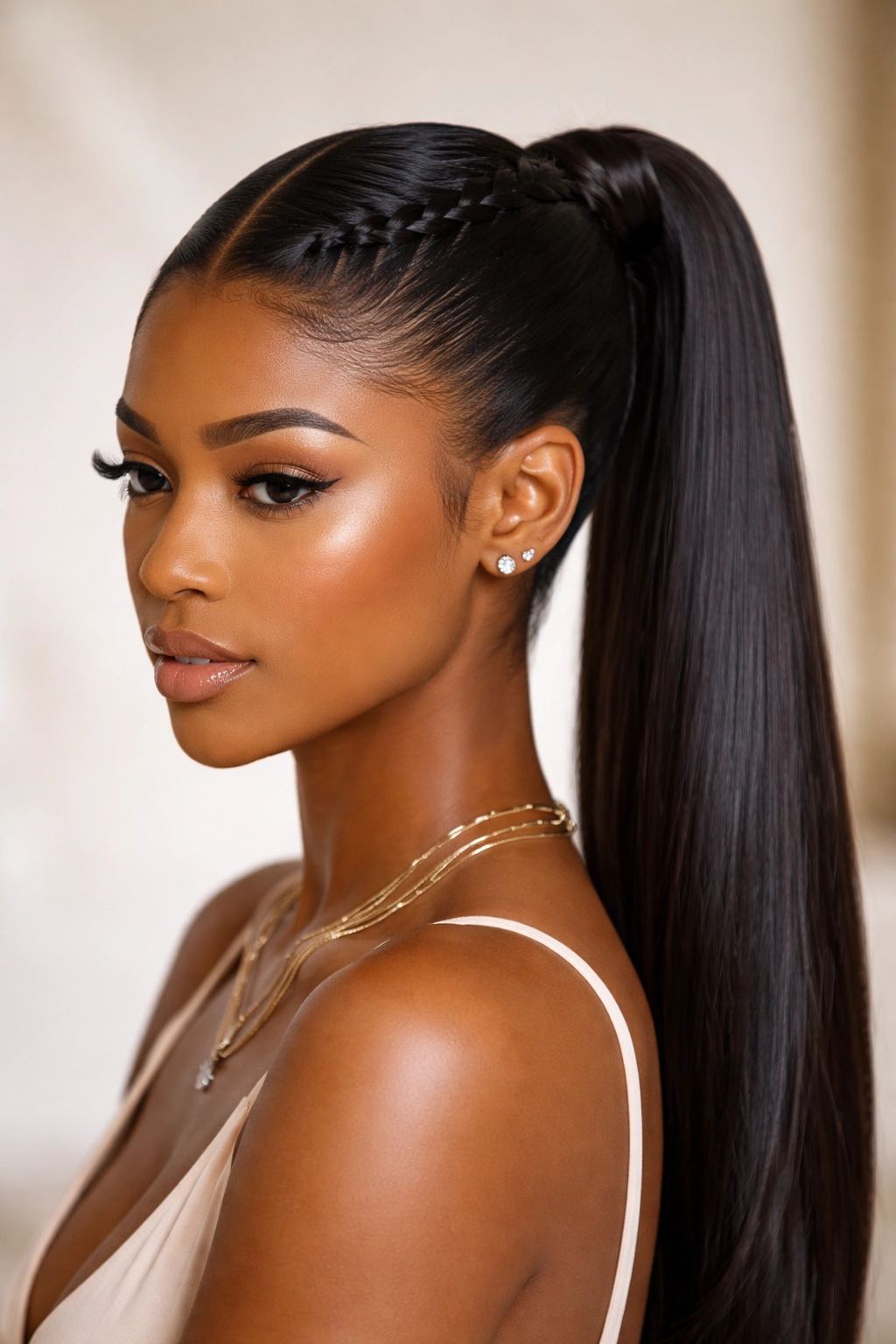
There is an undeniable power in a sharp, center-parted, sleek ponytail. This look is about minimalism. The French braid is pulled tight, the hair is polished to a high shine, and the ponytail is sleek and straight.
The “Sleek” Factor
This style is heavily reliant on the products you use. You need a high-shine pomade or a light oil spray to eliminate flyaways and provide that “glass hair” finish.
Prep for Success
Ensure your hair is deeply moisturized before you start. Since this style is often pulled tight, you want your hair to be elastic and strong rather than dry and brittle, which is prone to breakage.
11. French Braids with Curly Ends
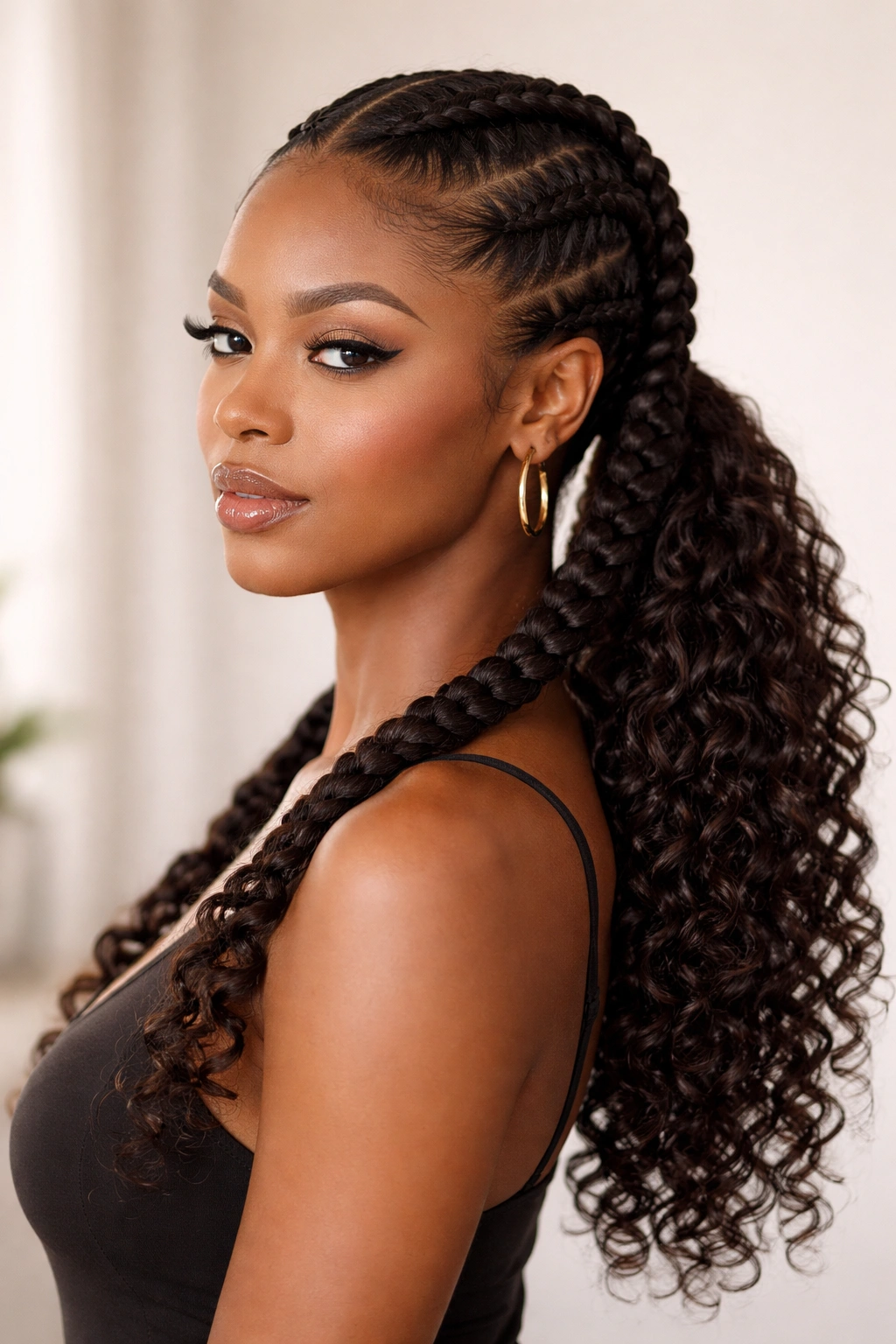
This style is all about the contrast between the neat, controlled braids and the wild, free-flowing curls at the bottom. It’s a favorite for naturalistas who want a protective style that doesn’t feel restrictive.
Achieving the Look
You can braid your natural hair into the French plait and then secure your natural curls in a pony, or you can use a drawstring extension. If using your own hair, use a curling cream and a flexible-hold gel to define the curls at the ends before you even start the braid.
Why It’s a Staple
It’s a low-maintenance look that grows out beautifully. Even after a few days, when the roots start to get a bit fuzzy, the curls at the bottom remain the focal point.
12. Side-Swept French Braid into Low Pony
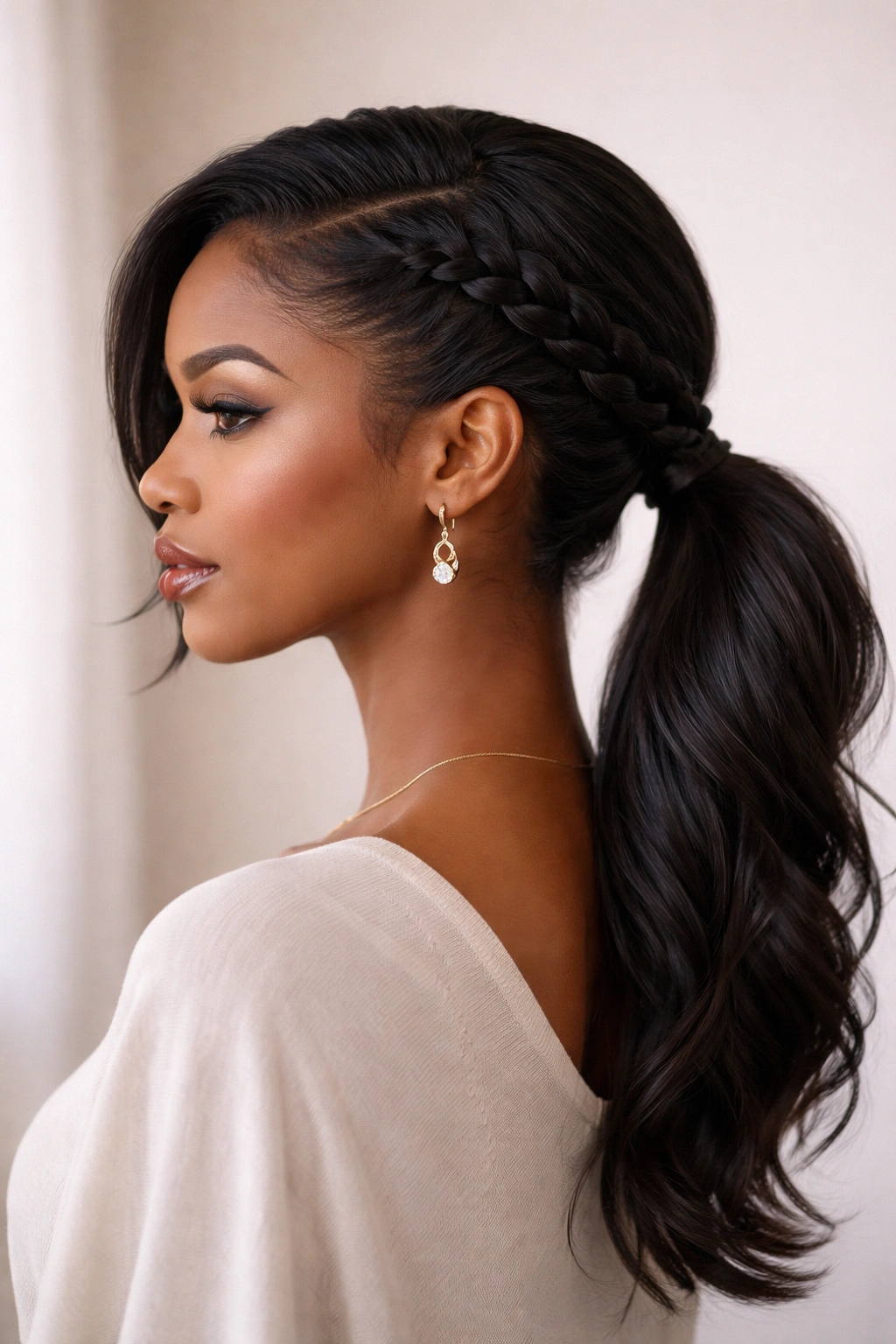
If symmetry feels boring, turn to the side-swept French braid. This style starts at the side of the head, follows the hairline, and gathers everything into a low ponytail at the nape of the neck on the opposite side.
The Aesthetic
This is an incredibly romantic and soft look. It feels less aggressive than a center-parted high pony and is much more forgiving if your parting skills aren’t 100% perfect.
Customizing the Volume
Because the braid is off-center, you have more hair on one side of the head. Use this to your advantage by adding more volume to the “heavier” side. A bit of teasing at the root of the braid can help keep it looking full.
13. Thick Dutch Braid Ponytail
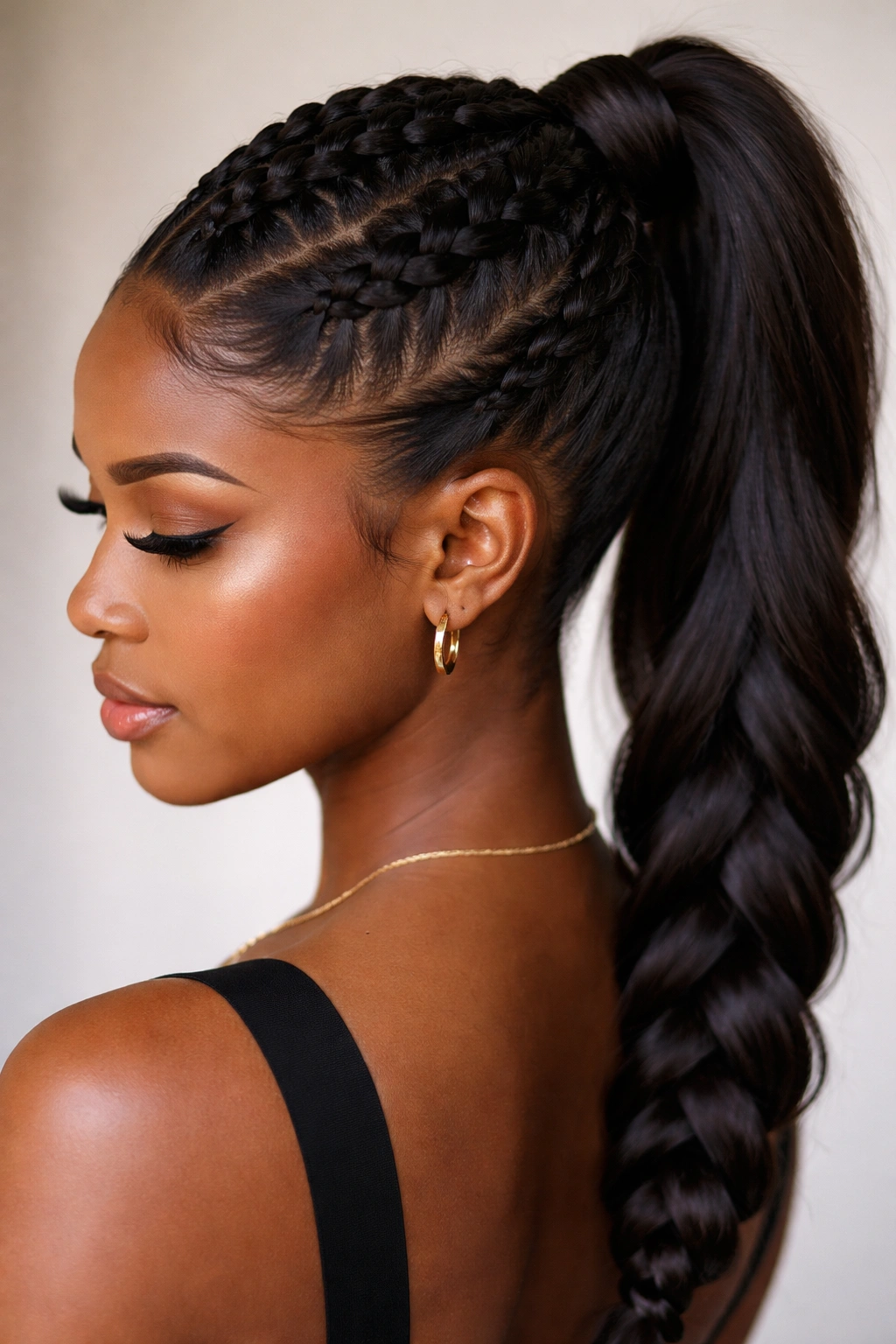
Though often confused with the French braid, the Dutch braid (or underhand braid) sits on top of the scalp, creating a 3D effect. The “popping” volume of a Dutch braid makes the ponytail look thicker and more substantial.
French vs. Dutch
In a French braid, you cross strands over the center. In a Dutch braid, you cross strands under the center. If you want your braid to really stand out and look like it’s floating on your head, choose the Dutch technique.
When to Use This
This is perfect for thinner hair types. The added volume of the “under-braiding” creates the illusion of more density than a standard, flat French braid.
14. Intricate Multi-Braid Base Pony
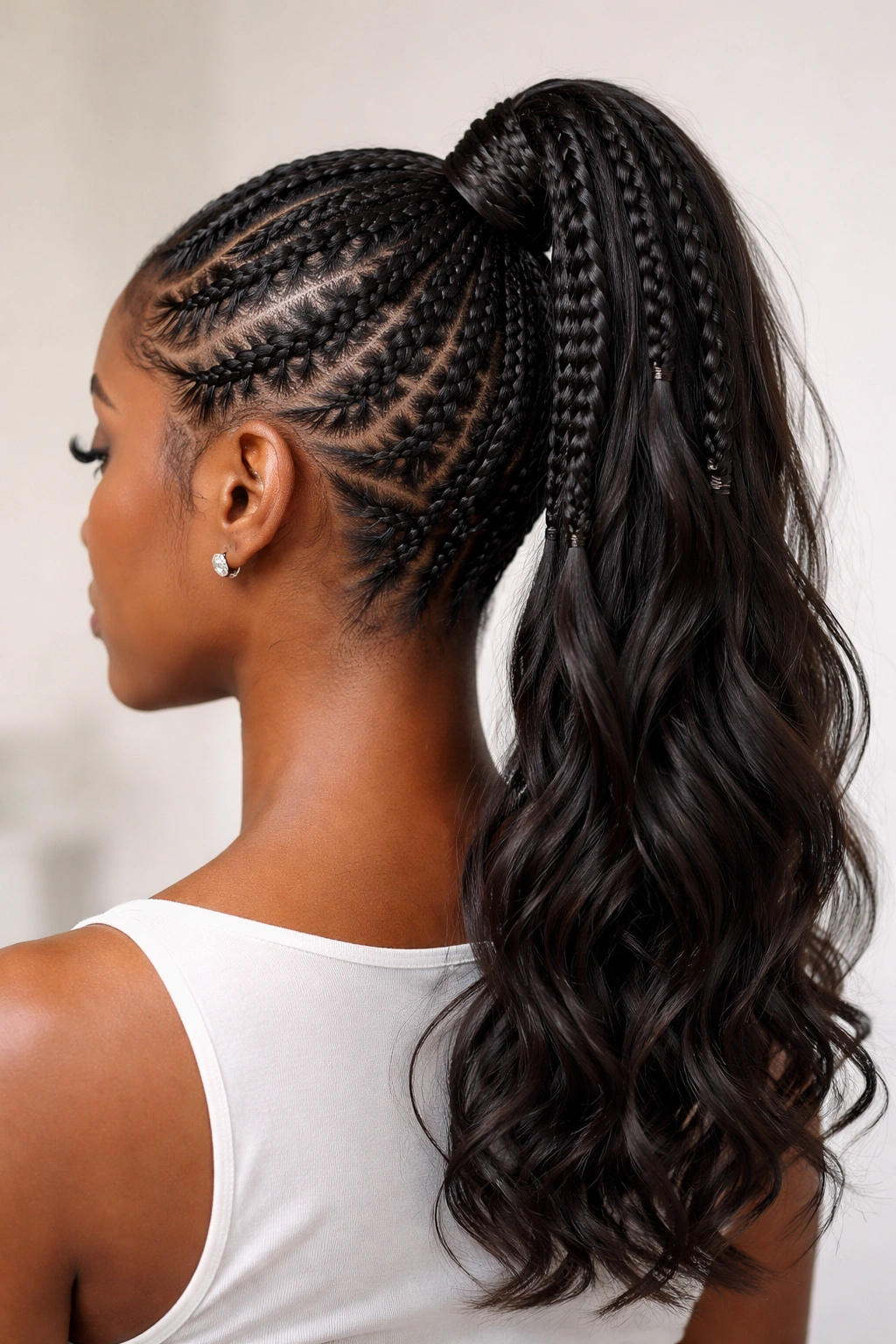
Why stop at one or two braids? This style involves creating several smaller French braids that all converge into one central ponytail. It’s a design-heavy look that requires a bit more time but delivers a major payoff.
Designing the Pattern
You can create parallel braids, intersecting braids, or even a starburst pattern that gathers everything toward the center. Use a tail comb to section the hair precisely.
Warning on Tension
Multiple braids mean multiple starting points. Be careful not to create too many high-tension areas along the hairline, as this can lead to thinning. Keep the braids at the edges slightly looser than the ones in the center.
15. French Braid Ponytail with Gold Cuffs
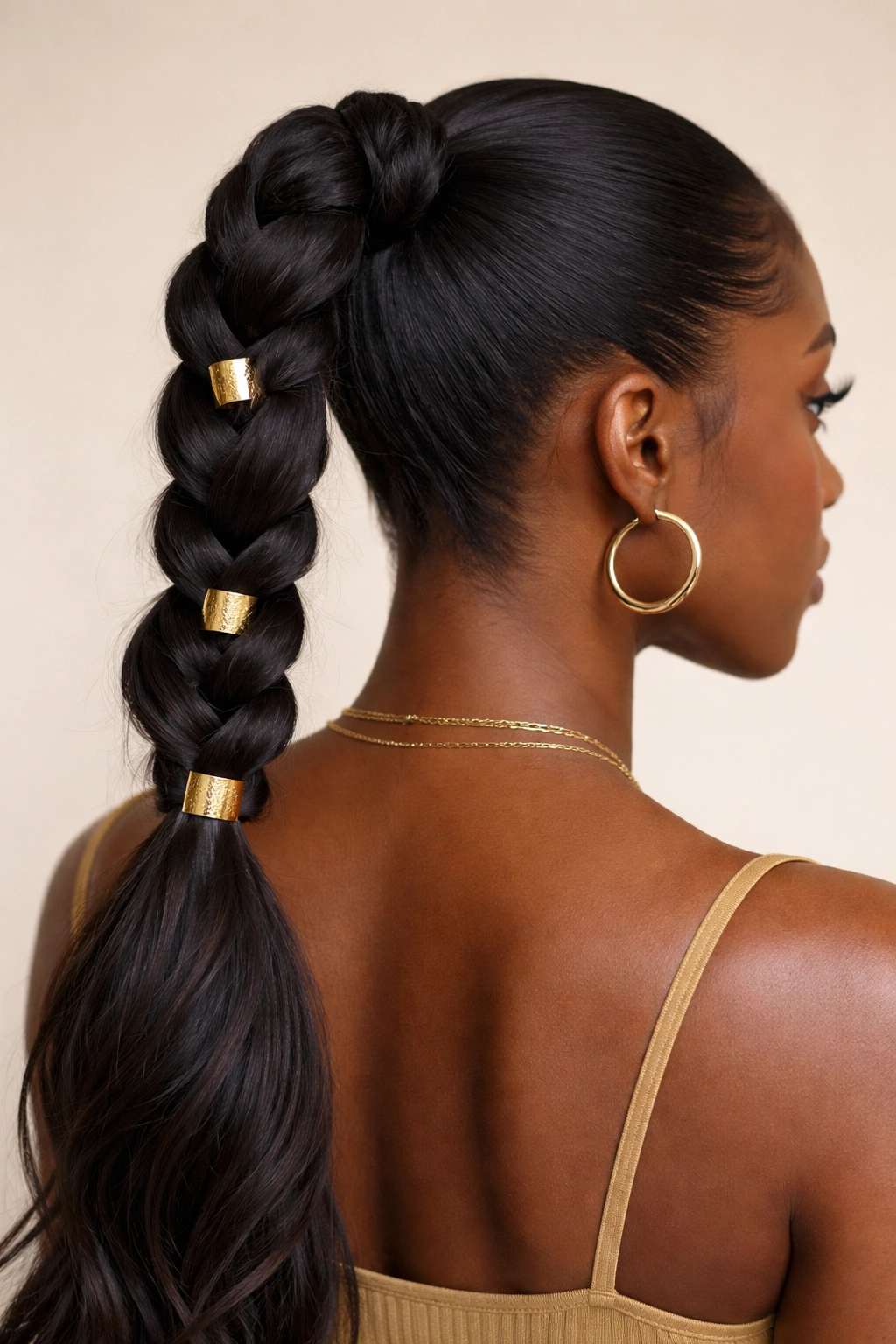
Sometimes, the braid itself is beautiful, but it needs an accessory to truly elevate the look. Gold cuffs are the perfect addition to a French braid ponytail. They provide a metallic contrast against dark hair and add a touch of luxury.
Where to Place Them
Don’t clutter every inch of the braid. Place the cuffs strategically—perhaps at the beginning of the braid, the middle, and where the braid meets the ponytail.
The Material Matters
Invest in quality gold-plated cuffs. Cheap metals can tarnish or snag the hair fibers, leading to unnecessary breakage. You want something with a smooth interior that clips on easily without pulling.
16. Sleek High Pony with Criss-Cross Braids
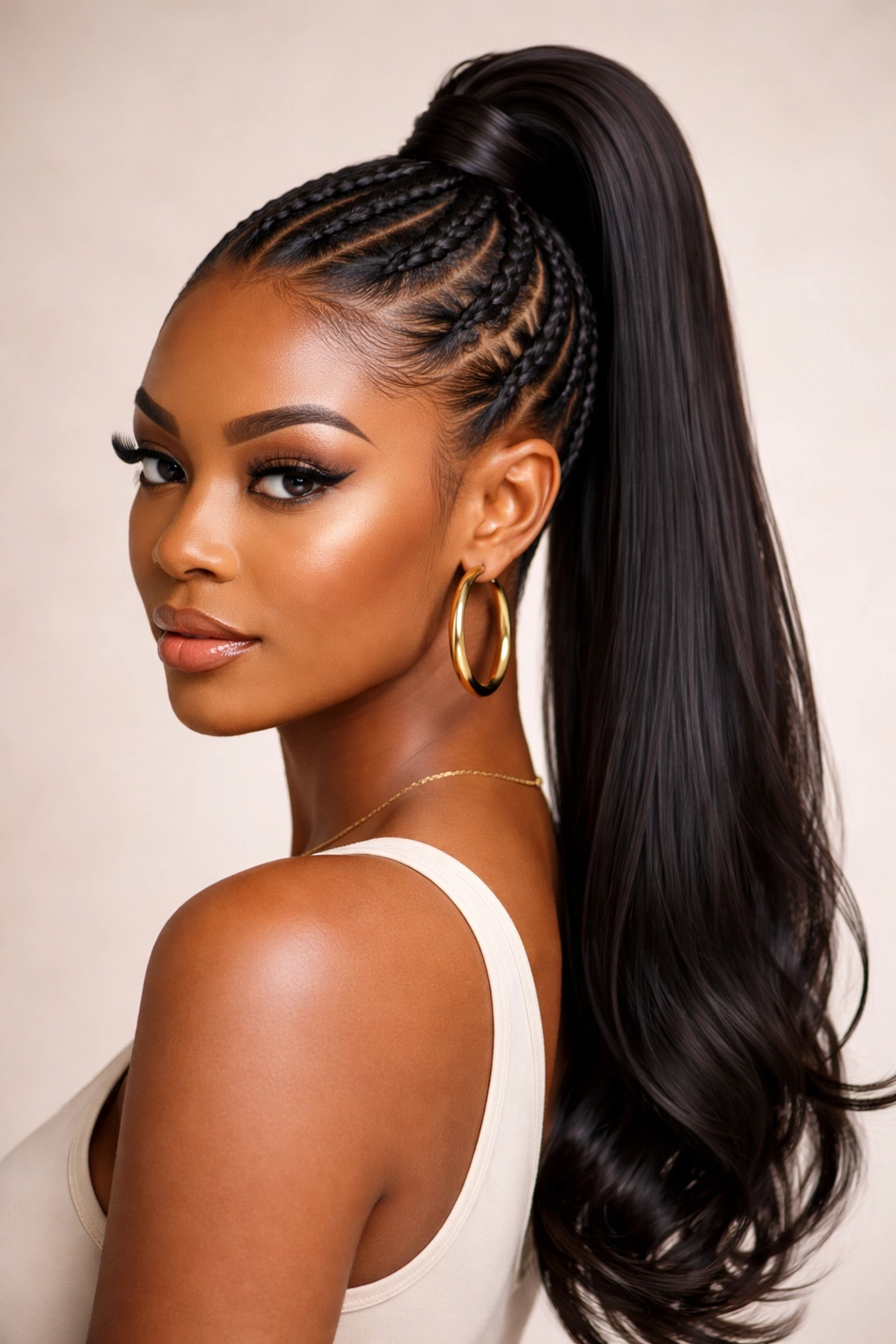
This is a showstopper. Instead of a straight back braid, you weave the braids in a criss-cross pattern that zig-zags across the scalp before gathering into a high, gravity-defying ponytail.
The Complexity
This style is best suited for those who are comfortable with braiding or who have a stylist to help. It requires precise sectioning and a steady hand.
Longevity
Because of the intricate nature of the criss-cross, this style can last for several days if wrapped correctly at night. Avoid heavy oils that might cause the braids to unravel or frizz up too quickly.
17. Ombré Extension French Braid Pony
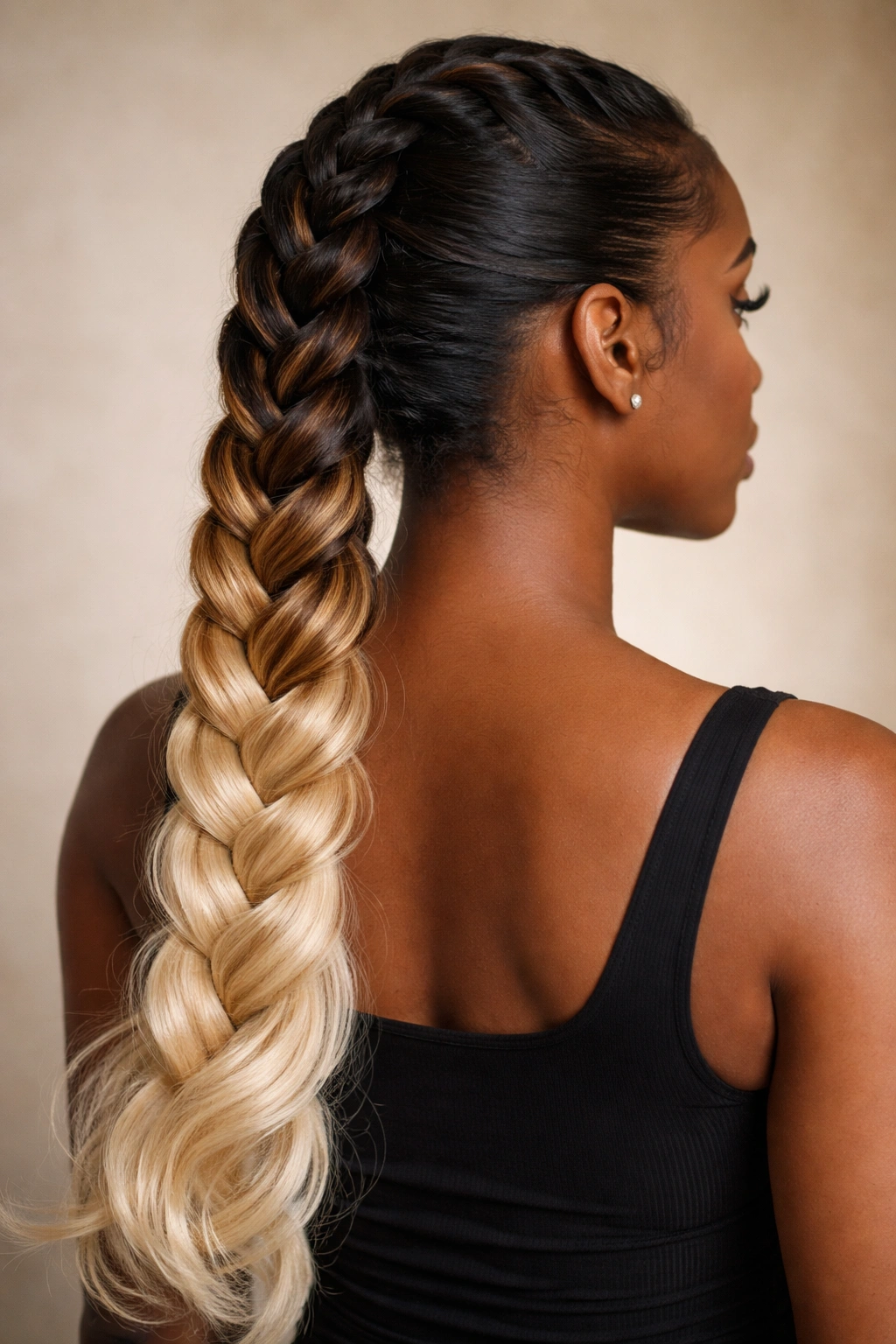
If you want to play with color without dyeing your own hair, use braiding extensions that feature an ombré color shift. A French braid ponytail with color-blocked or gradient extensions looks intentional and creative.
Why This Style Works
It adds depth to the hair. The gradient color in the braid makes the plait look more intricate than it actually is because the color shifts draw the eye to the pattern.
Styling Tip
Match the base color of the extension to your natural hair color to ensure a seamless transition where the braid begins. If the roots are off, the whole effect will look disjointed.
18. French Braid into Top Knot/Pony Hybrid
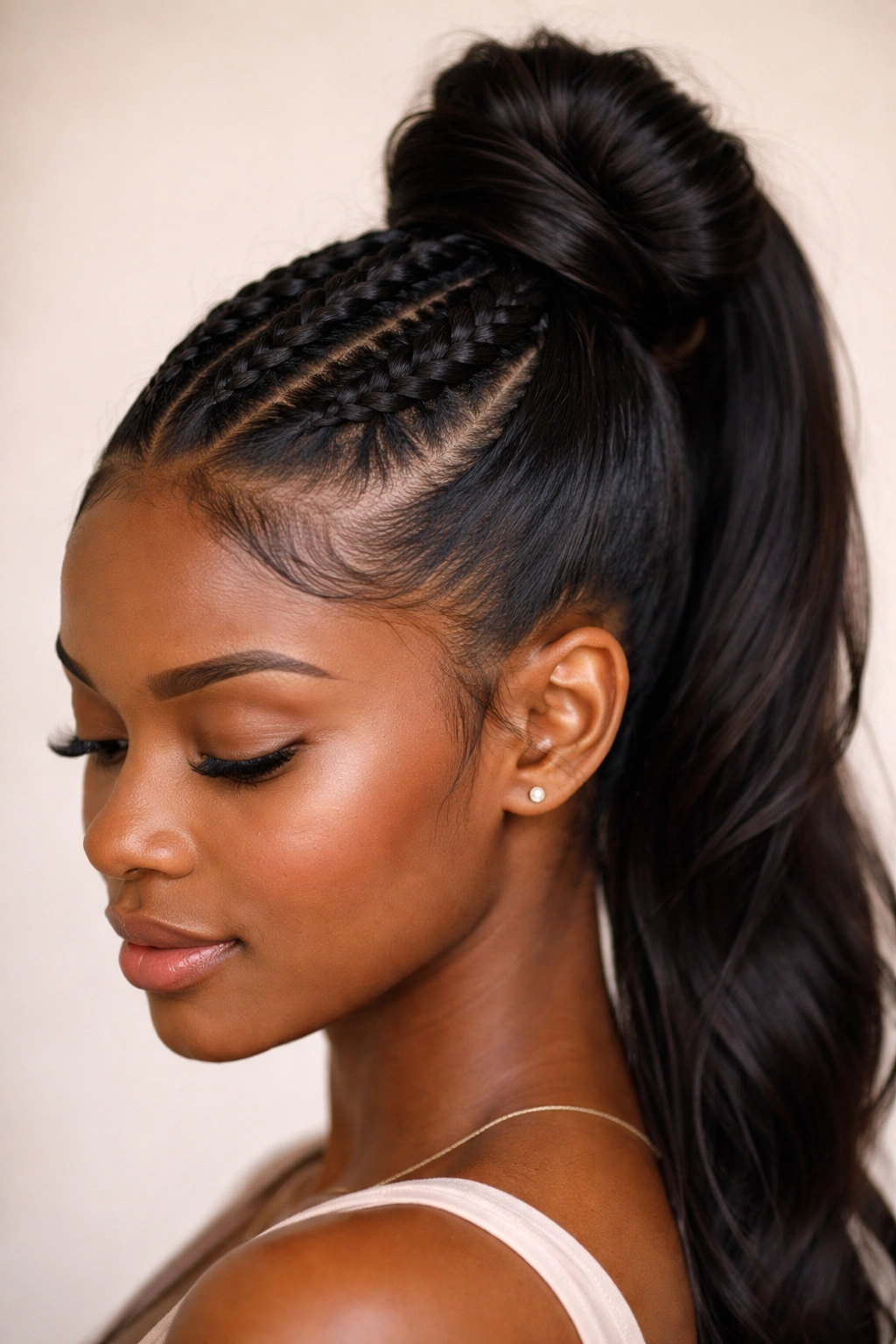
This is a fun variation. You start with the French braid, but instead of finishing with a traditional ponytail, you wrap the remaining hair into a messy, high bun or a “hunny-comb” knot.
The Vibe
This is the ultimate “cool girl” hairstyle. It’s practical, it’s stylish, and it looks like you put in effort even on a busy morning.
How to Execute
Once you reach the crown, gather the hair into a ponytail. Instead of pulling the hair all the way through the elastic on the final loop, pull it only halfway to create a loop (the bun). Wrap the ends around the elastic to hide it.
19. Cornrow-to-French Braid Transition Pony
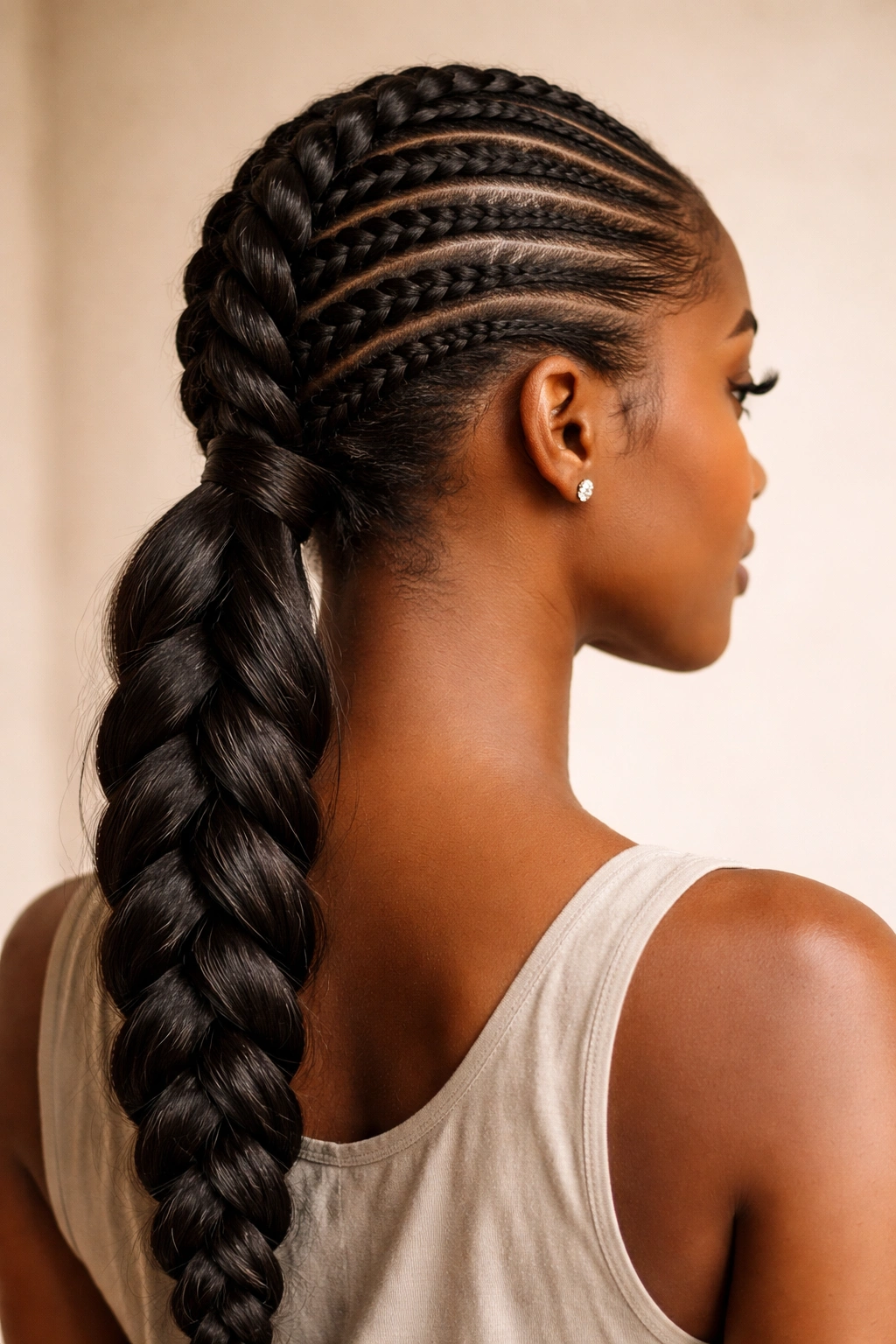
This style mixes techniques. You start with a few cornrows along the front and sides of the head, which then feed into a large, singular French braid that runs down the back.
Why It’s Unique
It provides the security of cornrows—which are great for keeping the hair flat and neat—with the decorative appeal of a French braid.
Precision is Key
The transition point where the cornrows end and the French braid begins needs to be smooth. Tuck the ends of the cornrow braids into the start of the French braid to hide them completely.
20. Messy/Boho French Braid Pony
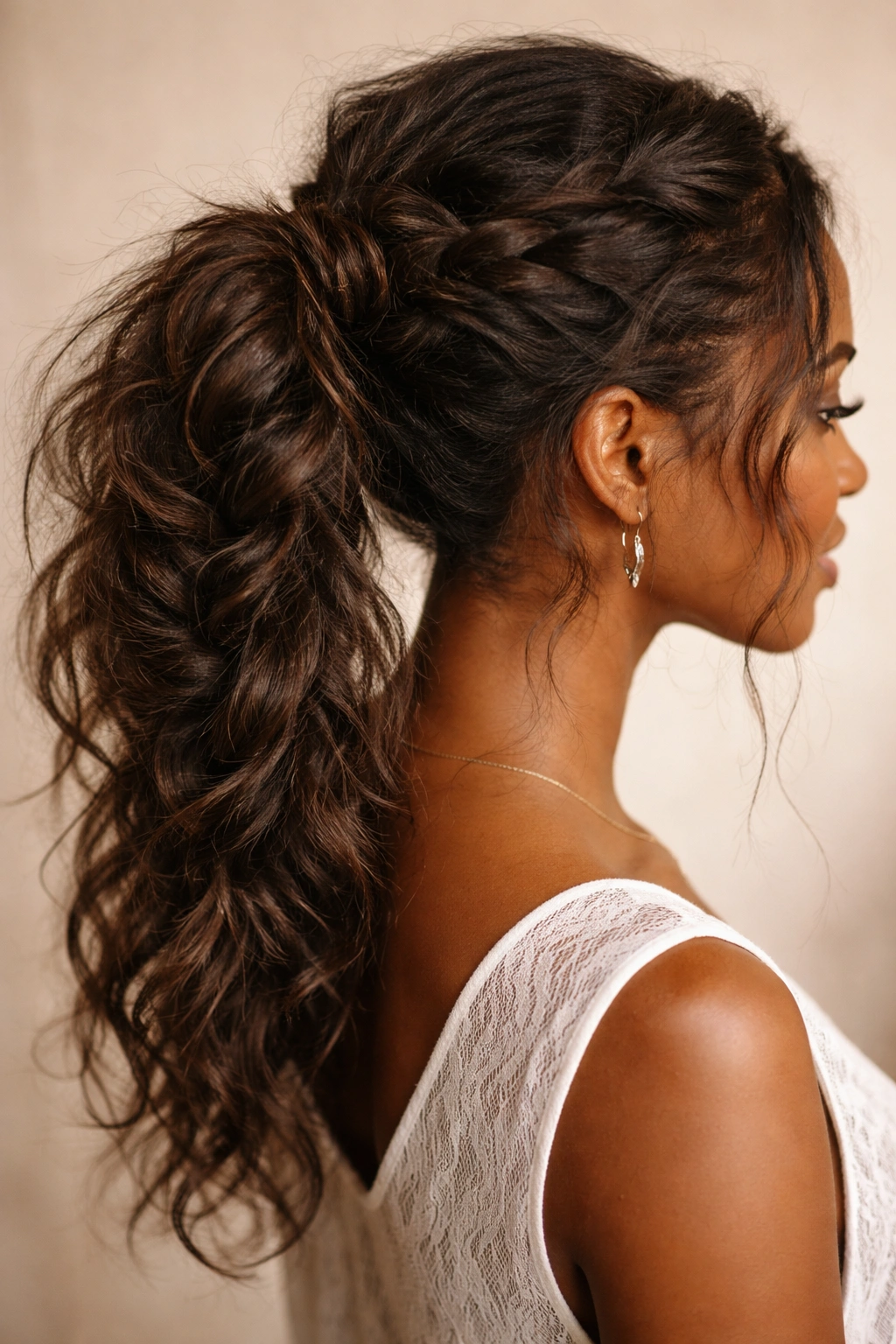
Not every French braid ponytail needs to be slick and perfect. The boho version embraces texture, flyaways, and a looser braid structure.
Embracing the “Mess”
This style looks better as the day goes on. Use a texturizing spray before you start to give your hair grip. This prevents the braid from slipping out.
Loosening the Braid
Once you have finished the French braid, take your thumb and forefinger and gently tug at the edges of each loop of the braid (a technique called “pancaking”). This makes the braid appear wider and softer.
21. Twisted French Braid into Sleek Pony
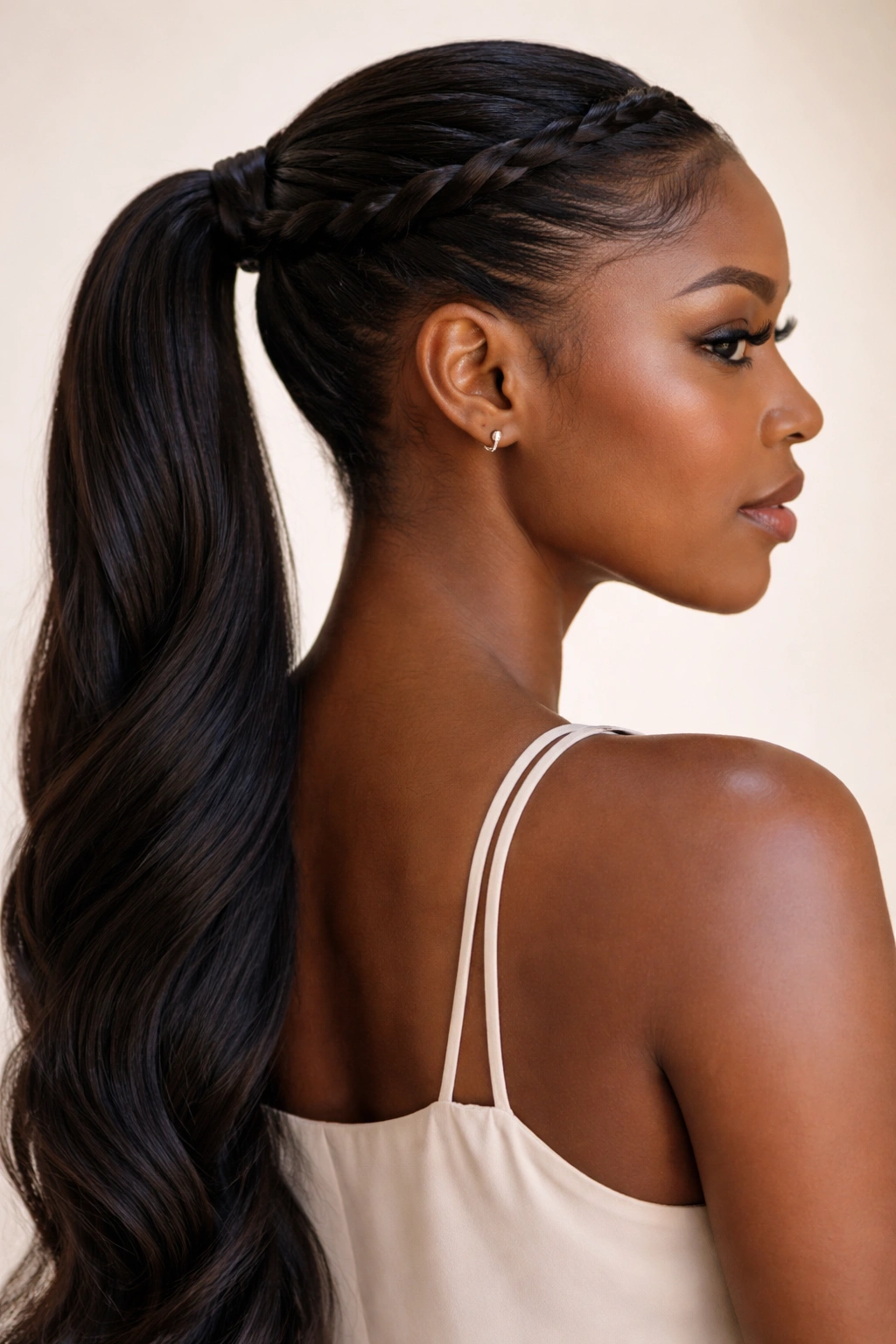
Instead of a standard three-strand braid, this version uses a two-strand twist technique while picking up hair from the sides. It creates a rope-like texture that looks incredibly unique.
The Technique
Take two sections of hair and twist them around each other, adding hair from the sides as you go. It produces a cleaner, more rope-like line than a traditional braid.
Why It’s Different
It’s a great alternative if you struggle with three-strand braiding. The twist technique is often faster and easier to manage for beginners.
22. Side-Part French Braid Ponytail
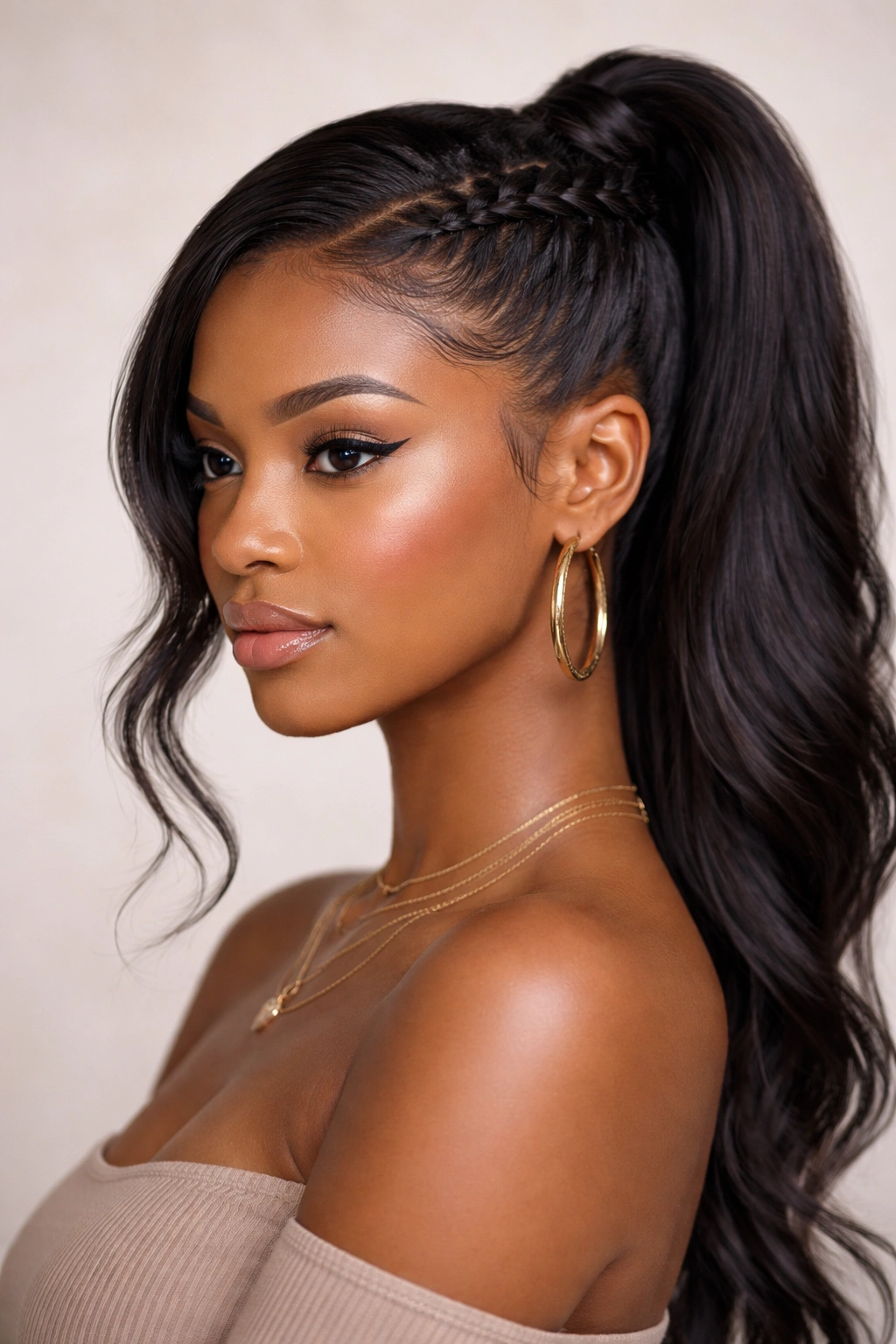
A deep side part can change your whole face shape. Pairing this with a French braid that follows the hairline creates an asymmetrical and sophisticated look.
Face Framing
The braid on the side with more hair creates a natural frame, while the braid on the side with less hair is pulled back, showing off your profile.
Balancing the Look
Because this is an asymmetrical style, consider balancing it with statement earrings. A long, dangling earring on the side with the deep part can draw attention to the sleekness of the hair.
23. Accessorized French Braid Pony (Silk Scarves/Ribbons)
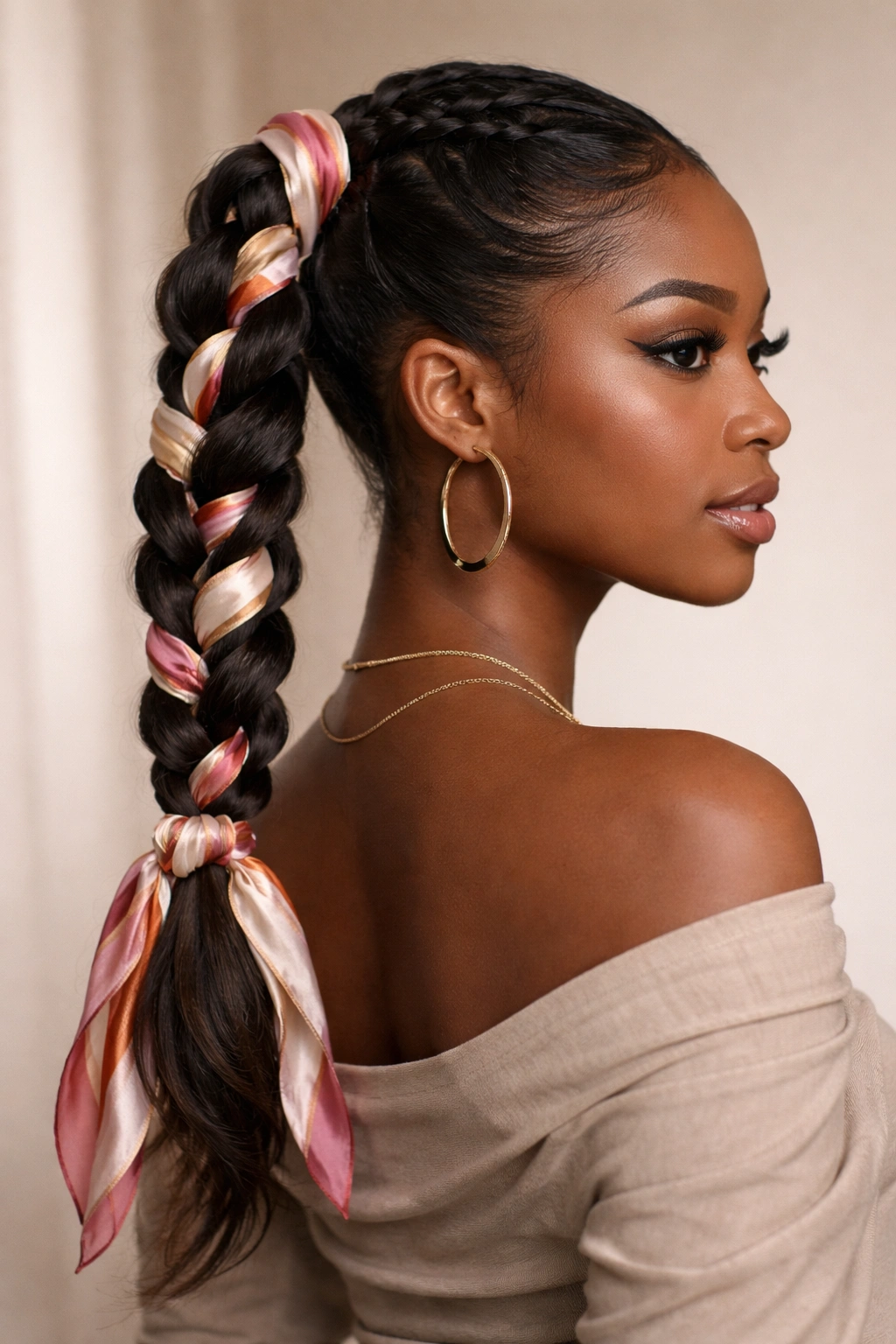
For the final style, we lean into creativity. Take your classic French braid ponytail and weave a silk ribbon or a thin scarf into the braid as you plait it.
Why It’s Timeless
Ribbons add a touch of softness and elegance. You can match the ribbon to your outfit, making the hairstyle part of your overall fashion statement.
The Method
Attach the ribbon to the base of the braid with a bobby pin or tie it to the first section of hair. Braid it along with your natural hair, ensuring the ribbon stays flat and doesn’t get twisted.
Preparing Your Hair for a Braided Style
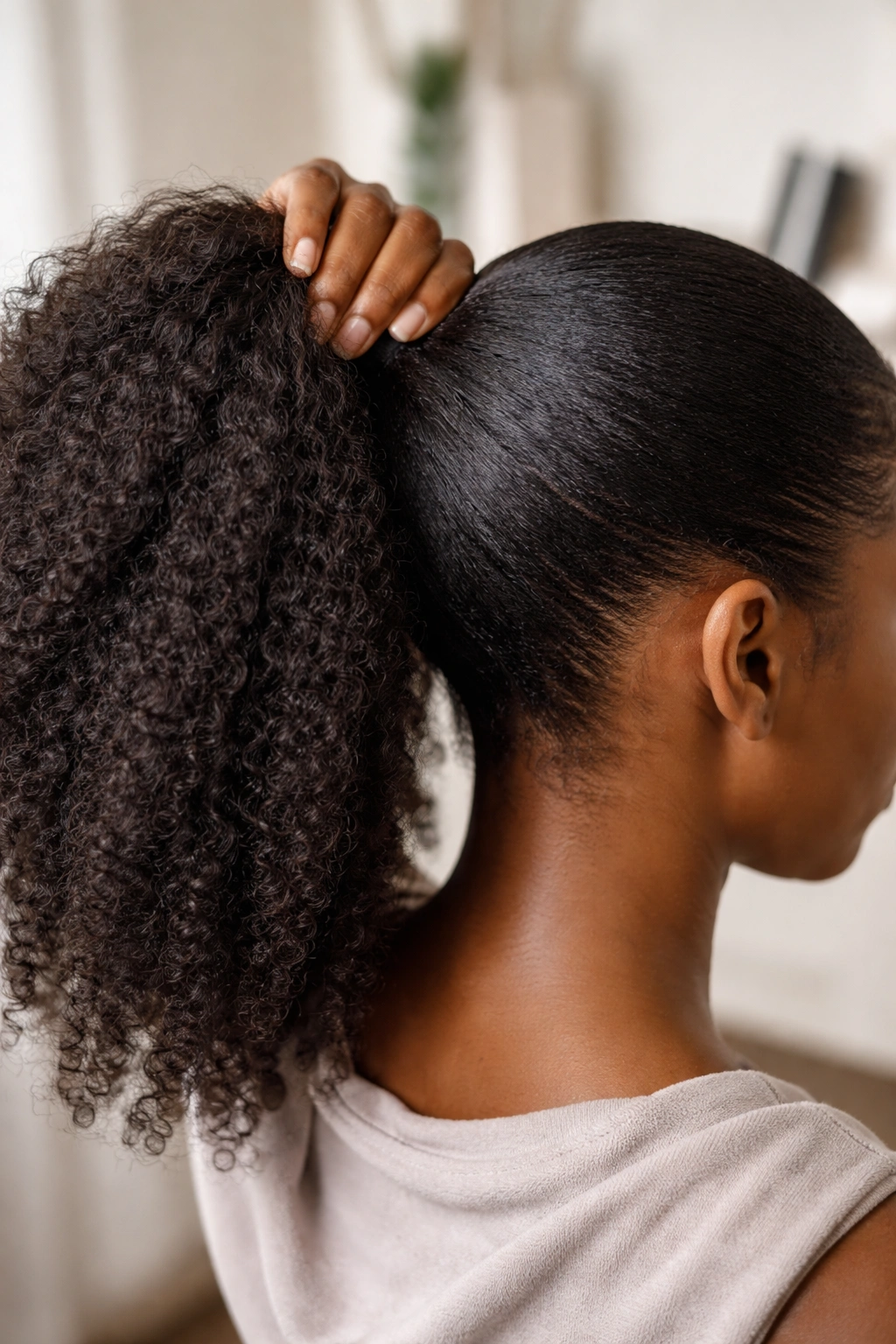
Before you even pick up a comb, the state of your hair determines the longevity and look of your ponytail. A French braid ponytail is only as good as the preparation that goes into it. Start with clean, detangled hair. If your hair is prone to tangling, use a detangling spray and a wide-tooth comb to work through knots from the ends up to the roots.
Never attempt to braid hair that is completely dry and brittle. Use a light leave-in conditioner or a water-based moisturizer to make the hair pliable. This reduces friction and prevents the snapping that often happens when you are pulling hair tight to form the braid. If you have 4C hair, ensure your hair is thoroughly stretched before braiding, either through banding, braiding the night before, or a gentle blowout.
Protecting Your Edges
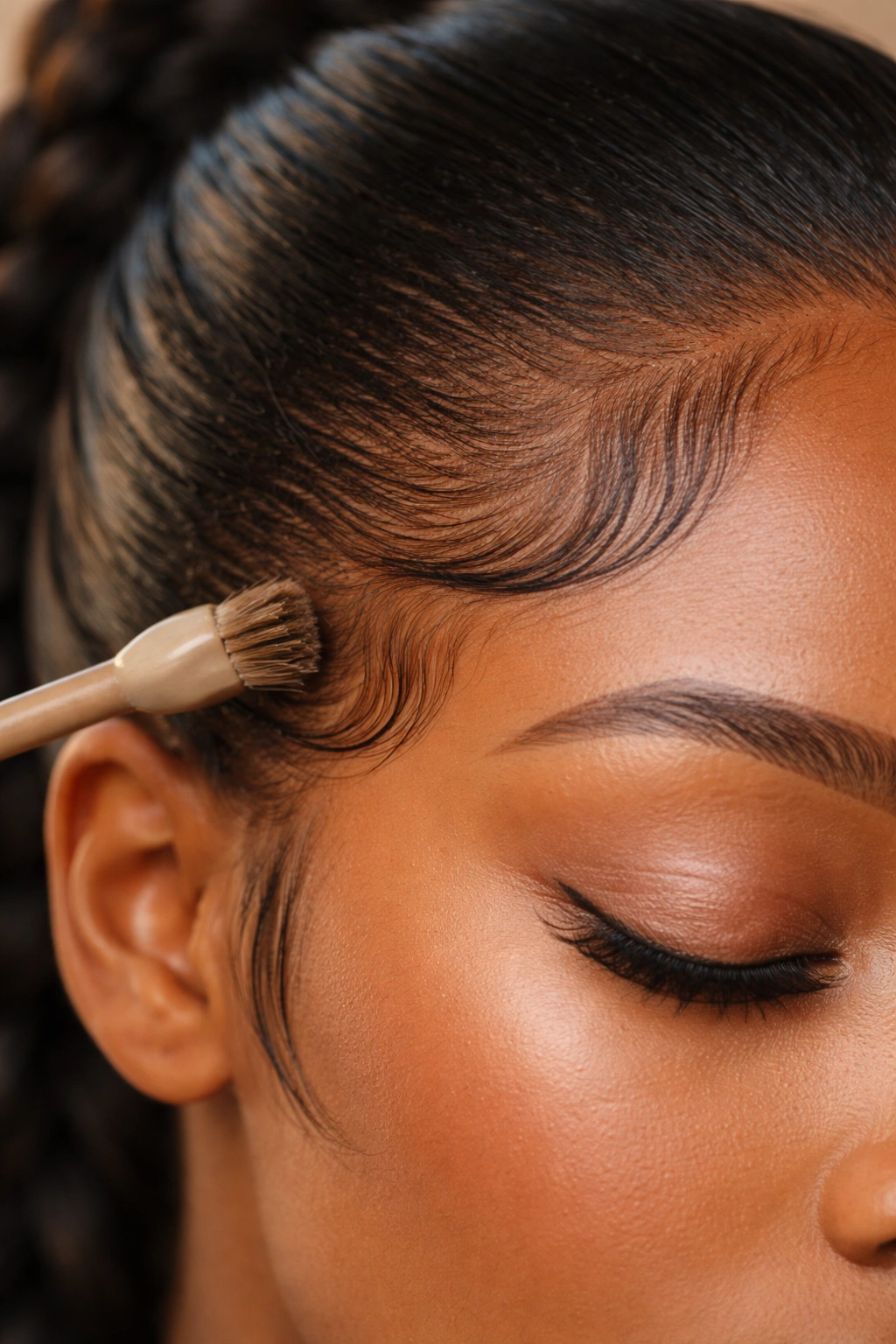
The biggest risk with any ponytail style, especially one involving braiding, is tension on the hairline. Your edges are the most delicate part of your hair. If you feel pain or excessive pulling while braiding, stop. Pain is a signal that your hair is being damaged at the root.
Use a high-quality edge control or a pomade with a soft hold to smooth the hair around your hairline. Avoid “super hold” gels that dry stiff and brittle, as these can cause the hair to snap when you try to manipulate it. When laying your baby hairs, use a soft-bristle toothbrush or a dedicated edge brush. This gives you precision without the harshness of a hard brush.
Nighttime Maintenance Routine
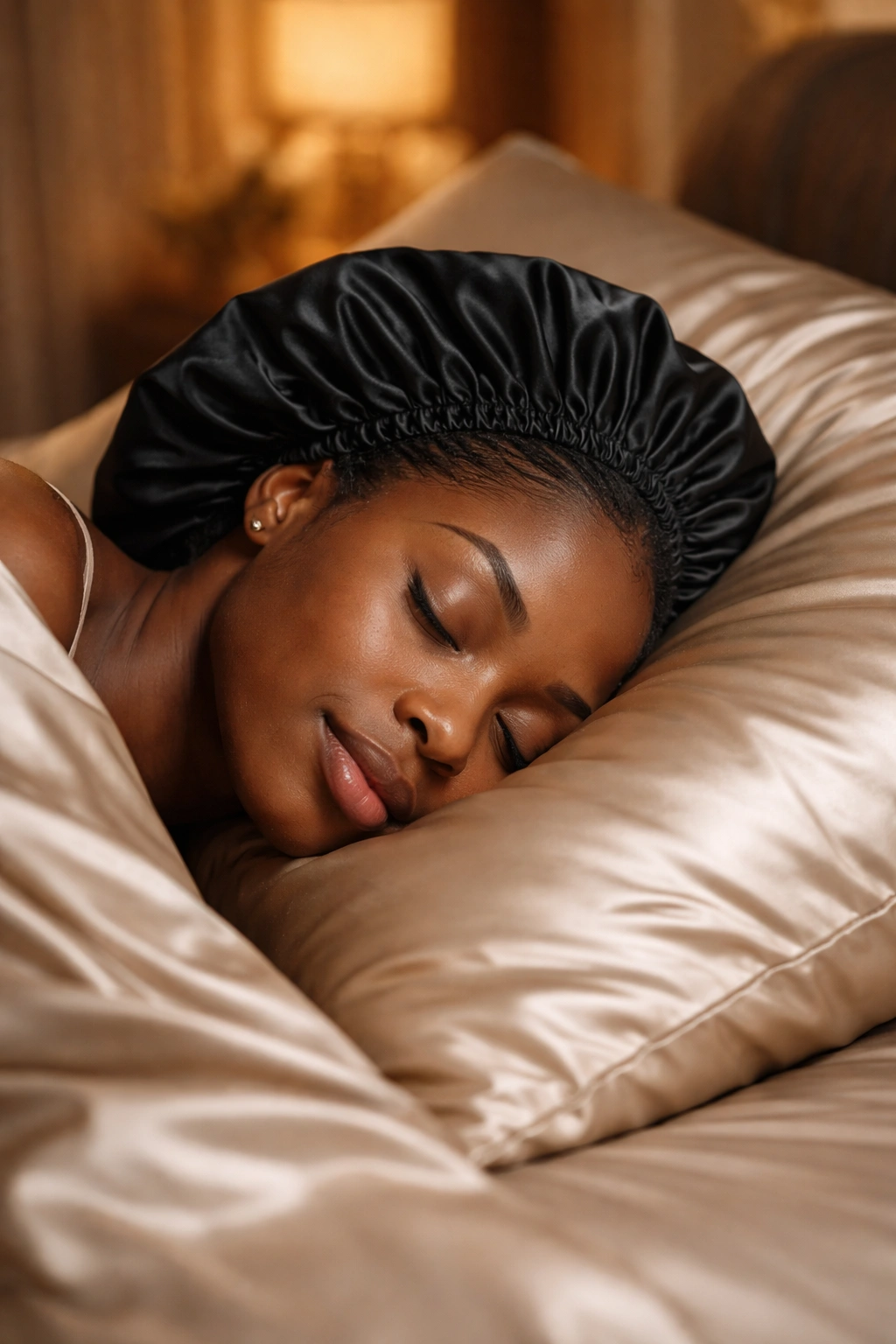
You spent time creating a beautiful style; do not let it unravel the moment your head hits the pillow. Sleeping on cotton pillowcases is a recipe for frizz and friction. If you don’t already have one, invest in a high-quality silk or satin bonnet or a satin pillowcase.
If your ponytail is high, a bonnet might be tricky. You can gather the ponytail and loosely wrap it in a silk scarf to keep the frizz at bay. If you have braids, keep them moisturized. A light scalp oil—like jojoba or sweet almond—can keep the scalp healthy while your hair is tucked away. Apply it sparingly using a dropper to avoid buildup.
Knowing When to Take It Down
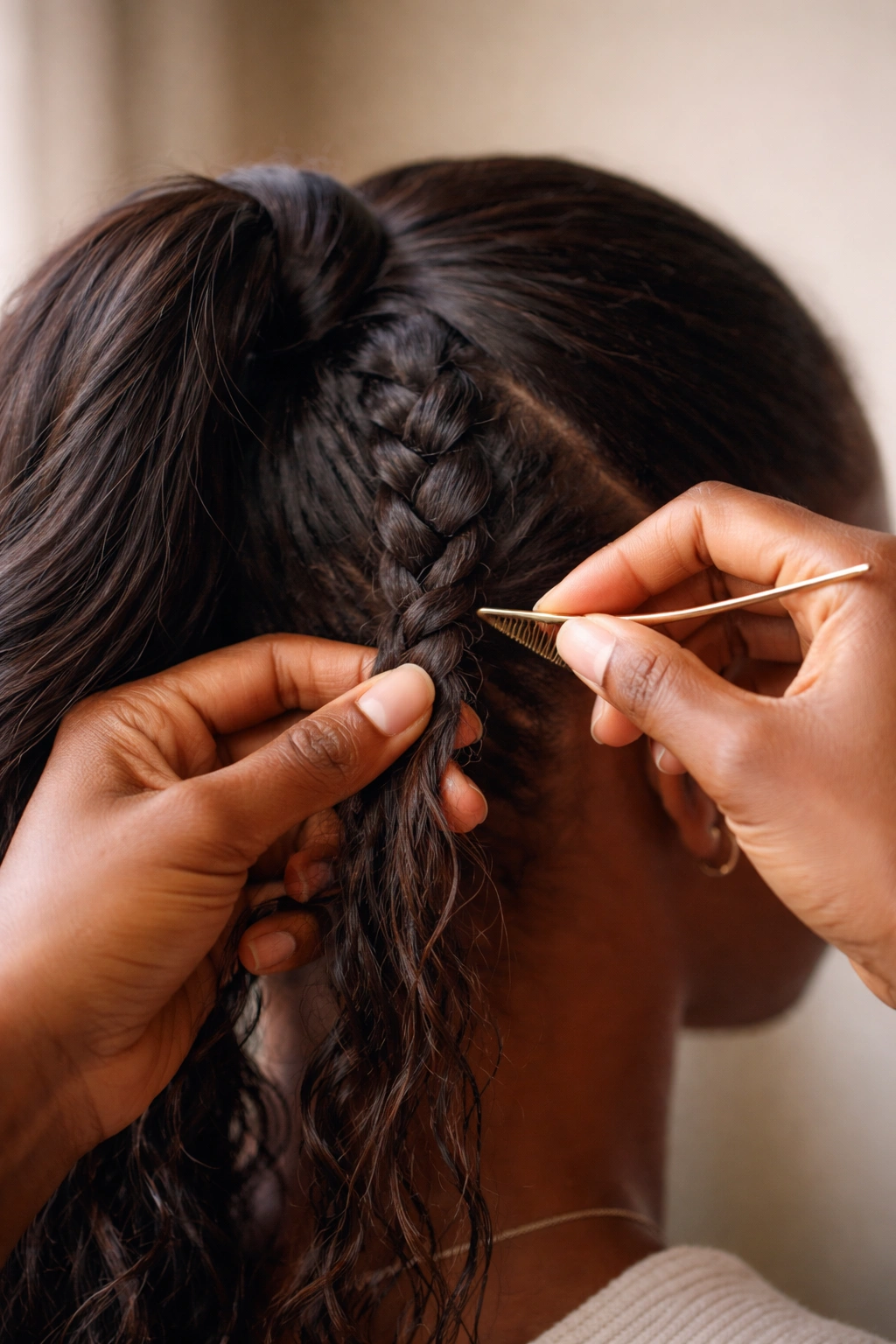
Protective styles like French braid ponytails are meant to be temporary. Keeping them in for too long is a common mistake that leads to breakage and matting. A good rule of thumb is to keep the style in for no longer than two weeks.
When removing the braids, do not just rip the hair ties out. Use a pair of rounded-tip scissors to carefully cut the rubber bands if you used them, and gently unpick the braids with a tail comb. Use a conditioner or an oil spray as you un-braid to give the hair “slip,” which makes the removal process much easier and keeps your hair intact. After taking the style down, give your hair a deep conditioning treatment to restore moisture before jumping into the next hairstyle.
The Bottom Line
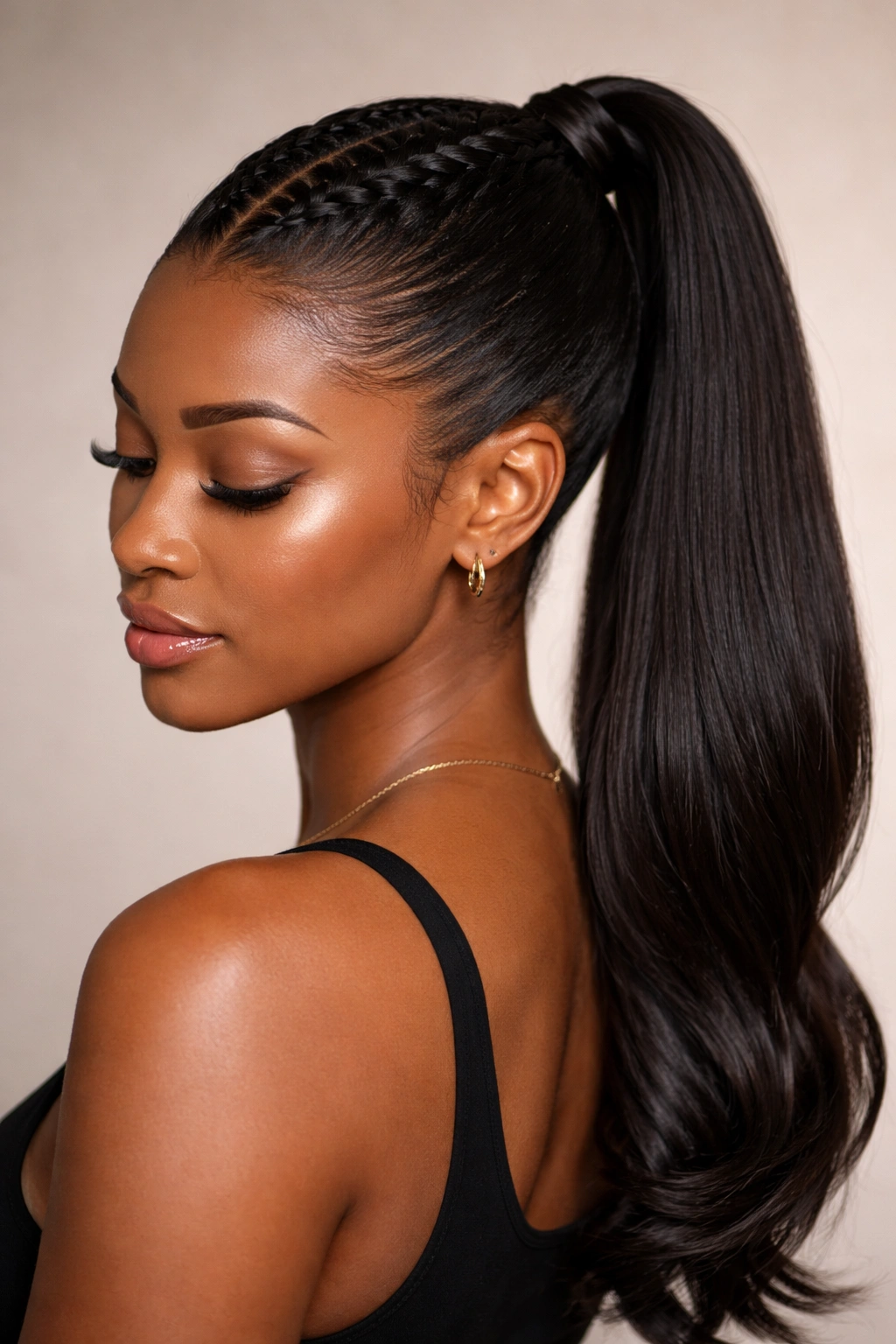
The French braid ponytail is more than a way to get hair out of your face. It is a fusion of technique, art, and hair health. By choosing the right variation—whether you want a sleek, high-fashion look or a loose, boho-inspired style—you can protect your natural hair while showing off your personal style.
Remember, the goal is to balance aesthetic appeal with the health of your scalp. Keep the tension reasonable, protect your edges, and don’t be afraid to accessorize. Your hair is an expression of you, and with the right approach, a braided ponytail can be your most versatile and reliable look.
