

Short haircuts for natural curly hair are some of the most freeing, stunning, and low-maintenance choices you can make for your coils — and yet they’re still the styles that intimidate a lot of people the most. There’s something about cutting your natural hair short that feels like a leap. But here’s what people find on the other side of that leap: their curl pattern is more visible, their wash day is dramatically shorter, and their hair has a confidence and shape that longer length often works against. Short natural cuts aren’t a sacrifice. They’re a statement.
What “Short” Actually Means for Natural Curly Hair
Before we get into the styles, let’s talk about what “short” means in the context of natural curly hair — because it’s different from straight hair and it matters for setting expectations. When your curls are wet or stretched, “short” might look mid-length. When those same curls dry and coil back up with full shrinkage, they can sit several inches higher. Shrinkage is real, and it’s something you plan around, not something to fight.
For this list, “short” means hair that sits at or above the chin when fully dry in its natural curl state. That spans a range from the very close-cut teeny weeny afro all the way to a chin-grazing curly bob. The styles within that range are remarkably diverse — more than most people expect when they imagine “short natural hair.”
The Big Advantage of Short Natural Cuts
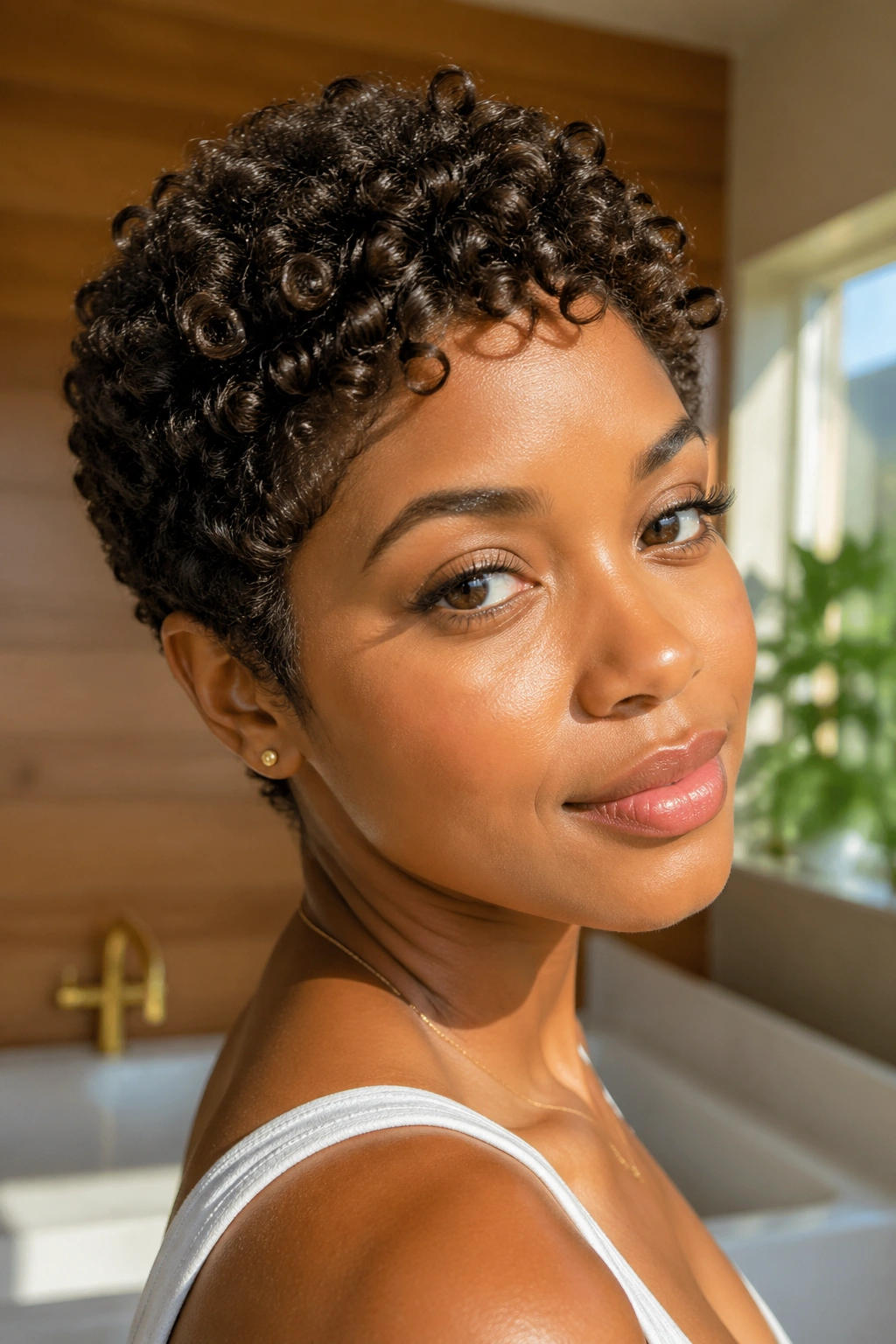
The practical benefits of wearing short natural curly hair are significant and often underestimated. Wash day takes a fraction of the time — no detangling hours, no extended drying time, no sectioning and retwisting an entire head of long hair. Product usage drops. Breakage from manipulation is reduced because there’s simply less hair to handle. And styles that would take 45 minutes on long natural hair take 10 minutes on a short cut.
Short natural cuts also tend to have better-defined curl patterns. Less weight pulling on each strand means curls spring more fully, coil more tightly, and maintain definition longer between wash days. The curl you see on a short cut is your curl pattern at its truest expression.
How to Find a Stylist for Short Natural Hair
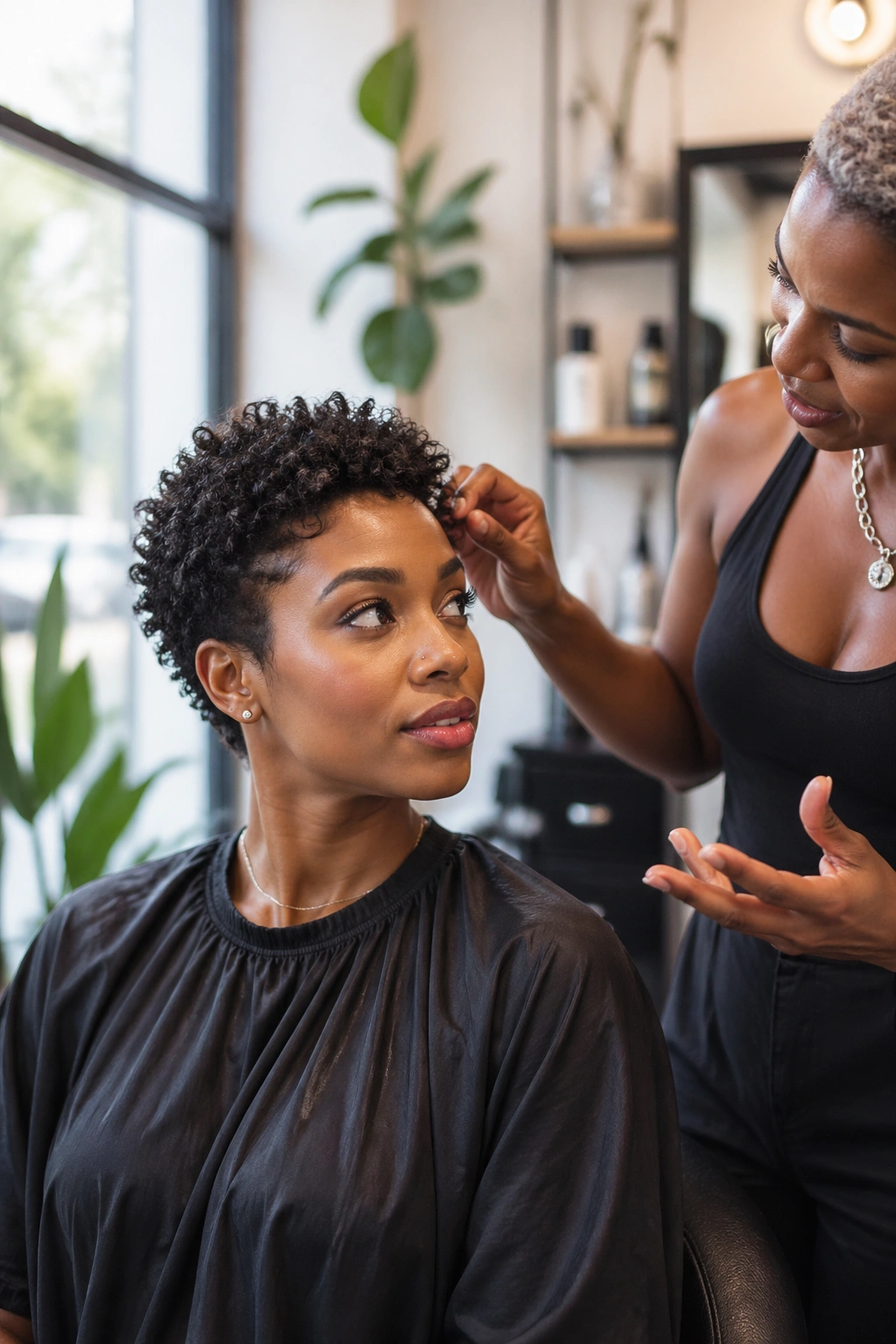
This is genuinely important: not every natural hair stylist is comfortable cutting natural hair very short. Some specialize in length retention and rarely work with short styles. Others have a barbershop background and are excellent with tapered and faded short cuts but less experienced with curl-specific shaping. And a small, skilled subset is equally excellent at both.
What you’re looking for is someone who has portfolio photos of short natural styles on clients with your curl type. Ask directly whether they cut short natural hair regularly and whether they work with your specific texture. If they say yes to both and can show you examples, you’re in good hands.
Protecting the Hairline and Edges on Short Cuts
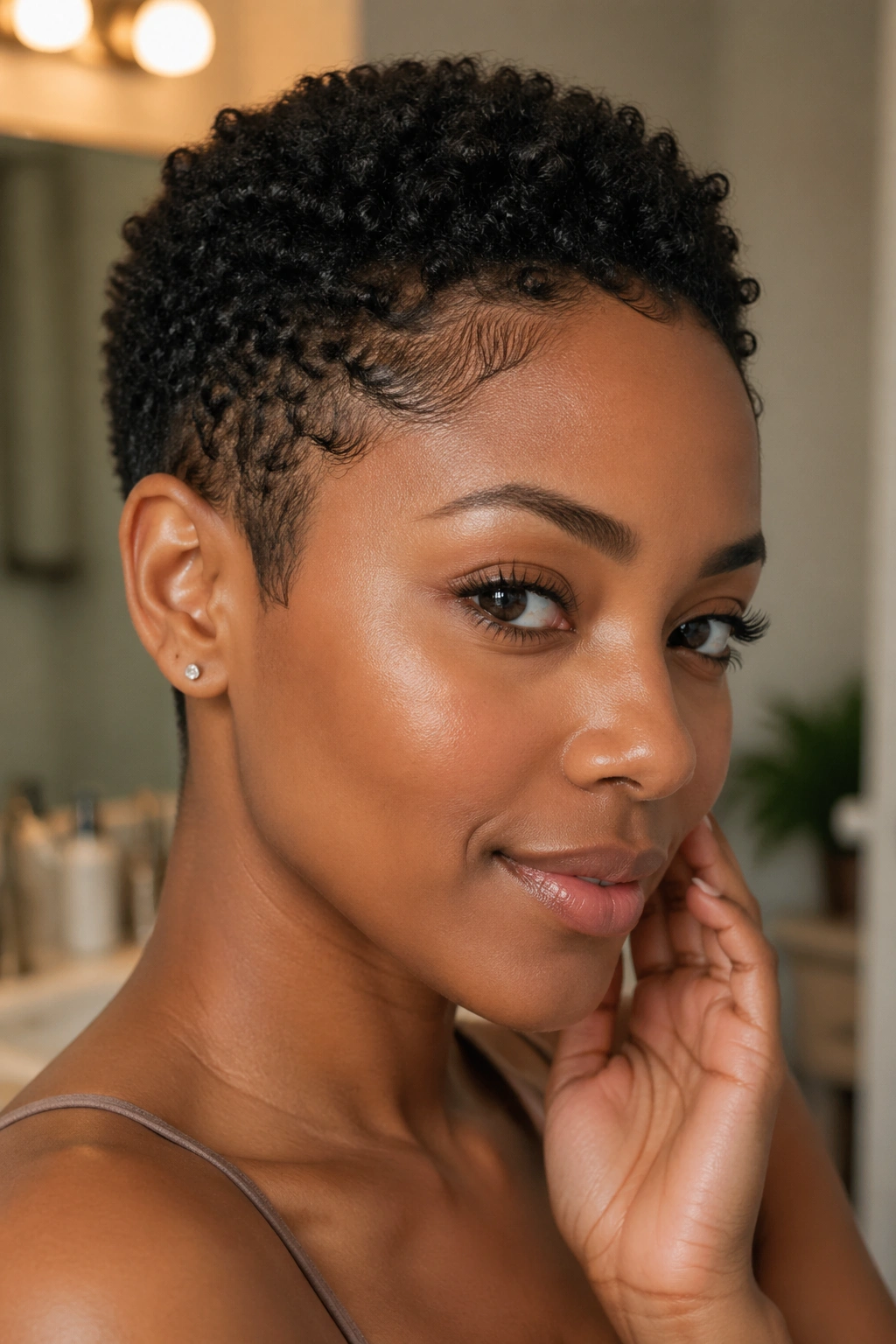
One of the most common concerns about short natural cuts — especially faded or tapered styles — is the health of the hairline and edges. The nape and temples are already the most fragile areas of natural hair, and close cutting or frequent fading in those areas can stress the hairline over time. Work with a stylist who is careful and precise, not aggressive, in these areas. Use edge control sparingly (not daily), and make sure you’re moisturizing your edges regularly even if your hair is very short overall.
Styling Products for Short Natural Curly Hair
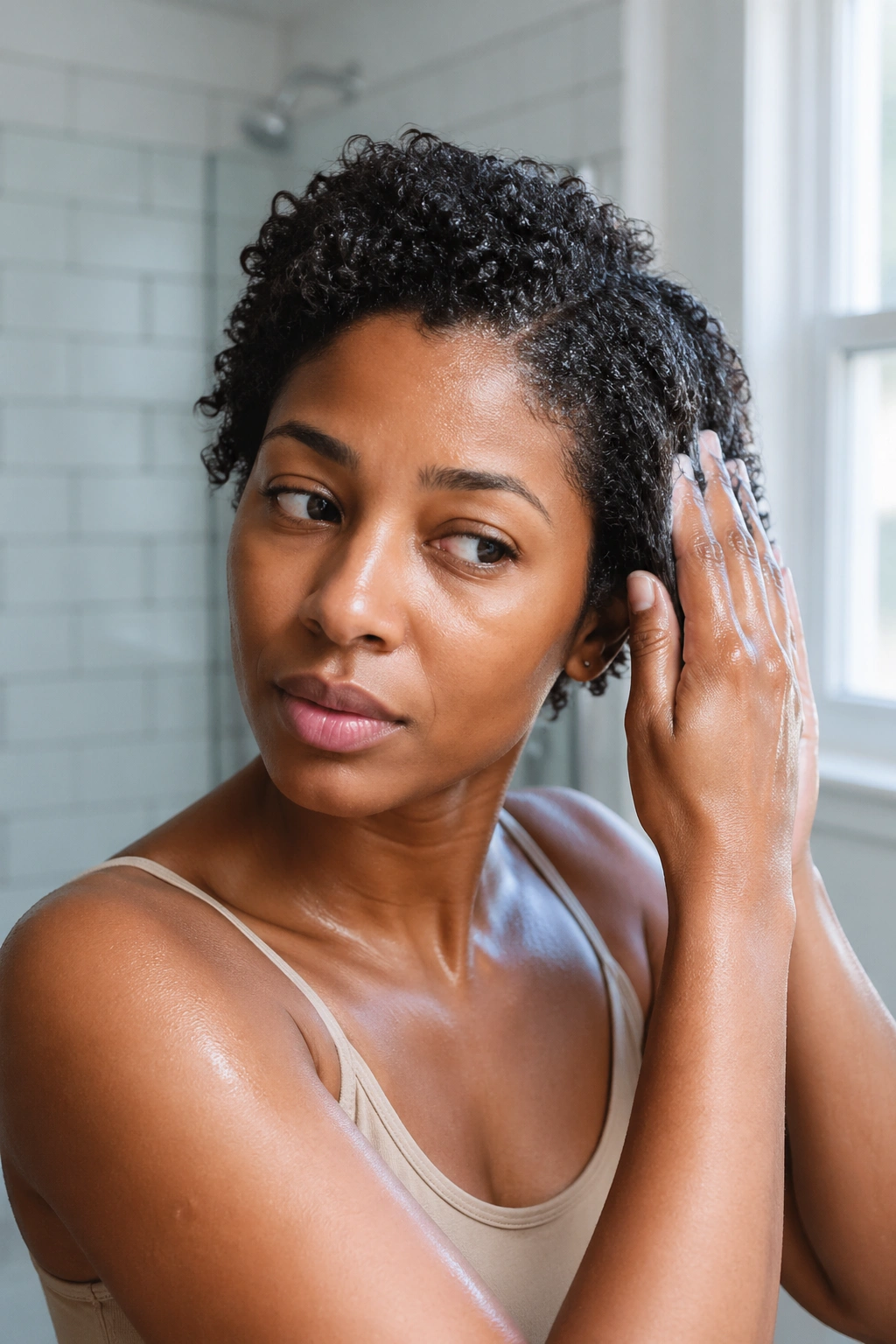
Short natural curly hair needs moisture just as much as longer hair — possibly more, because short strands can dry out faster in the absence of length to retain moisture. Your product routine should include a water-based leave-in conditioner, a curl-defining cream or gel, and a sealing oil. Apply on damp hair, scrunch upward to encourage curl formation, and air dry or diffuse on low. For very short styles, a small amount of product goes a long way — start with less than you think you need and add more as needed.
27 Short Haircuts for Natural Curly Hair
1. Teeny Weeny Afro (TWA)
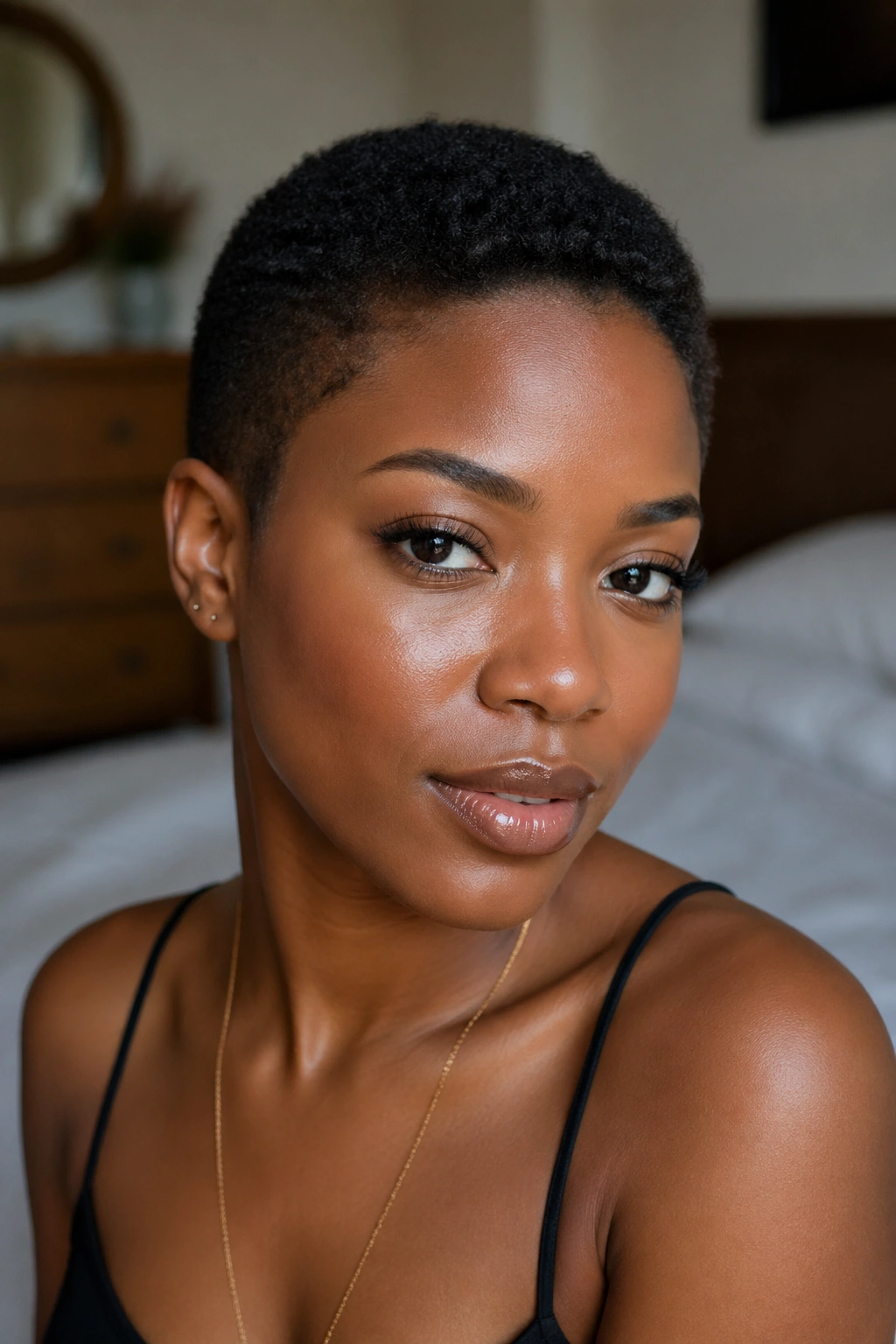
The TWA is the foundation of natural short hair — close-cut enough that you’re working with one to three inches of natural growth, loose enough that your curl pattern is clearly visible. It’s the style that shows your natural hair at its most unmediated, and it’s genuinely beautiful. Pick it out gently while damp for maximum volume, or let it dry flat for a sleeker look.
Why It Works
The TWA requires almost no product, dries in minutes, and requires zero styling effort beyond moisturizing. It’s also the starting point for everyone who does a big chop — which means it’s a style that represents freedom, intention, and a new beginning for a lot of people.
- Curl types: works for all natural curl types
- Styling time: under 5 minutes
- Durability: excellent between wash days
- Tip: Apply a light moisturizer and a small amount of shea butter or oil to freshly washed TWA hair. Let it air dry. That’s all you need.
2. The Tapered Cut
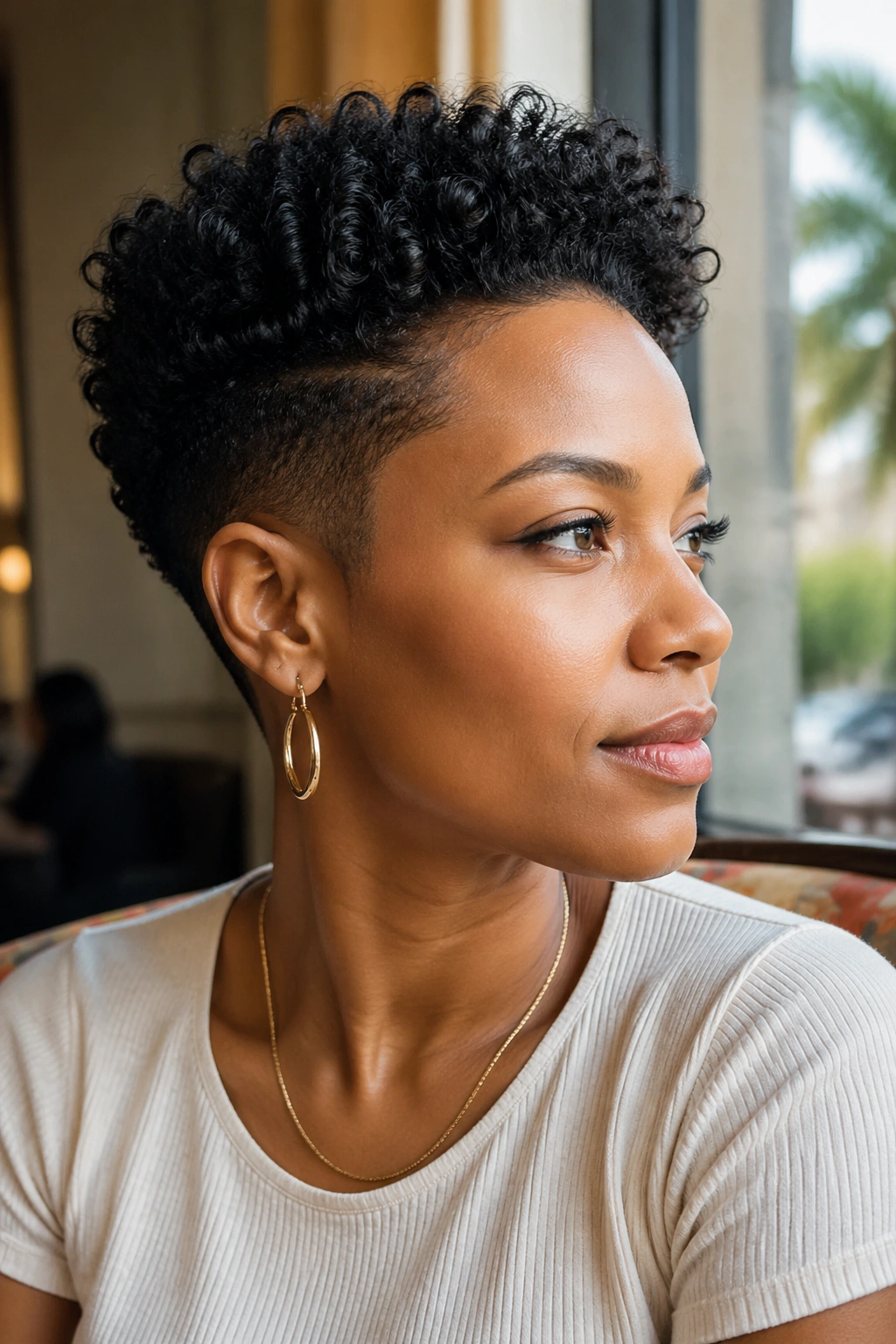
The tapered cut is a classic — and it earns that status because it works. Hair is cut very close at the sides and nape and gradually increases in length and volume toward the crown. The taper creates a flattering, silhouette-enhancing shape that works on every face shape and looks sharp whether you’re in a boardroom or at a cookout.
On 4C hair especially, the tapered cut is stunning because the dense, tight coils at the crown create a dramatic height contrast with the close-cut sides that looks deliberate and powerful.
3. The Curly Pixie
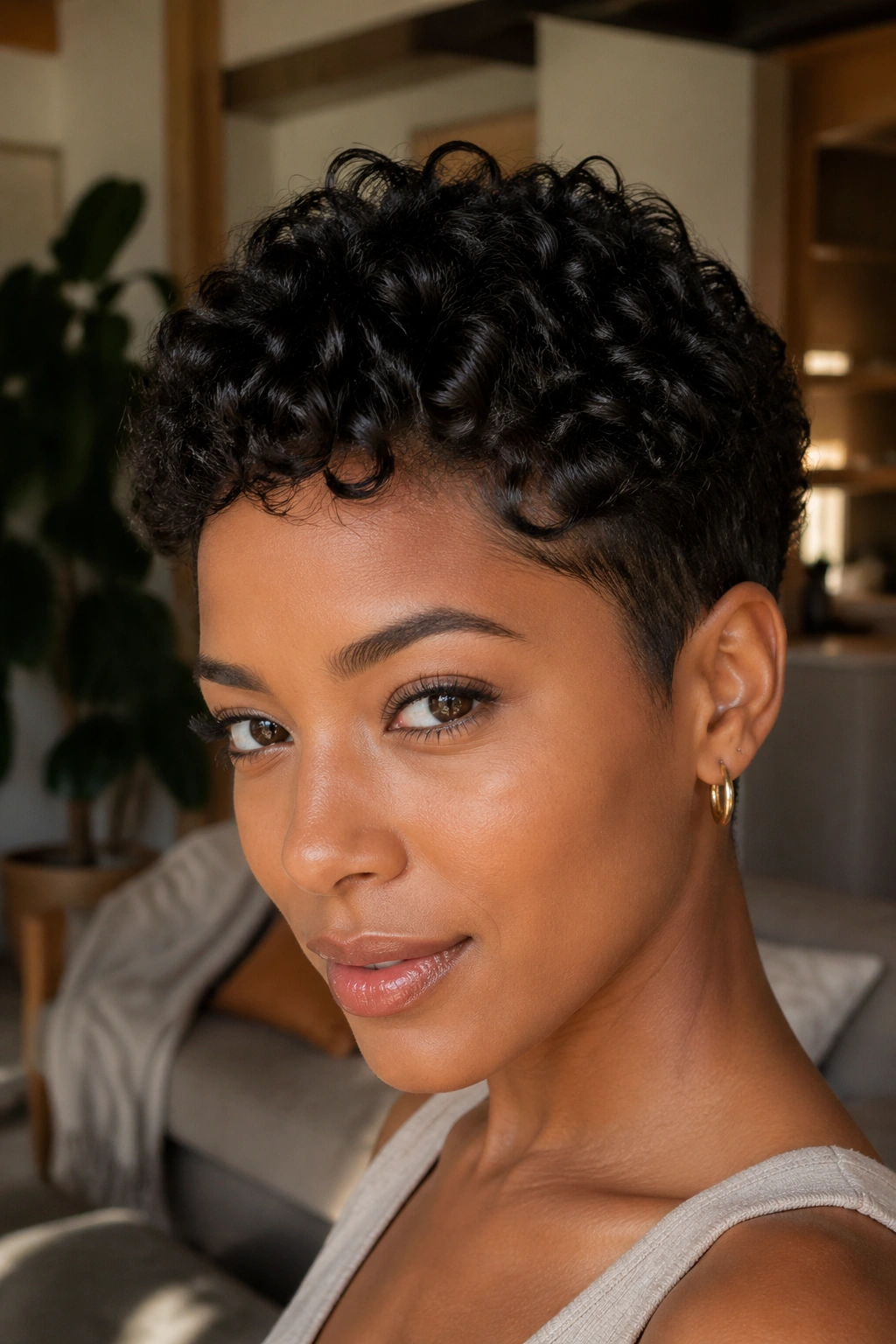
The curly pixie is the short haircut that keeps just enough length to show off curl definition — usually two to four inches at the top and crown, with shorter sides and nape. It’s one of the most face-framing cuts available, and on curly natural hair, the texture at the top adds a dimension of visual interest that a pixie on straight hair simply can’t achieve.
Getting the Right Pixie
Ask for your pixie to be cut dry so your stylist can see exactly where each curl falls when it’s in its natural state. Specify how short you want the sides and whether you want a hard fade, a soft taper, or a more gradual blend. The crown length is the most important measurement — that’s where your curl personality lives.
- Best for: 3B–4C curl types
- Works especially well on: oval, heart, and diamond face shapes
- Styling time: 5–10 minutes
- Tip: A curly pixie looks best with defined curls at the crown. Apply a small amount of curl cream and scrunch before air drying.
4. The Low Fade With Natural Top
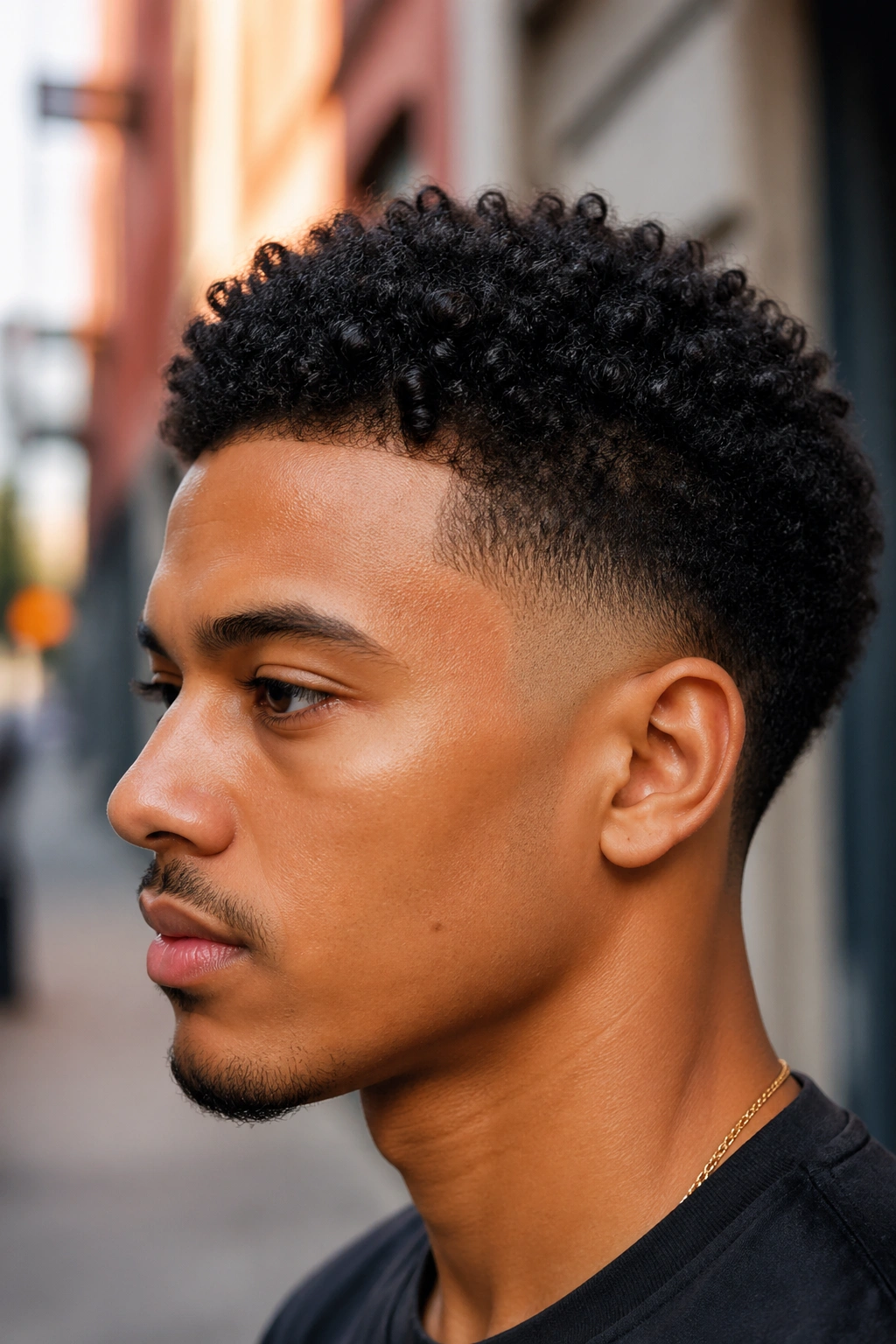
A low fade shaves the hairline close and blends gradually upward, with a clean line that transitions into the natural curl pattern above. The contrast between the tight, clean fade at the temples and nape and the free-form natural curls above it is visually dynamic and very current. This is one of the most popular short natural styles right now, and for good reason — it looks polished even on a casual day.
5. The Mid Fade
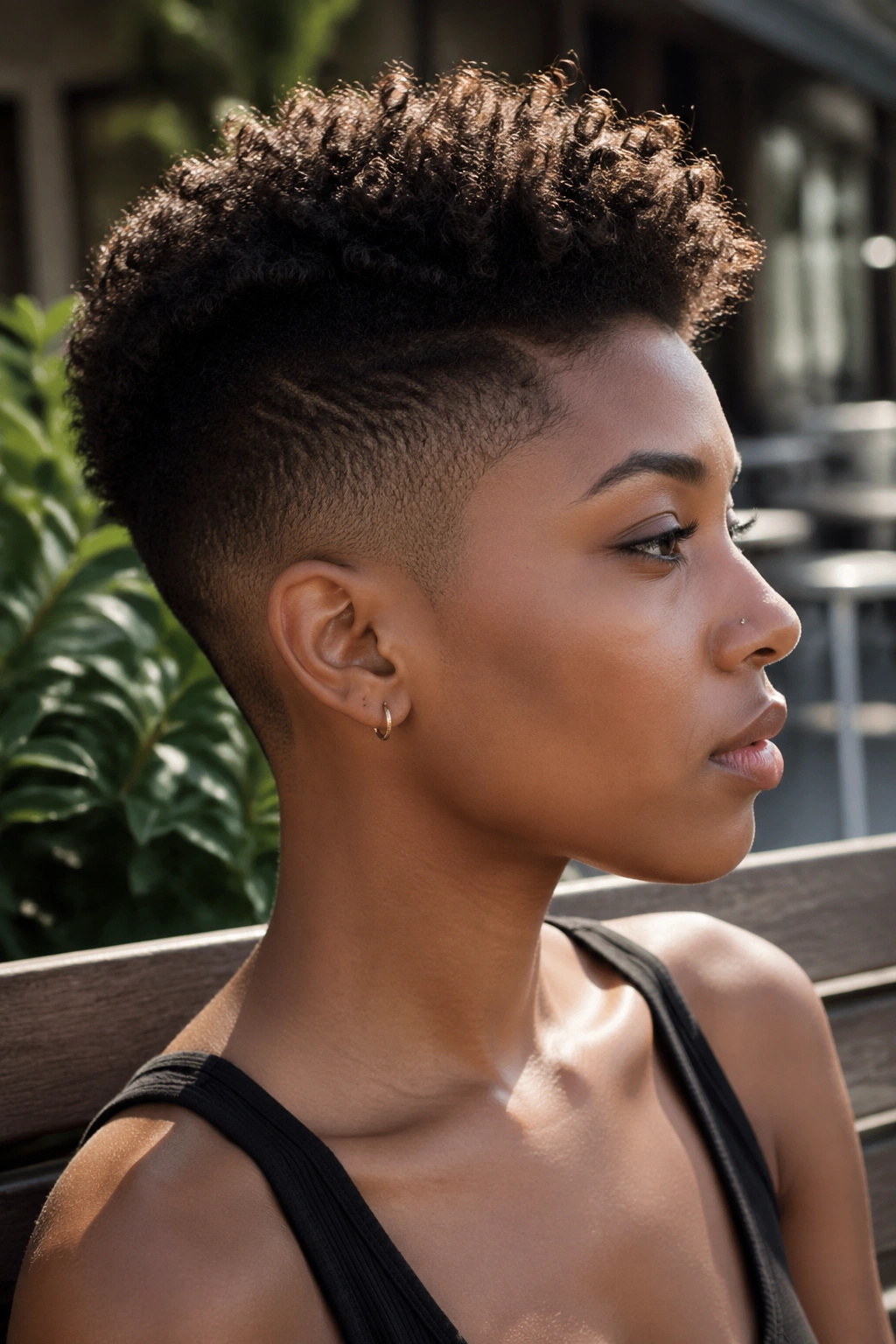
Similar to the low fade but the fade starts and blends higher on the head — usually around the temple line rather than the hairline. The mid fade creates a more dramatic length contrast between the short sides and the natural curl top, which makes the crown section appear even taller and more voluminous. On 4B and 4C hair, the visual impact of a mid fade with a full natural top is extraordinary.
6. The High Fade
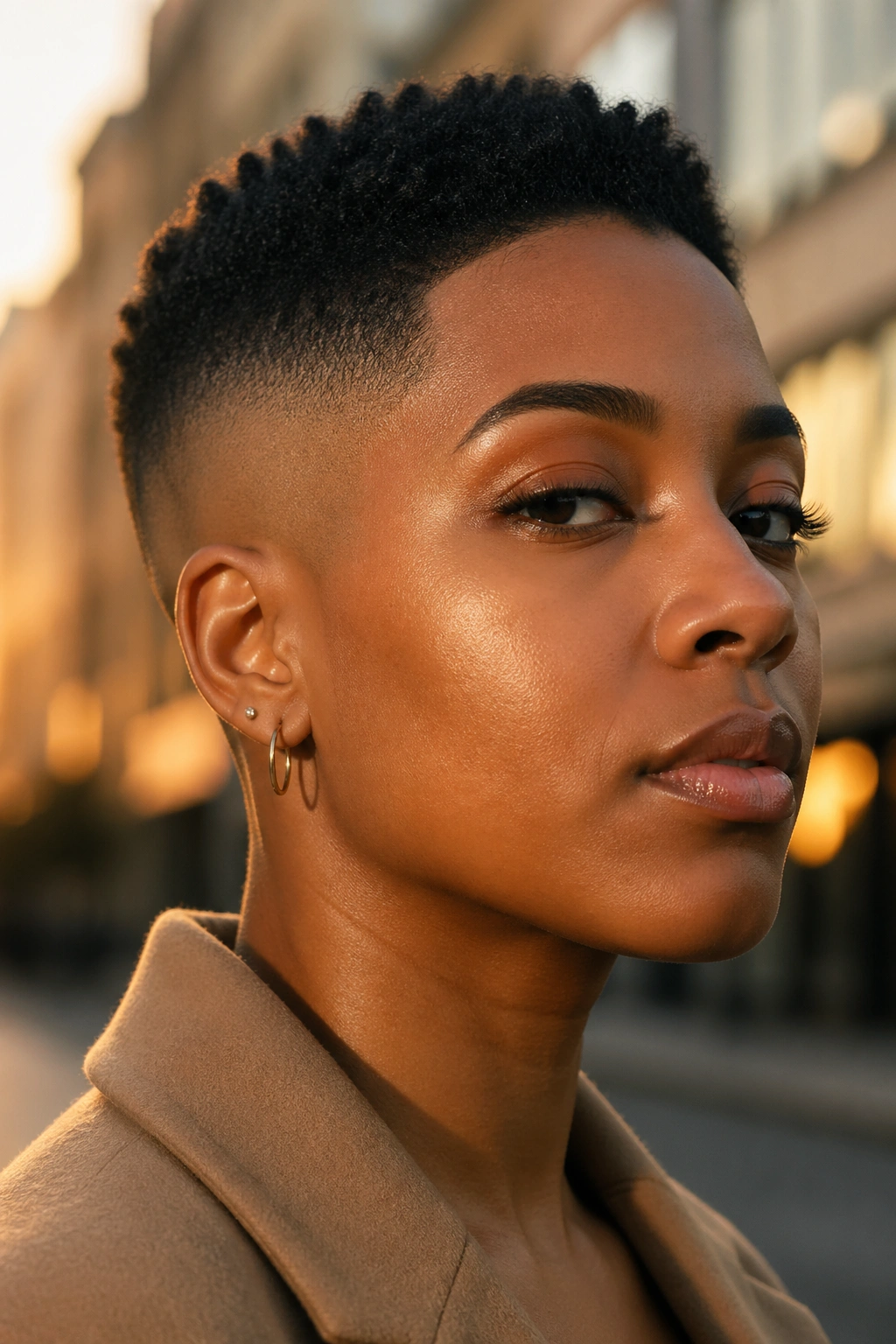
The high fade carries the close-cut section almost up to the crown area, leaving only the very top section as natural length. It’s the most graphic and dramatic of the three fade options, creating an almost geometric silhouette. The high fade is a bold choice that suits people who want their hair to function as a fashion statement rather than a background detail.
7. The Frohawk
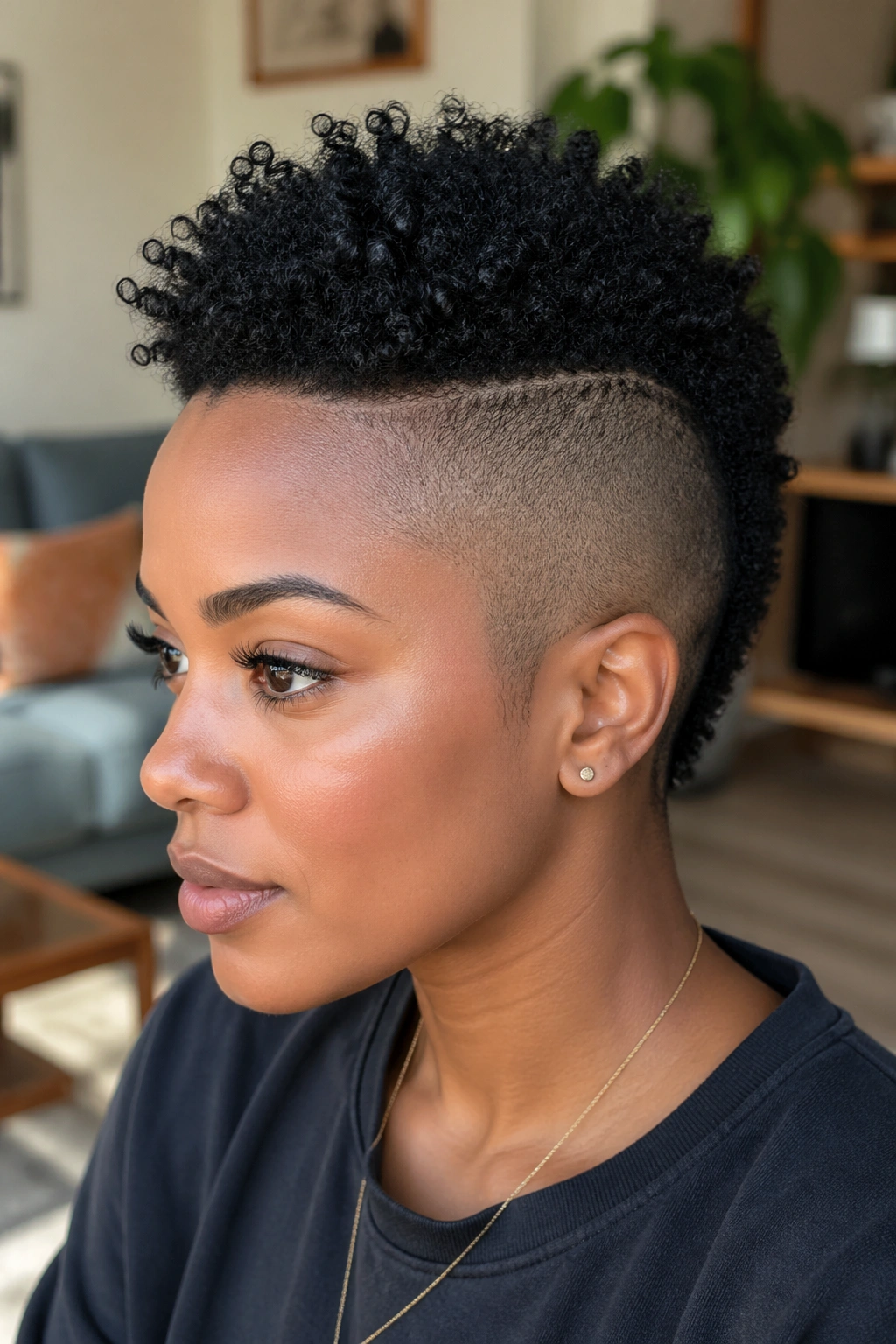
The sides are cut or faded close while the center section — running from the forehead to the nape — is left longer, creating a fro-shaped strip down the middle of the head. On natural curls, the frohawk takes on a life of its own because the crown section puffs and curls naturally rather than lying flat. It’s architecturally interesting and genuinely striking from every angle.
8. The Hard Part Tapered Natural
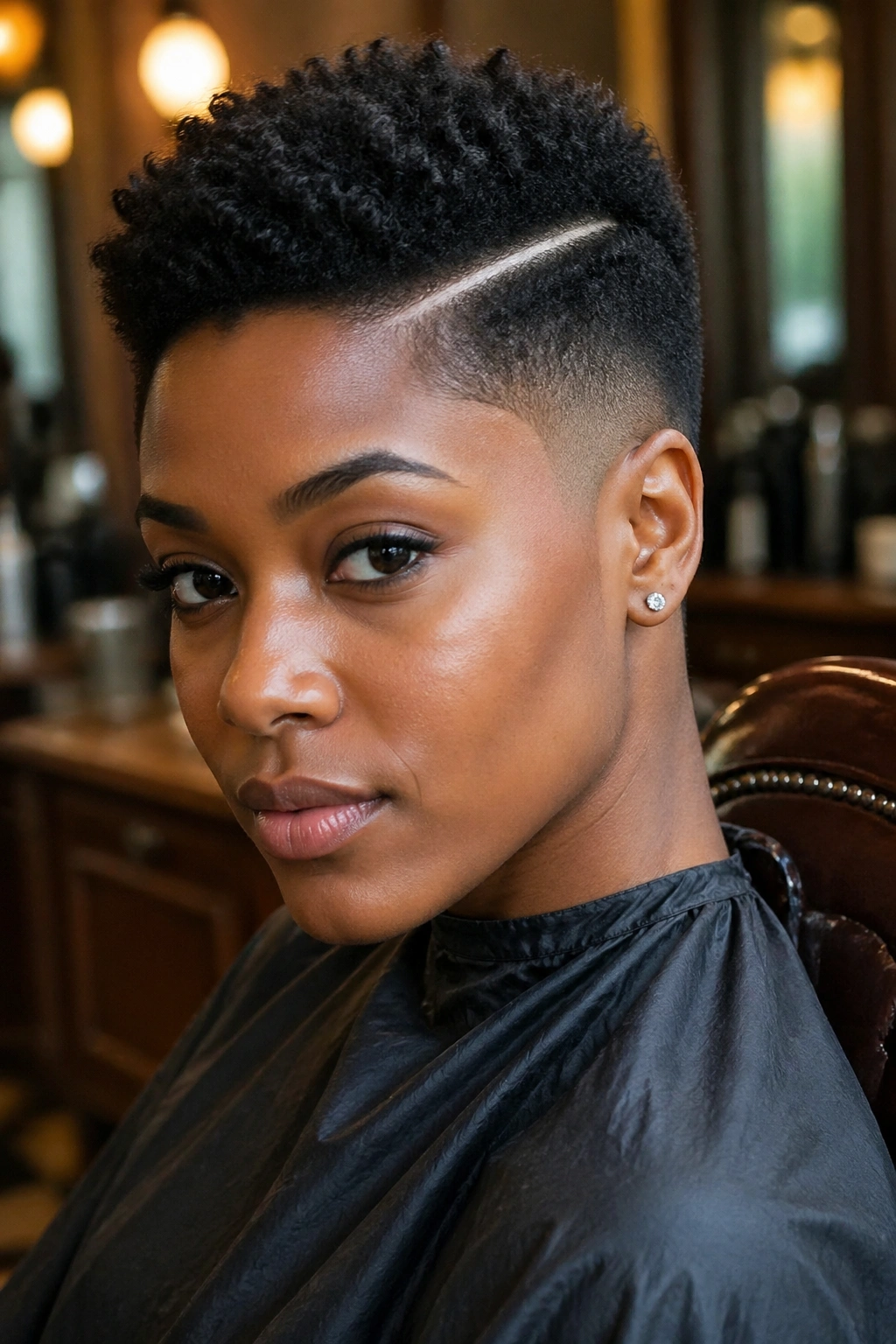
A clean, shaved hard part added to a tapered natural gives the style a barbershop-sharp finish that elevates the entire look. The hard part is typically placed on one side, creating a visible, precise line that draws the eye and adds structure to an otherwise soft, organic style. It’s one of those small details that makes a big visual difference.
9. The Coily Pixie
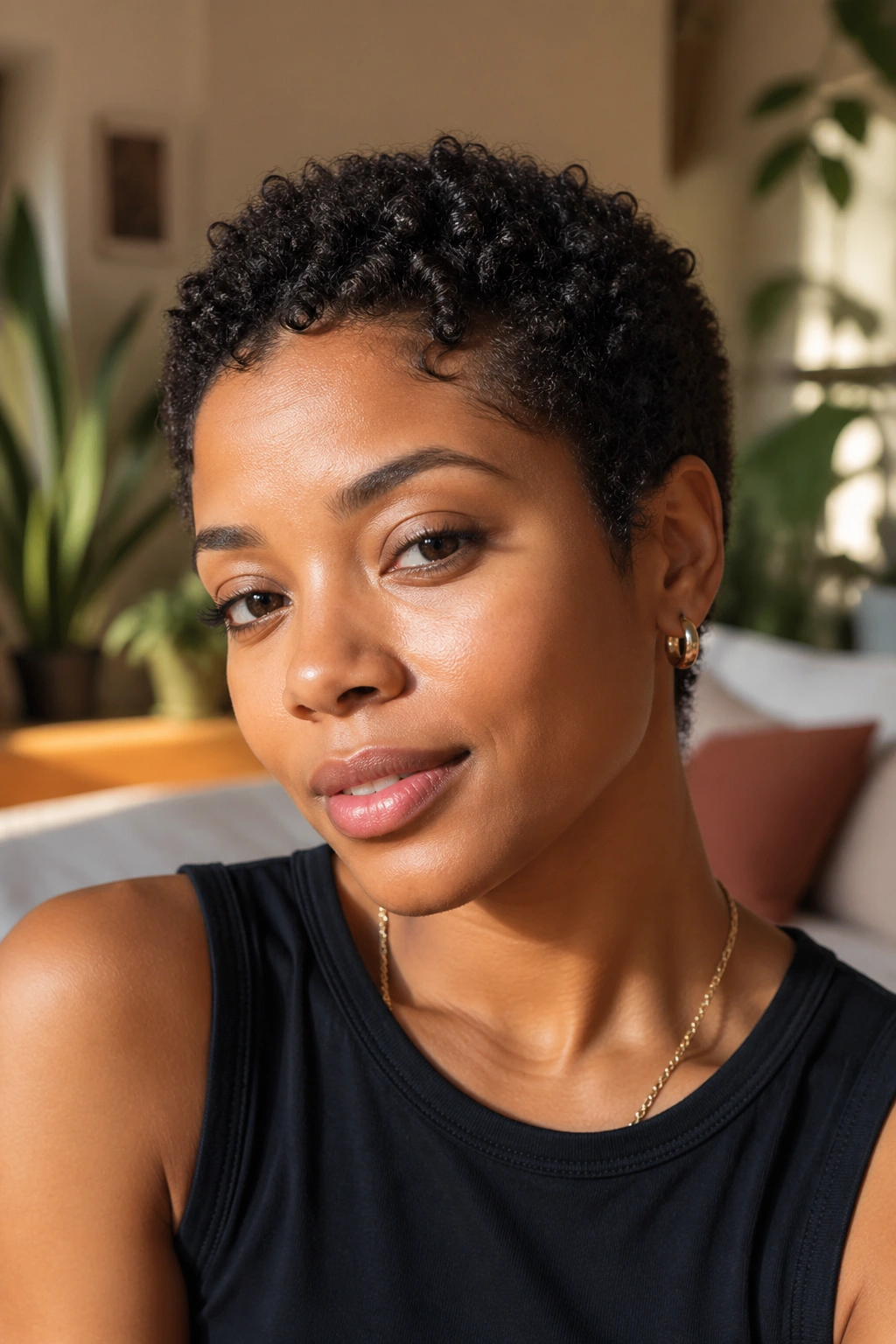
The coily pixie is specifically designed for 4B and 4C hair — the tightest coil patterns. Where a regular curly pixie might be cut two to three inches long, a coily pixie might be cut to one to two inches because the tight coil pattern creates visual volume at a much shorter length. The result is a style that’s incredibly close to the head but still has texture, presence, and personality.
Styling the Coily Pixie
Moisturize with a water-based leave-in immediately after washing. Apply a small amount of shea butter to seal. Pick gently with a small afro pick to create a bit of height and definition. That’s genuinely all this style needs.
- Best for: 4B–4C curl types
- Styling time: under 5 minutes
- Tip: The shape of a coily pixie comes from the cut, not the products. Trust the cut and use minimal product.
10. The Rounded Short Afro
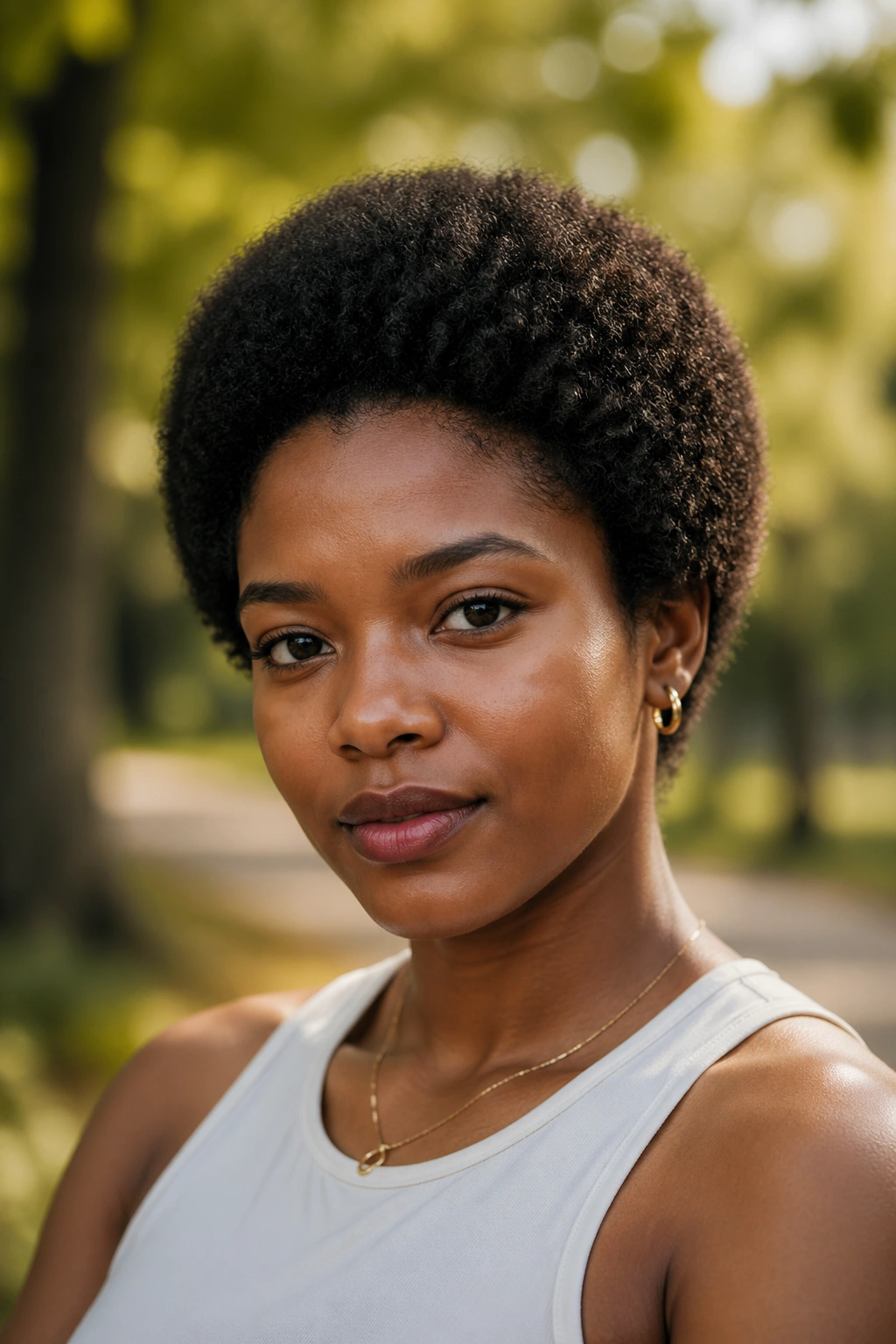
A natural afro shaped into a perfectly symmetrical circle is one of the most geometric, intentional-looking short natural styles. The stylist trims the perimeter of the afro evenly to create a clean, rounded silhouette. The interior is left full. It’s a classic silhouette that never goes out of style and works across all natural curl types.
11. The Defined Curl Short Cut
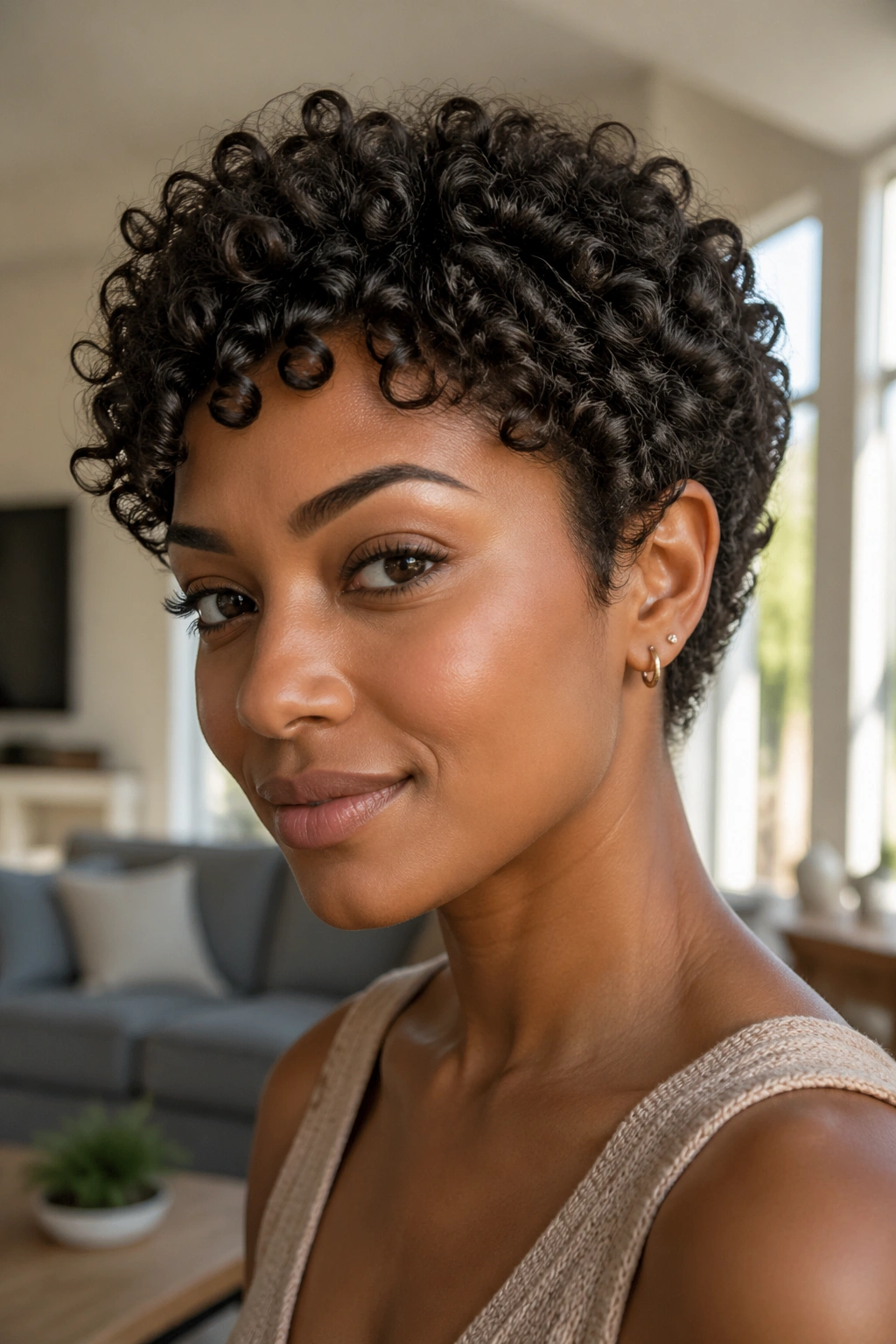
This cut is shaped specifically around the natural curl clusters of your specific hair type. Rather than imposing a geometric shape, the stylist follows the curl map and cuts to encourage definition and clumping in those natural patterns. The result is a highly personalized short cut that looks effortlessly styled with minimal product application.
12. The Tapered Bob
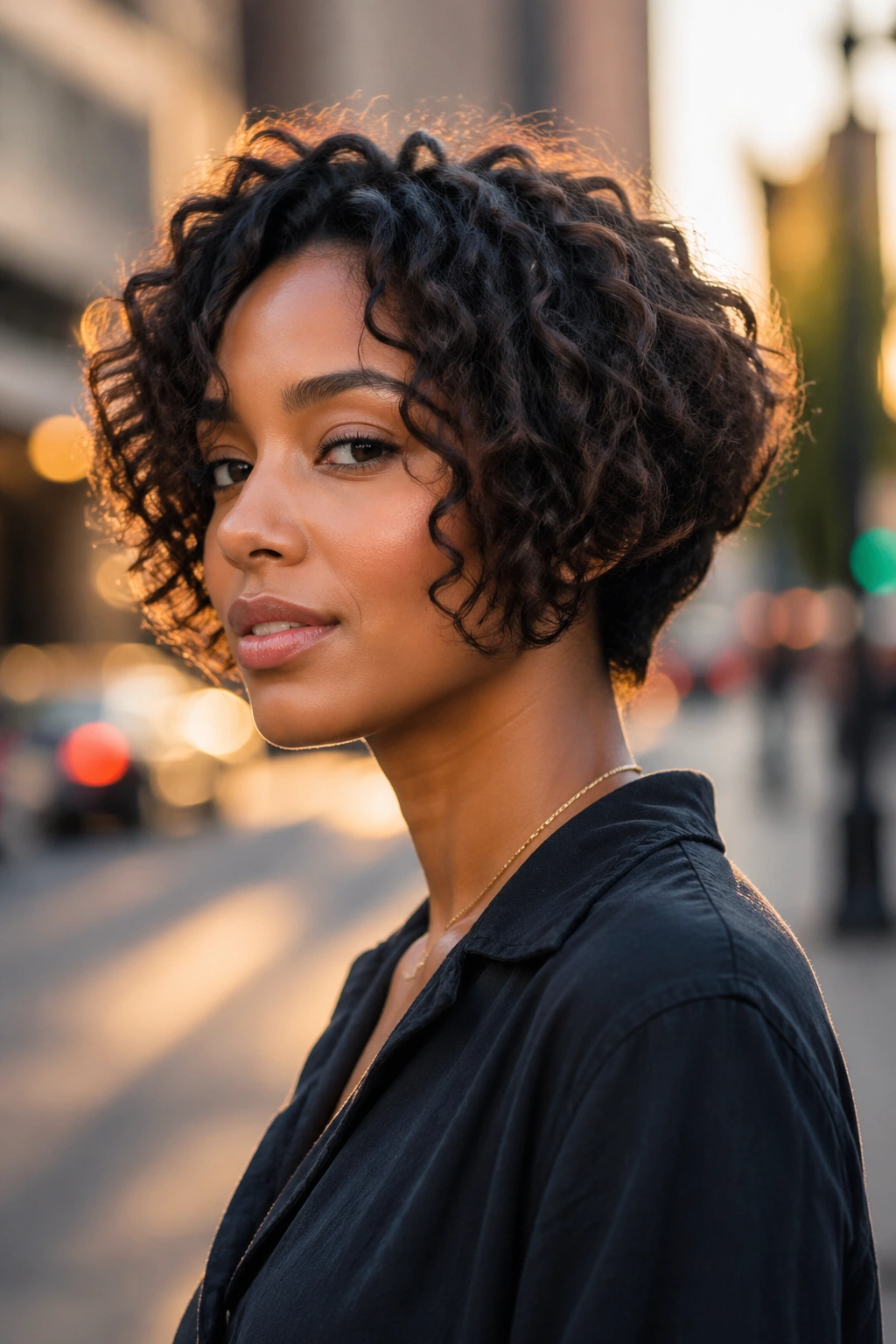
Yes, there’s a version of a short bob that incorporates tapering. The front hangs slightly longer — at or just above the chin — while the back is graduated shorter and tapered at the nape. On curly natural hair, this creates a stacked effect at the back and a swooping shape at the front that’s incredibly flattering from every angle.
13. The Short Shag
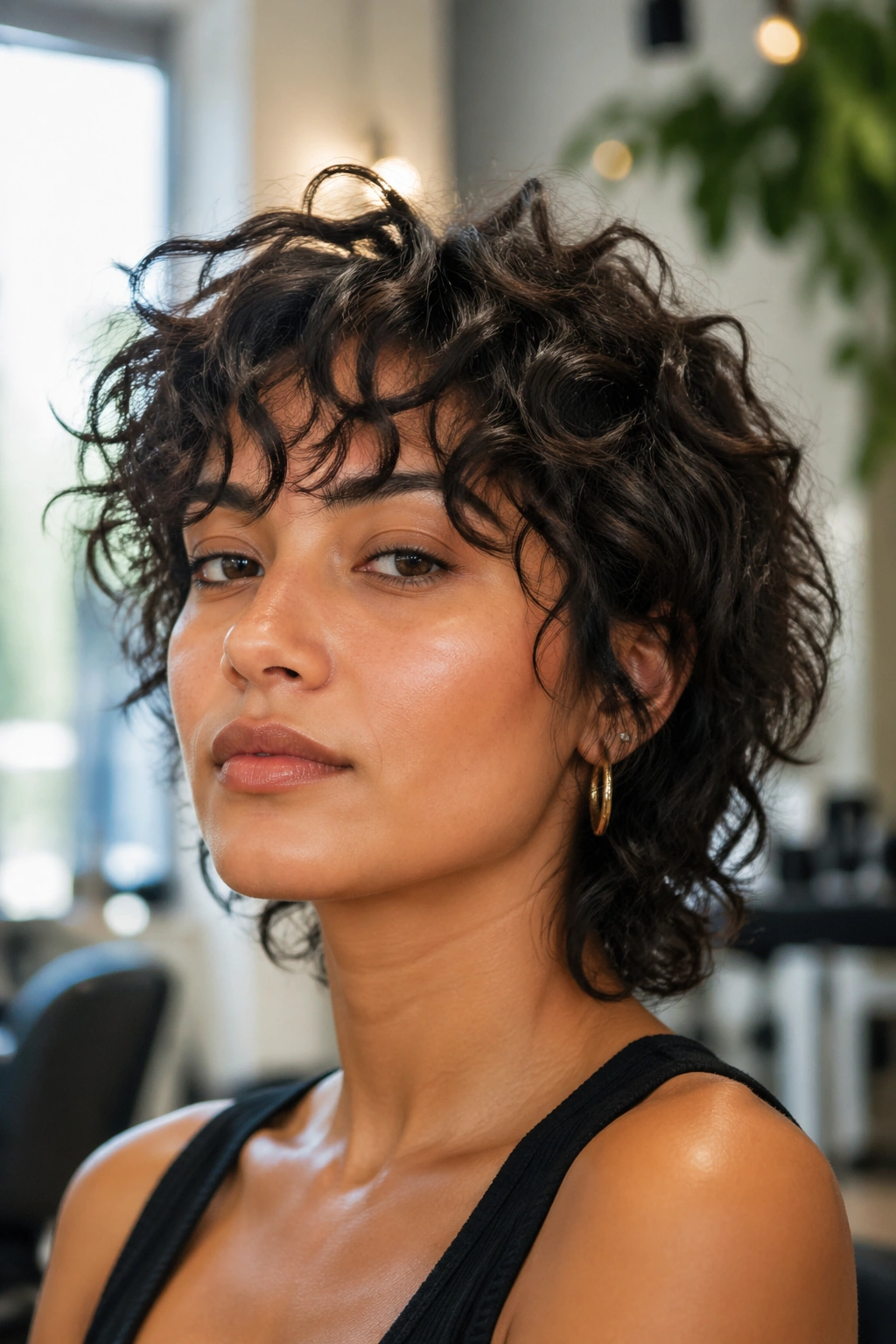
The shag at a short length — with heavy layering, textured ends, and sometimes curtain bangs — creates an effortlessly cool, lived-in look on natural curls. The layers are the defining feature, each ending at a different point to create movement and dimension within the short length. It photographs as though you put in far more effort than you actually did.
14. The Afro Taper for 4C Hair
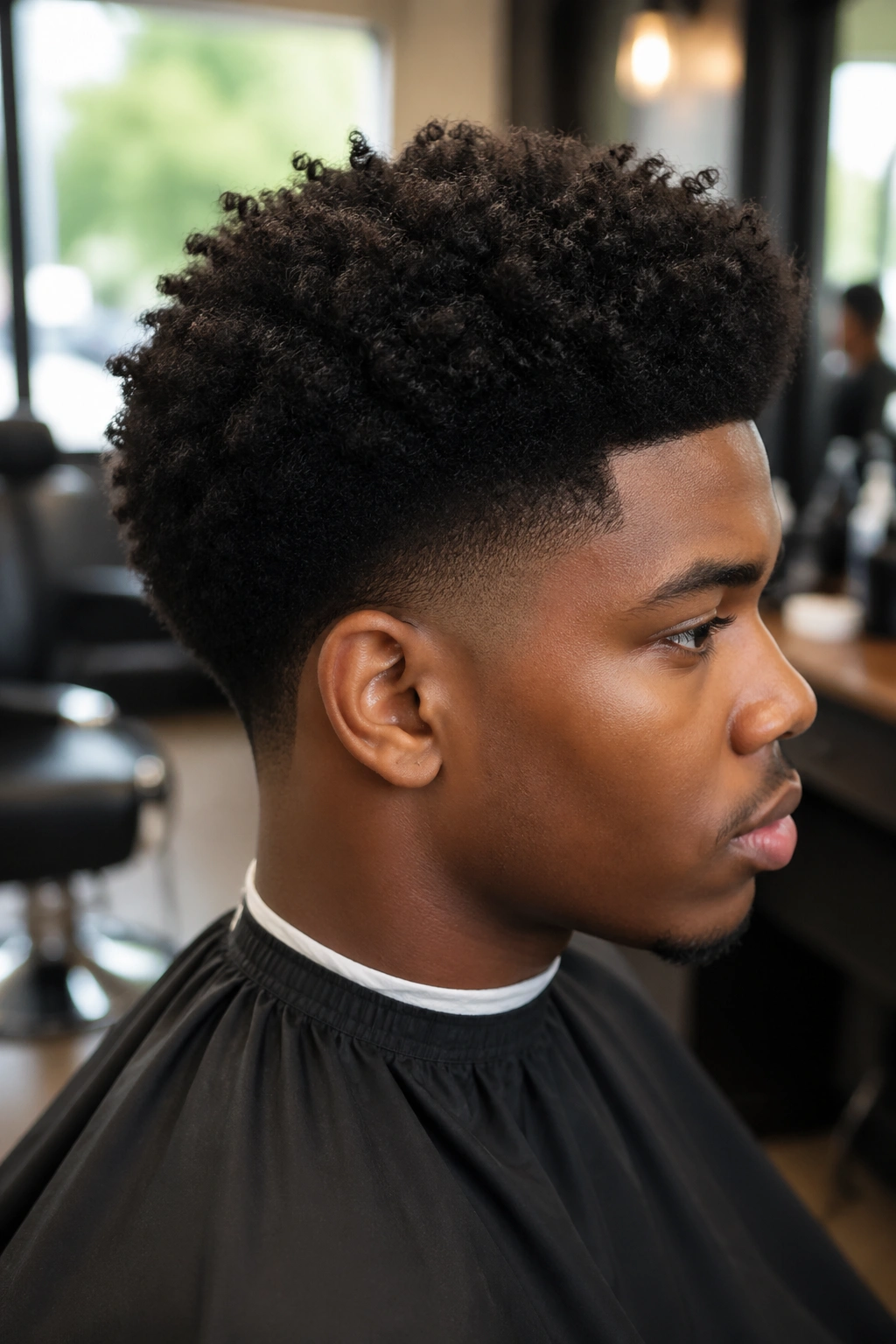
Specifically designed for 4C hair, this cut keeps the hair full and afro-shaped at the crown while tapering the sides and nape very close. The ratio of full crown to close sides is key — too much tapering and you lose the afro shape; not enough and the sides look unfinished. A skilled stylist who works with 4C hair regularly will know exactly where that line is.
15. The Short Natural With Bangs
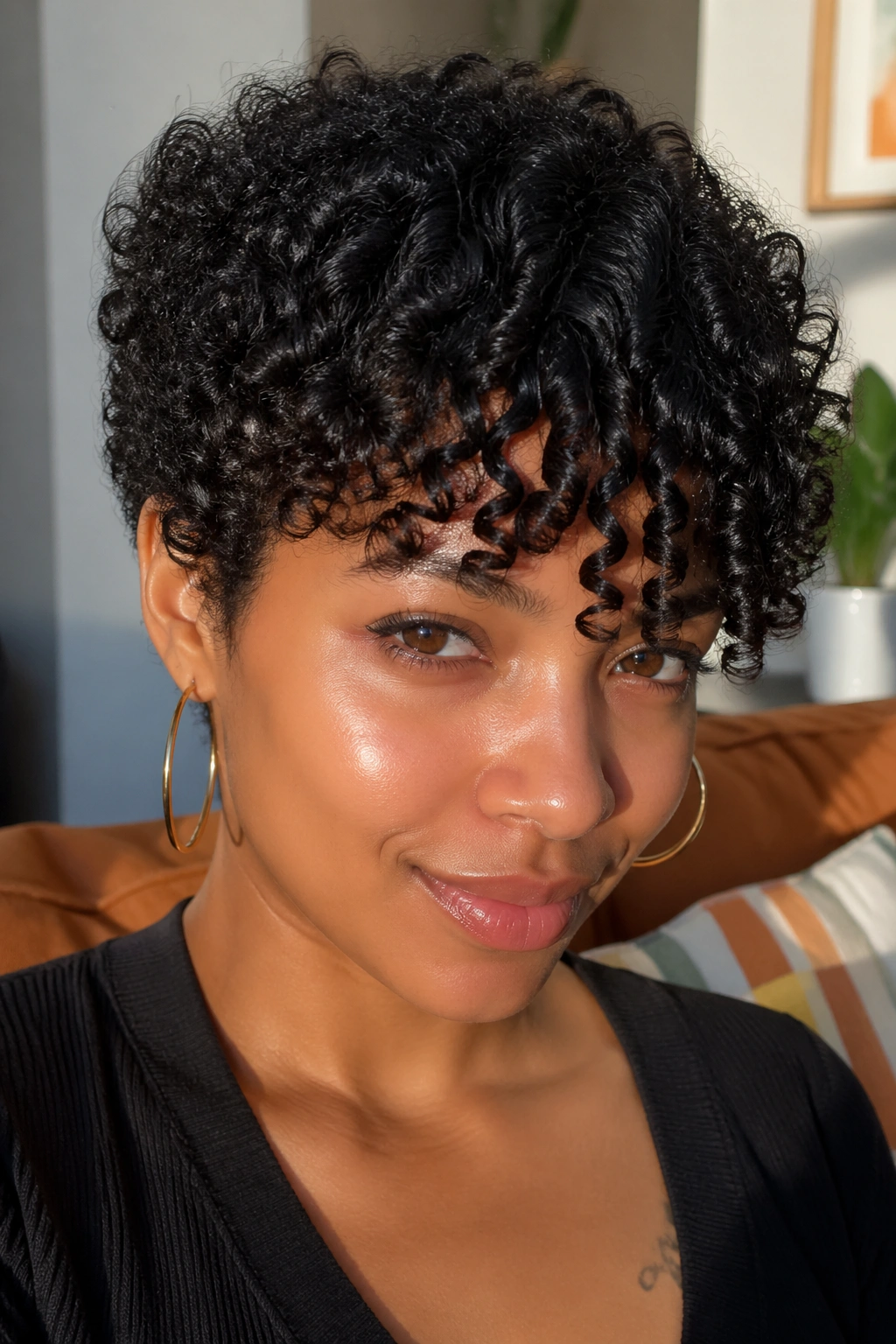
Bangs on short natural curly hair are underused and underappreciated. Cut so they fall across the forehead and curl naturally, bangs on a short natural cut add a completely different visual element — one that frames the face dramatically and makes the style look more intentional and fashion-forward. Ask for bangs that are cut to follow your natural curl direction, not blown out or straightened.
Types of Bangs for Natural Short Hair
- Full bangs: cut straight across, covering the full forehead
- Side-swept bangs: heavier on one side, falling diagonally
- Curtain bangs: parted in the center, framing both sides of the face
- Tip: Bangs on natural curly hair need to be cut slightly longer than you think you want them — they’ll spring up as they curl.
16. The Short Kinky Coil Cut
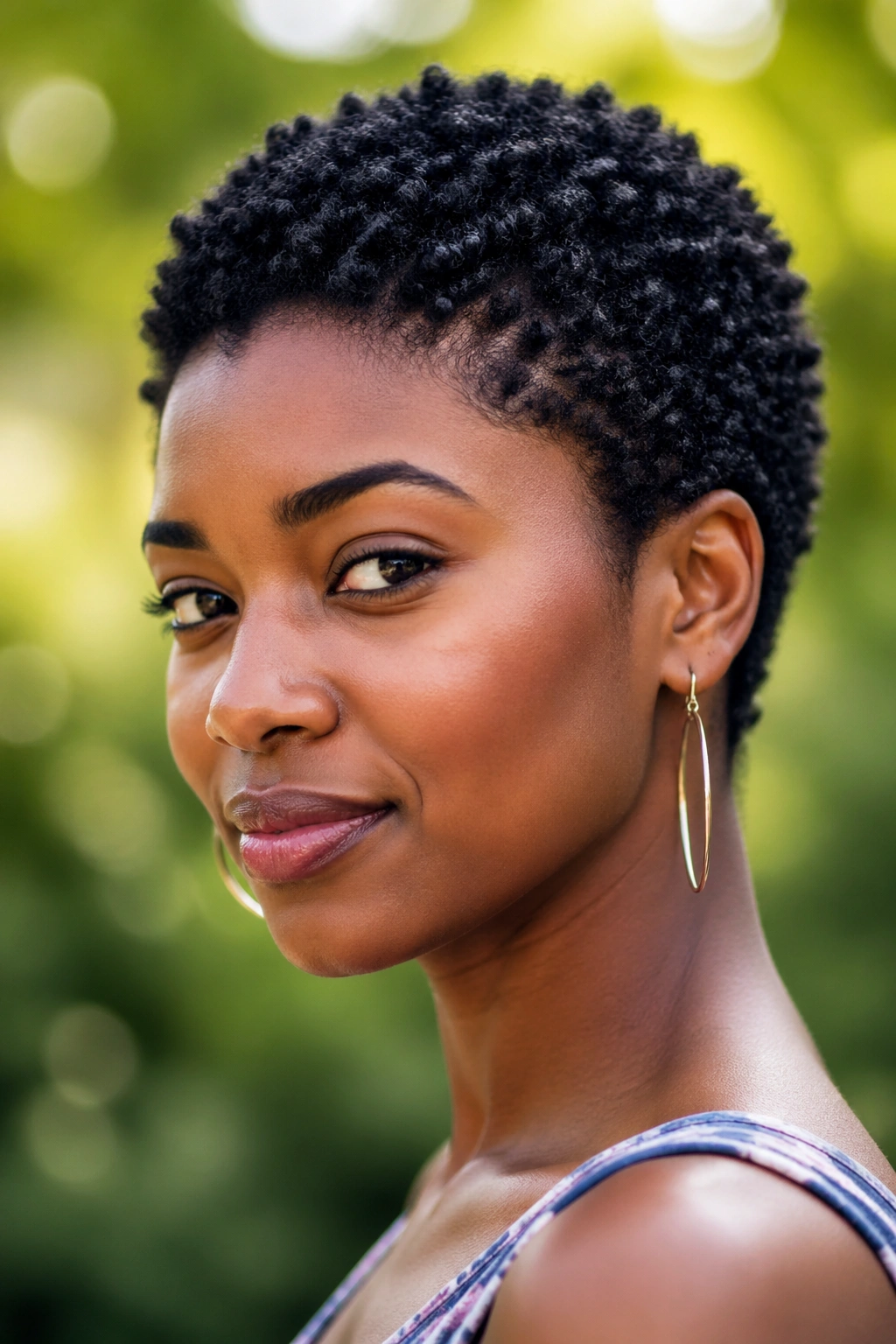
For hair with a very tight, kinky coil pattern, a precision cut that respects and enhances those coils can make a short style look genuinely breathtaking. The stylist works with each coil cluster rather than against it, removing bulk without disrupting the coil’s natural spring. When products are applied and the coils dry, the result is defined, dimensional, and absolutely beautiful.
17. The Fade With Defined Crown Curls
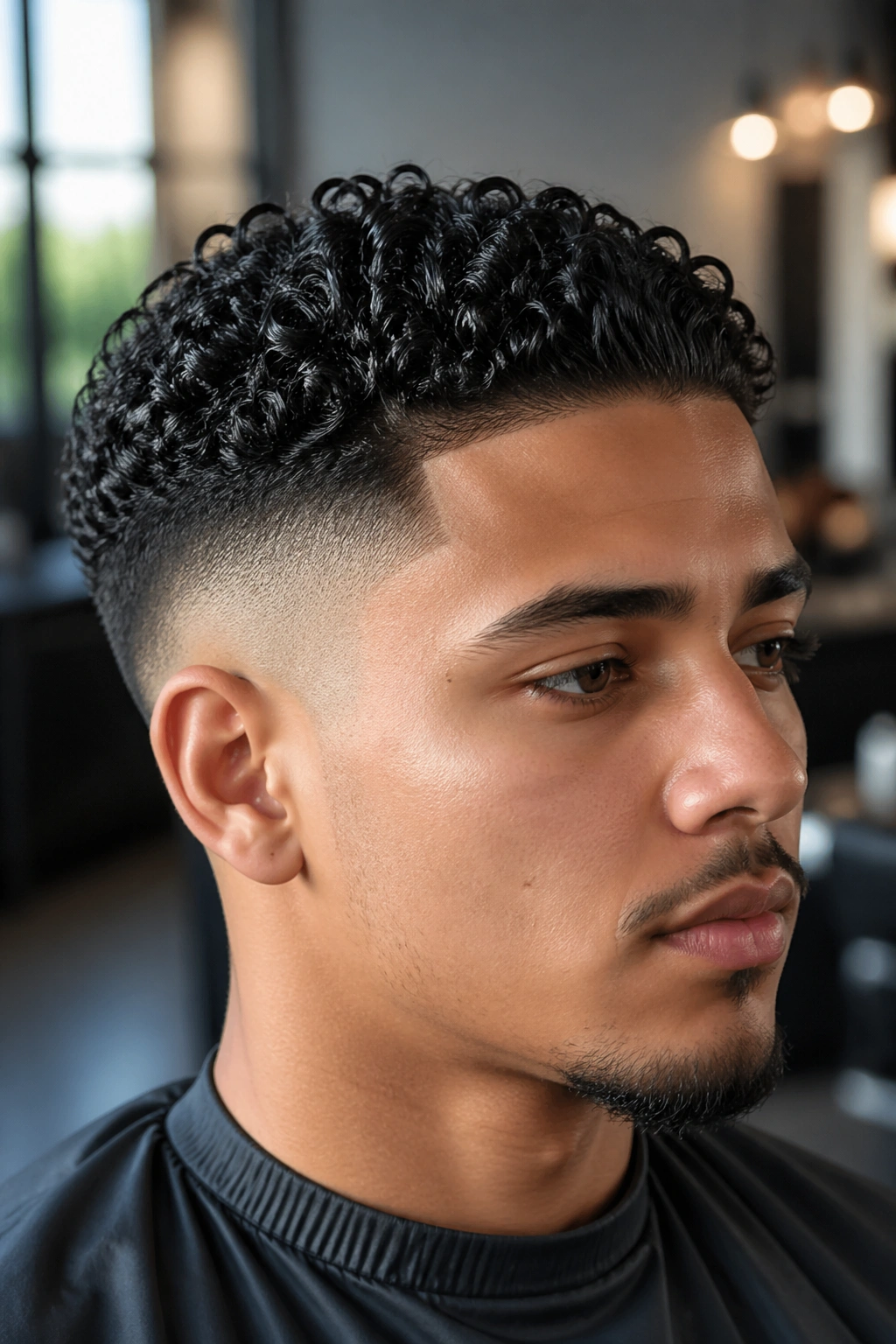
A fade on the sides and nape paired with a crown section of carefully defined, gel-set curls is a hybrid look that bridges barbershop precision and curl styling. The crown curls are defined with curl cream and gel applied to wet hair, allowed to dry into defined clusters, and left unmanipulated. The contrast between the bare fade and the defined curls is striking.
18. The Short Geometric Afro
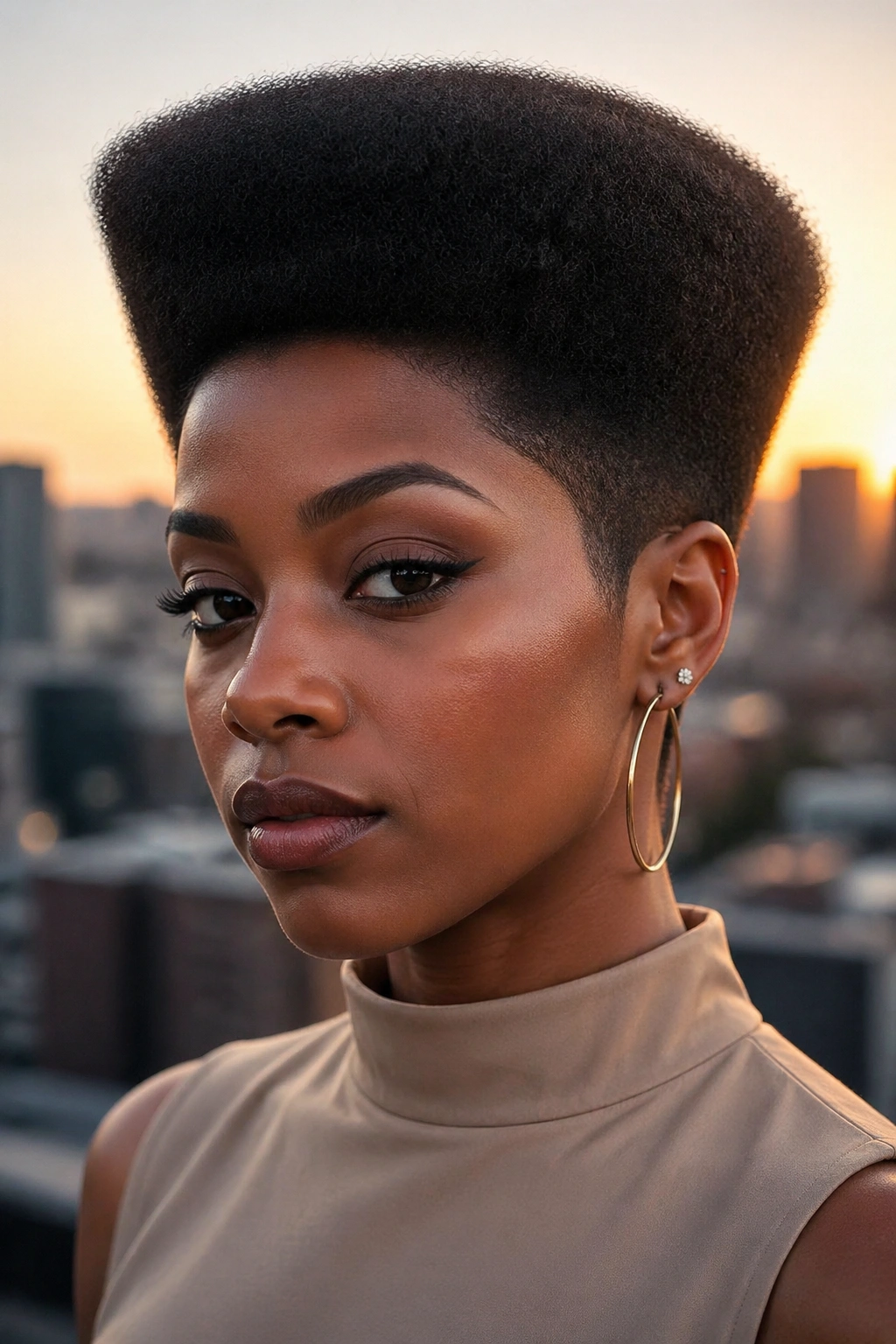
Rather than a perfectly round afro, a geometric afro is shaped into an intentional non-circular shape — flat on top, angular at the sides, or dramatically wide. The geometric shape turns the afro into something truly sculptural. It’s an artistic interpretation of a classic style, and it requires a stylist with real skill to execute cleanly.
19. The Tightly Tapered Natural With Defined Edges
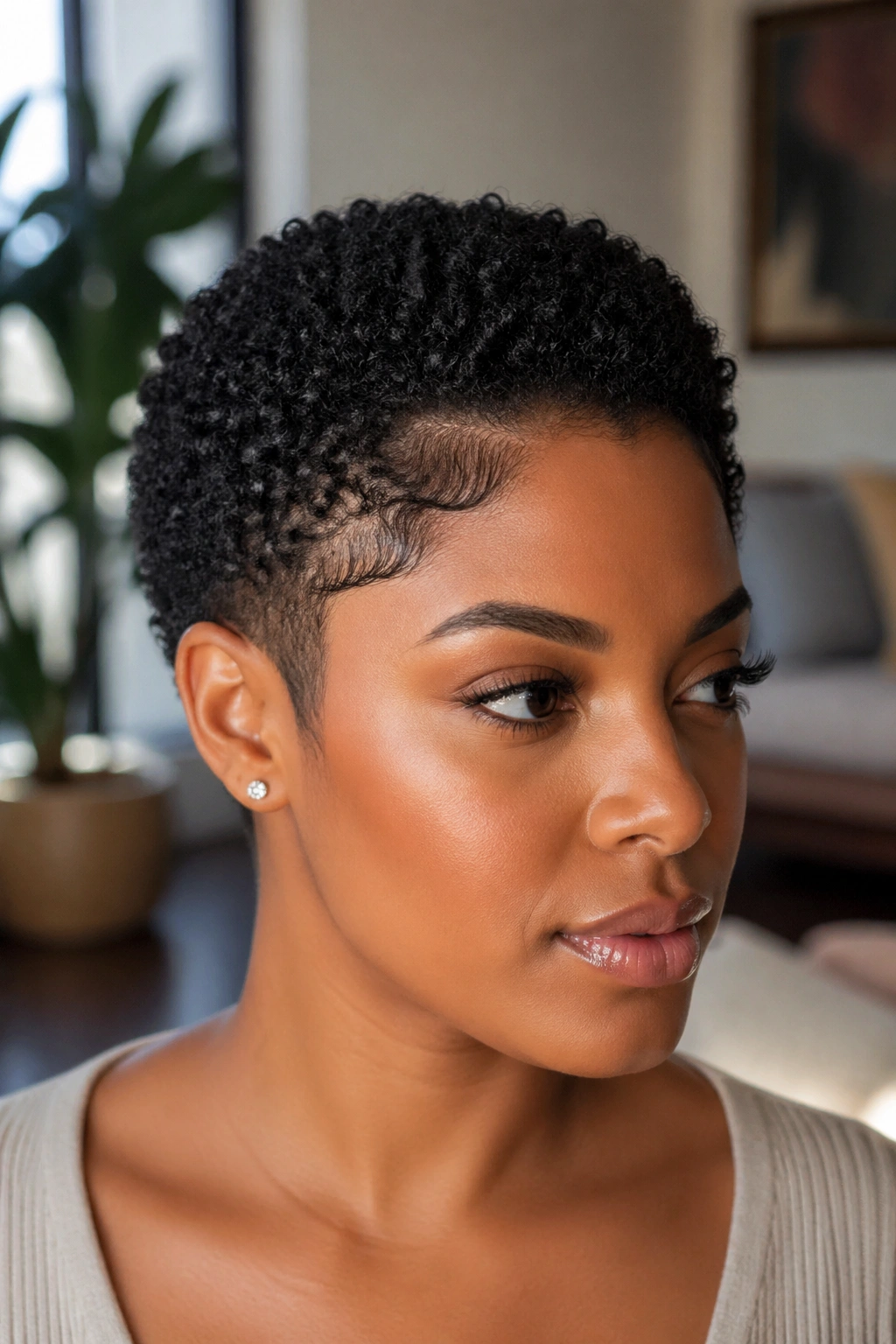
The edges — the hairline at the forehead and temples — are laid and defined using edge control or gel, creating a precise line that frames the face. Combined with a tapered cut, this gives the style a very polished, finished look that works in formal settings without compromising the natural aesthetic.
20. The Short Layered Natural Cut
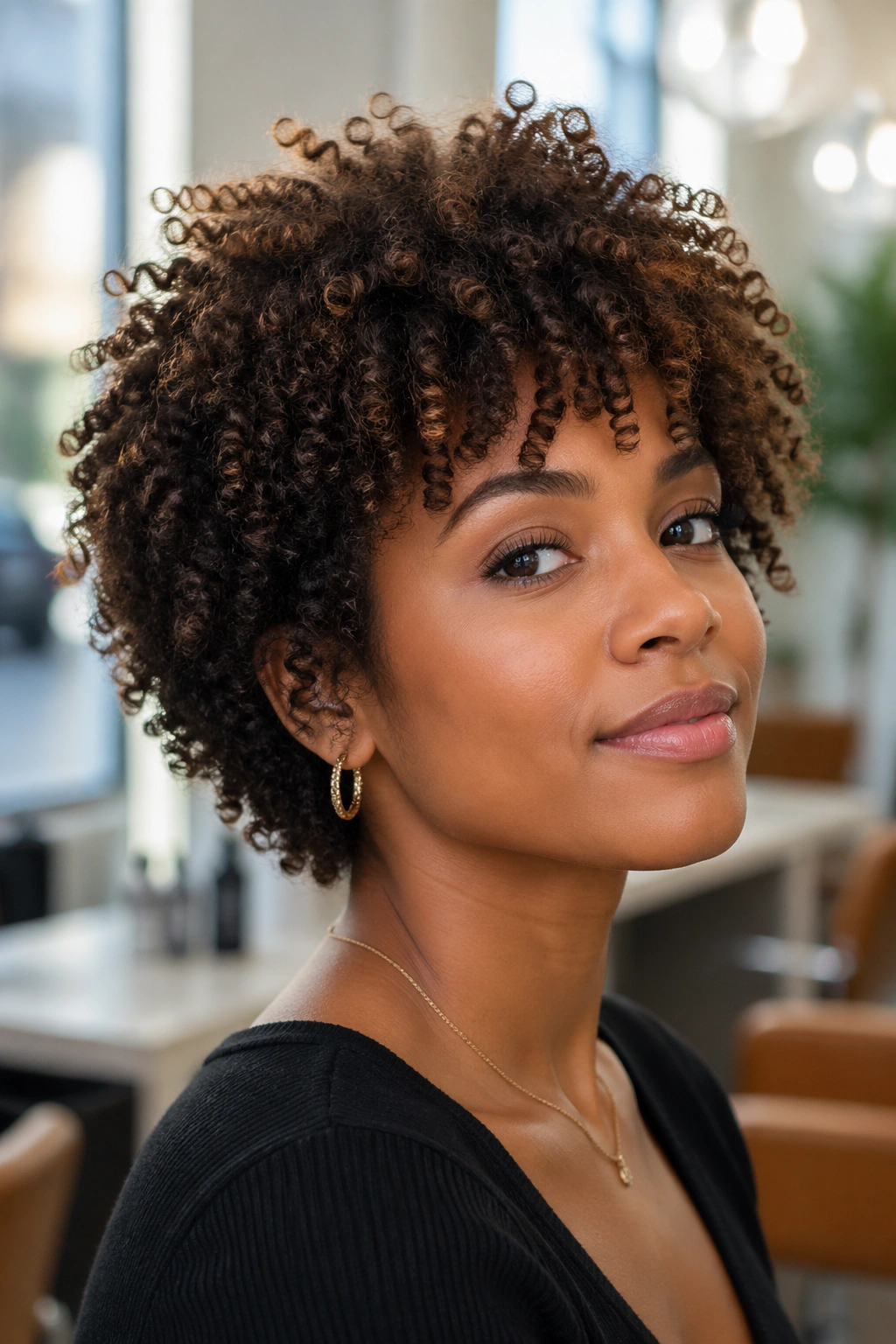
Layering within a short natural cut removes weight from the interior of the hair without reducing the length of the outer silhouette. This is particularly helpful for dense or high-porosity hair types that carry a lot of bulk in the middle of the strand. The layers allow the outer curl pattern to spring more freely and the silhouette becomes lighter and more dynamic.
21. The Wash-and-Go Short Cut
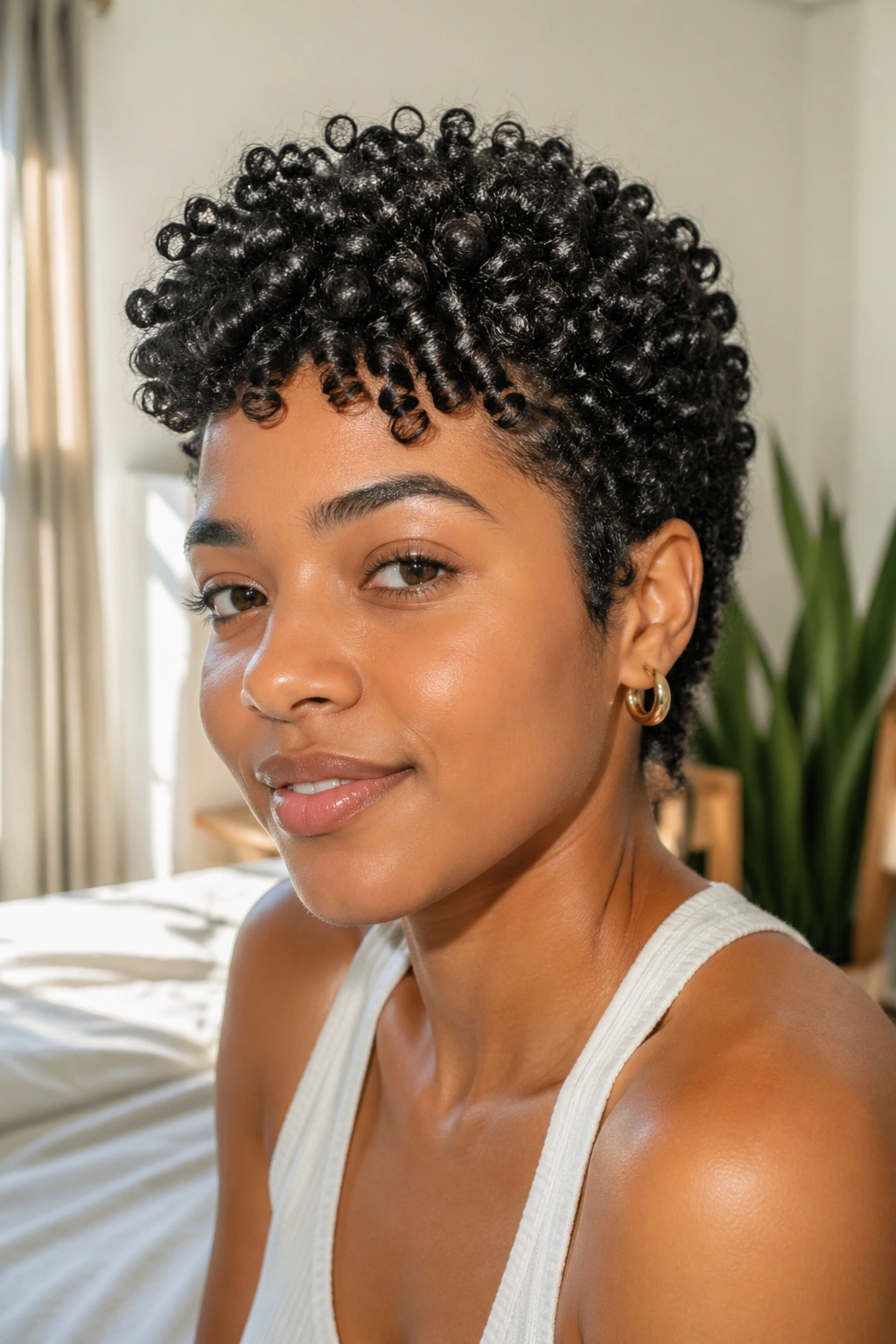
Designed from the start for wash-and-go styling. The shape is such that once your hair is washed, leave-in and gel applied, and scrunched into curl formation — the cut takes over and the hair styles itself. No additional shaping, no diffusing required. It’s the cut that makes wash day a ten-minute commitment, which is a quality-of-life upgrade that’s genuinely significant for busy people.
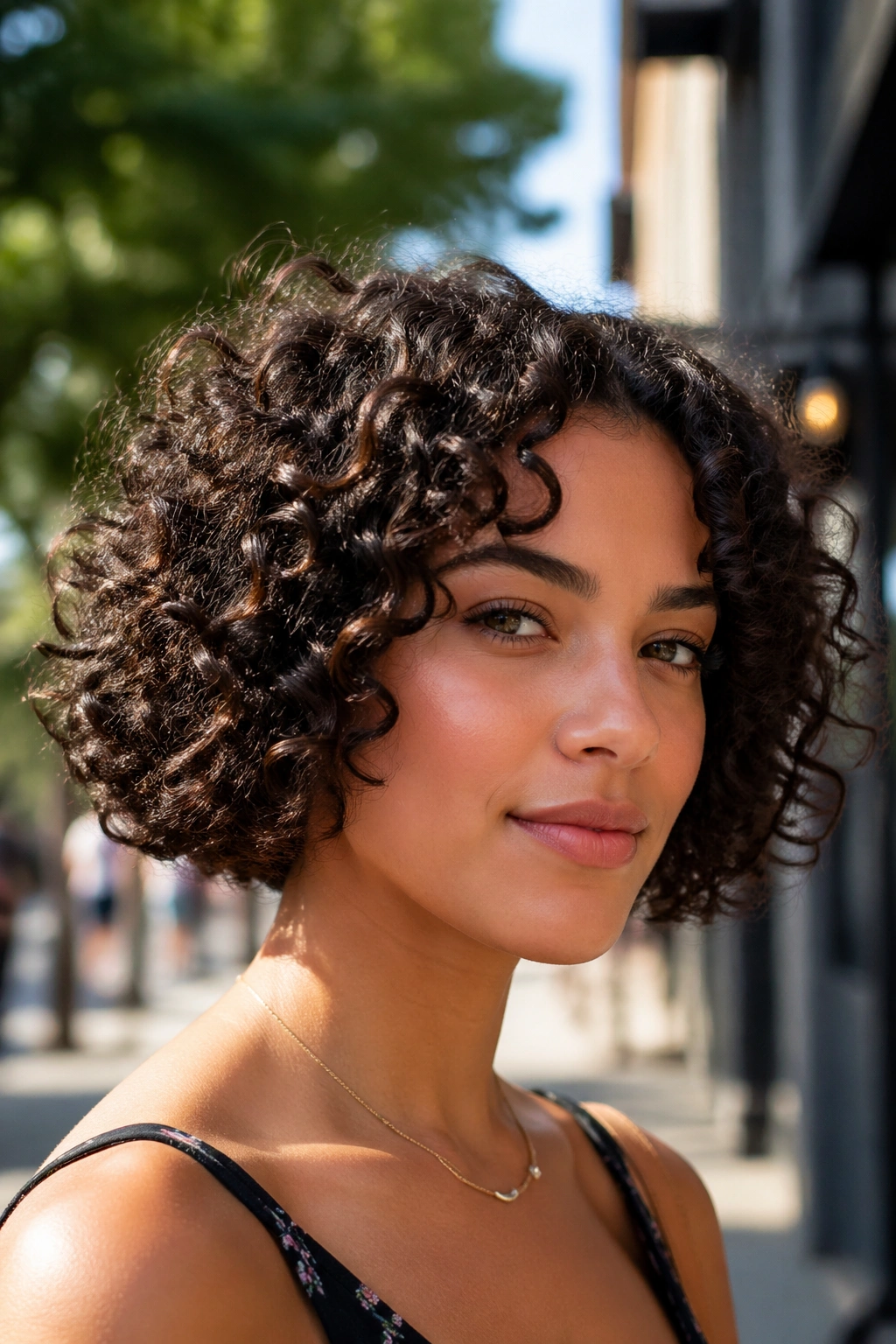
22. The Short Loose Curl Cut
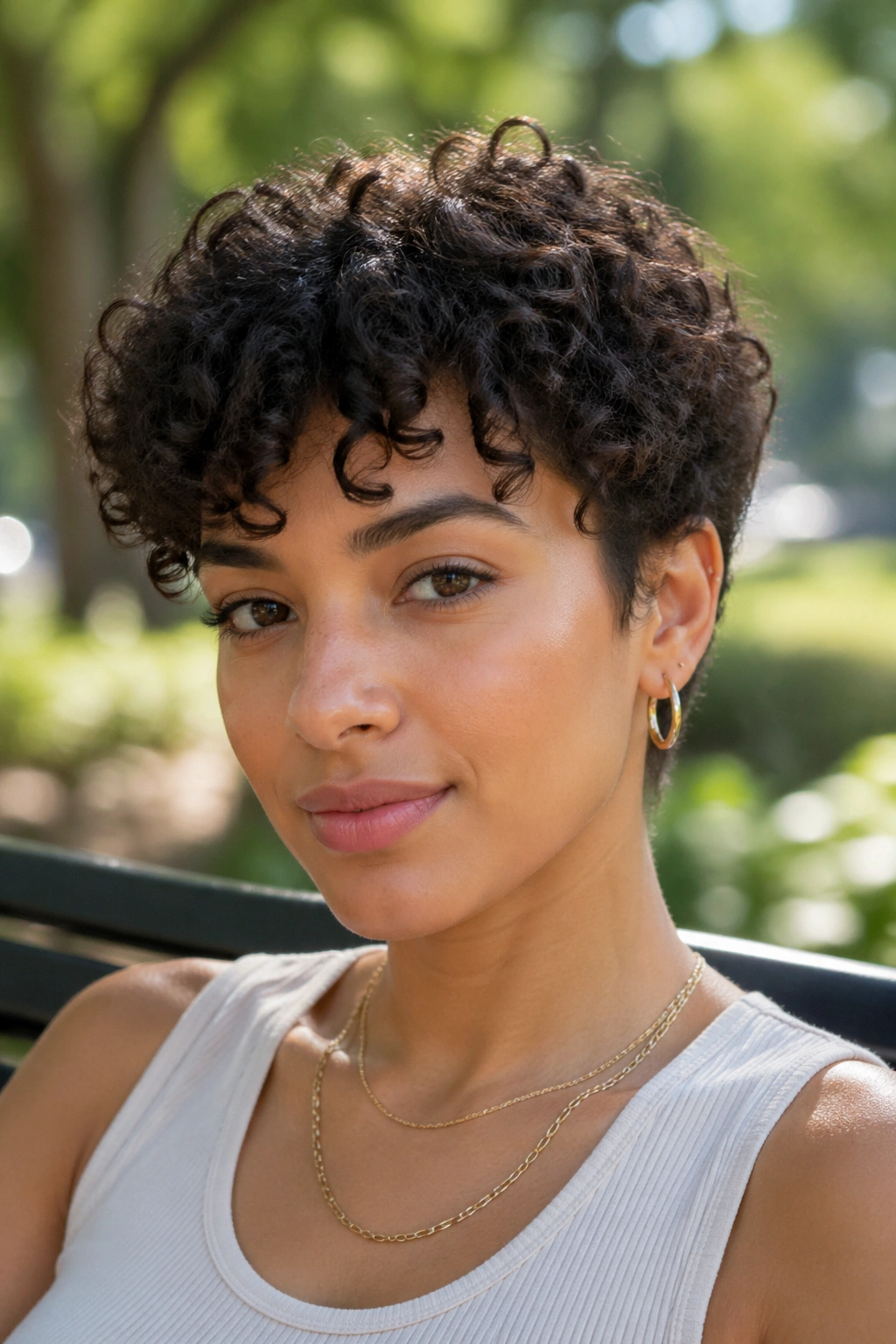
For looser curl patterns — 3A to 3C — a short cut looks quite different than it does on tighter coil types. The curls hang and bounce rather than springing upward, creating a lighter, more fluid short style. Cut at two to three inches, a short loose curl cut has a pixie-like shape without the severity — the curls soften every edge.
Maintaining the Shape
Loose curl types may find that their curl pattern loses definition faster between wash days than tighter coil types. A refresher spray — water and leave-in conditioner in a spray bottle — applied each morning and scrunched in helps maintain definition without needing a full wash.
23. The Symmetrical Natural With Clean Edges
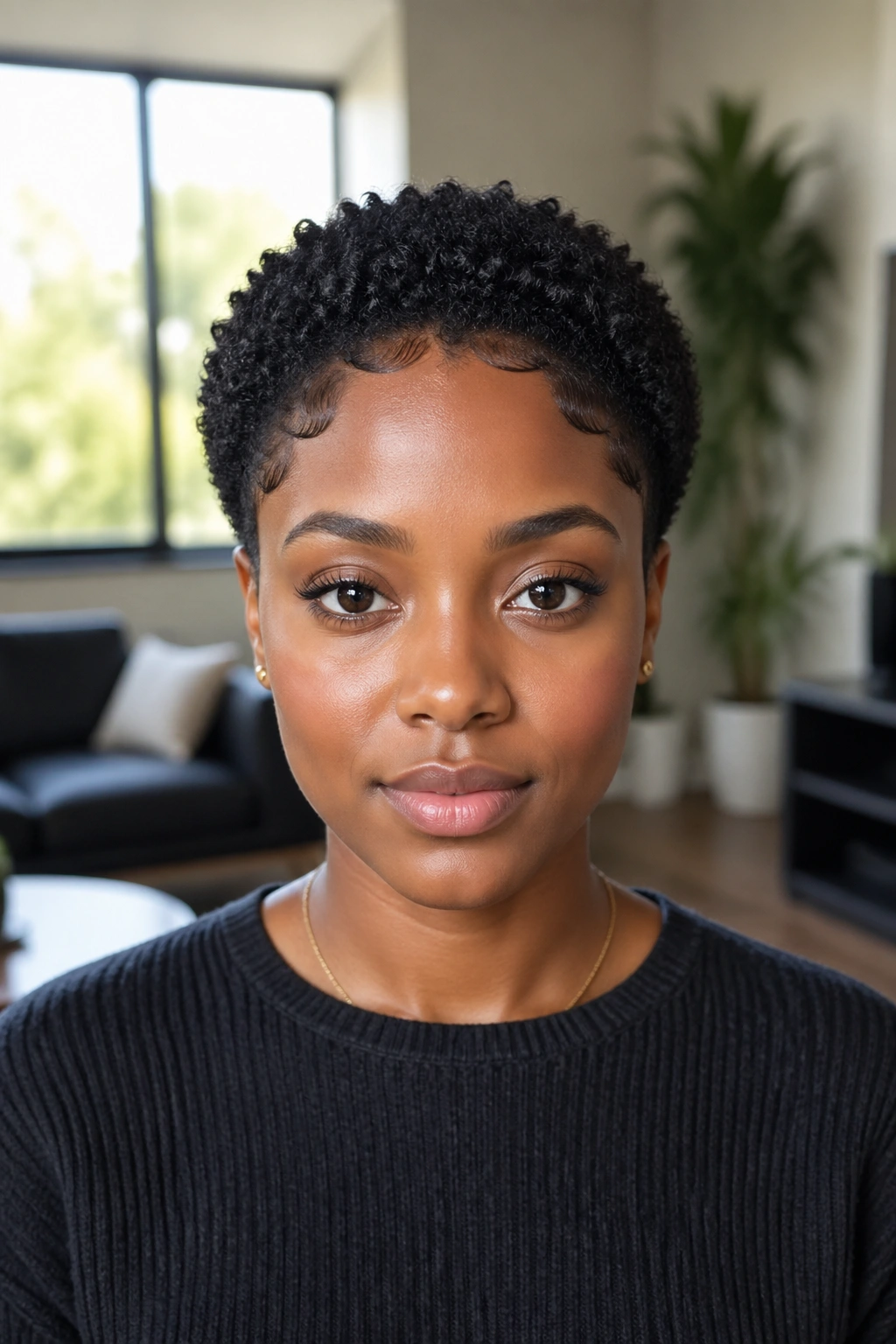
Total symmetry — equal length on both sides, equal density, perfectly even edges all the way around. For people who like structure and precision in their style, a symmetrical short natural cut delivers exactly that. It’s especially striking when the hairline is clean and the edges are freshly laid.
24. The Short Afro Mohawk
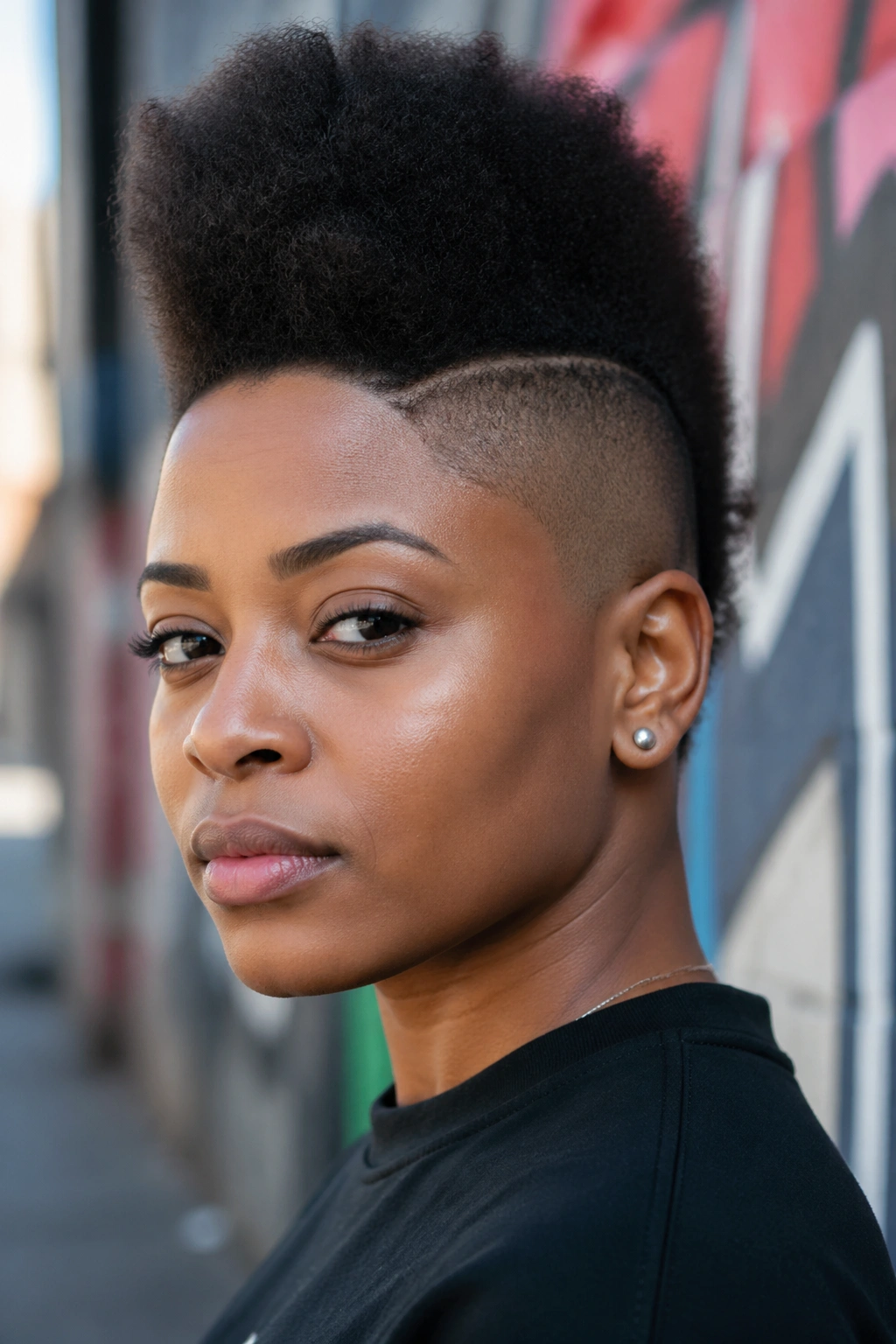
The sides of the afro are faded or cut very close, and the top section is left in a vertical strip of natural volume from front to back. Unlike a traditional frohawk, the afro mohawk keeps the top section wide enough to look more like a full puff of hair than a narrow strip. It’s dramatic, it’s bold, and it suits face shapes with strong bone structure particularly well.
25. The Barbershop Taper With Natural Curls
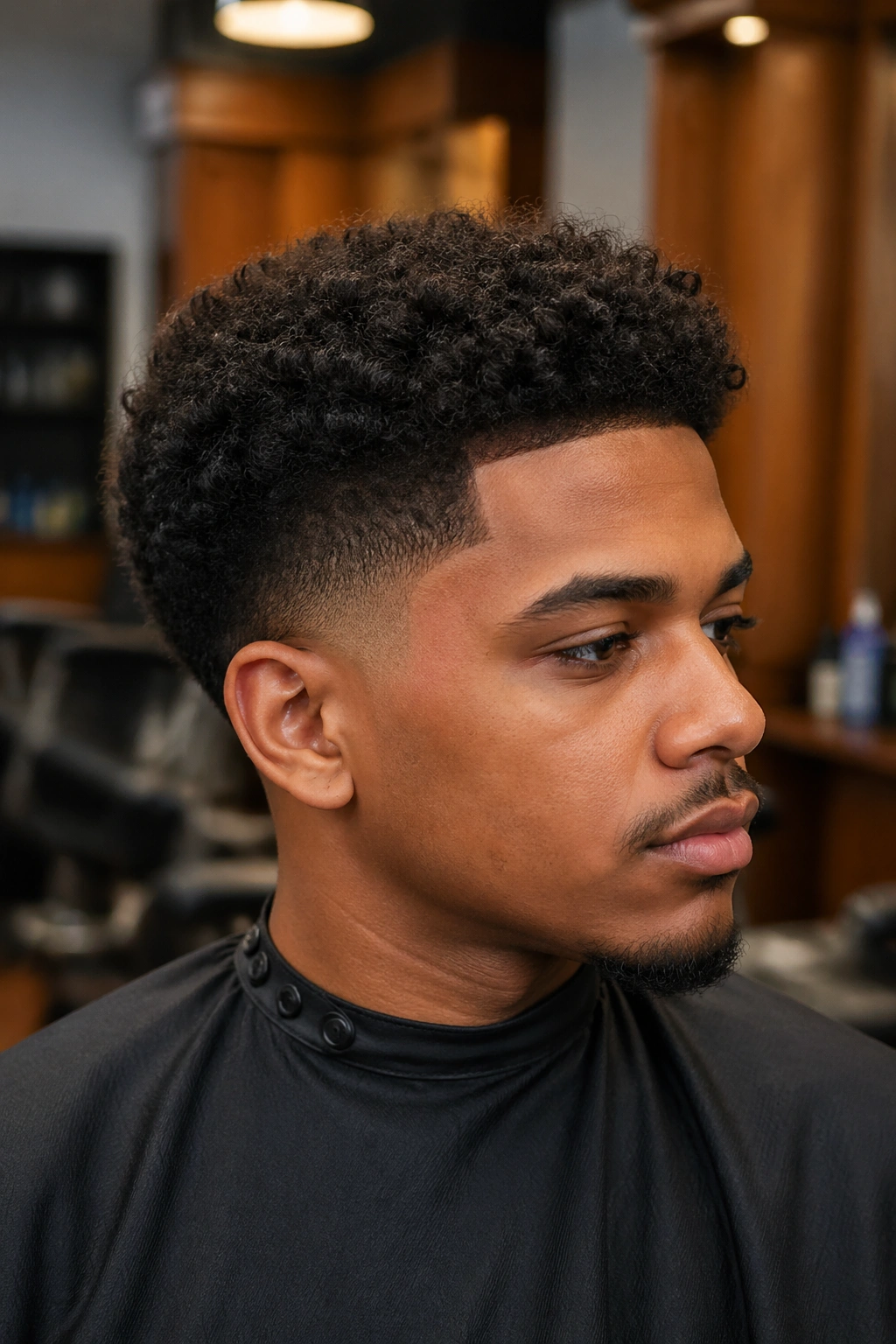
A barbershop taper — executed by a skilled barber familiar with natural hair — gives a precision finish to the sides and nape that is hard to replicate at home or in a salon that specializes only in longer cuts. The blend between the tapered area and the natural curl section is where skill shows. Done right, the transition is seamless. Done wrong, there’s a visible, unflattering line.
26. The Short Loc-Inspired Cut
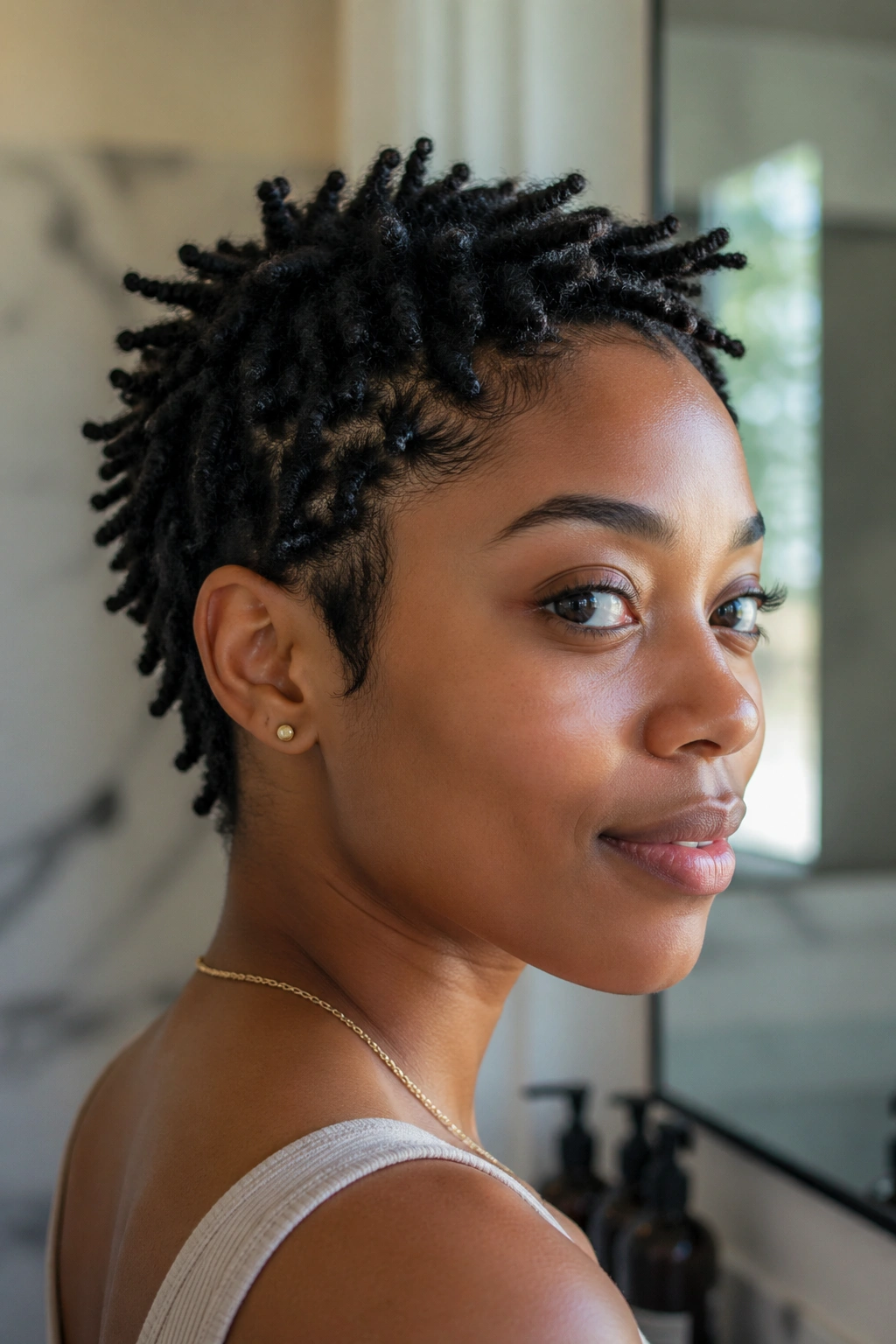
For people who aren’t ready for full locs but love the aesthetic, a short natural cut styled to mimic the beginning stages of loc formation — using twists or gel-defined coils that create a loc-like texture — is an interesting middle ground. The style honors the aesthetic of locs while remaining temporary, easily restyled on wash day.
27. The Bold, Uncut TWA
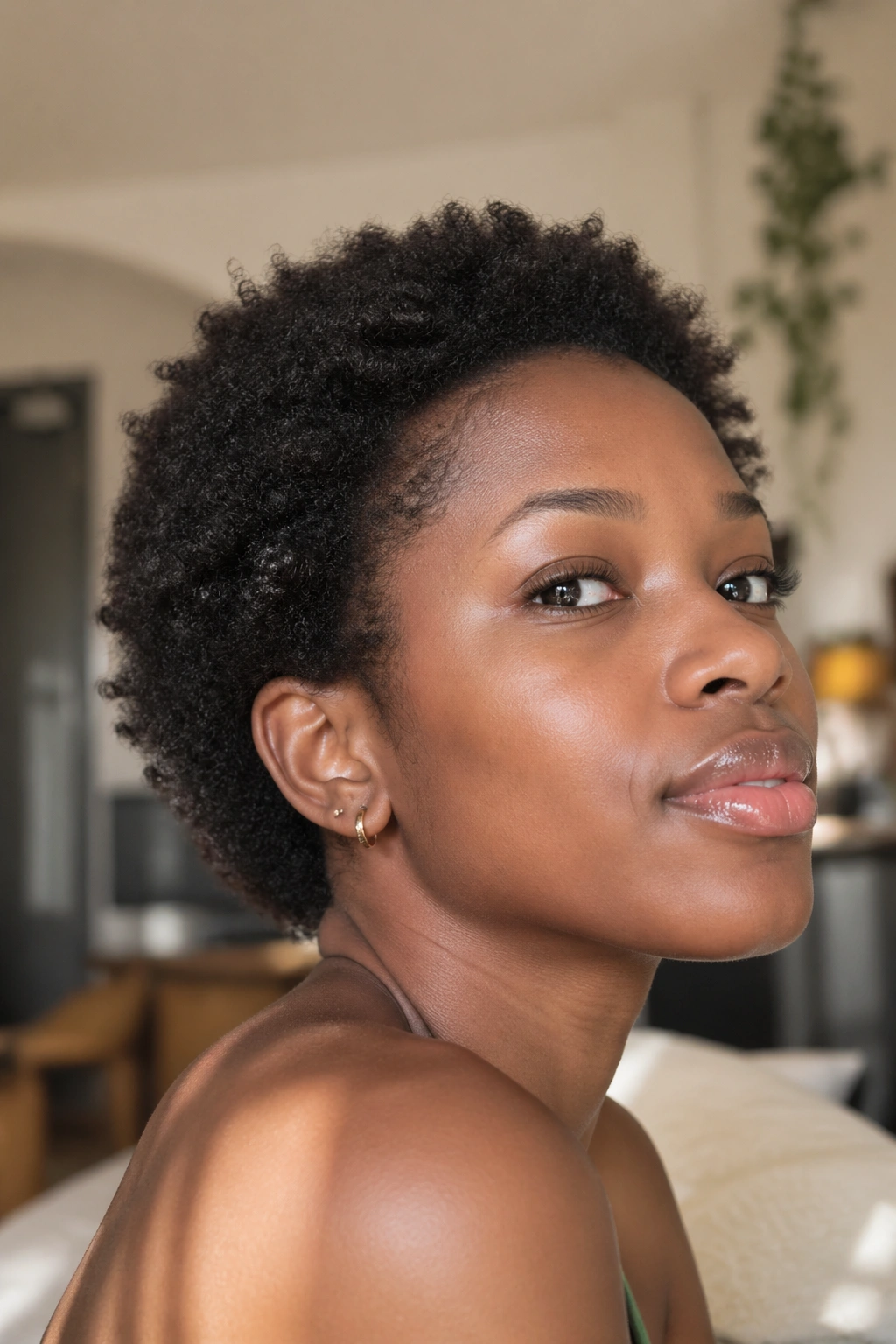
Let’s end with this one: a TWA that is intentionally left unshaped by scissors, growing freely in its natural direction. Not every stage of your natural hair journey requires a stylist. Sometimes the bravest and most stunning thing you can do is let your hair just be — growing, coiling, and living exactly as it is. Products, moisture, and love are all this style needs.
How to Transition to a Short Natural Cut
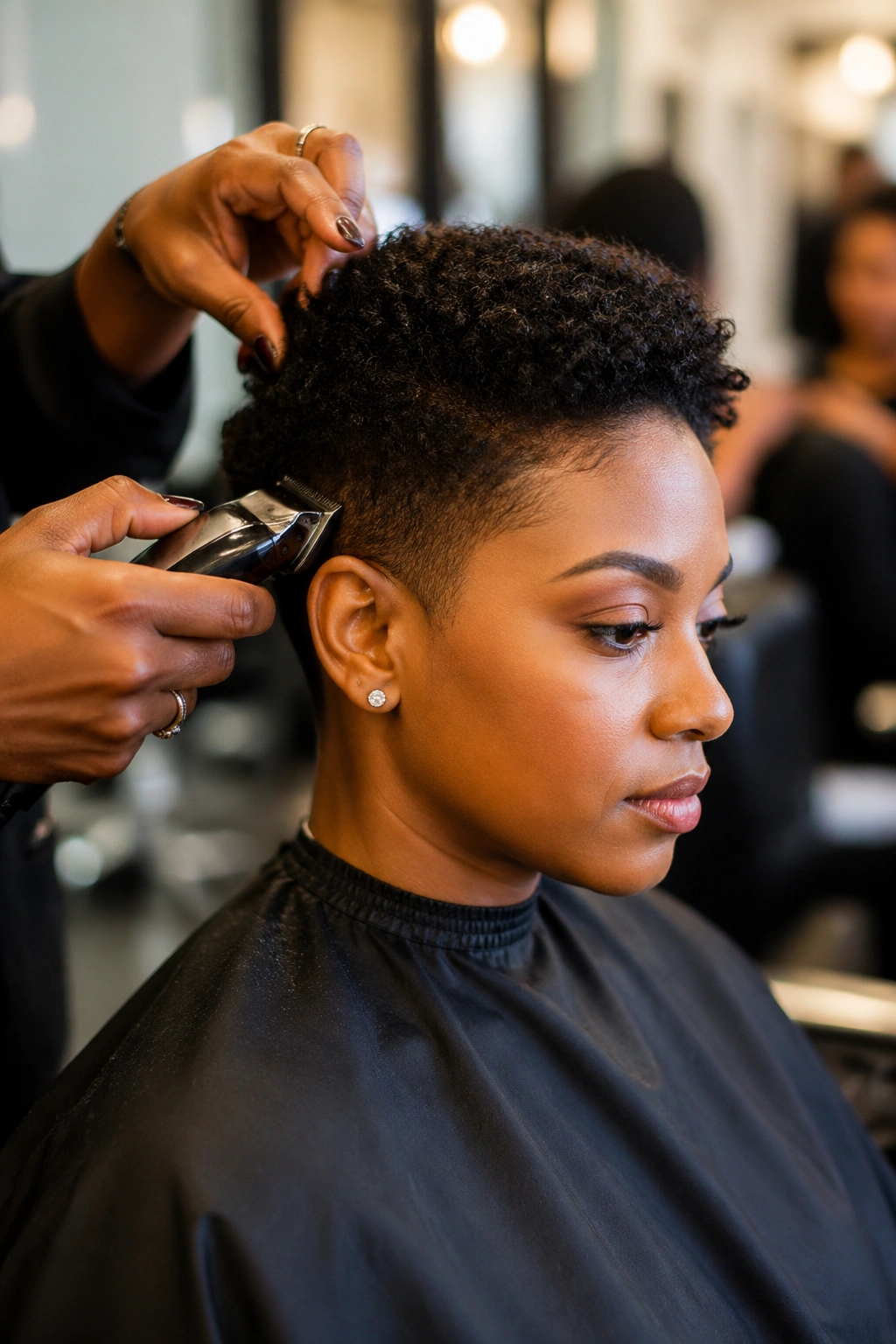
If you’ve been wearing your natural hair longer and are considering a short cut, the transition process matters. Don’t go from very long to very short in one appointment if it feels like too big a jump — ask for a series of progressively shorter cuts over a few months. This gives you time to adjust emotionally and also helps you discover which length actually suits your lifestyle and curl pattern best.
But if you know you want short — go short. Some decisions are best made decisively.
The Emotional Side of Cutting Your Natural Hair Short
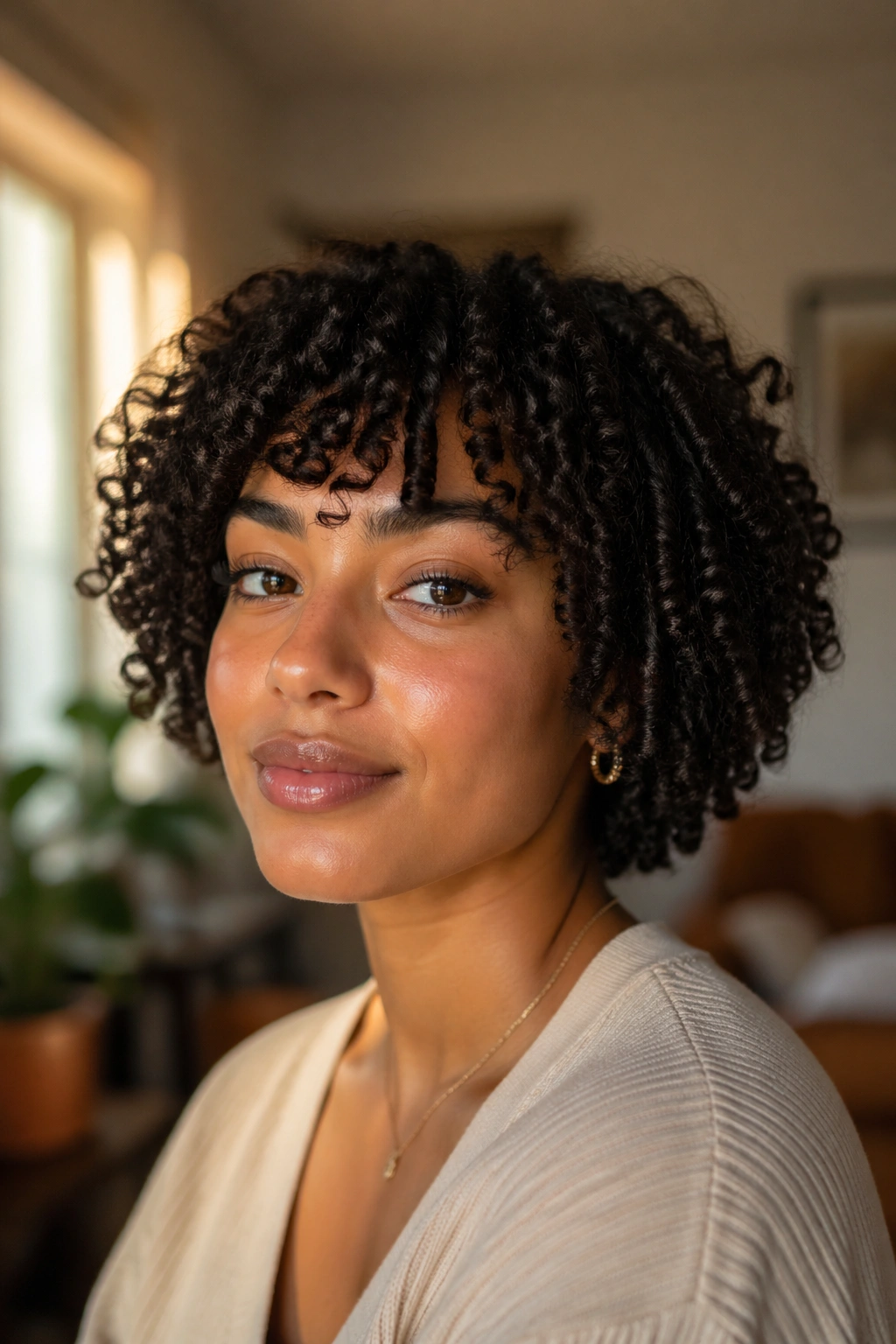
It’s worth saying directly: cutting your natural curly hair short is often more emotional than people expect, and that’s completely normal. Your hair is tied to your identity, your history, and — for many Black women — your cultural story. Cutting it short can feel like losing something. And then, often, it feels like finding something.
A short natural cut is not a lesser choice. It’s an equal one. It’s a declaration that your hair doesn’t need to be long to be beautiful, doesn’t need to be a certain texture to matter, and doesn’t need to conform to anyone else’s standard of what natural hair “should” look like.
Your curls are yours. Short or long, they’re yours.