
Wavy hair exists in a unique middle ground. It is often too heavy to bounce like curls, yet too prone to frizz to sit flat like straight hair. The struggle with finding the right cut usually boils down to one issue: weight. If you have too much length or bulk, your natural wave pattern gets pulled straight, turning into a messy, shapeless texture. On the flip side, cutting it too short without proper layering can lead to that dreaded triangle shape.
Getting the perfect, low-maintenance cut for wavy hair requires understanding how your specific wave pattern reacts to gravity and thinning shears. You want movement, not frizz. You want a cut that looks intentional when you air dry it, rather than one that forces you to reach for a flat iron every single morning.
The following styles prioritize natural texture, volume, and ease of care.
1. The Classic Shag
The shag is essentially the gold standard for wavy hair because it relies on heavy, strategic layering to create volume. When a stylist cuts a classic shag, they are removing weight from the internal sections of the hair while keeping the perimeter relatively piecey. This allows your natural wave to spring up because it is no longer being weighed down by extra density.
Why It Works for Low Maintenance
You don’t have to do much to make a shag look good. It is designed to be messy. Because the layers are choppy and uneven, you don’t need to worry about perfectly smooth hair. A quick application of sea salt spray or a light styling cream while damp is usually all you need.
Maintenance Tips
- Use a diffuser attachment on your blow dryer for extra volume if you have time.
- Avoid heavy silicones that weigh down the layers.
- Schedule trims every 8 to 10 weeks to keep the layers looking sharp.
Pro tip: Ask your stylist to use a razor for the layers instead of shears; this creates softer, more tapered ends that blend better with wavy textures.
2. The Textured Lob
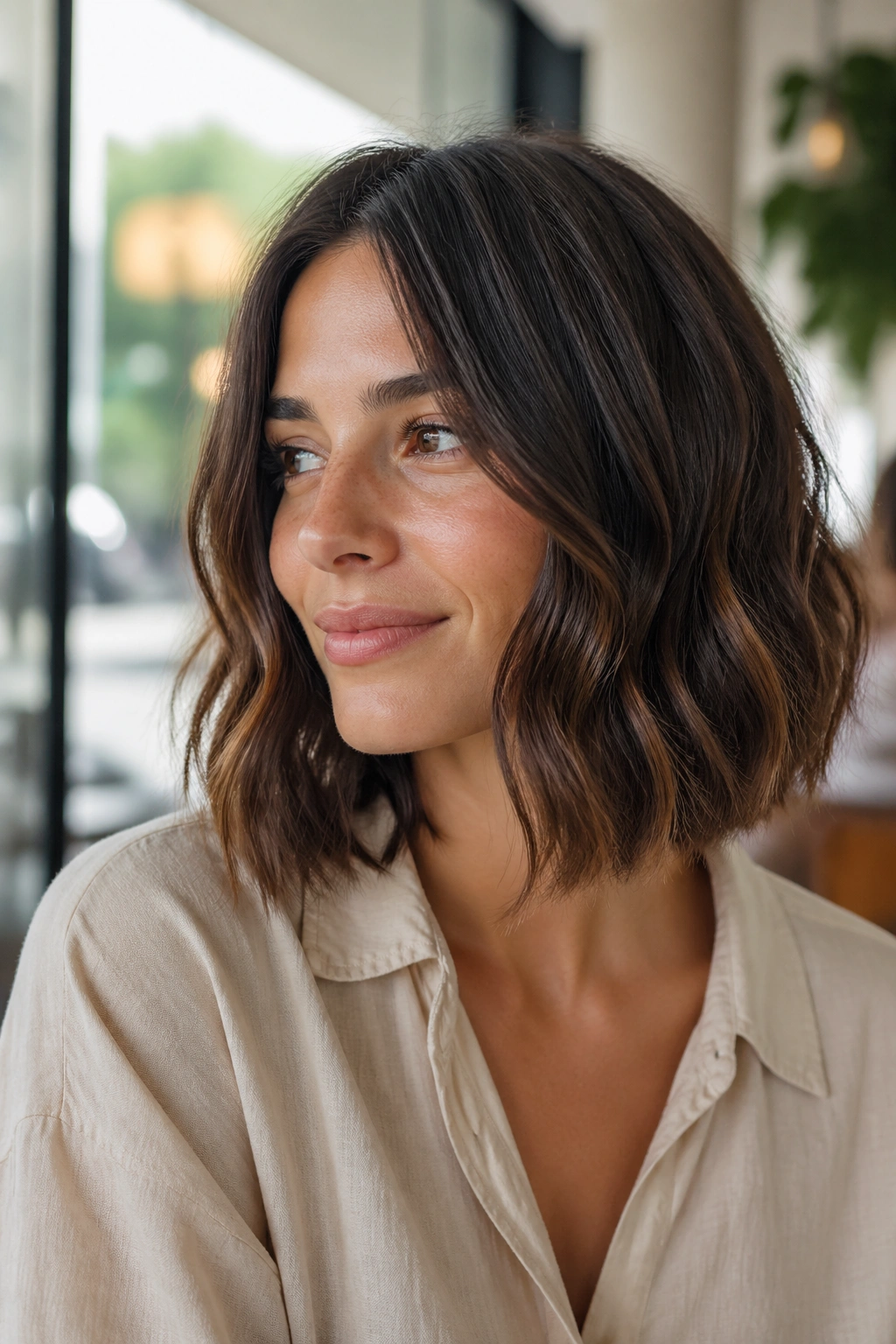
A lob—or long bob—is arguably the most versatile haircut in existence. For wavy hair, the key is the “textured” part. You don’t want a blunt, perfectly straight line at the bottom, as this will make your hair look like a heavy curtain. Instead, opt for a lob that features subtle internal layering and a point-cut perimeter.
How to Style It
Because the length hits right around the collarbone, you have enough hair to pull back into a ponytail if you are in a rush. If you leave it down, the textured ends allow the waves to clump together nicely. Apply a dollop of leave-in conditioner to wet hair, scrunch it in, and let it go. It really is that simple.
3. Face-Framing Layers
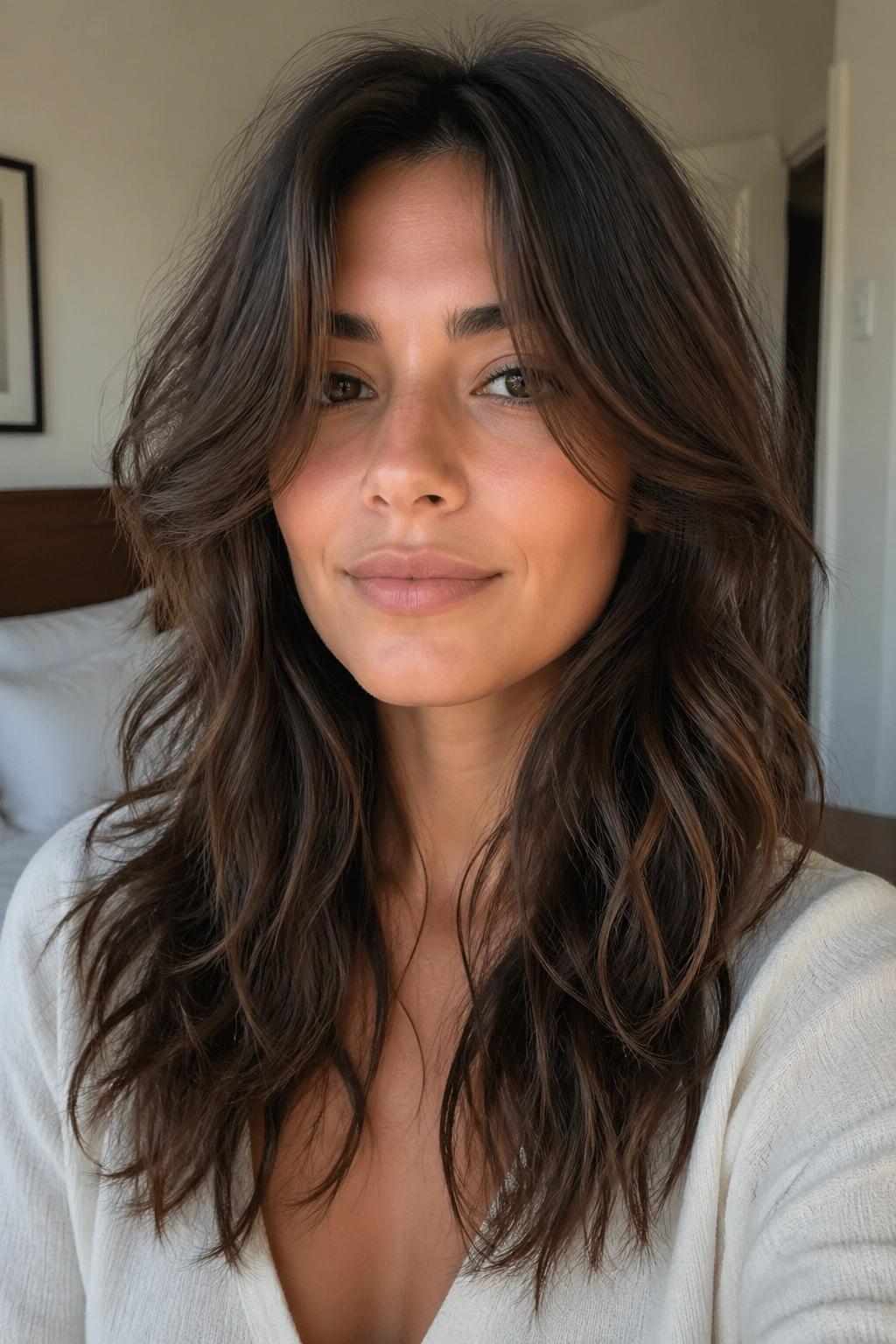
If you love your length but hate how it pulls your face down, face-framing layers are your best friend. These layers start around the chin and cascade down, breaking up the heavy look of long wavy hair. They act as a spotlight for your features and add movement exactly where you want it.
Why This Cut Is a Winner
It keeps the integrity of your long hair while giving it a more “styled” appearance without any actual effort. You can wake up, brush your hair, and the face-framing sections will naturally curve around your face. It is an instant upgrade to basic, one-length hair.
What to Ask For
Tell your stylist you want “long, disconnected layers around the front” to ensure they don’t cut too much into the rest of your hair’s body.
4. Blunt Perimeter Cut
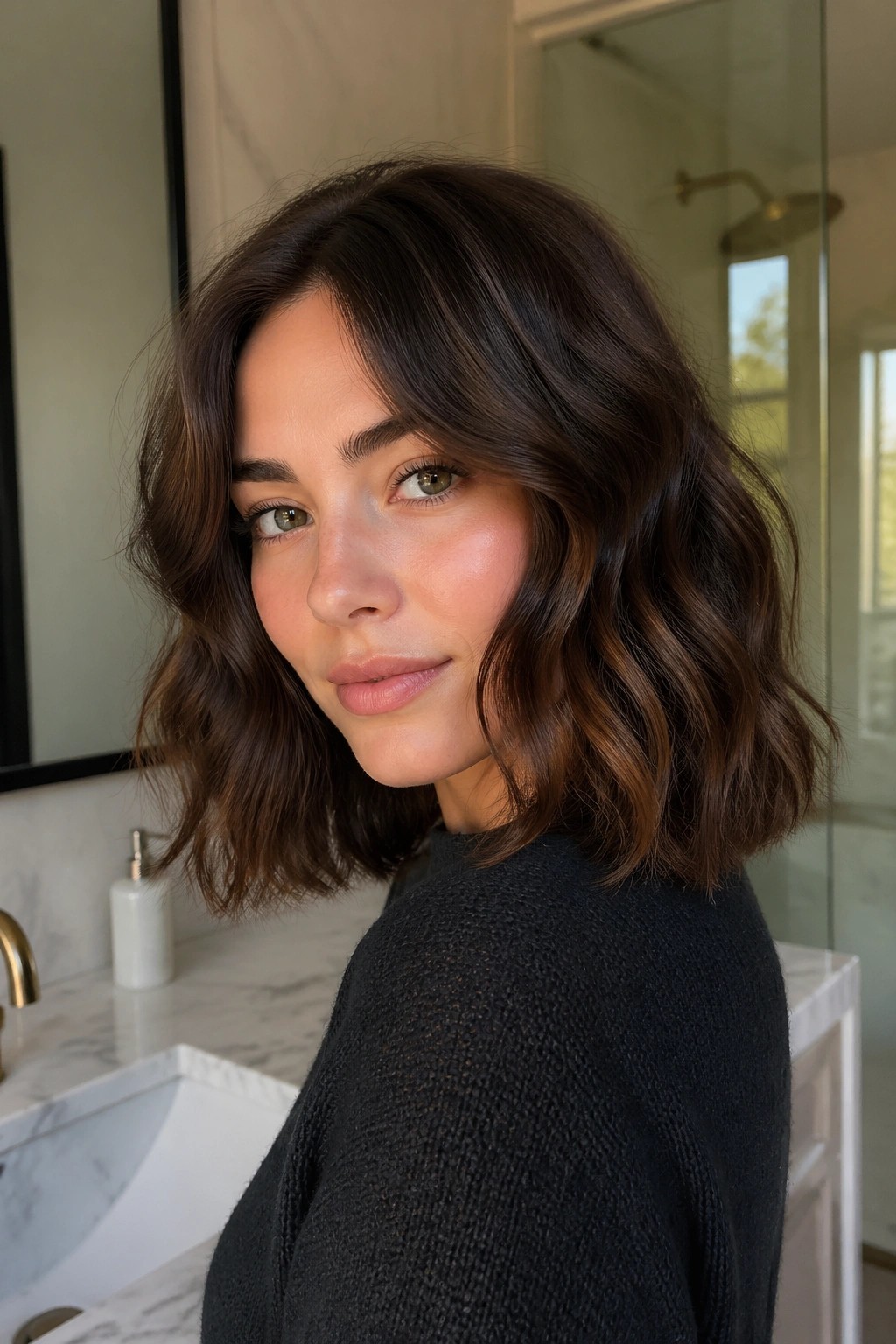
Some people with wavy hair think they need layers everywhere, but that isn’t always the case. If your waves are on the finer side, a blunt perimeter can actually make your hair look significantly thicker and healthier. The secret is that the blunt line at the bottom provides a solid foundation for the waves to sit on.
The catch: You need to keep the bluntness at the very bottom. Ask for invisible, internal layers that are hidden under the top layer of hair. This gives you the volume and movement you crave without sacrificing the fullness of the ends.
It is a fantastic choice if you want a polished look that requires minimal styling product. A simple air-dry usually gives this cut a chic, intentional vibe.
5. Curtain Bangs with Waves
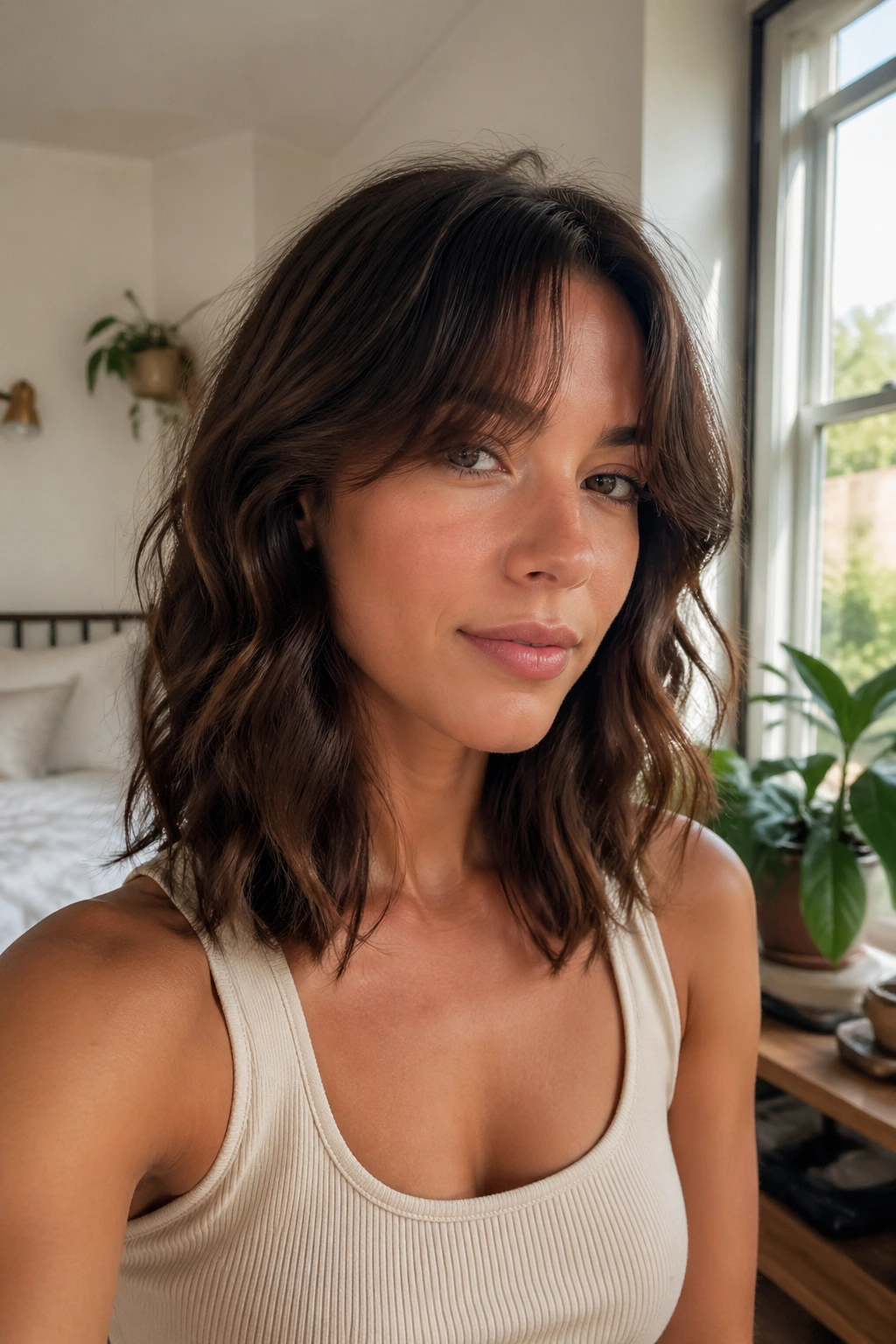
Curtain bangs are perfect for wavy hair because they are designed to be soft, grown-out, and flexible. Unlike blunt, straight-across bangs that require constant trimming and blow-drying, curtain bangs are meant to swoop. They blend seamlessly into the rest of your layers.
Why They Require Minimal Effort
They are meant to be parted down the middle or slightly off-center, framing your face without hiding your eyes. If you are lazy with styling, they still look great. Even if they get a little frizzy, it just adds to that “lived-in” aesthetic that is currently quite popular.
- Maintenance: You can trim these yourself with a pair of hair scissors once they get too long.
- Styling: Use a round brush to give them a slight bend if you want, or just tuck them behind your ears while they air dry for a natural wave.
6. Modern Wolf Cut
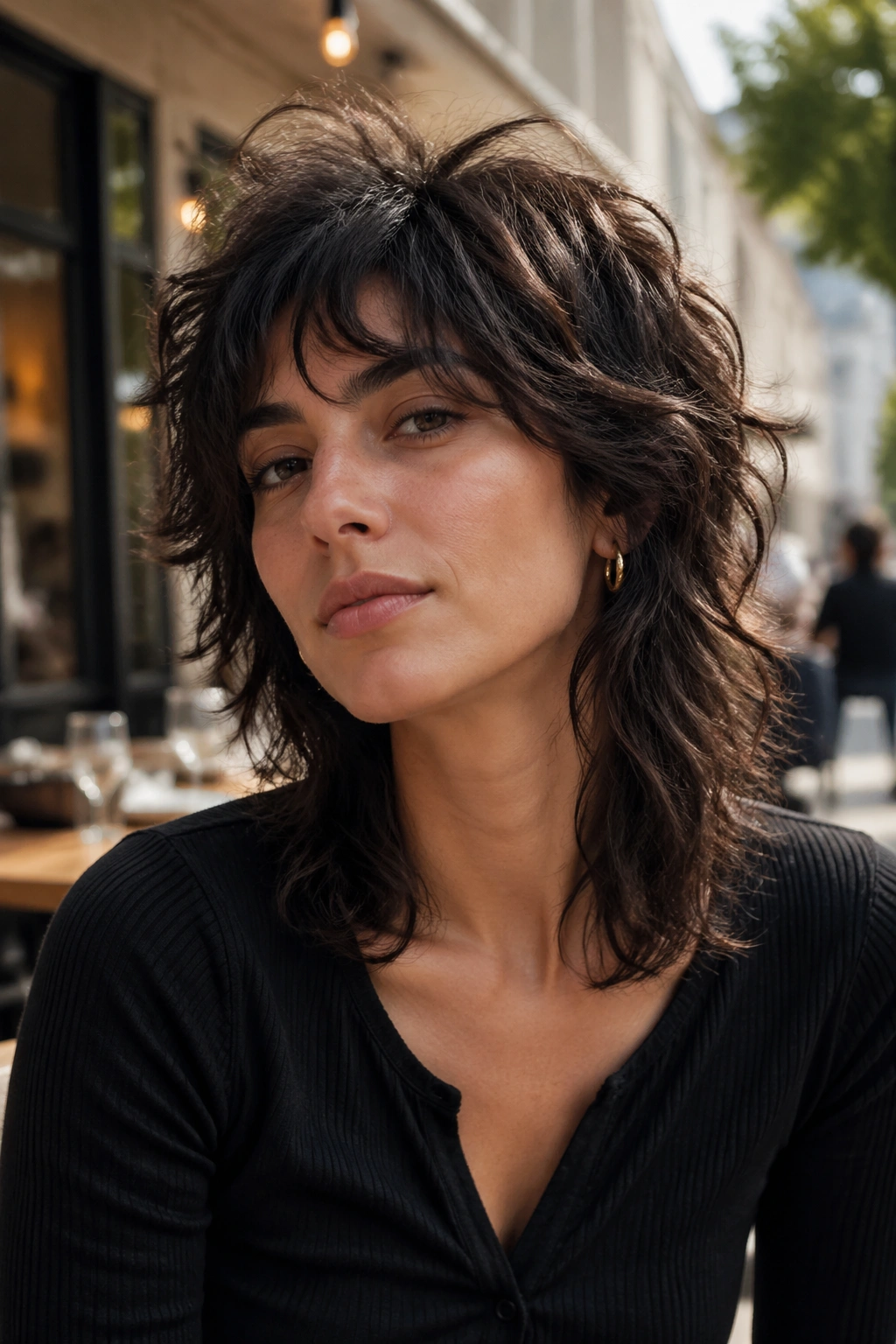
The wolf cut is a cross between a shag and a mullet, but don’t let that description scare you. For wavy hair, it is a powerhouse of volume. It features tons of short, choppy layers on the top and crown, while keeping the length on the bottom.
Why It’s Great
It is the ultimate “I rolled out of bed like this” cut. Because the layers are so intentional and dramatic, you don’t need to do much styling. The hair naturally falls into place. If you find your hair goes flat by noon, this cut will solve that problem immediately.
7. The Butterfly Cut
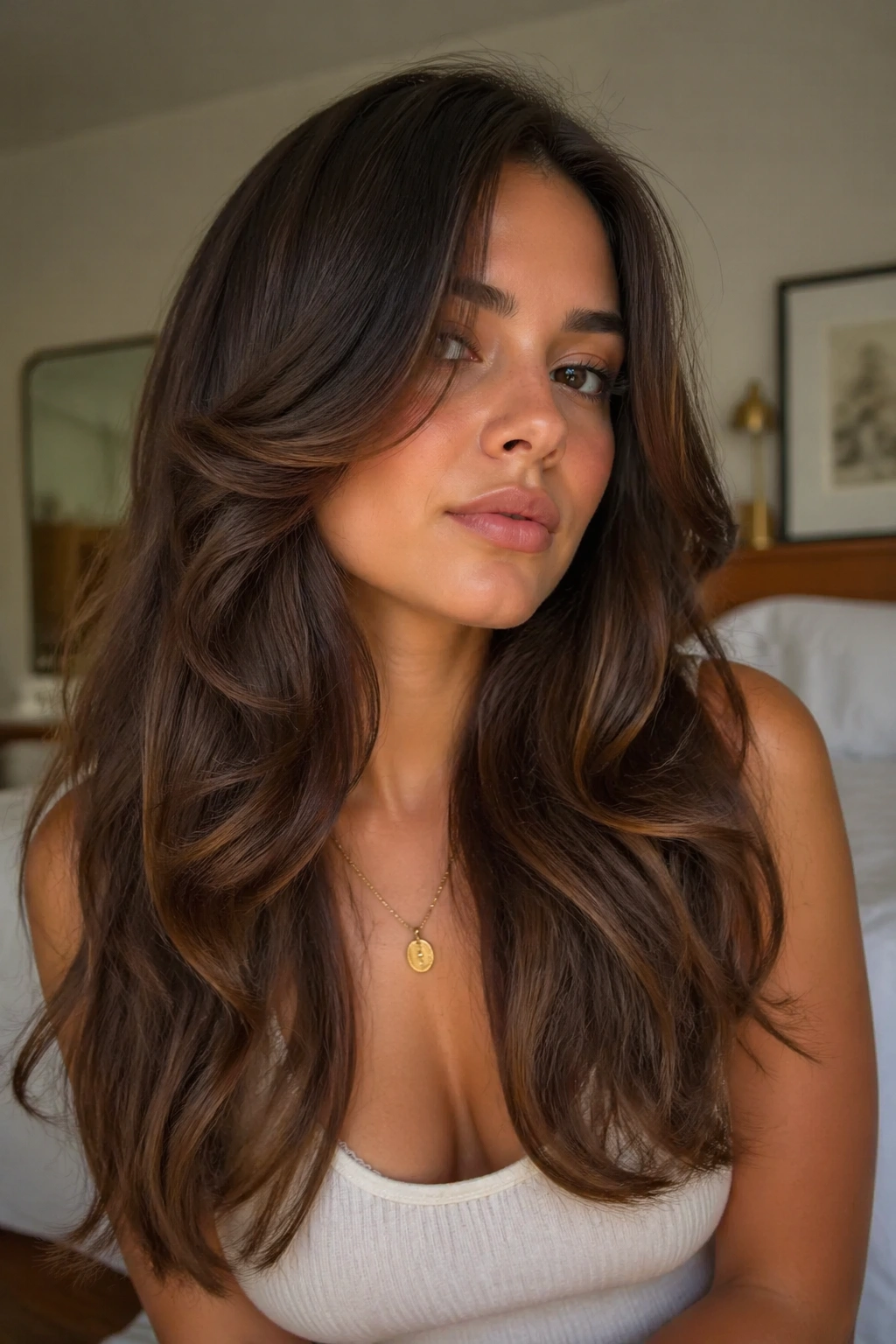
The butterfly cut is all about creating the illusion of shorter hair without actually losing your length. It uses deep layers to create a “winged” effect. When you pull the top layers forward, it looks like you have a bob or a shorter layered cut, but the back remains long.
Benefits for Wavy Texture
It helps remove the bulk that often accumulates in the middle of long wavy hair. It gives your waves space to breathe and curl up properly. It’s a very flattering cut that works well with a variety of face shapes.
Pro tip: This cut looks best with a blowout, but it works just fine with air-dried waves too. Just be prepared for a lot of volume.
8. Invisible Layered Cut
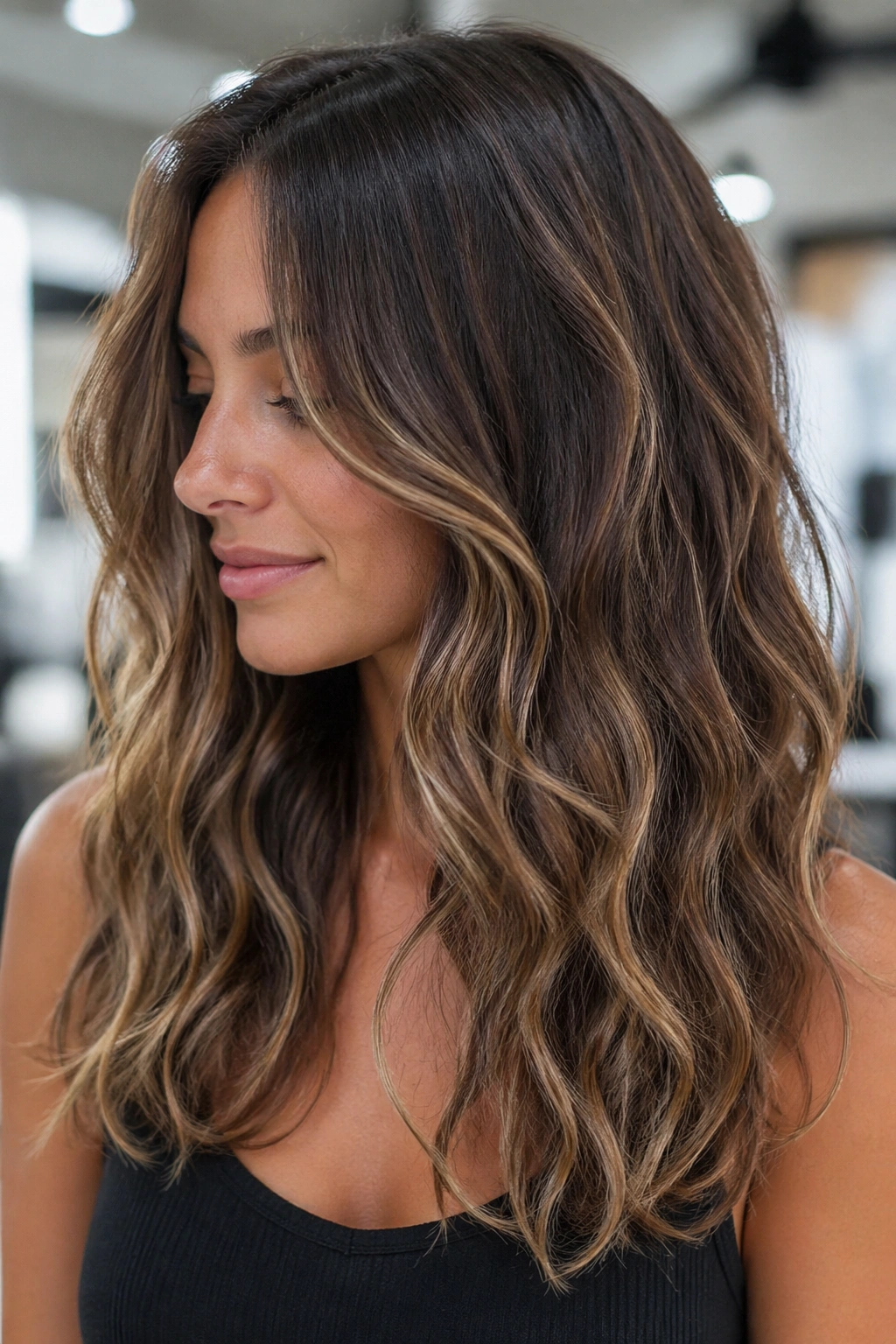
If you are terrified of the “mullet” look or layers that feel too choppy, ask for invisible layers. These are cut internally throughout the hair to reduce bulk without changing the visual length or the way the perimeter looks.
How It Works
Your stylist will essentially thin out the hair from the inside, so the top layers remain long and smooth. It makes thick, wavy hair feel lighter and easier to manage. You get all the benefits of a layered cut—movement, bounce, volume—without any of the visible layer lines. It is the perfect choice for the minimalist who wants their hair to feel effortless.
9. Wavy Pixie
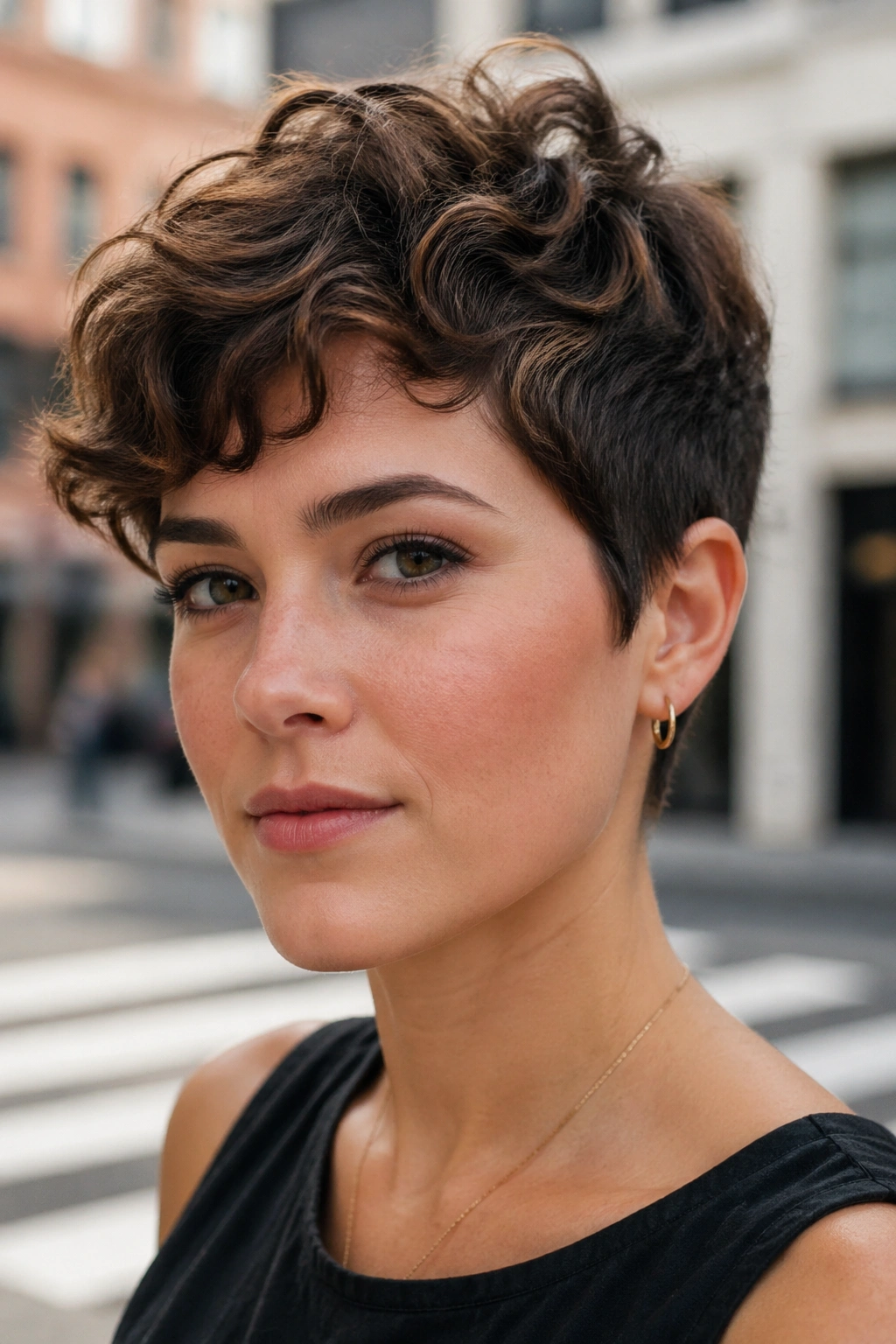
Not everyone wants long hair. A wavy pixie is a bold, low-maintenance choice that works incredibly well with natural texture. Because wavy hair has a bit of bend, it doesn’t stand straight up like stick-straight hair would in a pixie cut. Instead, it creates a soft, feminine, and textured look.
Why It’s Low Maintenance
You can literally wake up, shake your hair, and go. A tiny bit of styling paste or pomade is all you need to define the pieces. It requires a salon visit every 4 to 6 weeks to keep the shape, but your daily routine becomes basically non-existent.
10. Mid-Length Shag
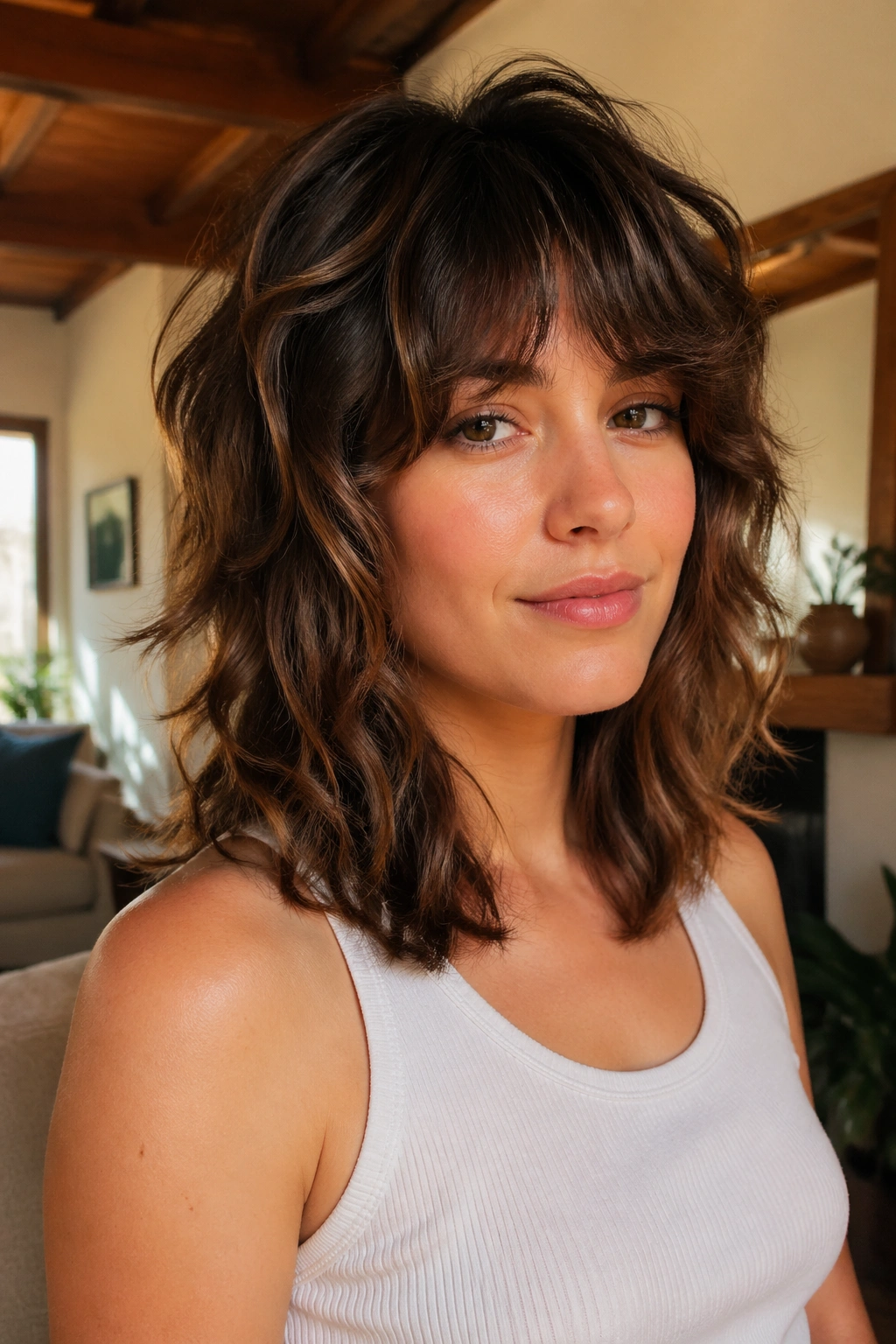
A mid-length shag hits right at the shoulders. It is slightly shorter than a lob but has much more texture. It is a fantastic bridge between a short cut and long hair.
Styling the Mid-Length Shag
The length is long enough to pull back if you need to, but short enough that it doesn’t take three hours to dry. Because it is a shag, the layers do all the work. If you have fine, wavy hair, this cut is especially helpful because it creates the illusion of density where there might be none.
11. Soft Beach Wave Cut
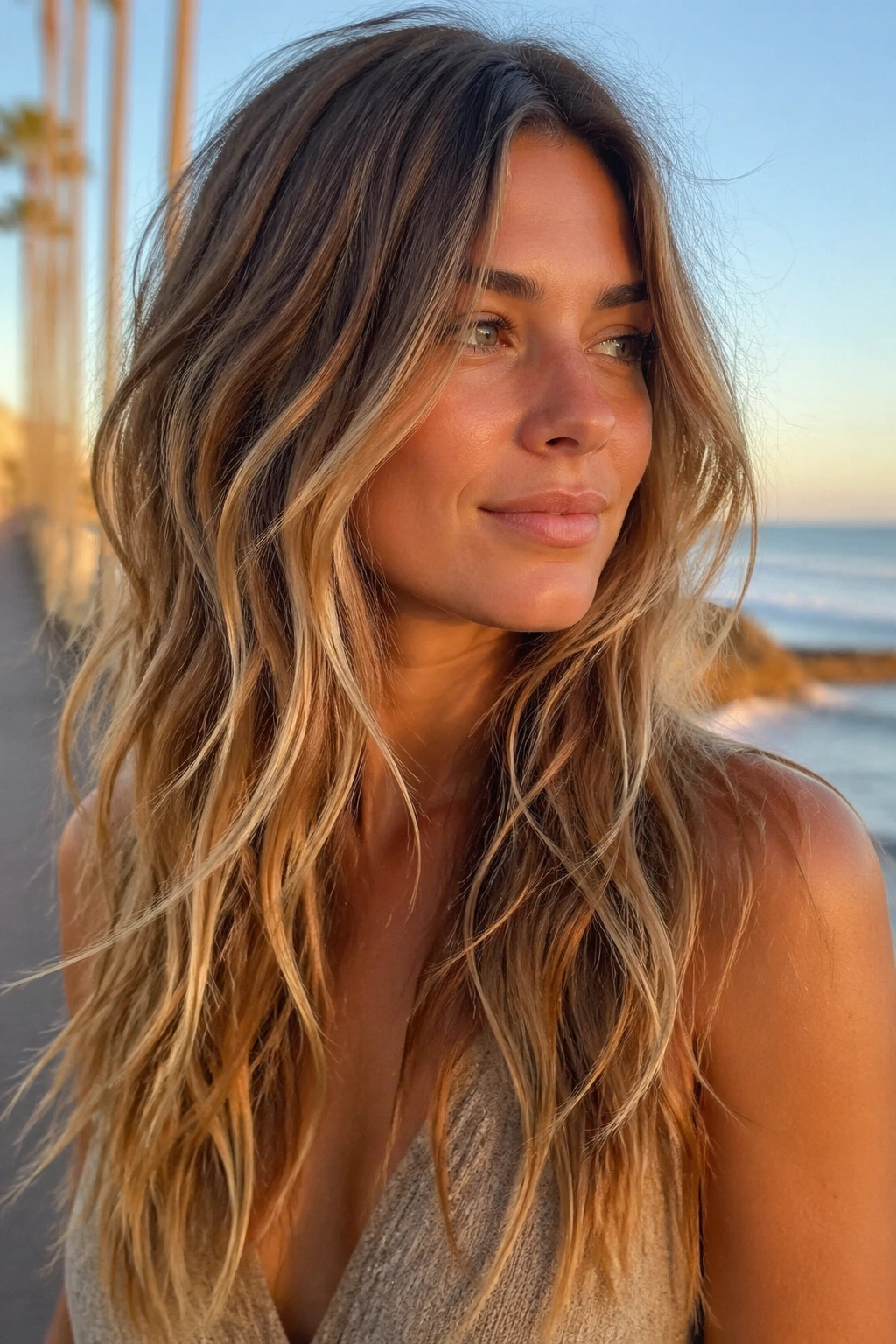
This isn’t really a specific “style” as much as it is a technique. A “soft beach wave cut” usually involves long layers and a U-shaped or V-shaped perimeter. It is designed to let your waves clump together in those classic, soft “beach” patterns.
Keeping It Simple
The best part about this cut is that it doesn’t demand perfection. If a piece of hair sticks out or isn’t perfectly waved, it fits the vibe. Focus on using a moisturizing conditioner in the shower to keep the waves clumped and hydrated, and you won’t need to do anything else.
12. Collarbone Cut
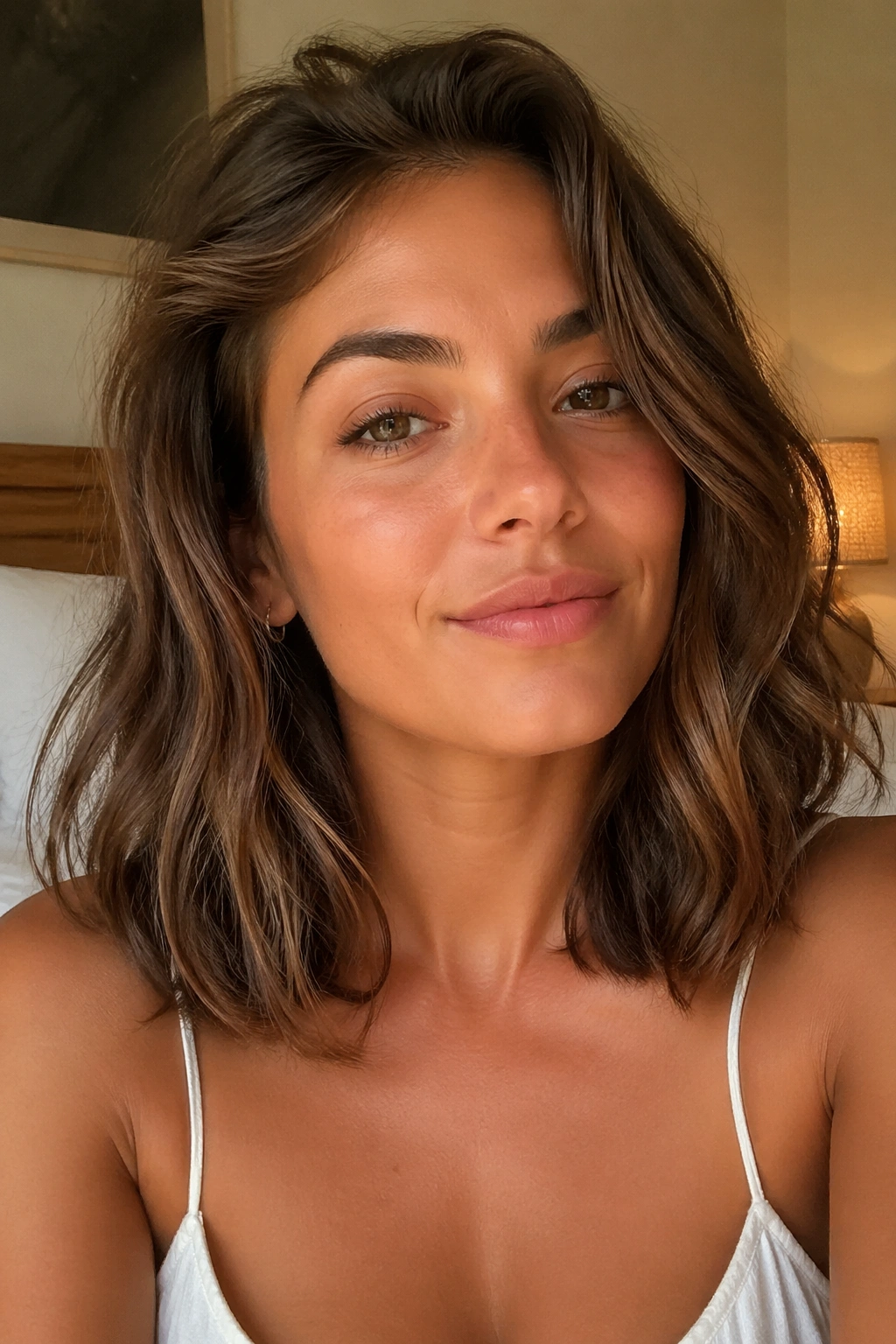
The collarbone cut, or “c-cut,” is a classic for a reason. Hitting right at the collarbone, it is flattering on everyone. It is long enough to be versatile, but short enough to keep your hair healthy and bouncy.
Why It’s Low Maintenance
It avoids the “heavy” feeling that comes with hair that passes the shoulders. At the collarbone, your natural oils are able to travel further down the hair shaft, which means your hair is generally healthier and less prone to breakage. It is a great middle-ground choice.
13. Feathered Layers
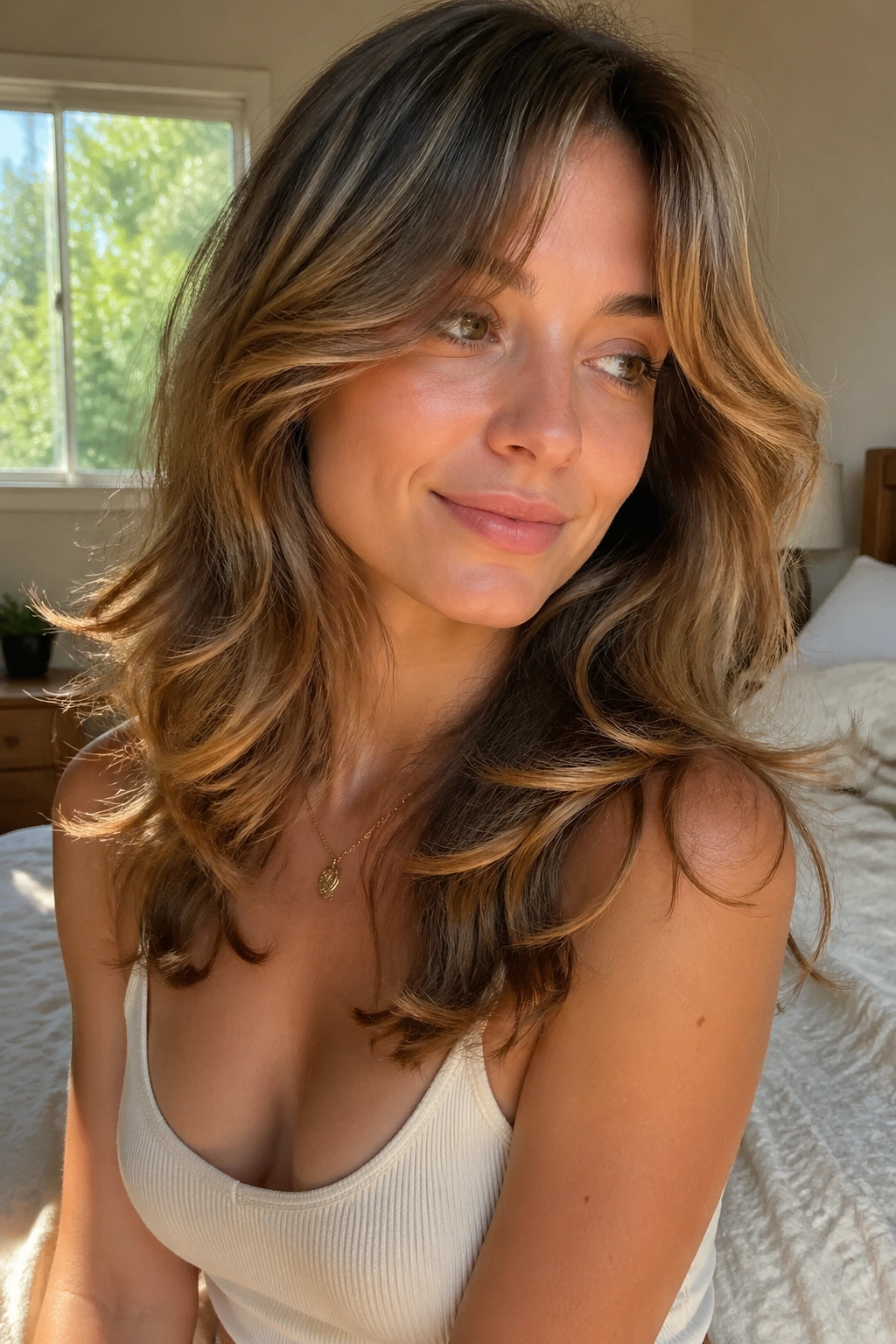
Feathered layers are back, and they are incredibly soft. This cut involves layers that are cut into the ends of the hair, giving them a tapered, light appearance. It prevents the ends from feeling blunt or blocky.
The Look
When your hair is wavy, feathered ends tend to flip out naturally, which creates a very retro, charming look. You don’t need a round brush to get this; just let your hair dry naturally. The cut does the shaping for you.
14. The Midi-Bob

A midi-bob is slightly longer than a chin-length bob but shorter than a shoulder-grazing lob. It sits right in that sweet spot where you have just enough length to play with, but it feels distinctly “short.”
Styling Tips
Because this cut is blunt, it is very low maintenance. However, ask your stylist to “shatter” the ends with thinning shears. This prevents the bob from forming a pyramid shape and keeps your waves looking relaxed rather than boxy.
15. Long Layers with Internal Texture
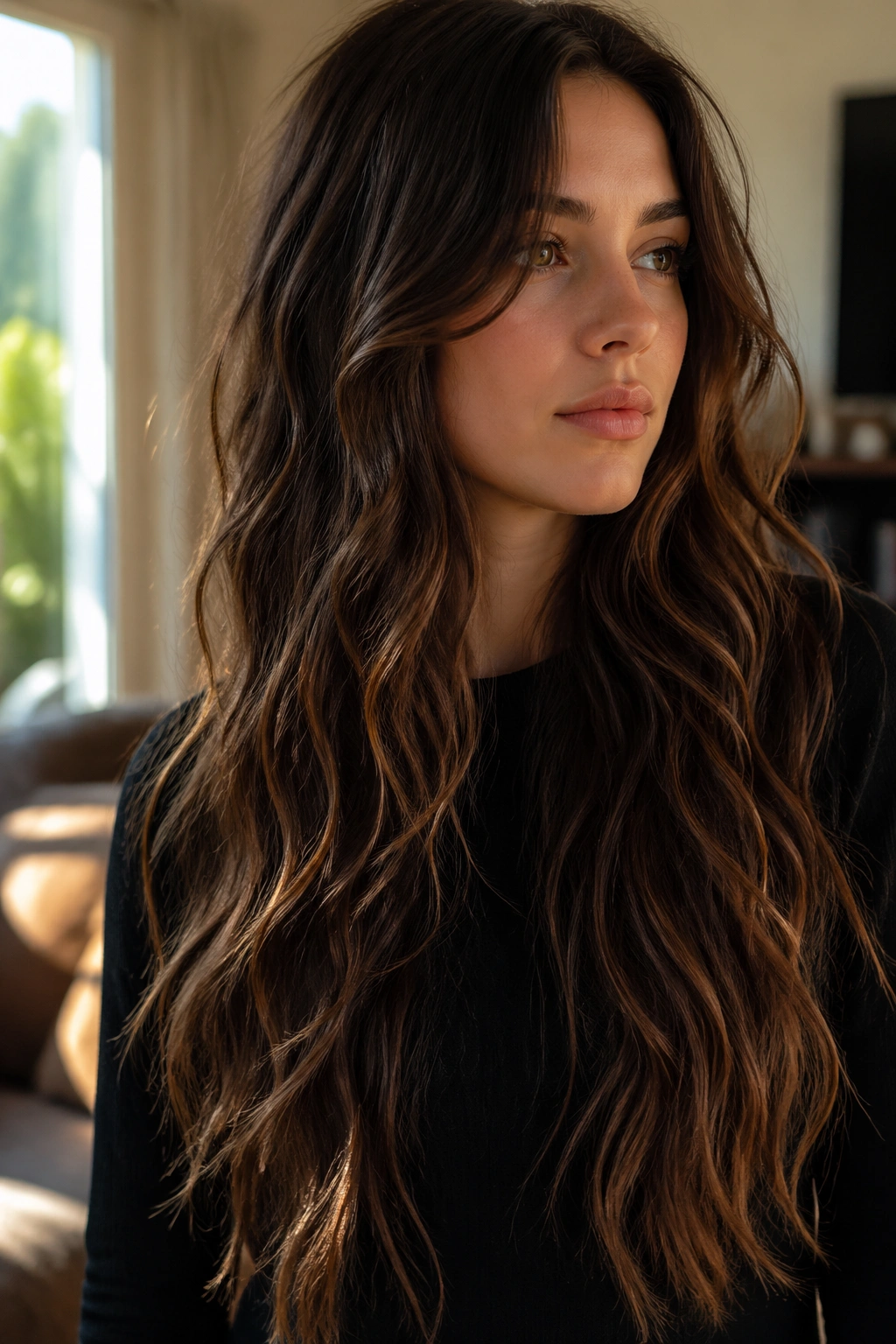
If you have extremely long, thick, wavy hair, you need internal texture. This cut involves taking the shears and cutting small, subtle chunks out of the mid-lengths. It is not about thinning your hair out until it’s wispy; it is about creating “gaps” where the hair can fold and wave naturally.
Why It Helps
Without this, your hair acts like a solid sheet. With it, your waves have the space to move independently. It makes a massive difference in how much volume you get at the roots.
16. Asymmetrical Bob
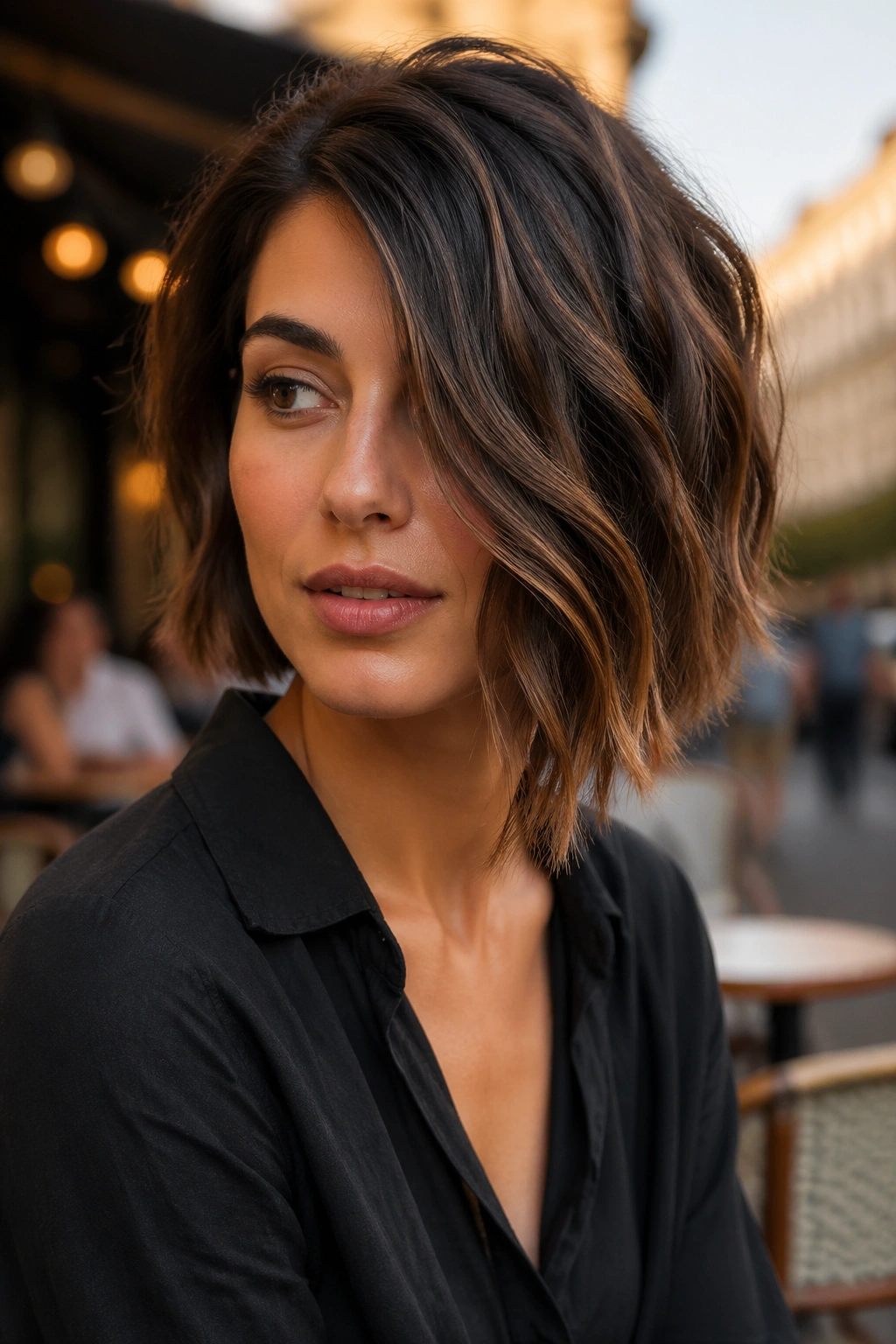
An asymmetrical bob is shorter in the back and longer in the front. This is a very sharp, stylish cut that works surprisingly well for wavy hair because the imbalance distracts from any frizz or unevenness in your wave pattern.
Why You’ll Love It
It looks intentional. Even if your waves aren’t perfect, the dramatic shape of the cut says, “I meant for it to look this way.” It is a confidence booster and requires very little styling time. Just wash, add a light curl cream, and let it dry.
17. The Textured Crop
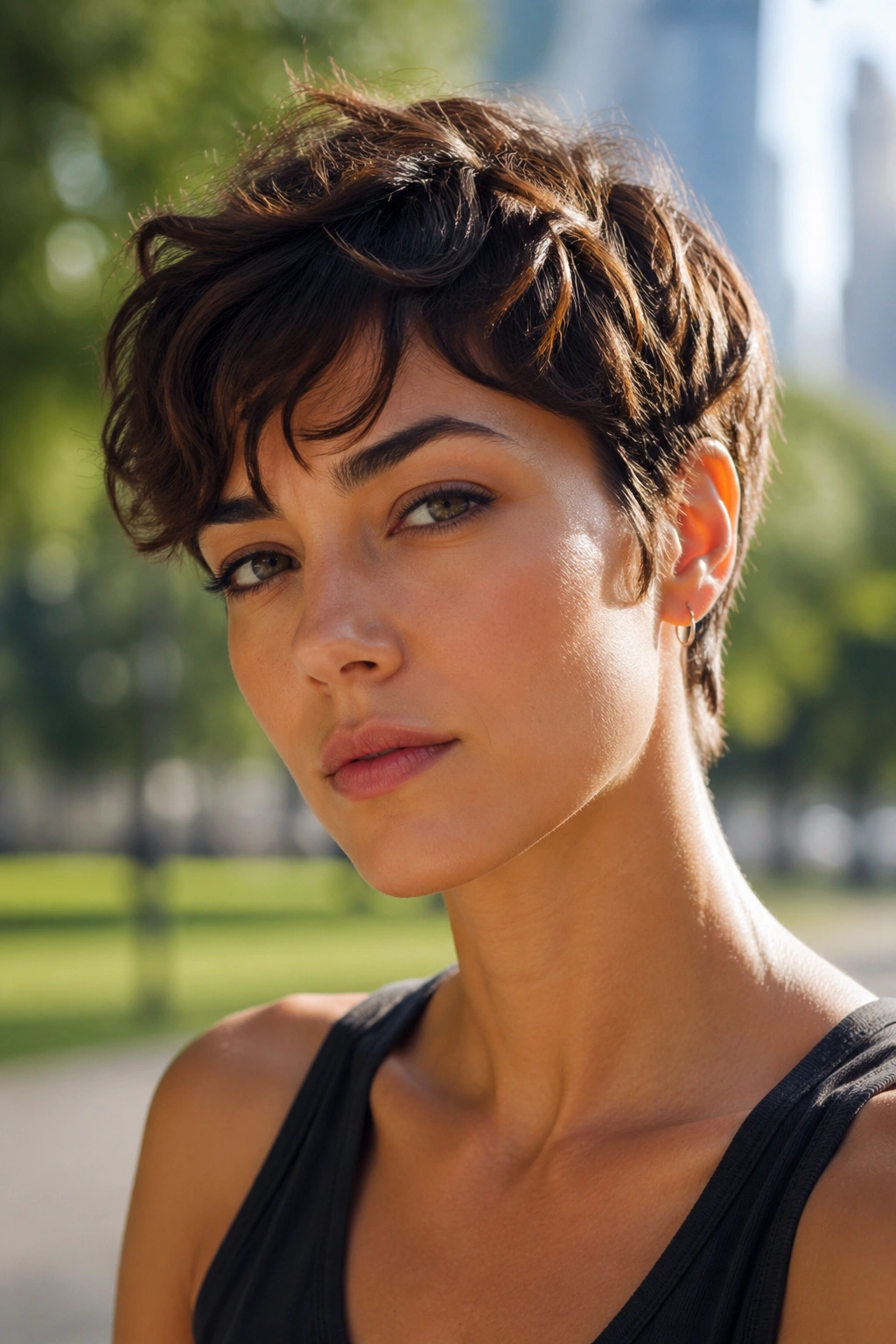
A textured crop is a shorter, more rugged version of a pixie. It usually features longer hair on top and shorter, tighter sides. It is a very cool, modern look.
Maintaining the Shape
This cut is all about the finish. Since the hair is short, you need to use a high-quality styling cream or clay. Rub a pea-sized amount between your palms and work it through your hair. It should take you less than two minutes in the morning.
18. Graduated Bob
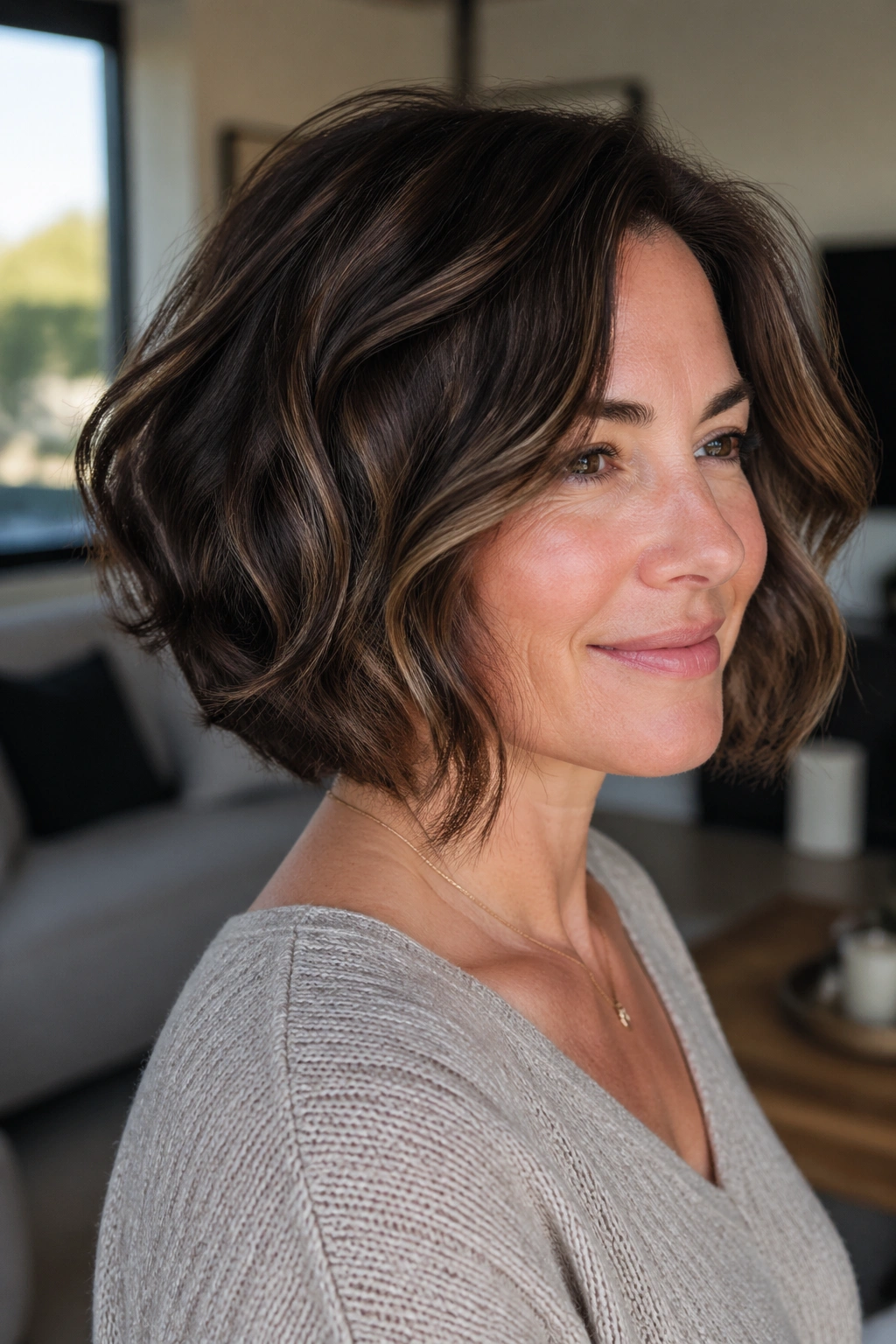
A graduated bob features shorter, stacked layers in the back that get longer toward the face. The “stacking” in the back is achieved by cutting the hair at an angle, which naturally creates a rounded shape without needing a hot tool.
The Benefit for Wavy Hair
Wavy hair naturally tends to poof. The stacked layers in the back control that volume while the longer front keeps it soft. It is a very tailored, professional look that requires very little maintenance besides regular trims to keep that back stack clean.
19. The V-Cut
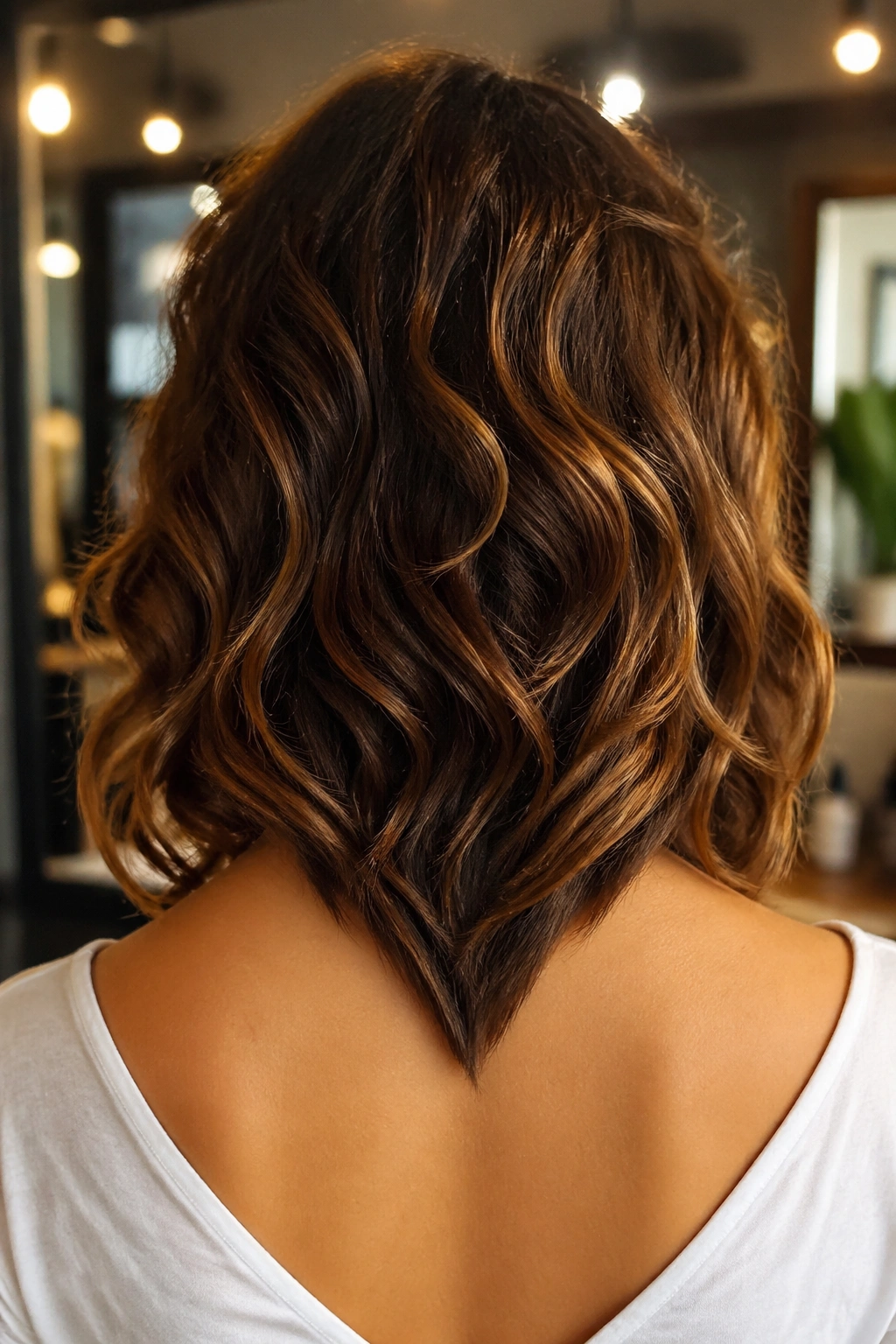
A V-cut, or a point cut, is where the back of your hair is cut into a distinct V-shape. This reduces the weight on the sides of your hair and puts all the bulk in the center.
When to Choose It
This is a great cut if your hair is extremely thick and you struggle with it feeling too heavy on the sides of your face. By removing the weight from the sides, you allow the waves to frame your face more delicately. It is an old-school technique that is still highly effective.
20. Rounded Layers
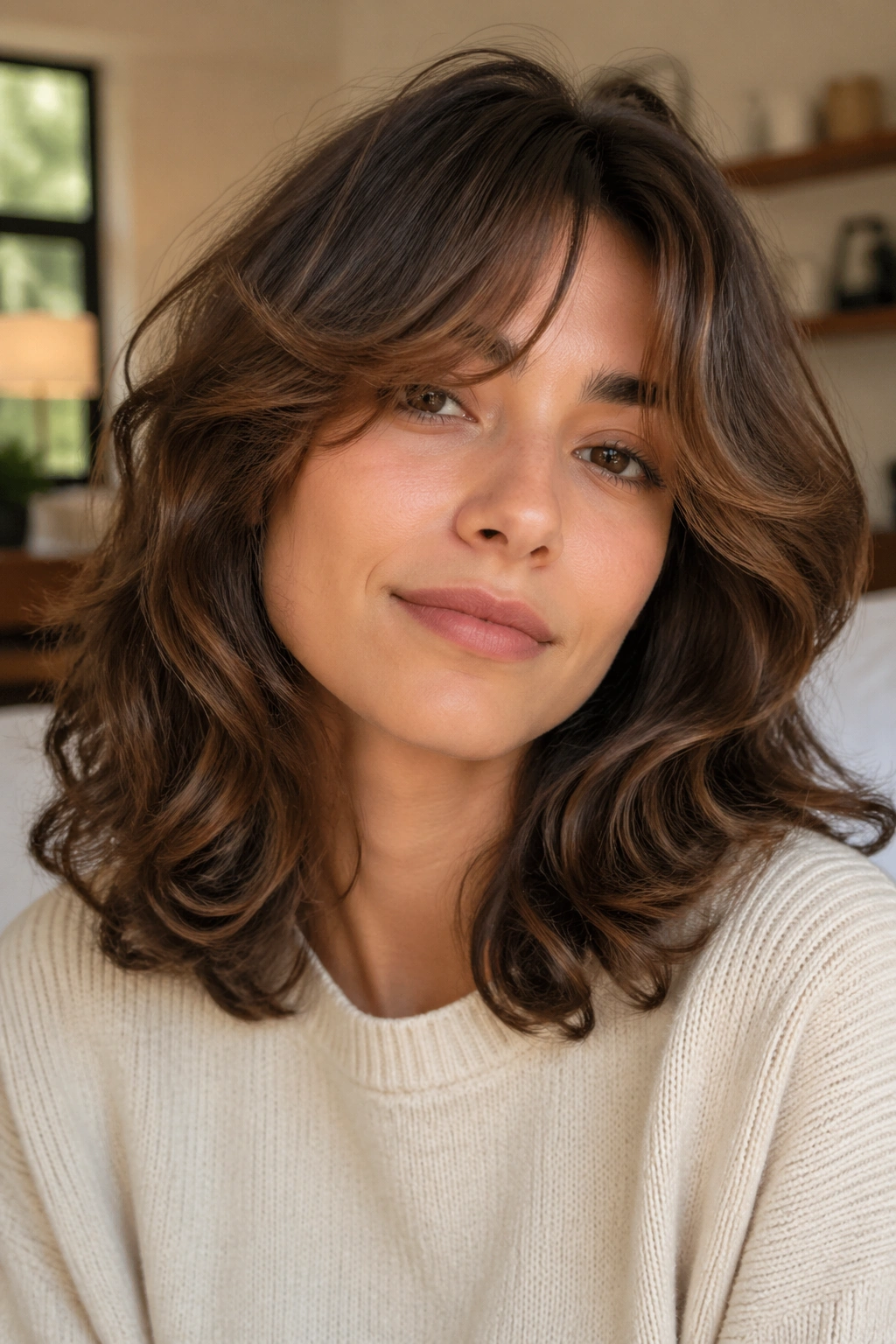
Rounded layers are cut to follow the curvature of your head. This creates a very soft, halo-like effect for your waves. It is the opposite of a shag, which can feel a bit edgy or rebellious.
Softness and Volume
If you want your hair to look like a soft, wavy cloud, this is the cut for you. It prevents the hair from falling flat against your scalp and ensures that your waves have a consistent shape all the way around.
21. Wavy Undercut
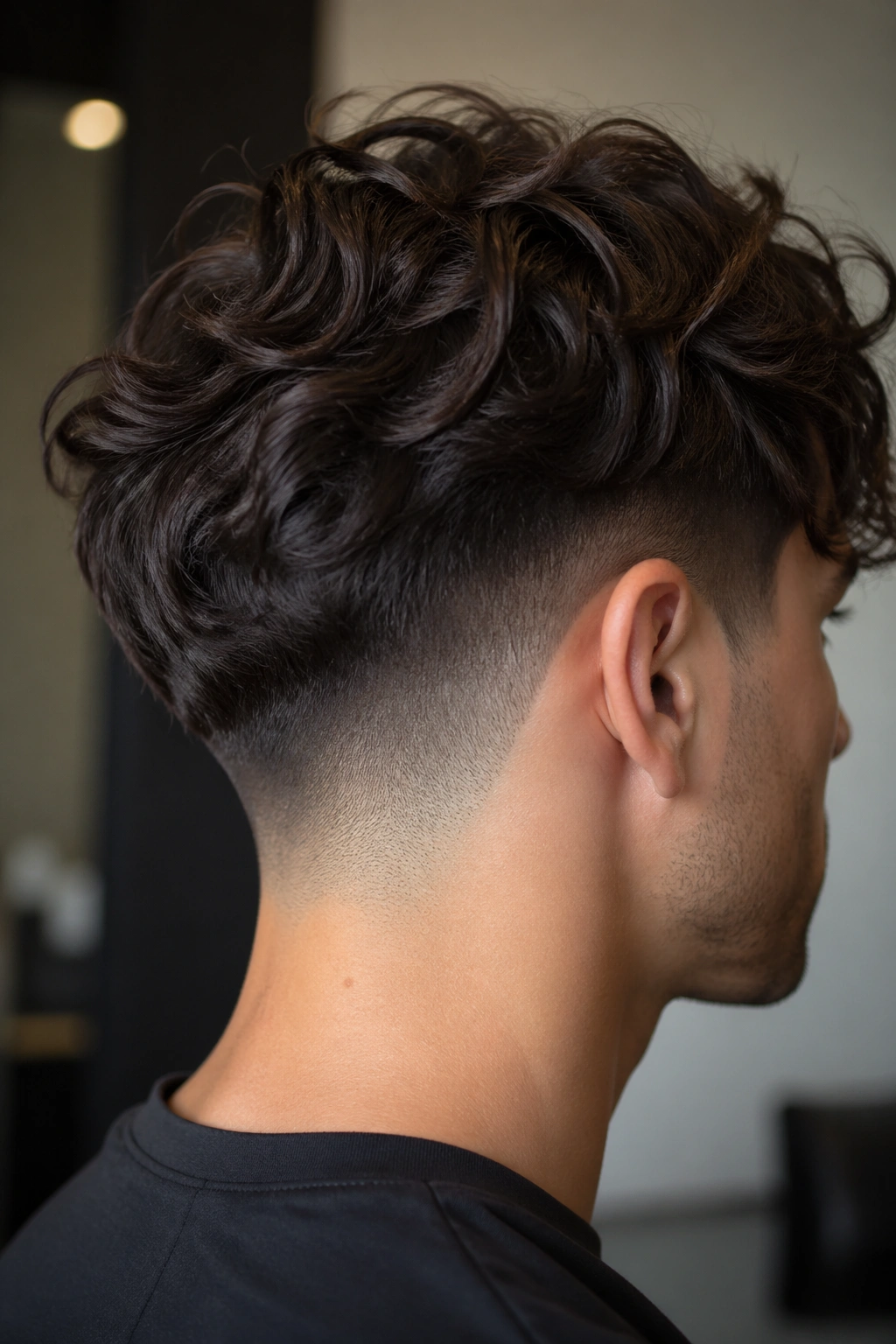
An undercut—where the hair at the nape of the neck is buzzed short—is a hidden gem for people with thick, wavy hair. You don’t have to buzz the whole head, just the section at the bottom.
Why It’s Life-Changing
The nape of the neck is where most of the tangles and bulk occur. By removing that section, you eliminate a huge amount of heat and weight. Your hair feels incredibly light, and it takes half the time to dry. Nobody sees it unless you put your hair up.
22. The Modern Mullet

Yes, the mullet is back, and on wavy hair, it actually makes sense. It is all about short layers on the top and sides, and long hair in the back. Because wavy hair has natural movement, it hides the harsh lines that used to define 80s mullets.
Styling the Modern Look
It is very cool, very low maintenance, and perfect if you are tired of standard haircuts. It looks best when it is a little messy and “undone.” If you want to make a statement without spending time on your hair, this is it.
23. Long Blunt Cut
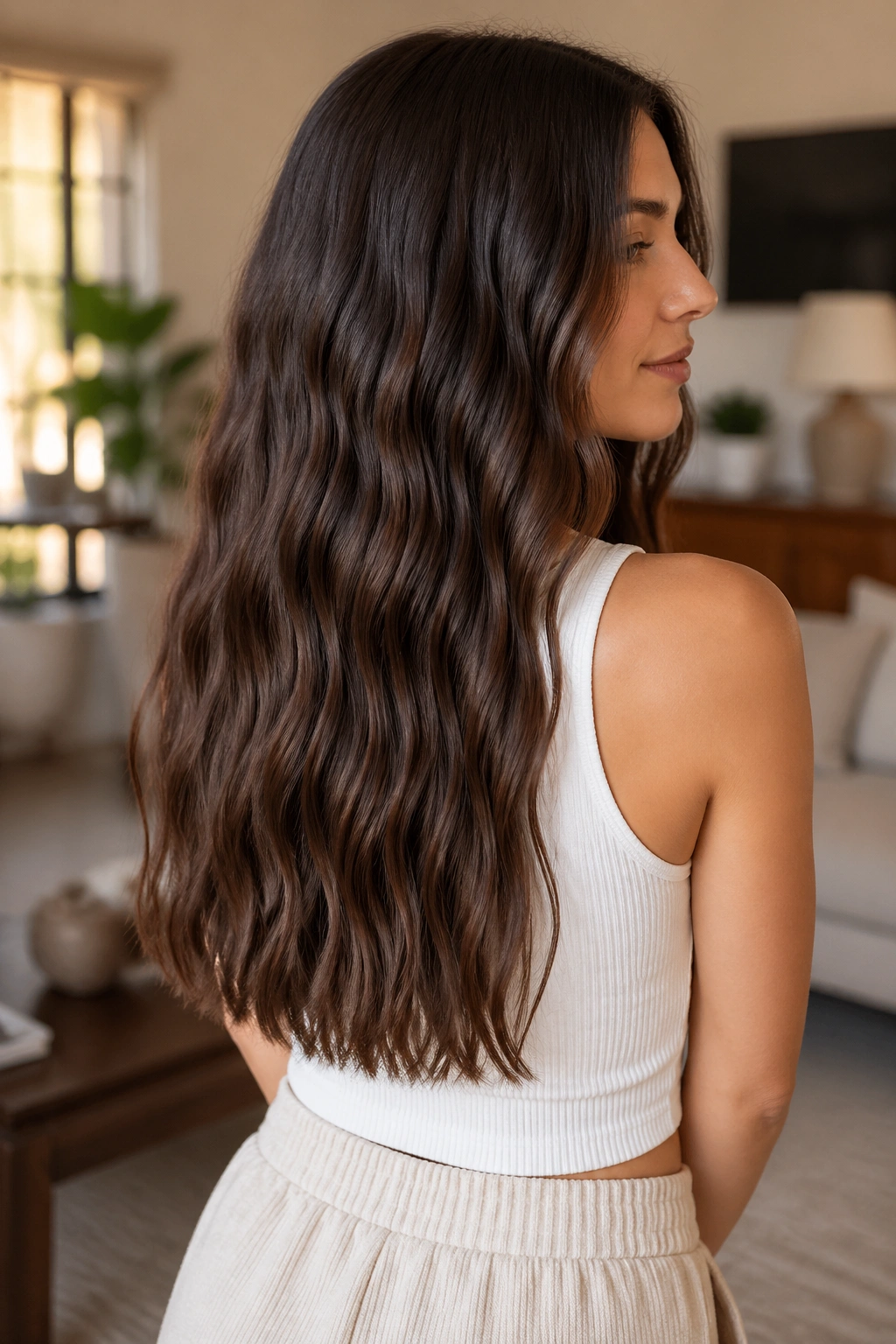
There is a certain power in a long, blunt cut. No layers. No tapering. Just one solid, thick line. If your wavy hair is fine but dense, this cut can actually make your hair look healthier and fuller.
Managing the Volume
The trick to a long blunt cut is moisture. Because you don’t have layers to break up the weight, the hair can feel heavy. Focus on using a light oil on your ends to keep them from drying out, which causes frizz. Otherwise, this is arguably the lowest maintenance cut on the list.
24. The Shaggy Bob
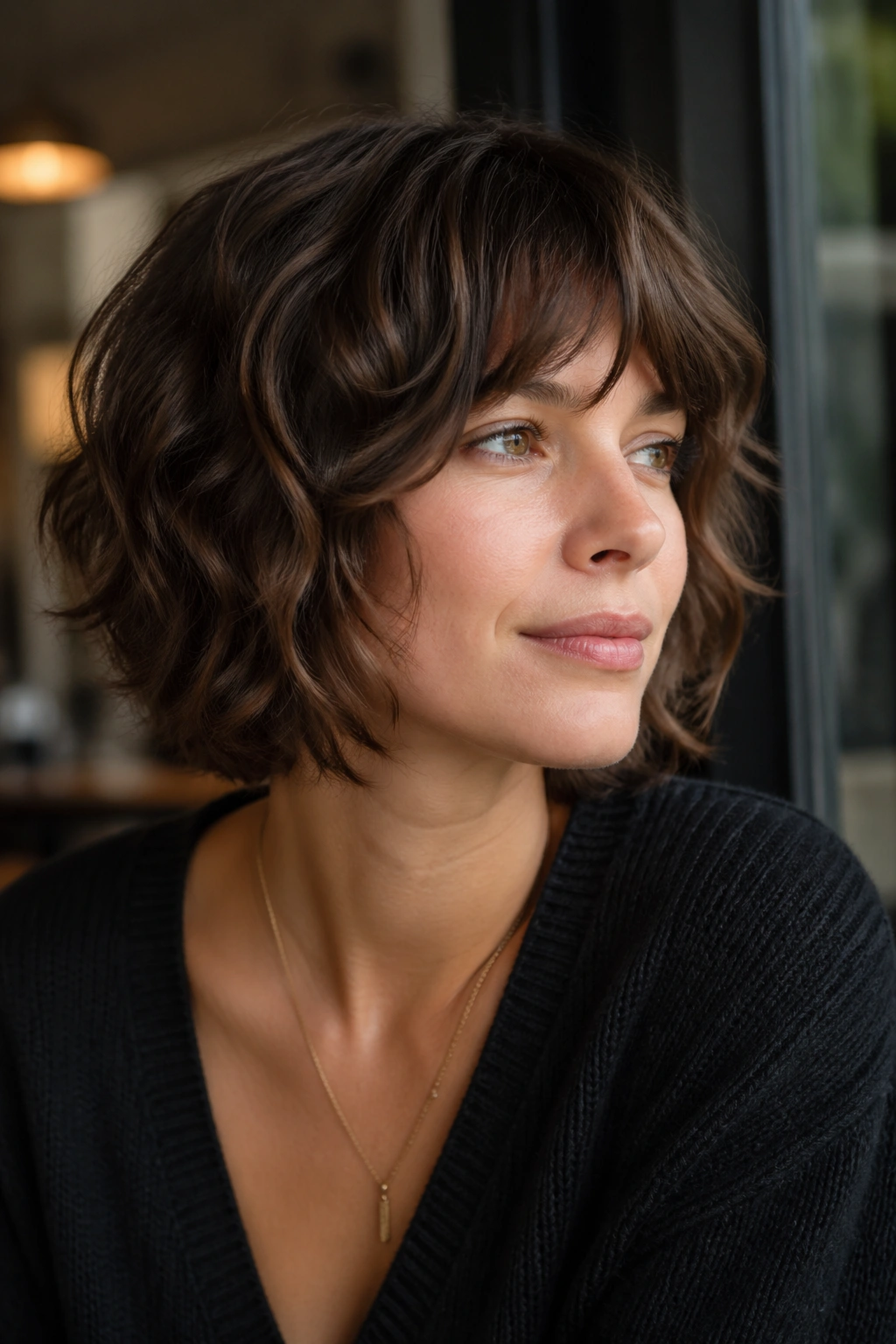
A shaggy bob combines the shortness of a bob with the heavy layering of a shag. It hits around the jawline or slightly below, with lots of choppy layers throughout.
Why It’s Great
It is sassy and fun. It forces your waves to clump and bounce because there is almost no weight pulling them down. It is a fantastic cut for someone who wants to embrace their natural texture fully and stop trying to smooth it out.
25. Layered Lob
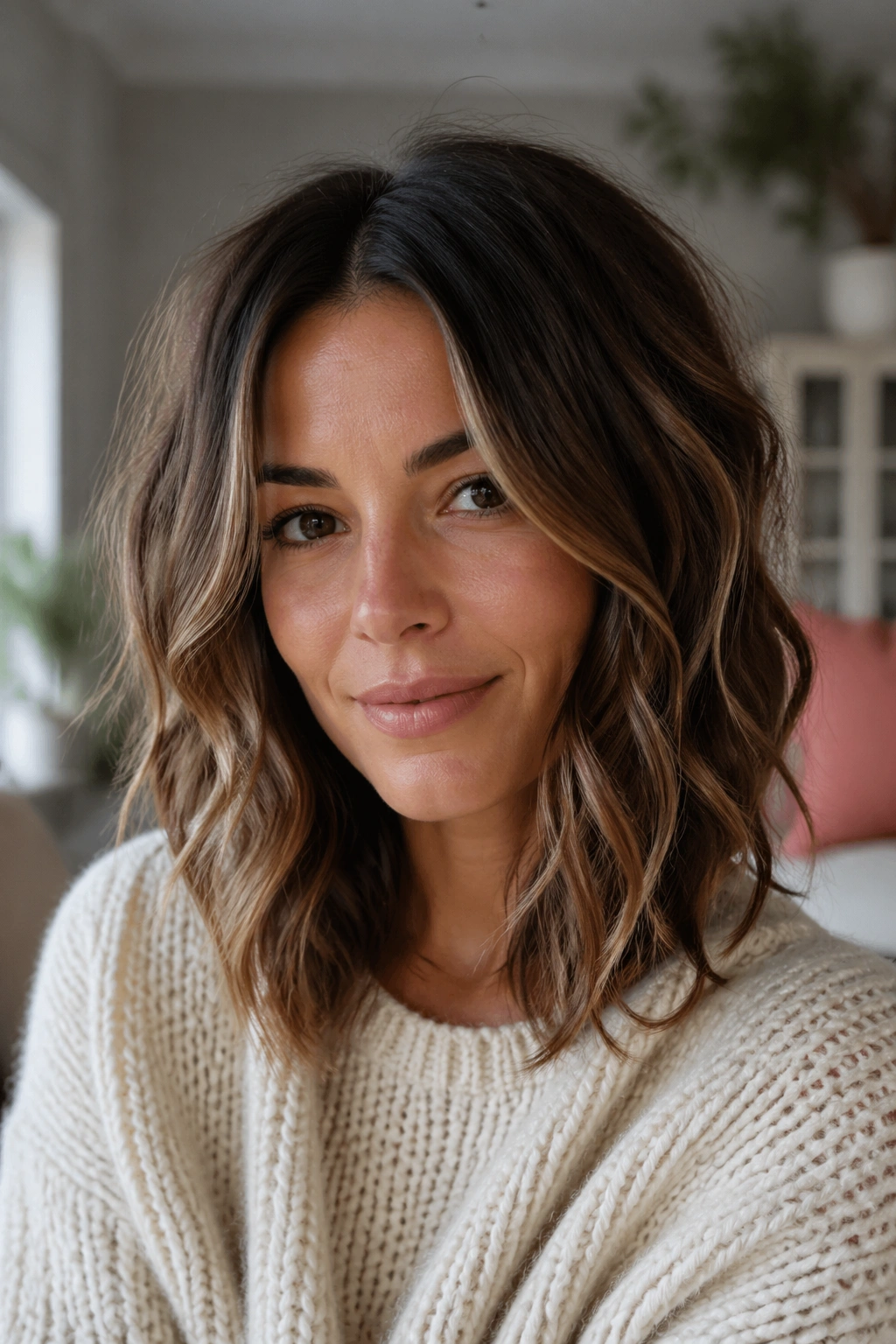
Similar to the textured lob, but with more pronounced, visible layers. If the textured lob is for volume, the layered lob is for movement. The layers are cut to be more distinct, which makes your waves appear more defined.
Styling
Use a diffuser. If you have any sort of wavy pattern, a diffuser will help these layers pop. A layered lob looks excellent with a middle part, which is currently the easiest style to maintain.
26. The Scandinavian Wave Cut
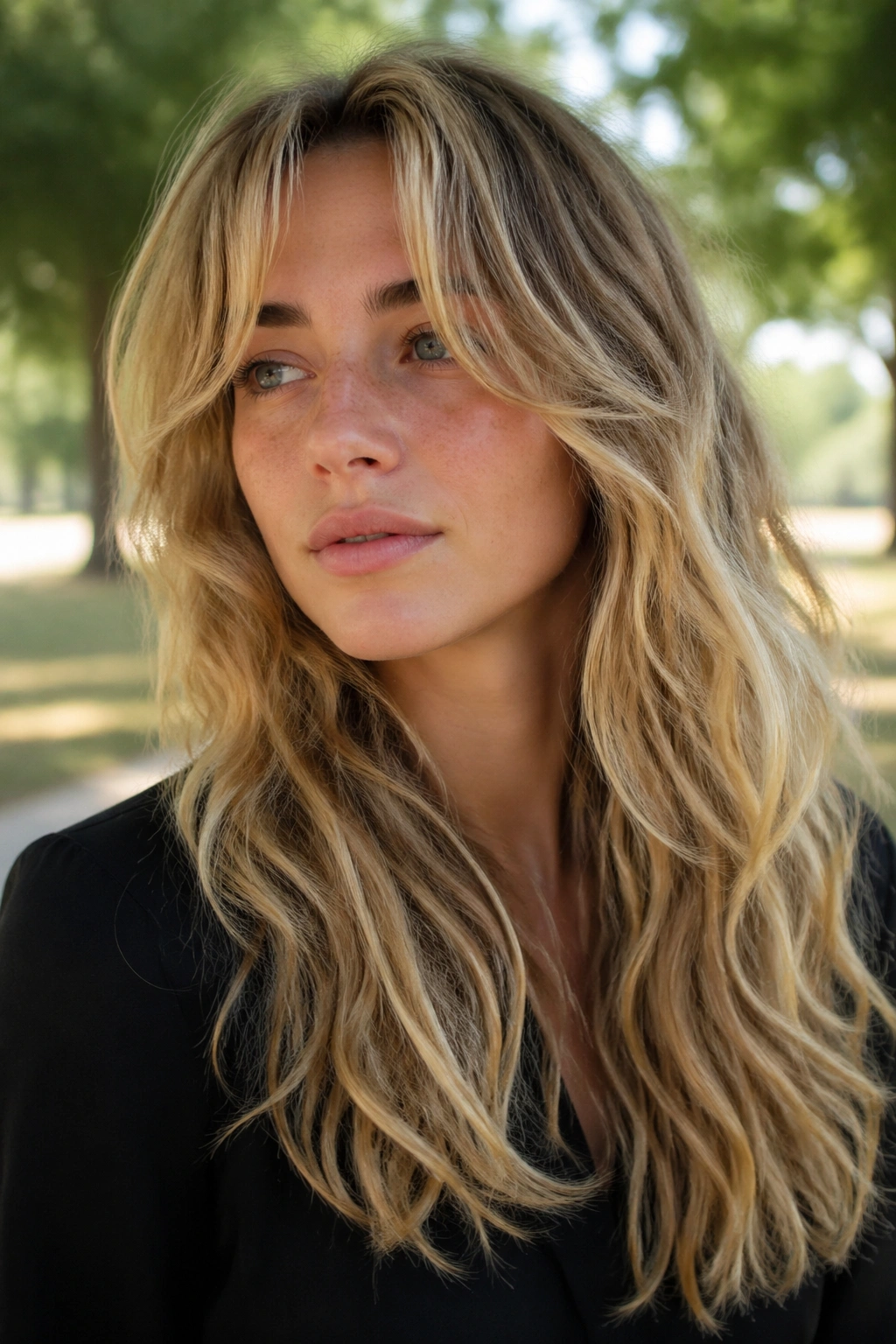
This is a specific style that features long, internal layers that are kept very subtle, combined with a slightly lighter perimeter. It creates a “light and airy” feel.
Who Is It For?
This is perfect for people with medium-density wavy hair. It gives you the appearance of lighter, airier hair, which is perfect for avoiding the “dragging down” effect that often happens with longer styles. It is sophisticated and very easy to care for.
27. Wispy Ends
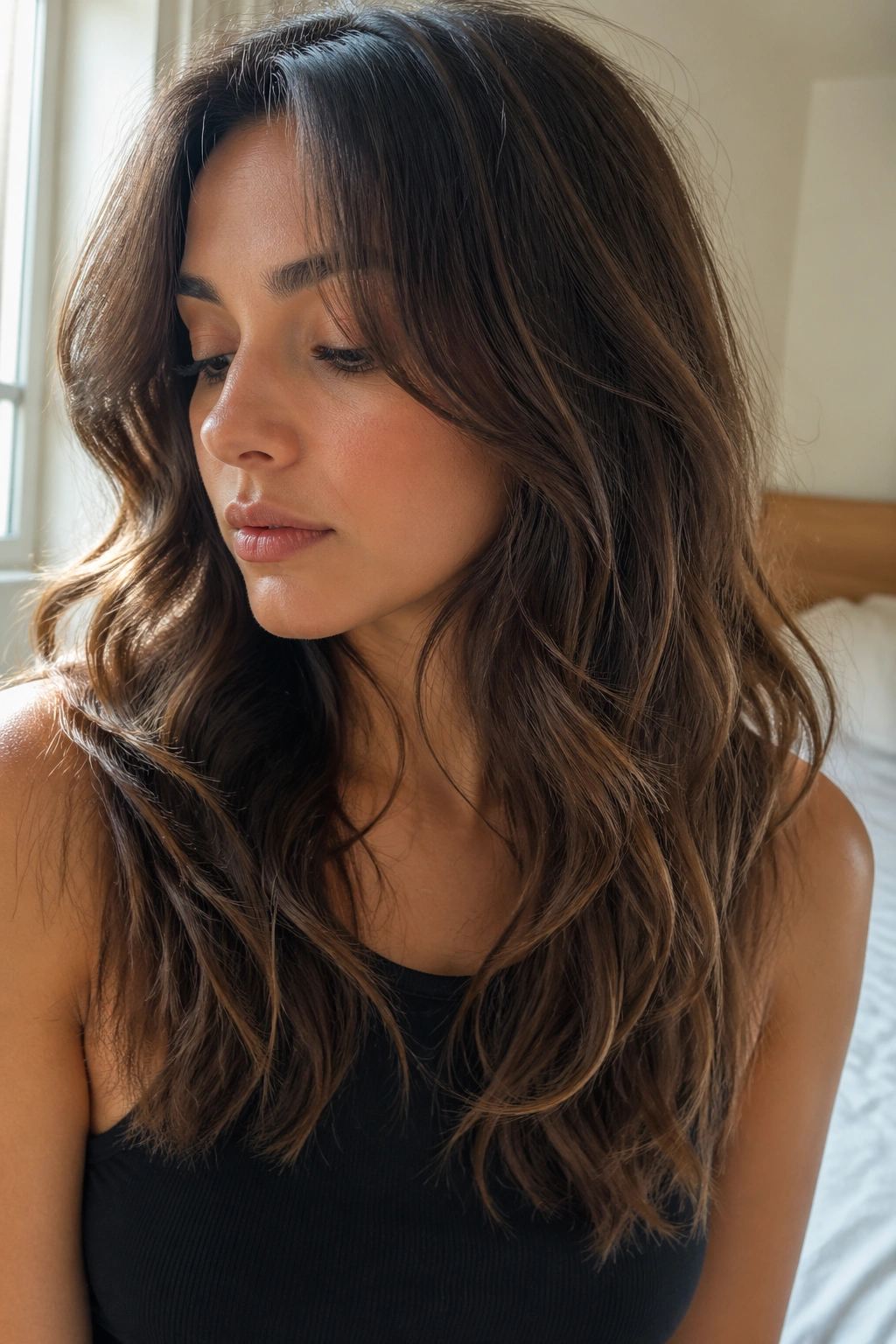
Ask your stylist to “dust” the ends of your hair using a vertical cutting technique. This creates “wispy” or “airy” ends that don’t look blunt.
Why It Works
Blunt ends can get heavy. Wispy ends are light, flexible, and they move with your waves. It is a small change that makes a big impact on how “heavy” your hair feels. It also helps hide split ends, which makes your hair look healthier between salon visits.
28. Deep Side Part Cut

This is less about the cut and more about the styling shape. A deep side part is a great way to create instant volume at the roots, especially on one side.
How to Ask for It
If you want a permanent deep side part, ask your stylist to cut your hair while it is parted that way. This ensures that the layers are angled correctly for the swoop. It adds a touch of drama to any cut—whether you have a bob or long layers—and requires zero extra effort once the cut is in place.
29. Face-Framing Shag
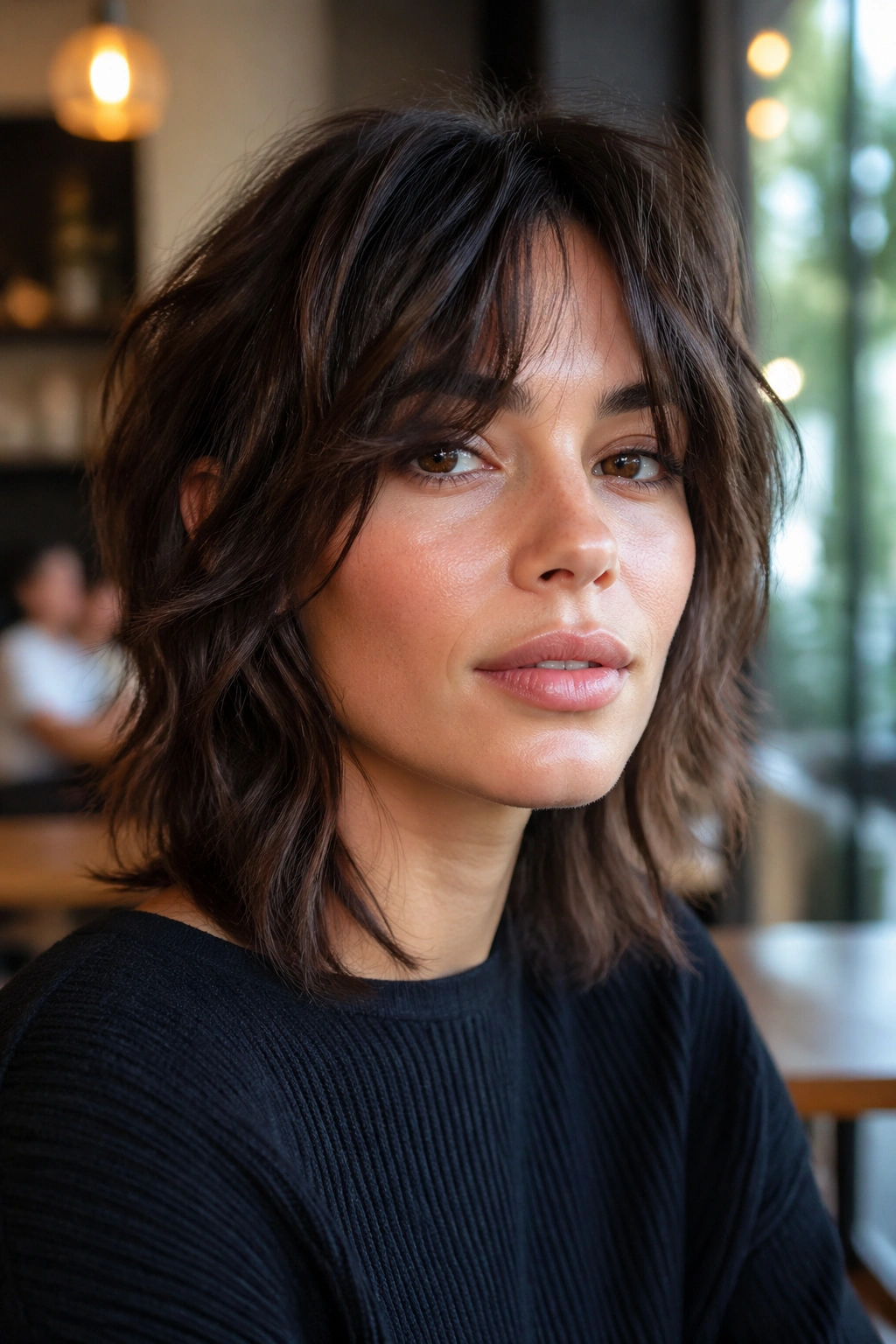
This is the ultimate low-maintenance combo. You keep the back simple—perhaps a blunt cut or subtle long layers—but you go all out on the face-framing shaggy layers.
Why It’s Effective
It frames your face perfectly, highlighting your eyes and cheekbones, while the rest of your hair remains easy to manage. It is a “business in the front, party in the front” style that looks incredibly trendy without requiring any complicated styling routines.
30. The Textured Taper
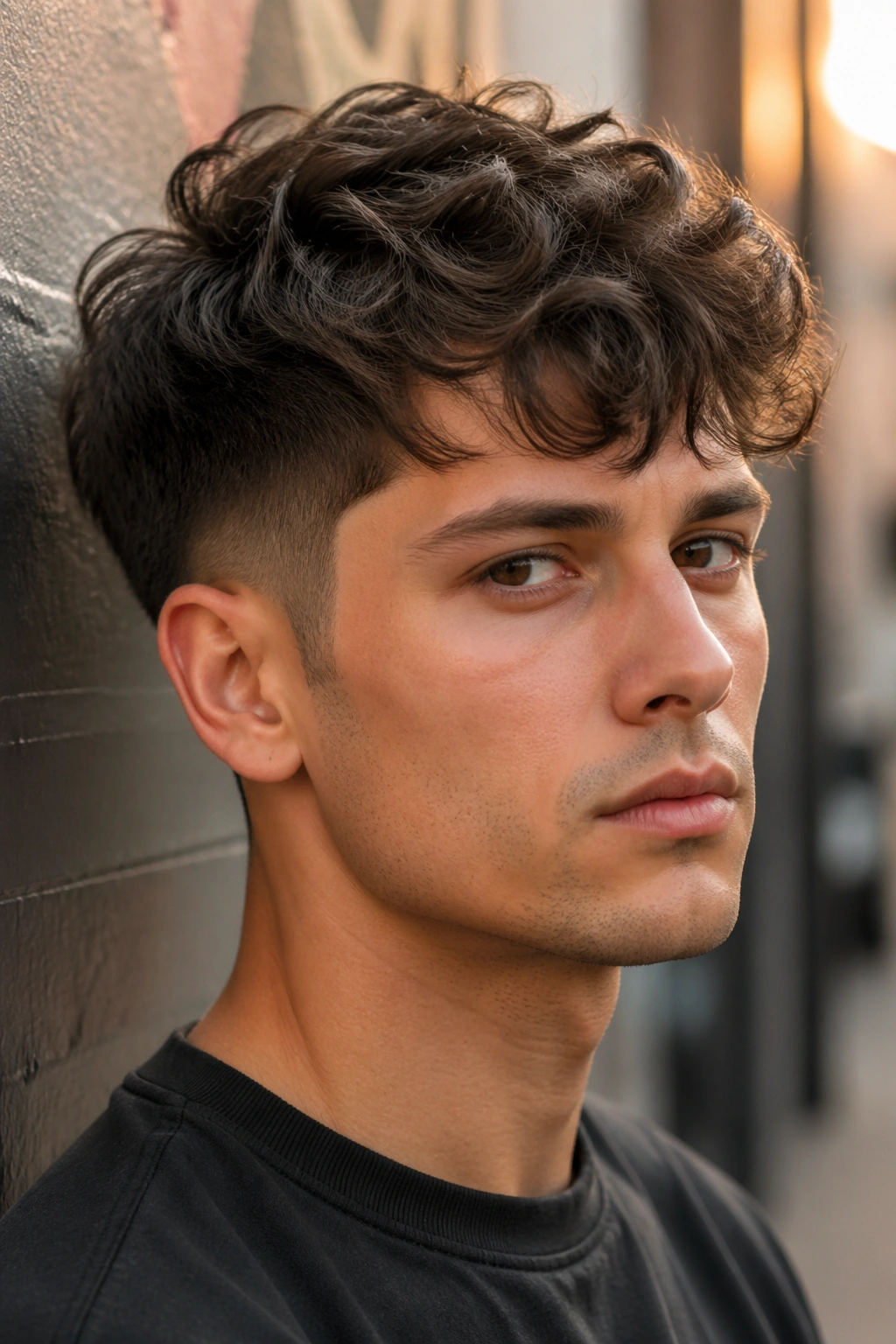
Finally, consider the textured taper. This is often used for shorter to medium-length cuts, where the hair is tapered toward the ends to remove weight.
The Result
It looks cleaner than a blunt cut but is more controlled than a shag. It is a refined, mature look that keeps your wavy hair manageable. You don’t have to worry about weird kinks or awkward volume; the taper guides the hair into a natural, soft shape.
Final Thoughts
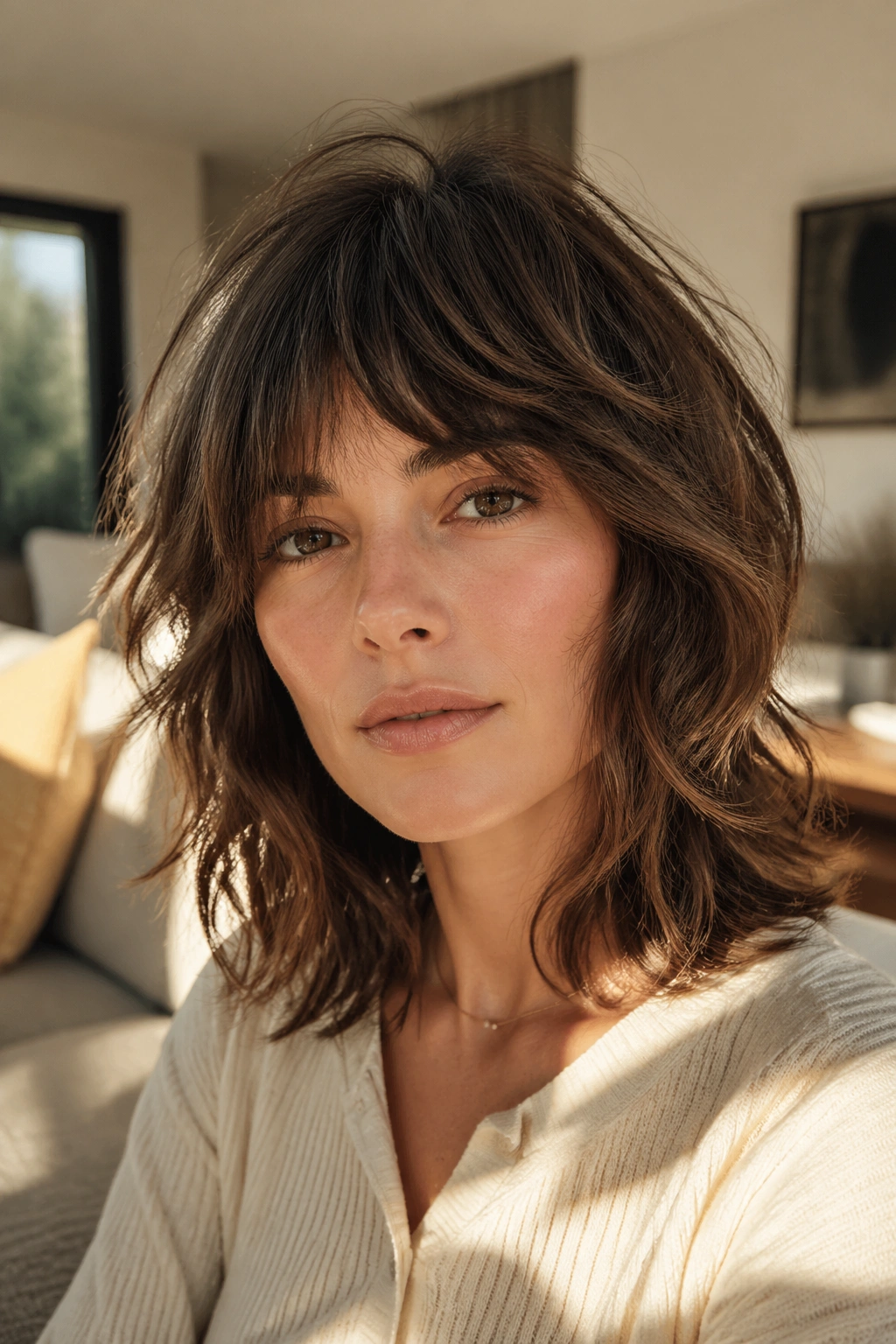
The secret to low-maintenance wavy hair isn’t in finding a magic product or a complex morning ritual. It is entirely about the cut. If your hair is fighting you every day, it is likely because the cut you have is working against your natural wave pattern rather than with it.
Stop trying to force your hair into a shape it doesn’t want to be. Instead, look for cuts that remove weight, embrace movement, and allow your natural texture to thrive. You will find that when you have the right foundation, your styling time shrinks dramatically. A good cut does 90% of the work for you; all you have to do is let it air dry.