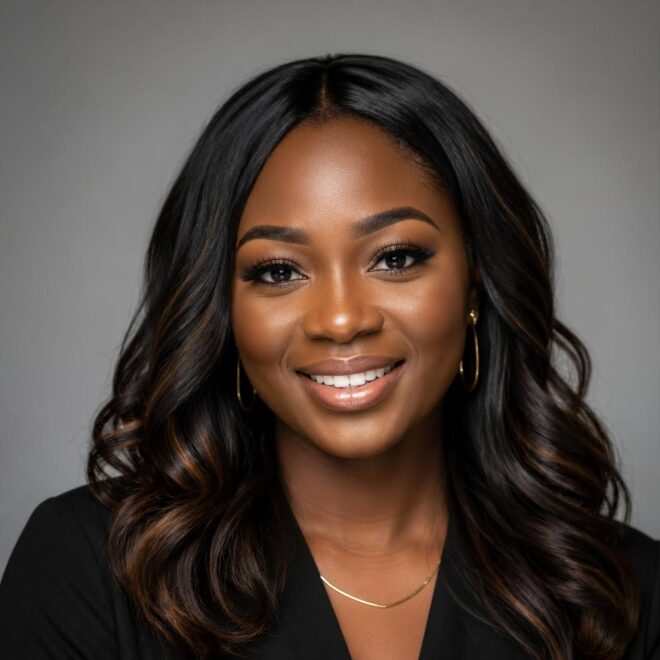


Short hair and low ponytails have a tricky relationship. The style looks effortless when it’s done well, and a little stubborn when it isn’t.
The good news is that short hair does not need to pretend to be long in order to look polished. A chin-length bob, a layered lob, even a cut that grazes the collarbone can all be shaped into a sleek low ponytail if you use the right parting, the right grip, and a little bit of camouflage where the elastic sits. That last part matters more than most people think. The hair at the nape is usually the first place to slip, puff, or expose the whole setup.
A tail comb, a pea-sized amount of smoothing cream, a boar-bristle brush, and a few hidden bobby pins will do more for you than a whole cloud of hairspray. That sounds fussy, but it’s not. It’s the difference between hair that looks held together and hair that looks planned.
Some of these styles are minimal and sharp. Some lean dressy. A few are cheats in the best possible way. All 30 are built for short hair that wants to look clean, close to the head, and a little more finished than a loose clip-and-go bun ever could manage.
1. Sleek Center-Parted Low Ponytail for Short Hair
A center part is the quickest way to make a short low ponytail look deliberate. It gives the whole style symmetry, and symmetry does a lot of heavy lifting when the tail itself is small.
What Makes It Work
Start with a tail comb and draw the part straight back to the crown. Keep the lines clean, then smooth each side down toward the nape with a boar-bristle brush. If you have layers, press them flat with a light gel or styling cream before you gather the hair.
A tiny wrapped section over the elastic keeps the style from looking unfinished.
- Best for blunt bobs and collarbone cuts
- Use a clear elastic if your hair is fine
- Hide shorter layers with two crossed bobby pins
Tip: If the center part feels too severe, loosen the front a touch with your fingertips before it sets.
2. Deep Side-Part Sleek Low Ponytail
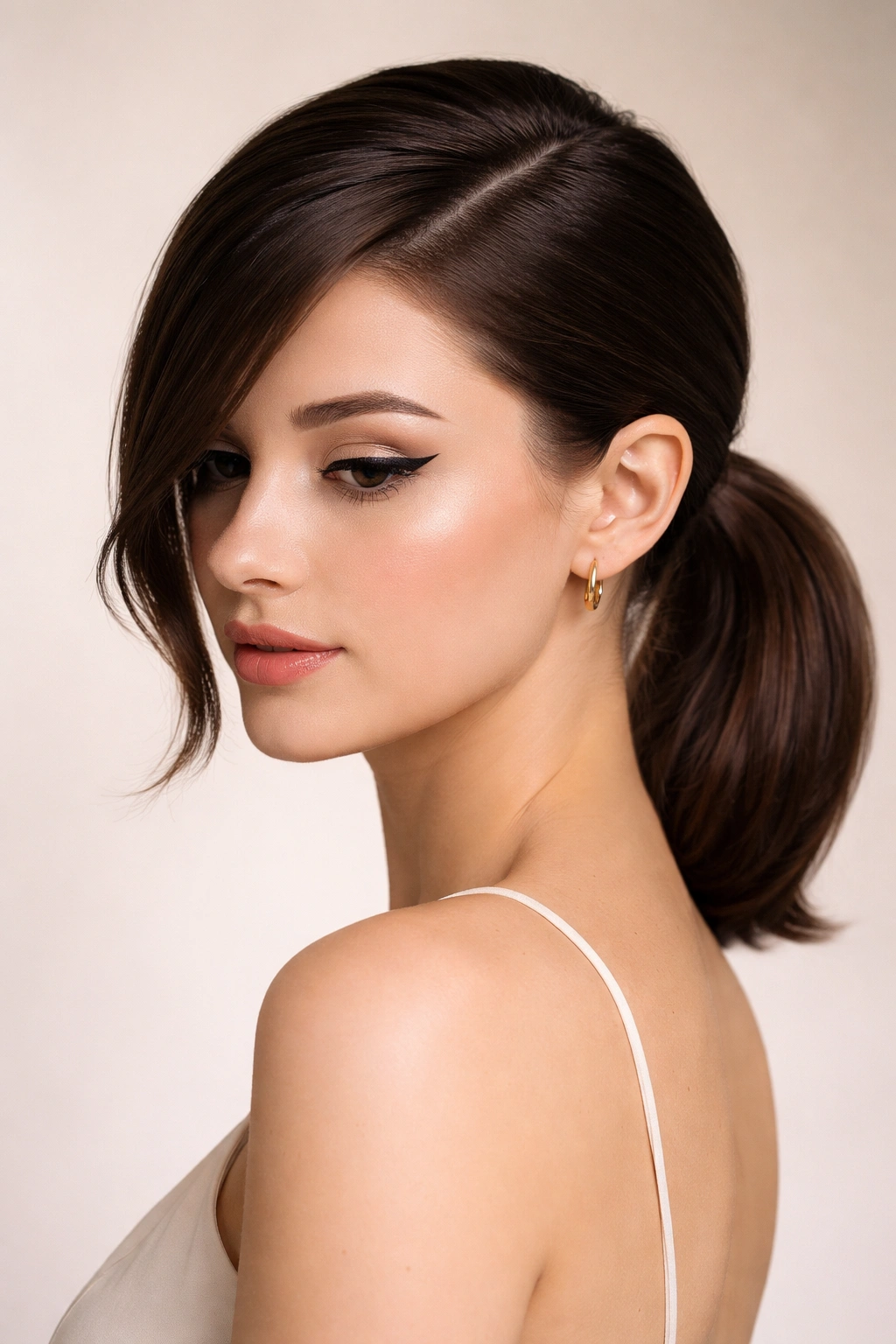
A deep side part changes the mood fast. It adds a little drama without asking for extra volume, which is handy when short hair tends to puff at the crown.
This version works well if you have grown-out bangs or a cut that flips outward at the ends. Sweep the heavier side across the forehead, then tuck it behind the ear or let it curve into the ponytail. The trick is to keep the top smooth while letting the part create shape on its own.
It’s one of the easiest ways to make a short ponytail look more expensive than it is. Not fussy. Just clean.
3. Wrapped-Base Low Ponytail
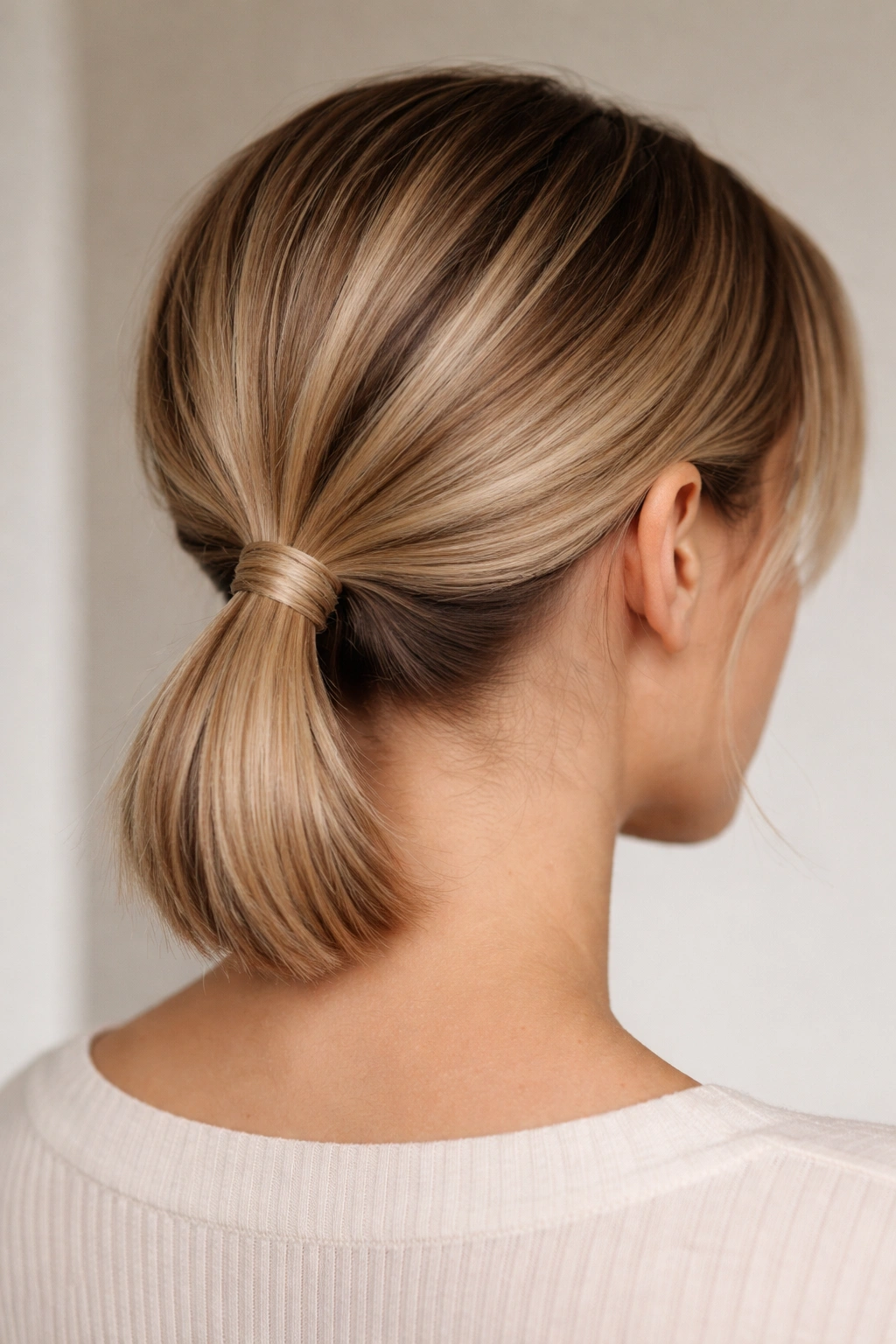
A wrapped base is doing two jobs at once. It hides the elastic, and it makes short hair look longer by cleaning up the point where the tail begins.
Gather the hair low at the nape, secure it with a small elastic, then take a thin strand from underneath and wrap it around the band until the whole thing disappears. Pin the end under the tail, not on top of it, so the finish stays neat.
How to Keep the Wrap in Place
- Use a small U-pin if the strand keeps sliding
- Mist the wrapped piece lightly before tucking it
- Pull the wrap snug, but not so tight that it puckers
A wrapped base matters even more on short hair because the elastic can look oversized fast. Covering it gives the ponytail a cleaner line.
4. Wet-Look Low Ponytail
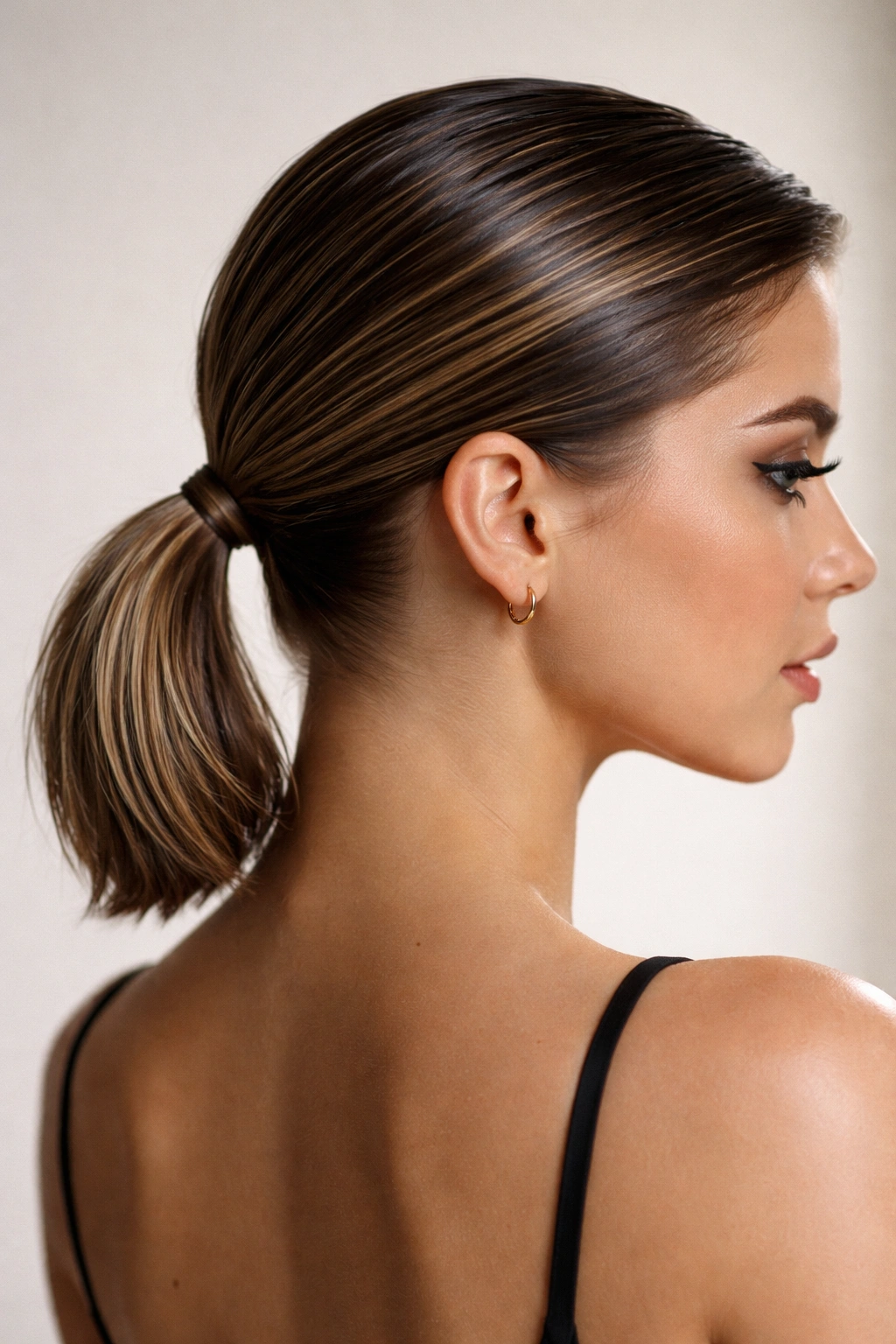
The wet look is made for short hair that doesn’t want to lie flat. Gel and shine serum do the job that brushing alone can’t.
Work on damp hair, apply a generous amount of strong-hold gel from the hairline back, then comb everything down with a fine-tooth comb. Don’t rough it up afterward. That defeats the whole point. The surface should look sleek and a little glossy, not crispy, and the nape should sit close to the head.
This one is especially good for sharper cuts, because the wet finish makes short layers look intentional instead of unfinished. It also photographs well under indoor light, which is probably why people keep coming back to it.
5. Face-Framing Pieces Low Ponytail
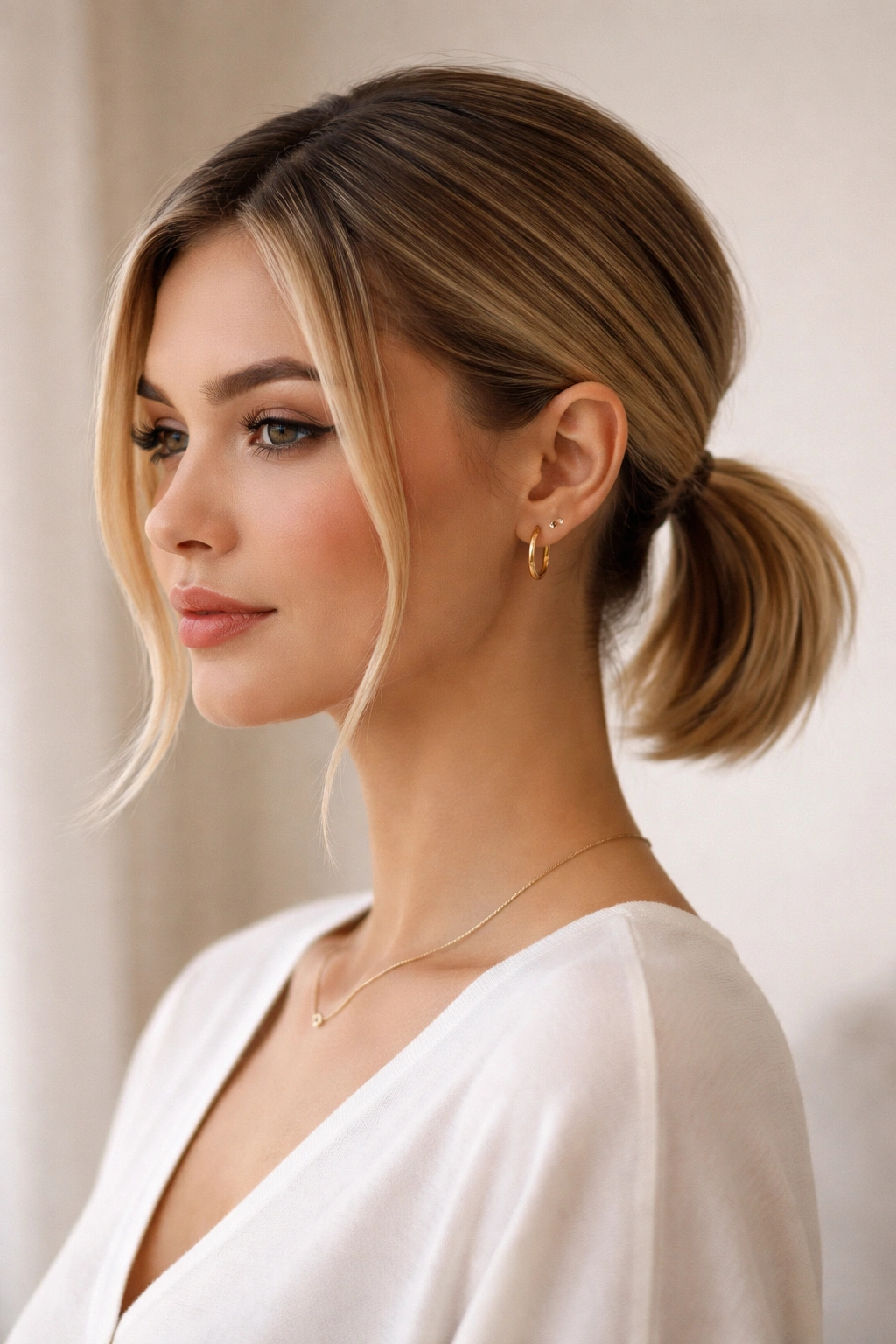
A sleek ponytail does not have to mean every strand is pulled back. Leaving out two slim face-framing pieces can make short hair feel softer without losing the polished shape.
The key is restraint. Pick pieces that are thin enough to curl under slightly, then smooth the rest of the hair back hard at the sides. If the front pieces are too chunky, the style stops looking sleek and starts looking accidental.
I like this version for a bob that hits just under the jaw. It keeps the face open, but it doesn’t flatten the whole head. A flat iron bend on the ends of the front pieces helps a lot. So does a tiny amount of serum on the fingertips.
6. Tucked-Under Faux Bob Ponytail
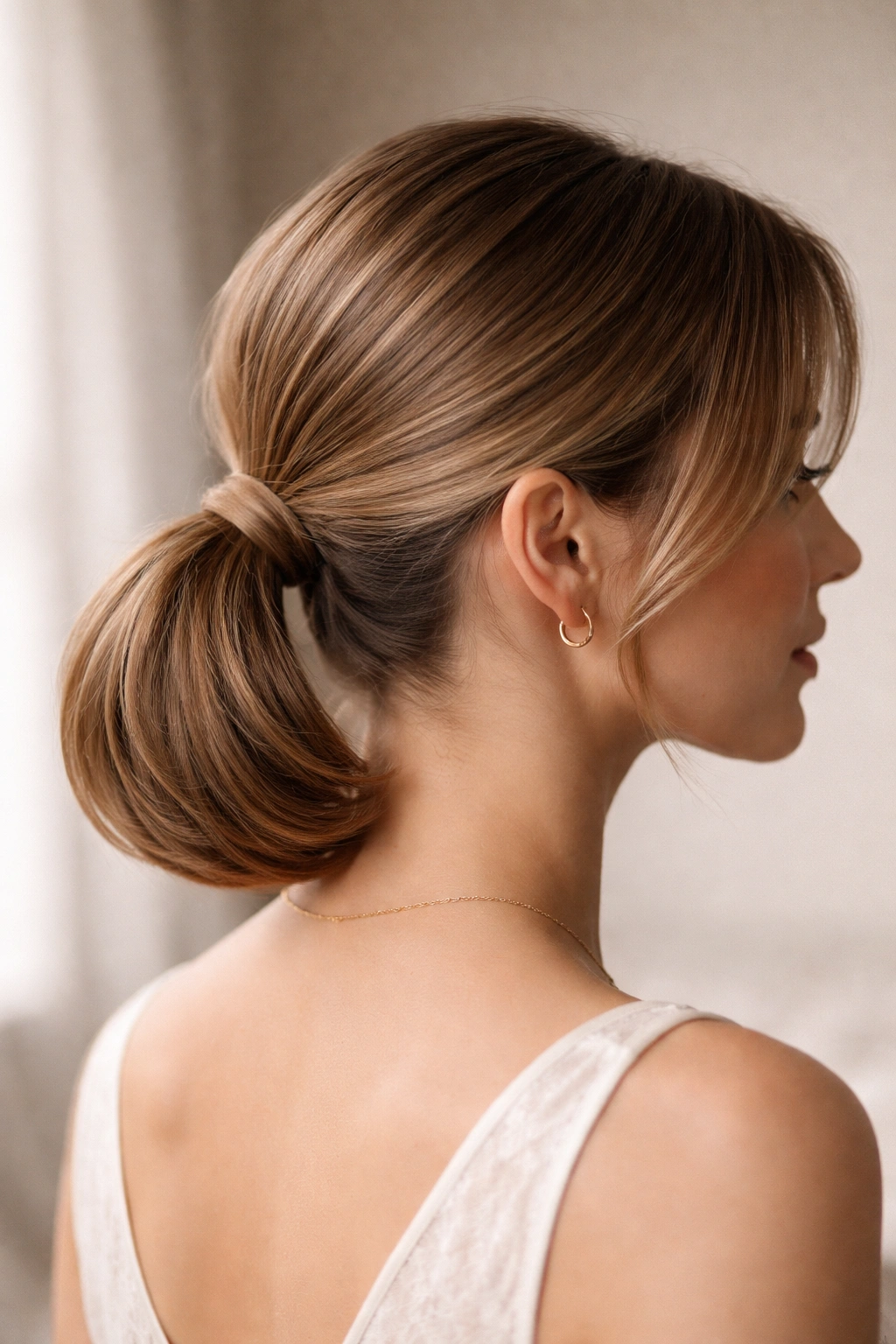
This is the style for anyone whose hair is short enough that the tail keeps poking out at the wrong angle. Tuck the ends under, pin them low, and you get a sleeker shape that reads almost like a polished faux bob.
It’s not about pretending the hair is longer than it is. It’s about using the length you have in a smarter way. After you secure the ponytail, fold the tail under itself and pin it close to the head so the ends disappear.
The result is neat, compact, and a little elegant.
Best Use Case
- Layered bobs
- Hair that stops at the nape
- Styles where you want the neck visible
7. Braided-Band Low Ponytail
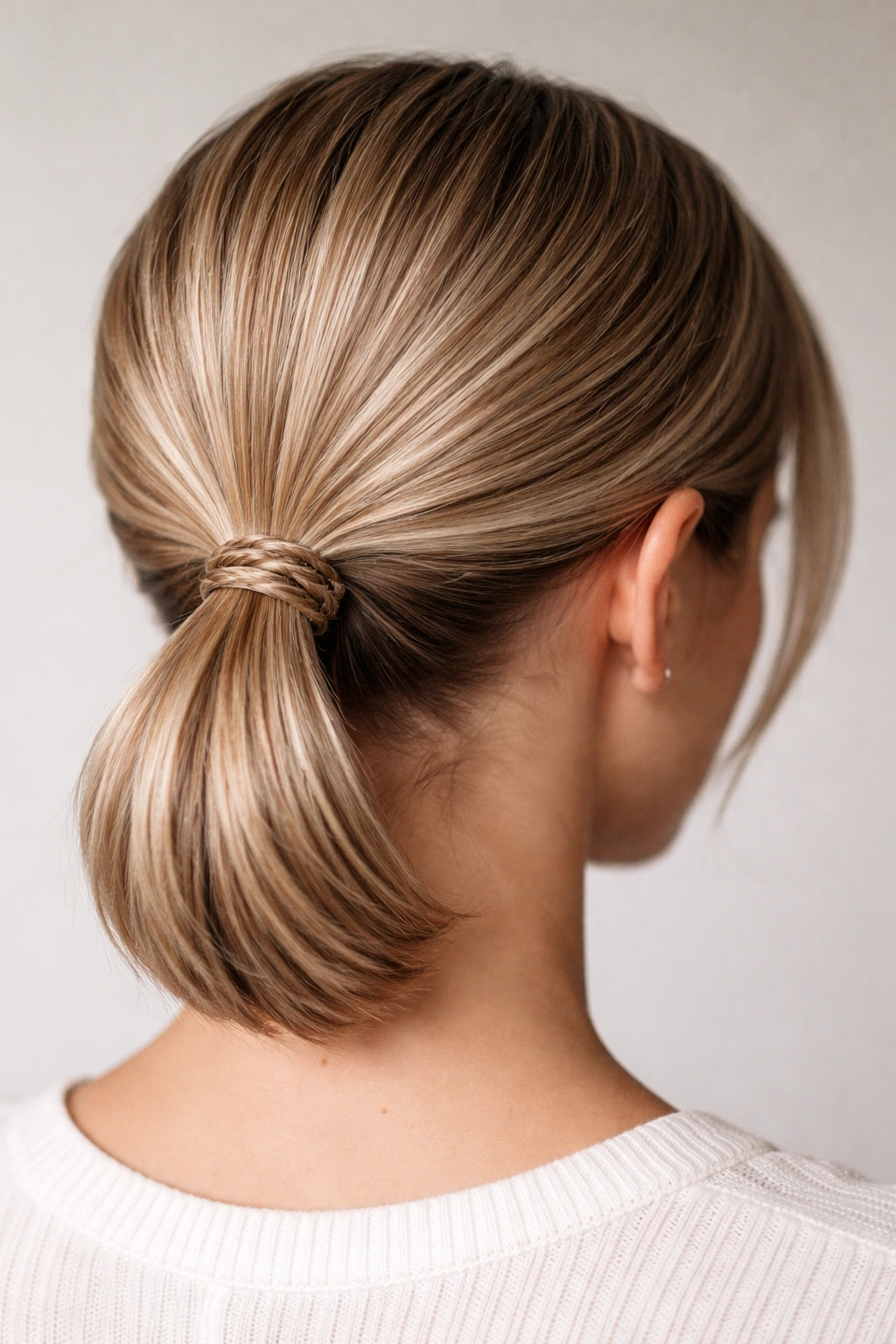
A tiny braid across the base can make a short low ponytail hold better and look more detailed. It also gives you an easy place to hide shorter pieces that would otherwise pop out.
Braid a slim section from one side of the head, or braid a strip right above the nape, then gather the rest into a ponytail. Keep the braid tight and flat so it acts like part of the style, not decoration that sits on top of it.
The braid matters most on slippery hair. Fine strands love to escape. The braid gives them something to cling to.
Tip: Mist the section before braiding. Dry, silky hair slips faster than people expect.
8. Twisted Temple Low Ponytail
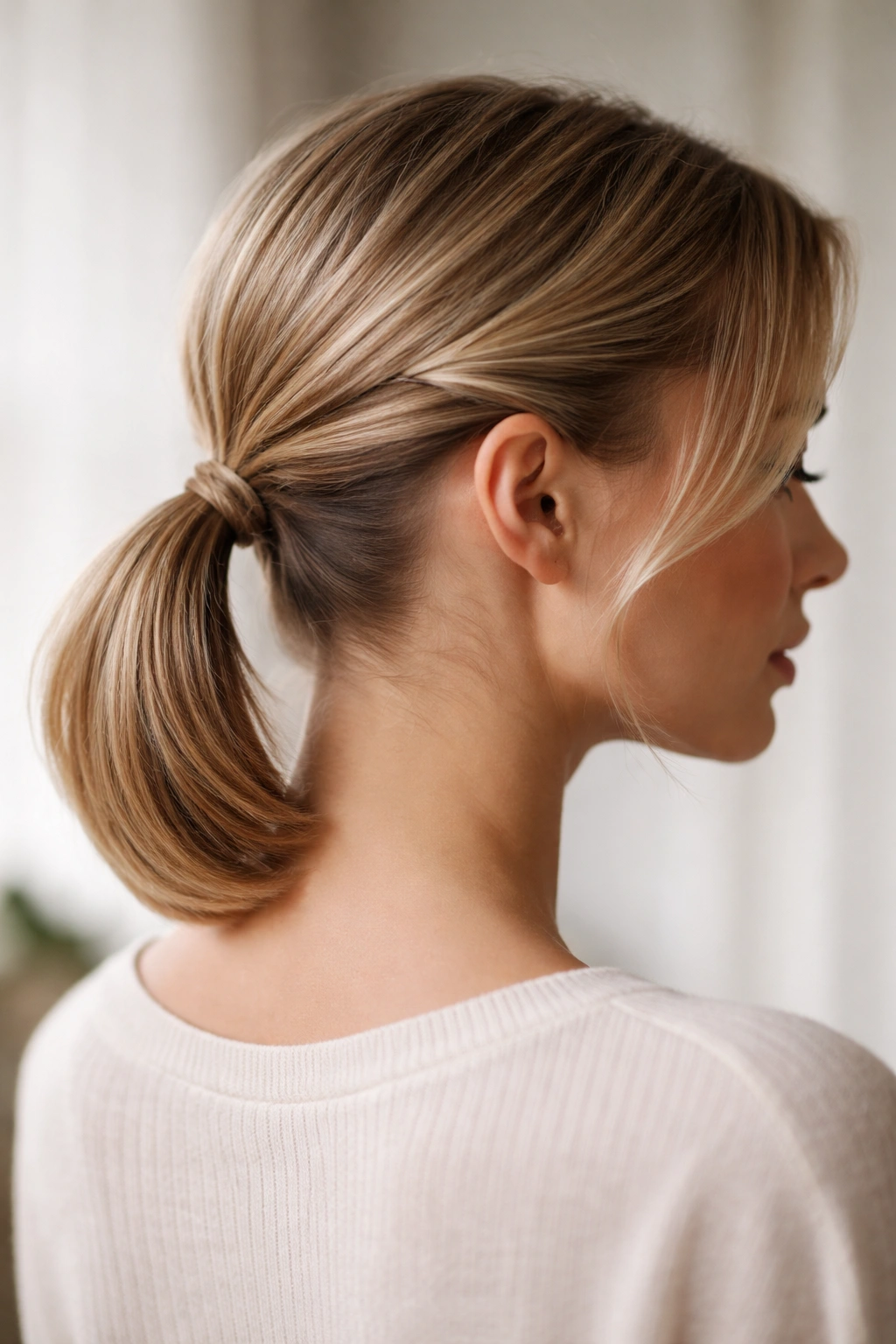
Twists at the temples pull short hair back with less force than a full slick-down. That makes this style friendlier to layered cuts and less likely to leave obvious bumps on the sides.
Twist each side back toward the nape, pin the twists flat, then gather the rest into a low ponytail. If your hair is short around the ears, let the twists do the visual work and keep the ponytail small. It still reads sleek because the lines are controlled.
This one has a softer feel than a hard-part style. Good if you want the face clear but not severe.
9. Ribbon-Tied Low Ponytail
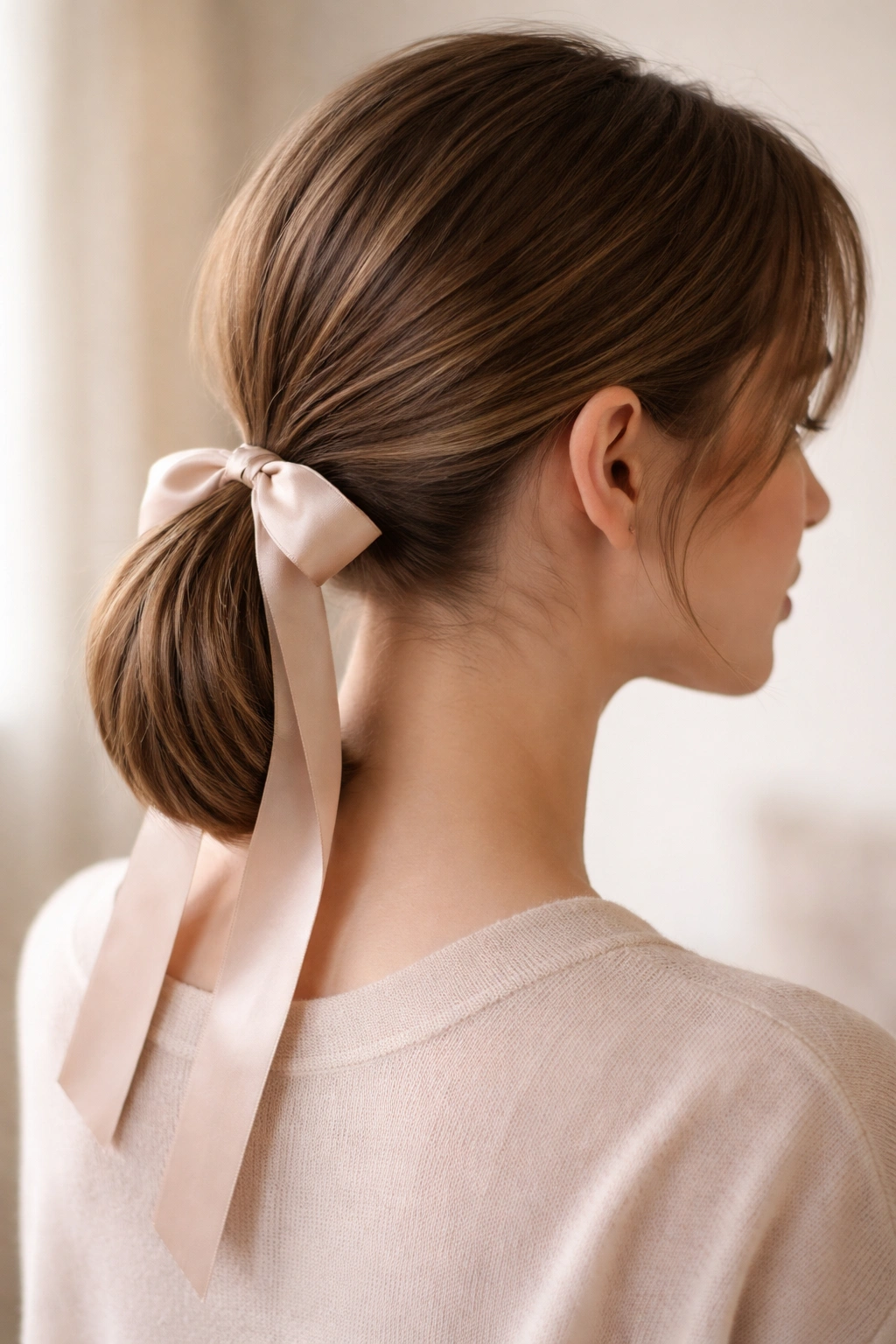
A ribbon does more than look pretty. On short hair, it can hide the tie point, soften the shape, and make a short tail feel finished even when there isn’t much length to work with.
Choose a satin or grosgrain ribbon that lies flat. Tie it around the elastic, then let the ends fall down the back or to one side. If your hair is very short, use the ribbon as the visual center of the style instead of trying to build a long tail around it.
The nicest part is how forgiving it is. A ribbon draws attention to the accessory and away from any short pieces that refuse to behave.
10. Sleek Low Ponytail for Short Hair With a Claw Clip
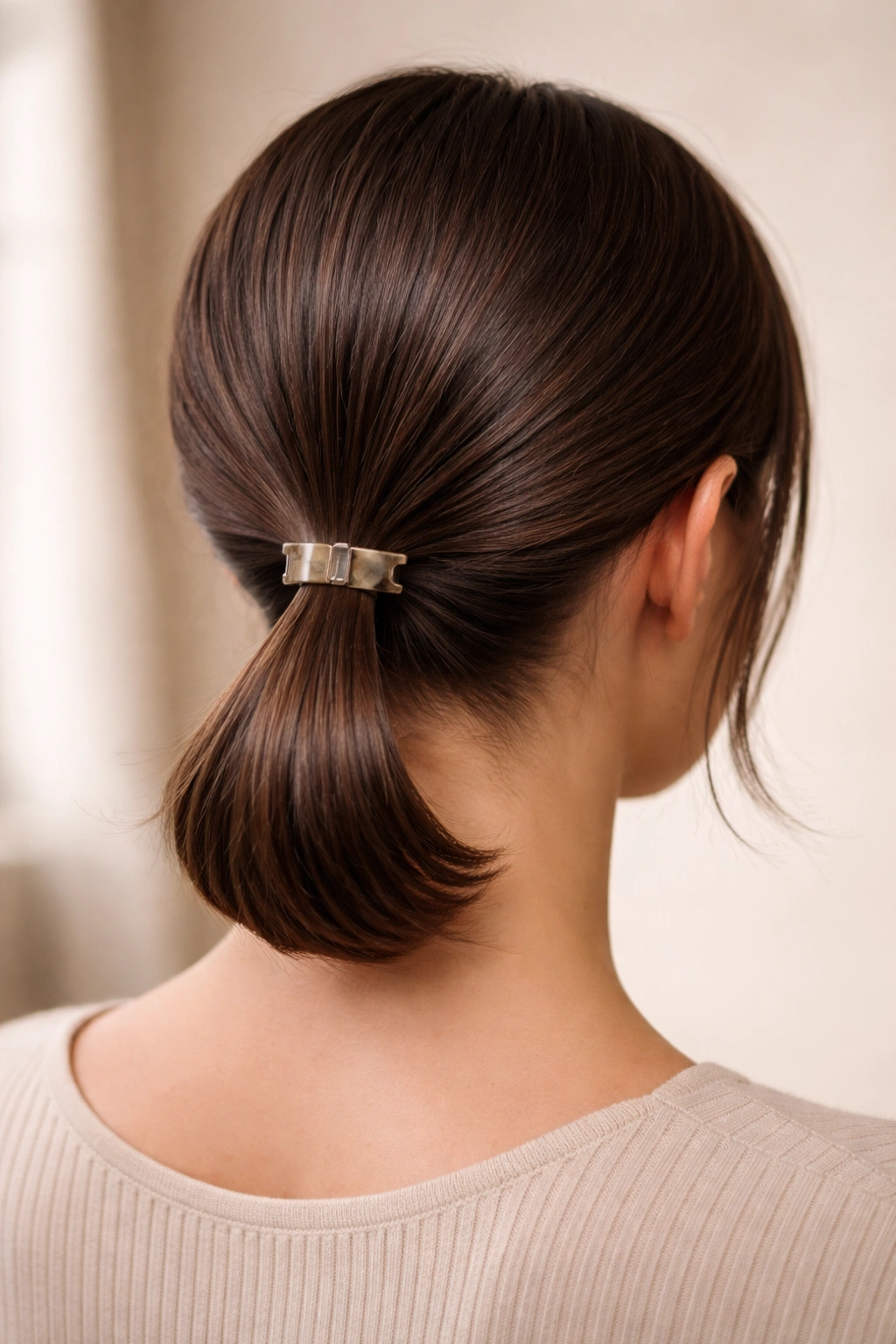
A small claw clip can help short hair behave when a plain elastic would slide. I like this for lob-length cuts that still need a little help at the nape.
Secure the ponytail with a tiny elastic first, then place a small clip over the base to reinforce it. The clip should sit flat, not jut out like a mistake. If you choose a matte black or neutral clip, it disappears into the style and keeps the finish clean.
This is one of those sneaky practical looks. The clip isn’t there to be the star. It’s there because short hair sometimes needs backup.
11. Pearl-Pin Low Ponytail
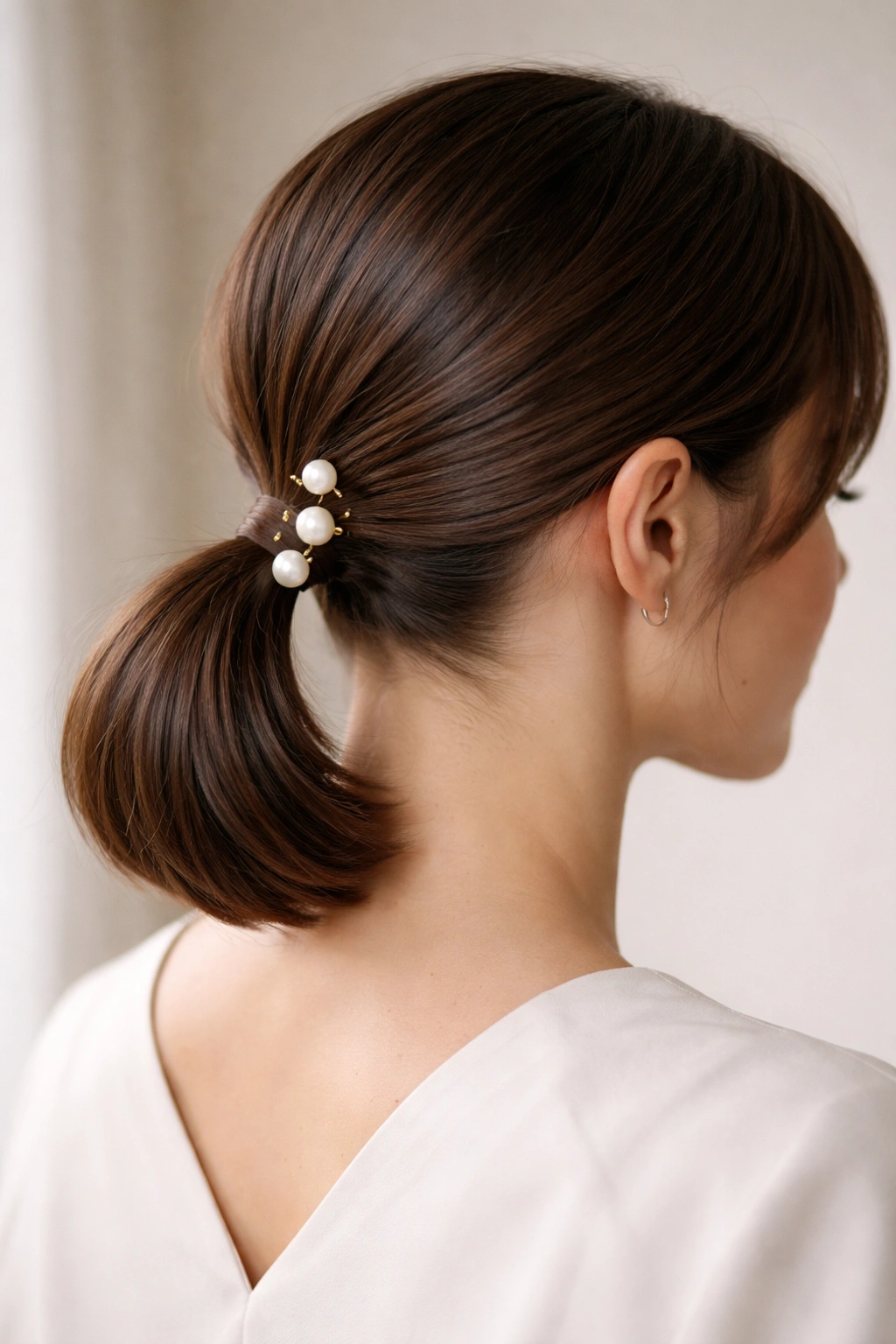
Pearl pins turn a simple low ponytail into something that looks dressier without changing the shape much. The best part is that you can place them with precision.
Set the ponytail first, then slide a few pins along one side of the base or just above it. Three pins usually looks better than eight. Too many pearls can tip the style from polished to crowded.
Use this when you want a neat look that still feels a little special. It’s especially good with a smooth bob and a clean neckline.
Rule I follow: keep the rest of the style simple. Pearl pins need space to read.
12. Metallic Cuff Low Ponytail
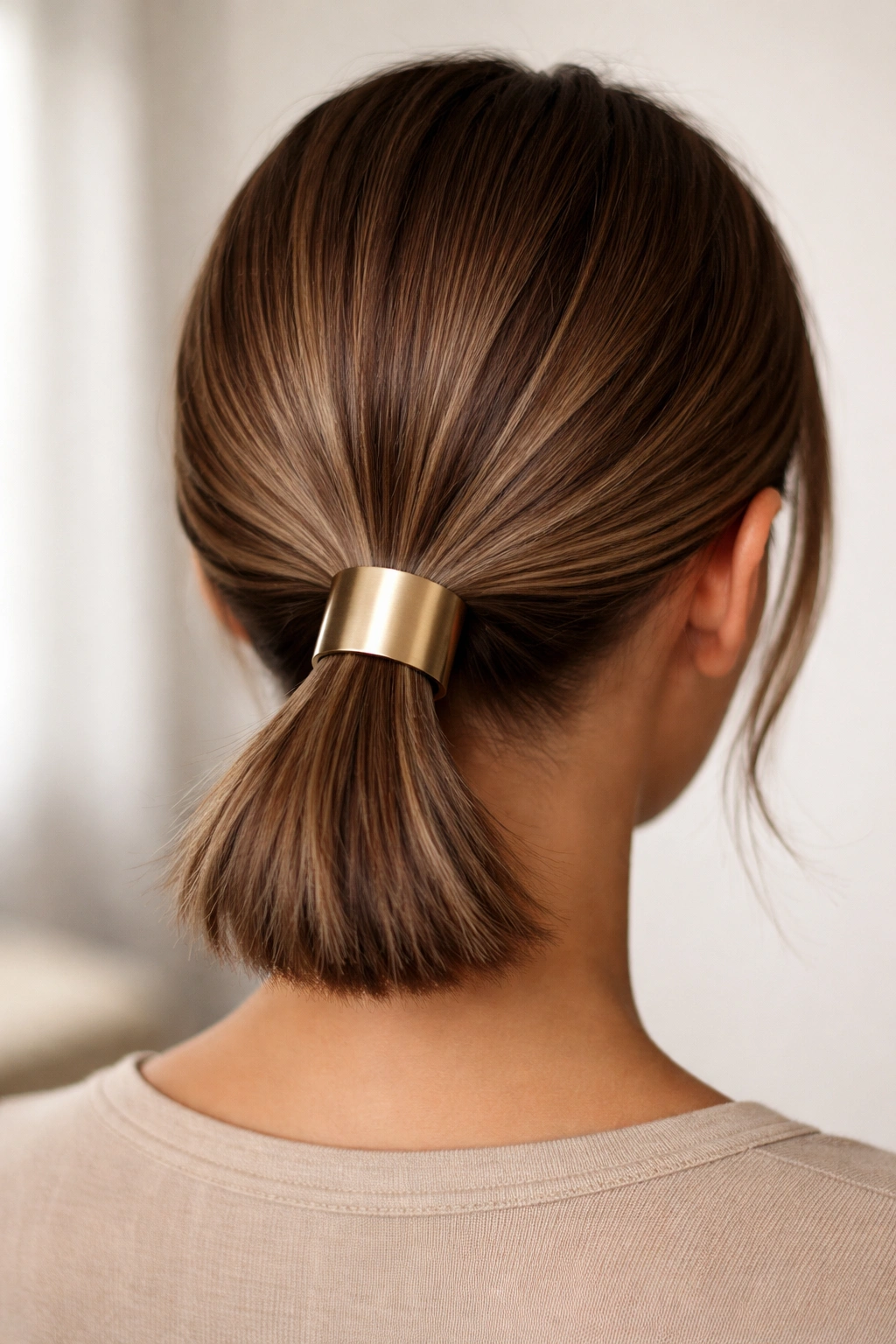
A metal cuff gives a short ponytail a clean endpoint. That matters when the tail itself is too short to make a dramatic drop.
Wrap the base first, then slide the cuff over the secured section so it frames the ponytail rather than fights it. Gold, silver, and brushed nickel all work, but the finish should match the rest of your accessories. If your earrings are bold, keep the cuff smaller. If your jewelry is plain, the cuff can do more work.
The style looks sharp on blunt cuts. The smooth lines and the metal edge get along.
13. Double-Elastics Low Ponytail
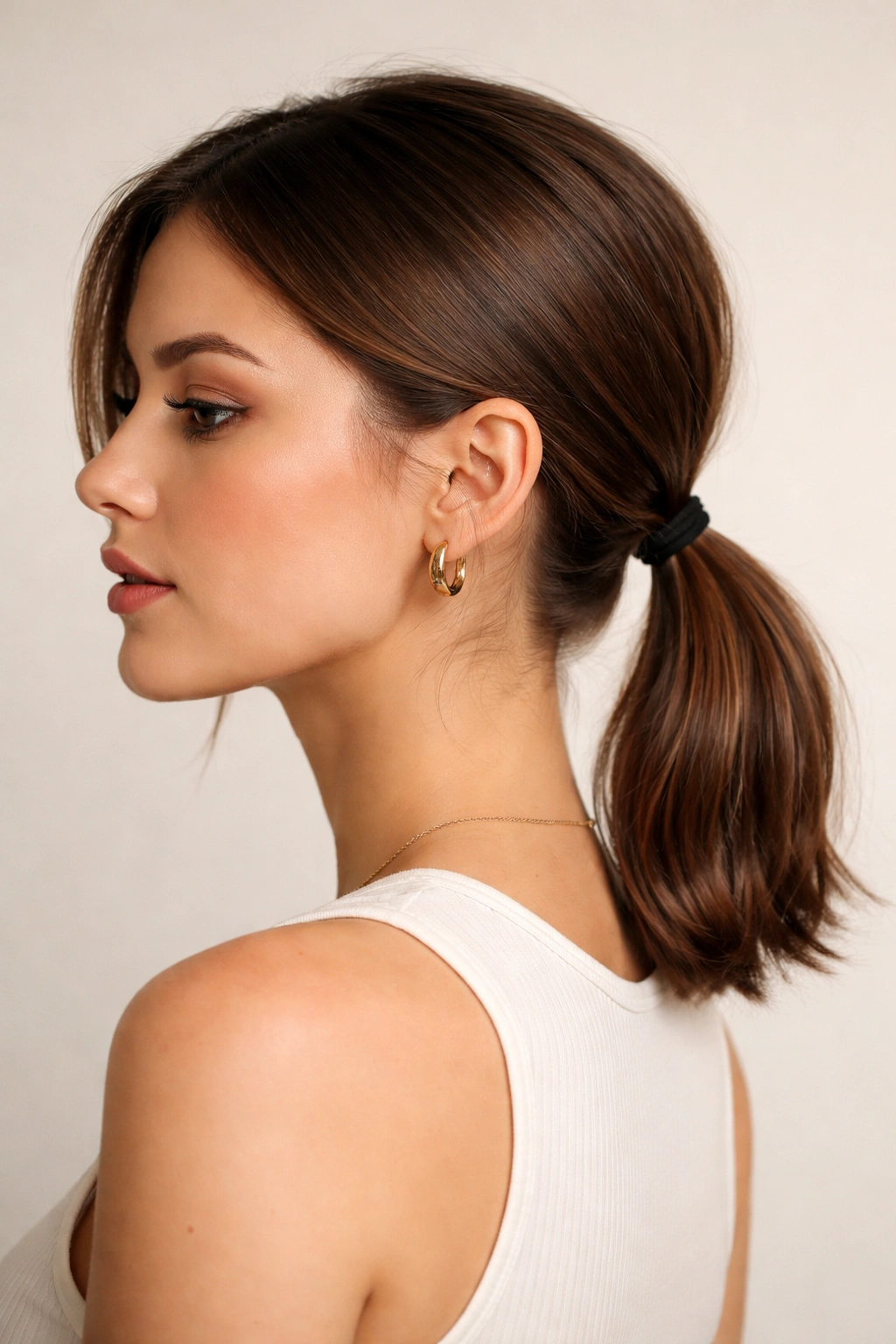
Two elastics can make a short ponytail sit lower, tighter, and more secure. That sounds tiny. It changes everything.
Use the first elastic close to the head, then place a second one an inch or so below it, depending on how much hair you’ve gathered. This gives the tail a little more body and prevents the top from sagging. It also helps when the hair is heavy on one side or cut in choppy layers.
Why It Helps
- Better grip on fine hair
- More control for layered cuts
- Less slipping at the nape
This is one of my favorite fixes for hair that looks polished for ten minutes and then starts giving up.
14. Soft-Volume Crown Low Ponytail
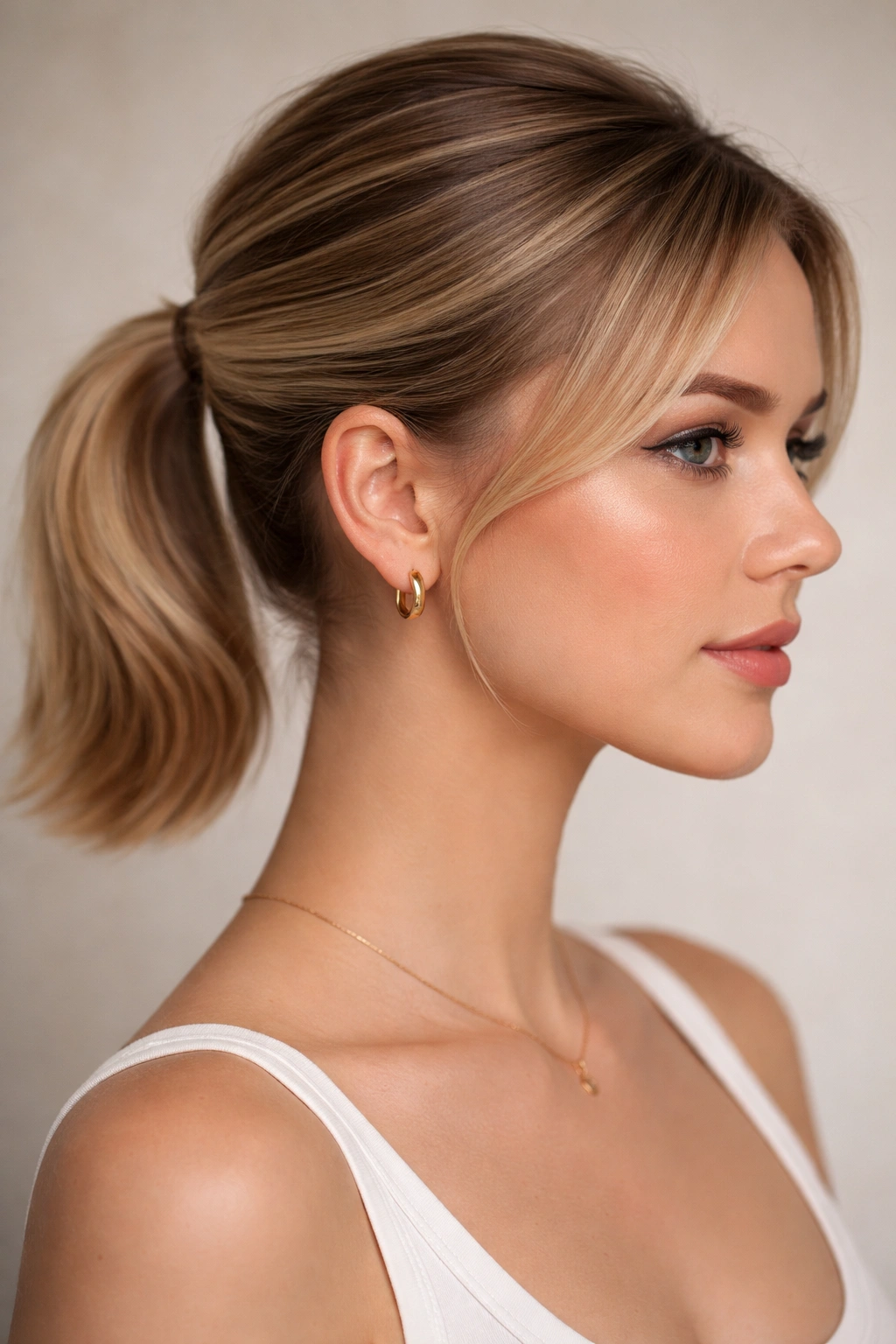
A little lift at the crown can keep a short sleek ponytail from looking too flat against the head. The trick is to build only enough shape to balance the nape, not enough to make a bump.
Backcomb the root area lightly with a tail comb, then smooth the top layer over it. You want soft lift, not helmet hair. Once the crown has a bit of height, the ponytail itself sits better and the profile looks more balanced.
This style is especially good for rounder faces or very straight cuts. A touch of height gives the eye somewhere to go.
15. Side-Swoop Bangs Low Ponytail
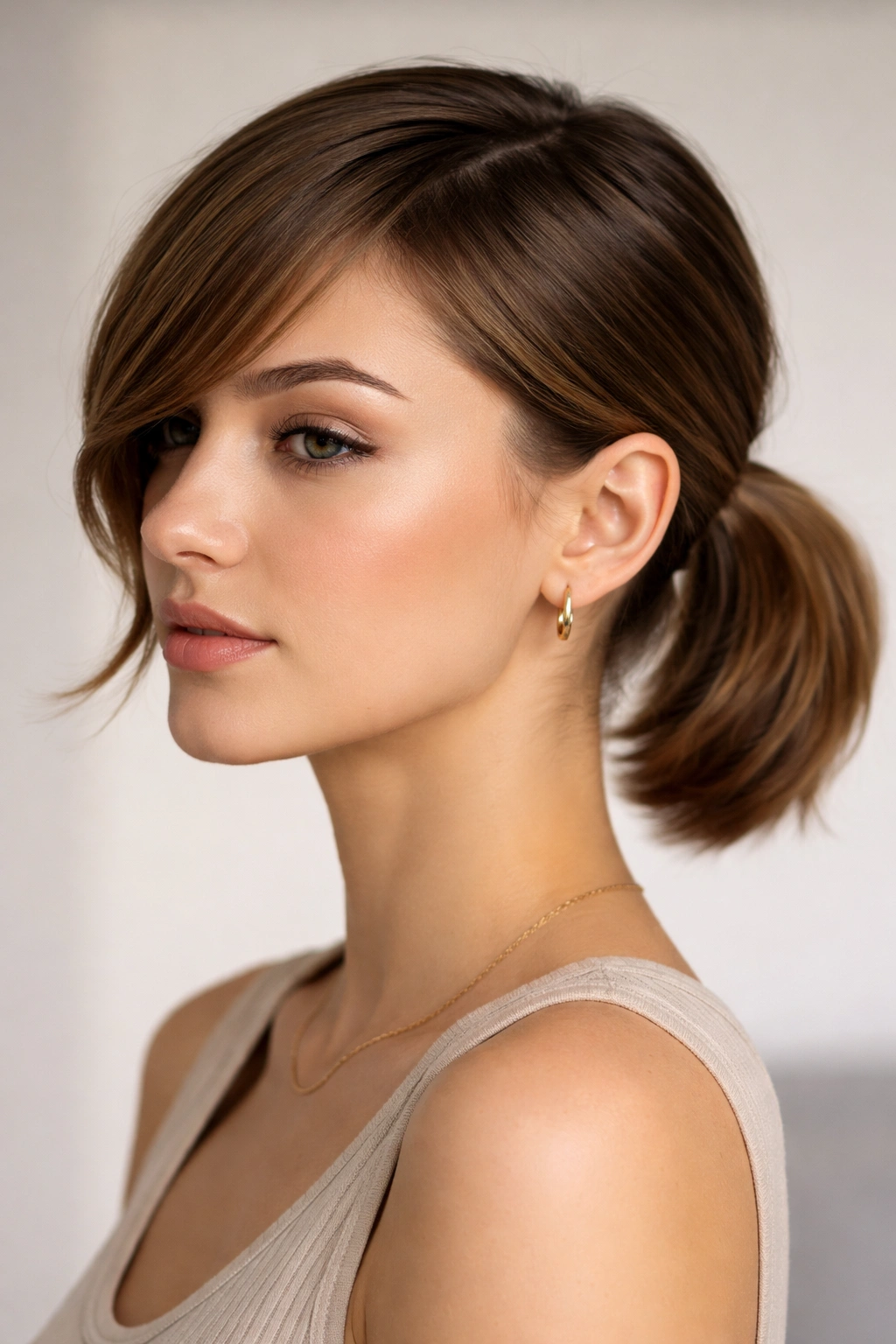
Side-swept bangs can make a short ponytail feel far more flattering than a straight slick-back. They break up the forehead area and give the style a little movement.
Sweep the bangs smoothly across the front, then tuck the rest into a low ponytail. Keep the swoop close to the head so it still feels sleek. If the bangs are grown out, a flat iron bend near the ends helps them curve instead of poking out.
This is one of those styles that works because it doesn’t fight the haircut. It uses the bangs as part of the design.
16. Minimalist Invisible-Elastic Low Ponytail
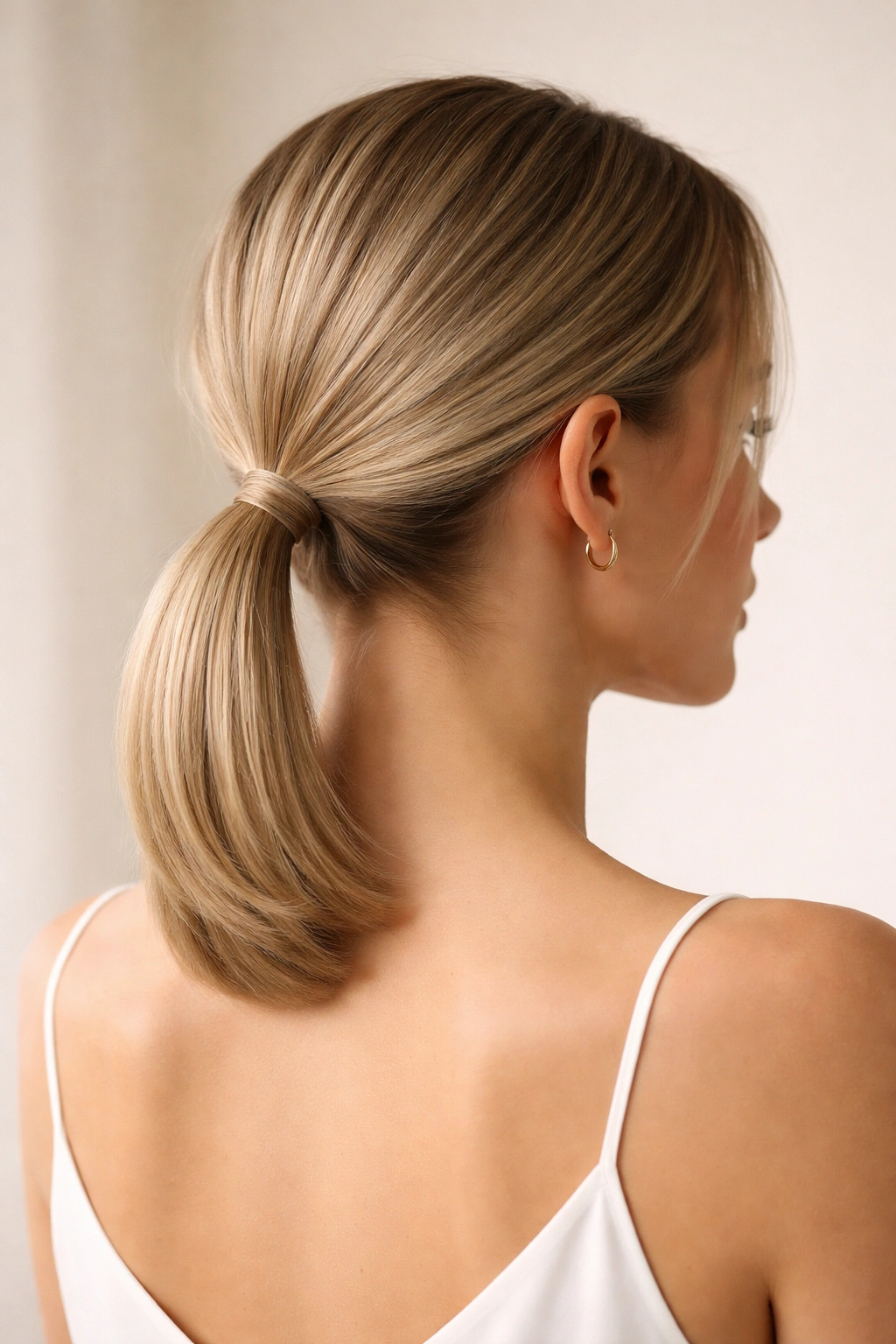
Sometimes the best-looking ponytail is the one that seems to have no visible help at all. Invisible elastics and hidden pins give short hair that clean, pared-back finish.
Make the ponytail as smooth as possible, then secure it with a tiny clear elastic. Hide the tie point under a narrow wrapped strand or tuck it beneath the tail with a pin. The final look should feel almost severe in the good way.
This is the one I’d choose with a sharp blazer or a structured neckline. It lets the haircut and face shape do the talking.
17. Rolled-Side Low Ponytail
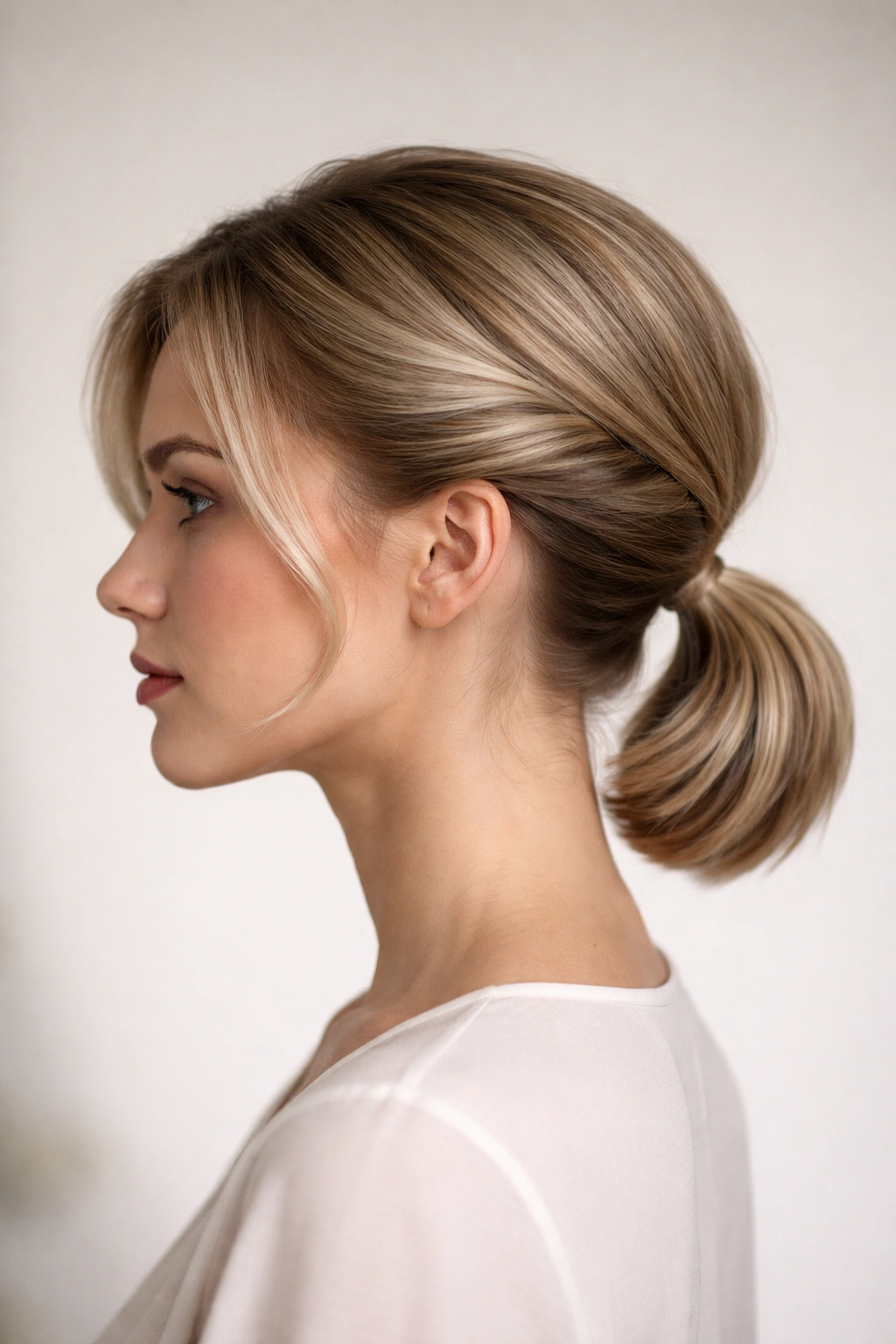
A rolled side gives short hair a neat curve before the ponytail even begins. That little bend changes the whole silhouette.
Roll one side inward toward the nape, pin it flat, then repeat on the other side if needed. Gather the remaining hair into a low ponytail and smooth the surface over the rolls. The sides should look sculpted, not puffed.
It’s a clever option for hair that has one side that always falls differently from the other. Instead of fighting that, the roll lets you use the difference.
18. Rope-Twist Low Ponytail
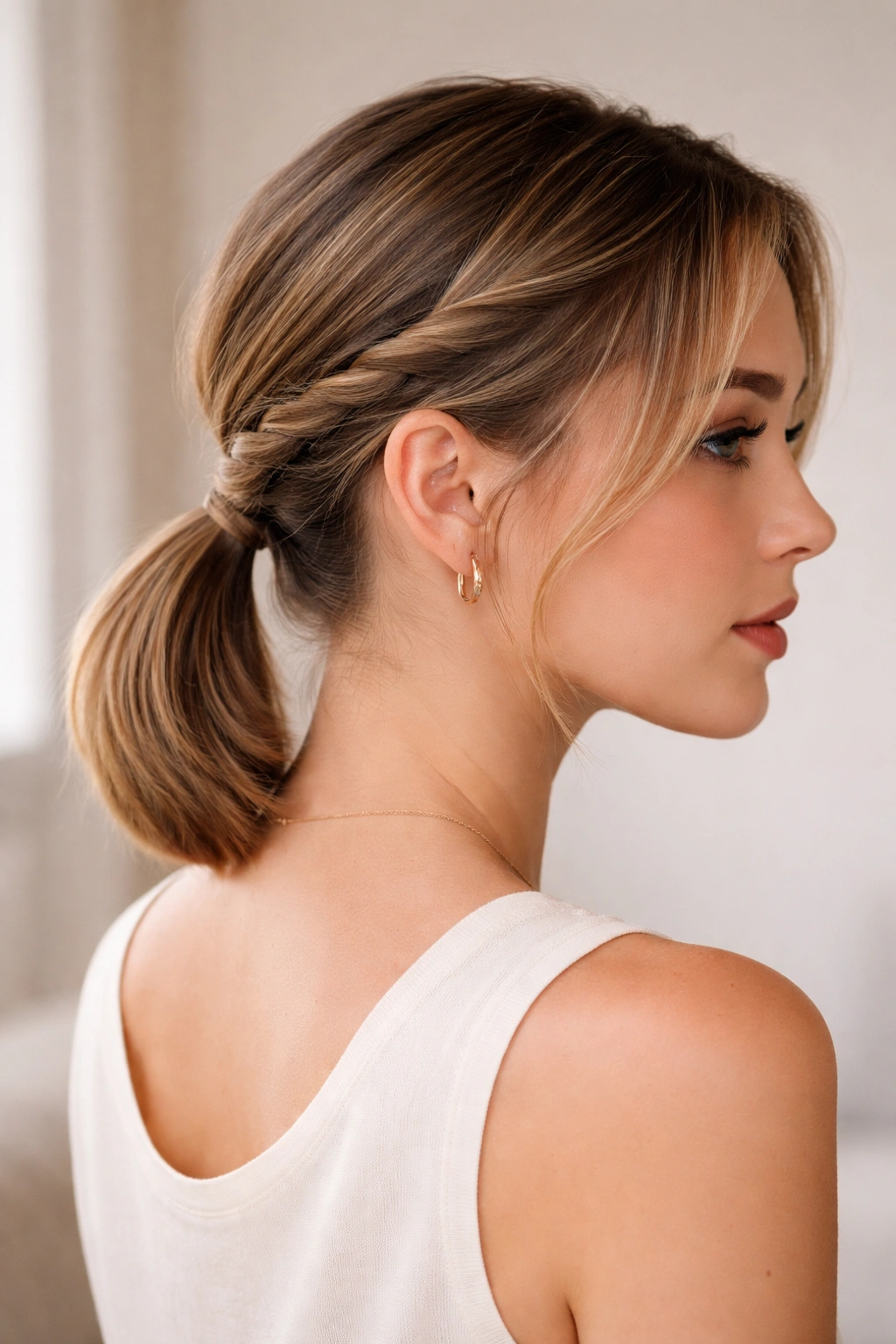
A rope twist is useful when you need extra control and a bit of texture without making the style look busy. It also works well on short hair because twists hold shorter sections better than loose gathering.
Split the side sections into two parts, twist each section tightly, then cross them toward the back and secure them into a low ponytail. Keep the twists close to the scalp so the whole look stays sleek. If your hair is slippery, a dab of styling cream on the fingers before twisting helps a lot.
Good Things About This Style
- Stronger hold on fine hair
- Less fuzz around the ears
- A cleaner finish than loose twists
19. Low Ponytail With a Scarf Wrap
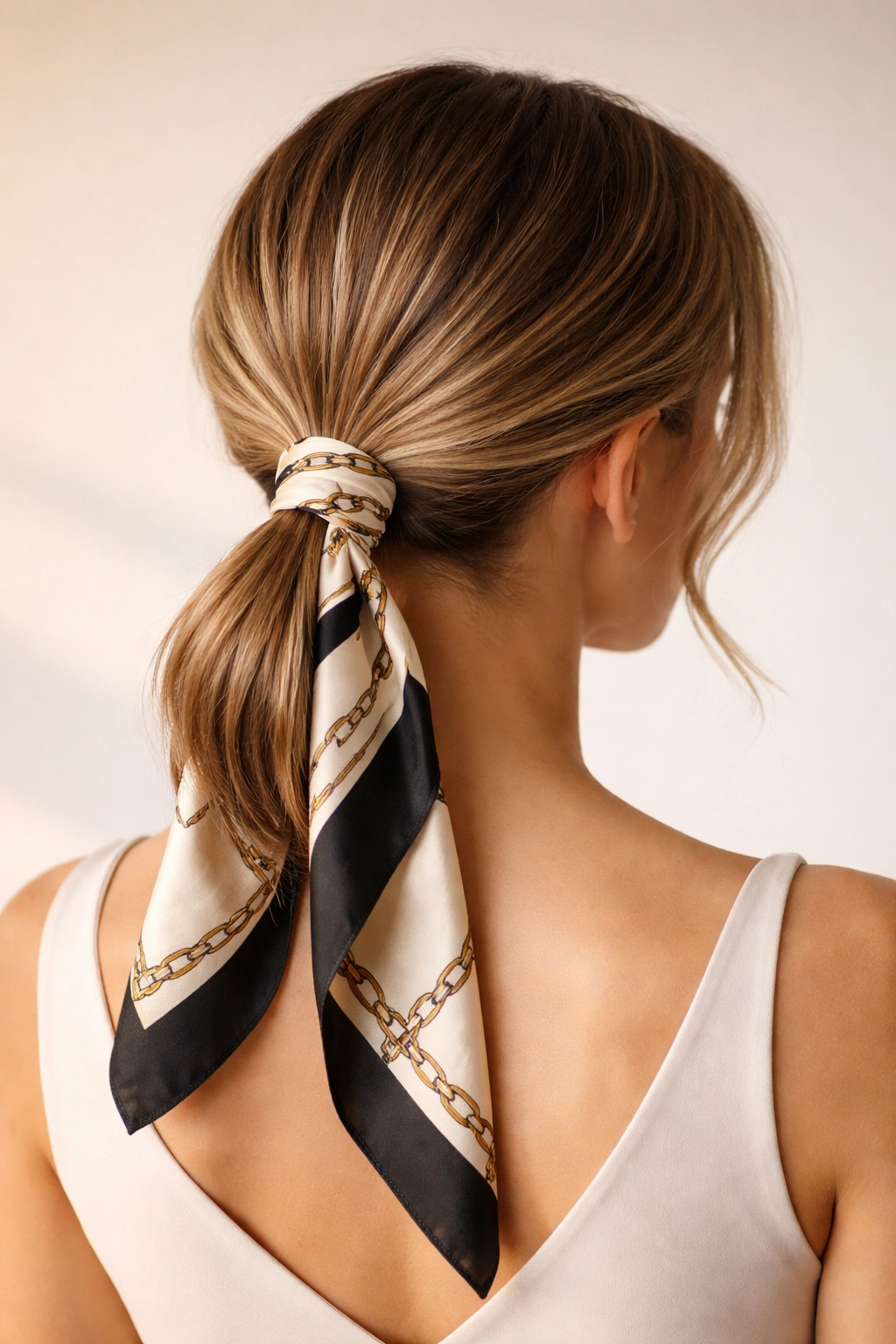
A scarf wrap is one of the easiest ways to make a short low ponytail feel intentional. It also solves the problem of a tiny tail looking too bare.
Wrap a slim silk or satin scarf around the base after you secure the ponytail. Tie it off to one side or let the ends fall down the back. If the scarf is patterned, keep the rest of the hair simple and smooth. If the scarf is plain, the ponytail can carry a little more texture.
This style has a nice balance of practical and decorative. It feels dressed up without asking for a complicated setup.
20. Sleek Low Ponytail for Short Hair With Baby Hair Detail
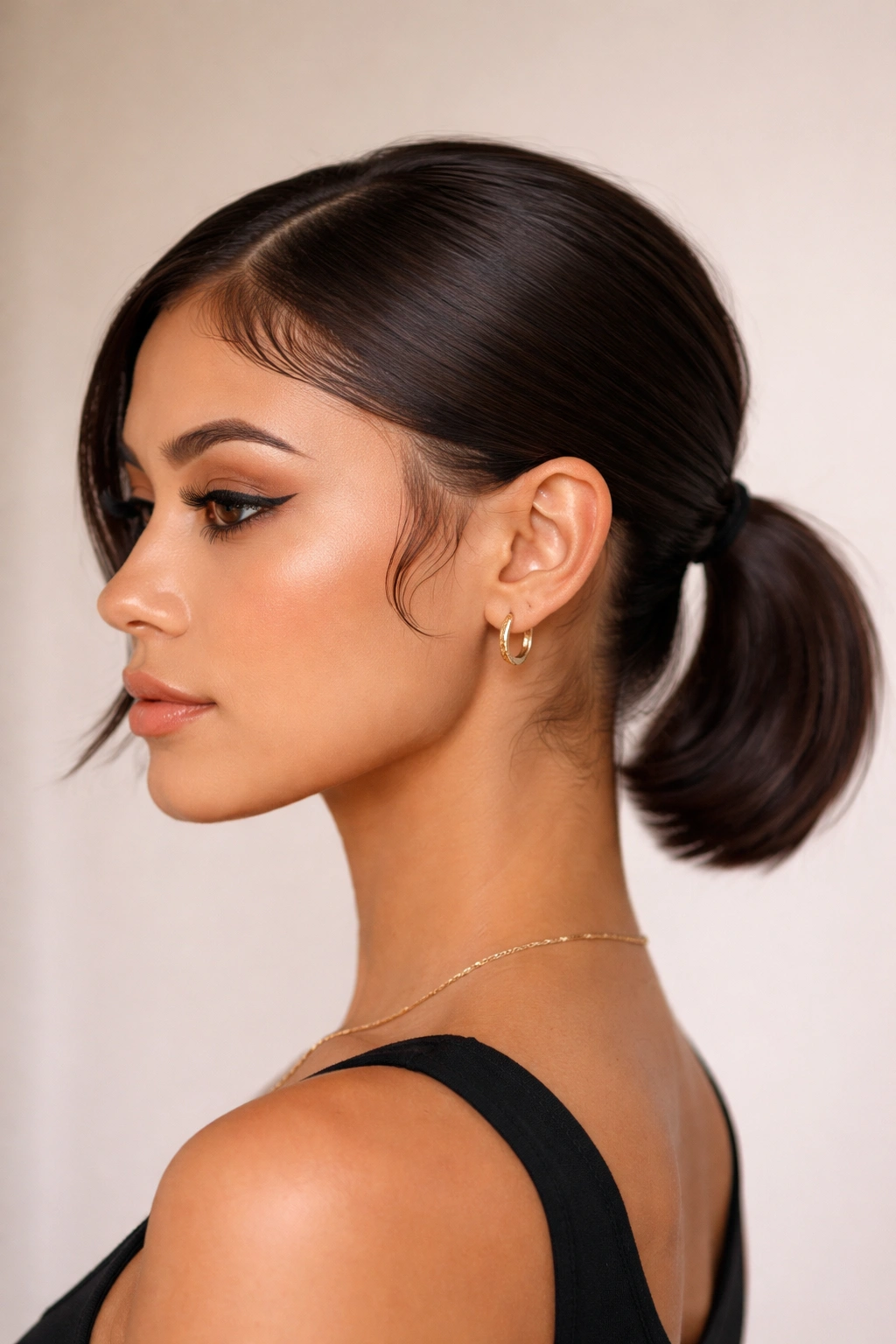
Baby hairs can make a short ponytail look finished instead of overworked. They frame the face, soften the hairline, and give you a place to add detail without touching the rest of the style.
Use a tiny edge brush or toothbrush with a touch of gel, then shape the hairs close to the temples and forehead. Keep the design light. Little swoops or a single curved line are enough. Heavy patterns can take over the look fast.
The rest of the ponytail should stay smooth and restrained. That contrast is what makes the detail stand out.
Best part: this approach works even when the tail is barely there. The hairline does the styling for you.
21. Bubble-Detail Low Ponytail
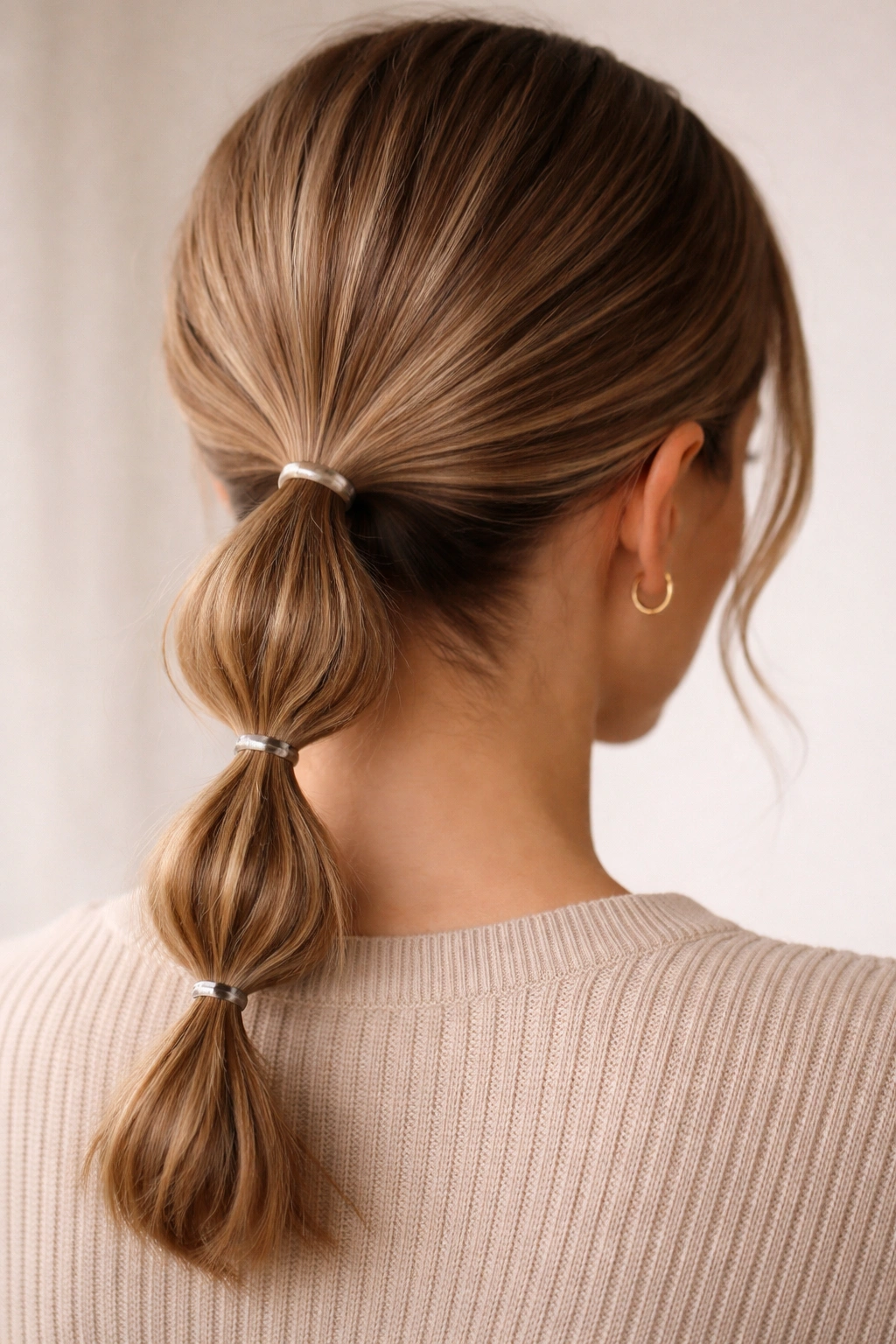
Bubble sections give short hair a clever way to fake length and structure at the same time. Each elastic creates a little rounded segment, so the ponytail looks fuller than it is.
Start with a low ponytail, then add small clear elastics every 1 to 2 inches down the tail. Gently tug each section outward to form the bubble shape. Short hair does not need many sections. Two or three is usually enough.
This style is playful, but it still reads neat if the crown is smooth. It’s a good way to use a shorter tail instead of hiding it.
22. Half-Sleek Low Ponytail
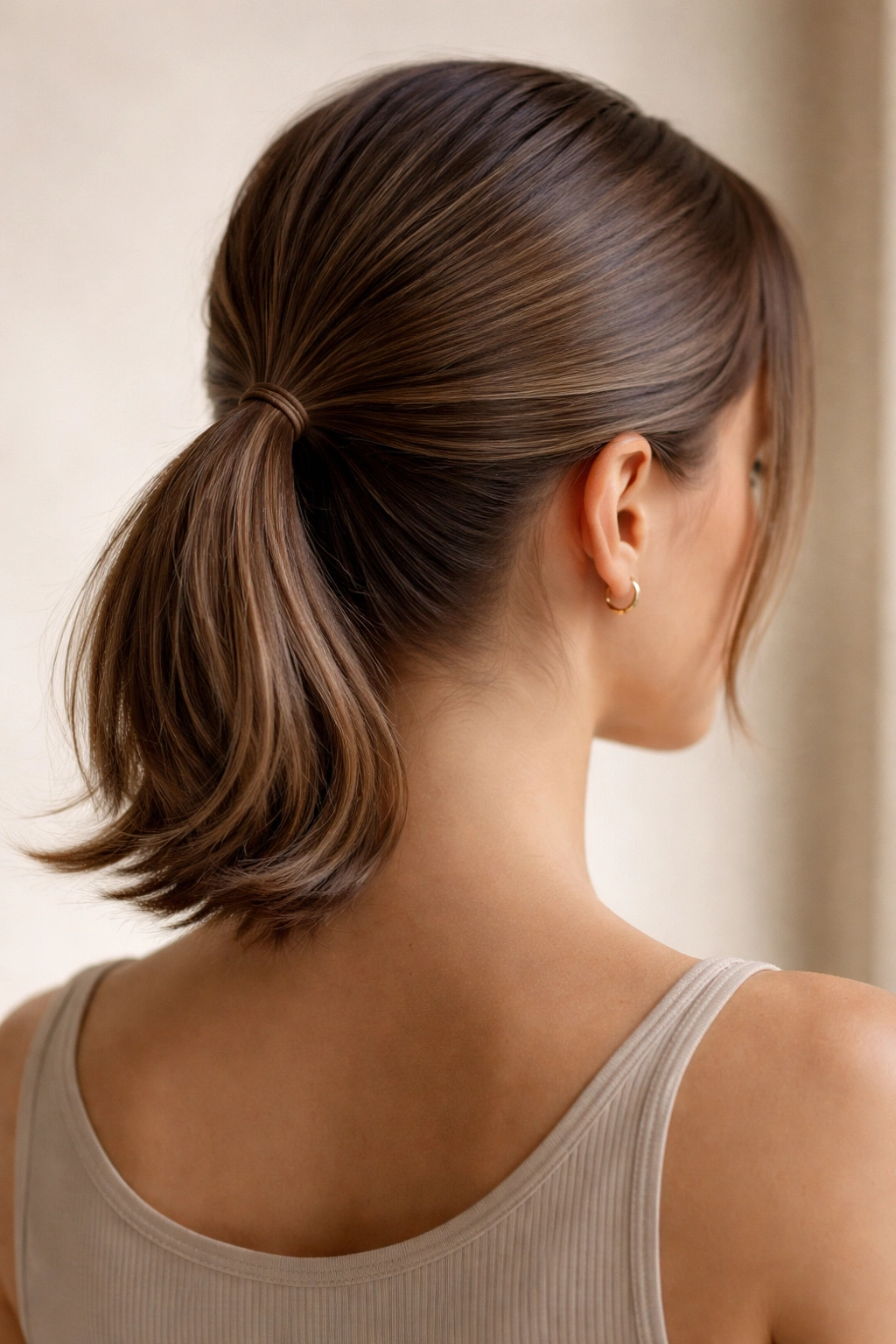
A half-sleek finish is useful when the top needs to look polished but the ends don’t want to cooperate. That’s short hair in a nutshell, honestly.
Keep the roots and sides tightly smoothed, then leave the tail a little softer through the ends. You can bend the last inch with a flat iron or let it curve naturally if the cut already does that. The contrast keeps the style from feeling stiff.
It’s a good pick for people who hate a fully lacquered look. Clean on top, a little softer below. That balance is what makes it wearable.
23. Airy Blunt-Edge Low Ponytail
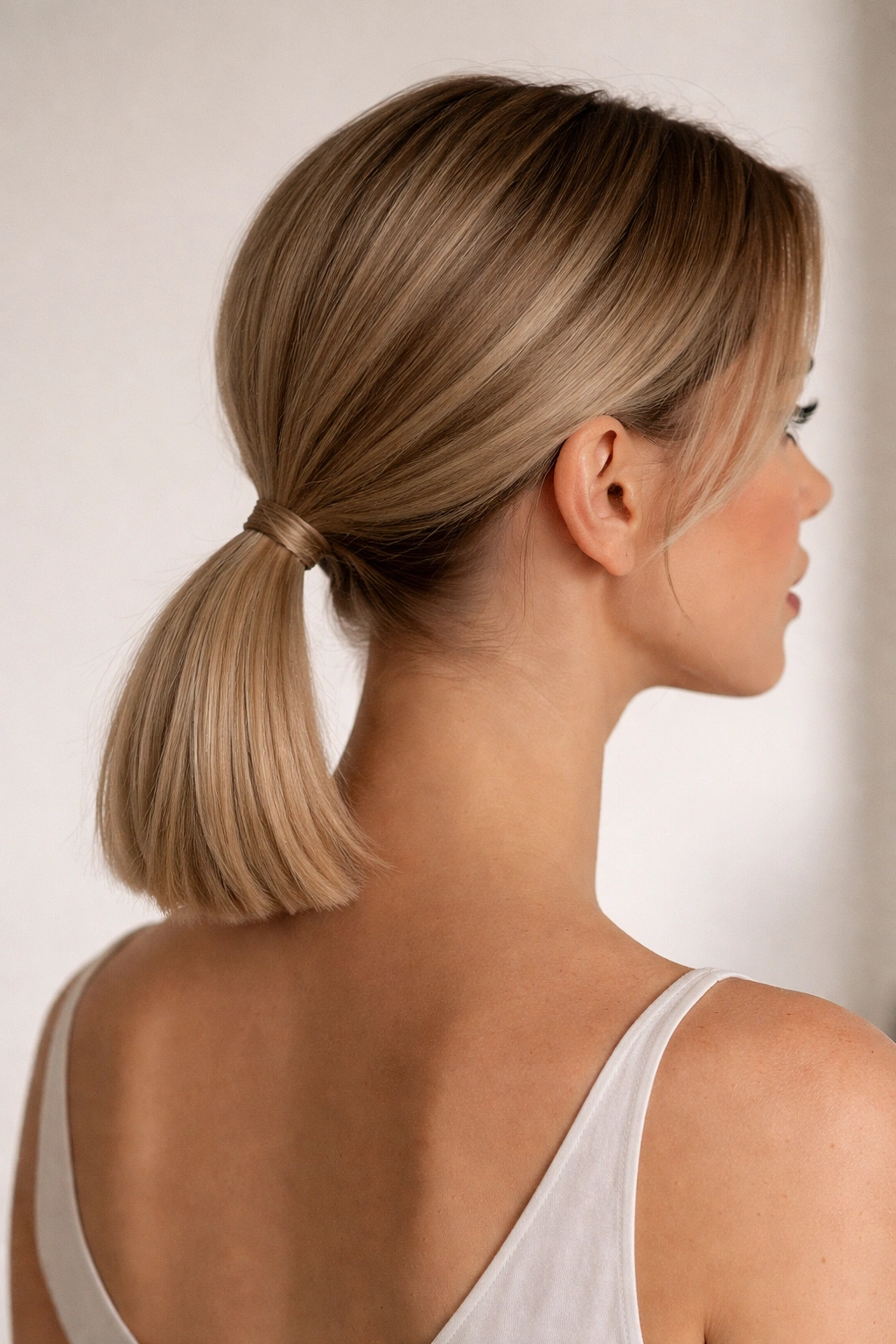
A blunt cut can look almost architectural in a low ponytail. The trick is to keep the ends clean, not overstyled.
Use a smoothing brush to press the surface flat, then let the ends stay straight and even. Don’t over-wrap the base or pile on accessories. A blunt ponytail looks strongest when the shape stays simple and the line from crown to tail is easy to read.
This one is a favorite for chin-length bobs. The clean edge gives the style weight, even when the tail is short.
24. Layered Bob Low Ponytail
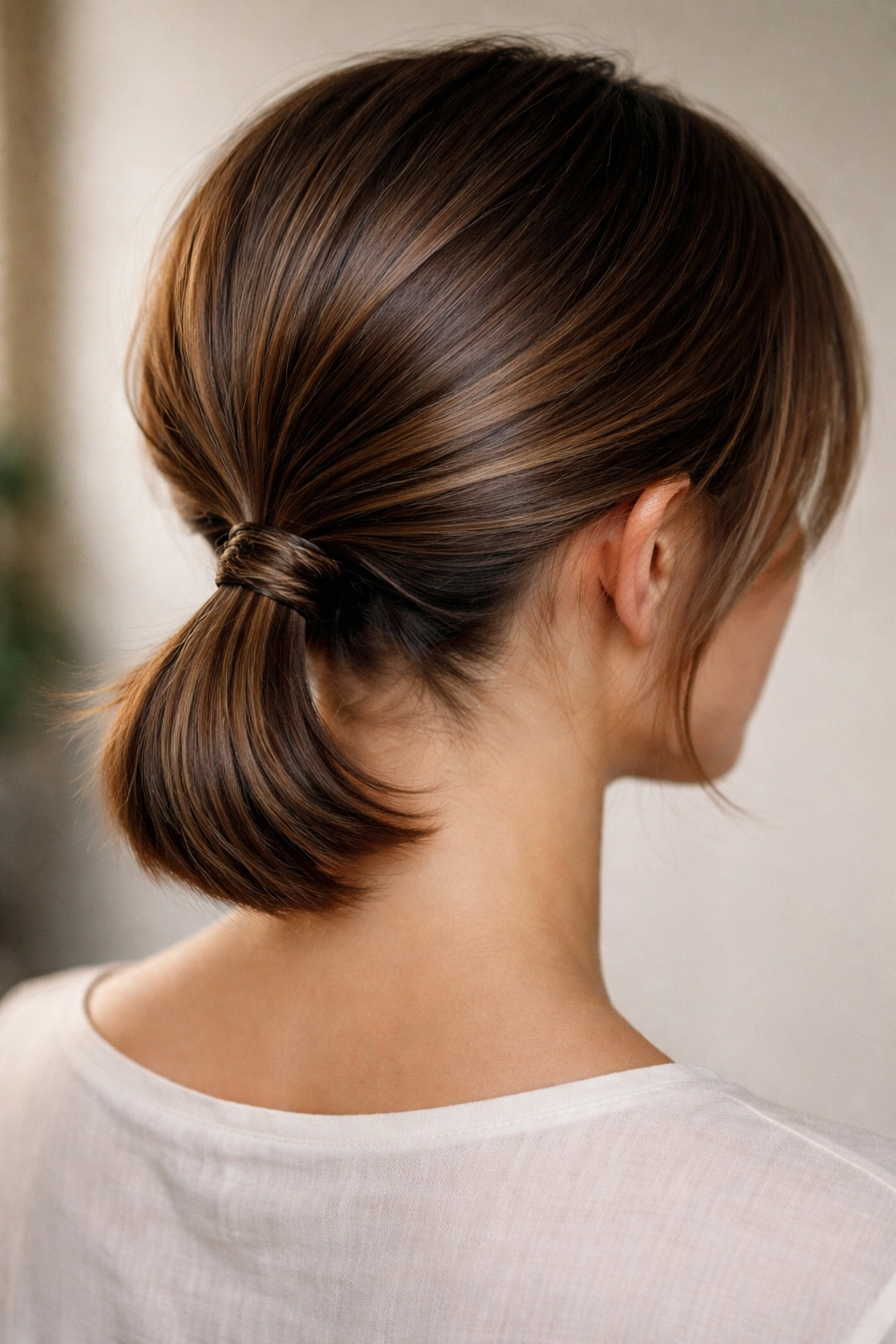
Layered bobs are the ones that seem to rebel the most, so this style is all about control. Short layers need anchoring, or they poke out and steal the shape.
What Helps Most
- Use two hidden bobby pins near the nape
- Smooth the crown first, then the sides
- Leave the shortest layers under the top section so they disappear
Pin the layers in place before the elastic goes on if they are especially slippery. Then gather the rest into a small ponytail and wrap the base. It may look tiny in your hand, but that’s fine. On a layered bob, small and tidy usually wins.
25. Office-Ready Polished Low Ponytail
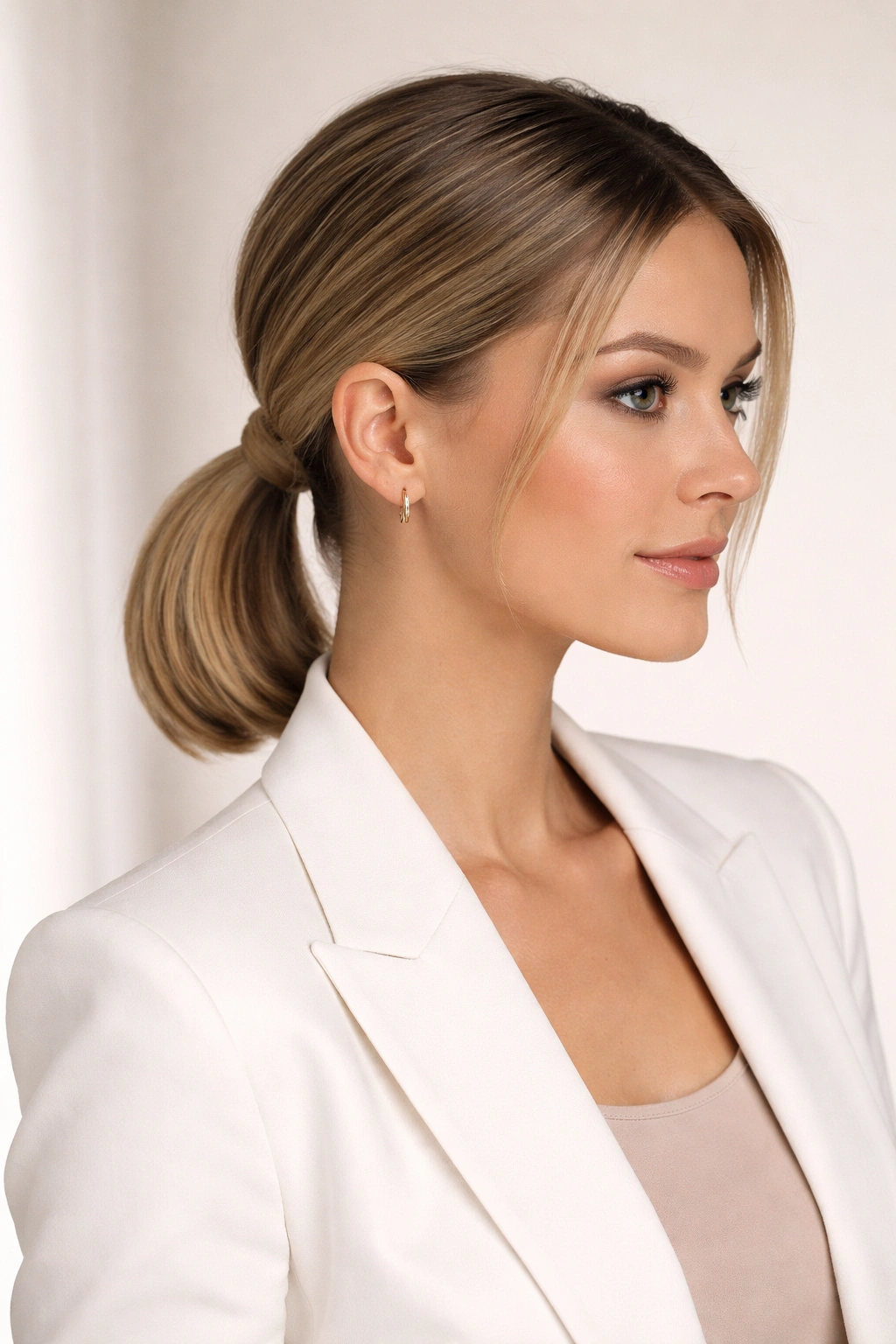
A polished low ponytail is the style you reach for when you want to look put together without spending forever on your hair. Short hair does this well because the shape stays close and neat.
Keep the part simple, usually center or slightly off-center, and smooth every side with a light gel or cream. Avoid fluffy volume at the crown. The whole point is a clean line from the front hairline to the nape. A thin wrap around the elastic finishes it off without making the style look fussy.
This is the kind of ponytail that works with a button-down, a knit, or a structured jacket. It behaves.
26. Evening Low Ponytail With a Satin Finish
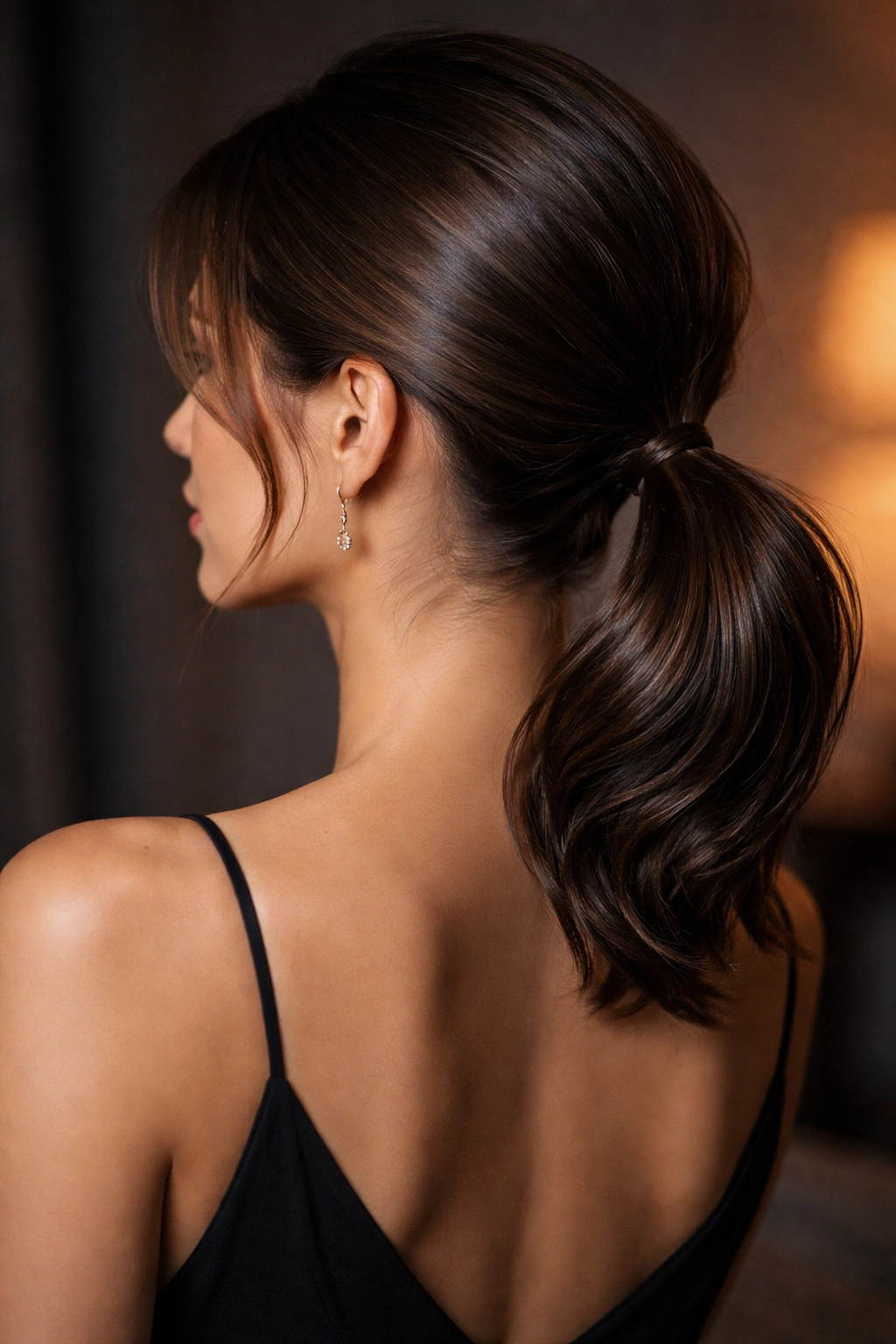
A satin finish gives short hair a soft sheen that feels dressy without being stiff. I like this more than a full wet look for evening because it still moves.
Use a serum on the lengths and a little smoothing cream on the top, then brush everything back into a low ponytail. Let the surface reflect light, but do not overload it with product. Too much shine can make short hair separate at the crown, and that ruins the line.
Pair this one with earrings that have some presence. The hair stays calm; the jewelry gets to speak.
27. Low Ponytail With a Hidden Anchor Braid
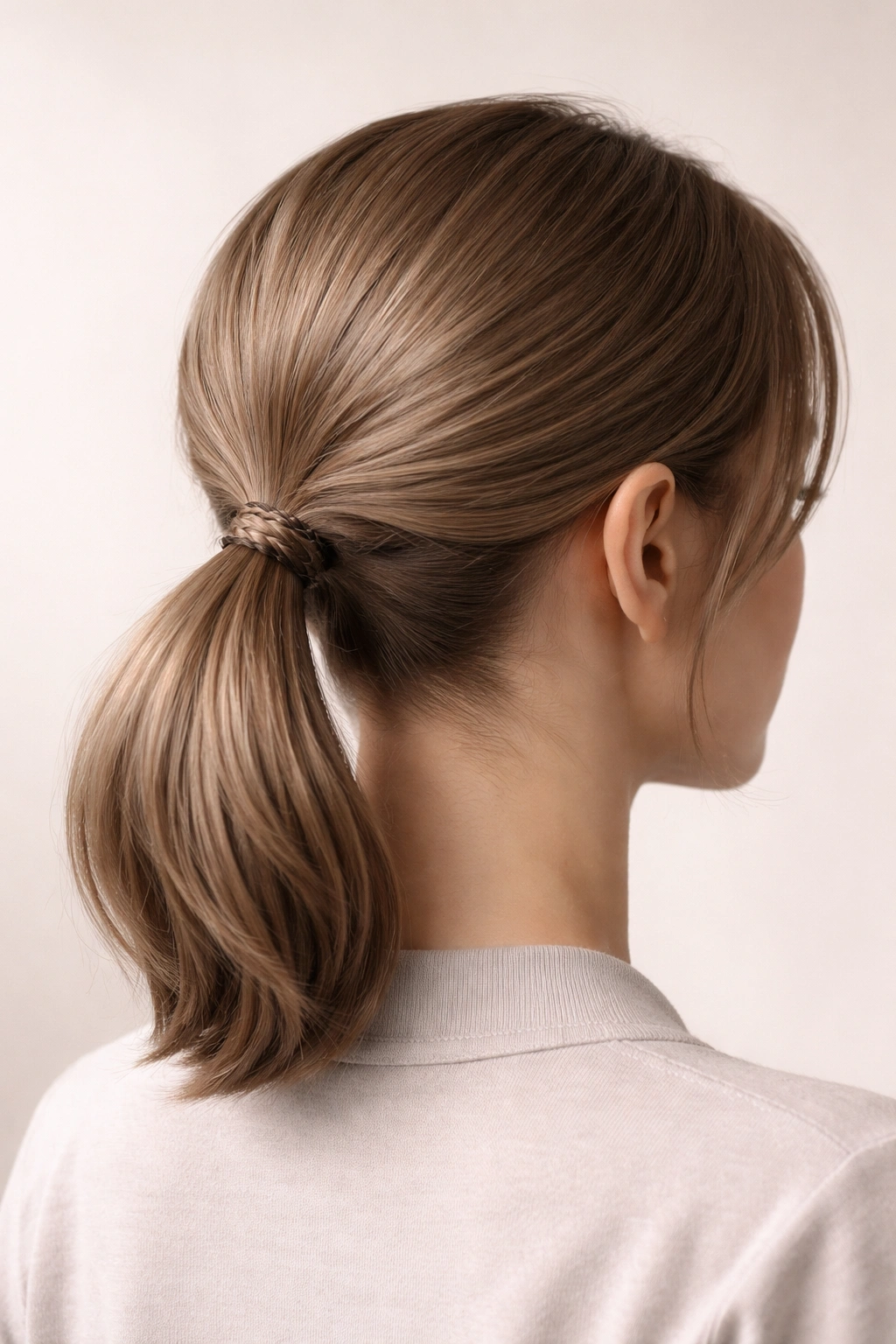
A tiny anchor braid is one of the best tricks for short hair that refuses to hold a normal ponytail. The braid gives the elastic something to grab, which keeps the style from sliding by lunchtime.
Braid a narrow section at the nape or just behind one ear, then gather the rest of the hair over it. Pin the braid flat and secure the ponytail on top. It does not need to be visible. In fact, hidden is better here.
How to Use It
- Fine hair that slips easily
- Layered cuts with shorter underpieces
- Styles that need extra hold under hats or scarves
This is a quiet fix, but it works.
28. Wavy-Ends Low Ponytail
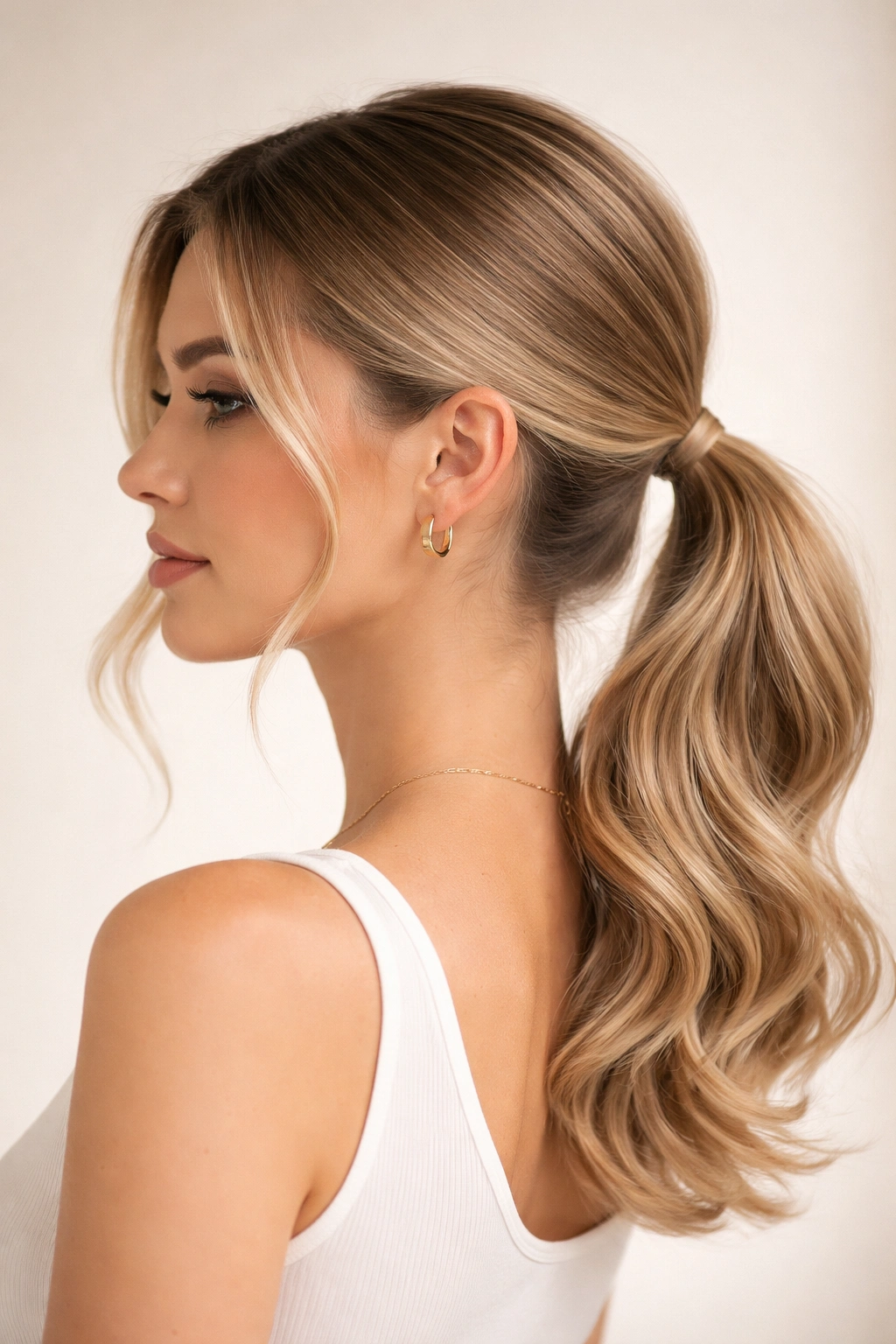
Sleek at the top and softly wavy at the ends gives short hair a nice contrast. It keeps the style from looking too severe, especially on a bob with a blunt baseline.
Straighten the top section first, then add a slight bend to the tail with a curling wand or flat iron. The waves should be soft, not ringlet-like. A single curve through the last few inches is enough. If the hair is too short to wave much, even a mild S-shape adds movement.
This style is one of the easiest ways to make a low ponytail feel less strict. The top stays neat. The ends loosen up.
29. Pin-Sculpted Low Ponytail
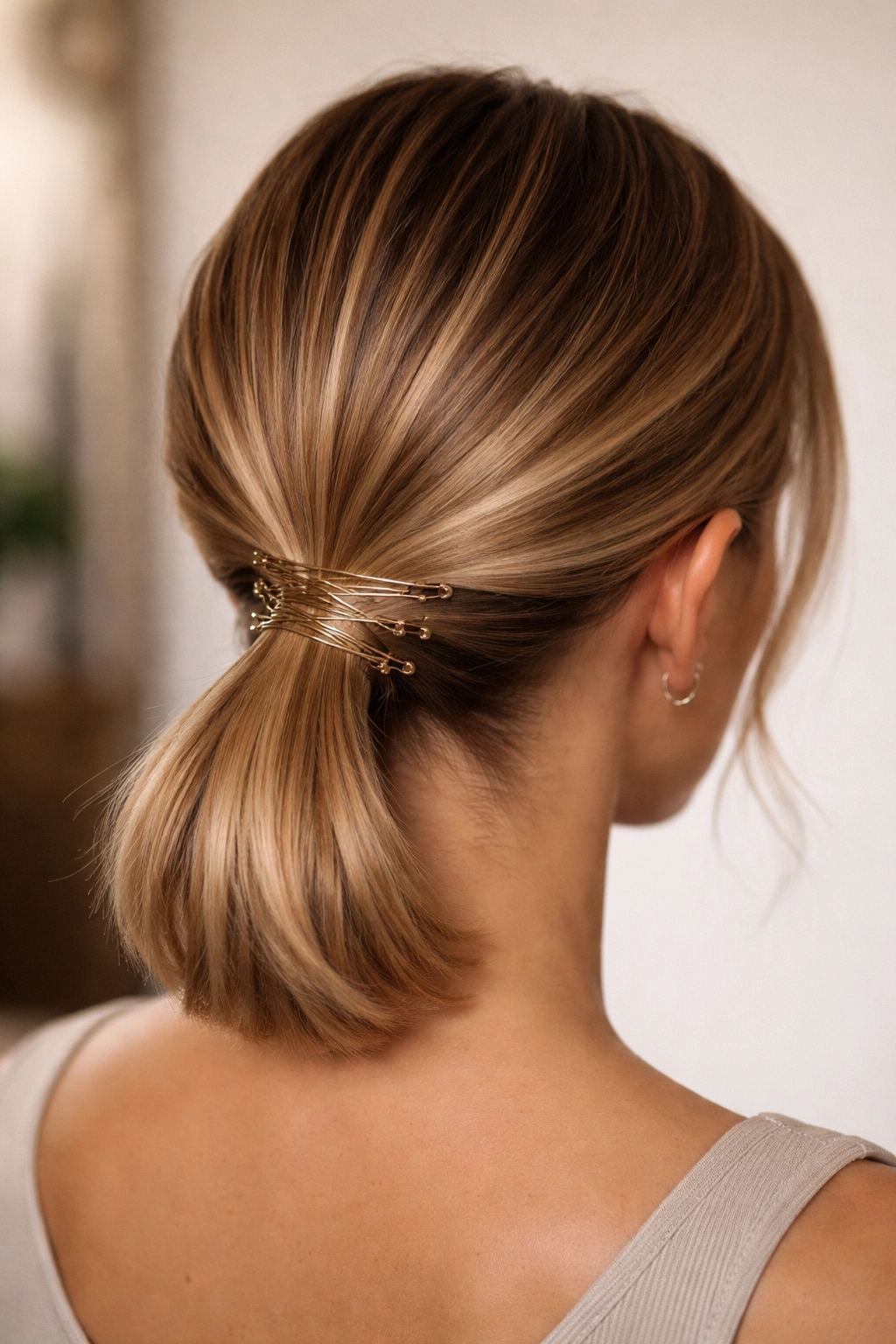
Bobby pins do not have to stay hidden. On short hair, they can become part of the design and make the style hold better at the same time.
Cross two pins in an X to lock down a side section, or line them up along the base in a neat row. Choose pins that match your hair color if you want them to blend in, or metallic pins if you want the detail to show. Keep the rest of the style smooth so the pins feel intentional.
This one is good when the hair is too short to make a dramatic tail. The pins add structure where length can’t.
30. Event-Ready Sleek Low Ponytail for Short Hair
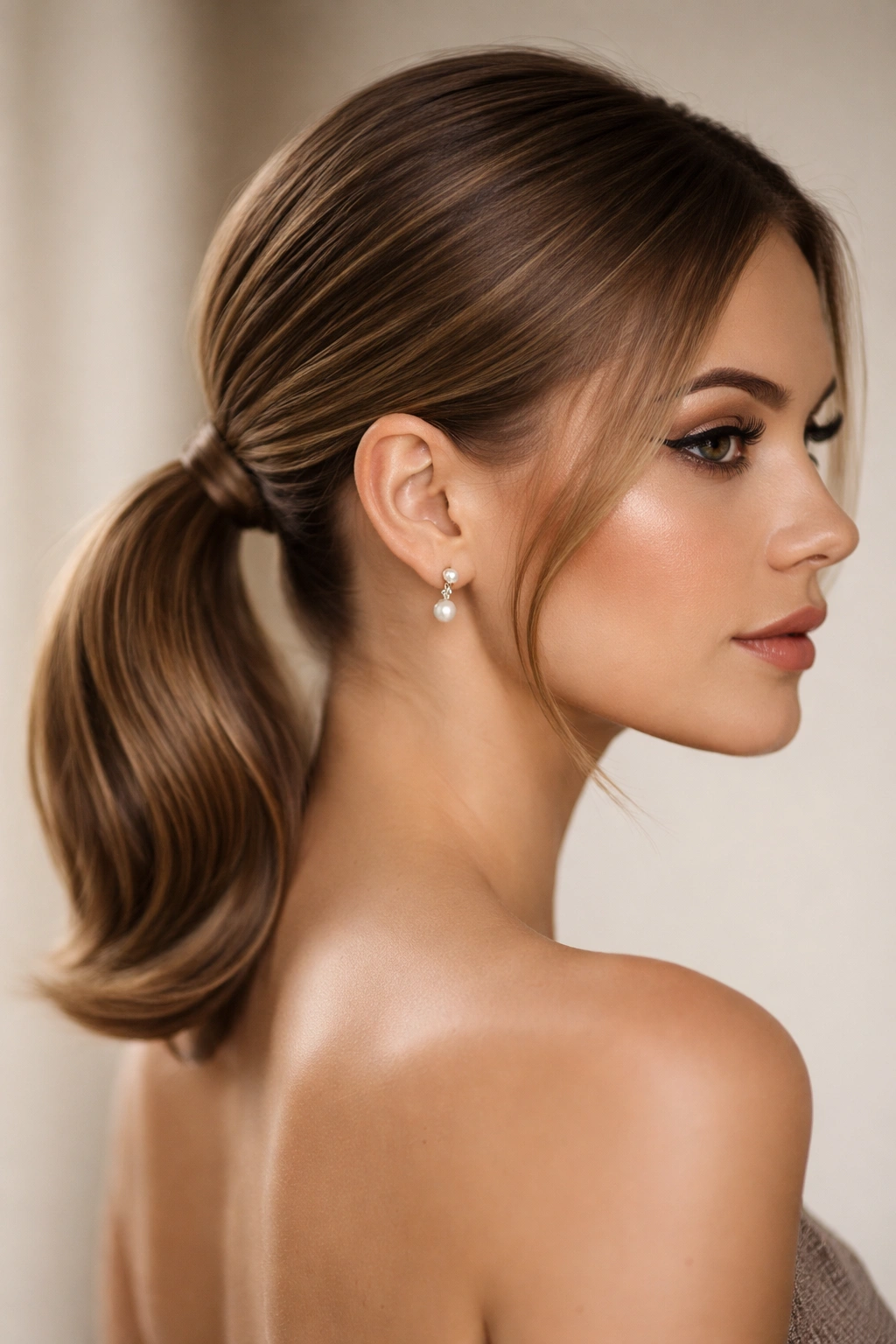
When the occasion calls for something cleaner than a bun but sharper than loose hair, this is the style I’d reach for first. It takes the best parts of the other looks and keeps the finish tight, glossy, and controlled.
Start with a center or slight side part, smooth the hair down with a boar-bristle brush, wrap the base, and choose one small detail — a pearl pin, a cuff, or a ribbon. Do not pile on all three. The style works because it stays disciplined. Short hair loves a clear plan.
My favorite version: a low ponytail with a wrapped base, a slight crown lift, and one statement earring. That combination is clean, modern, and forgiving if a few shorter pieces refuse to stay flat.
Final Thoughts
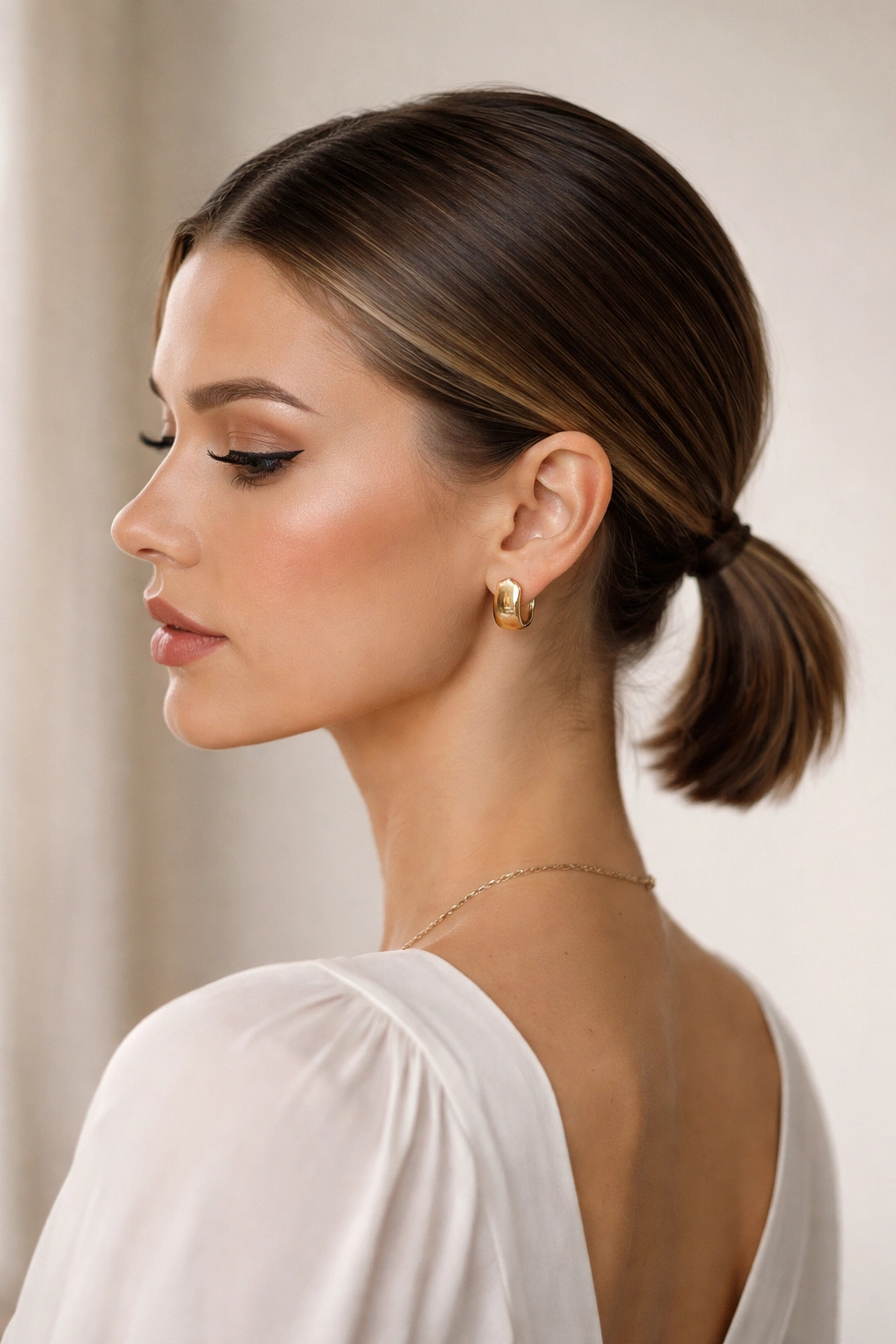
Short hair can be a little stubborn, but that’s part of its charm. A sleek low ponytail gives it direction without making it look overworked.
The styles that last are usually the ones with the least fuss at the front and the smartest support at the base. Wrapping the elastic, pinning the layers, and choosing the right parting matter more than chasing extra length.
If your first try looks a touch small, that’s fine. Short hair ponytails often look best when they stay close, neat, and a little bit tailored.