



You know the feeling. You spend an hour diffusing your hair, and by noon, it looks like a confused frizz-ball that can’t decide if it wants to be a straight bob or a tight spiral. That is the hallmark of 2C hair. It is the most stubborn member of the wavy family. It possesses the thick, coarse texture of straight hair but holds the erratic, S-shaped curl pattern of curly hair. When it is cut wrong, it becomes a triangle. When it is cut right, it is effortless, voluminous, and undeniably cool.
The fundamental issue with 2C hair is weight. If you cut it too blunt, it creates a heavy bottom that pulls the wave flat at the roots, making it look like a pyramid. If you over-layer it without structure, it poofs out, turning into a halo of frizz. You need a cut that respects the wave’s need for movement while managing the inevitable density. It is not just about the length; it is about where the weight is removed and how the layers interact with that specific S-curve.
Forget the generic styles you see in magazines that assume all wavy hair acts the same. 2C hair requires a level of intentionality that stylists who specialize in straight hair often miss. You need internal structure. You need graduation. You need to stop fighting your hair’s natural gravity and start cutting it to work with that heavy, textured pattern.
1. The Blunt Lob
This is the gold standard for taming unruly 2C hair. A blunt lob, or long bob, keeps the ends thick and heavy, which actually prevents the hair from poofing outward. By cutting a straight line across the bottom, you create a weighted perimeter that pulls the waves down just enough to define them.
Why This Works for 2C Texture
When you have 2C hair, the ends can often look thin or stringy if they are over-layered. The blunt cut ensures that every single strand is accounted for. It gives the illusion of fullness, even if your hair density is on the lower side.
- Best for: People who want to reduce triangle hair.
- Styling tip: Use a heavy cream on wet hair and scrunch; avoid touching it while it dries.
2. Long Layered Shag
The modern shag is a lifeline for anyone with 2C hair who wants volume without the bulk. Unlike the shags of the past, this version focuses on internal layers that remove weight from the middle of the hair shaft. This allows your waves to spring up and sit where they naturally want to live, rather than being weighed down by a curtain of hair.
The Anatomy of the Cut
Ask your stylist for long, disconnected layers that start below the chin. This creates a soft, feathered look that frames the face without taking away the length you have worked so hard to grow.
- Pro tip: Do not let them use a razor. 2C hair is prone to split ends, and a razor can shred the cuticle, leading to frizz within days of the cut. Insist on shears.
3. The Textured Pixie
A pixie cut is a bold move, but for 2C hair, it is surprisingly manageable. When you chop off the weight, the S-wave pattern often tightens up, turning from a loose, frizzy wave into a tighter, more defined curl. This look requires very little styling time; a bit of gel and air-drying usually does the trick.
Keeping It Feminine
The trick to keeping a pixie feminine on 2C hair is to keep some length around the ears and the nape of the neck. You want a softer silhouette, not a buzz cut. If you go too short on the sides, the hair will expand horizontally, giving you the “mushroom” effect that nobody wants.
4. Rounded Bob
A rounded bob is designed to follow the shape of the head rather than just hanging straight down. For 2C hair, this is a shape-based cut that uses shorter layers in the back to create a slight curve, which encourages the waves to stack nicely rather than fighting each other.
Why It’s Different from a Blunt Lob
The blunt lob is about weight at the ends; the rounded bob is about weight distribution across the whole head. It gives you a polished look that feels intentional and styled, even when you have just woken up and shaken your hair out. It is a fantastic choice if you want to avoid the “grown-out” look for as long as possible.
5. The Butterfly Cut
You have probably seen this cut everywhere, but it actually has merit for 2C hair. It relies on face-framing layers that start short, almost like bangs, and cascade back into longer layers. The result is a look that feels like you have a bob in the front and long, flowing hair in the back.
Managing the Volume
The genius of the butterfly cut is how it handles volume. By keeping the top layers shorter, you remove the heavy weight from the crown of your head, which is where 2C hair often falls flat. The shorter layers act as springs, lifting the hair at the root and giving you that enviable volume you are likely chasing.
6. Invisible Layers
Invisible layers, also known as interior layers, are a technique where the stylist cuts into the hair underneath the top layer. The goal is to remove bulk without compromising the length or the look of the top layer. For 2C hair, this is essential if you feel like your hair is just “too much” to manage.
How to Ask for It
Be very specific. Tell your stylist, “I want to keep the length, but I need the interior bulk removed so my hair stops expanding.” If they are skilled, they will know exactly what you mean. It is the secret to getting a sleek silhouette without having to resort to a chemical straightener.
7. Deep Side-Parted Bob
Sometimes the haircut isn’t just the length; it is the part. A deep side-parted bob forces the hair to sweep across the forehead, which naturally adds height and volume on one side. This is an incredibly flattering look for 2C hair because it breaks up the symmetry of the face.
The Styling Advantage
When you have a deep part, you aren’t fighting your natural growth pattern. You are leaning into it. The side part can also help disguise a cowlick or a tricky hair growth pattern, which many 2C-haired people deal with at the hairline.
8. The Wolf Cut
The wolf cut is essentially a marriage between a shag and a mullet. It sounds intimidating, but it is one of the best ways to get structure out of 2C hair. It involves shorter, choppy layers at the top and longer, thinner layers at the bottom. It looks messy on purpose, which is perfect if your 2C hair is naturally prone to a bit of chaos.
Wearability
This is a low-maintenance cut for those who have embraced their natural texture. You do not need to blow dry this. You apply a sea salt spray or a mousse, scrunch it, and walk out the door. It is the epitome of the “I woke up like this” aesthetic.
9. V-Shape Cut
If you love having long hair, a V-shape cut is the way to go. Instead of a straight line at the bottom, your hair is cut to taper into a point in the back. This removes the mass of weight that usually sits right at the nape of your neck, making the hair feel lighter and allowing your waves to move more freely.
Who Should Avoid This
If your hair is already thin, a V-cut can make it look a bit sparse at the ends. It is best reserved for those with medium to high-density 2C hair who need to take some of the “heaviness” out of their ends.
10. U-Shape Cut
The U-shape is the more subtle cousin of the V-shape. It still removes weight, but the transition from front to back is softer and more rounded. This is a classic, timeless cut that never goes out of style and works exceptionally well with 2C hair because it encourages the waves to frame your face as they move toward the back.
Balancing Act
With a U-shape, you want the front sections to graze your collarbone while the back sits at your mid-back. This creates a natural gradient that allows the waves to flow uninterrupted. It is a very “safe” choice if you are nervous about getting a drastic haircut.
11. Curtain Bangs with Long Layers
Bangs on 2C hair are a controversial topic. If cut too short or too straight, you end up with a poofy fringe that looks like a hat. But curtain bangs? They are long, face-framing, and designed to sweep to the side. They add softness to your face without the commitment of a full brow-skimming fringe.
Getting the Look
Ask for curtain bangs that start at the cheekbone. This ensures that they blend into the rest of your layers, creating a seamless transition. They are incredibly easy to style; a round brush and a blow dryer for thirty seconds is all it takes to give them that “flicked out” look.
12. Asymmetrical Bob
If you are bored with your hair, an asymmetrical bob is the ultimate refresh. One side is shorter than the other. This creates an edgy, modern profile. On 2C hair, the shorter side will naturally curl a bit tighter because there is less weight, while the longer side will have a looser wave.
The Aesthetic Factor
This look is all about confidence. It draws attention to the jawline and the neck. It is a fantastic option if you have an oval or heart-shaped face. Just be prepared to get it trimmed more often, as the asymmetrical lines can look messy once they start to grow out.
13. Mid-Length Disconnected Layers
Disconnected layers mean that the layers do not blend into each other seamlessly. There is a clear “step” between one length and the next. For 2C hair, this creates a rugged, textured appearance that looks very intentional. It prevents the hair from looking like a uniform block.
Why This Style Succeeds
It gives the hair a “lived-in” feeling. You won’t look like you just left a salon with a blowout. You will look like you have cool, textured hair that has character. It is an excellent choice for those who are tired of the “perfectly polished” look and want something more raw.
14. Soft Rounded Curls (The “Curly Cut”)
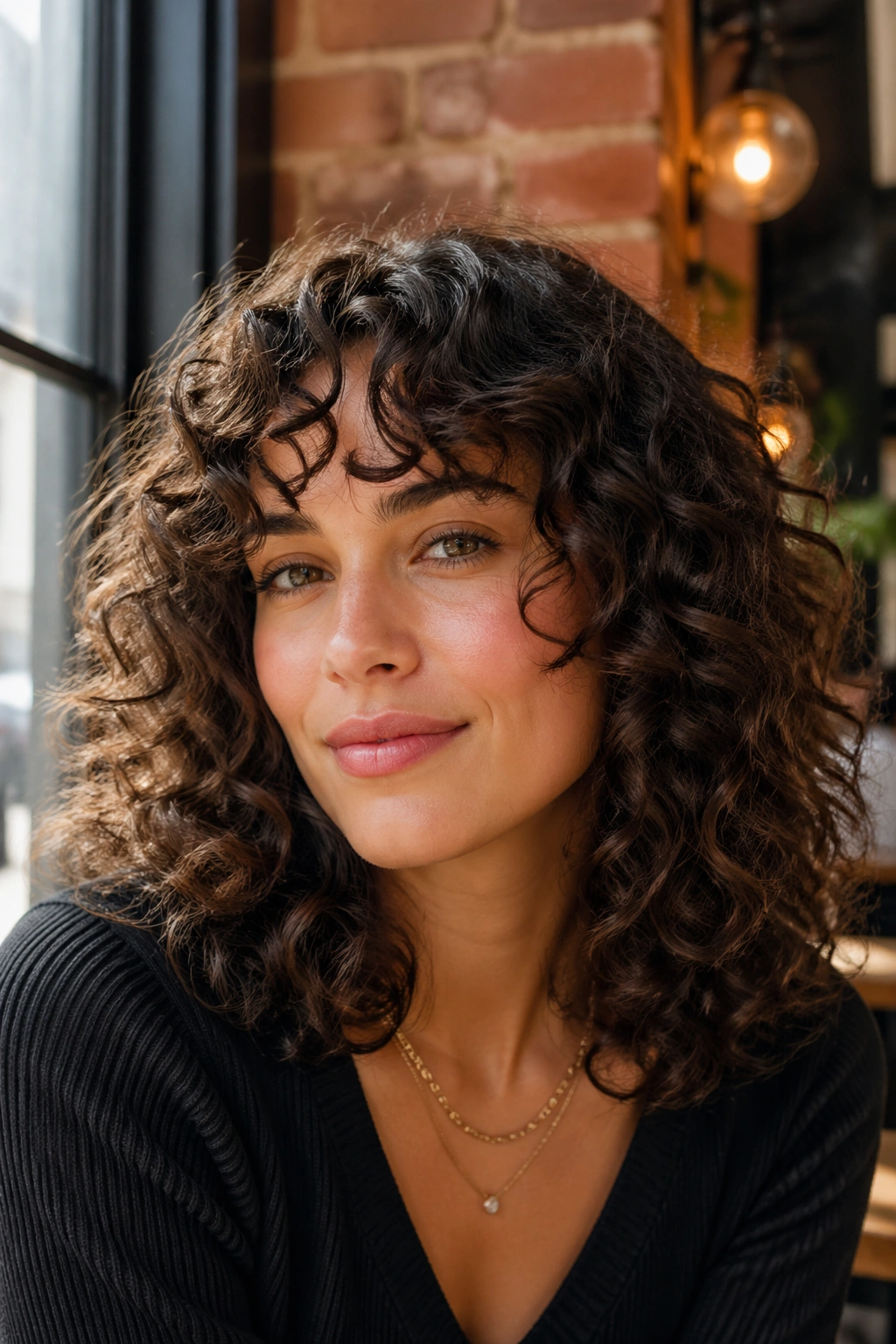
Many salons now offer “dry cutting” specifically for wavy and curly hair. They cut the hair while it is dry, in its natural state, curl by curl. This is, hands down, the most precise way to handle 2C hair. The stylist sees how the wave springs up before they snip, ensuring that you don’t end up with layers that are way too short.
Finding the Right Stylist
You cannot just walk into any chain salon and ask for this. You need to look for someone who has a certification in curly or wavy cutting techniques. It might cost more, but the difference in how the cut grows out is worth every penny.
15. Face-Framing Graduated Bob
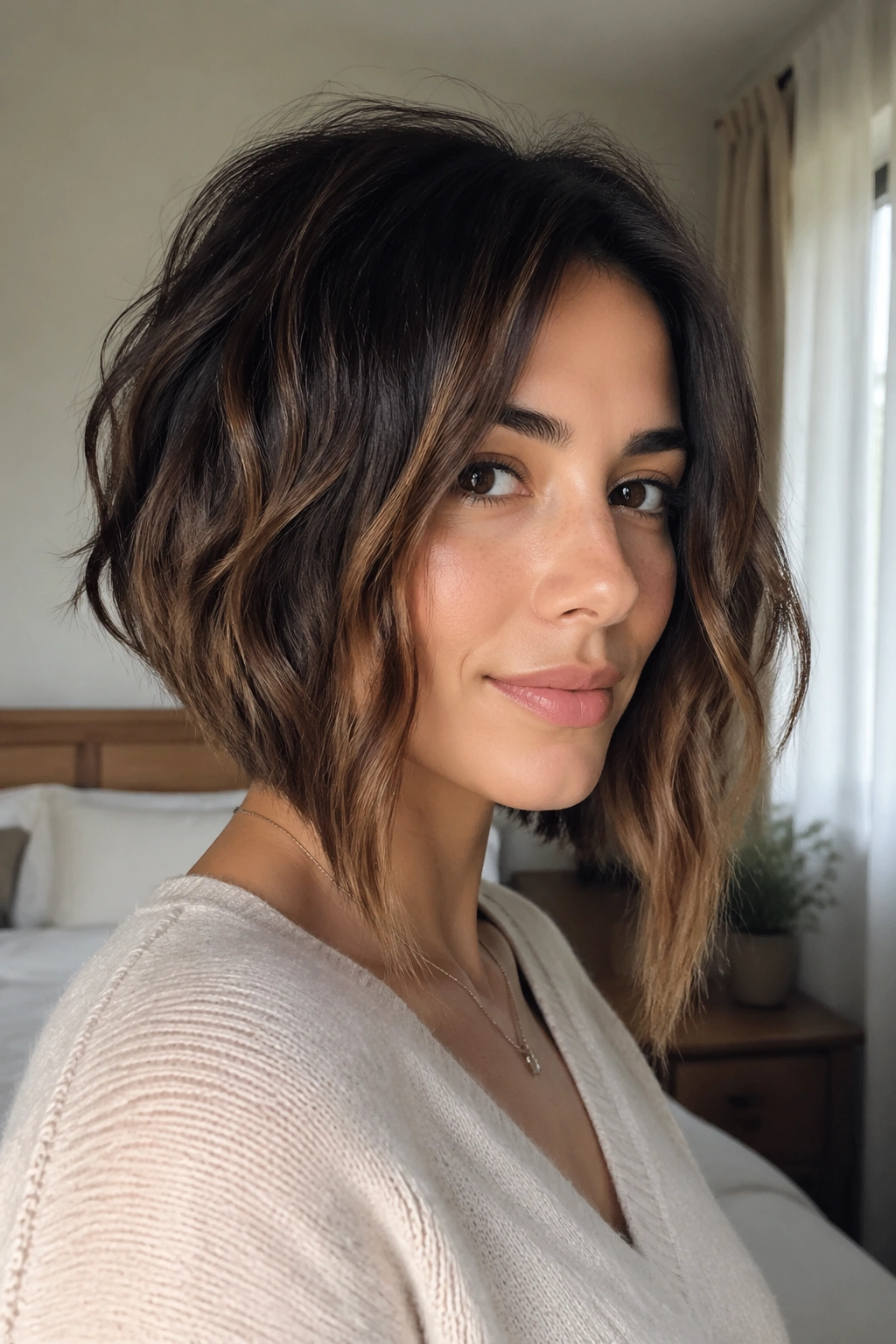
This is a bob that gets longer as it moves from the back of the neck to the front of the face. The graduation is slight, almost imperceptible. This provides a clean line in the back to prevent that “poofy” look, while keeping enough length in the front to frame your face nicely.
The Benefits of Graduation
The back is short enough to keep the neck cool and the volume controlled. The front is long enough to pull back into a ponytail if you are having a bad hair day. It is the ultimate “best of both worlds” cut.
16. Long Shag with Bottleneck Bangs
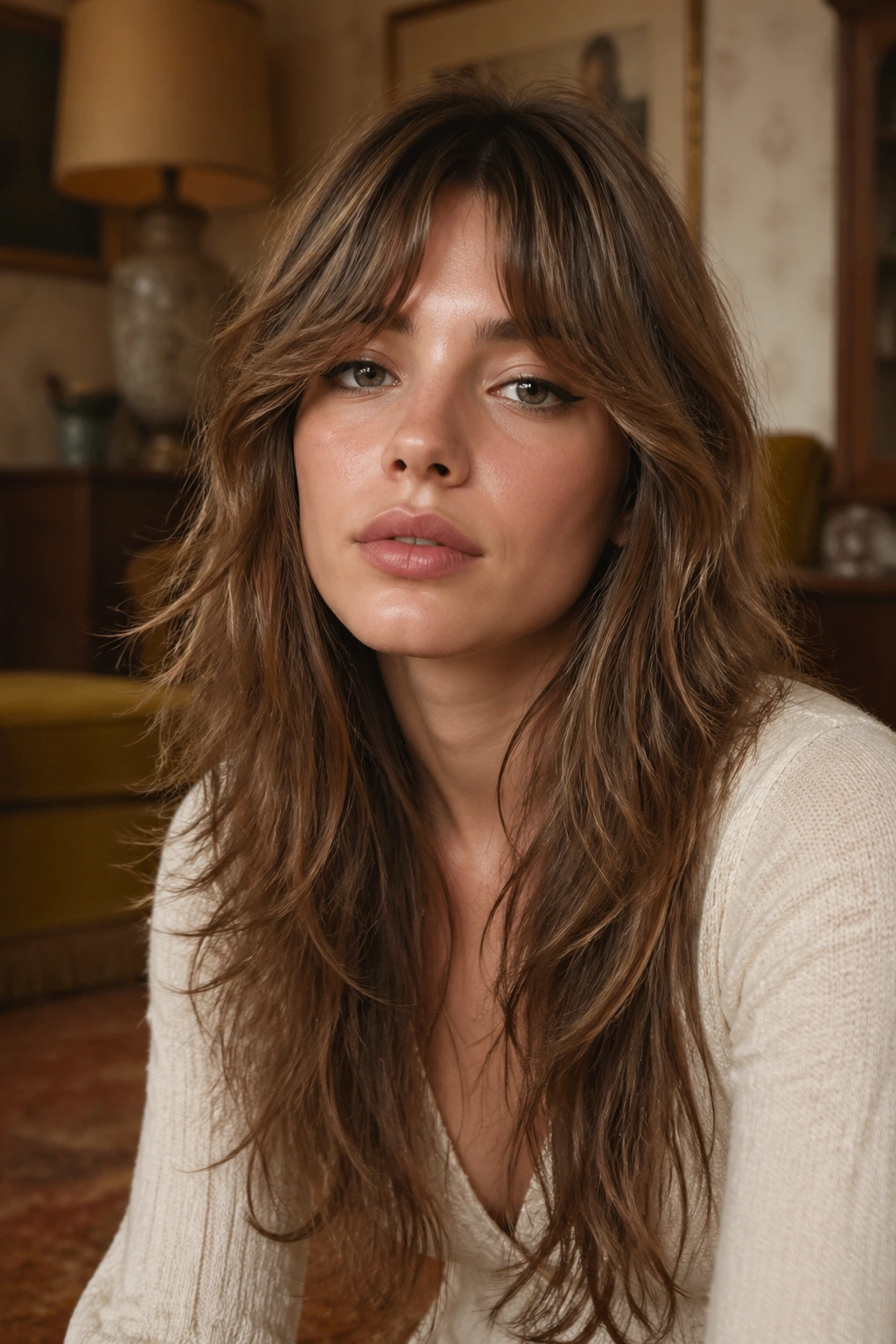
Bottleneck bangs are a bit narrower than curtain bangs. They start shorter in the center and get longer as they move out, resembling the neck of a bottle. When paired with a long shag, they create a very vintage, 70s-inspired vibe that works beautifully with the natural wave of 2C hair.
Managing the Texture
Because 2C hair has a lot of body, these bangs will rarely fall flat. You might need to use a tiny bit of dry shampoo at the roots to keep them looking fresh, but they are generally much easier to manage than traditional blunt bangs.
17. The “Collarbone” Cut
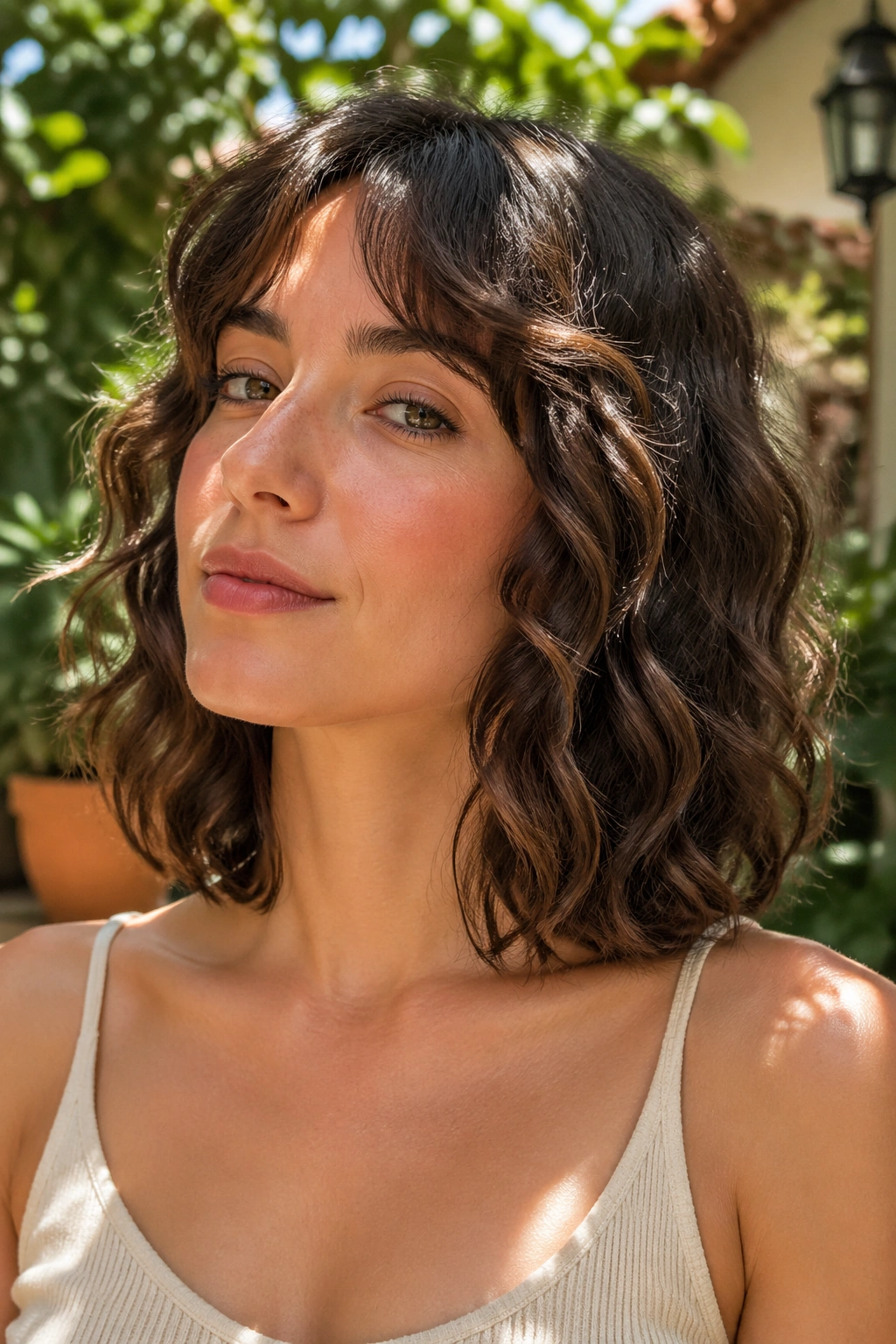
There is something magical about a cut that hits exactly at the collarbone. It is long enough to feel like “long hair,” but short enough that the ends aren’t constantly dragging on your shoulders and creating friction. For 2C hair, this length is the sweet spot.
Styling for Length
At the collarbone, your waves have enough room to form a full S-curve. If you go much longer, the weight of the hair might pull those waves straighter, turning your 2C hair into 2B or 2A. If you go much shorter, you risk the dreaded triangle. Stick to the collarbone.
18. Textured Crop
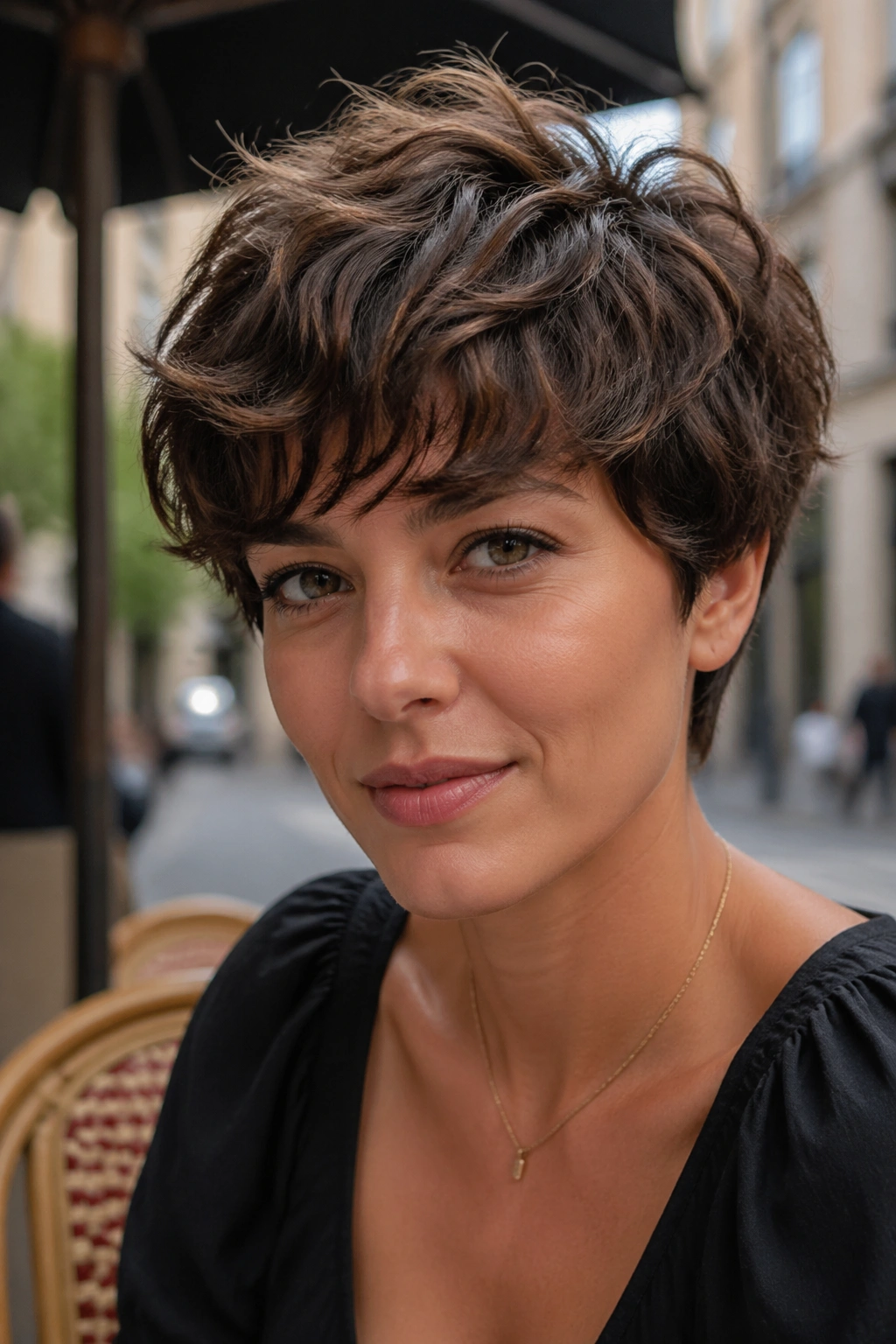
If you want to go short but aren’t ready for a full pixie, a textured crop is the way to go. This involves keeping the top layers longer and using texturizing shears to soften the ends. It creates a messy, bedhead look that is incredibly chic.
Why it Works for 2C
The length on top allows your natural wave pattern to emerge. You are not fighting the hair; you are shaping it. Use a matte clay or a styling paste to define individual pieces. This is a look that relies on product, so make sure you invest in a quality styling cream that doesn’t leave your hair crunchy.
19. Classic Layered Mid-Length
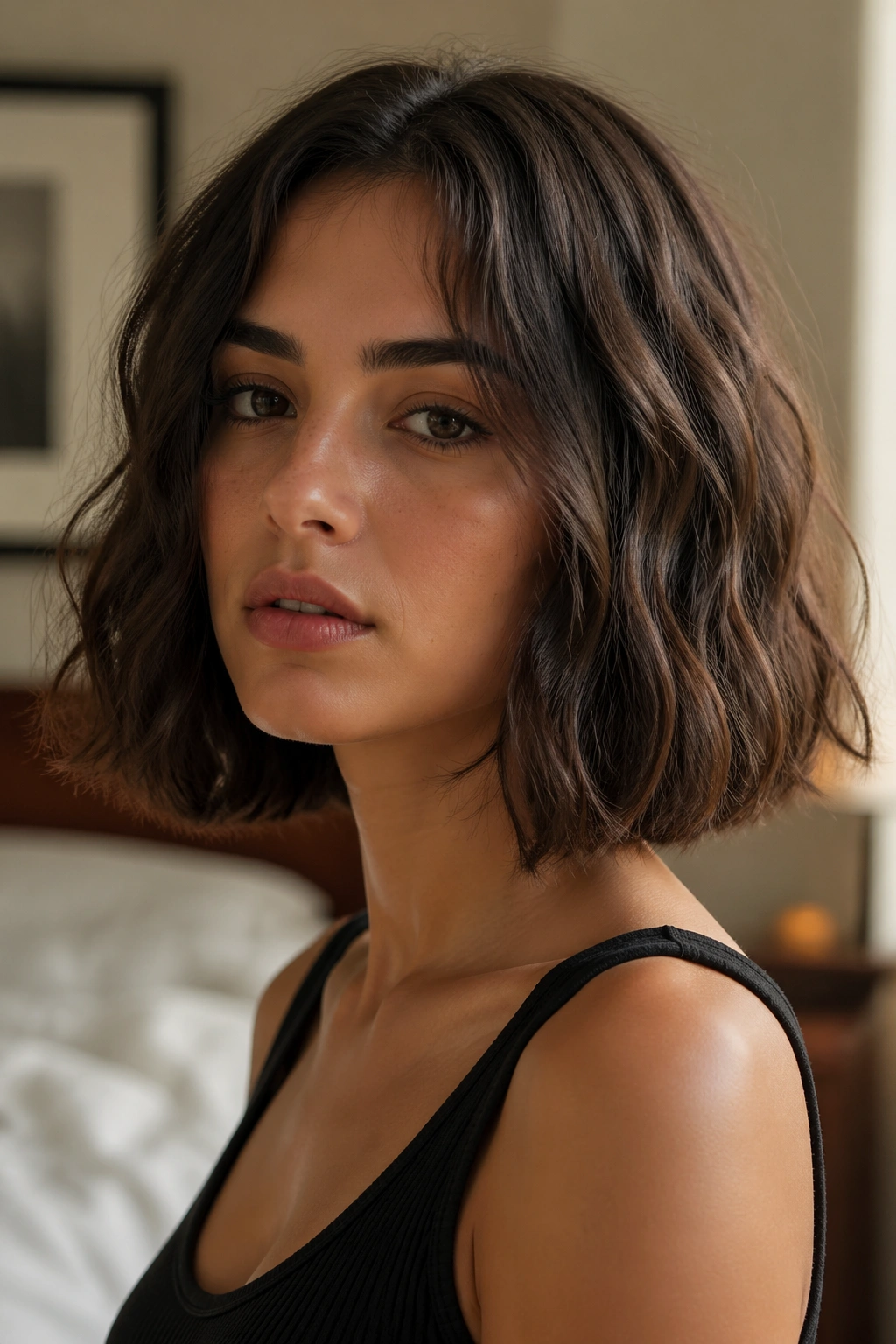
Sometimes, simple is better. A classic layered cut, where layers are evenly distributed throughout the hair, provides a safe and reliable shape. It’s not trendy, it’s not edgy—it’s just a solid, good haircut.
The Importance of the “Layer”
Ensure your stylist understands that these layers should be long enough to tuck behind your ears. If the layers are too short, you will have random pieces of hair poking out everywhere, which is a styling nightmare. Keep them long and fluid.
20. Razor-Textured Bob
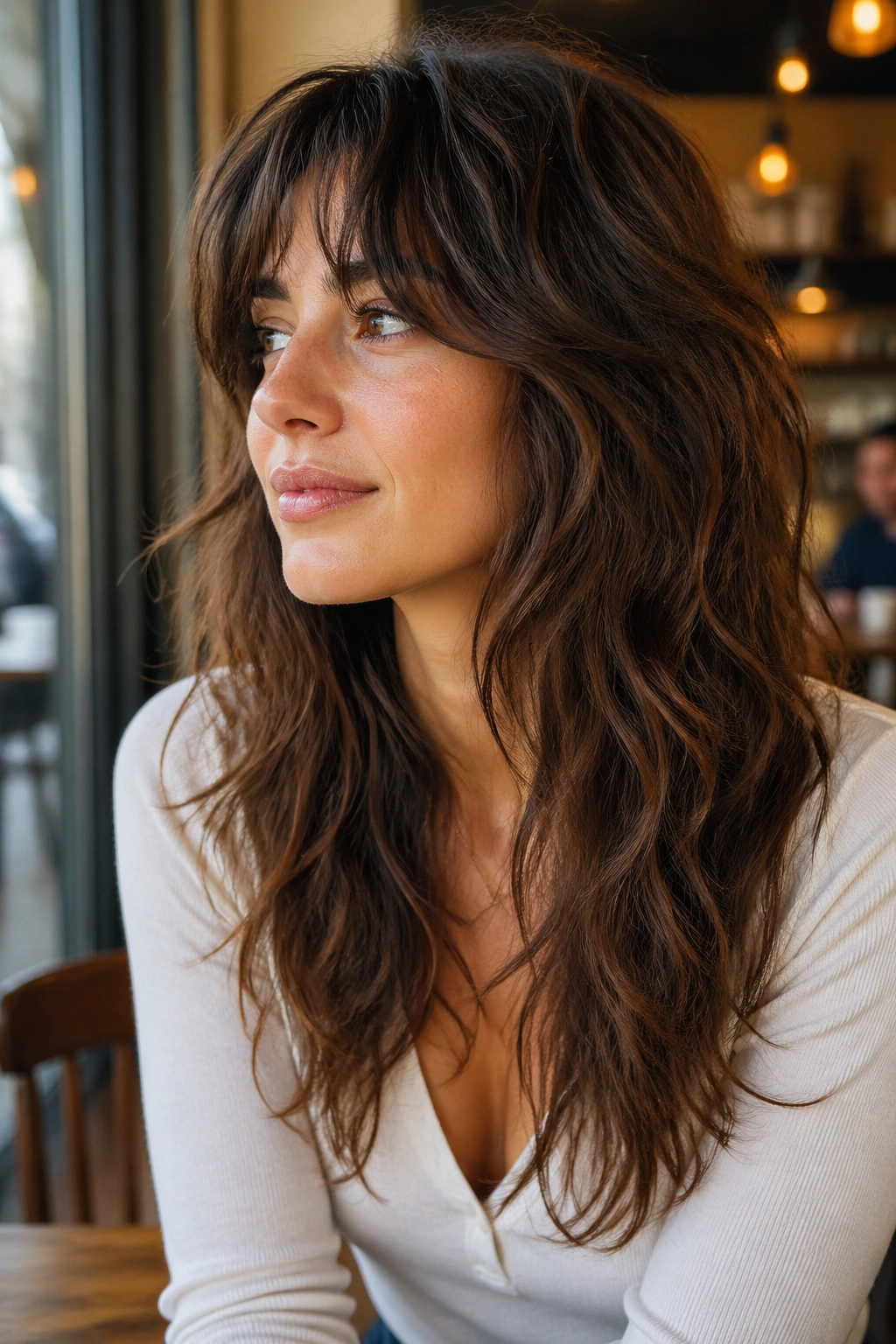
A razor-textured bob is not for the faint of heart, and it is certainly not for hair that is prone to severe breakage. However, in the hands of an expert, a razor can remove weight in a way that shears simply cannot. It creates a soft, feathered edge that looks very modern.
Proceed with Caution
Talk to your stylist about the health of your ends. If you have significant heat damage or bleach damage, ask them to use shears instead. The razor can “shred” damaged hair, leading to frizz. If your hair is healthy, though, the razor can be your best friend.
21. Thinning-Shear Free Layers
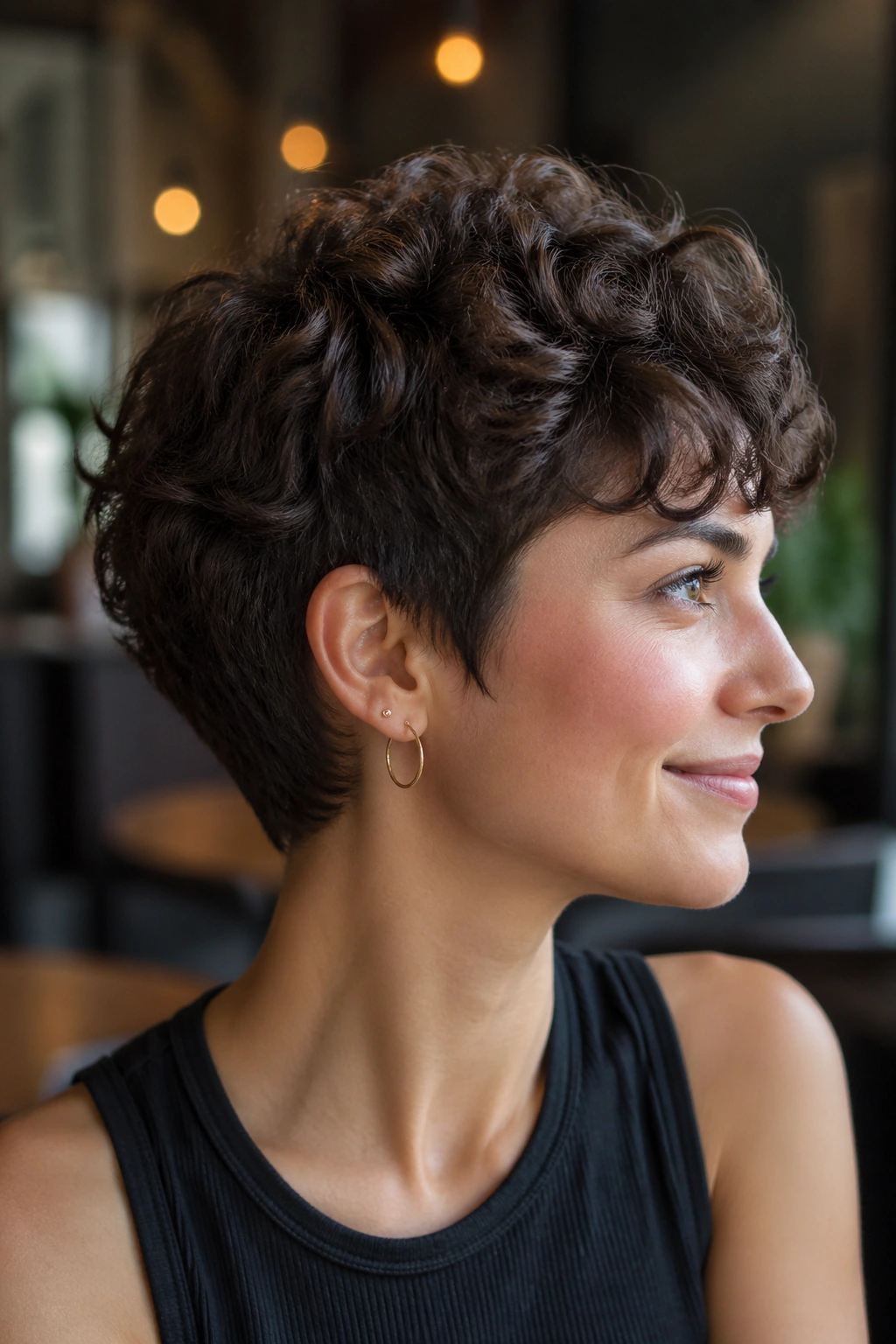
If you have thick 2C hair, your stylist might be tempted to pull out the thinning shears. Stop them. Thinning shears often leave behind jagged, uneven ends that just create more frizz. Instead, ask for “point cutting.”
The Point Cutting Technique
Point cutting involves the stylist holding their shears vertically and cutting into the ends of the hair. This removes weight and creates texture without leaving the hair blunt or jagged. It is a subtle technique, but it makes a massive difference in how the hair feels and moves.
22. Blunt Ends with Hidden Interior Layers
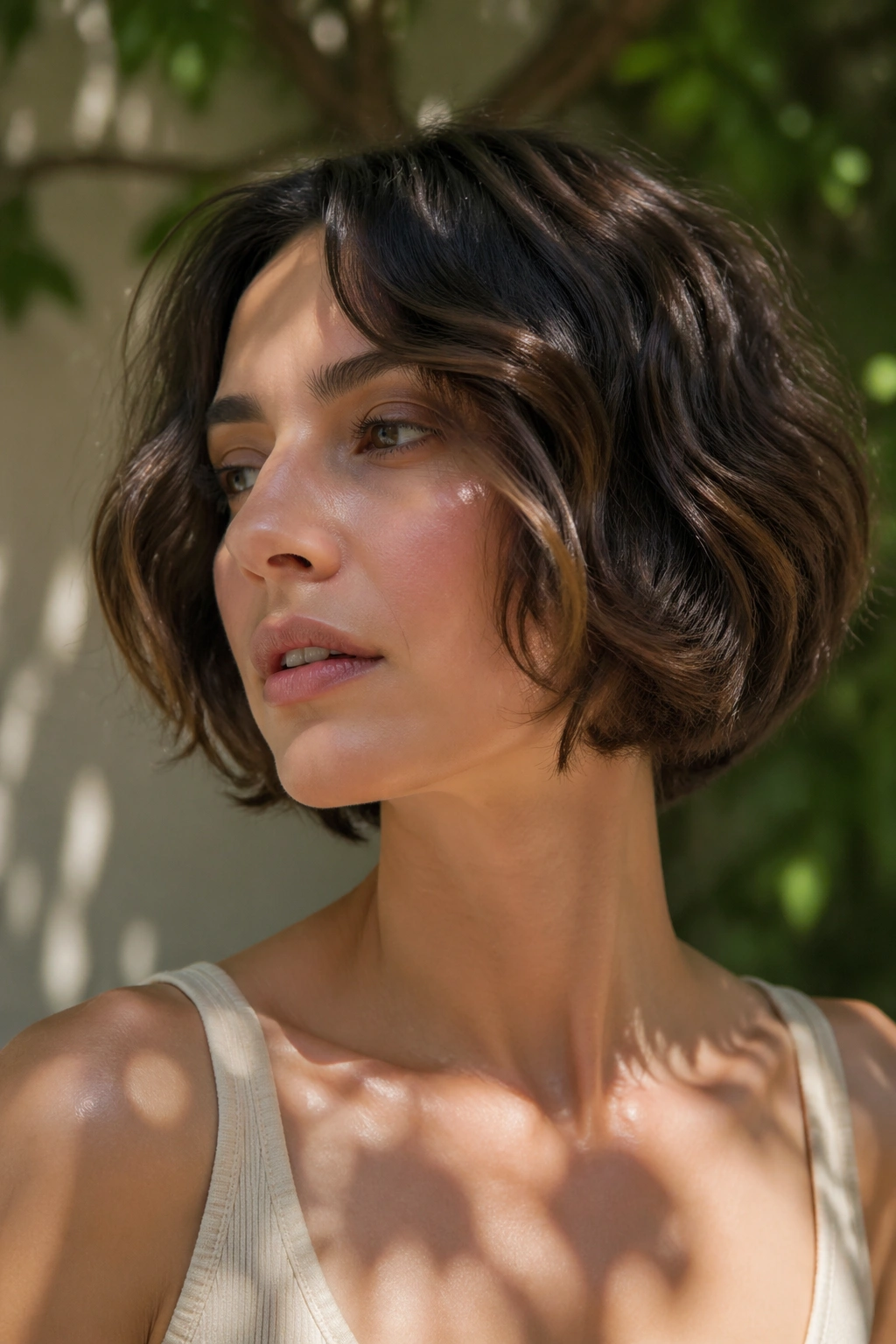
This is a hybrid cut. The perimeter is blunt to keep the hair looking dense and healthy, but the “inside” of the hair has hidden, shorter layers to remove the bulk. It gives you the illusion of a heavy, thick cut while feeling light as air.
The Maintenance Factor
This cut grows out beautifully. Because the exterior is blunt, you don’t get that “shaggy” look as the hair grows longer. You can easily go an extra four weeks between salon visits without your hair looking unkempt.
23. Long, Heavily Layered Mane
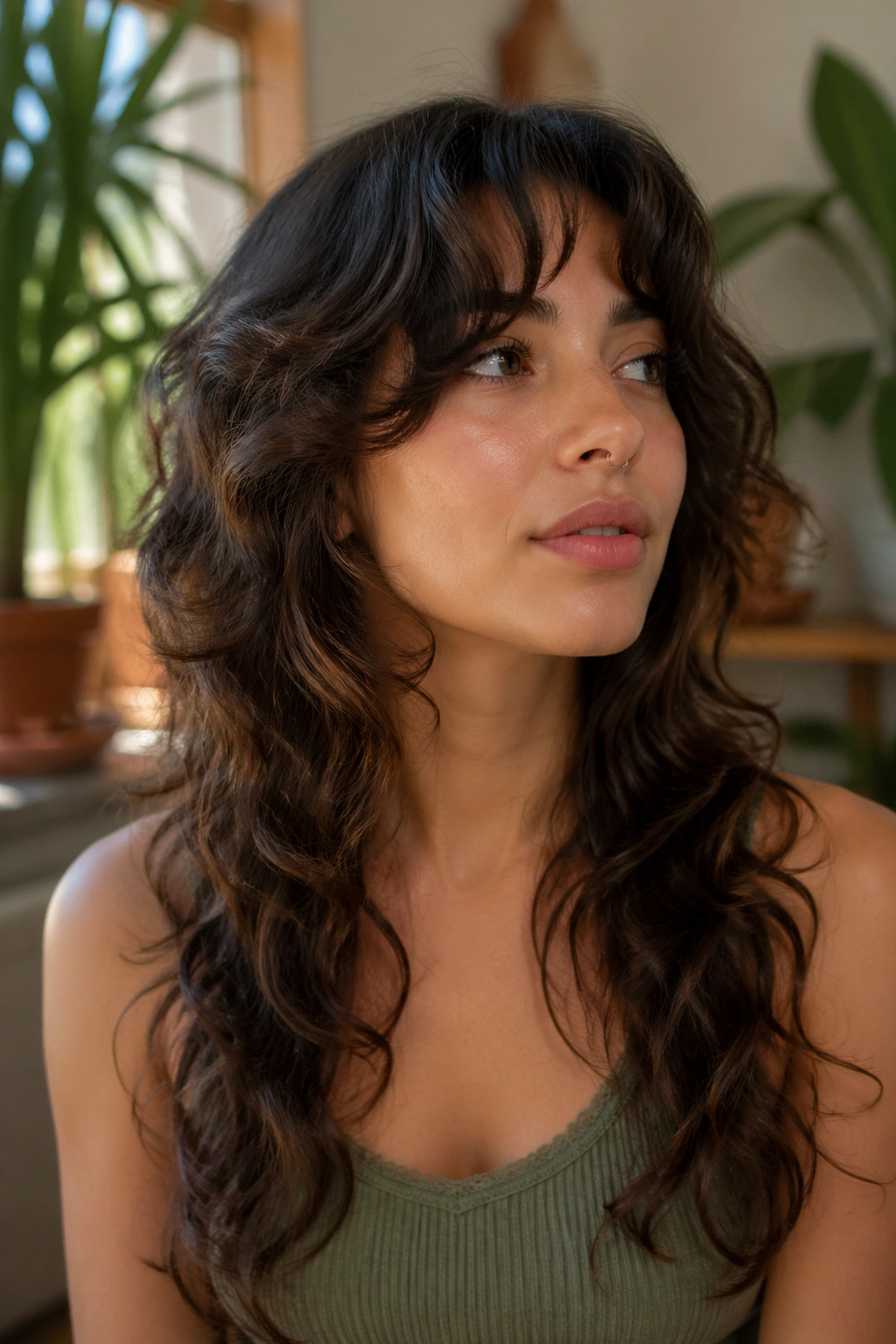
If you have a lot of 2C hair and want to keep it long, you need heavy layers. Not just a few at the bottom—layers all the way up. This prevents the hair from looking like a heavy, solid curtain.
Dealing with the “Pouf”
With heavy layers, the risk is that the hair will puff out at the mid-lengths. To combat this, you need to use a leave-in conditioner that is heavy enough to weigh down those layers slightly. Think of it as “training” your hair to sit flat.
24. The “Modern Mullet”
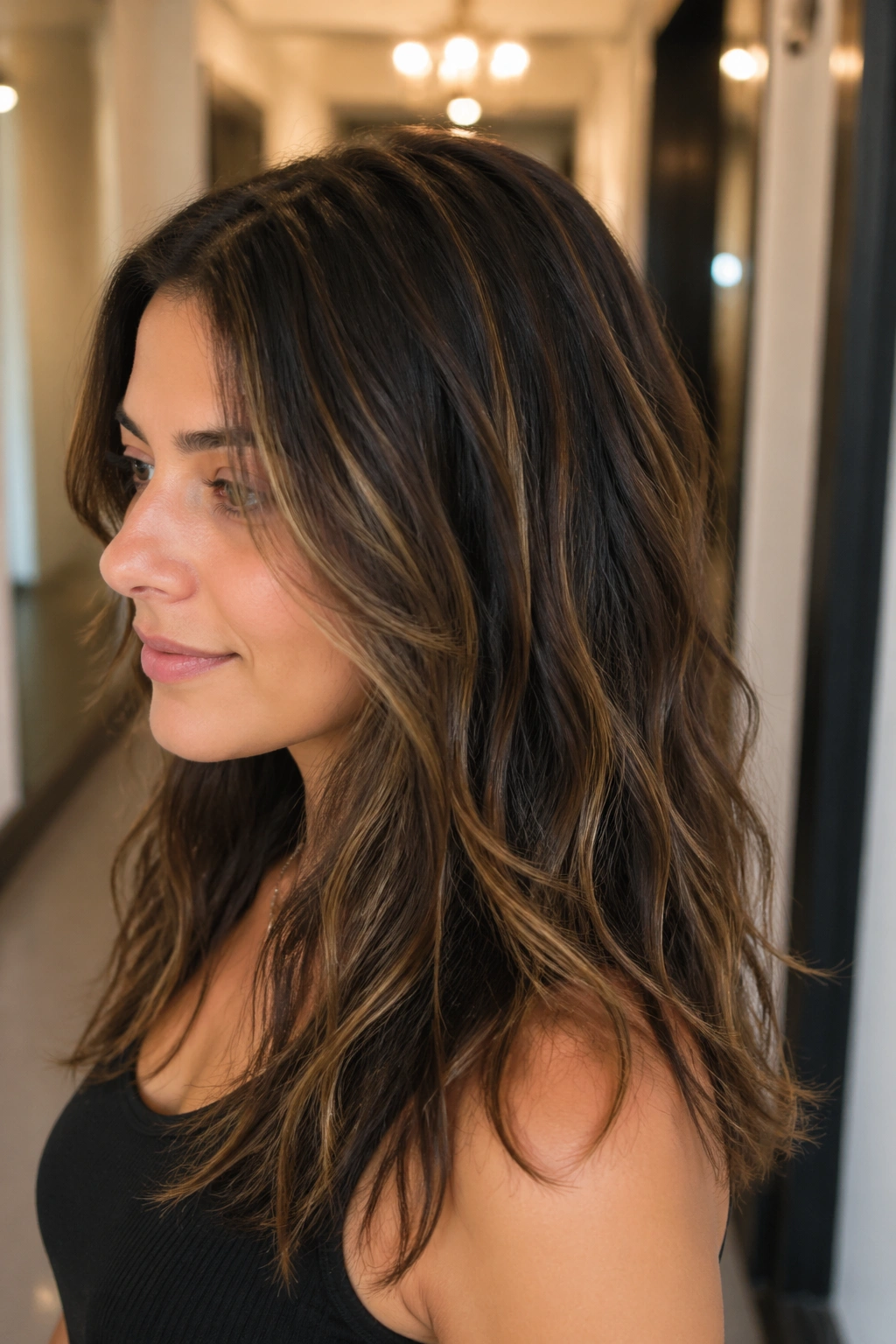
Hear me out. The modern mullet is a lot softer than the version from the 80s. It involves shorter, textured layers around the face and on top, with a longer, tapered back. On 2C hair, this creates a natural wave that looks very “cool girl.”
Who Can Pull This Off
If you have a round face, this can be incredibly flattering because the height on top elongates your features. It is a bold choice, but it is one that celebrates natural texture rather than trying to hide it.
25. Layered Bob with Wispy Bangs
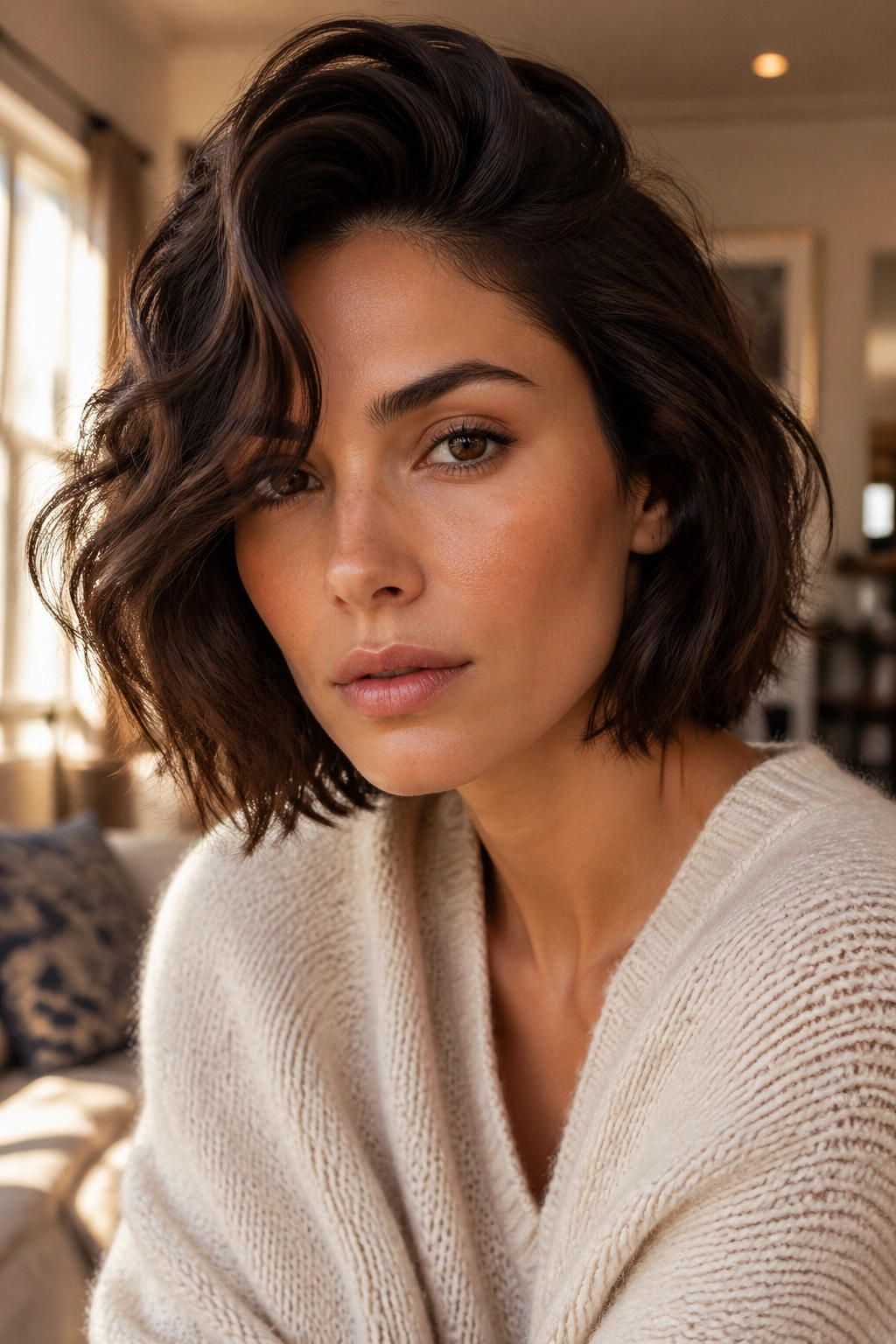
If you have been dying to try bangs, try wispy ones. Wispy bangs are cut with very little hair, so they don’t have the density to turn into a poofy dome. They just gently sweep across the forehead.
Balancing the Face
When paired with a layered bob, these bangs add a touch of softness to your entire look. They are low maintenance; if you don’t feel like styling them, you can easily pin them back. It is a low-risk way to experiment with fringe.
26. Graduated Stacked Bob
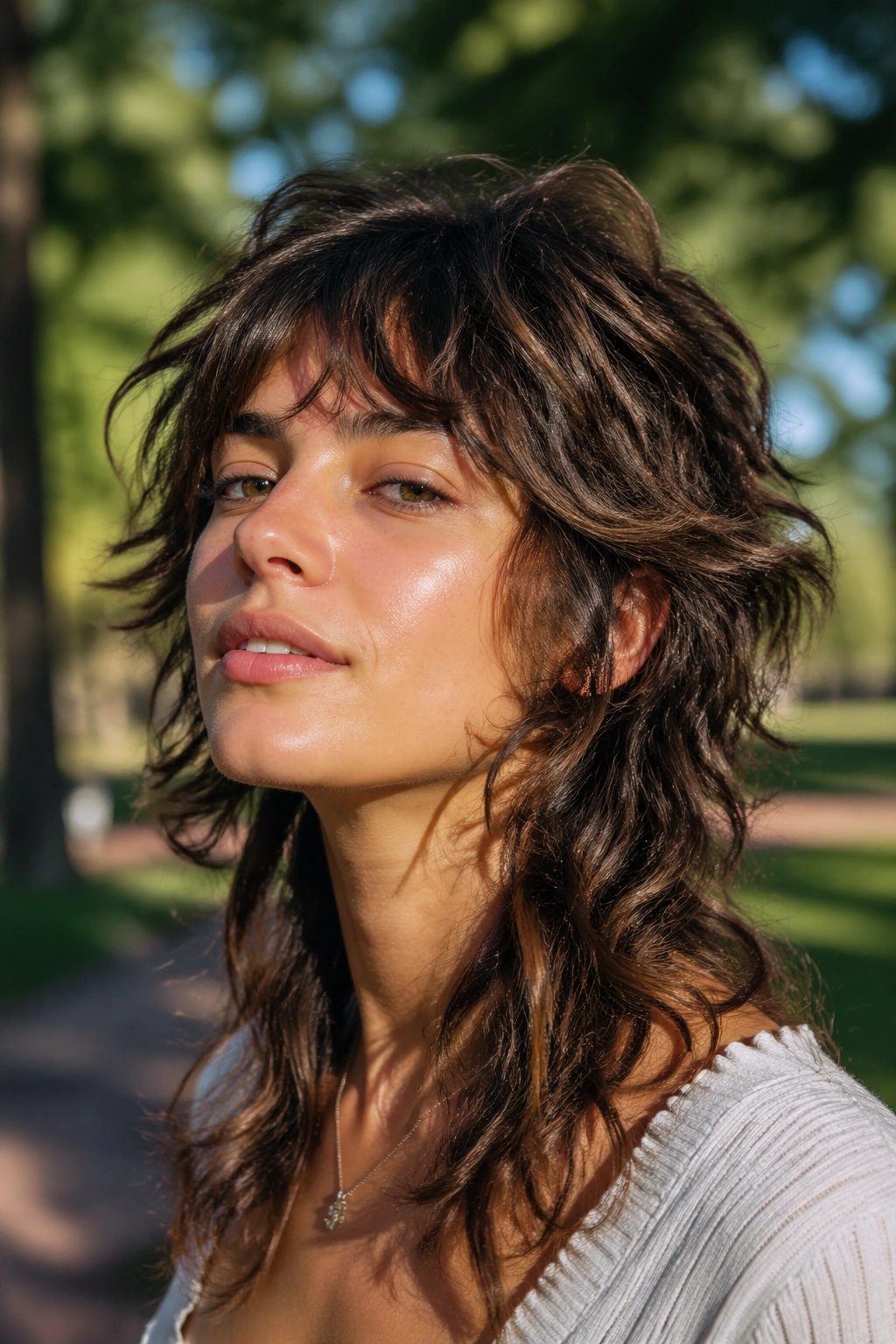
This is the “stacked” look, where the back is cut very short with many layers, and it gets longer as it moves toward the face. It creates a dramatic, rounded shape at the back of the head, which is fantastic for giving 2C hair an instant volume boost.
Styling the Stack
You will need to use a little bit of product to emphasize the layers in the back. A volumizing mousse applied to damp hair before blow-drying—or just scrunching it in and letting it air dry—will keep the “stack” looking sharp.
27. One-Length Long Cut
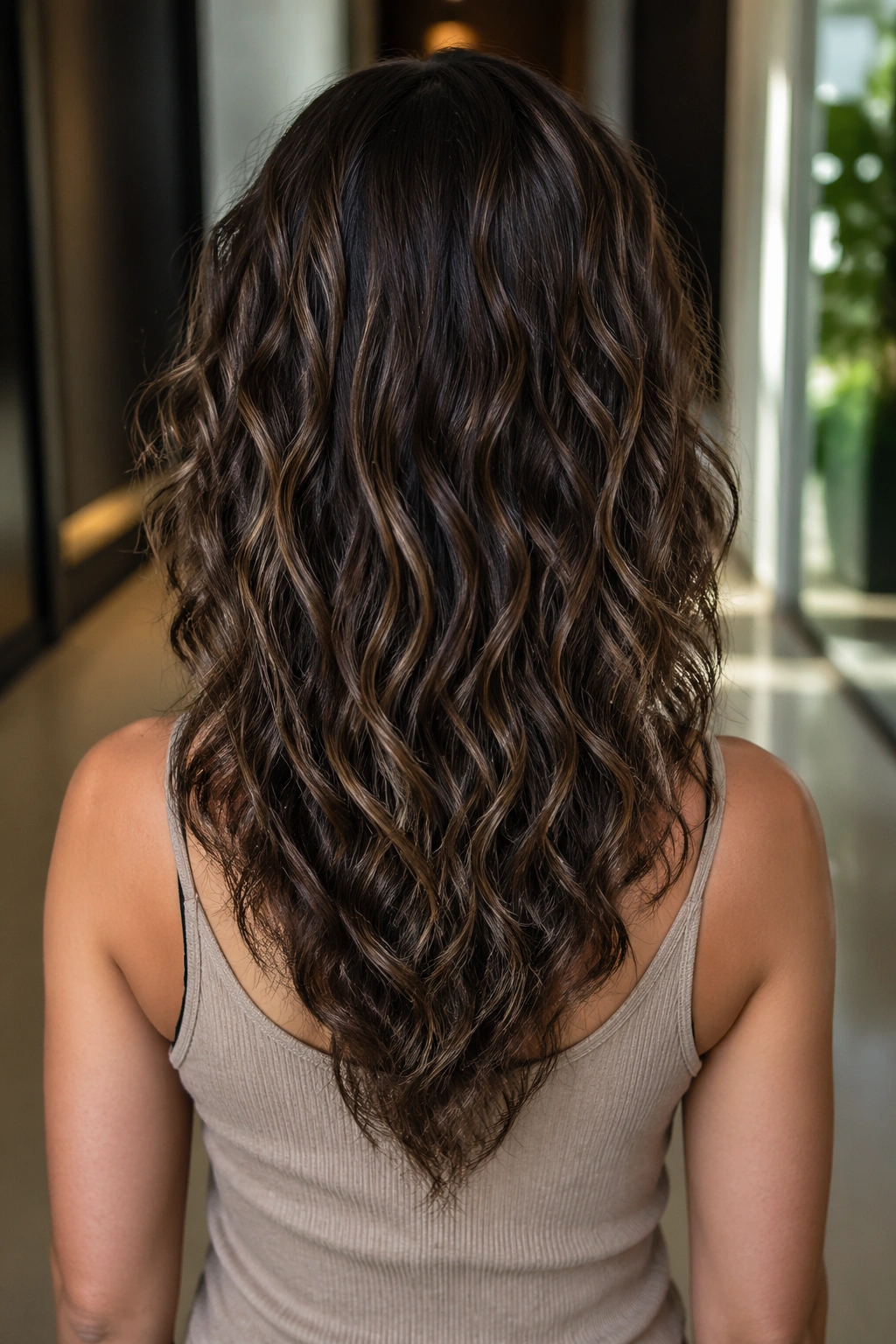
This is the most dangerous cut for 2C hair, but if you have the right density, it can look stunning. It is long, one length, with no layers at all. It requires a lot of product to keep the ends from getting tangled or poofy.
When to Choose This
Choose this only if your hair is on the finer side of 2C. If your hair is very thick, avoid this at all costs. You will end up with a pyramid shape that you will inevitably end up pulling back into a ponytail every single day.
28. Messy Beach Waves Bob
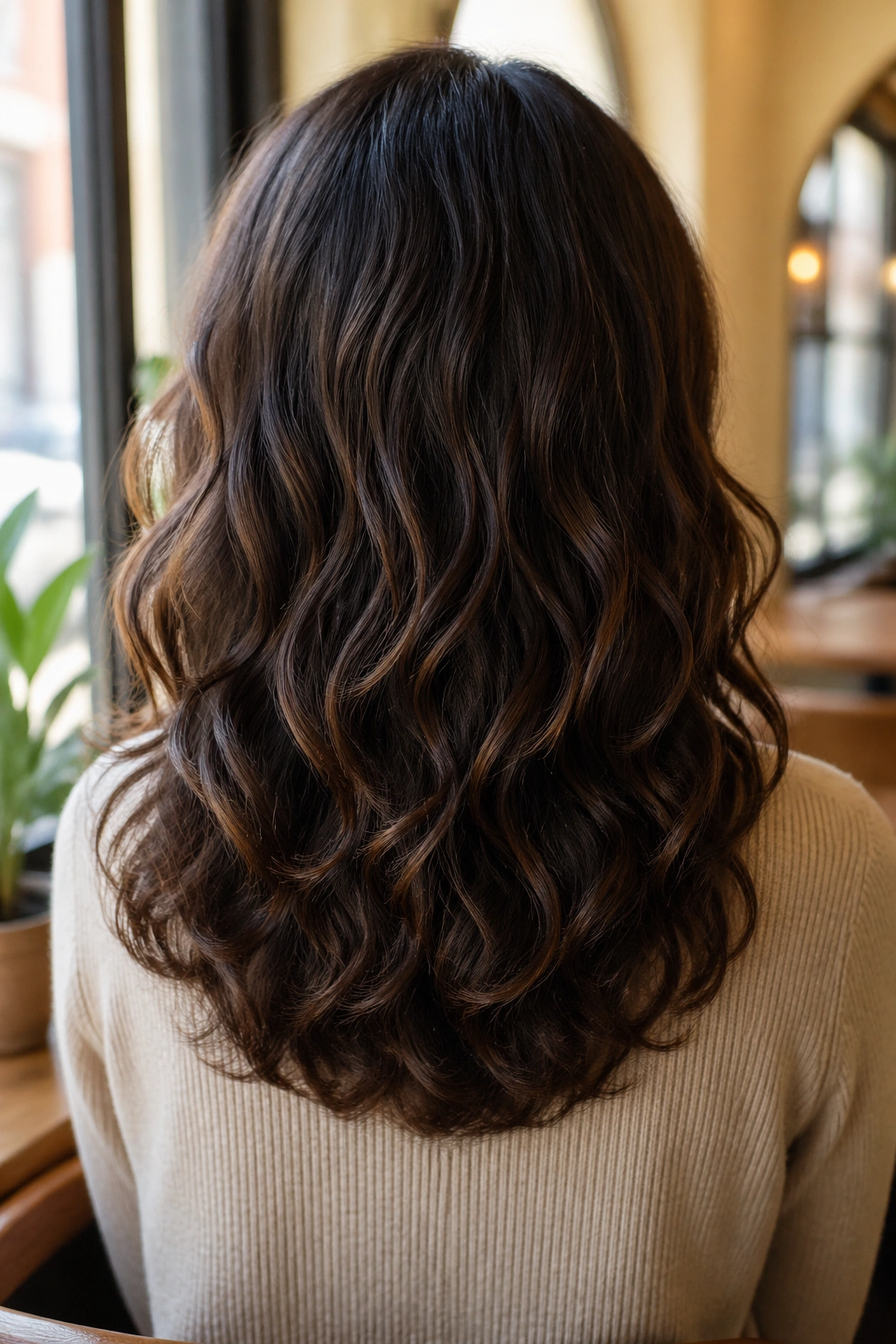
This cut is all about the layers. They are cut specifically to encourage your waves to pop. It is designed to look messy, effortless, and completely natural. It is the perfect cut for summer, or for anyone who just wants to spend as little time as possible on their hair.
The “No-Heat” Philosophy
This cut works best if you never touch a curling iron. By cutting the hair to its natural length, you are letting the wave pattern do the work. It is the ultimate low-maintenance style.
29. Face-Framing Highlights Cut
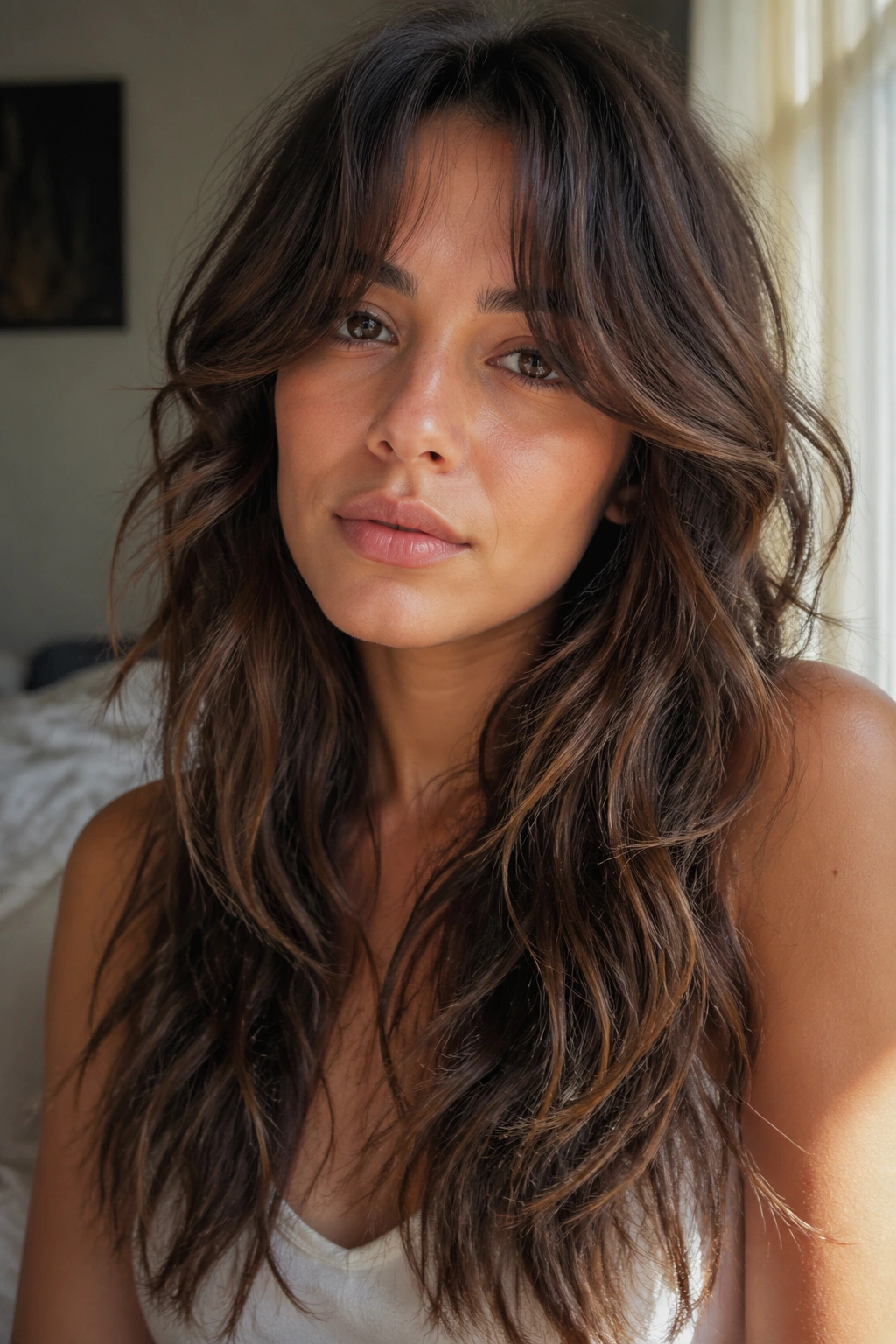
Sometimes, the haircut is about placement. If you pair a simple layered cut with highlights that are specifically focused on the face-framing pieces, it draws the eye to your best features. This is a great way to “cheat” and make your hair look more intentional and styled than it actually is.
Keeping it Fresh
Because this cut relies on color placement, make sure your stylist is also a colorist. You want the layers to hit exactly where the light hits the hair, creating dimension that mimics the movement of your waves.
30. The “Lobster” Cut (Lob + Shag Hybrid)
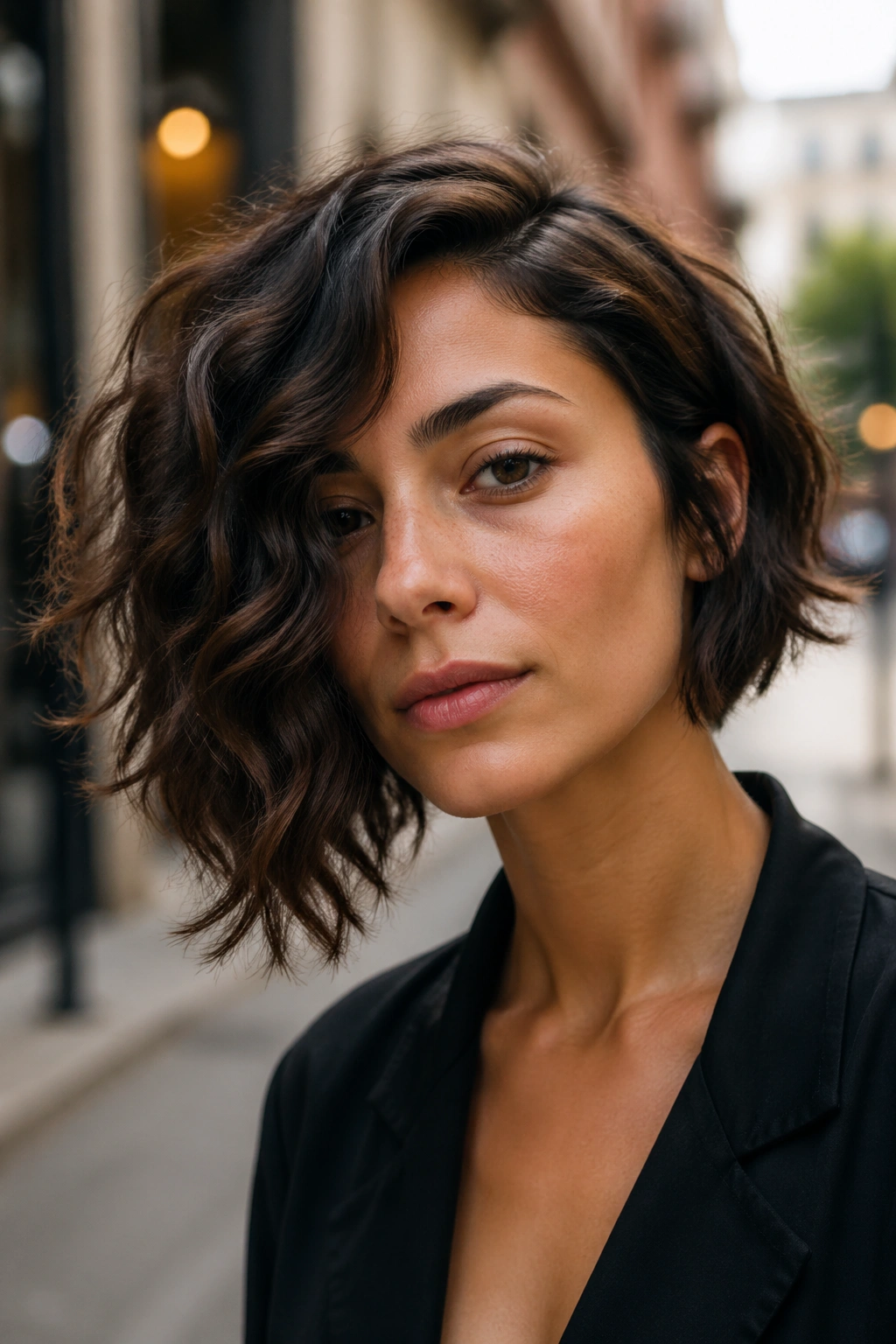
I call this the “lobster” because it is a little bit crunchy on the outside (the blunt perimeter) and a little bit soft on the inside (the shag-like layers). It takes the best of both worlds: the weight management of a blunt cut and the volume of a shag.
The Verdict
For 2C hair, this is arguably the most versatile cut. It is long enough to pull back, short enough to manage, and layered enough to show off your wave pattern. If you are indecisive, this is the haircut you should walk into the salon and ask for.
Final Thoughts
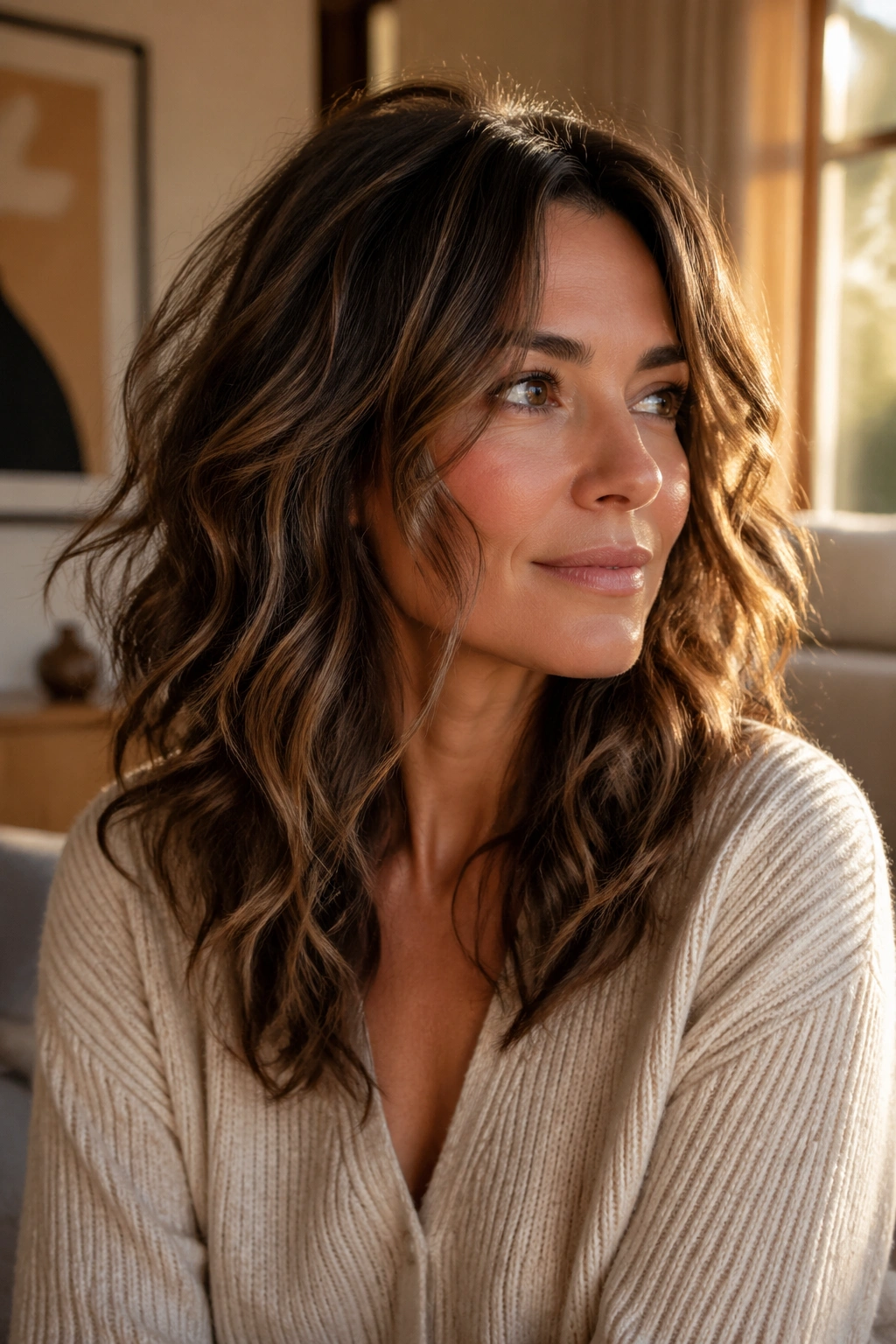
At the end of the day, 2C hair is a relationship. It is not something you can bully into submission. You have to learn its rhythms, its moods, and its needs. A great haircut is the foundation, but your daily habits are what make or break the style.
Stop looking for the perfect product that will turn your 2C hair into something else, and start looking for the cut that embraces what you already have. Your waves want to be free, but they need a map. A good cut provides that map. Once you find the right shape, you’ll realize that the frizz wasn’t the problem—the lack of structure was. Take these ideas to a stylist who listens, trust the process, and let your natural hair finally do its thing.
