Wavy hair after 60 has one useful advantage: it already has movement, so the right cut can do half the styling for you.
The wrong cut, though, can turn that same movement into puff, drag, or a flat little shelf at the ends. I see this all the time with waves that have gotten finer at the crown, coarser through the mid-lengths, or drier around the perimeter. The shape matters more than the length. Always has.
A good haircut for wavy hair gives the wave room to bend without turning fuzzy. It also keeps the weight in the right place, which is the part people forget. Too much bulk near the jaw can make the face look heavier. Too little weight at the bottom can make waves spring out like a triangle. That’s the whole balancing act.
1. Chin-Length Bob with Side-Swept Fringe
This is one of those cuts that just behaves. The chin length gives waves enough body to show movement, while the side-swept fringe softens the forehead and keeps the style from looking severe. On wavy hair, especially silver or gray waves, it reads polished without feeling stiff.
Why it works
The chin line brings attention up toward the eyes and cheekbones. That’s useful if you want lift without teasing or a lot of hot tools. Ask for soft graduation through the back so the bob doesn’t puff at the sides.
- Best for fine to medium waves
- Good if your hair loses shape fast in humidity
- Easy to air-dry with a little curl cream
- Needs a trim every 6 to 8 weeks to keep the line clean
My advice: keep the fringe long enough to sweep, not crop. Short side bangs can get fussy fast.
2. Layered Lob with Curtain Bangs
Do you want movement without going short? This is the safe bet that doesn’t feel safe. A collarbone-length lob gives wavy hair enough weight to stay smooth, and curtain bangs break up the front so the whole cut feels lighter around the face.
The trick is the layering. You want soft, internal layers rather than chunky steps. That keeps the ends from looking thin while still giving the wave a place to bend.
What to ask your stylist for
- Length that hits between the collarbone and upper chest
- Face-framing pieces that start near the cheekbone
- Curtain bangs that blend into the sides, not a heavy bang line
- A soft bevel at the ends so the cut curves instead of hanging flat
This cut is especially kind to women who wear glasses. The bangs open the face, and the length doesn’t fight the frames.
3. Soft Shag with Crown Lift
A shag sounds bold on paper. In real life, the soft version is one of the easiest ways to make waves look alive instead of weighed down.
The science behind it
Shorter crown layers create lift where hair often goes limp. That matters a lot when the top has lost some density. The mid-length layers keep the wave pattern loose, while the ends stay a little wispy on purpose.
I like this cut on women who want texture more than perfection. It has a casual, airy feel that works with natural silver texture and doesn’t demand a round brush every morning. If your hair has a tendency to collapse at the roots, this cut changes the game.
One warning: ask for softness, not a razored mess. There’s a difference. A good shag should move. It should not look shredded.
4. Collarbone Cut with Invisible Layers
Some cuts look layered from across the room. This isn’t one of them. The beauty of an invisible-layer collarbone cut is that the shape looks clean, but the movement is tucked inside the haircut.
That makes it a smart choice for wavy hair that feels too bulky when layered aggressively. The perimeter still has enough weight to keep the style sleek, while the hidden layers stop the hair from turning puffy.
You can wear it with a side part, a middle part, or tucked behind one ear. All three work. If you like a softer, less “done” finish, this is a very good place to start.
Who it suits best
- Medium to thick waves
- Hair that frizzes when it’s over-layered
- Anyone who wants polish without a lot of styling time
Small detail, big payoff: ask for point-cut ends. That tiny textural change keeps the line from feeling blunt.
5. Tapered Pixie with Wavy Top
Short hair and waves can be a little tricky, because too much length on top makes the cut floppy, and too much bulk at the sides makes it boxy. A tapered pixie solves both problems.
The sides and nape are trimmed close enough to keep the shape neat, while the top stays longer so your wave pattern has something to work with. You get softness around the face without the weight of a full bob.
It’s a good match if you want a cut that dries fast and doesn’t ask much from you. A dab of mousse at the roots and a touch of styling cream through the top can be enough. No drama. No big round brush session.
6. Rounded Bob with Face-Framing Pieces
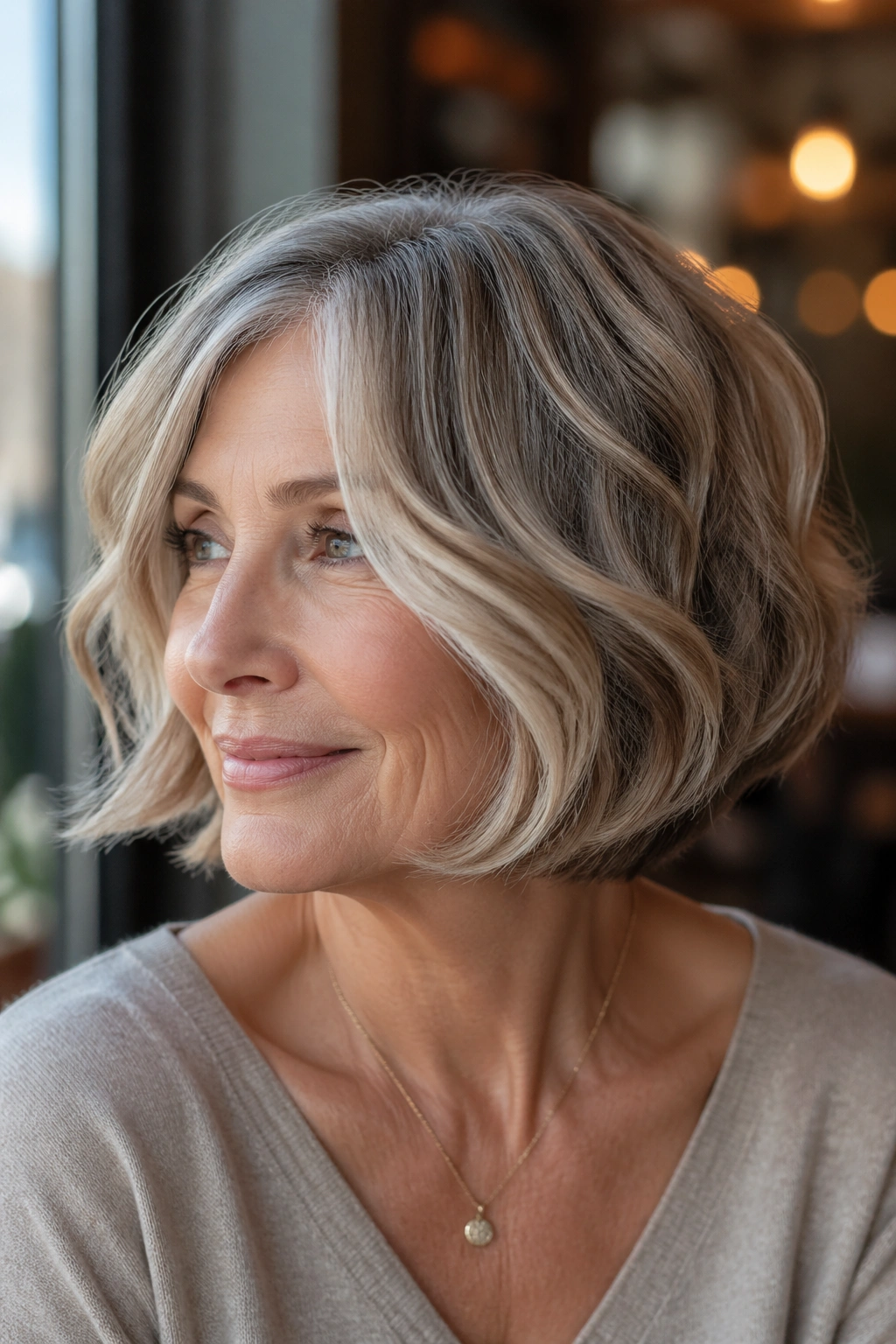
A rounded bob gives wavy hair a gentle curve instead of a straight edge, and that curve is flattering on a lot of face shapes. It also keeps the silhouette from looking too square, which is a common problem when bob cuts are too blunt.
Face-framing pieces near the cheekbones keep the cut from sitting heavy around the jaw. That detail matters. Without it, the bob can feel old-fashioned in the wrong way, especially on thicker waves.
If your hair has a little bend but not much spring, this cut gives it a better shape than a uniform length ever will. It’s neat, but not severe.
7. Feathered Mid-Length Cut
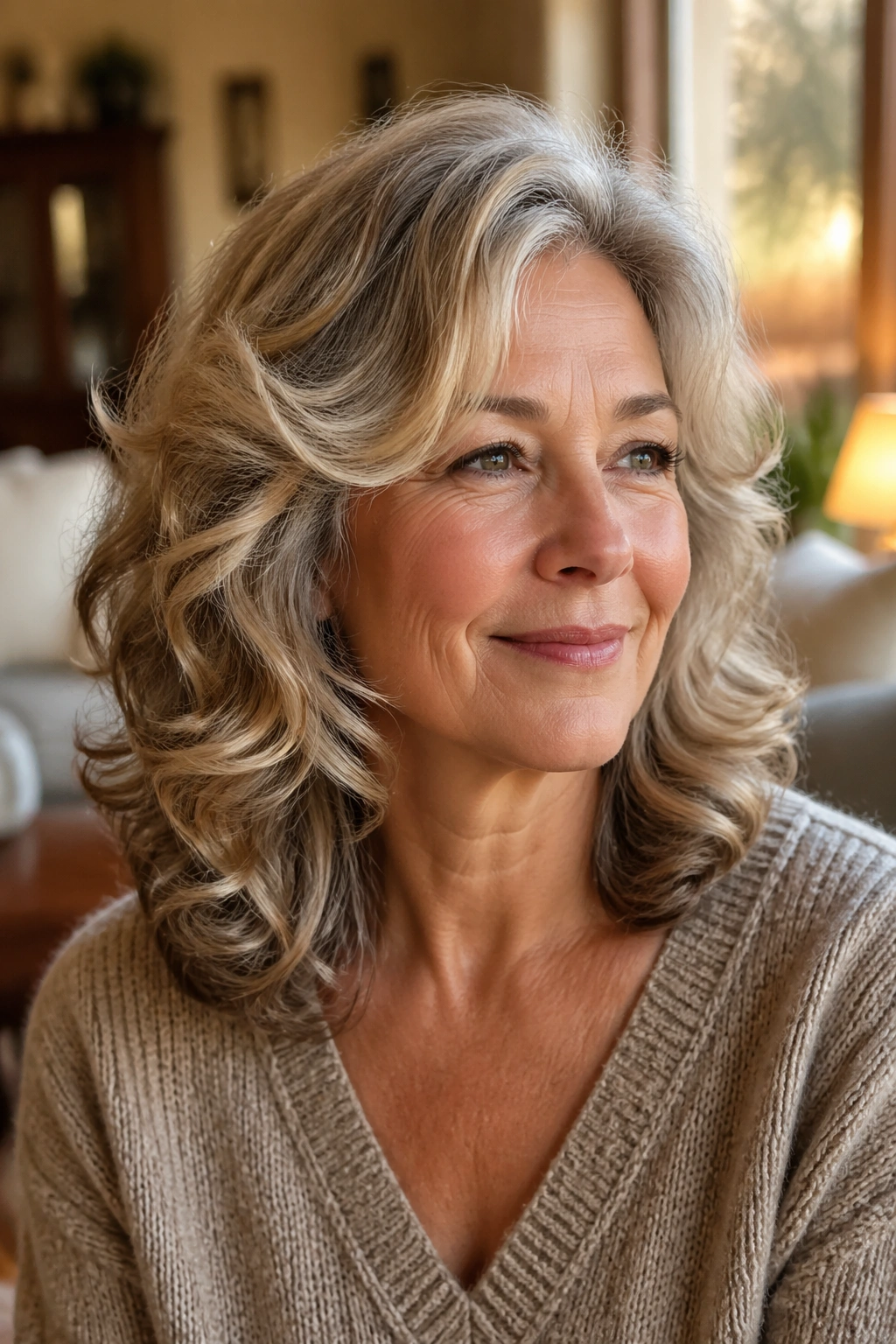
Feathering gets a bad reputation because people remember the overdone versions. The newer version is softer and much more wearable.
What makes it different
Instead of obvious, flippy ends, the layers are blended so the hair moves in soft sections. That works especially well for wavy hair that is thick at the ends but flat at the crown. The feathering removes visual heaviness without making the haircut feel choppy.
This is one of those styles that looks better on day two. A little texture spray, a quick shake at the roots, and you’re set. If you like a blowout, feathering gives the brush somewhere to go. If you don’t, it still air-dries nicely.
8. Tousled Crop with Long Side Bangs
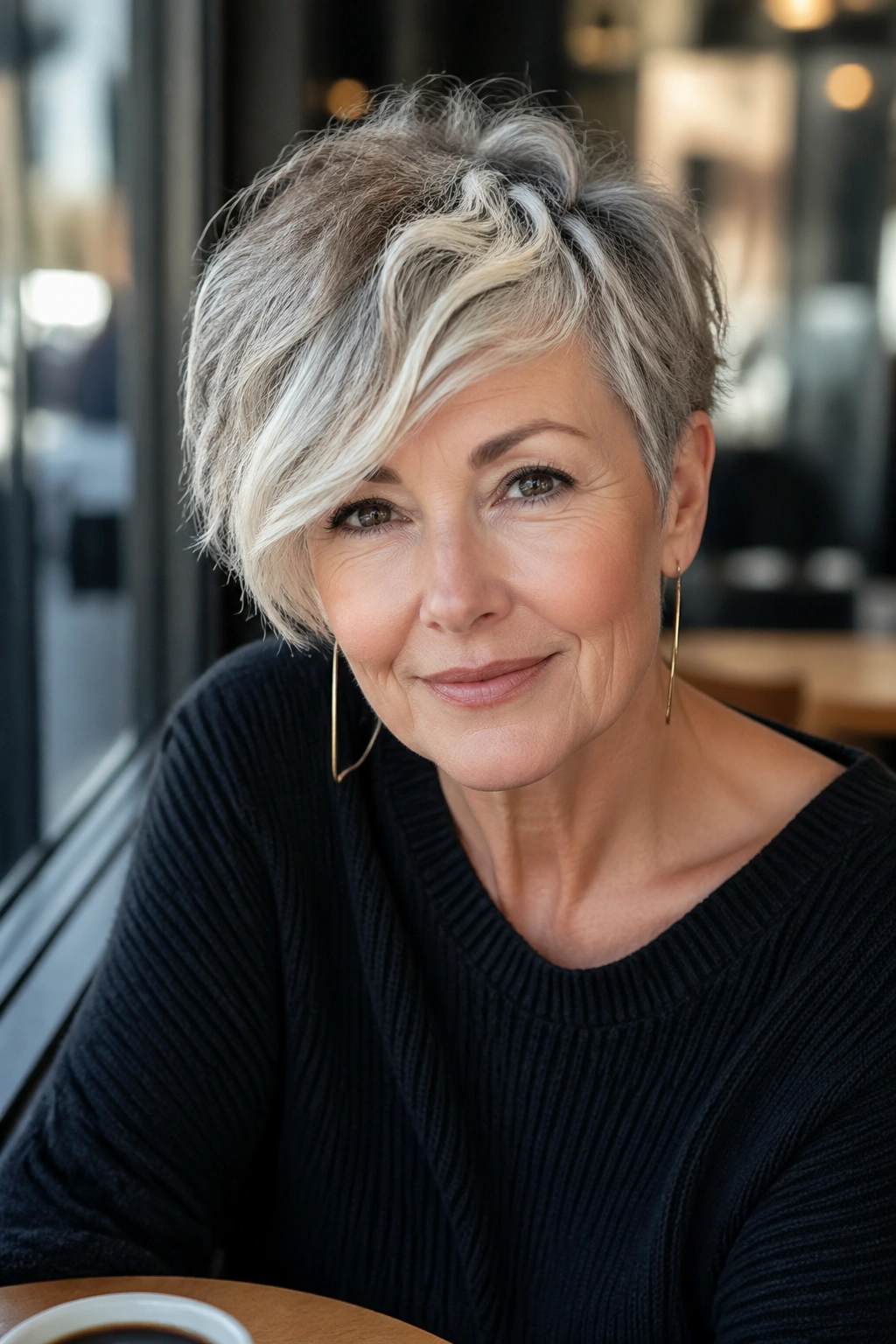
A short crop does not have to feel stern. Long side bangs change everything.
They soften the front, draw the eye diagonally across the face, and keep the haircut from feeling too cropped around the temples. The back stays neat and easy, while the top keeps enough length for a bit of bend and lift.
This cut works well for women whose waves are strongest through the top and front. It also plays nicely with gray hair that has a little extra coarse texture, because the movement gives the cut shape instead of fighting it.
Styling note: work a pea-sized amount of paste through the ends only. Too much product, and you lose the airy look.
9. Soft Wedge Cut with a Gentle Nape
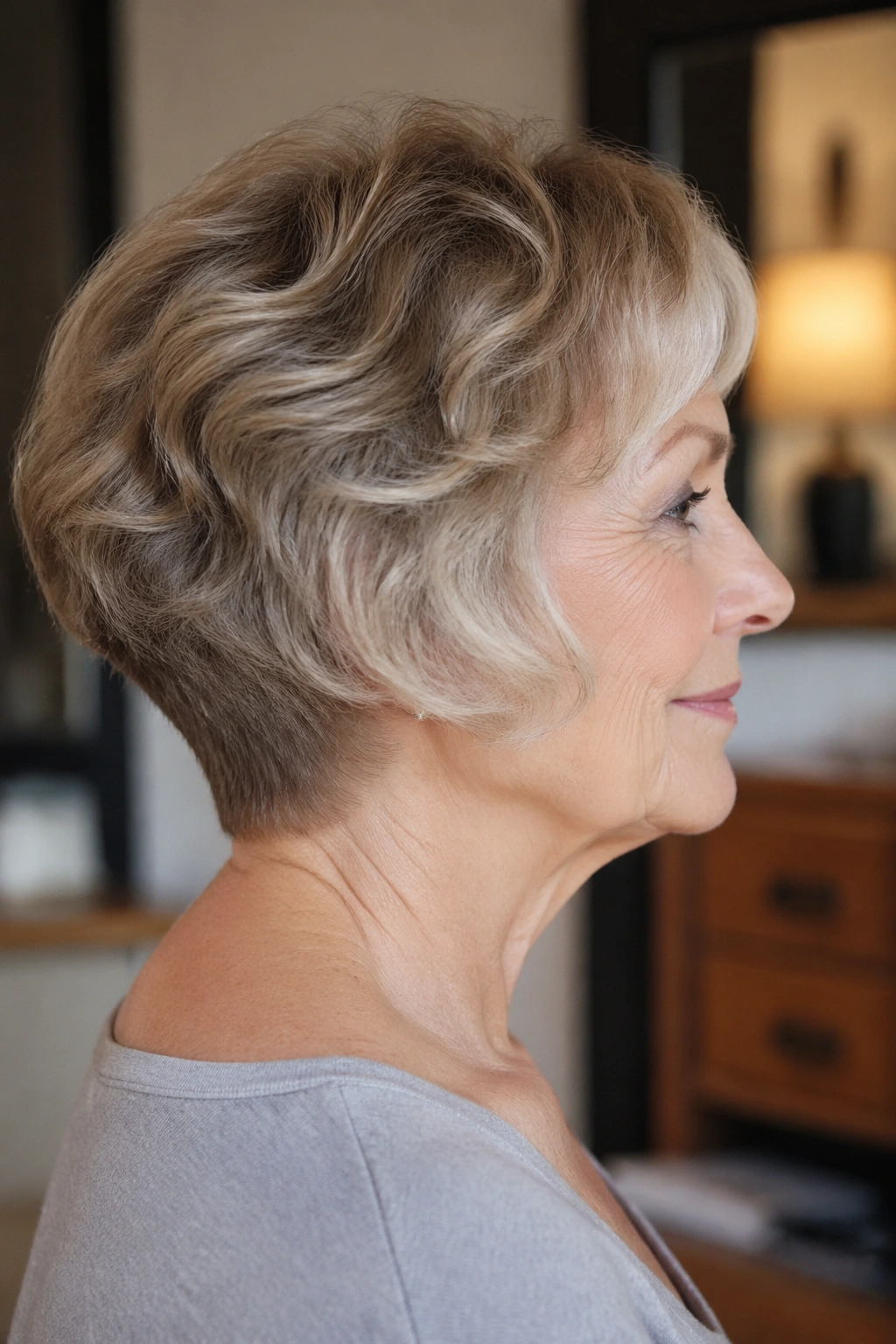
A wedge cut can go wrong fast if it’s too sharp. The softened version, though, is smart and flattering. It gives structure through the back while leaving the sides and top a little looser.
That shape is useful when you want the neck area to feel clean but still want some length around the face. The gentle nape keeps the cut lifted, and the wavy top stops it from looking helmet-like. That’s the danger with a too-perfect wedge.
I’d choose this for someone who likes a tidy silhouette and doesn’t want hair brushing the collar all day. It’s neat. It’s practical. And it looks better when the wave pattern does its own thing.
10. Long Layers with a Light Face Frame
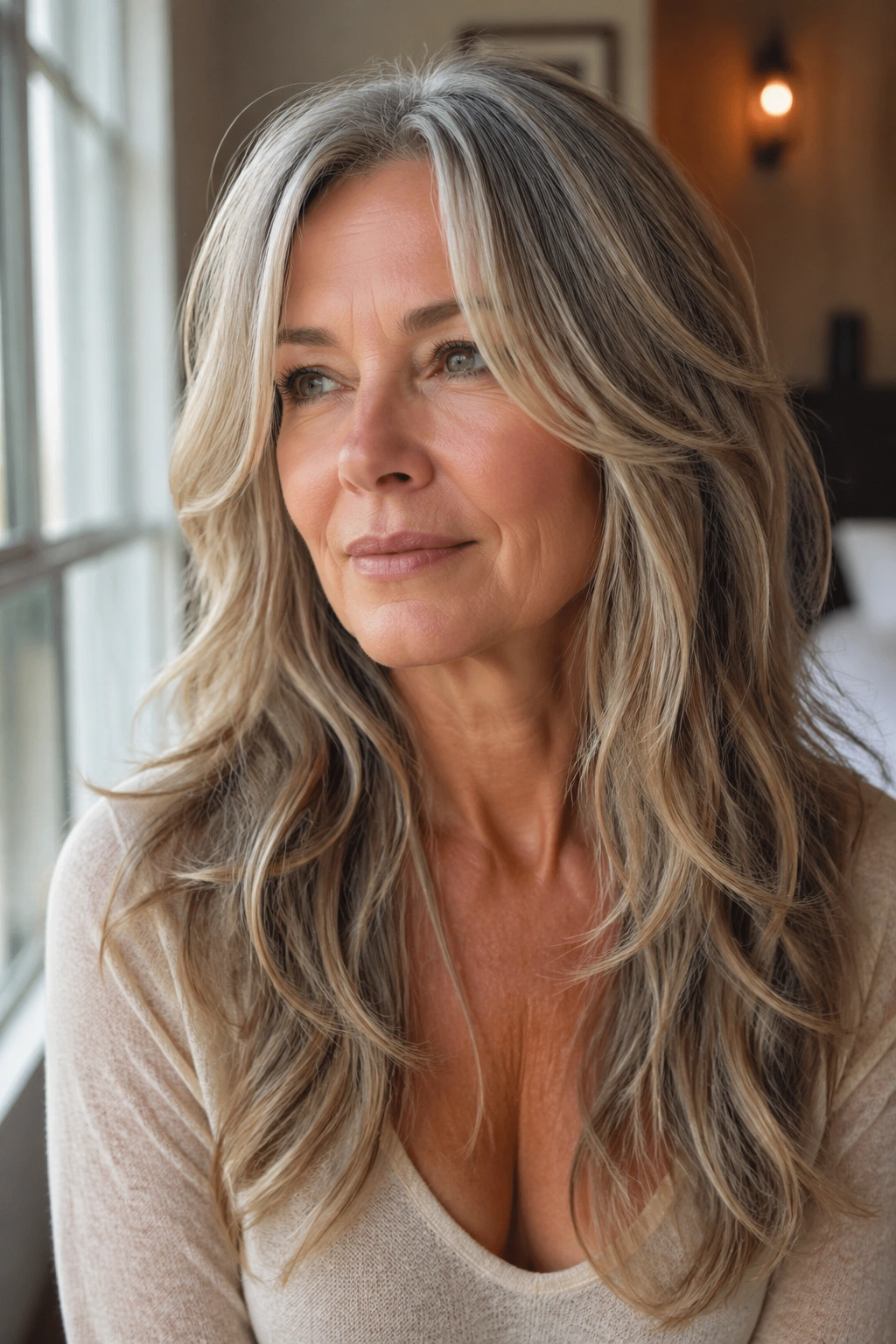
Long hair after 60 can be beautiful, but it needs a little help. If the cut is too blunt, waves hang. If the layers are too short, the length gets stringy. Long layers with a light face frame sit in the middle.
The face frame is what keeps the style from looking dated. It opens the face and prevents the length from pulling everything downward. Meanwhile, the long layers maintain the body of the waves, so the ends don’t look thin or tired.
If you like to wear your hair up sometimes, this cut is handy. The layers fall well in a ponytail, and the front pieces can soften any quick bun. Not fancy. Just useful.
11. French Bob with Airy Ends
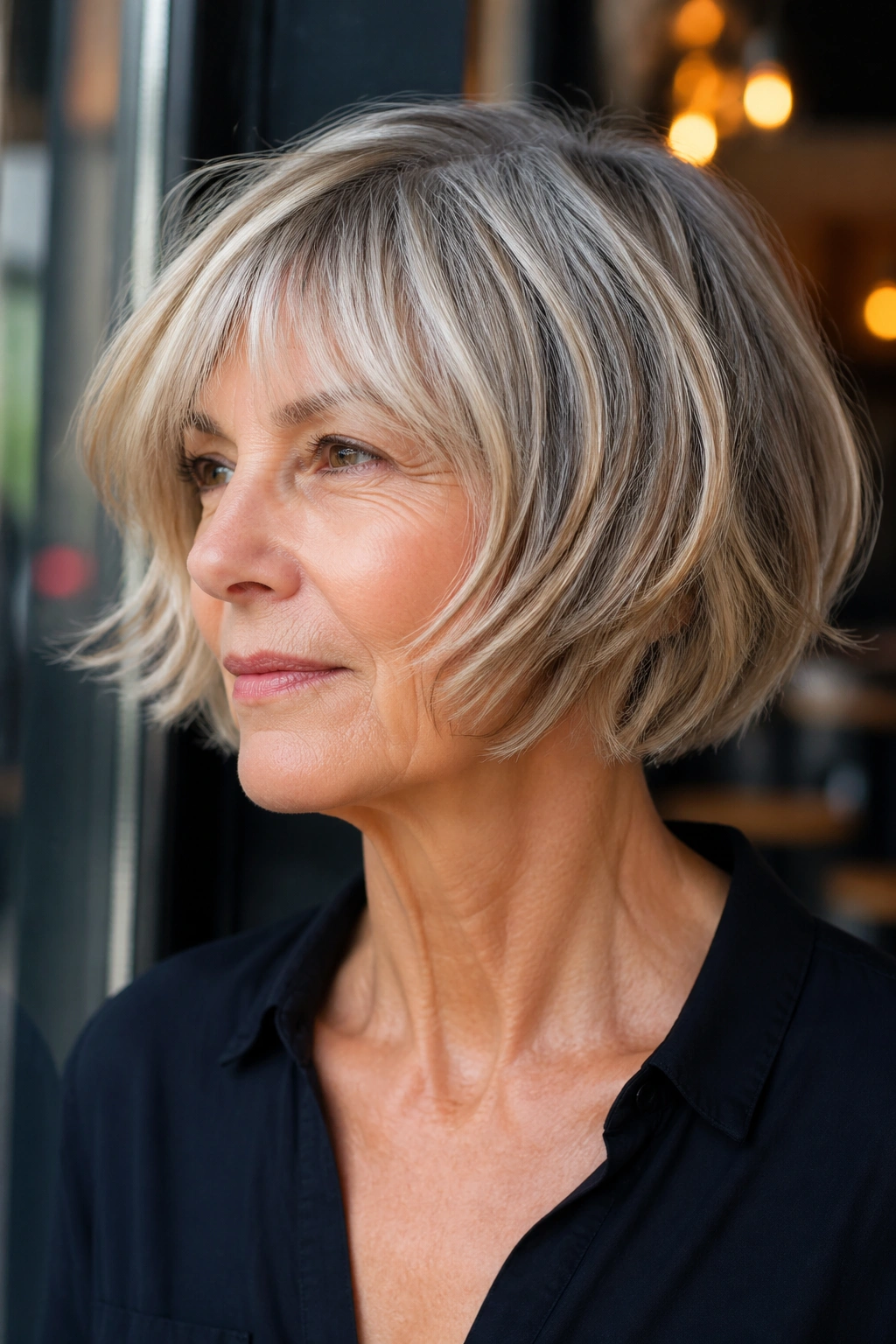
The French bob is short, cheeky, and a little bit chic in the old-school sense. On wavy hair, it turns into something softer and less exact, which is honestly why I like it more than the super-straight version.
The airy ends are the key. You do not want a hard line that sits like a ruler at the jaw. You want the ends to move, bend, and release. A touch of internal texture keeps the bob from feeling too boxy.
This cut suits women who want a clean neckline and a face-framing shape that doesn’t take much styling. It looks especially nice with glasses, earrings, and a side part. Simple. Strong. Easy to wear.
12. Asymmetrical Bob with a Longer Side
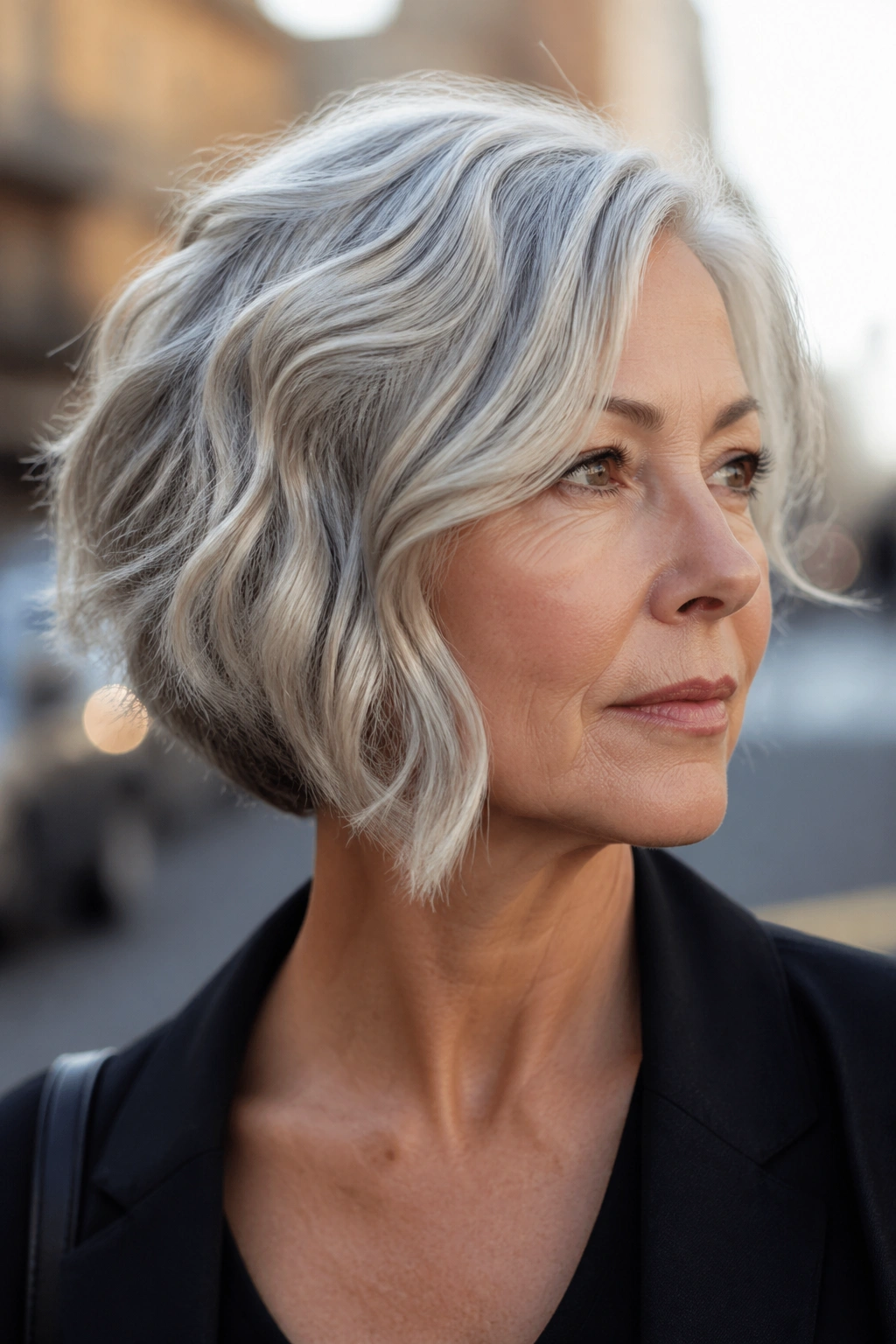
One side a little longer than the other can do a lot of work. It adds motion without piling on layers, and it gives wavy hair a built-in sense of direction.
The asymmetry softens the face and keeps a bob from looking too predictable. It can also help if one side of your hair has a stronger bend than the other, which happens more often than people admit. Hair isn’t always symmetrical. Your cut doesn’t have to be either.
How to wear it
Wear the heavier side toward the jaw if you want softness, or tuck it behind the ear if you want a cleaner line. Either way, the angle gives the haircut attitude without making it difficult.
13. Choppy Bob with Piecey Texture
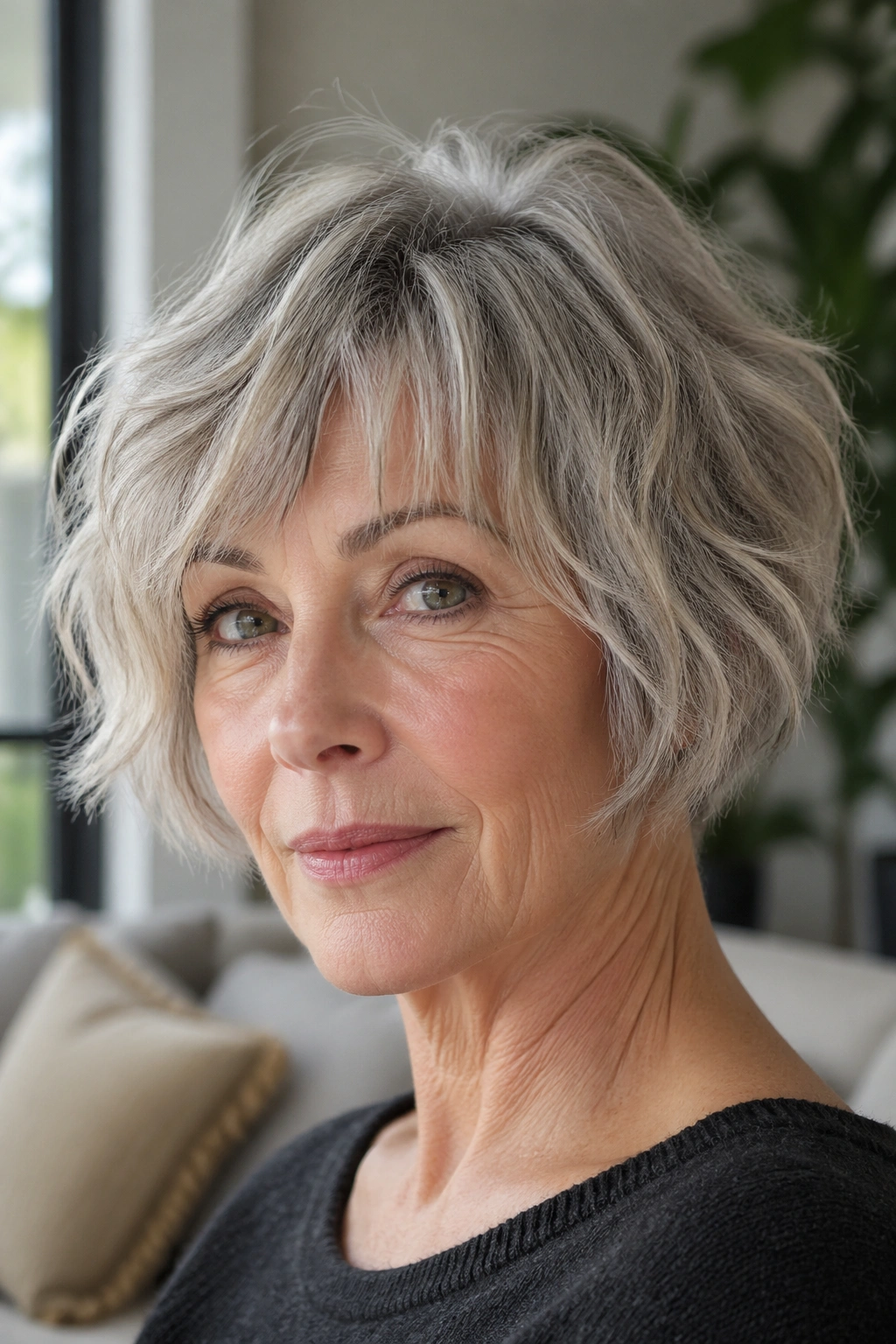
A choppy bob is for the woman who wants texture to show. Not hidden. Shown.
The trick is restraint. The pieces should look separated, not sliced apart. A good choppy bob keeps the perimeter slightly soft while the interior layers create movement. That helps if your waves are loose and you want more definition without curling irons.
This one works well with salt-and-pepper hair, because the texture makes the color variation stand out. It can also be a good fix for hair that gets flat in the crown but puffs at the bottom. The choppiness redistributes the eye.
14. Wavy Shullet with Soft Length
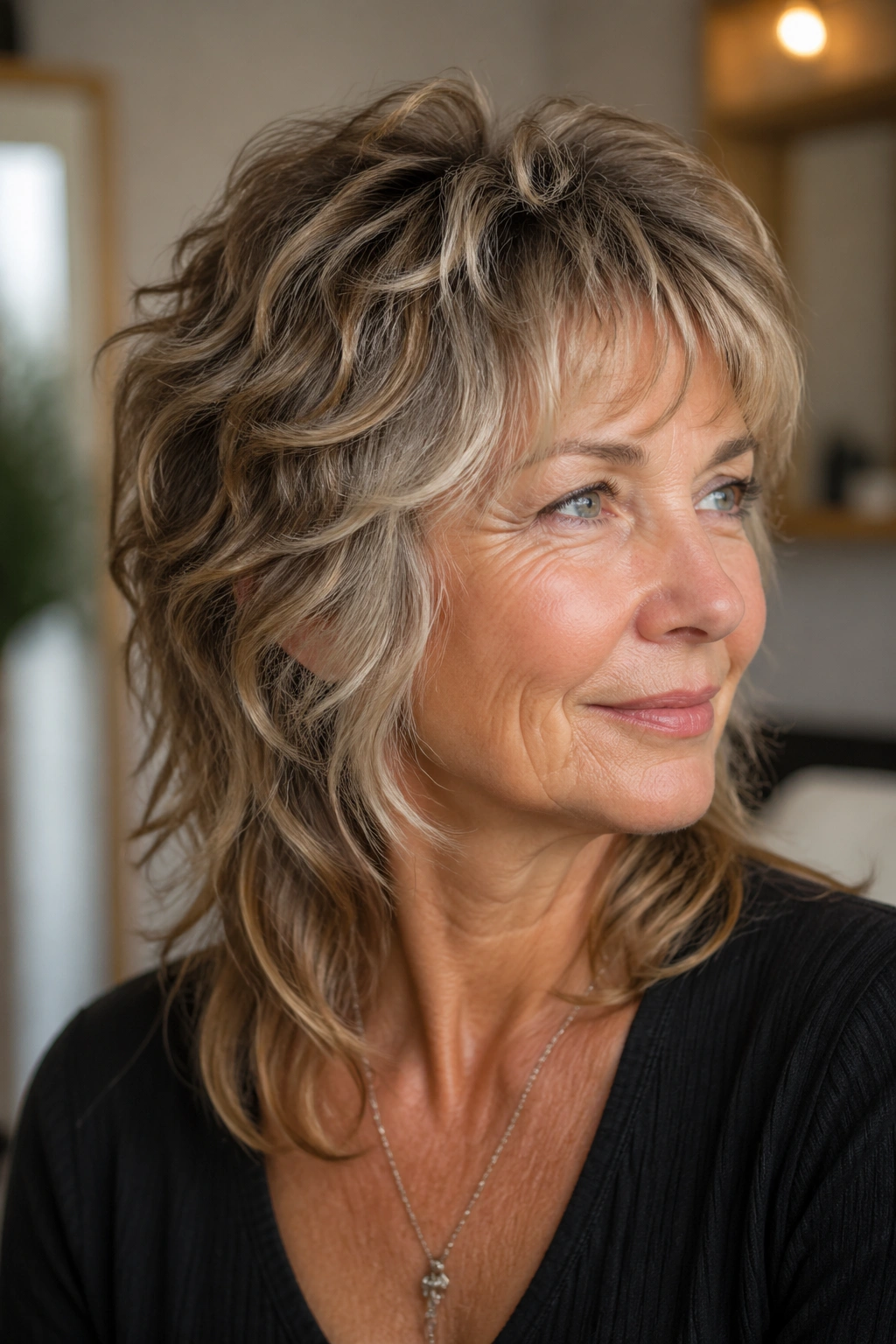
A shullet sounds edgy, and it can be. But the softer version is surprisingly wearable for women over 60, especially if you want movement and don’t mind a little personality in the cut.
The top and crown stay shorter, while the back keeps enough length to avoid that abrupt mullet look. The result is loose, airy, and a little playful. It lets the waves move without feeling overstyled.
Why it works on mature waves
- Keeps volume near the crown
- Removes bulk from the sides
- Lets the wave pattern show off instead of collapsing
- Can be worn messy or polished
It is not the right cut for someone who wants quiet hair. It is the right cut for someone who wants interesting hair.
15. Shoulder-Length Flip with Outward Ends
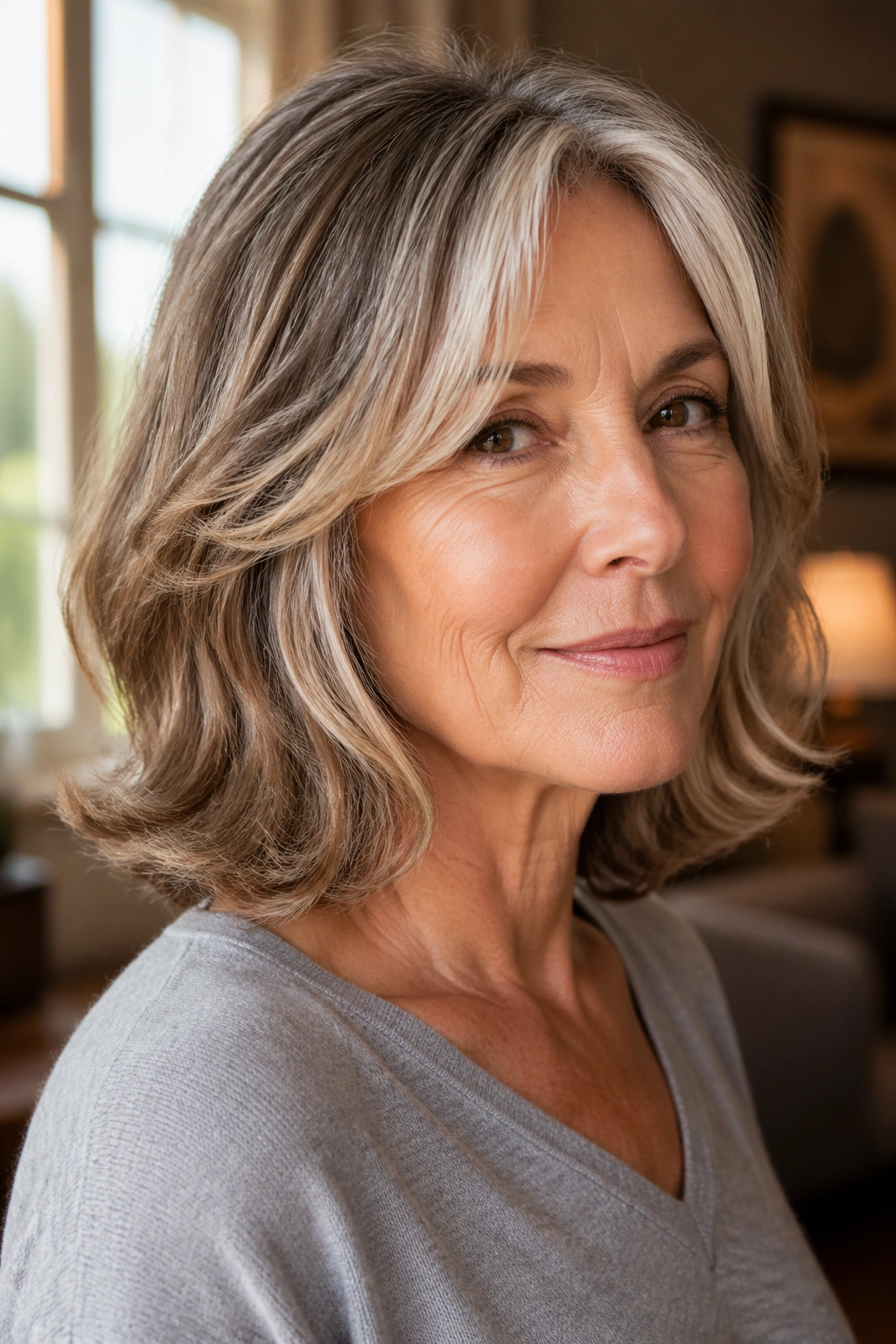
There’s something appealing about a cut that flips just a little at the ends. It feels light, and it keeps shoulder-length hair from sitting dead straight along the shoulders.
The flip can happen naturally with wavy hair, especially if the ends are lightly layered and the perimeter is cut with a bit of bevel. That makes the style feel lively without turning into a retro feathered blowout.
I like this shape when the hair has medium density and enough wave to lift on its own. It’s especially flattering if you want to soften a heavy jawline or keep the neckline open.
16. Layered Crop with a Tapered Nape
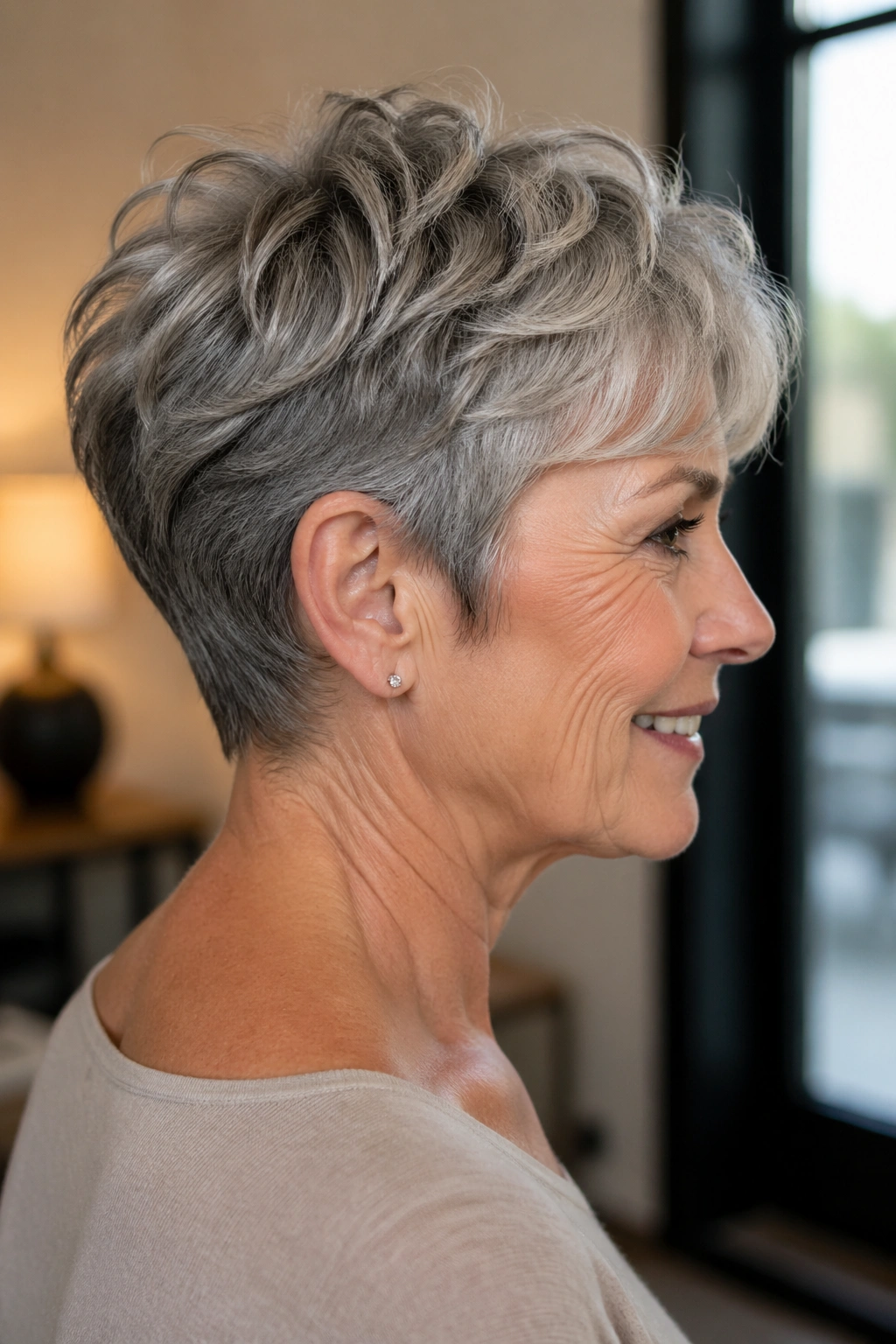
Short hair can look expensive when the neckline is clean. That’s the entire appeal of a tapered nape.
The layers on top keep the wave pattern soft and alive, while the back narrows in a way that makes the head shape look neater. It’s a practical cut, but it doesn’t read plain. The key is keeping enough length on top so the waves have room to bend.
This is a strong option if you hate hair brushing against your collar or if you want a cut that keeps its shape between salon visits. It’s also a nice choice for warmer weather, though I’m trying hard not to talk in seasons here. The point is simple: it stays off the neck.
17. Soft Bixie with Extra Crown Height
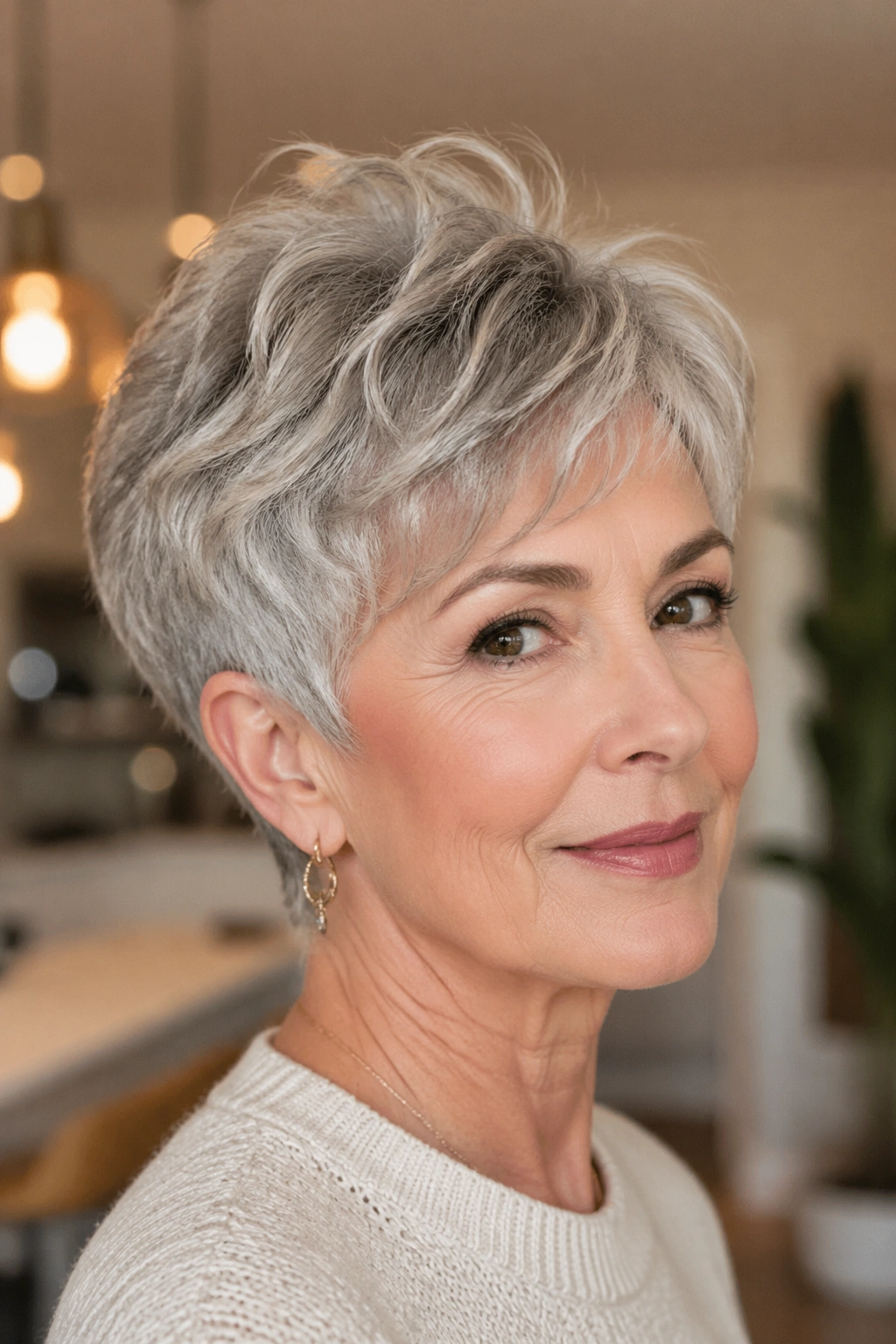
A bixie sits between a bob and a pixie, and that middle ground can be gold for wavy hair. The soft version keeps the edges gentle, which matters if you don’t want a harsh crop.
What makes it flattering
The extra crown height gives the face some lift, and the slightly longer sides keep the cut from feeling too boyish. You get the ease of a short cut with a little more softness around the ears and cheekbones.
If your hair has become thinner at the top, this cut can make it look fuller without obvious teasing. Use a root-lift spray at the crown, blow-dry for 2 minutes with your fingers, and stop before it gets stiff. That’s enough.
18. Center-Part Lob with Loose Waves
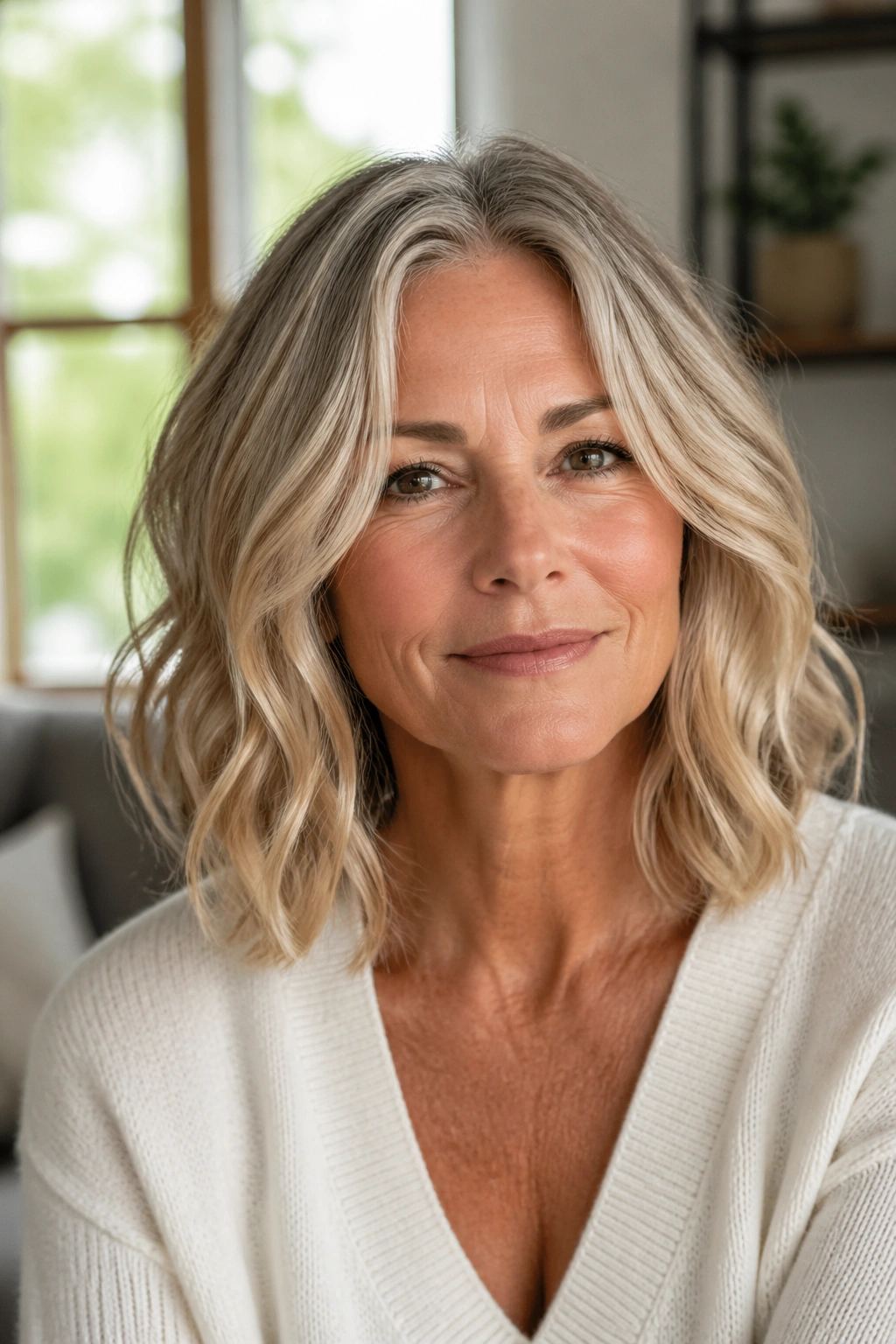
A center part can be great on wavy hair, but only if the cut supports it. This lob does.
The length sits around the shoulders or just below, and the layers are subtle enough to keep the center part balanced. Loose waves fall on both sides of the face, which can look calm and elegant without trying too hard. I know that sounds like a polite phrase, but it really is about balance.
This cut is especially good if your face is fairly symmetrical or if you like a cleaner, more modern line. If you don’t like fuss, it’s a reliable option. Air-dry it halfway, then scrunch in a little cream and leave it alone.
19. Graduated Bob with a Lifted Back
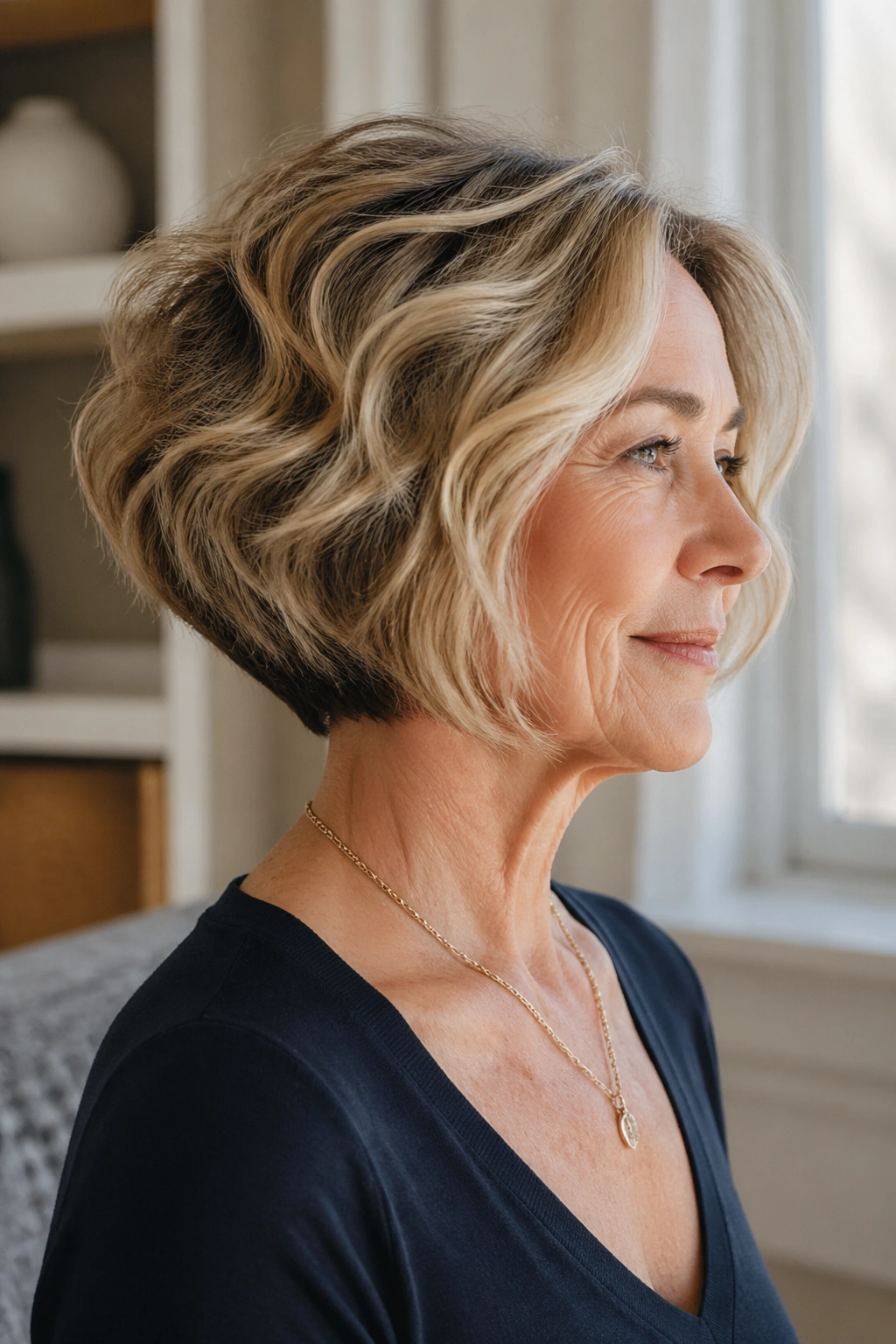
A graduated bob has more structure through the back, which is useful when the nape gets flat and the sides need a little support. The shape angles up slightly, so the haircut feels lifted rather than heavy.
That lift is what makes this cut so friendly to wavy hair. The waves ride on top of the shape instead of dragging it down. At the same time, the front stays a touch longer, which keeps the face soft.
This is a nice choice if you want a style that looks deliberate from every angle. From the side, it has shape. From the front, it still feels gentle. Nice combination.
20. Butterfly Cut for Shoulder-Length Waves
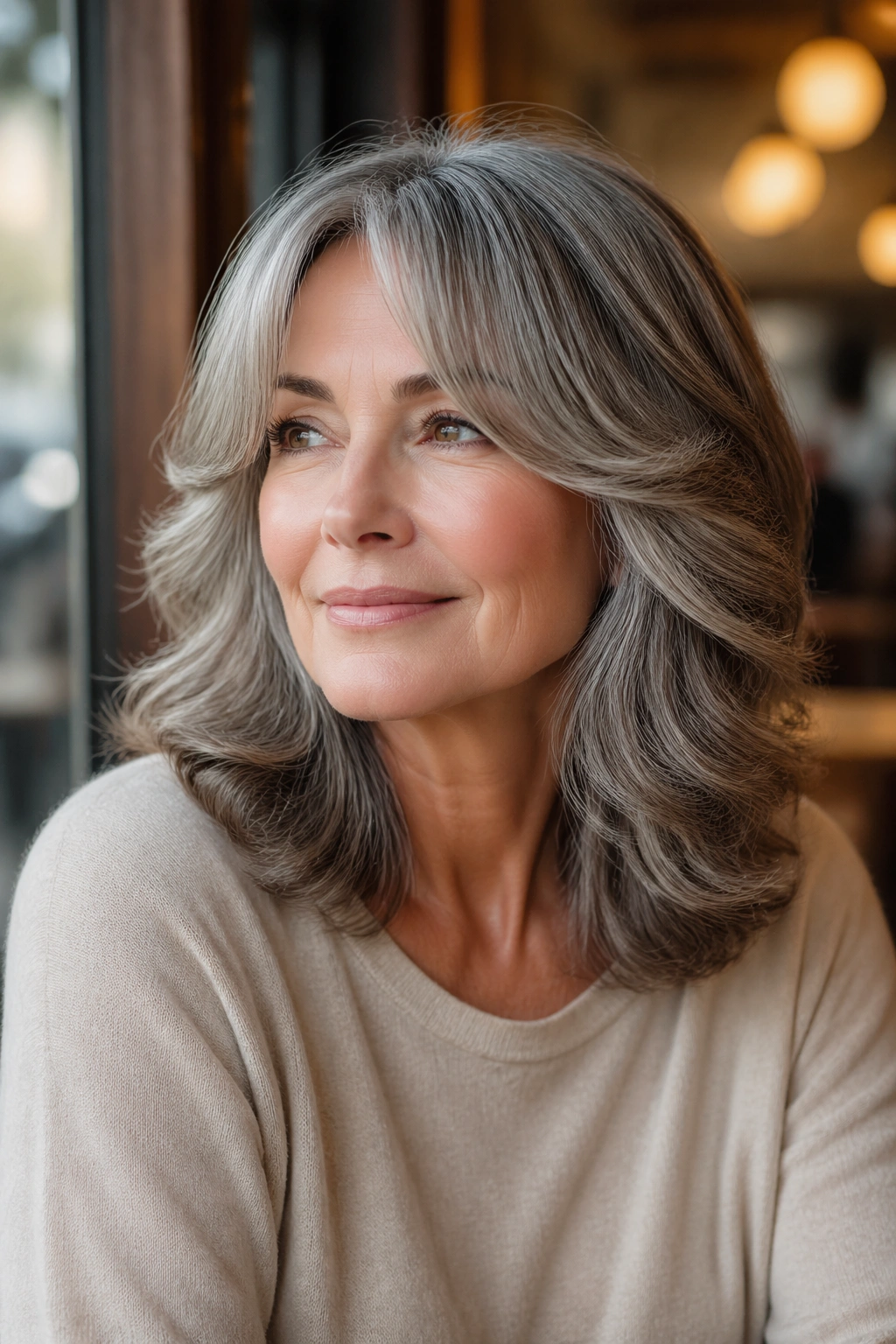
The butterfly cut gives you layers that move, but it keeps enough length that you don’t lose the softness of shoulder-length hair. That matters if you like volume at the top and fullness at the bottom.
The shorter face-framing layers create lift around the cheekbones. The longer layers underneath keep the ends from looking thin. On wavy hair, that combination can look much more flattering than one blunt shelf of hair.
If your waves tend to fall flat near the roots, this cut helps the upper section look lighter. It is a little more styled than some of the other cuts here, but not fussy. Think structure with room to move.
21. Razored Lob with Relaxed Ends
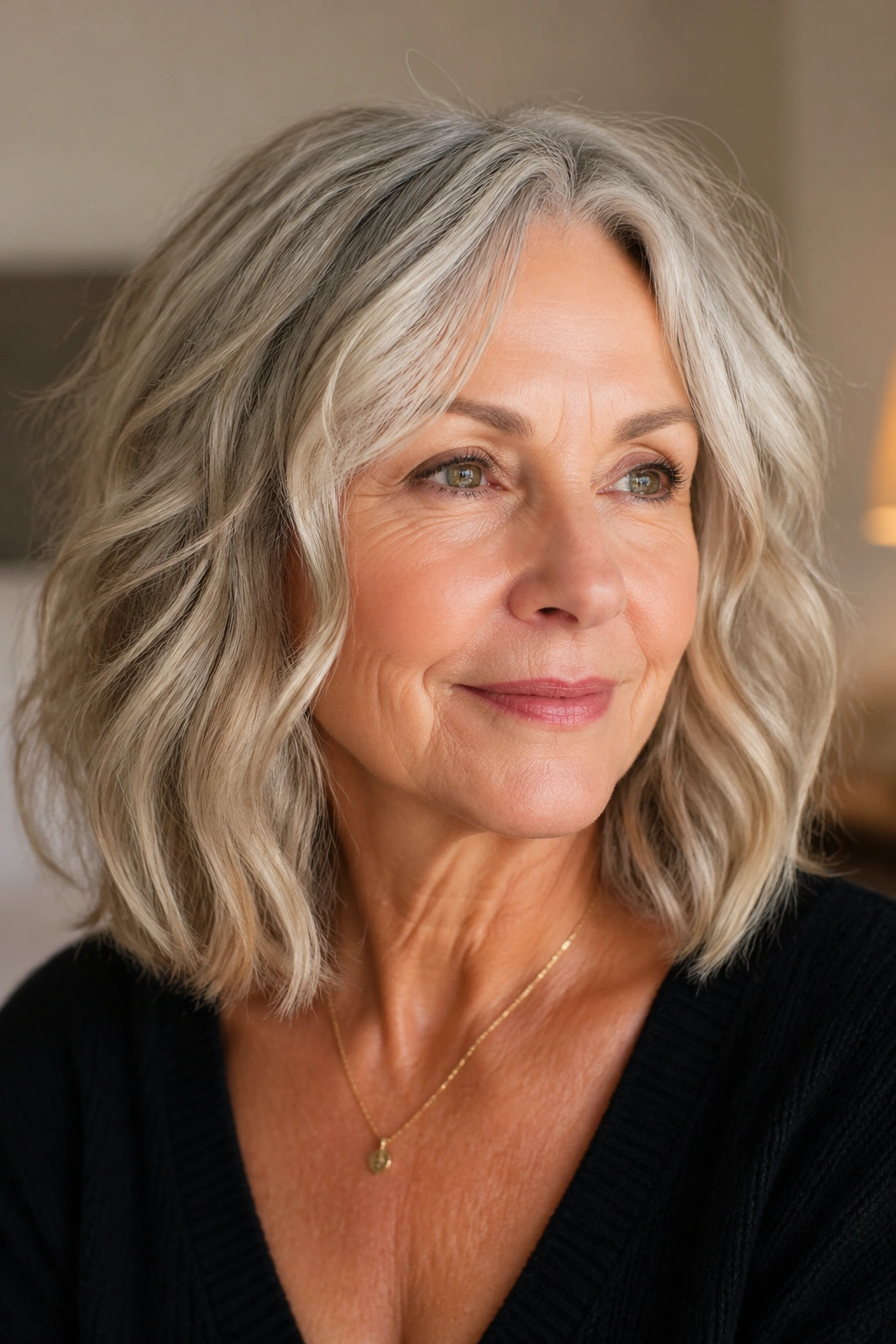
Razoring can be risky. Used badly, it frays the ends. Used well, it gives wavy hair a soft, flexible finish that does not feel heavy.
The relaxed ends are the point. You want motion, not a hacked-up edge. This cut works best when the waves are loose to medium and the hair has enough thickness to tolerate some texturizing. A razor can remove bulk where scissors might leave too much weight.
I like this one for women who want a lob that feels less polished and more lived-in. It’s not precious. It looks better when you touch it a little.
22. Brushed-Back Pixie with Texture on Top
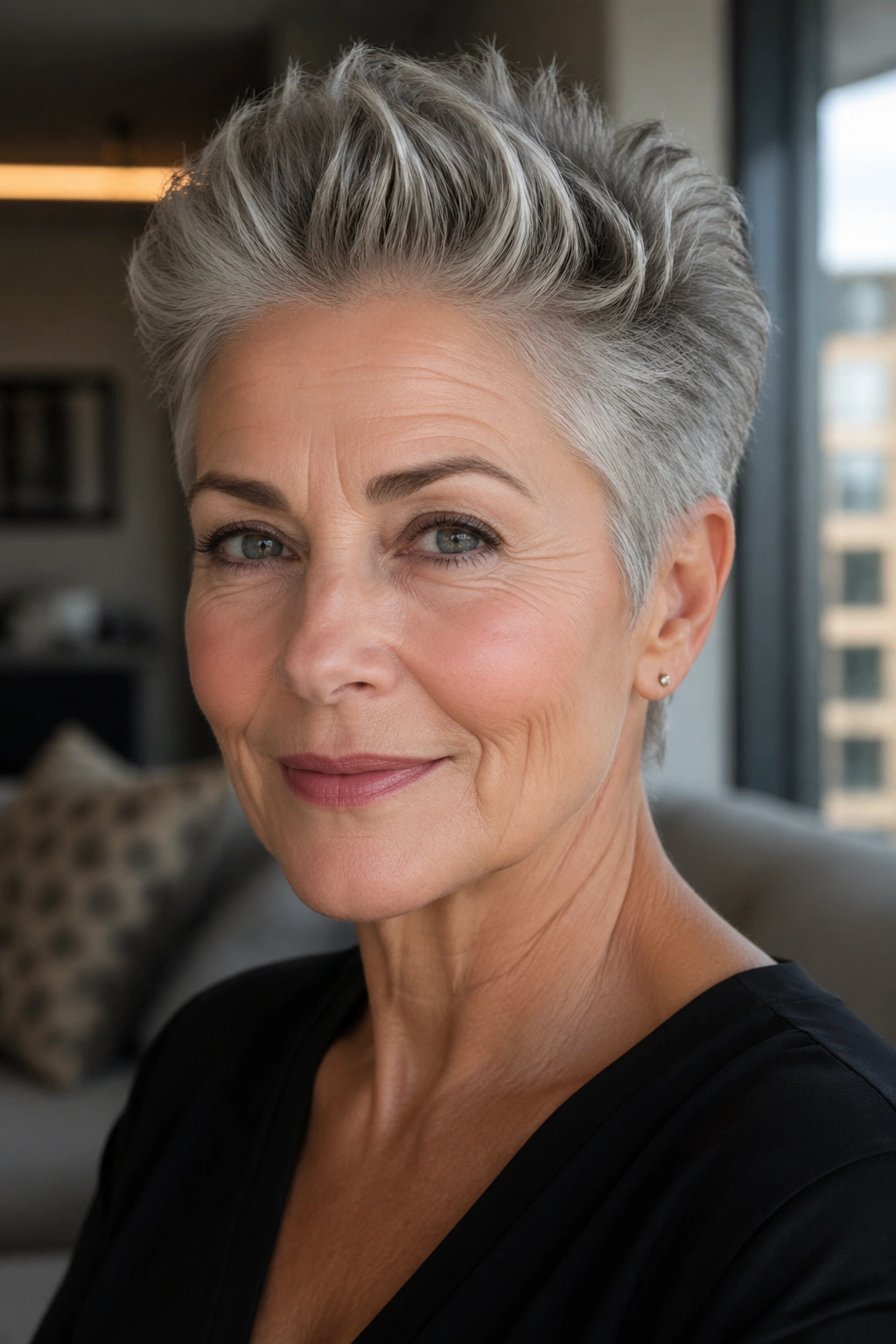
This is a short cut with a bit of lift and a little attitude. The top stays long enough to brush back, while the sides and nape stay tight and neat.
Wavy hair gives this pixie a nice advantage, because the texture on top keeps it from lying flat. You can work a small amount of styling cream through the front and push it back with your fingers. The result is soft, not stiff.
It’s a good pick if you want to show your face and earrings and don’t want much daily maintenance. Clean. Fast. And surprisingly flattering on strong cheekbones.
23. Soft Angled Lob
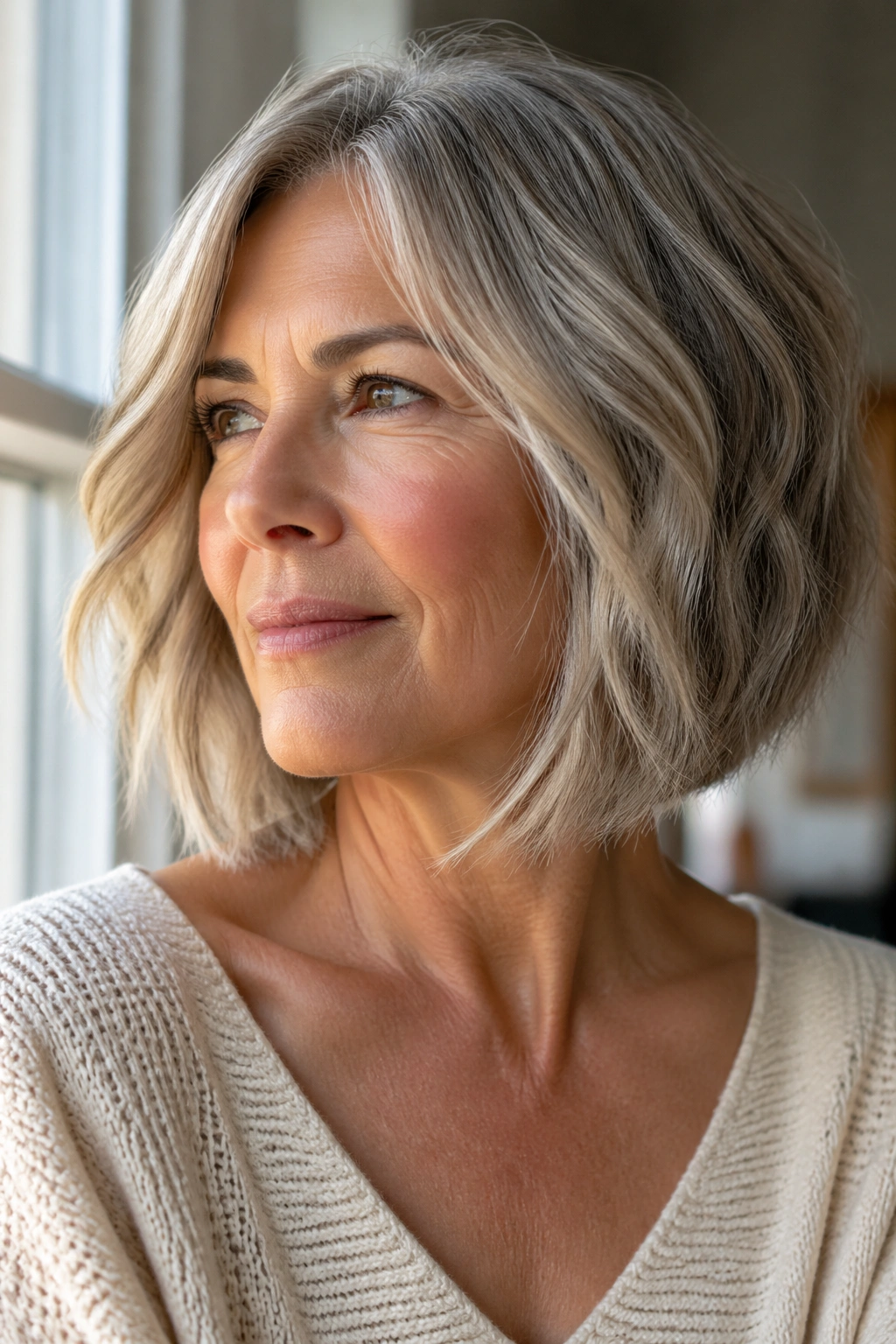
The angled lob is one of those cuts that works in pictures and in real life, which is not always the same thing. The front stays a little longer than the back, creating a subtle slope that gives waves a nice line to follow.
That angle does a lot of quiet work. It lengthens the neck, slims the profile, and keeps the haircut from looking boxy. Because the angle is soft, it doesn’t feel dramatic or sharp.
If you want a style that can be worn sleek one day and loose the next, this is a good one. It gives you options without asking for them.
24. Modern Pageboy with Wavy Movement
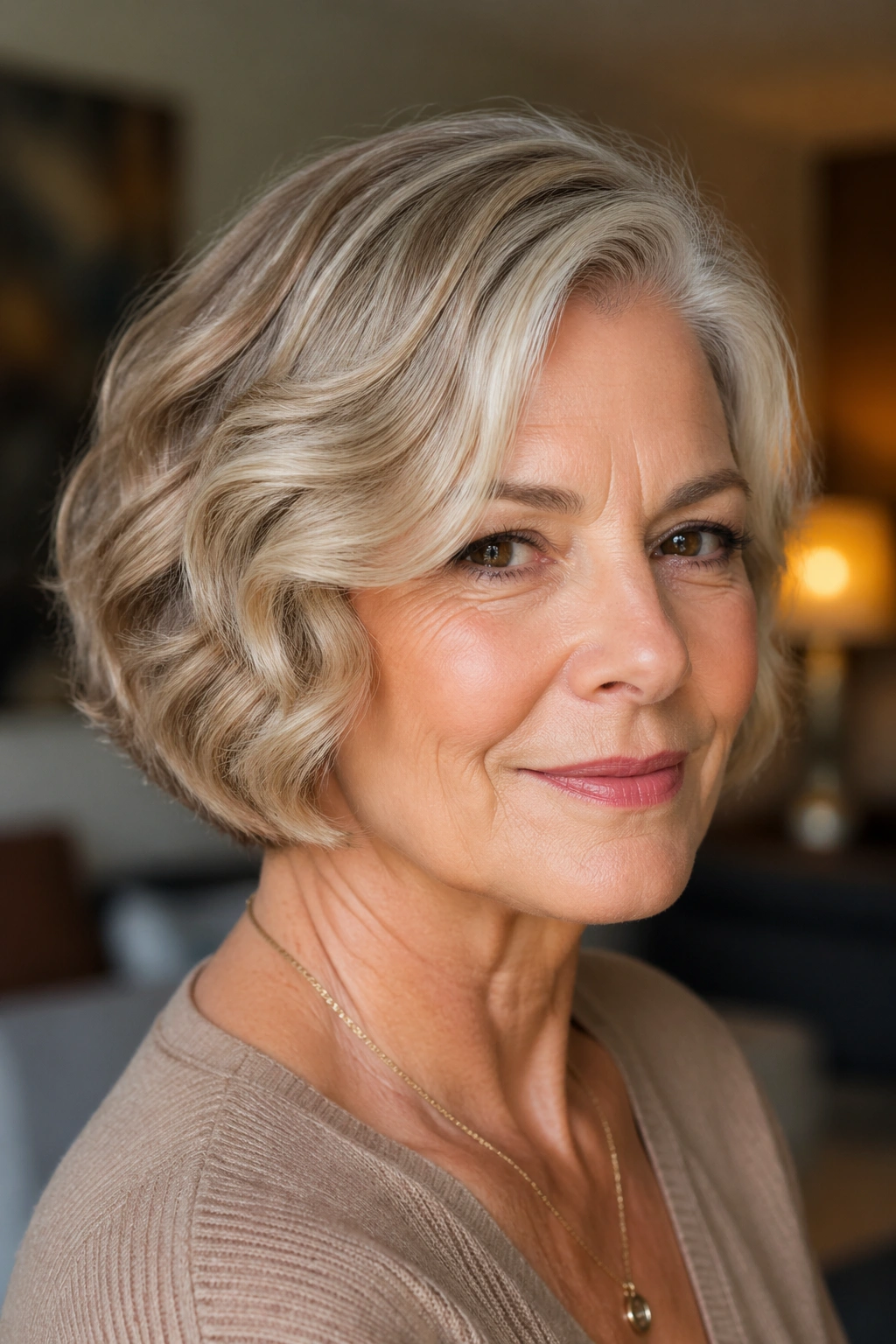
A pageboy can sound old-fashioned, but the modern version is softer and much more wearable. The rounded shape hugs the head a little, then lets the waves break it up.
That broken line is what saves it from looking stiff. Wavy hair adds movement to a shape that might otherwise feel too neat. The result is a haircut with structure and softness at the same time.
This cut works well if you like a polished outline and want hair that sits close to the head. It also pairs nicely with a side part. Keep the ends light, though. Heavy pageboy lines can feel dated fast.
25. Below-Chin Cut with Bottleneck Bangs
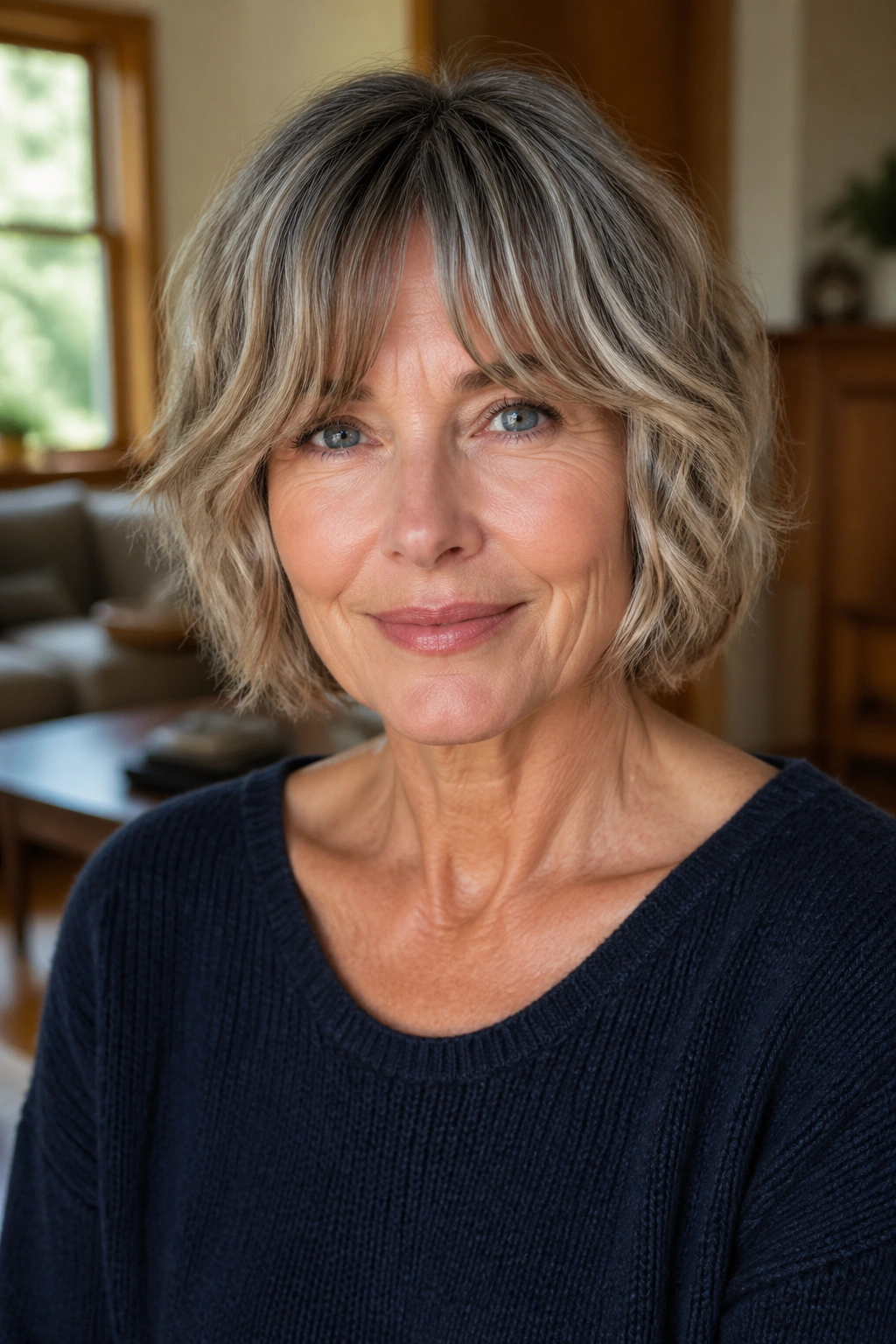
Bottleneck bangs are a smart choice when you want fringe without a blunt block across the forehead. They start narrow, open up near the eyes, and blend into the sides with a little curve.
That shape is flattering on wavy hair because it breaks up the front without adding too much weight. The cut below the chin gives the waves enough room to show, while the bangs soften lines around the face.
Good for:
- Wider foreheads
- Hair that feels flat around the front
- Women who want a little face framing without full bangs
The bangs do need trimming. No way around that. But if you like a style that feels a bit more tailored, they are worth the upkeep.
26. One-Length Medium Cut with Hidden Layers
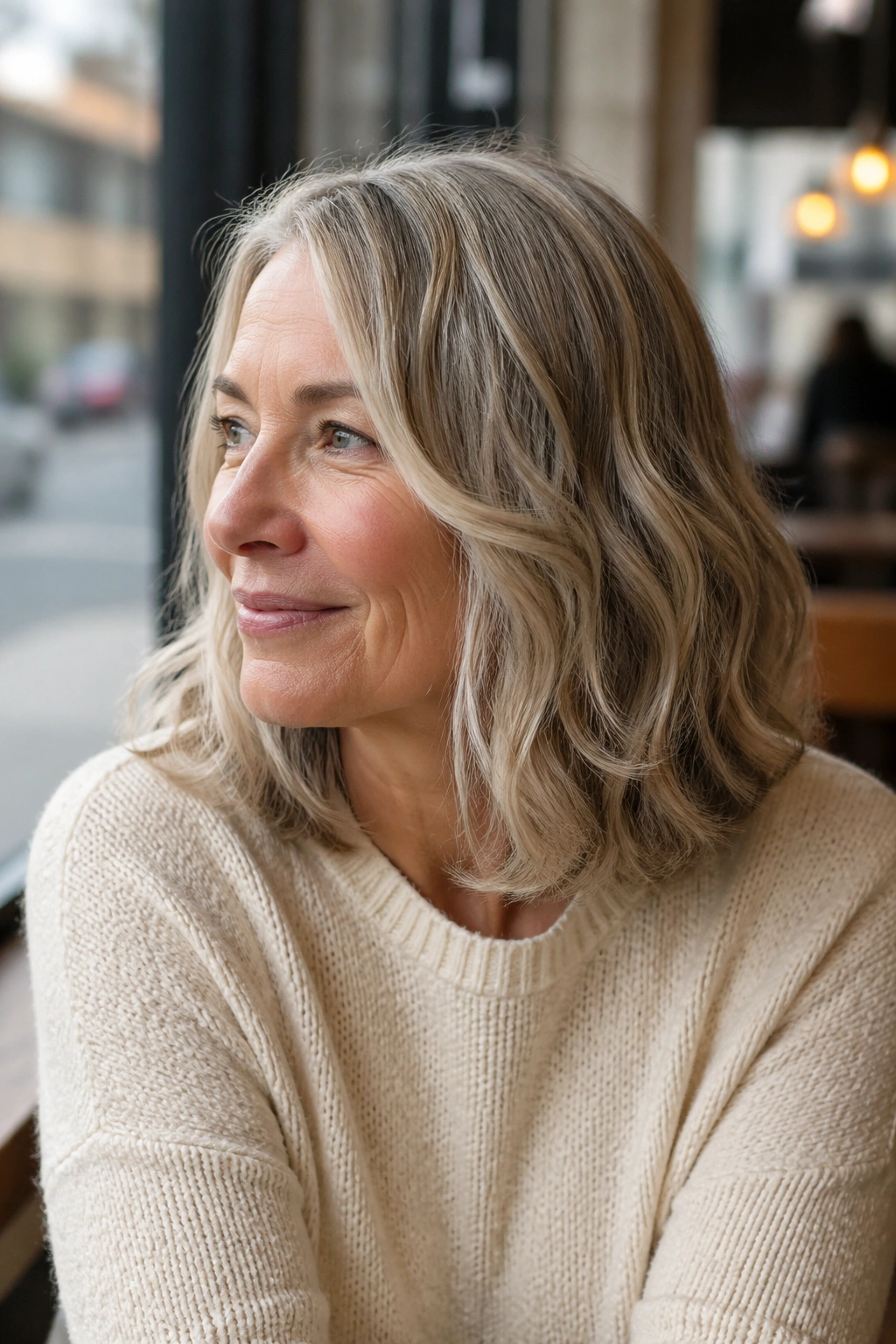
Sometimes the answer is restraint. A one-length medium cut with hidden layers keeps the perimeter full, which is useful if your waves are already dry or fragile.
The hidden layers take out just enough bulk to help the hair bend. From the outside, though, the shape still looks full and healthy. That’s the appeal. You get movement without giving up density.
This is a strong option for women who don’t want their hair to look too “cut up.” It works best when the goal is softness, shine, and a clean outline. The haircut does not scream for attention. It just sits well.
27. Wedge with a Longer Fringe
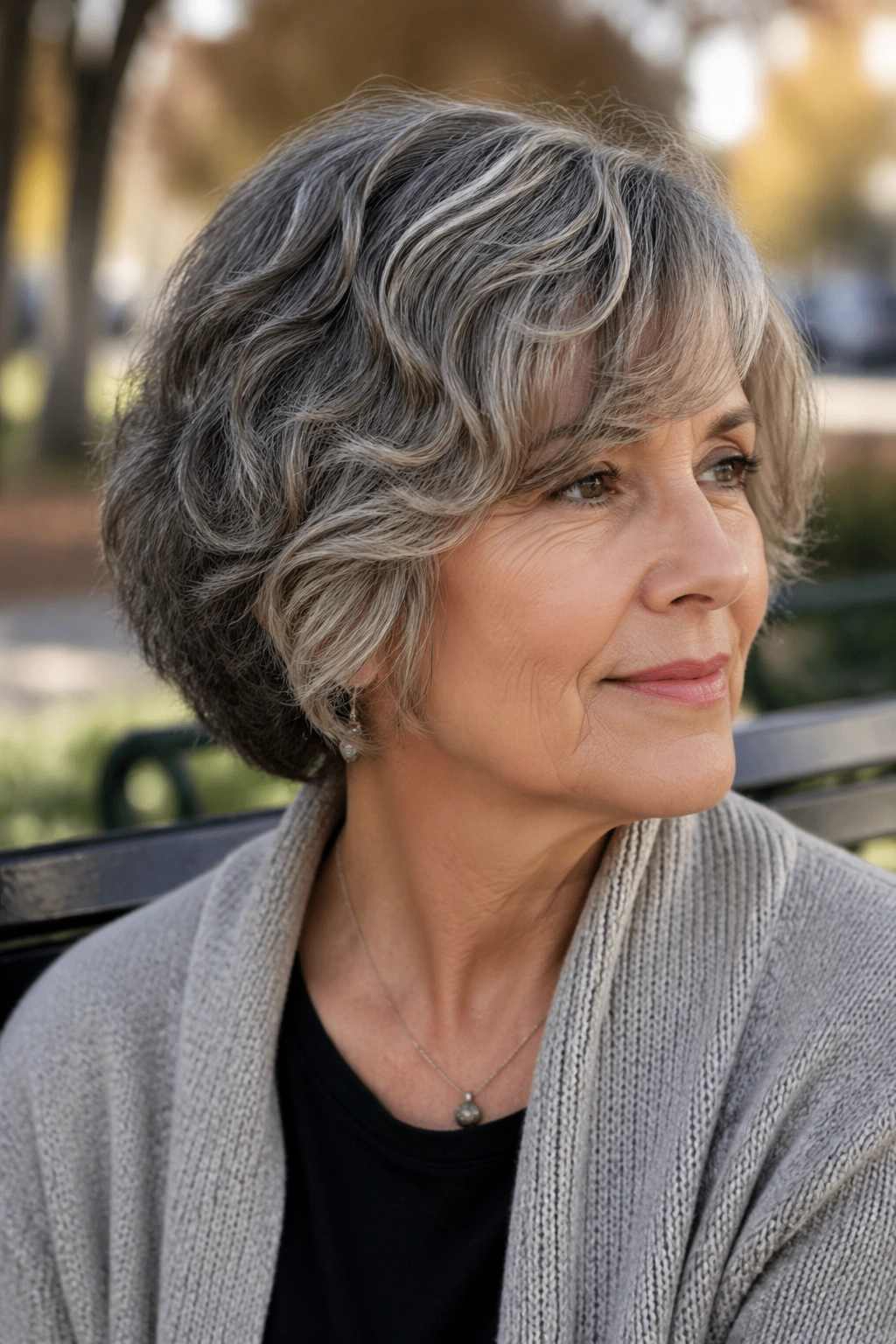
A wedge cut with a longer fringe has more softness than the classic version. The shorter back still gives you that neat shape, but the fringe keeps the front from feeling severe.
For wavy hair, this is useful because the fringe can sit naturally with the wave rather than needing heavy smoothing. It makes the whole haircut feel a little more modern and less architectural.
I’d recommend this for someone who likes structure but doesn’t want a super short crop around the face. The fringe is the difference between “sharp” and “wearable.” Tiny change. Big effect.
28. Bob That Tucks Behind the Ear
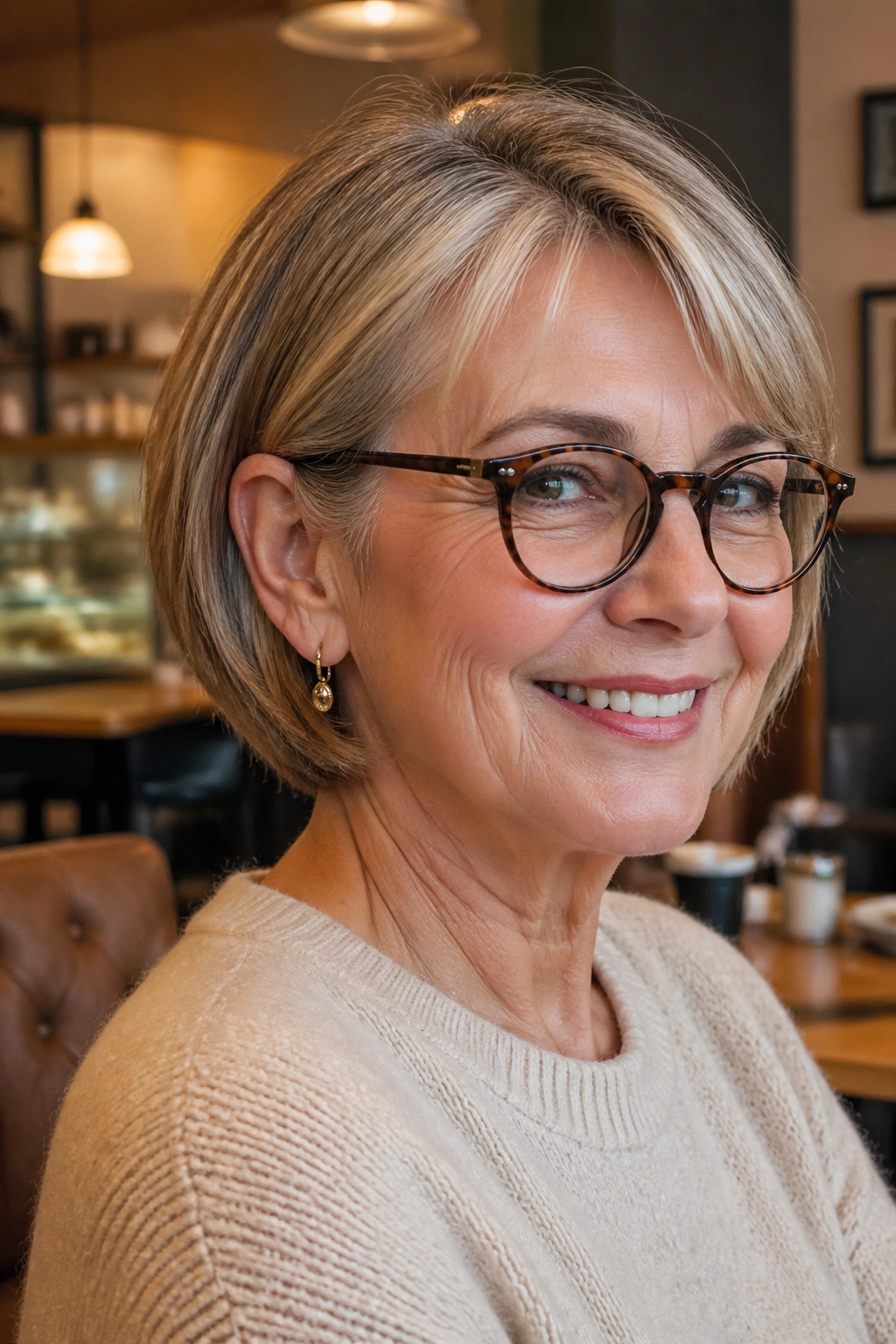
This sounds simple because it is simple, and sometimes simple wins.
A bob that’s just long enough to tuck behind the ears gives you built-in versatility. Wear it tucked when you want a cleaner line, or leave it loose when you want fullness around the cheeks. Wavy hair makes this especially nice, because the tucked side creates an easy asymmetry without needing a dramatic cut.
It also works well for women who wear glasses, because the side can stay neat instead of competing with the frames. Short, practical, flattering. Hard to complain about that.
29. Piecey Crop with a Longer Top
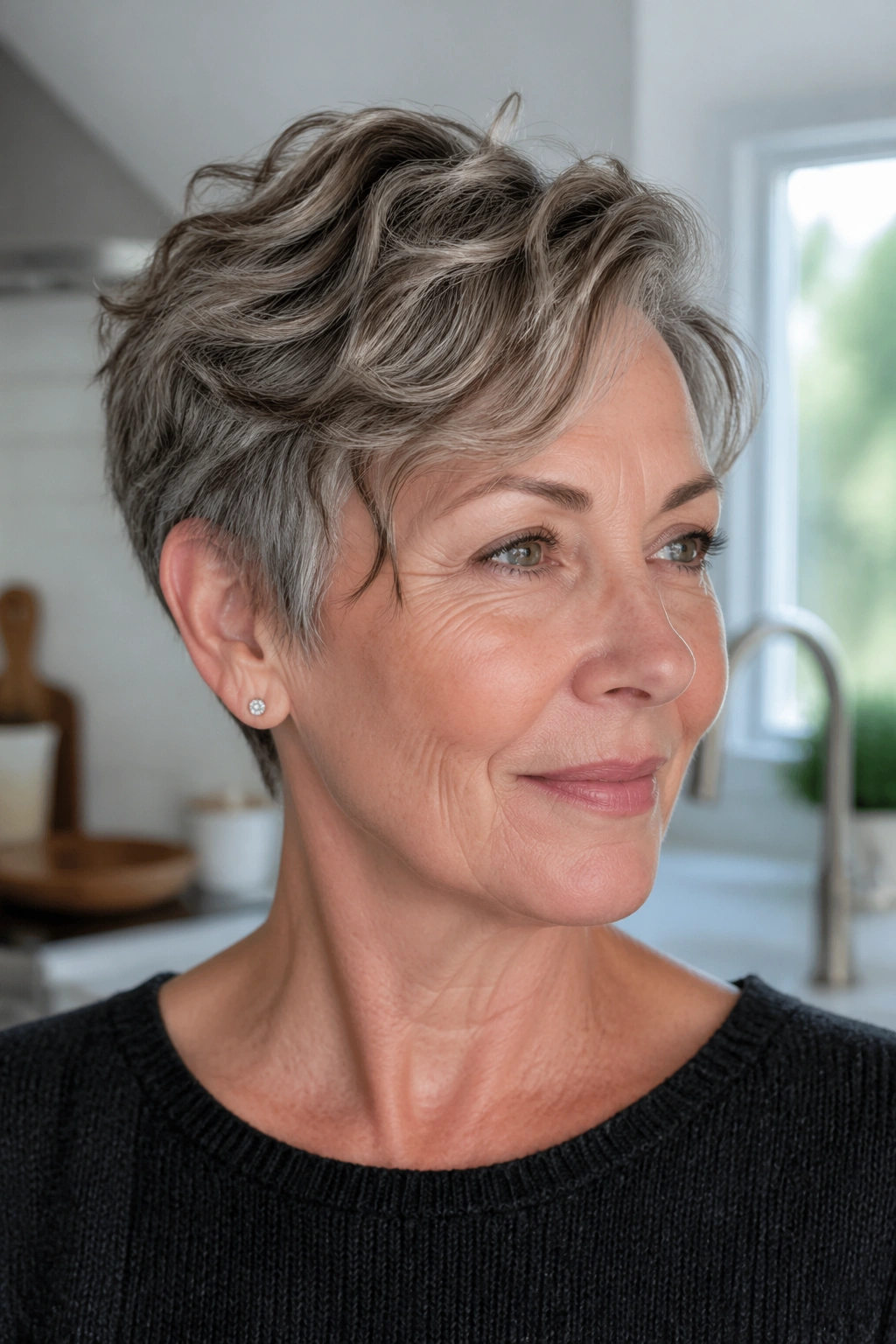
A piecey crop is all about separation. You want the top to have enough length to show wave texture, while the sides stay shorter and controlled.
The longer top is what keeps the cut from looking too severe. It also gives you somewhere to put a little styling cream or wax if your hair tends to stand up rather than lay down. The result is textured, not messy.
This is a nice choice if your hair is fine but has some natural bend. The piecey finish creates the illusion of more fullness, especially around the crown. Very handy. Very wearable.
30. Mid-Length Cut with Bottleneck Bangs
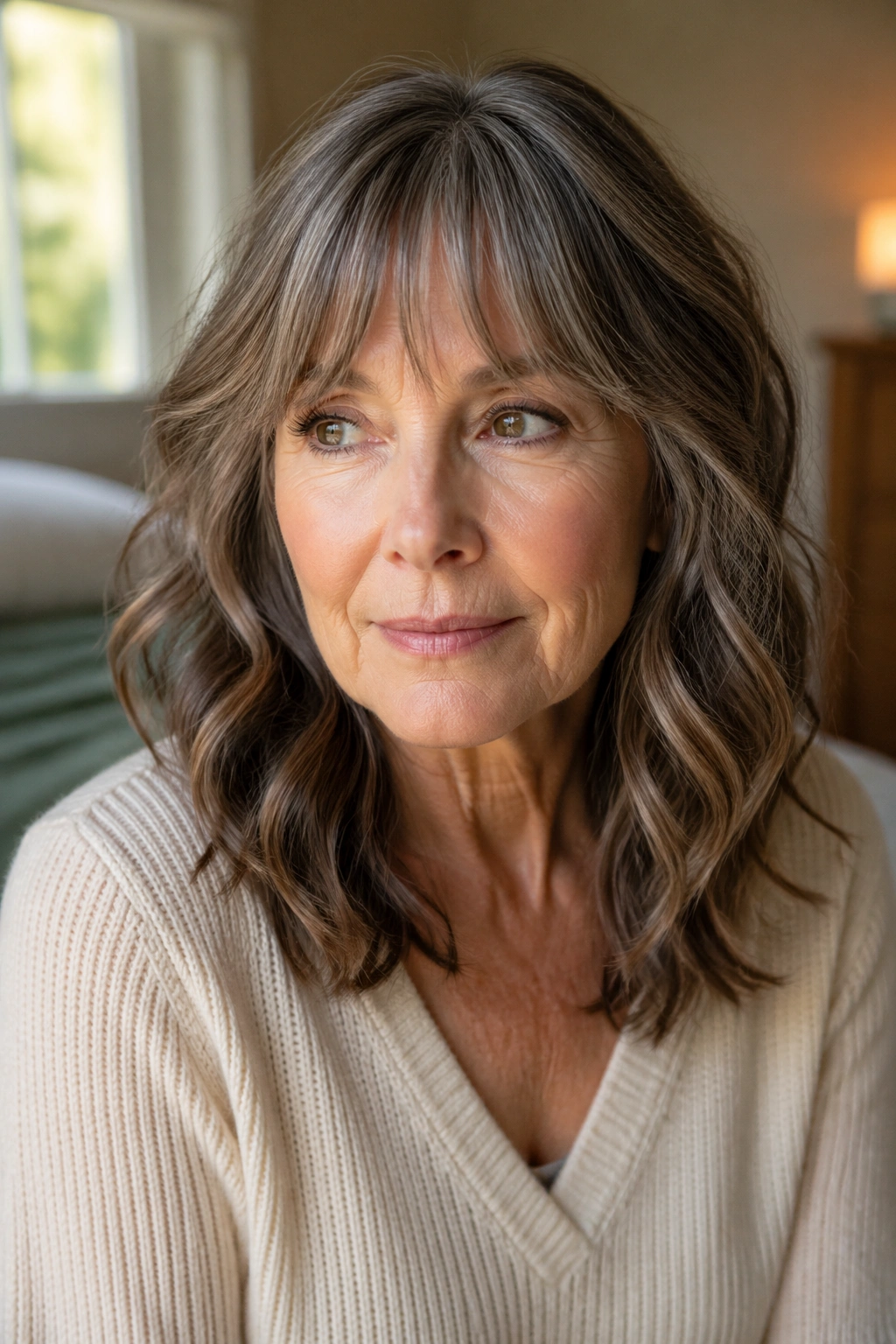
Here’s the softer sibling of the below-chin version. The mid-length cut keeps the waves a bit longer, which is useful if you don’t want to lose much density, while the bottleneck bangs keep the front light and open.
This combination is good for women who want a little face framing but dislike a full fringe. The bangs draw attention to the eyes, and the length lets the waves fall in a looser, more relaxed way.
It’s also one of the easier cuts to grow out. That matters. Not every haircut needs a strict maintenance schedule to look decent.
31. Long Bob with a Subtle Bevel
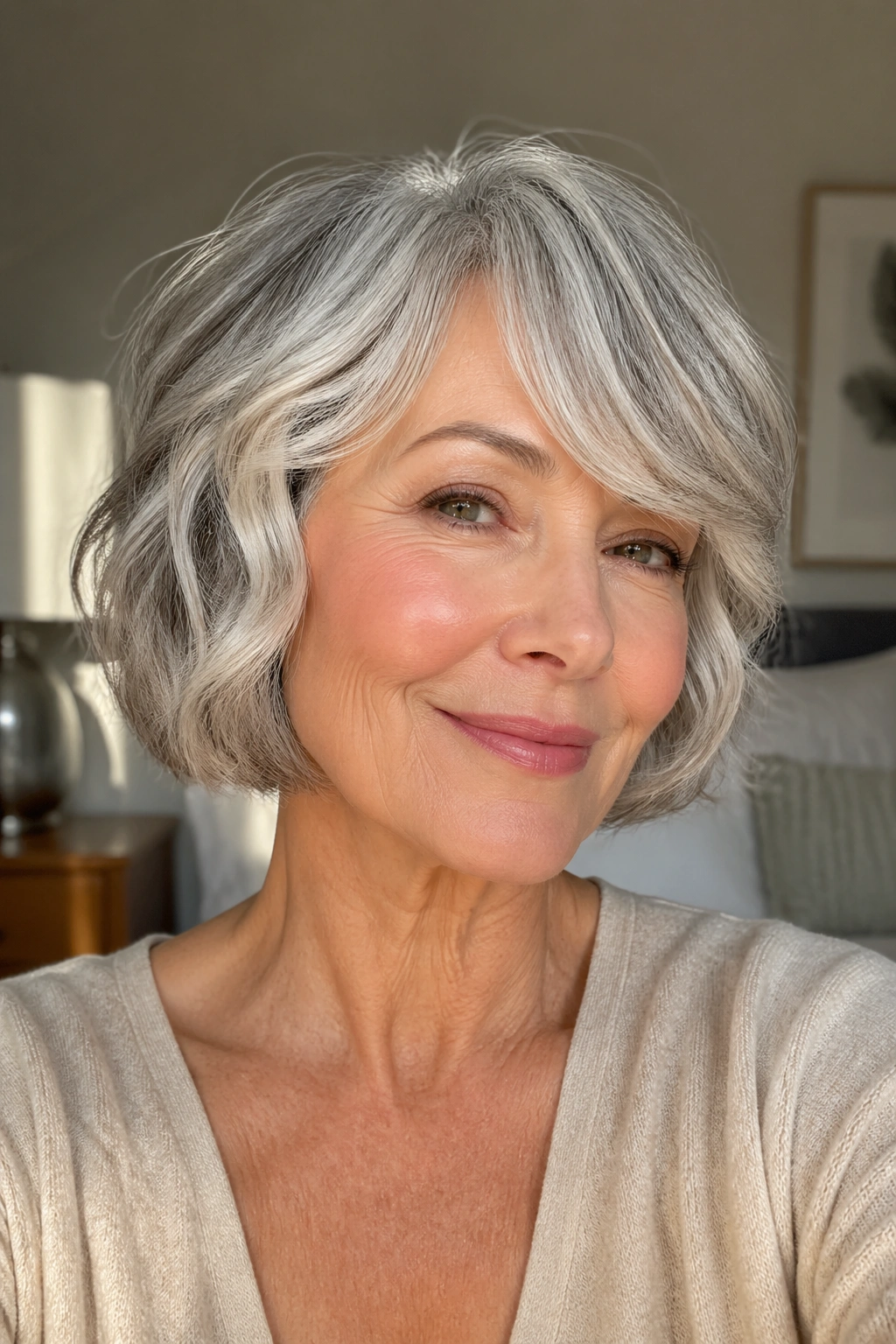
A subtle bevel means the ends curve just enough to keep the shape from going flat, but not so much that the cut looks curled under in an obvious way.
That little bend helps wavy hair stay polished. It keeps the line moving and gives the style a cleaner finish on days when you do not want to style much. The long bob length also means you still have enough hair to twist up, clip back, or tuck away.
This one is dependable. Not flashy. Dependable.
32. Deep Side-Part Bob
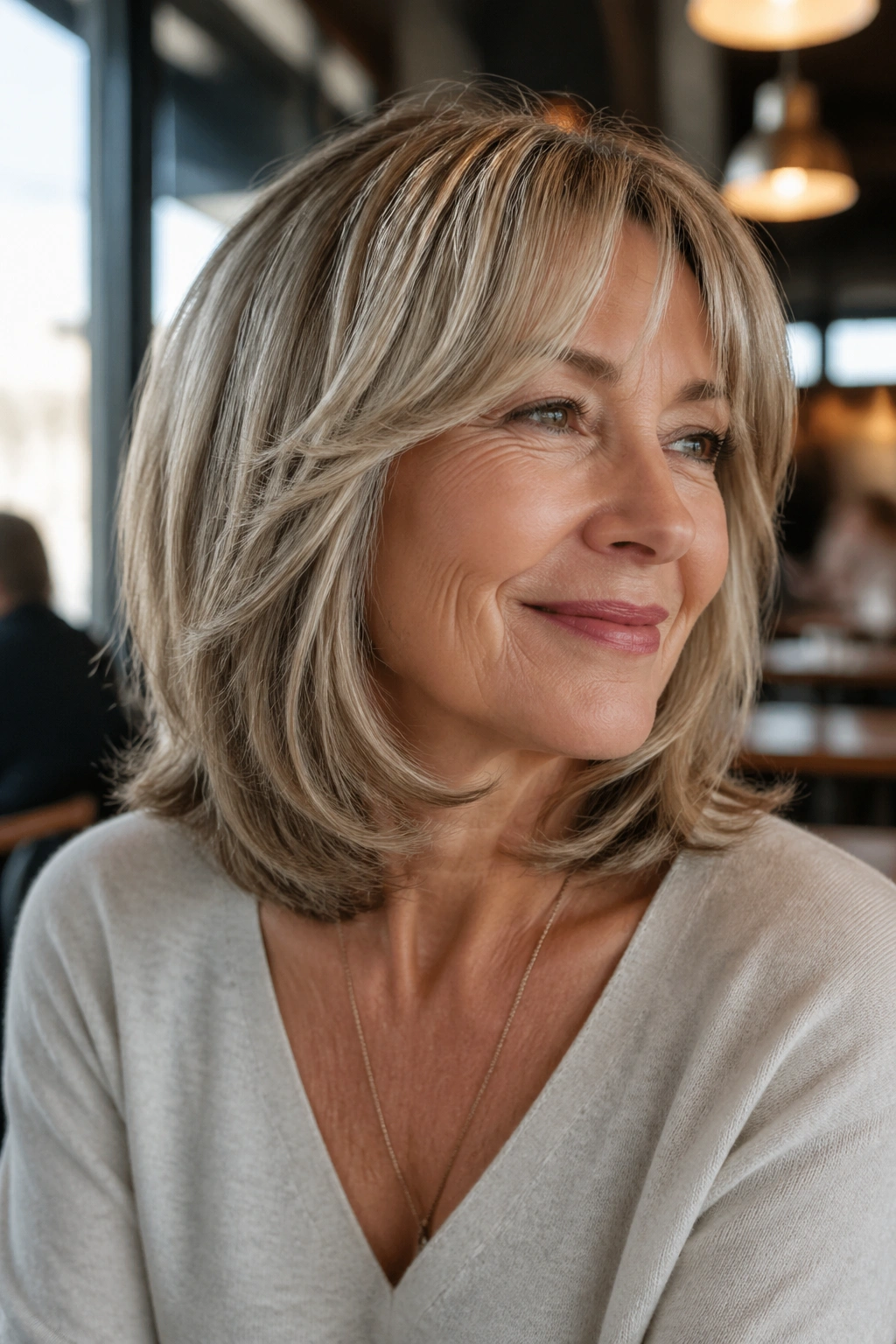
A deep side part can make a bob feel completely different. It adds lift at the crown, creates a softer sweep across the forehead, and gives the waves a more dramatic starting point.
The cut itself can be fairly simple. The part does the heavy lifting. That’s especially useful if one side of your hair is naturally flatter than the other, because a side part can disguise that imbalance in a hurry.
If you want instant volume without chasing it with a blow-dryer, this is a solid move. Try it before you decide you need more layers. Sometimes you don’t.
33. Soft Mullet-Inspired Cut
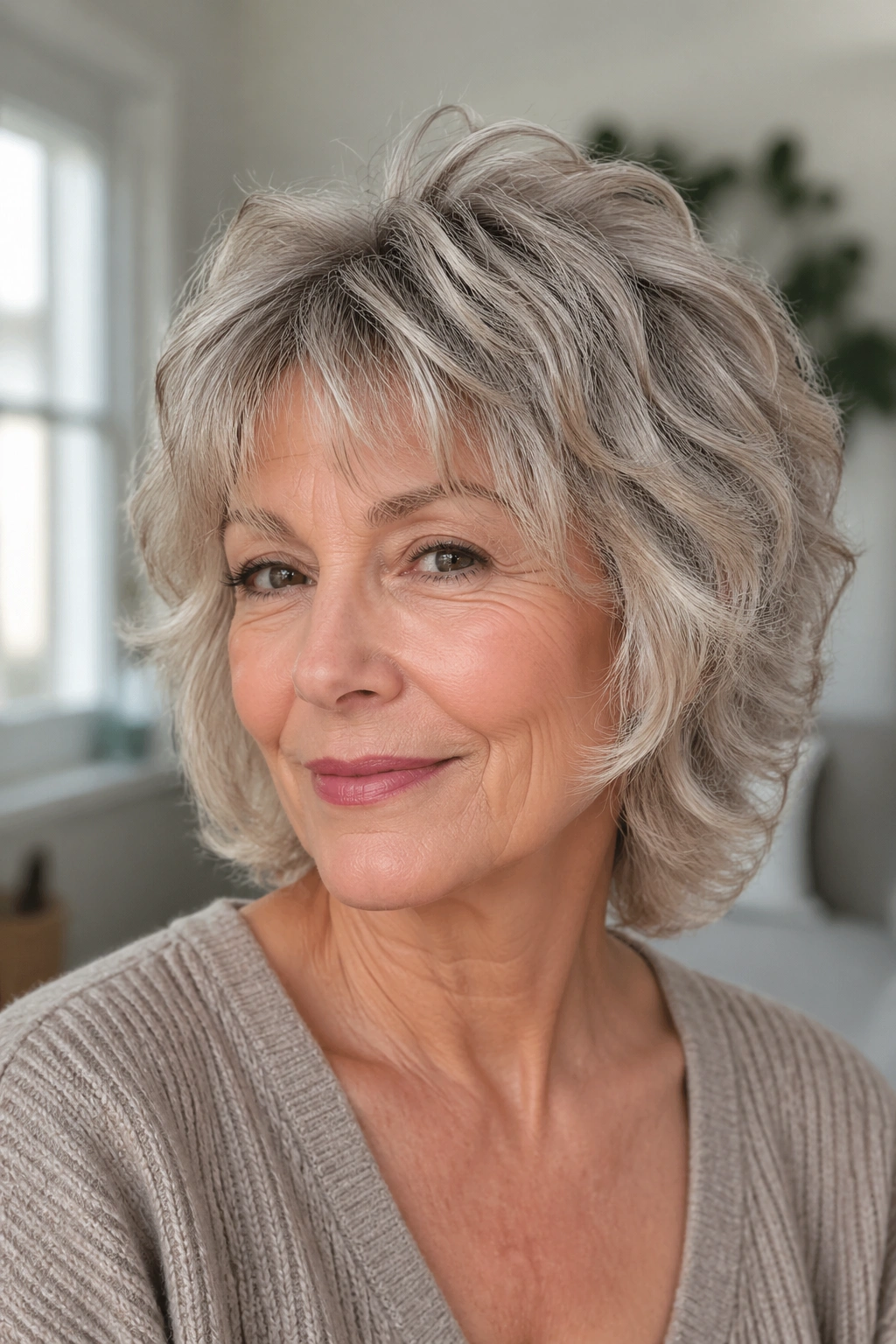
This one isn’t for everyone, and that’s fine. A soft mullet-inspired cut keeps the crown and sides lighter while leaving some length through the back, which can work beautifully on waves if the transition is gentle.
The key word is soft. You want blending, not a hard disconnect. Done well, the cut gives movement around the face and preserves length where it counts. It feels a little more current without going extreme.
I like this on women who want texture and a bit of edge but still need the haircut to be easy to live with. It has personality. It also has manners.
34. Swoopy Layered Lob
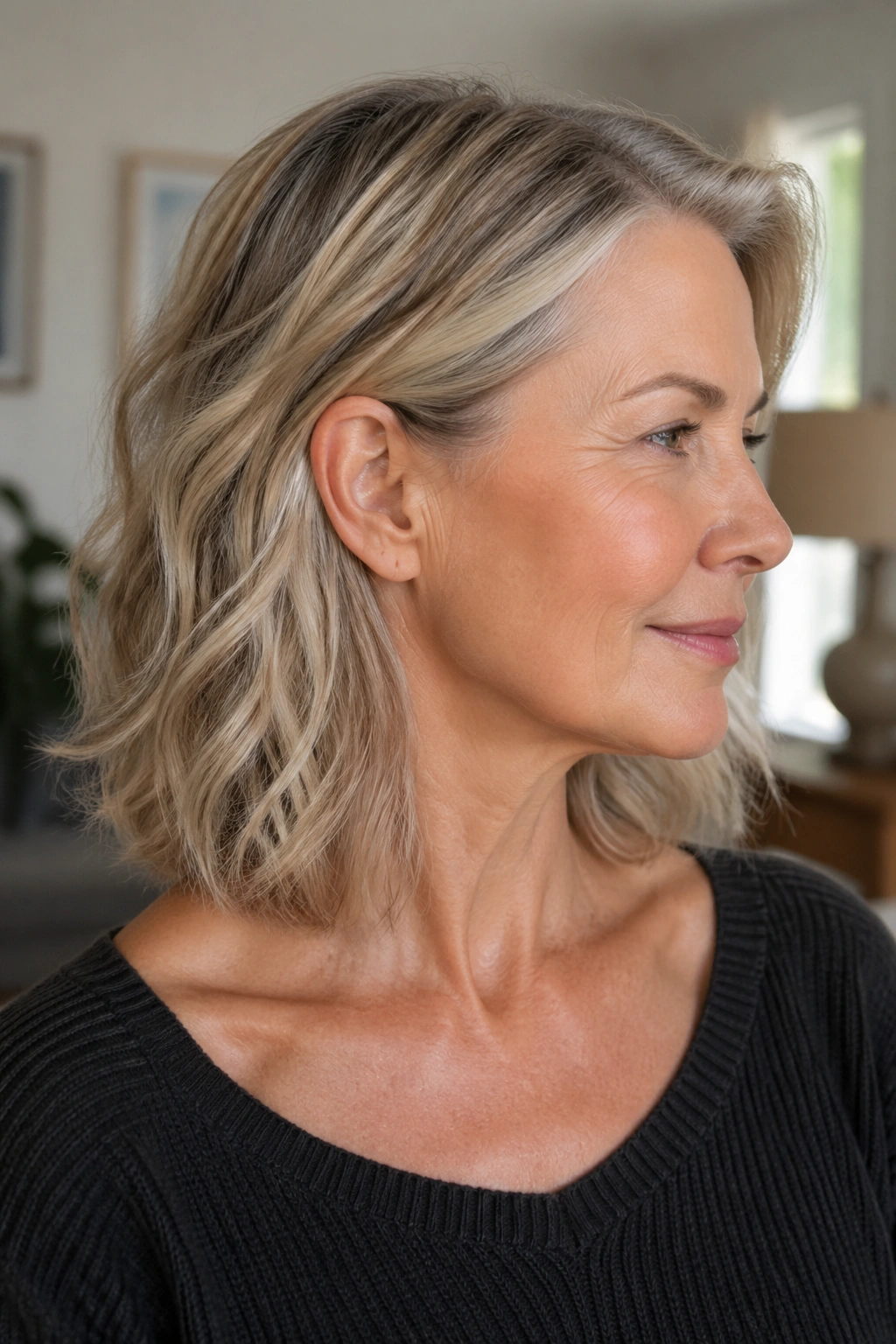
Swoopy layers give the hair a sense of direction. Instead of falling straight down, the waves move around the face in soft arcs, which can be flattering if your features need a little lift.
The lob length keeps the style grounded, while the layers give it swing. That swing matters more than people realize. It makes the hair feel lighter and helps the ends avoid that heavy, draped look that can happen with one-length cuts.
A few things this cut does well
- Softens a square jaw
- Gives movement to medium-density hair
- Works with air-drying or a loose blow-dry
- Looks good pushed behind one ear
It’s a cut with a little flow to it. Nice when you want hair that moves when you do.
35. The Easy Air-Dry Layered Cut
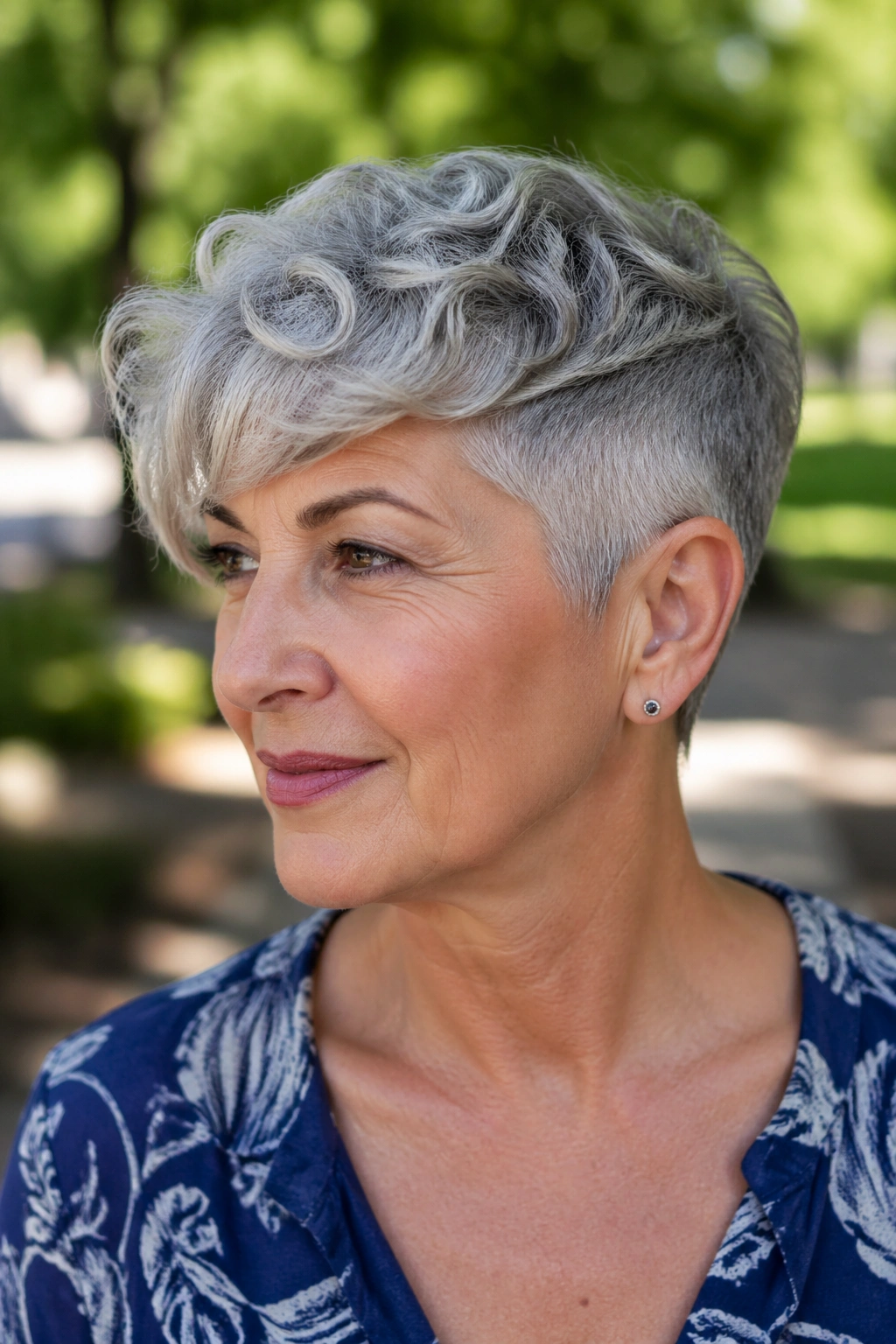
If you want the least fussy version of wavy hair after 60, this is the one I’d hand to you first. The shape is built to air-dry well, with layers placed where the wave needs room and the weight kept where the hair still needs control.
The point is not perfection. It is predictable movement. A little leave-in, a small handful of mousse, scrunching, and a good trim every few months can keep this cut looking polished without a long morning routine. That is the real luxury here.
If you’re stuck between lengths, ask for a soft shoulder-length cut with movable layers, a light face frame, and no blunt shelf at the bottom. That combination gives you the best chance of getting waves that look relaxed instead of puffy, and that’s usually the sweet spot people are after.