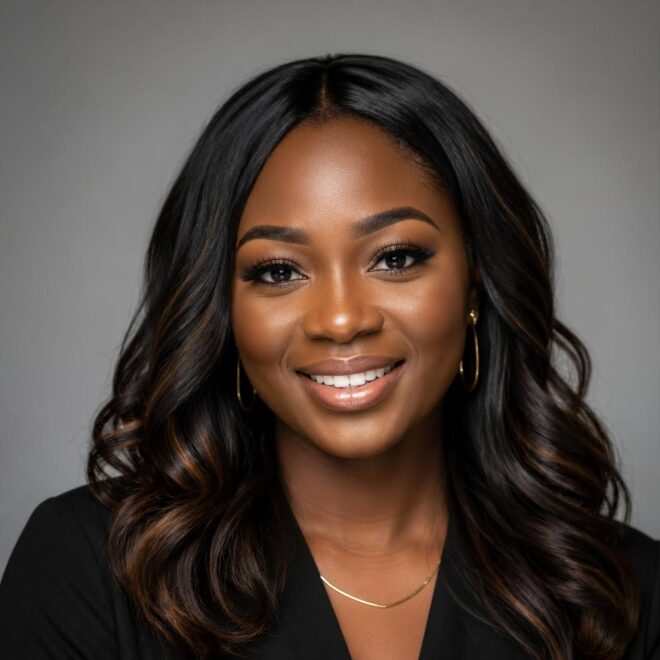


A curly pixie undercut can look razor-sharp or a little chaotic, and the difference often comes down to half an inch at the sides. That tiny shift changes the whole mood: the curls either sit like a deliberate shape, or they start bulking up around the ears and turning the cut into a mushroom you never asked for.
That is why curly pixie undercut hairstyles are so interesting. They are not one thing. They can be soft, hard-edged, airy, dramatic, polished, or gloriously messy, depending on how much length you leave on top and how aggressively you clean up the sides and nape. Curls do a lot of the visual work here, but the undercut does the boring heavy lifting that makes the shape hold.
Small cut. Big attitude.
If you’ve ever looked at a short curly cut and thought, why does this one look chic while mine looks puffy? the answer is usually balance. Curl shrinkage, density at the crown, and the outline around the temples all matter. A good undercut removes bulk where curls tend to balloon, which gives the top room to sit instead of spreading out in every direction. That’s the whole game.
1. Soft Side-Swept Curls with a Skin Fade
This is the version I recommend to people who want the undercut effect without looking like they borrowed a razor from a biker. The sides are faded tight, sometimes all the way to the skin, while the top keeps enough length for curls to sweep diagonally across the forehead. It feels polished, but not stiff.
Why it flatters curly hair
The side sweep softens the sharpness of the fade, which matters if your curls are springy or dense. A blunt top on a skin fade can look boxy fast. A diagonal shape makes the haircut feel intentional, and it gives your forehead a little movement instead of a hard line.
This one also plays nicely with looser curl patterns, especially when the top has enough length to bend over on its own. If your curls shrink a lot, leave at least 3 to 4 inches on top before the first cut. That gives the stylist room to shape the sweep after the curls dry.
How to style it without making it crunchy
Use a light leave-in and a pea-size amount of curl cream on damp hair. Then comb the top in the direction you want it to fall and scrunch once or twice, not ten times. Air-drying works if your curls stay defined on their own; a diffuser is better if the roots collapse.
- Ask for the fade to start low if you want softness around the ears.
- Keep the front 1 to 2 inches longer than the crown for a cleaner sweep.
- Use a light-hold gel only at the hairline if frizz keeps breaking the shape.
- Trim every 3 weeks if your fade grows in fast.
Best for: round and heart-shaped faces, especially when you want the haircut to feel light at the edges.
2. Tousled Crown with a Tapered Nape
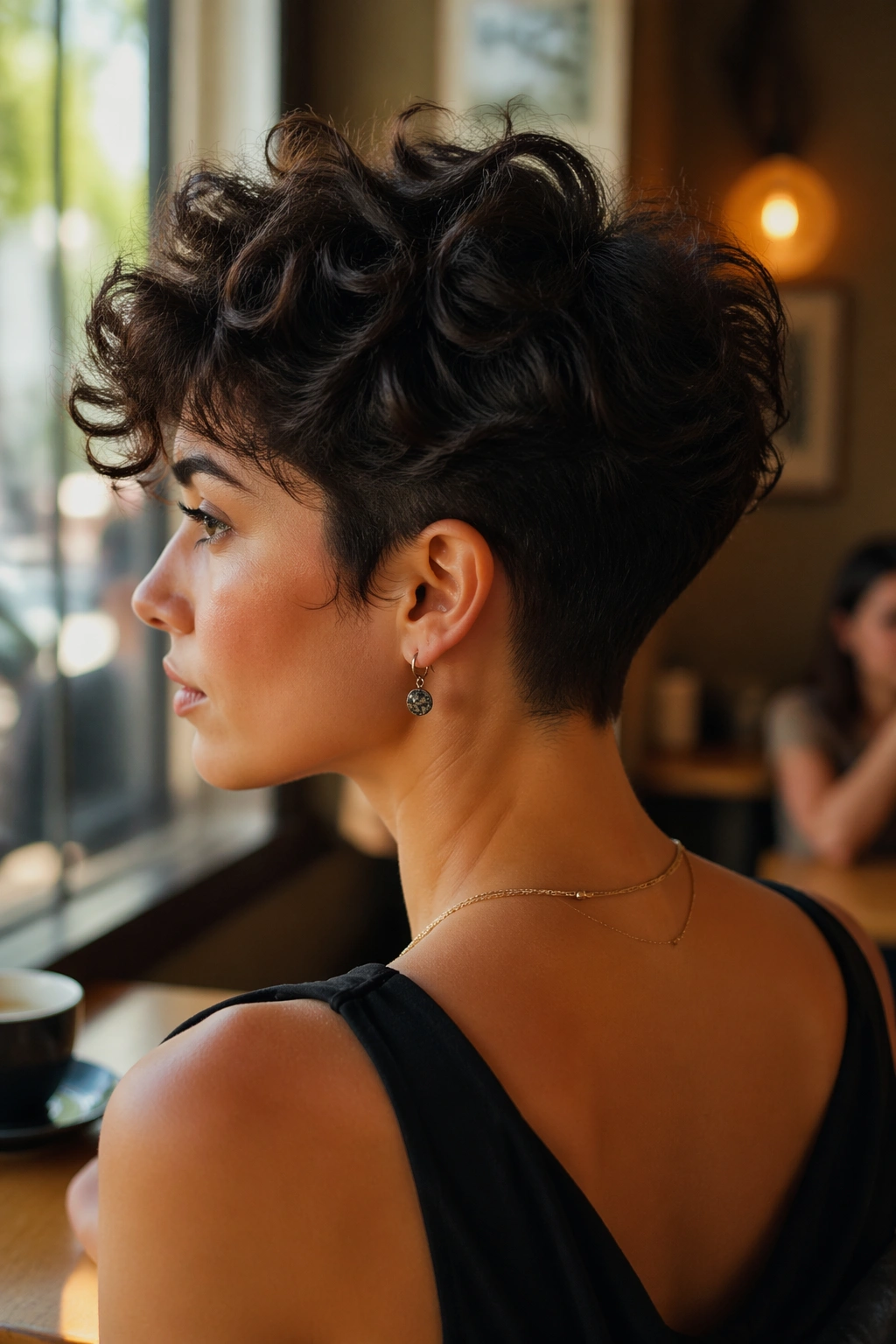
This is the easiest curly pixie undercut to live with. The top stays loose and messy on purpose, while the nape is tapered down gradually instead of shaved into a hard line. It has that undone feel that looks casual in a good way, not sloppy.
The tapered nape matters more than people think. A lot of curly pixies get bulky at the back first, and once that happens, the whole silhouette starts to feel heavy. A gentle taper keeps the neckline clean while letting the crown stay full enough to show curl pattern and texture. It is a smart cut if you like movement but do not want a severe undercut.
I also like this shape for people who wear glasses. The soft edges around the temples keep the cut from fighting with frames, and the longer crown gives you room to tuck a curl behind one ear if you want a more relaxed look. No drama. Just shape.
If you want it to look lived-in rather than puffy, dry the roots with your fingers pointed upward, not flat against the head. That tiny choice changes the whole finish. Flat-drying creates a helmet. Finger-drying gives lift.
3. Finger-Coiled Pixie with a High Undercut
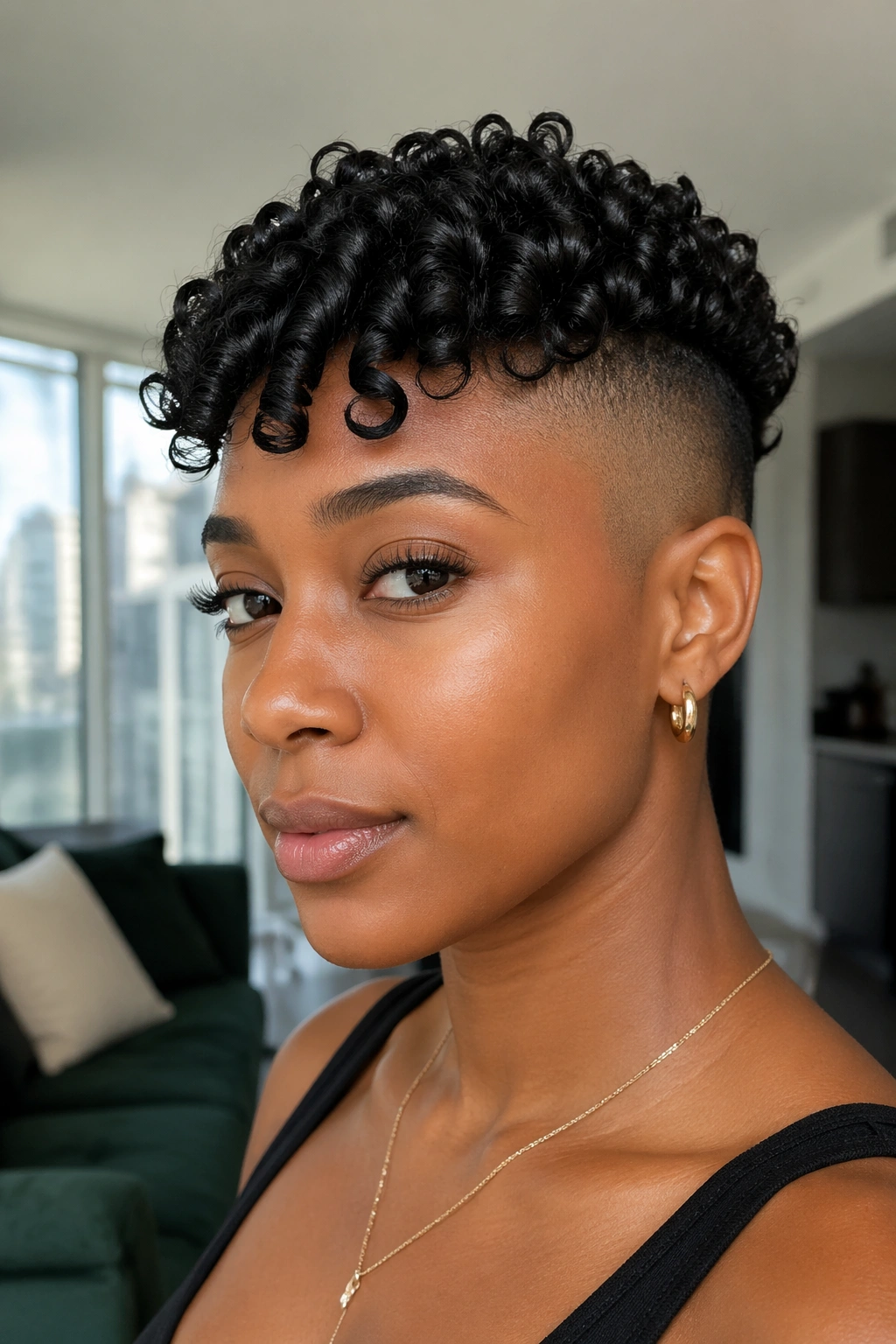
Why do finger coils look so clean on a short cut? Because the shape is controlled from the start. Instead of letting curls land wherever they want, you train the top into neat little spirals, and the high undercut underneath makes those coils read even sharper.
This style is a nice fit if your curls frizz easily or separate too much on short hair. Finger-coiling turns chaos into pattern. It also gives the pixie more staying power between wash days, because the curl definition is built into the set, not left to chance. If you’ve got tighter curls, coils can make the top look denser in a good way.
How to use it
Work on damp hair, not dripping wet hair. Take sections about the size of a pencil, twist each one around your fingertip, and let it release without pulling. A strong gel or styling custard helps the coils hold, but don’t pile it on. Too much product and the roots go flat.
A high undercut gives this cut a real edge, but it can also expose scalp if the contrast is too stark and the top is too short. That’s why I like leaving the crown a little longer than most people expect, usually around 3 inches after shrinkage. It keeps the style from looking pinched.
If you want definition more than softness, this is the one. It is tidy, strong, and a little playful all at once.
4. Curly Mohawk Pixie with Tight Sides
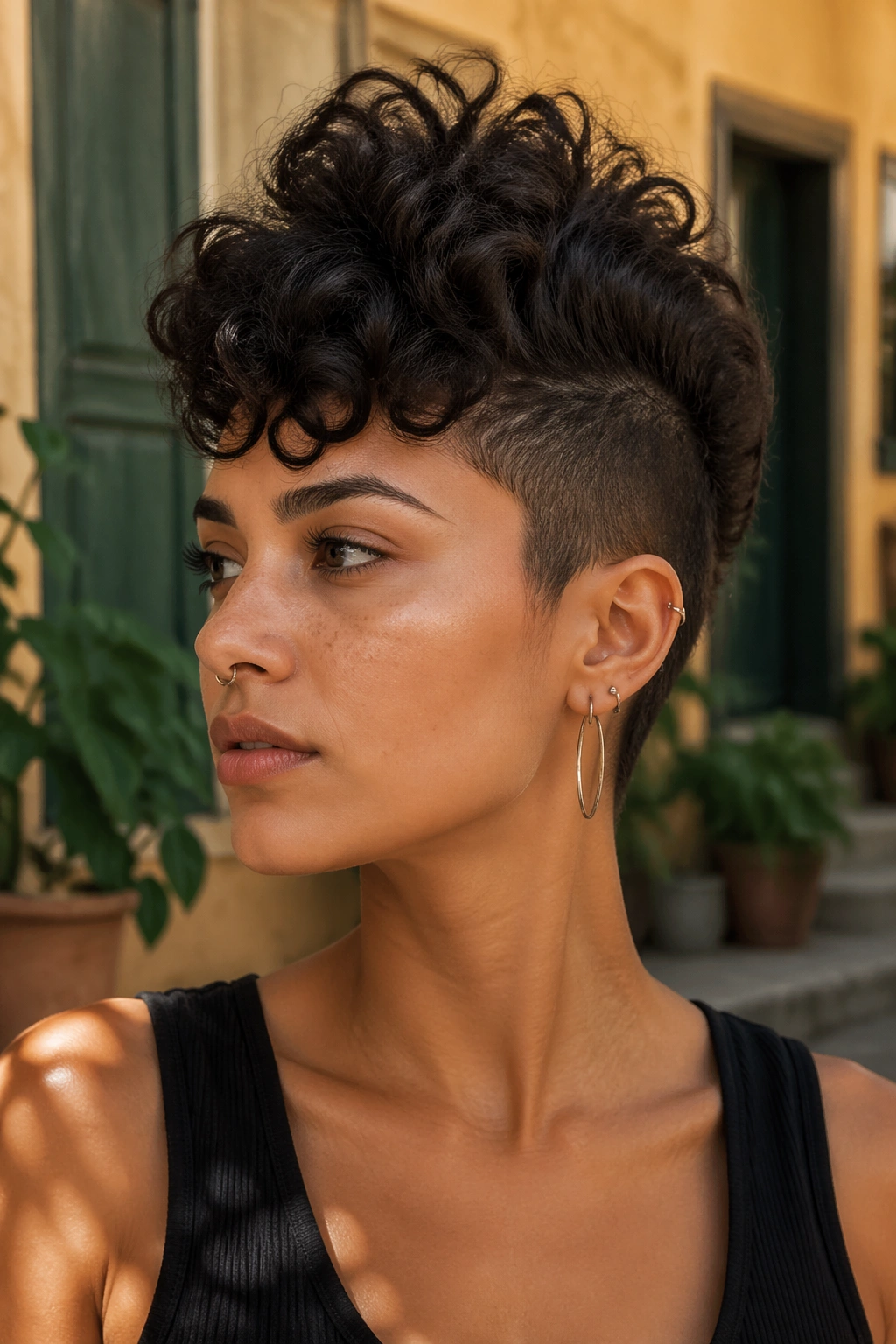
Picture a short mohawk, then make it curlier and less punk-rock by accident. That’s the basic idea here. The center strip runs from the front hairline to the nape, while the sides are cut very tight so the curl pattern becomes the star.
This shape is a good answer when your curls have a lot of height but not much width. Instead of letting the hair flare outward on both sides, the mohawk line pulls everything into one strong lane. It is especially useful if your crown grows faster than your temples, because the center ridge can keep its shape even when the sides start to soften.
The key is not to leave the center too wide. A strip that’s about 2 to 3 inches across usually reads more polished than one that swallows half the head. Wider can work, but it starts to drift away from pixie territory and into full fauxhawk. That may be what you want. It may not.
- Keep the sides clipped close every 2 to 3 weeks.
- Use mousse at the roots for lift, then scrunch the curl lengths.
- Diffuse from underneath to keep the center ridge tall.
- Let the front sit slightly forward if you want the shape to feel less severe.
The cut looks strongest when the top is deliberate. If the curls slump, the whole style loses its line. Straightforward. No mystery there.
5. Asymmetrical Pixie with a One-Side Undercut
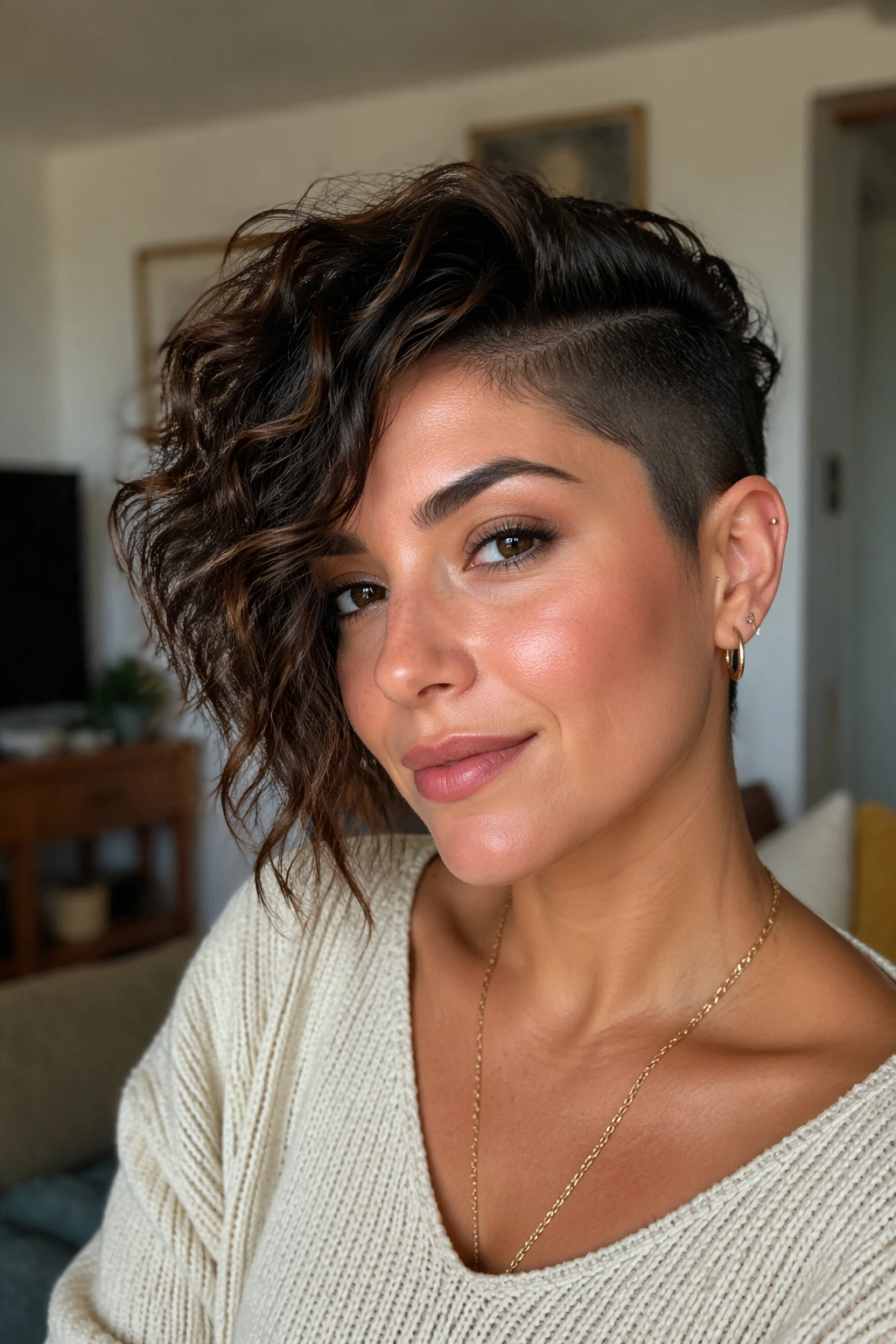
An asymmetrical curly pixie undercut works because it refuses to be tidy in the usual way. One side stays longer, often grazing the cheekbone or jaw, while the other side is clipped close. That imbalance gives the haircut motion even when you are standing still.
I like this one for people who want the undercut to feel personal rather than generic. The longer side can be tucked behind the ear, worn forward across the cheek, or left to fall in a soft curtain. The shorter side clears the face and brings attention to the curls on top. It is a shape with a little attitude, but not in a loud way.
What makes it hold together
The longer side needs weight control, not just length. If the curls on that side are too thick, the haircut turns into a lopsided triangle. Ask for some interior removal or point cutting so the ends move. That keeps the curl from hanging like a block.
A side part helps, even if it is subtle. Draw the part where the hair naturally splits, then encourage the longer side to fall forward with a light curl cream. The undercut on the opposite side can be as tight as you like, but if the longer side is left too heavy, the contrast gets lost.
This cut is one of my favorites for strong curl patterns because it shows off texture without needing perfect symmetry. Symmetry can be overrated anyway. Hair grows how it grows.
6. Defined Ringlets with a Low Fade
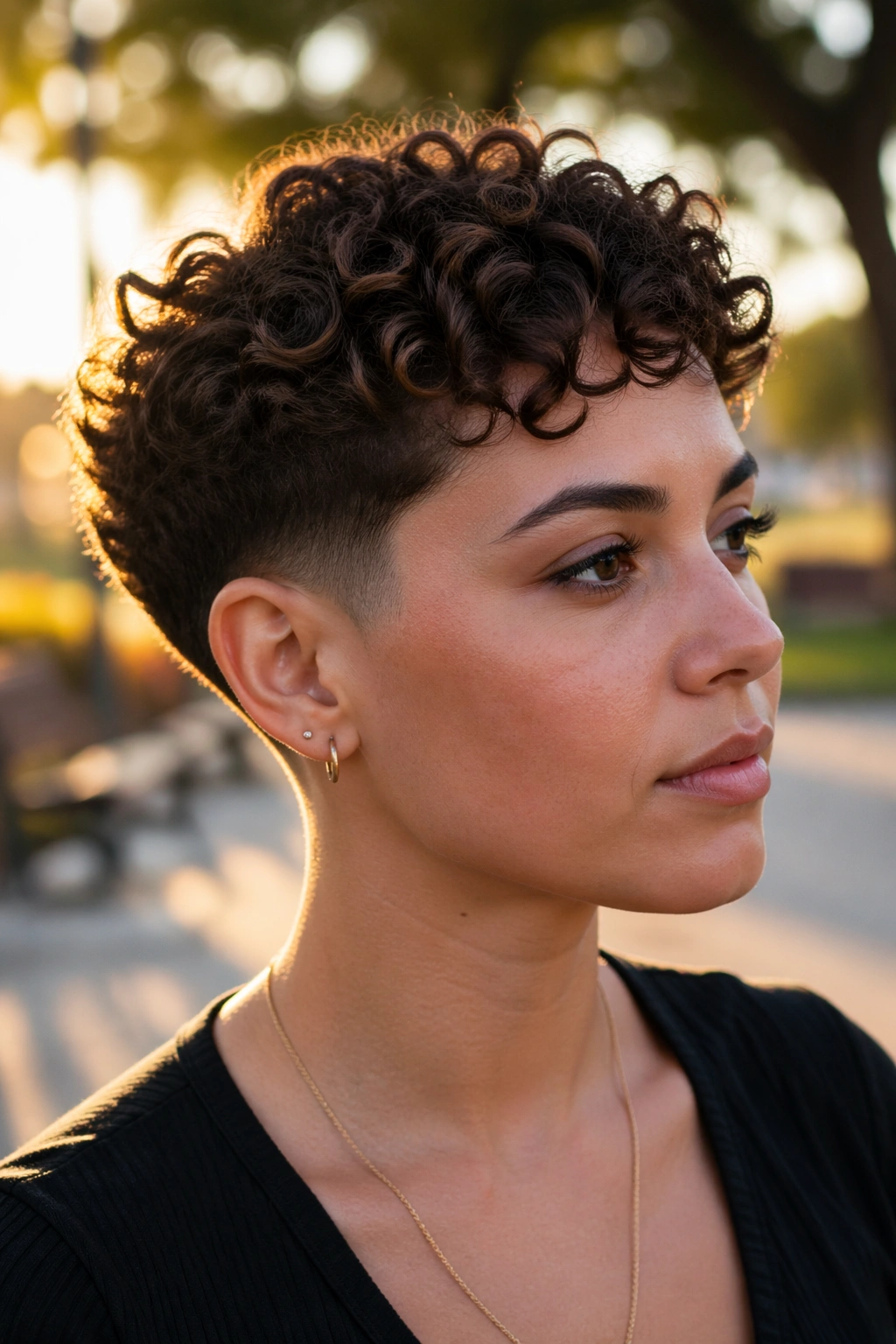
Unlike a skin fade, a low fade keeps the edges softer and gives the curls a more gradual landing. That makes this version feel a little more classic, a little less sharp. The ringlets sit on top in clear little loops, and the fade removes bulk only where the hair tends to puff near the ears and neckline.
This is a smart pick if your curls clump nicely on their own. You do not need a ton of styling drama here. A leave-in conditioner, a medium-hold gel, and a diffuser are usually enough. The goal is definition, not stiffness. If the ringlets start to feel hard or sticky, you’ve used too much product.
Who should pick it
People with tighter curl families often love this cut because it creates a neat shape without flattening the crown. It is also helpful if your hair gets wide before it gets tall. The low fade cleans that side bulk up without exposing too much scalp.
I would avoid over-layering the top. A pixie with ringlets needs some mass to keep the curls from fraying at the ends, and too much thinning can make the whole shape fuzzy after the first wash. Keep the top rounded, keep the fade low, and let the curls do the rest.
A 4- to 6-week maintenance rhythm usually works if your growth is slow. Faster growth? Go sooner. The line around the ears gives the game away fast.
7. Platinum Curly Pixie with Shadow Roots
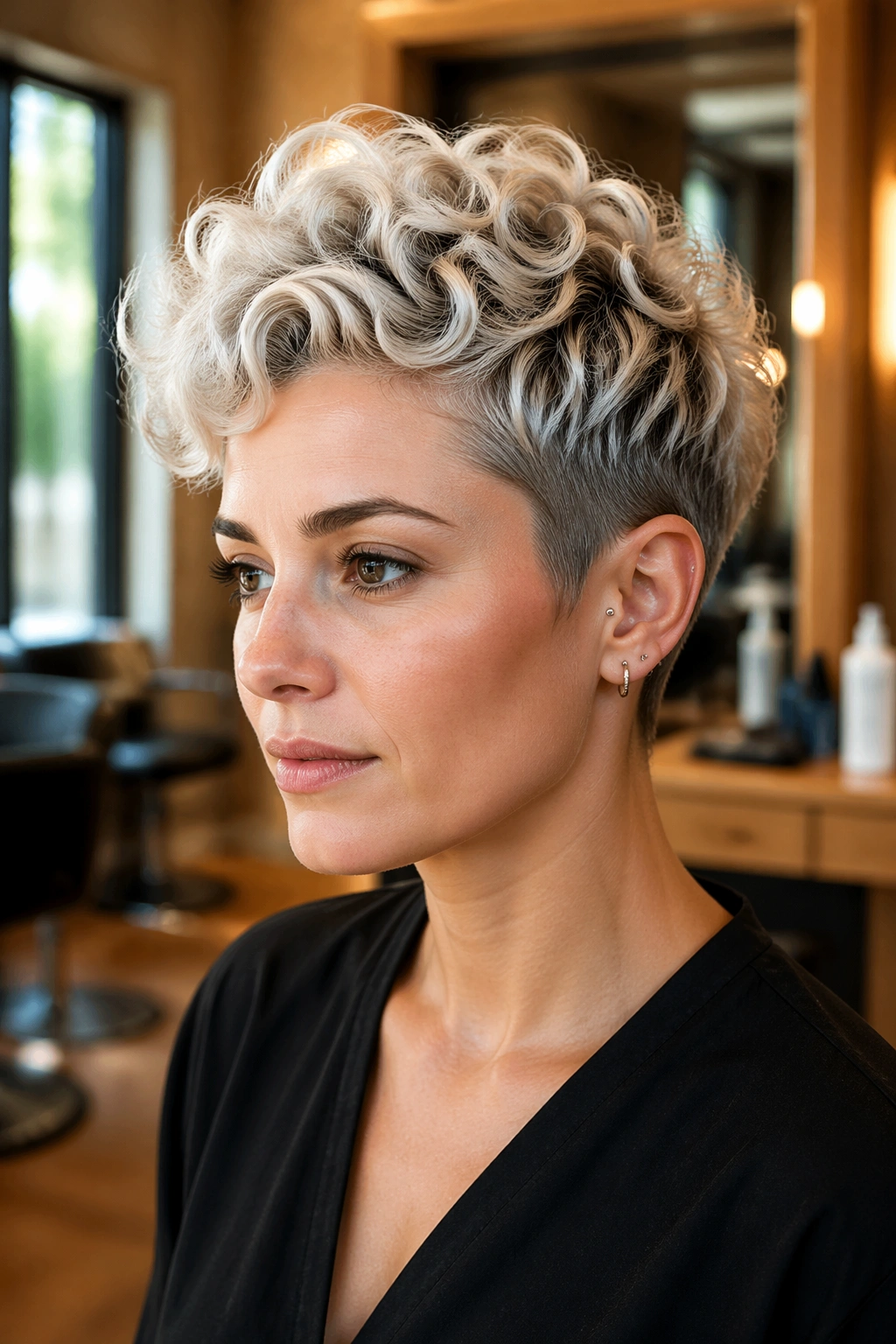
This cut is all about contrast. The platinum color throws every curl into relief, while the shadow roots keep the look from feeling flat or over-bleached. The undercut gives the white-blonde top even more punch because the darker sides create a frame around it.
The color matters more than people expect with short curly hair. A pale blonde on curls shows each bend, coil, and ridge, which is gorgeous when the cut is shaped well and unforgiving when it is not. That means the haircut has to be tidy. If the undercut line is messy, the whole style reads messy. If the curls are too dry, the blonde looks brittle instead of bright.
I like shadow roots here because they make grow-out less awkward. A harsh, one-note platinum needs constant salon attention and a lot of toning shampoo. Shadow roots soften that line and let the cut breathe for a little longer between appointments. It also adds depth near the scalp, which keeps the color from looking like a helmet.
Use bond-building care if you bleach. Don’t skip it. Curly hair already needs moisture, and blonde processing strips away the margin for error fast. A rich mask once a week and a gentle sulfate-free wash can make the difference between crisp curls and straw.
8. Natural Afro Pixie Undercut
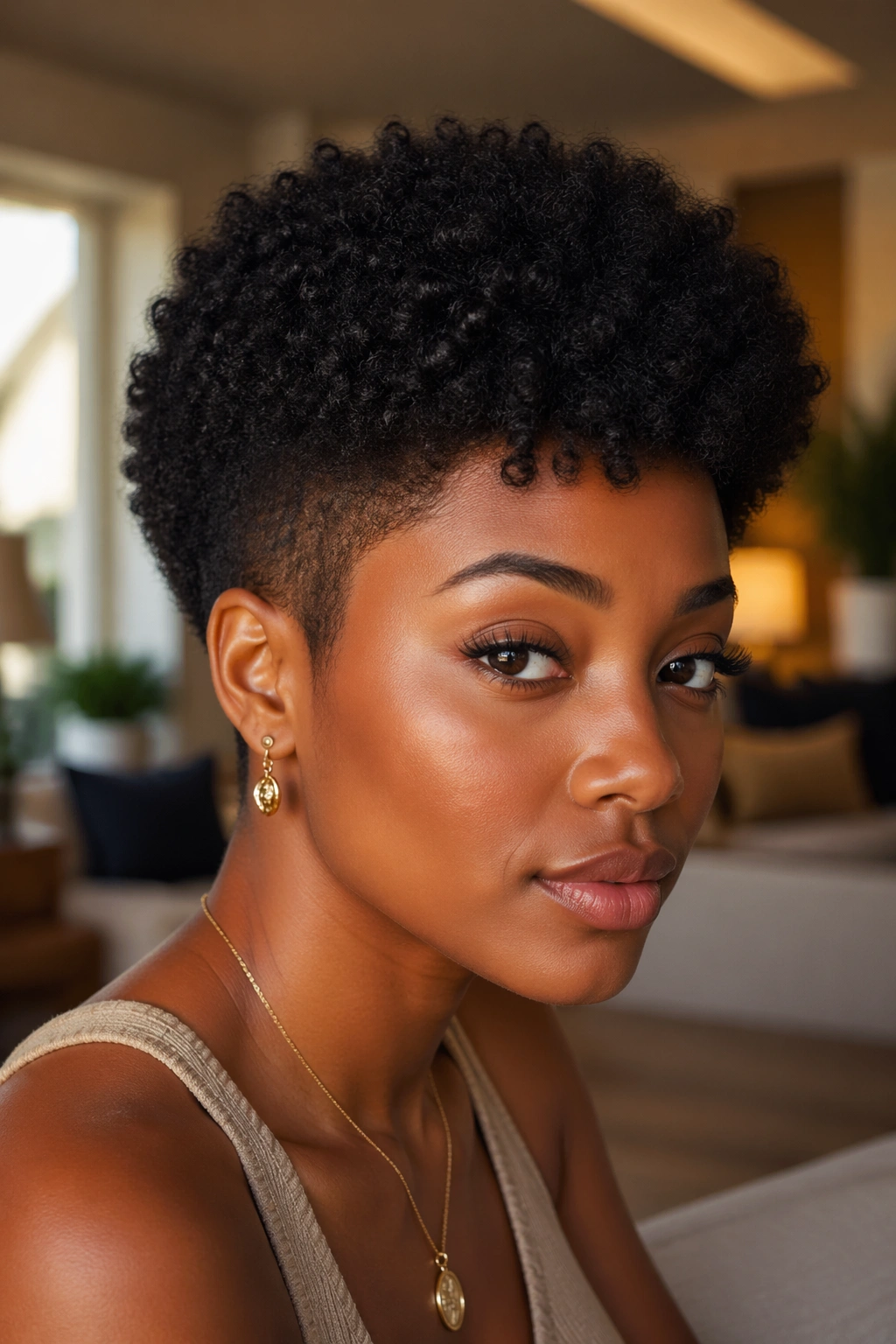
If you want short hair that still feels full, this is the one to watch. A natural afro pixie undercut keeps the top rounded and airy while the sides and back are trimmed down so the shape sits close to the head. It celebrates texture instead of fighting it.
The biggest mistake with this cut is over-reducing the top. Tight coils need room to expand a little, especially once they dry. If the shape is carved too aggressively, you can end up with a flat top and a narrow base, which is not the point. A good afro pixie keeps a soft dome through the crown and ears, with the undercut hidden just enough to sharpen the outline.
What makes it different
It is less about visible contrast and more about controlled volume. You want the profile to look rounded, not square. The sides should taper neatly into the top, but the curl pattern should still feel plush and touchable. That balance is what makes the cut elegant without getting precious about it.
A pick at the roots can help on days when the curls are compressed, though I would use it gently. Two or three lifts around the crown is usually enough. Anything more and you start frizzing the shape apart. A light oil on the ends can help with shine, but only a drop or two. Too much and the haircut collapses.
This style ages well because the silhouette stays clear even as it grows. It just gets a little softer. That is not a flaw.
9. Curly Pixie with a Shaved Design
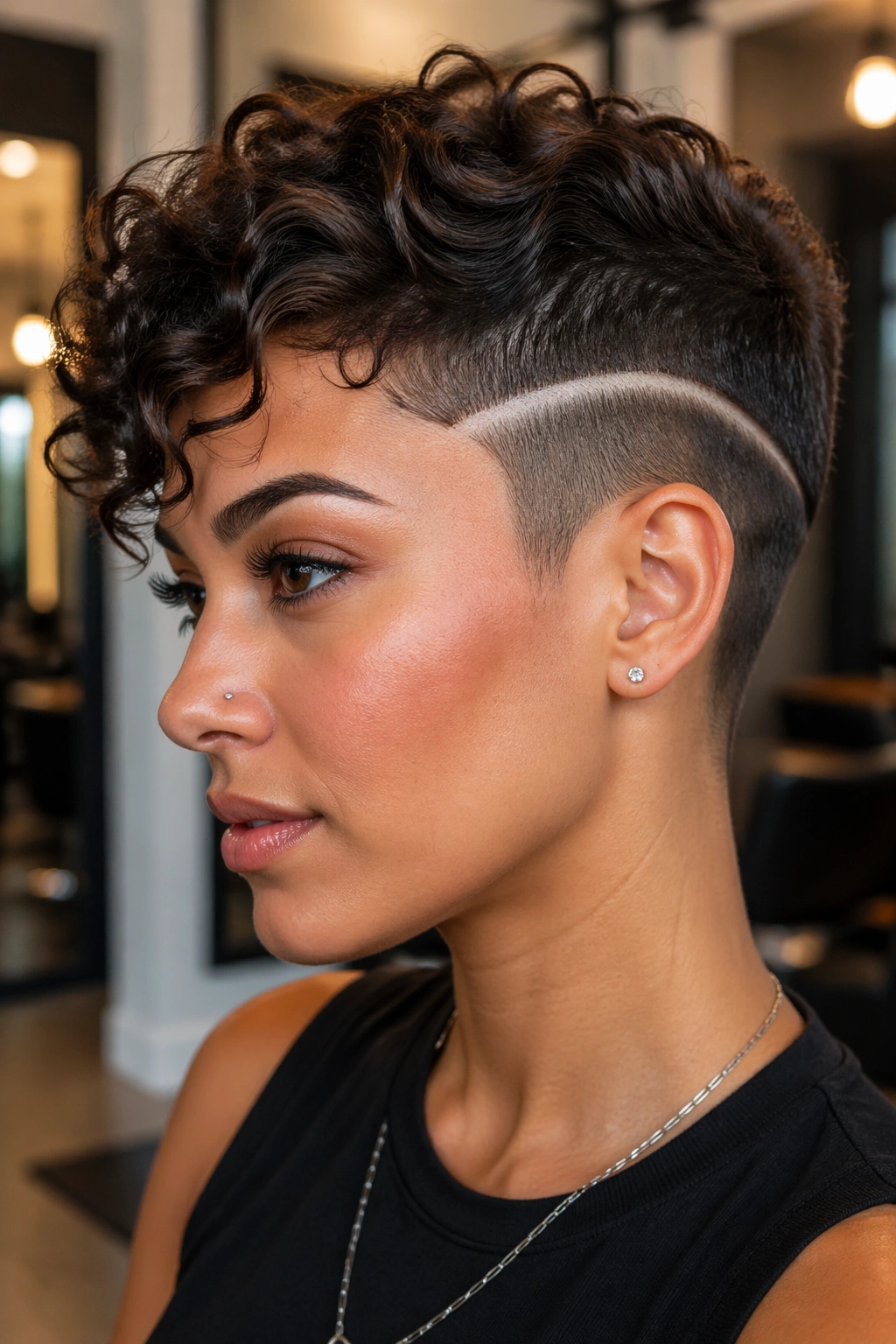
Why settle for a plain undercut when a small shaved design can make the whole haircut feel custom? A single line, a diagonal slash, or a tiny curved pattern at the temple turns a basic curly pixie into something with personality. The curls on top keep it from looking harsh.
The trick is restraint. One clean design is enough. More than that, and the cut can start to look busy fast, especially once the curls begin to move. A simple line works best on short curls because it reads clearly even when the top is fluffy. Thicker patterns need more contrast, which means tighter fading and more frequent upkeep.
How to use it
Ask your barber or stylist to place the design where it can be seen when the hair moves, usually above the ear or into the side panel. If it sits too low, the curls cover it. If it sits too high, the shape can feel disconnected from the rest of the cut. About 1/2 inch above the fade line is often enough to keep it visible.
The real catch is maintenance. A design grows out faster than the haircut itself. Even a small line can blur in a couple of weeks, sometimes sooner if your hair grows quickly. If you like the sharp look, plan for regular touch-ups.
This is the cut for someone who enjoys a little edge but still wants curl texture front and center. The design should support the haircut, not compete with it.
10. Wet-Look Curly Pixie with a Sleek Finish
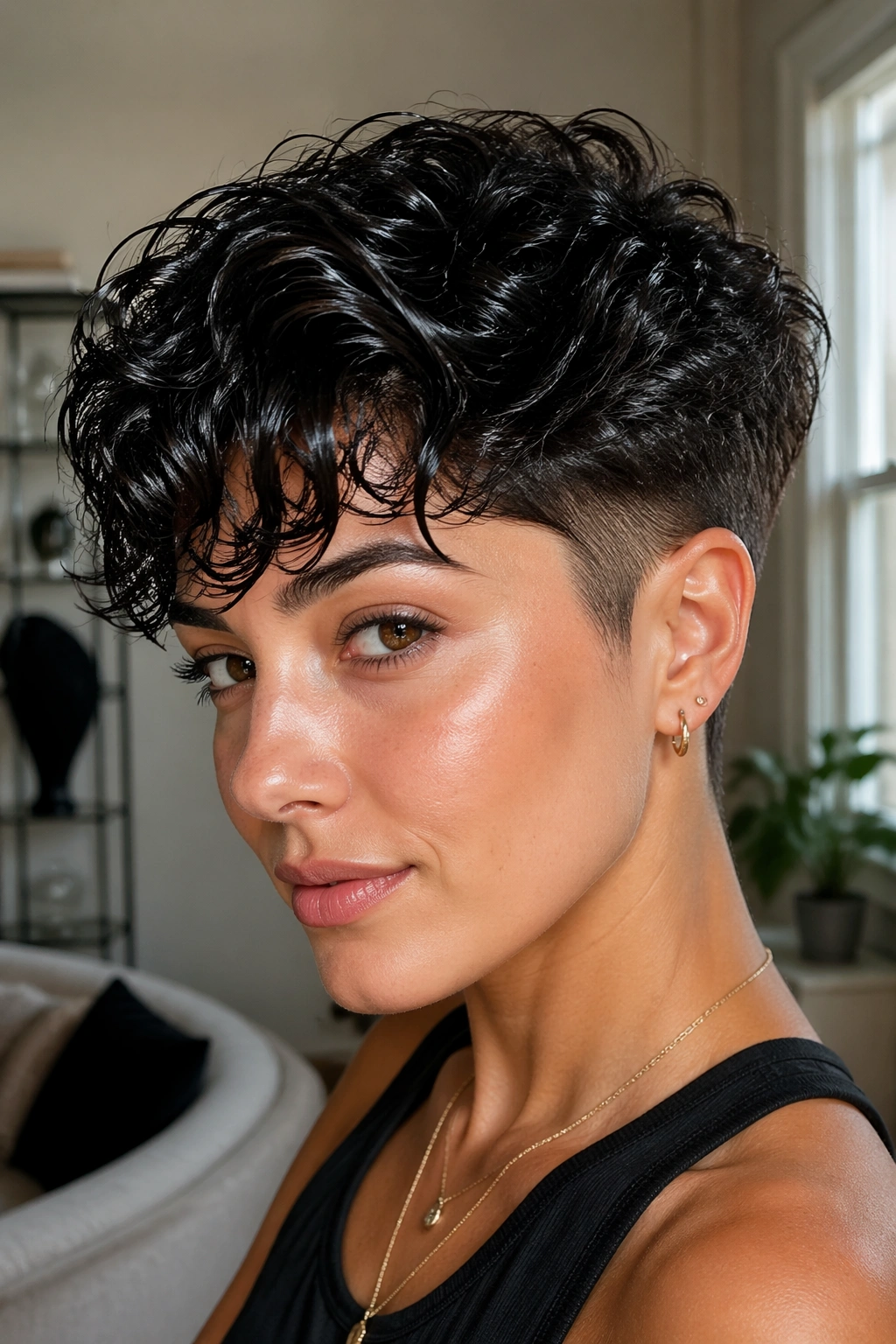
A wet-look curly pixie works because it turns short curls into a polished surface instead of a fluffy cloud. The undercut keeps the sides neat, and the top gets coated with gel or cream-gel so the curls clump together and reflect a bit of shine. It feels dressy, even when the shape is tiny.
This style is especially useful for evenings or formal outfits, but I like it on ordinary days too when you want the haircut to stop acting casual. The wet finish makes the curl pattern look darker and richer, which can be a nice change if your hair is already dense. It also keeps frizz down for longer than a soft diffused style.
- Apply product to soaking-damp hair, not dry hair.
- Use a fine-tooth comb only at the roots if you want a smoother front.
- Scrunch the ends once, then leave them alone.
- Let the hair air-dry halfway before touching it.
The catch is that this look exposes everything. Uneven edges, product buildup, and a crooked part all show up more clearly than they do in a fluffy style. So the cut itself needs to be clean. If the undercut is uneven, the wet finish will not hide it.
It’s a sharp style, but not a fragile one. You can soften it later by raking out the gel once the hair dries. That change in texture is half the fun.
11. Soft Mullet-Inspired Curly Pixie Undercut
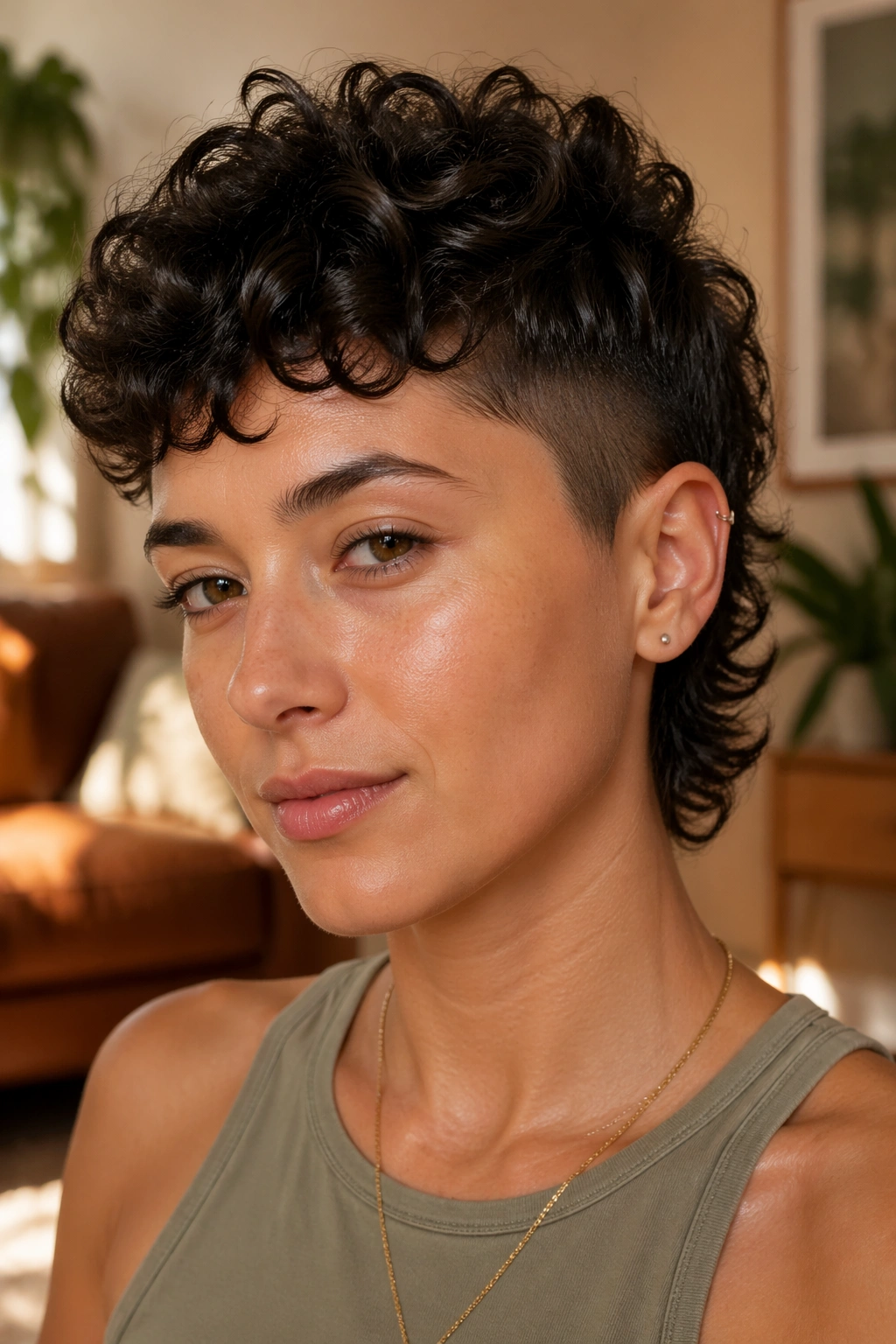
This cut borrows a little from the mullet but keeps the proportions small and wearable. The front and sides stay short, the crown stays airy, and the back is left a touch longer so the curls trail softly toward the nape. It is not a retro costume. It’s a shape with some movement.
I like this on curls that need room to bounce. A super short back can make some curly pixies look too neat, almost clipped into place. Leaving a little extra length at the back creates a softer finish, especially when the hair dries and the curl pattern expands. The undercut handles the bulk near the ears, so the longer back does not turn heavy.
The important thing is moderation. If the back gets too long, the cut stops reading as a pixie and starts looking like a grown-out short cut. Keep the difference subtle: maybe 1 inch shorter in the front than the back, or a little more if your curl shrinkage is dramatic. That’s enough to create shape without making the haircut feel costume-y.
This one suits people who like a messy finish and don’t mind a bit of edge. If you want tidy symmetry, skip it. If you want texture that moves when you turn your head, keep reading mirrors until you like what you see.
12. Long-On-Top Curly Pixie with a Hidden Undercut
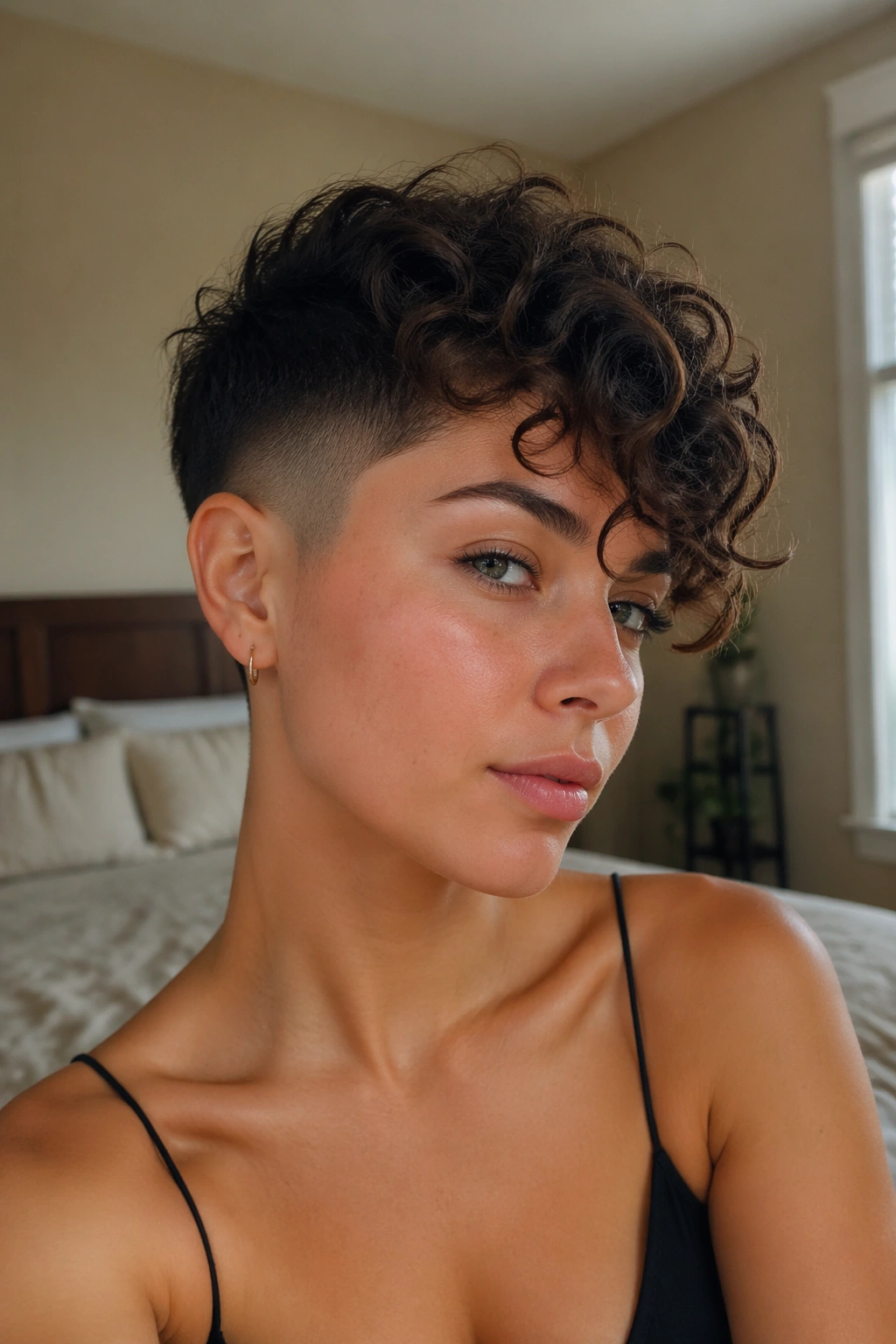
Unlike a high-contrast fade, a hidden undercut keeps the drama tucked away until the hair moves. From the front, you see a fuller curly pixie with length on top; from the side or back, the undercut quietly removes bulk and keeps the shape from expanding outward. It is a good compromise if you want short hair that still gives you styling room.
This is the style I’d point to for someone who is nervous about going too short. The top can sit around 4 to 5 inches in front, depending on shrinkage, while the undercut clears out the nape and lower sides. That means you can wear the curls forward one day, slightly brushed back the next, or pinned to one side when you want a cleaner profile.
What to ask for at the salon
Be specific about the hidden part. Ask for the undercut to stay below the parietal ridge, which is the curved area where the head starts widening. That keeps the shorter section out of sight unless you lift the hair. If the undercut creeps too high, the style loses the soft reveal that makes it interesting.
The hidden undercut also buys you time between trims. The shape holds longer because the bulk is already gone where it usually gets messy first. That is a nice thing, because curly pixies can go from chic to triangular faster than anyone likes to admit.
If you want just one curly pixie undercut hairstyle that gives you flexibility, this is probably it. It can look soft at breakfast, sharper by dinner, and still make sense the whole way through.