



Thin curly hair is a bit of a paradox. You have all the natural movement and texture that people with straight, fine hair spend hours trying to replicate with irons and rollers, yet you likely struggle with the “limp root” phenomenon. When your curls are fine—meaning the individual strands are thin in diameter, or you simply don’t have enough of them to create a dense mane—long lengths tend to pull the curl pattern straight. Gravity is the enemy of the ringlet.
That is exactly why the bob is the holy grail for this hair type. By taking the weight off, you allow the curl to spring back to its natural, tighter shape. It isn’t just about cutting hair short; it is about architectural engineering. A well-executed bob can make your hair look twice as thick as it actually is, creating a silhouette that feels intentional, playful, and incredibly low-maintenance.
The key to a successful curly bob when your hair is on the finer side is avoiding the “pyramid” effect. This happens when the top of the hair is flat and the bottom is bushy, usually because of over-layering or cutting too blunt in the wrong places. You want a shape that creates lift at the roots and maintains enough body through the mid-lengths. Forget about waiting for your hair to grow out to “manage” it. A sharp, smart cut is the best product you can invest in.
1. The Blunt Chin-Length Bob
This is the most effective cut for creating the illusion of density. When you cut curly hair at a perfectly straight, blunt line, you stack the hair strands on top of one another. This creates a solid base that visually screams “thickness.” It forces the ends to sit together, which prevents that wispy, see-through look that often haunts fine-haired curly folks when they grow their hair out.
Why It Works for Fine Strands
When you have fine hair, every strand counts. Layering can sometimes remove too much bulk, leaving your ends looking like frayed ropes. A blunt bob keeps all that weight at the bottom, which pushes the hair outward rather than downward. It gives your curls a solid foundation.
Styling Tips for Maximum Impact
- The Cut: Ask for a “zero-elevation” cut. This means the stylist shouldn’t pull the hair up to cut it; they should cut it while it’s falling naturally against your neck.
- Product: Use a light-hold mousse rather than a heavy cream. You want volume, not weighed-down ringlets.
- Maintenance: This style requires a trim every six to eight weeks. Because the blunt line is the feature, as soon as it grows out unevenly, the effect is lost.
2. The Textured French Bob
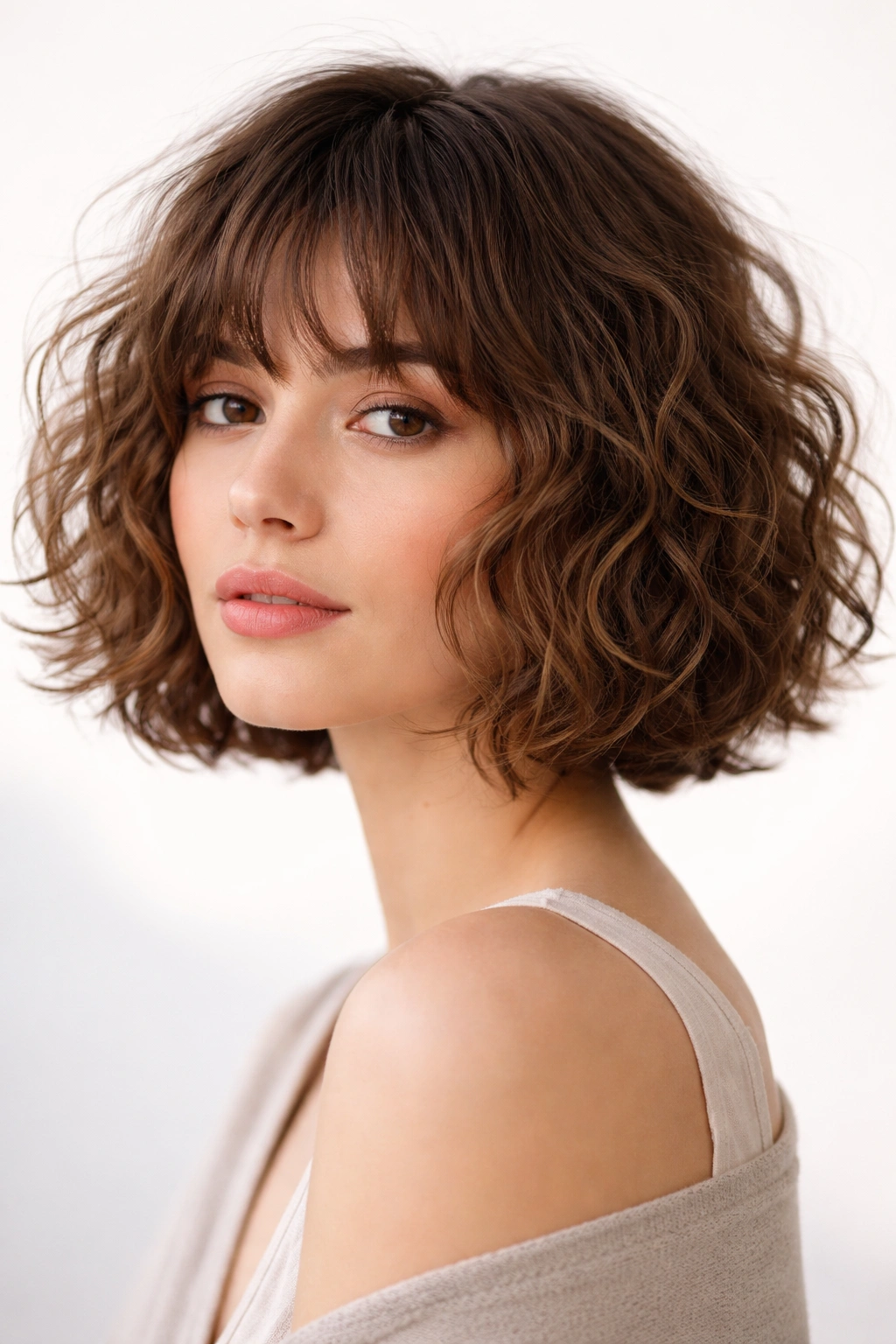
If you crave that effortless, “I woke up like this” aesthetic, the French bob is your best friend. It typically hits right at the cheekbone or jawline, but the secret sauce is in the fringe. It is shorter, often a bit piece-y, and embraces the natural messiness of curls rather than trying to tame them into perfect coils.
Balancing the Shape
The French bob is all about the frame. By bringing the hair forward with shorter layers around the face, you create a sense of movement that distracts from the lack of overall density. It feels deliberate and chic. You don’t need a massive amount of hair to pull this off because the style relies on texture, not volume-by-quantity.
How to Keep It Looking Intentional
- The Bangs: Do not let the stylist cut the bangs too short immediately. Curly hair shrinks significantly. Start with the bangs hitting just below the brow, and let them spring up.
- Dry Cutting: This is non-negotiable for curly hair. Your stylist needs to cut your hair dry, in its natural state. If they cut it wet, they won’t know where each curl is going to land.
- Texture: Use a salt spray or a light texturizing powder at the roots to give it that gritty, undone feel.
3. The Stacked Inverted Bob
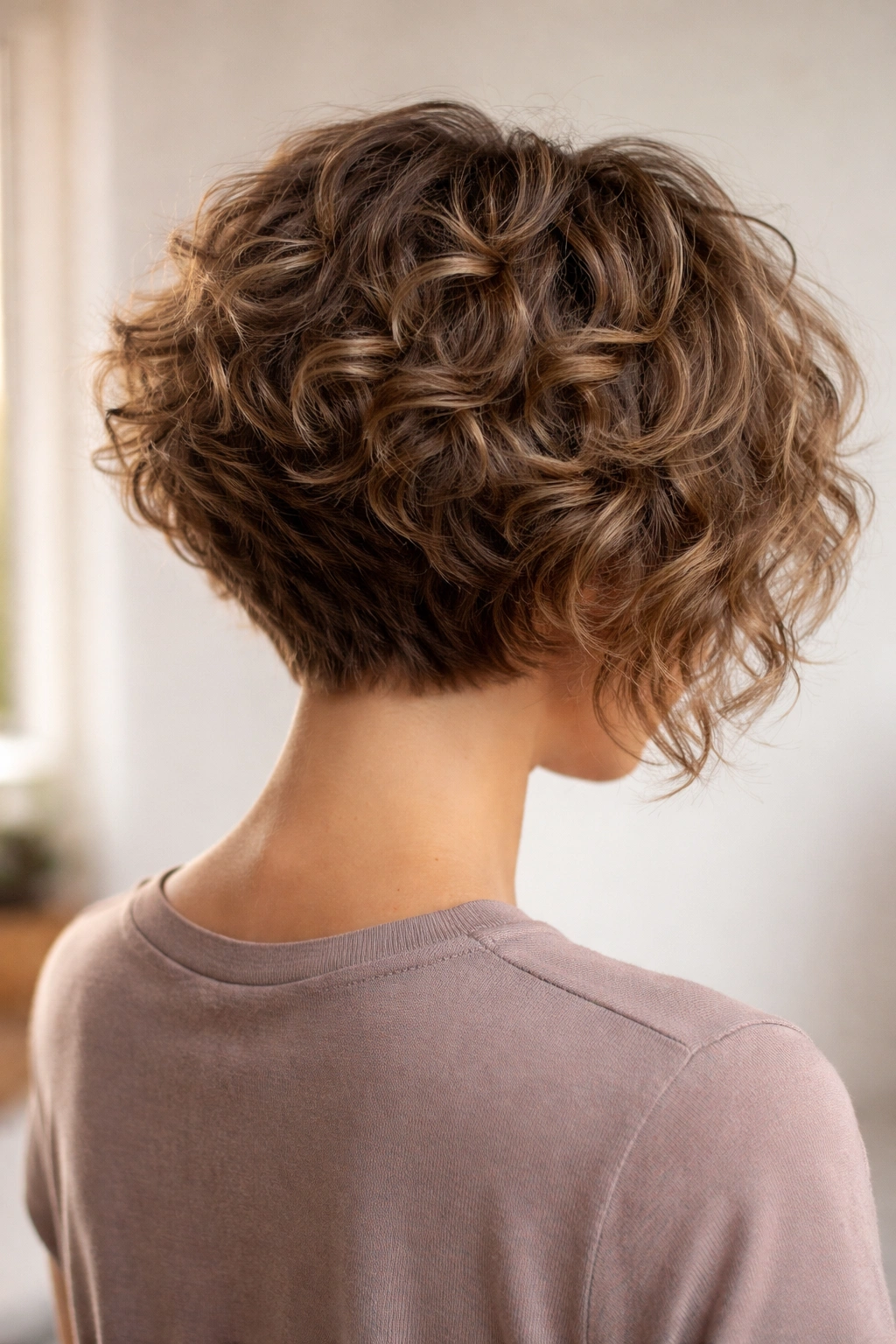
For those who feel their hair is truly flat at the crown, the inverted bob is the solution. This cut is shorter in the back—often featuring a slight “stack” or graduation of layers at the nape of the neck—and longer toward the front. That stacking creates an instant wedge of volume where you need it most.
The Physics of the Stack
The back of your head is where you have the most difficulty generating lift. By cutting the hair shorter at the nape, you remove the heavy length that usually drags down the curls. The shorter pieces are lighter and springier, acting like a structural scaffold for the rest of your hair to build upon.
Who Should Avoid This
If your curls are extremely tight (coils), an inverted bob can sometimes make you look like you have a “shelf” of hair. This style is best for wavy to loose curly textures. If you have tight curls, you might want a more subtle graduation rather than a dramatic, sharp stack.
4. The Curly Shag Bob
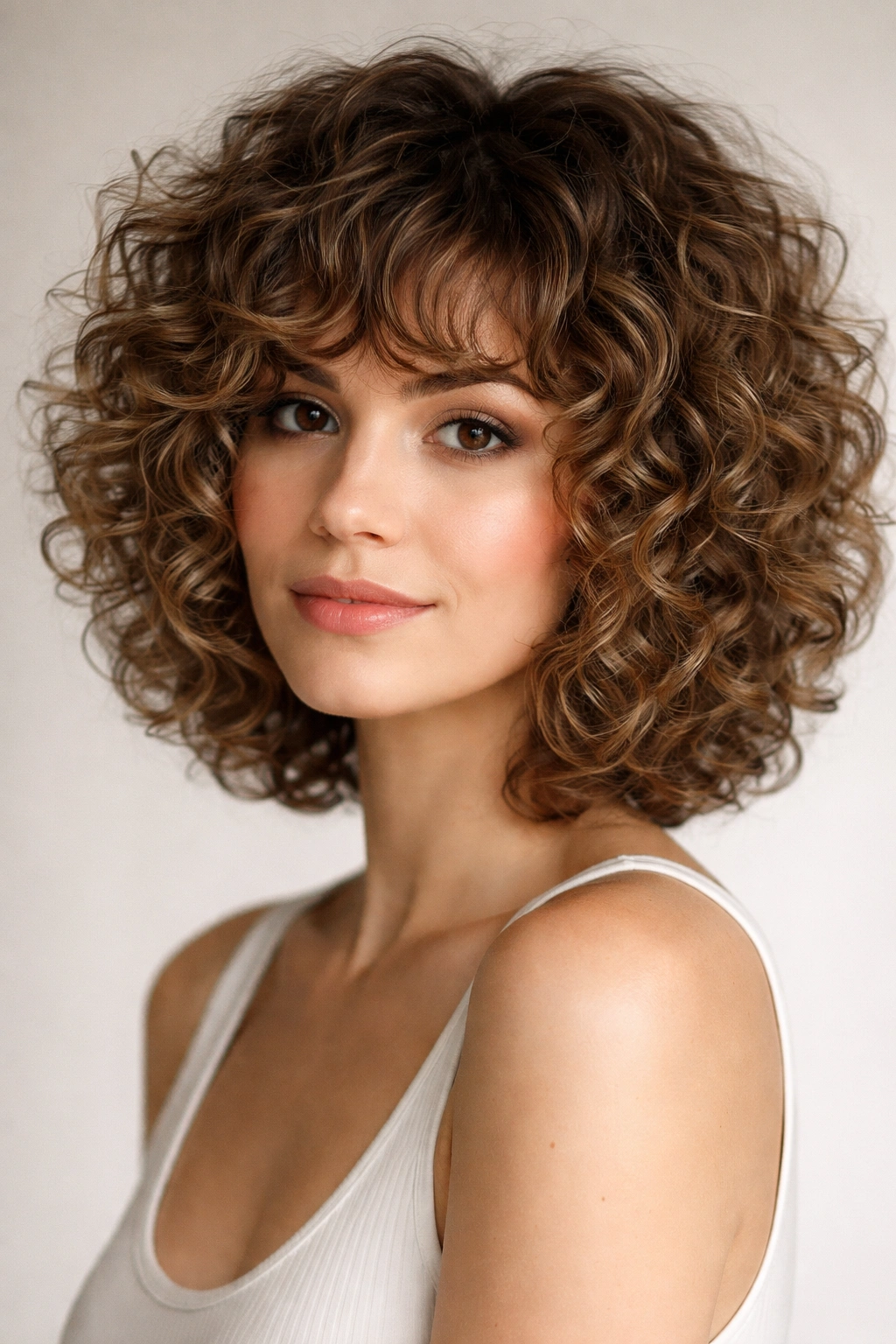
Think of this as the rock-and-roll version of the bob. It involves internal layers—shorter pieces cut into the body of the hair—which creates space for the curls to expand. Unlike a traditional blunt bob, the shag is all about creating a “halo” of volume around your head.
Why Internal Layers Are Key
Traditional wisdom says “don’t layer fine hair,” but that only applies to thinning it out. Internal layers are different. They act like internal springs. By cutting into the hair, you give the curls somewhere to sit. It’s like creating little shelves for your hair to rest on, which stops the hair from collapsing under its own weight.
Essential Styling Routine
- Diffusing: You absolutely need to use a diffuser. Air drying a shag often leads to flat roots. Flip your head upside down and use the diffuser to push the roots upward.
- Root Lift: A root-lifting spray applied while the hair is damp will make a world of difference here. It ensures that the “shaggy” top layer doesn’t lie flat against your scalp.
5. The Asymmetrical Side-Part Bob
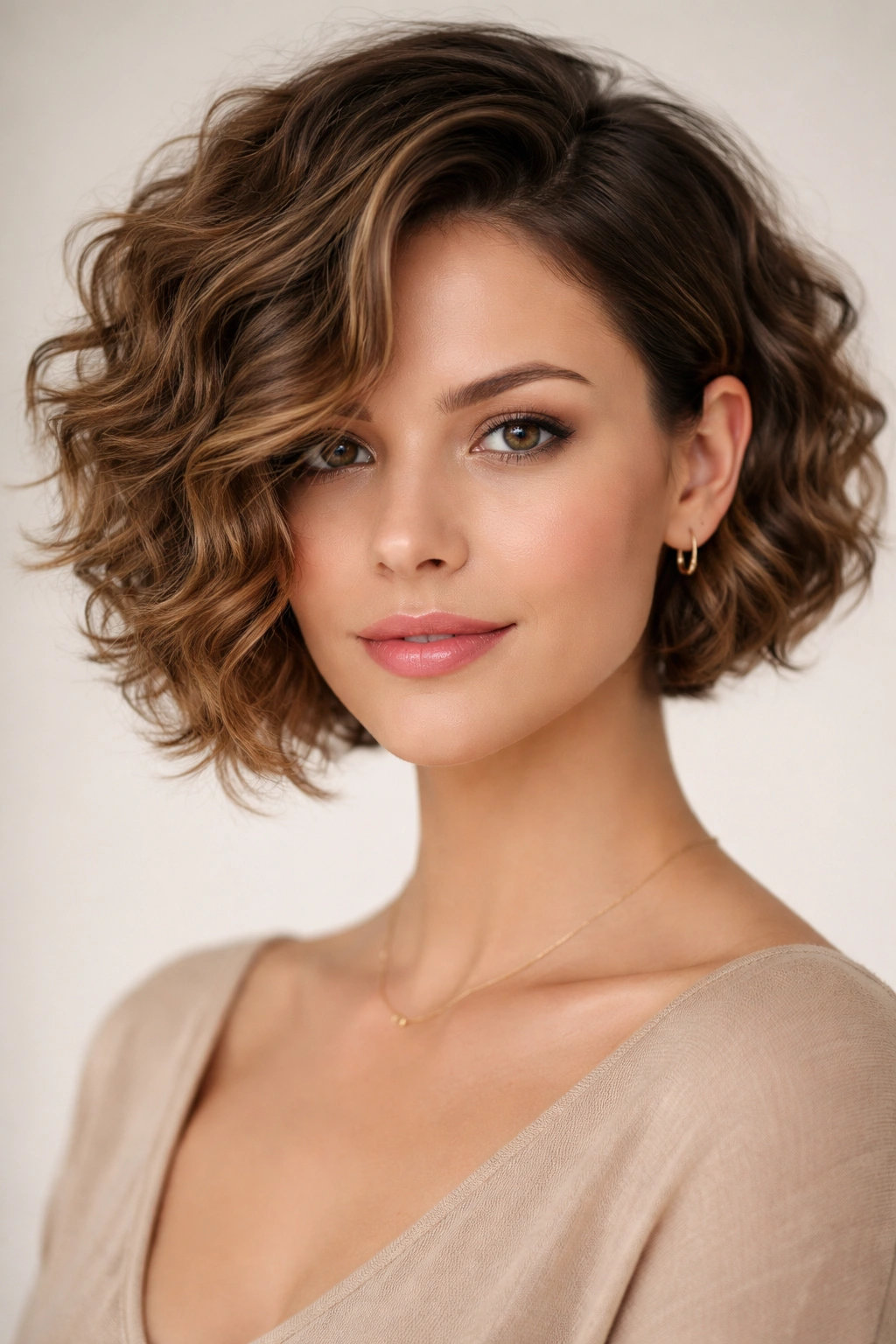
This is an optical illusion trick. By shifting your part to the side, you immediately double the amount of hair on one side of your head. When you pair this with a bob that is cut slightly shorter on one side, you create a dynamic, unbalanced look that screams volume and style.
Why The Side Part is Essential
A center part creates symmetry, which can make fine hair look, well, thinner. If your part is perfectly down the middle, your hair has to split evenly, revealing more of your scalp. A side part creates a “wave” of hair that hangs over the forehead and cheek, adding bulk where you need it most.
The Cut Details
- The Difference: Ask for a bob that sits about an inch or two shorter on the side opposite your part. This creates a cleaner, more modern line.
- Switching It Up: If you get bored, you can flip your part to the other side to get a completely new look and some extra root volume.
6. The Wispy Bang Bob
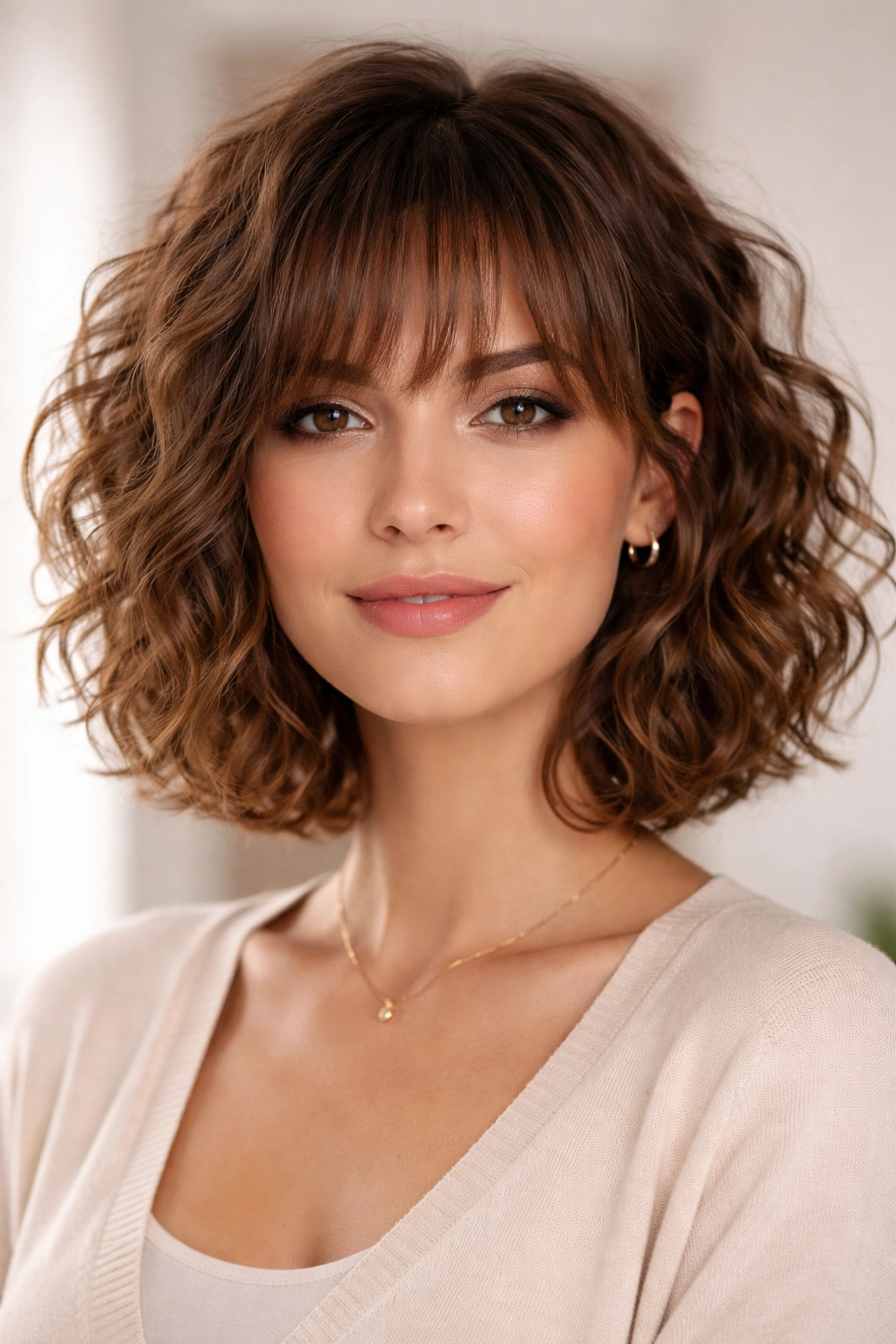
If you want the benefits of a fringe without the heaviness of a full, thick block of hair, a wispy bang is the way to go. This involves cutting the front of your hair into a fringe that allows light to pass through. It softens your features and makes your hair appear less “severe.”
Framing the Face
For those with fine curly hair, a heavy bang can take up too much of your limited hair volume. By opting for wispy bangs, you save the hair from the front-top of your head to integrate into the rest of the style, keeping the overall look full and cohesive.
Maintenance and Care
- Trimming: Bangs grow fast, and because they are the first thing people see, they need frequent attention. Learn to trim them yourself with styling scissors, but only a tiny bit at a time.
- Daily Styling: You cannot just let these air dry without a little help. Use your fingers to coil the bangs while they are wet so they sit correctly, rather than frizzing out in random directions.
7. The Shoulder-Grazing Lob
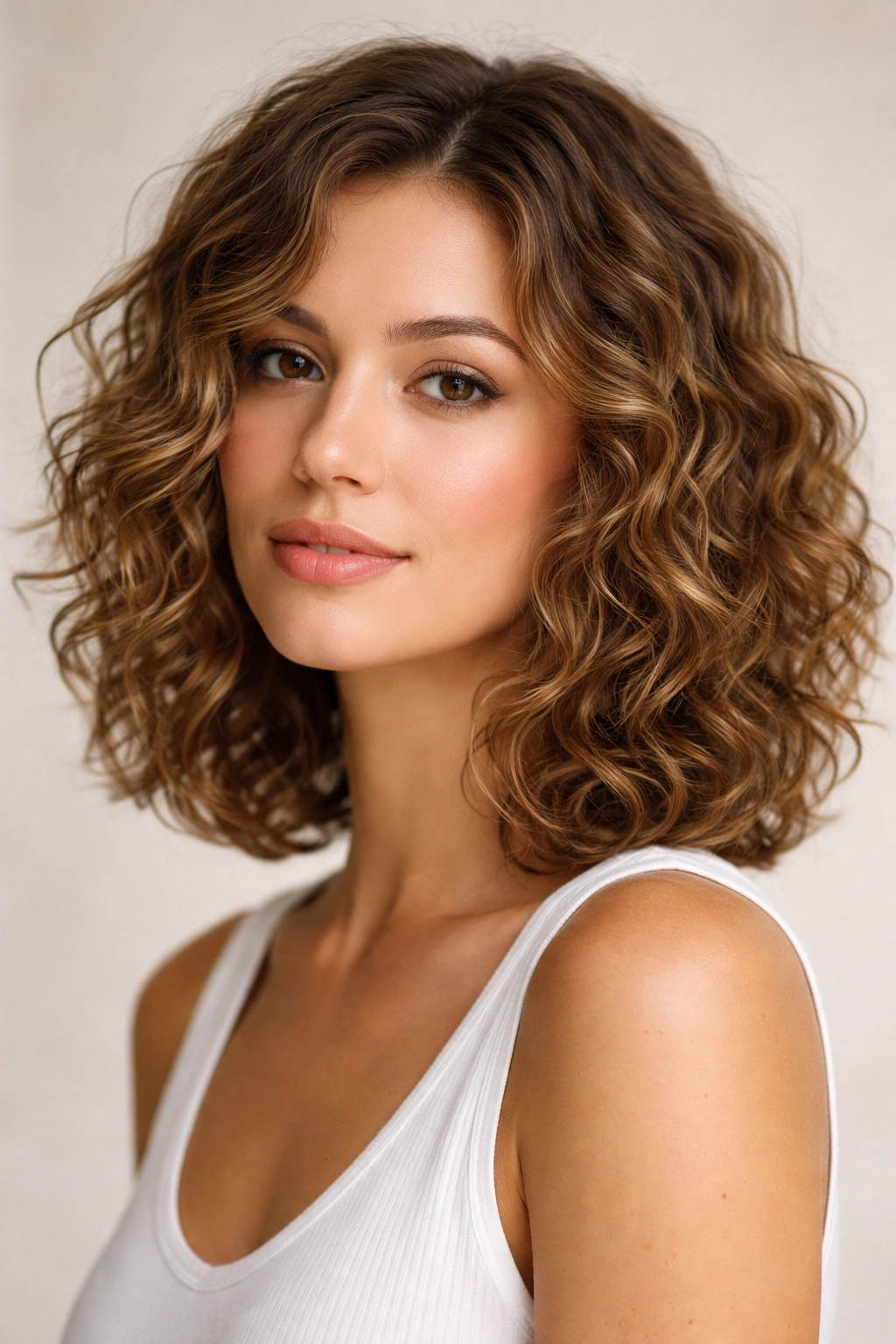
The “lob” or long bob is the safest choice for those who are afraid of going too short. It hits right at the collarbone. It’s long enough to put into a ponytail but short enough that it doesn’t lose the curl pattern. It is the perfect middle ground between “long and limp” and “daringly short.”
The “Goldilocks” Length
Many people with fine hair find that once their hair hits the shoulders, the weight of the ends pulls the curl pattern out, turning them into a “wavy frizz” instead of distinct curls. A lob prevents this by cutting off the dead weight right at the shoulder, letting the curls regain their bounce.
Styling for the Lob
- Versatility: Since it’s longer, you can do more with it. You can wear it half-up to create the appearance of more volume at the crown.
- Layering: Keep the layers minimal here. If you layer a lob too much, you’ll end up with “stringy” ends. Focus on just enough layers to create movement.
8. The Deep Side Part Bob
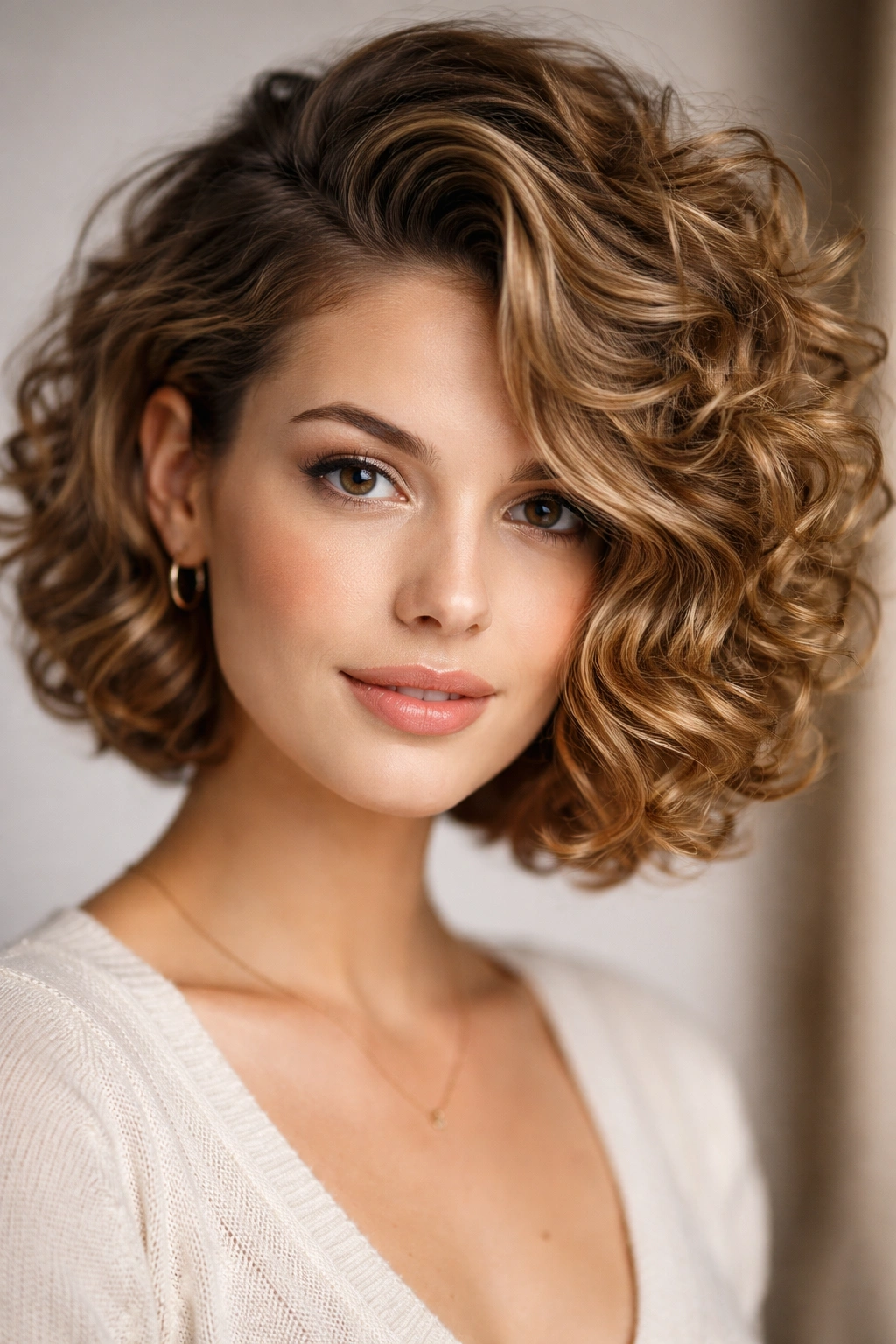
This isn’t just about a haircut; it’s about a styling commitment. A deep side part is the ultimate hack for fine-haired curly folks. When you sweep the majority of your hair over to one side, you build a massive amount of volume at the roots. It forces the hair to stand up on its own.
Creating the Illusion of Density
When you have a deep side part, you are essentially forcing your hair to defy gravity. Because the hair is forced over to the opposite side, it creates a “cushion” of hair underneath. This cushion adds a significant amount of visual width to your profile, making the hair look much thicker than it is.
Pro Technique: The “Flip”
- Training Your Hair: If you usually part in the middle, your hair will fight the deep side part at first. Style it when wet with a strong-hold gel, part it where you want it, and clip it at the roots so it is forced to dry standing up. Once it’s dry, remove the clips. Your roots will have permanent lift.
9. The Razored Ends Bob
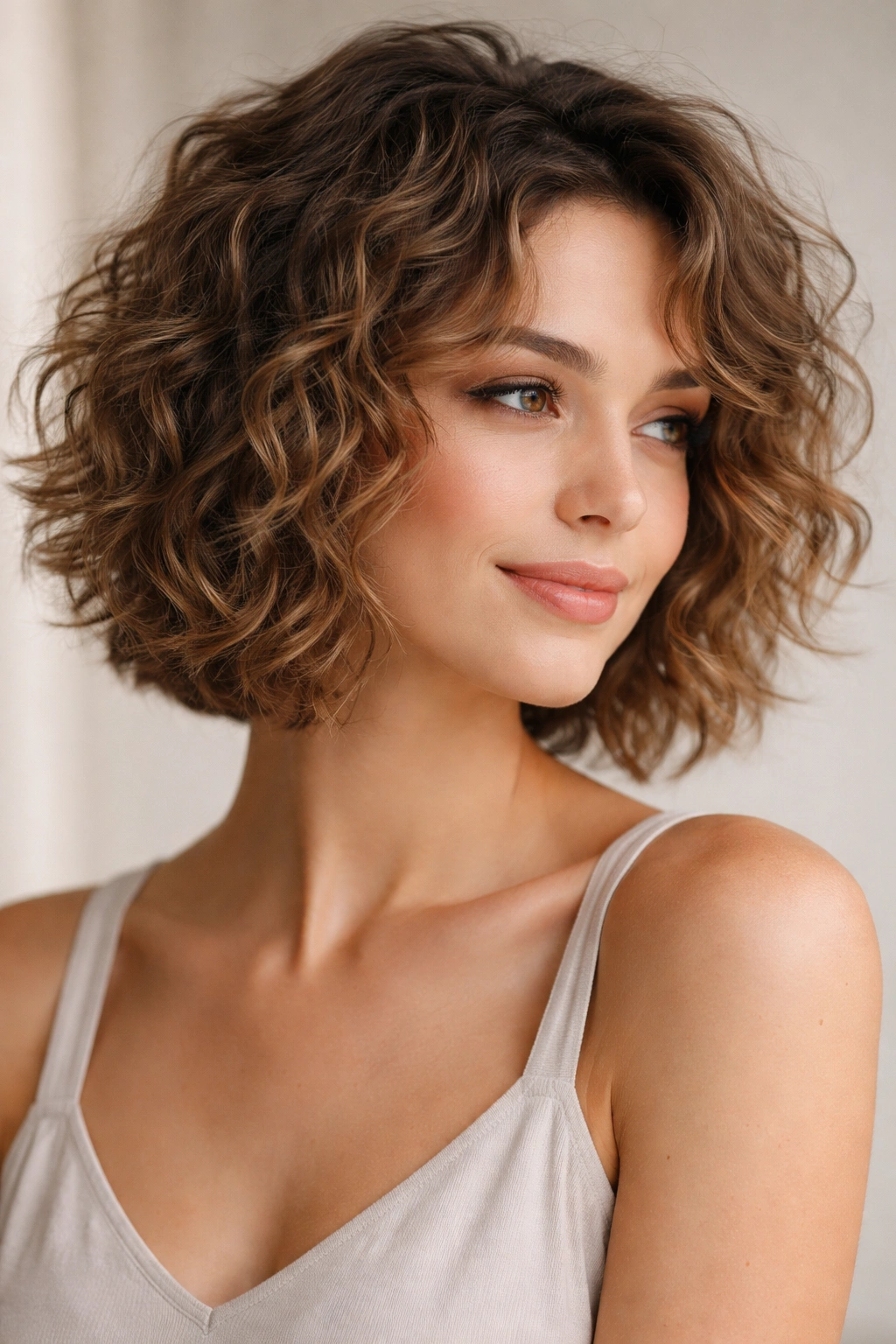
There is a misconception that razors make hair look thin. When done correctly by a skilled stylist, a razor can actually create “soft” ends that look textured and full, rather than blocky and artificial. For fine curly hair, a razor can remove the heaviness of a blunt cut while still maintaining the illusion of thickness.
Why It Works
A razor cuts the hair at an angle, which softens the tips of the curls. Blunt cuts can sometimes look like a “wig” if your hair is fine, because the contrast between the hair and the skin is so stark. Softening those edges makes the hair look more natural and airy.
A Word of Caution
- Skill Level: Do not try this at home. A razor in the wrong hands can destroy fine hair, causing split ends and frizz. You need a stylist who specifically specializes in curly texture and understands how to use a razor to create volume, not just thin out the hair.
10. The Pixie-Bob Hybrid
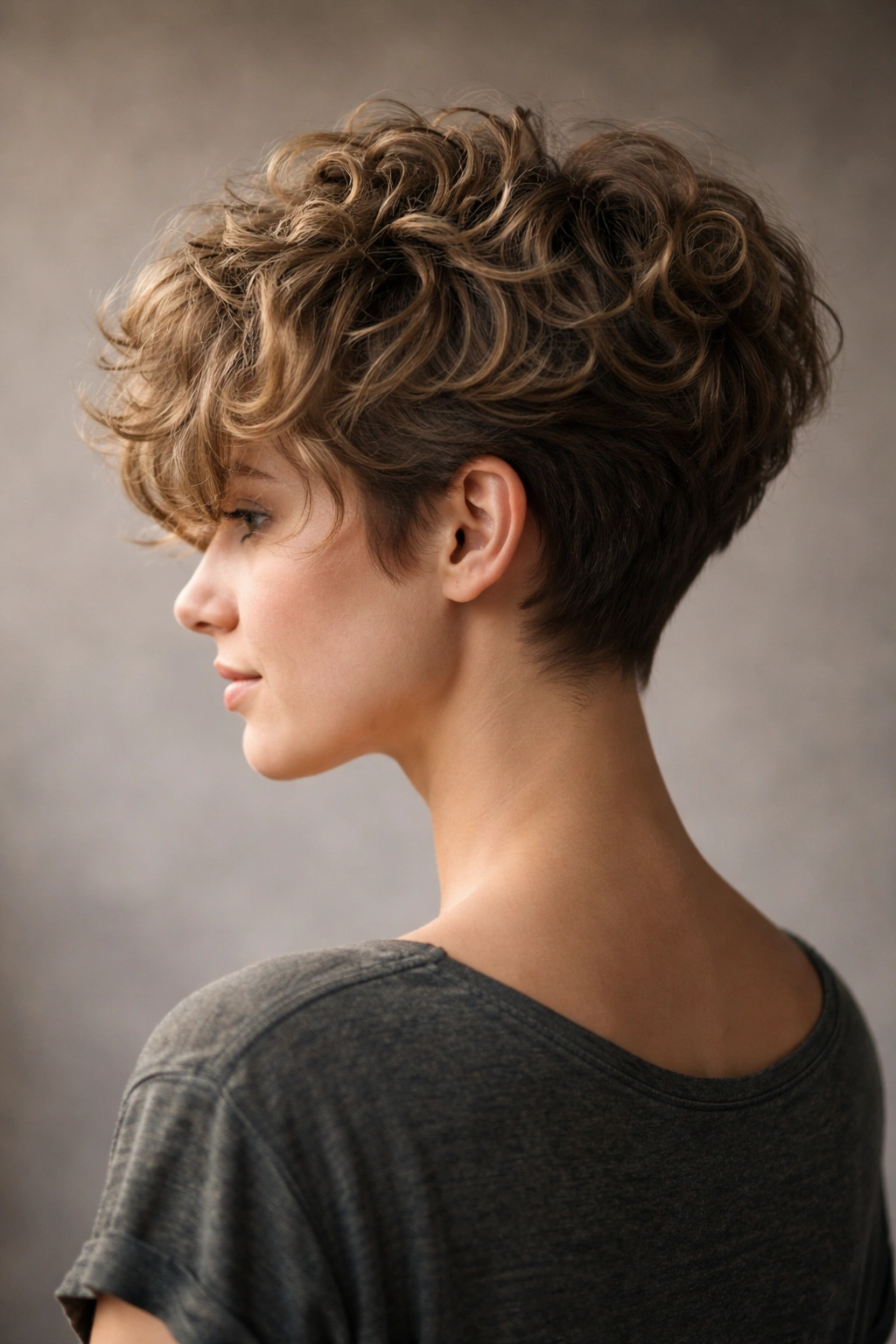
If you are ready for a big change, the pixie-bob (or the “bixie”) is a daring choice that pays off with massive volume. It’s essentially a very short bob that blends into a pixie cut in the back. It’s short, punchy, and removes all the weight that could possibly drag your curls down.
Why It’s Great for Fine Curls
With this cut, you have so little hair left that it is almost impossible for it to look flat. Your curls will be forced to be their tightest and most energetic. It’s extremely low maintenance—you can wash and go, and it will look styled.
Embracing the Shape
- Confidence: This cut exposes your neck and face entirely. It’s a bold look. If you have been hiding behind long hair, this will feel like a fresh start.
- Product: A simple dab of curl cream or a light foam is all you need. You don’t need to spend 45 minutes diffusing; a quick blast with the dryer is sufficient.
11. The Soft Layered Bob
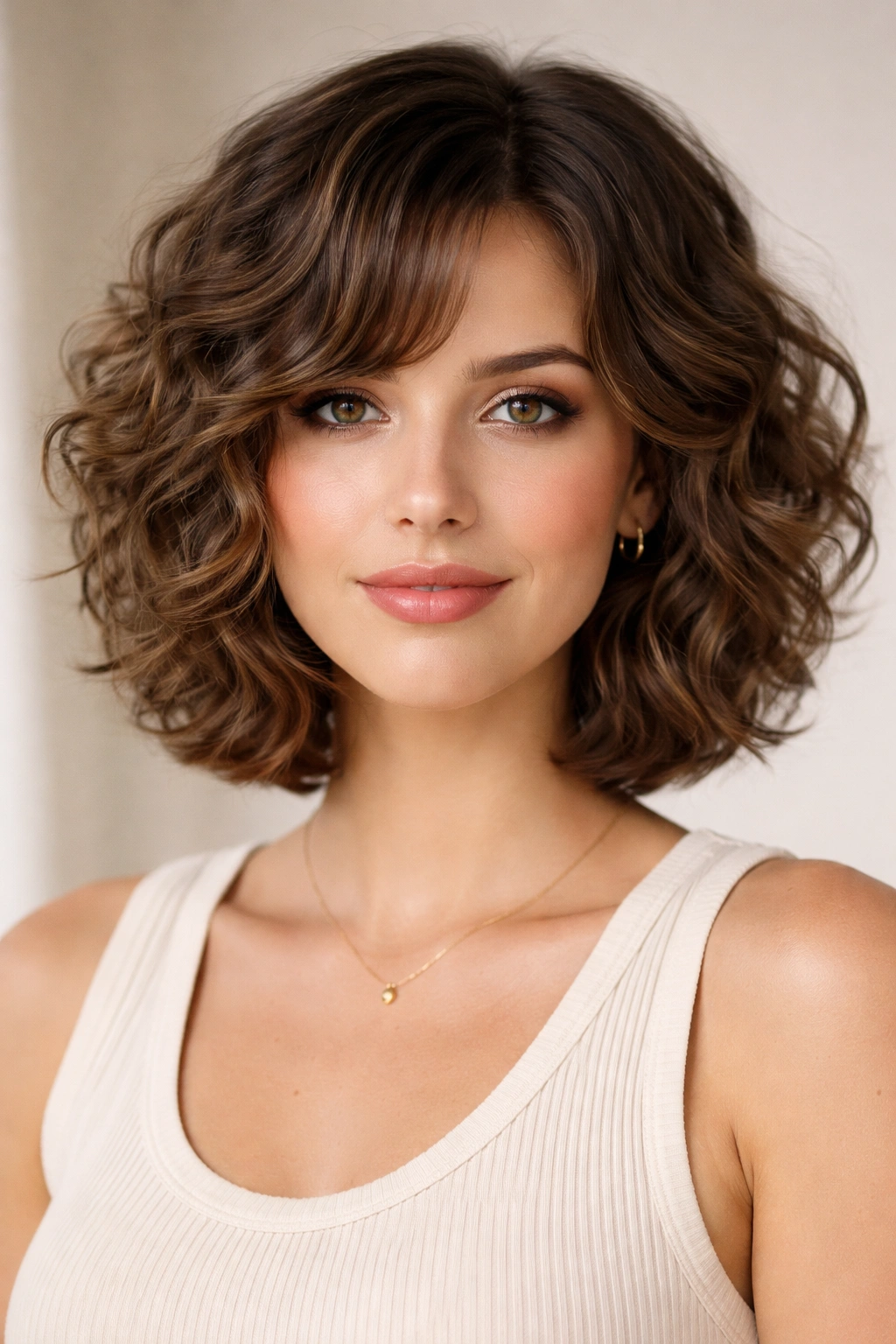
If you are terrified of the blunt bob because you hate the “helmet head” look, go for soft, face-framing layers. These layers are cut long and blended, not chopped in, so they provide movement without losing the structural density of the bob.
The Goal: Movement
The goal here is to get your hair to move. Fine hair that is all one length can sometimes act like a solid block. Adding a few subtle, long layers helps the hair “bounce” when you walk. It creates a more playful and youthful appearance.
Avoiding the “Triangle”
- Weight Management: The key here is not to layer the entire head. Only layer the front and the very tips. Leave the back of the bob relatively uniform to maintain the weight that keeps the curls from getting too frizzy.
12. The Two-Tone Curly Bob
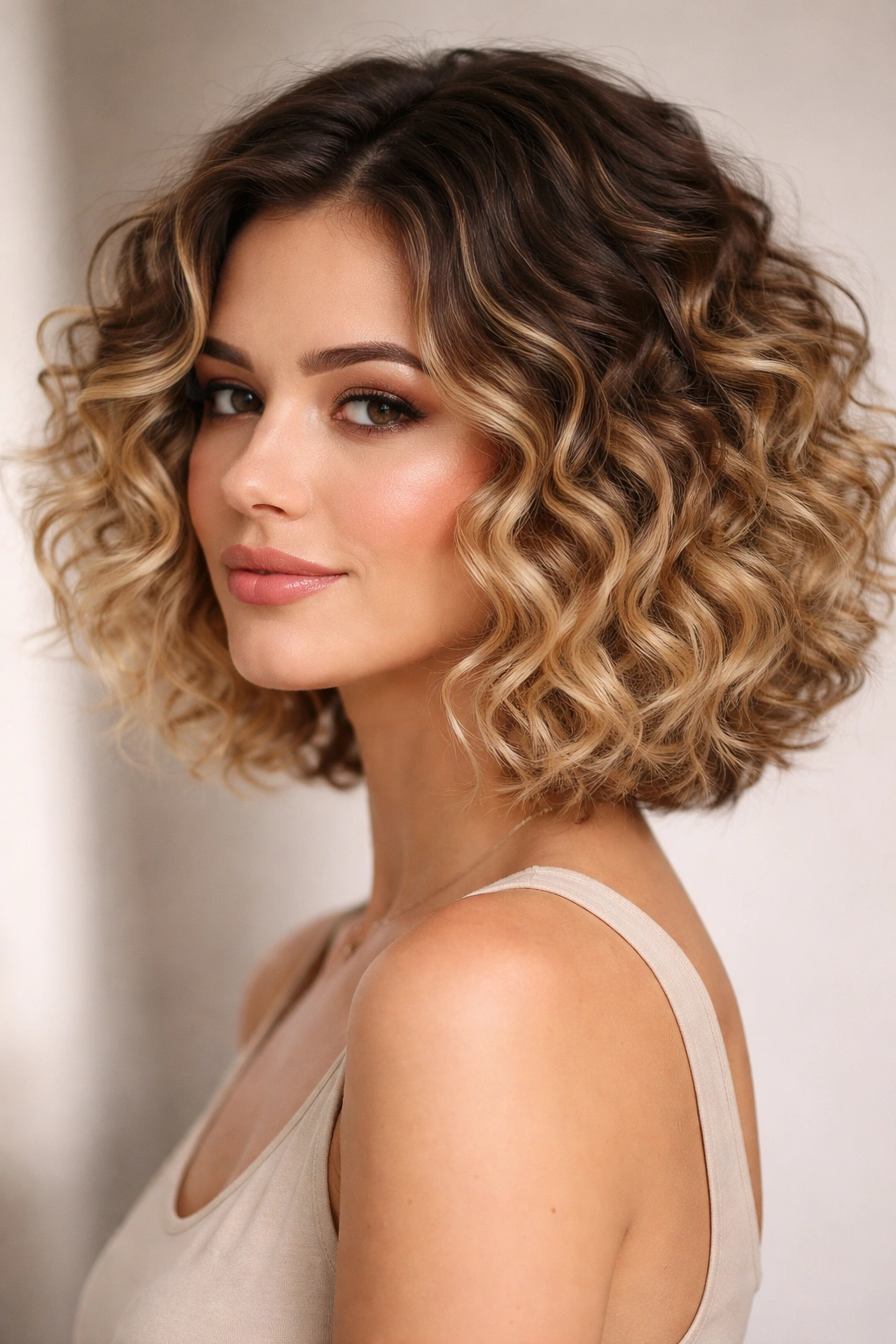
This is more about color than cut, but it works with the bob to create a massive visual difference. By having darker roots and lighter ends, or using highlights to create depth, you trick the eye. The contrast creates an illusion of shadows and light, which makes the hair look three-dimensional.
The Science of Visual Weight
When all your hair is one color, it’s easier to see how thin or sparse it is. When you introduce highlights or a “root shadow,” the eye gets distracted by the dimension. You are essentially painting volume onto your hair. It’s a cheat code for density.
Styling for Color
- Depth: Keep the roots slightly darker. This mimics natural growth and provides a “shadow” that makes the hair look thicker at the scalp.
- Texture: The color contrast will highlight your curl pattern, making it pop more, which in turn makes your hair look fuller and more complex.
13. The Undercut Curly Bob
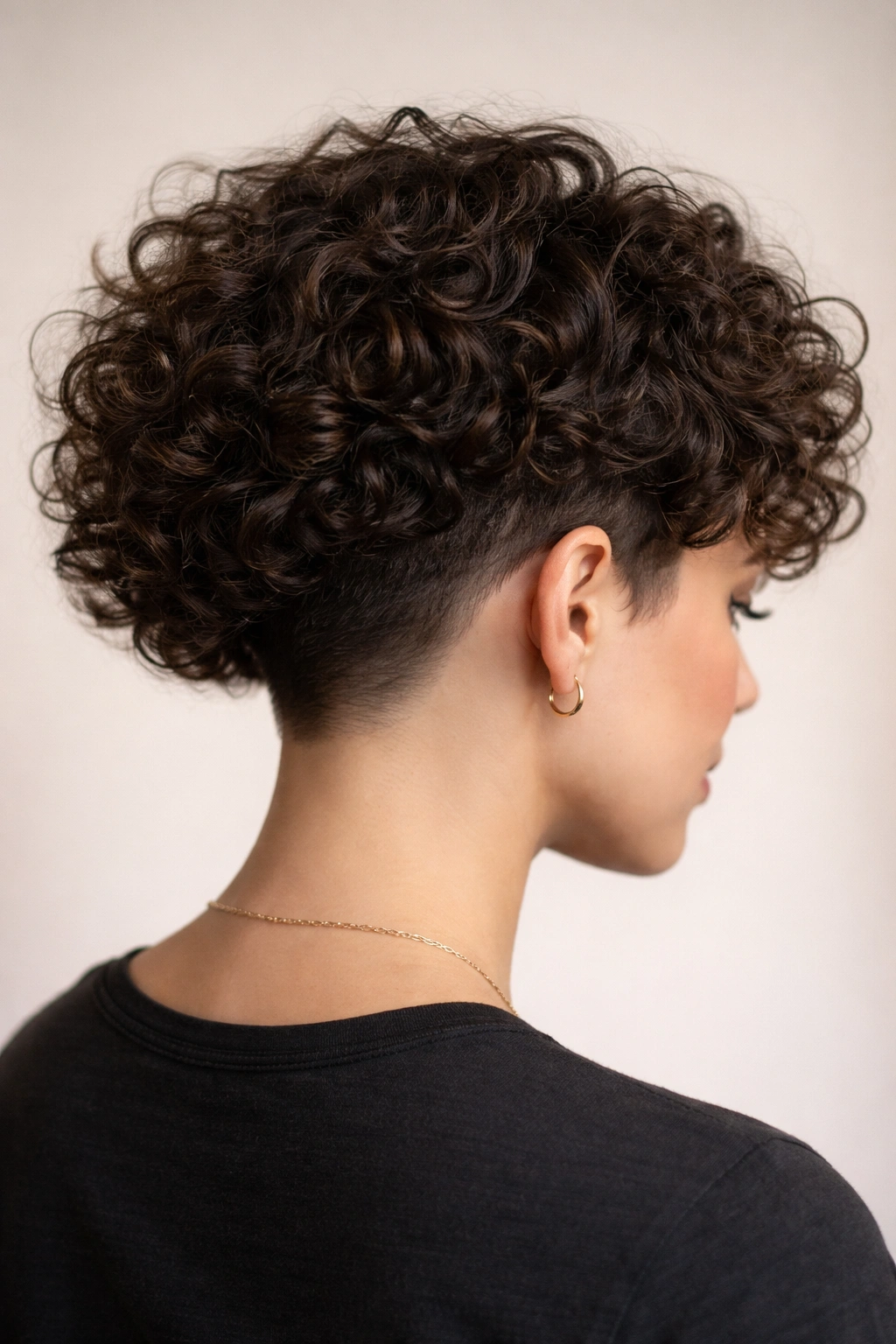
This is the secret weapon for those with fine but very dense curly hair—or those who just want to get rid of the “poof” at the nape. An undercut involves shaving or trimming the hair very short at the nape of the neck, while leaving the top long enough to cover it.
Why This Adds Volume
It sounds counterintuitive to remove hair to get more volume, but by removing the hair at the very bottom that tends to get frizzy and tangled, you prevent the “mushroom” effect. It creates a sleek, tight silhouette that makes the rest of your hair look intentional and styled.
Is It For You?
- The Comfort Factor: This is incredibly refreshing in warmer weather. It keeps your neck cool and prevents the hair from getting matted where it rubs against your collar.
14. The Face-Framing Layered Bob
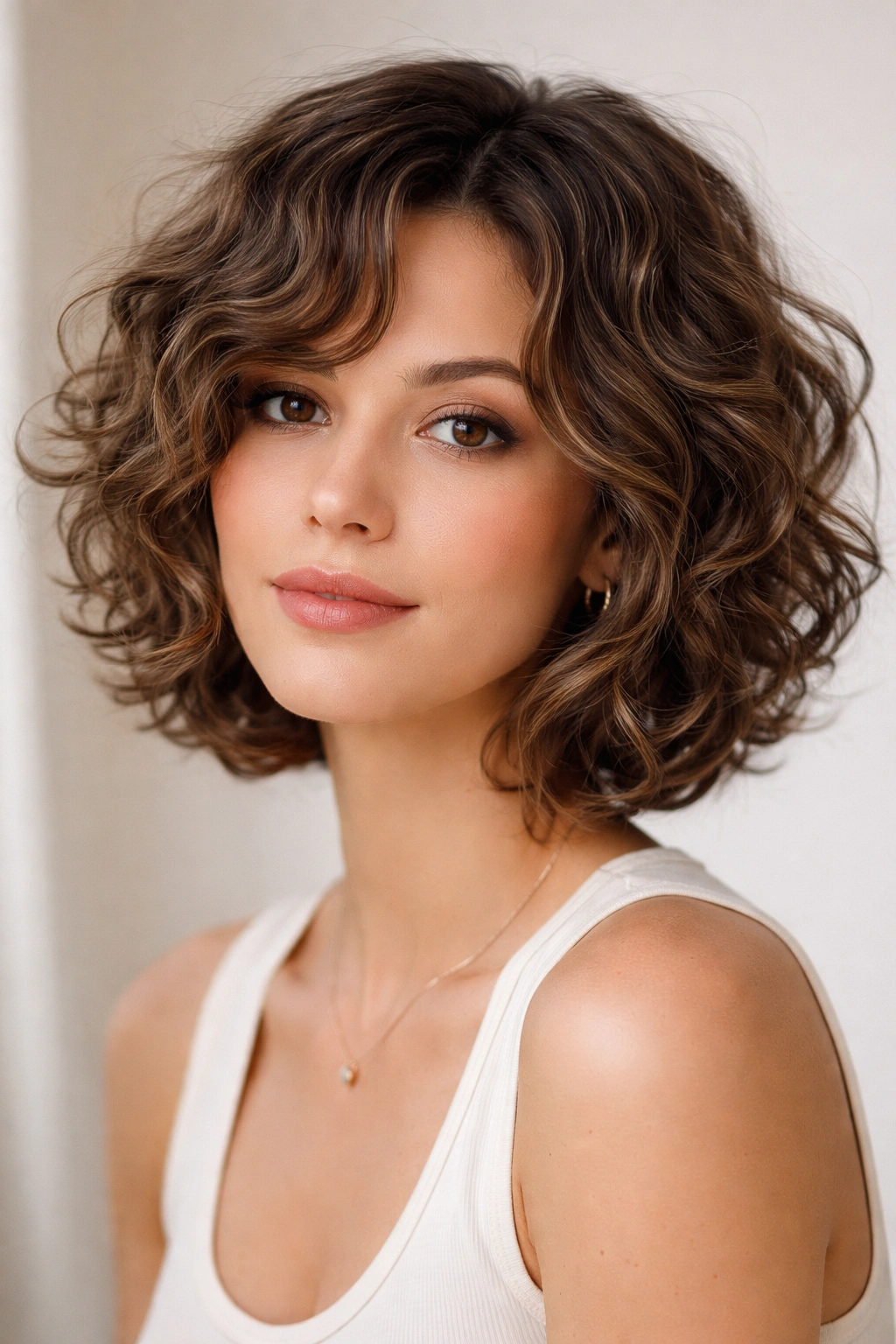
If you feel like your face is being “drowned” by your curls, bring the focus back to your features. A bob with face-framing layers starts shorter around the face and lengthens toward the back. This guides the eye toward your eyes and cheekbones and away from the density (or lack thereof) of the hair.
Highlighting Features
Fine curly hair can sometimes look like it’s “masking” your face. By removing the bulk right around the jaw and cheekbones, you lighten the load and create a more open, refreshed look. It’s a very flattering style for almost every face shape.
The Technique
- Blending: Ensure your stylist blends the shorter face-framing layers into the rest of the bob with a razor or thinning shears (carefully). You don’t want a “staircase” effect where you have a clear line between the short front and the long back.
15. The Diffused Volume Bob
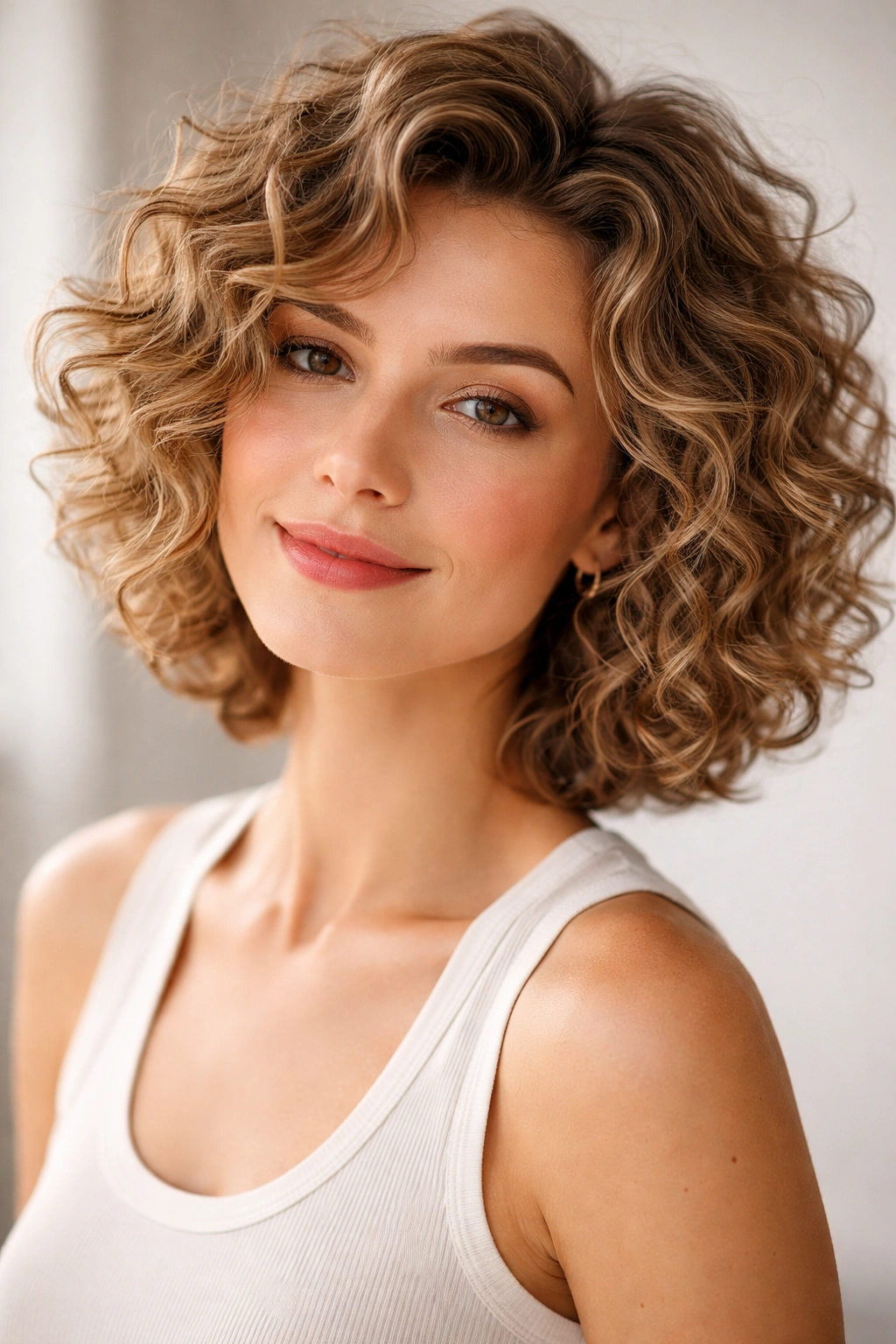
This final style is less about the cut and more about the technique. Any of the bobs mentioned above can become a “diffused volume bob” if you style it correctly. This style relies on aggressively forcing the roots to stand up while the hair is drying.
The Power of Heat
You cannot rely on air drying if you want maximum volume with fine hair. Air drying allows the hair to settle into its flattest position. Using a diffuser with an attachment that lifts the roots is the only way to get true, airy volume that lasts all day.
The “Squish” Method
- The Routine: Apply your product to soaking wet hair. “Squish” the curls up toward your scalp with your hands. Then, flip your head upside down. Use the diffuser to gently lift the hair at the roots and hold it there for 30 seconds per section. Do not touch your hair while it is cooling. If you touch it while it’s still warm, you will destroy the structure you just built.
Final Thoughts
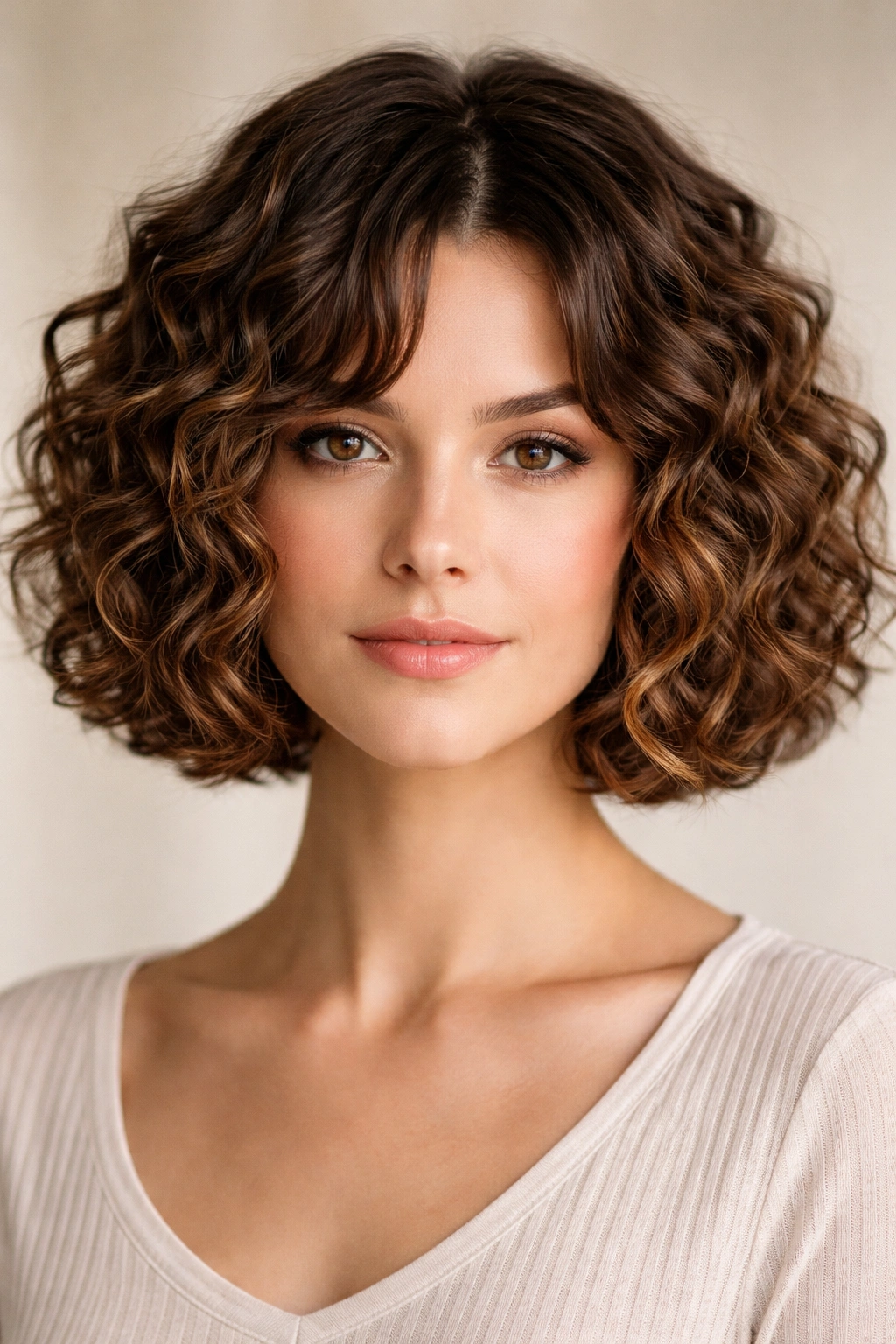
Choosing a bob when you have fine, curly hair is a commitment to a new way of managing your texture. It is not just a style choice; it is a structural decision to prioritize the health and bounce of your curls over the length. Whether you go for the sharp, blunt edges of a classic chin-length cut or the wild, textured look of a shaggy bob, the goal is always the same: to stop fighting against the weight of your hair and start working with it.
The most important thing to remember is that no haircut is “wash-and-wear” without a little bit of product. Embrace the diffuser, learn which curl cream doesn’t weigh you down, and find a stylist who truly understands that curly hair needs to be cut dry. Once you stop trying to make your fine curls act like thick, heavy hair, and start treating them as the airy, bouncy texture they are, you will find that a shorter style is not a limitation—it is a liberation. Your curls deserve the chance to be as bouncy as they can possibly be.
