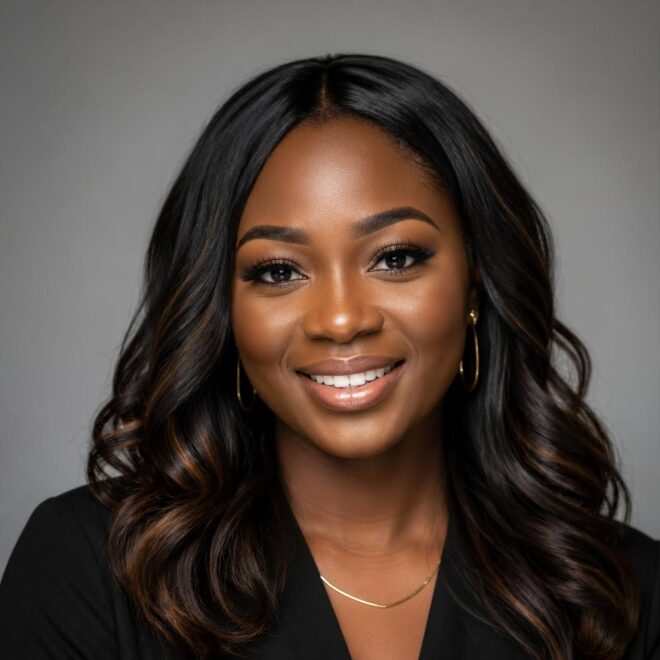

Curly Senegalese twist hairstyles have a useful trick that straight twists don’t: they keep moving. A shoulder-length set can look neat from the front, then swing a little when you turn your head, and that movement changes the whole mood of the style.
That’s the part people chase, really. Not stiffness. Not a helmet of hair. Just enough curl at the ends, or around the face, to make the twists feel softer and more alive.
The balance matters more than most guides admit. Too much curl and the style starts to frizz into a cloud. Too little and the twists can look unfinished, almost like they were stopped halfway through the job. The cleanest versions keep the twist body smooth and let the curl show up in the right places.
I keep coming back to this family of styles because it covers a lot of ground without losing its shape. You can wear one set to work, another to a dinner out, and another when you want your hair fully pinned up but still a little playful. The twist pattern gives structure; the curl gives personality. That’s the whole appeal.
1. Curly Senegalese Twist Hairstyles with Shoulder-Length Ends
Shoulder-length twists are the easiest place to start.
The length sits in that useful middle zone where the style feels put together but not heavy. It clears the shoulders, which helps if you wear jackets, scarves, or anything with a collar that likes to grab hair. The curled ends soften the line right where the twists stop, so the style doesn’t look blunt.
Why the length works
Shoulder-length hair has enough swing to show the curl pattern, but not so much weight that the ends drag flat by midday. That matters more than people think.
- It keeps the style light around the neck.
- It lets the curled tips show in motion.
- It’s easier to tuck behind one ear without losing the shape.
My favorite part: this length still looks neat when it starts to loosen a little. That’s not a flaw. It’s part of the charm.
2. Jumbo Senegalese Twists with Spiral Tips
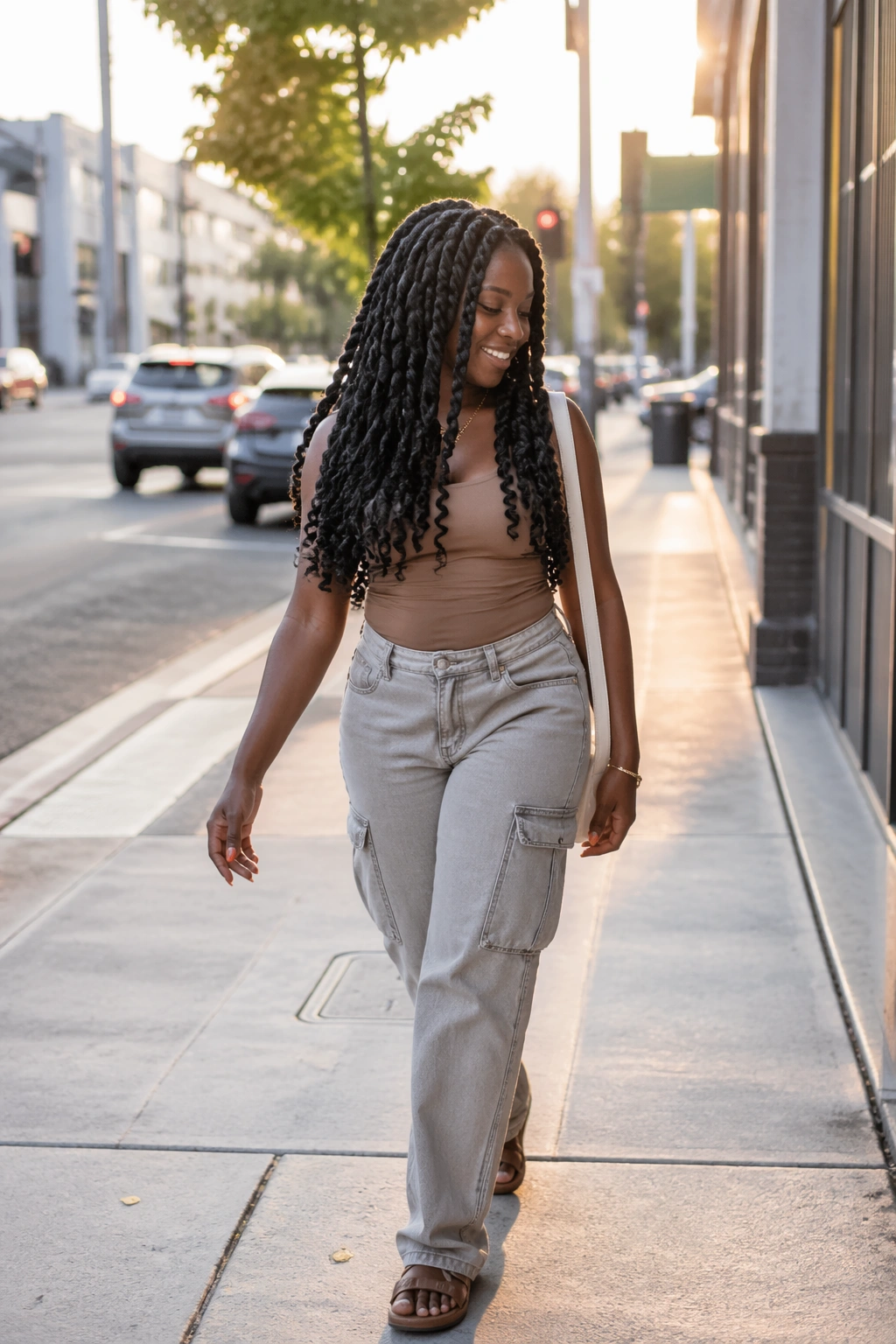
Jumbo twists are not subtle, and that is the point.
Fewer, thicker sections mean the style reads bold right away. You get visible rope-like texture, more scalp space between parts, and ends that look even more dramatic once they’re set on rods or curled with hot water. If you like hair that makes a clear shape from across the room, this is the one.
The catch is weight. Big twists can pull if they’re installed too tightly or too close together, especially around the hairline. I prefer jumbo sets when the parts are clean and the twists are neat enough that the size feels intentional, not bulky. The curl at the tips gives the whole style some bounce, which keeps it from looking too boxy.
This one works well with simple outfits and bare shoulders. The hair does the talking. Add hoops if you want, but you do not need much else.
3. Half-Up Curly Senegalese Twist Hairstyles for Full Crown Volume
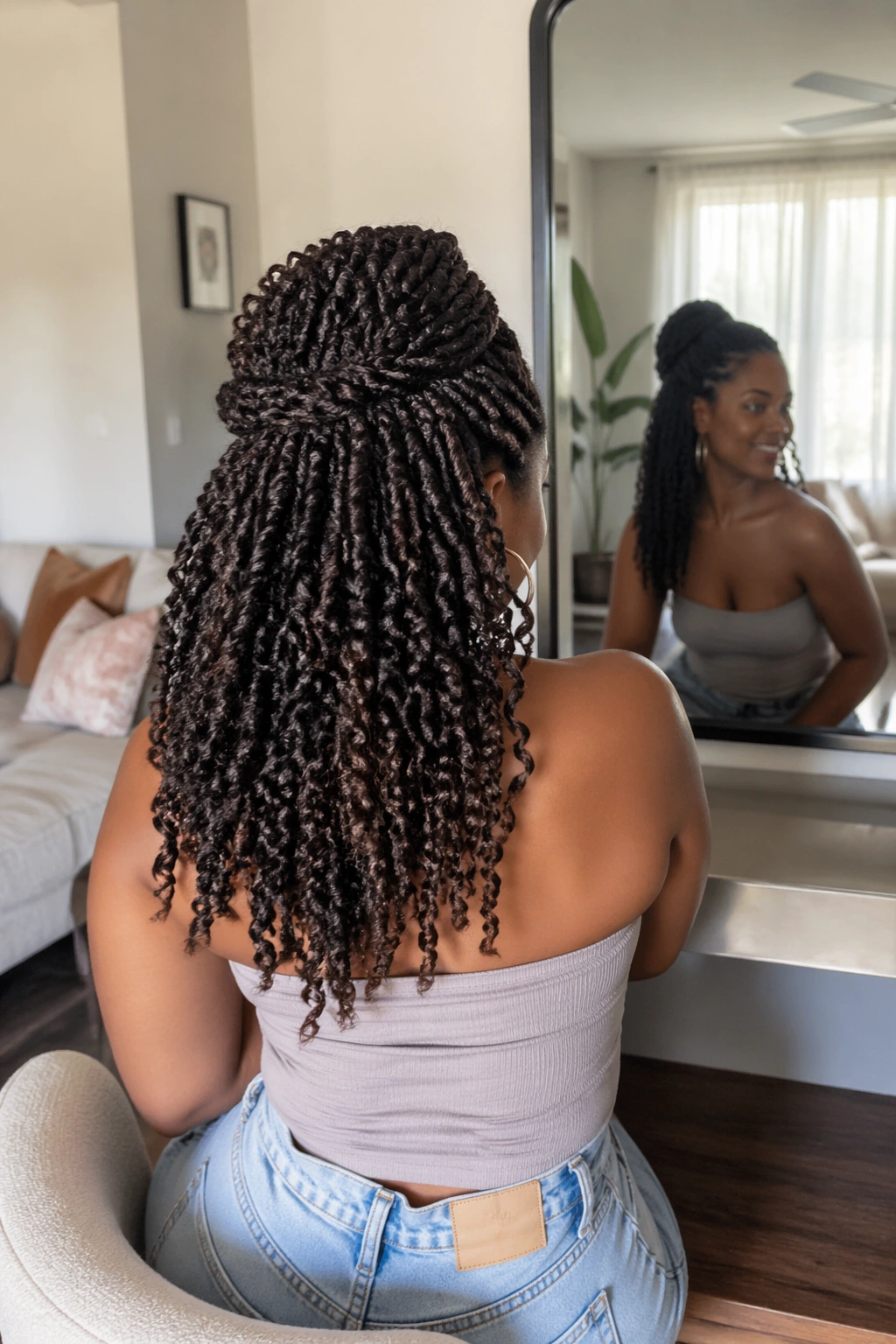
Want curl at the crown without wearing every twist down your back? Half-up styles solve that neatly.
You pull the top section into a small knot, clip, or ponytail, then let the rest hang loose. The lifted crown opens the face and gives the twists more height, which is handy if your hair tends to fall flat on top. It also shows off the spiral ends better than a fully loose style does, because the loose lengths stay visible instead of getting buried.
How to build the crown
Start by sectioning the top third of the twists from temple to temple. Smooth the roots with your fingers first, then gather the hair with a soft band or a strong clip that won’t snag the twists.
- Keep the crown loose enough to avoid dents.
- Leave two or four front pieces out if you want a softer edge.
- Set the top with a silk scarf for 10 to 15 minutes if the shape needs help.
A half-up style is one of those rare looks that can feel casual or polished depending on the clip. Tiny detail. Big difference.
4. High Ponytail Curly Senegalese Twists with Bounced Ends
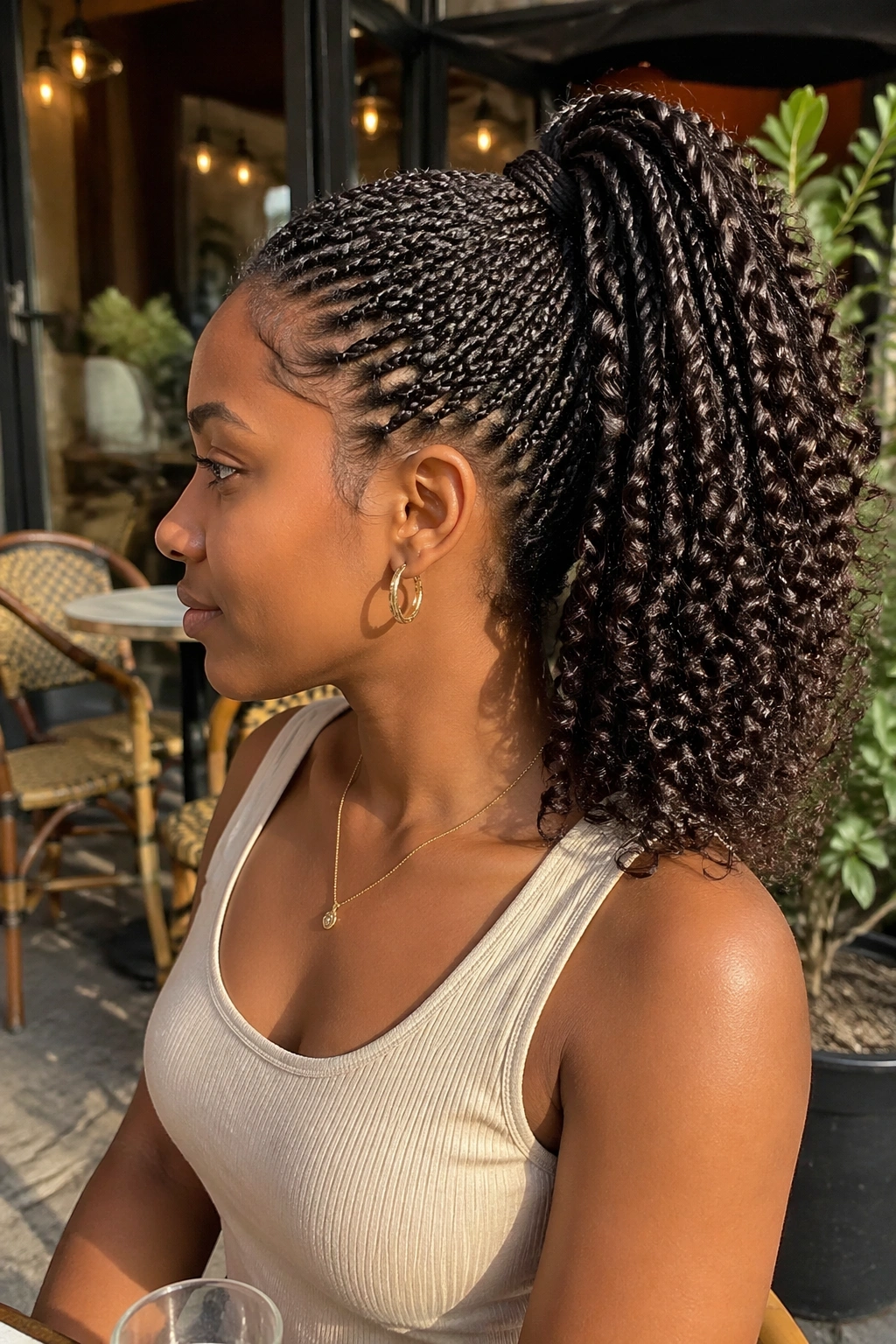
A high ponytail is the style I reach for when I want the face clear and the ends moving.
It lifts everything upward, which makes the cheekbones look sharper and gives the whole set more energy. The curl at the ends keeps the ponytail from hanging like a heavy rope. Instead, it bobs a little when you walk. That movement is the part that sells it.
A few things matter here. Use a firm but soft band, not a thin elastic that digs into the twists. Wrap one twist around the base if you want a cleaner finish, then pin the end underneath so it disappears. Keep the ponytail high enough to clear the nape, but not so high that the front pulls uncomfortably after an hour. If it hurts, it is too tight. Simple.
This style looks especially good when the curls are a little fuller at the ends than they are at the roots. That uneven balance feels natural, and it keeps the ponytail from looking too rigid.
5. Low Bun with Loose Curly Pieces
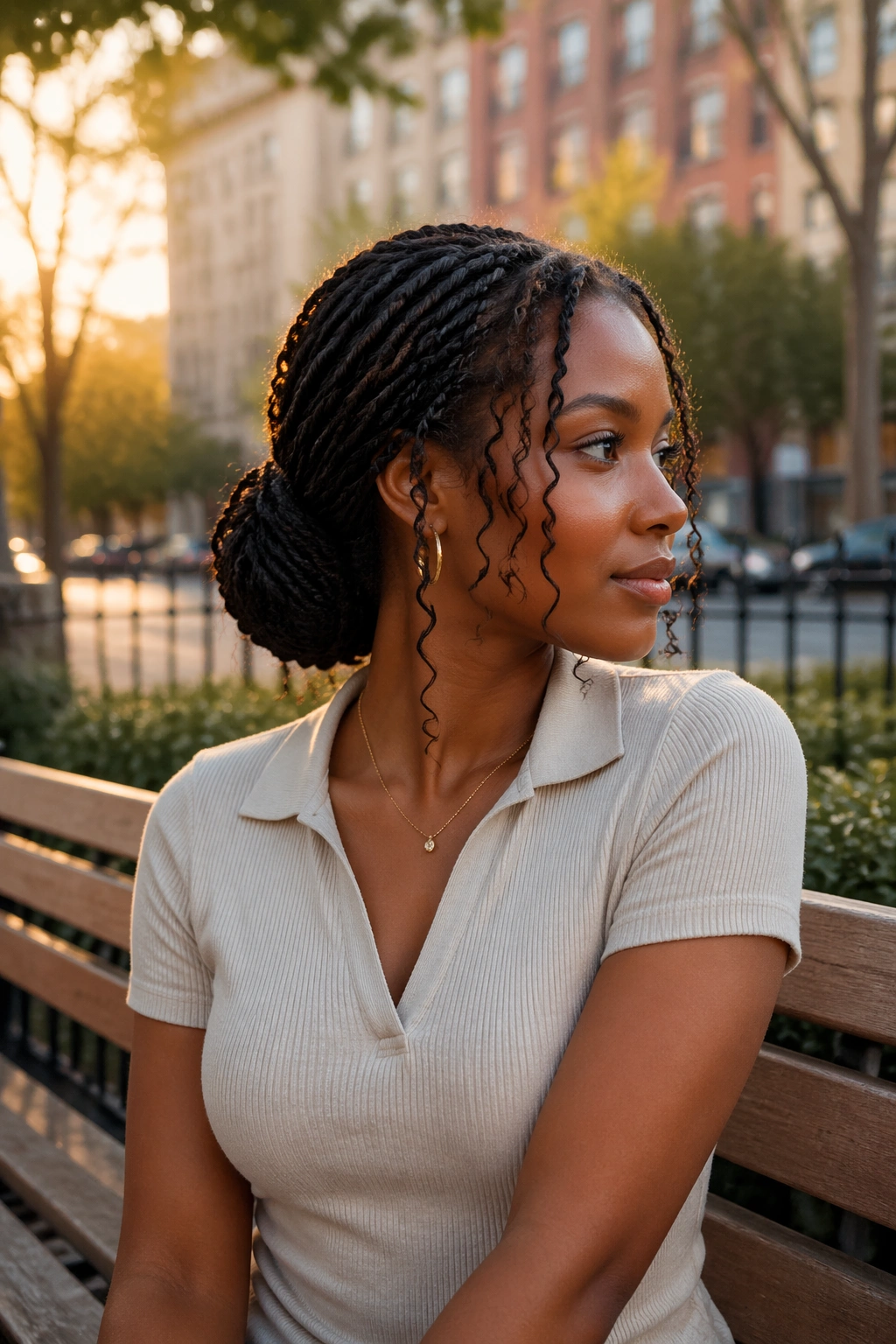
The low bun is the quiet one in the group, and I mean that in the best way.
It sits close to the nape, which makes it useful for days when you want the hair out of the way but still want texture visible. The trick is not to pin every twist into submission. Leave a few curly pieces free around the temples and the nape, and the whole thing stops looking severe. It turns softer right away.
I like this style when the outfit is doing a lot already. Big earrings. A high neckline. A sweater with texture. The bun gives structure without competing. And because the twists are already thick, you do not need a giant knot at the back. A compact coil is cleaner. Four to six pins usually do the job if the base is wrapped well.
One small note: if the curls at the edges are too long, they can feel messy fast. Keep the face-framing pieces a little shorter than the bun itself. That keeps the shape neat.
6. Side-Swept Twists with a Soft Deep Part
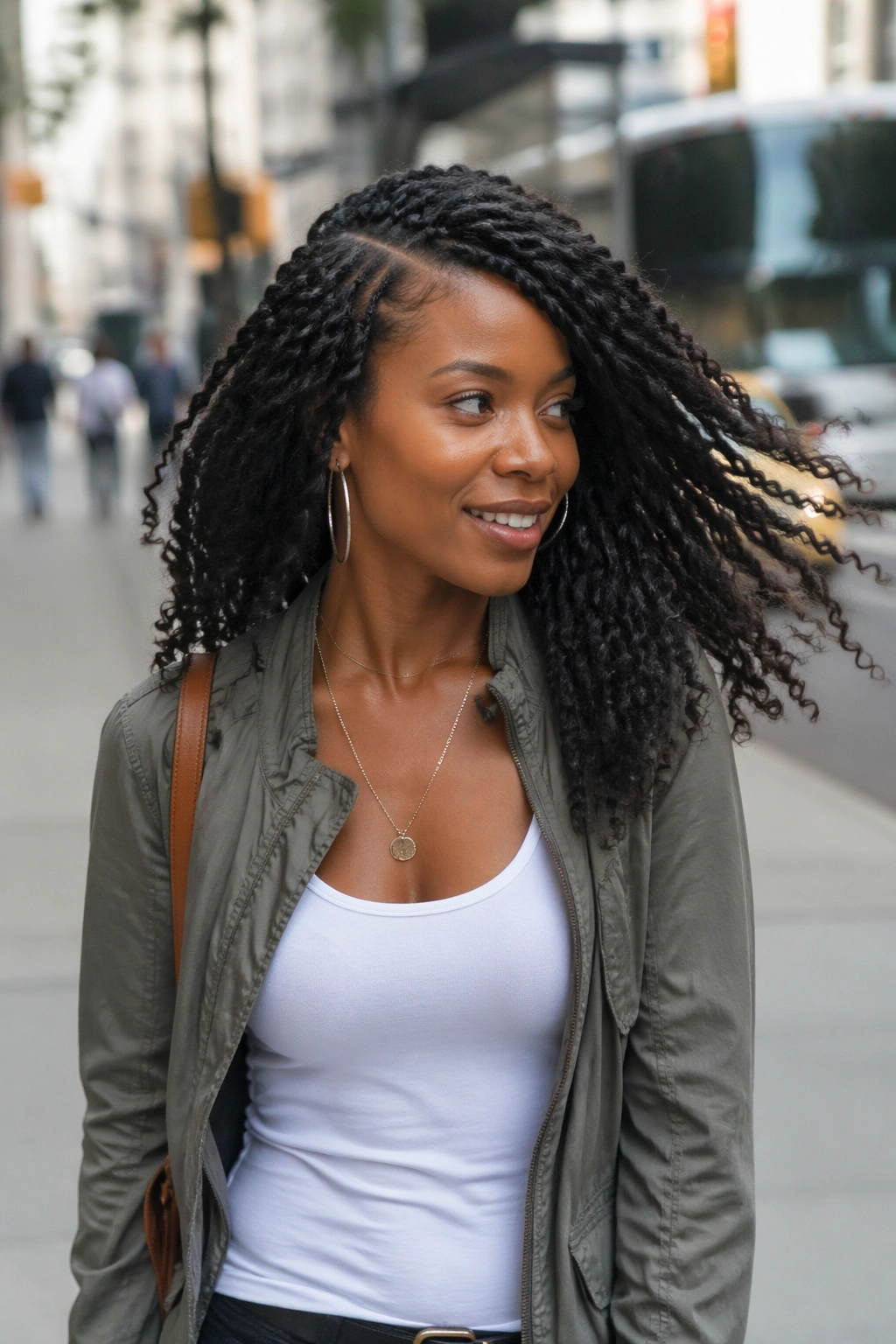
A side part changes the whole face.
It makes the style feel less symmetrical and a little more relaxed, which is useful if you want the twists to frame the face instead of sitting evenly on both sides. A deep part also creates a natural cascade, especially when the curled ends fall over one shoulder. The line of the part matters more than people think. Move it half an inch, and the whole mood changes.
This version works well if your features already have strong angles. The side sweep softens them. It also helps if you like volume but do not want height at the crown. The heavier side creates shape on its own, so you can skip teasing, padding, or any of the extra fuss.
I’d keep the front smooth and let the ends do the work. A little mousse at the roots helps the part stay visible, and a scarf pressed along the front for 10 minutes can keep the sweep in place without making it stiff.
7. Chin-Length Senegalese Twist Bob with Curled Ends
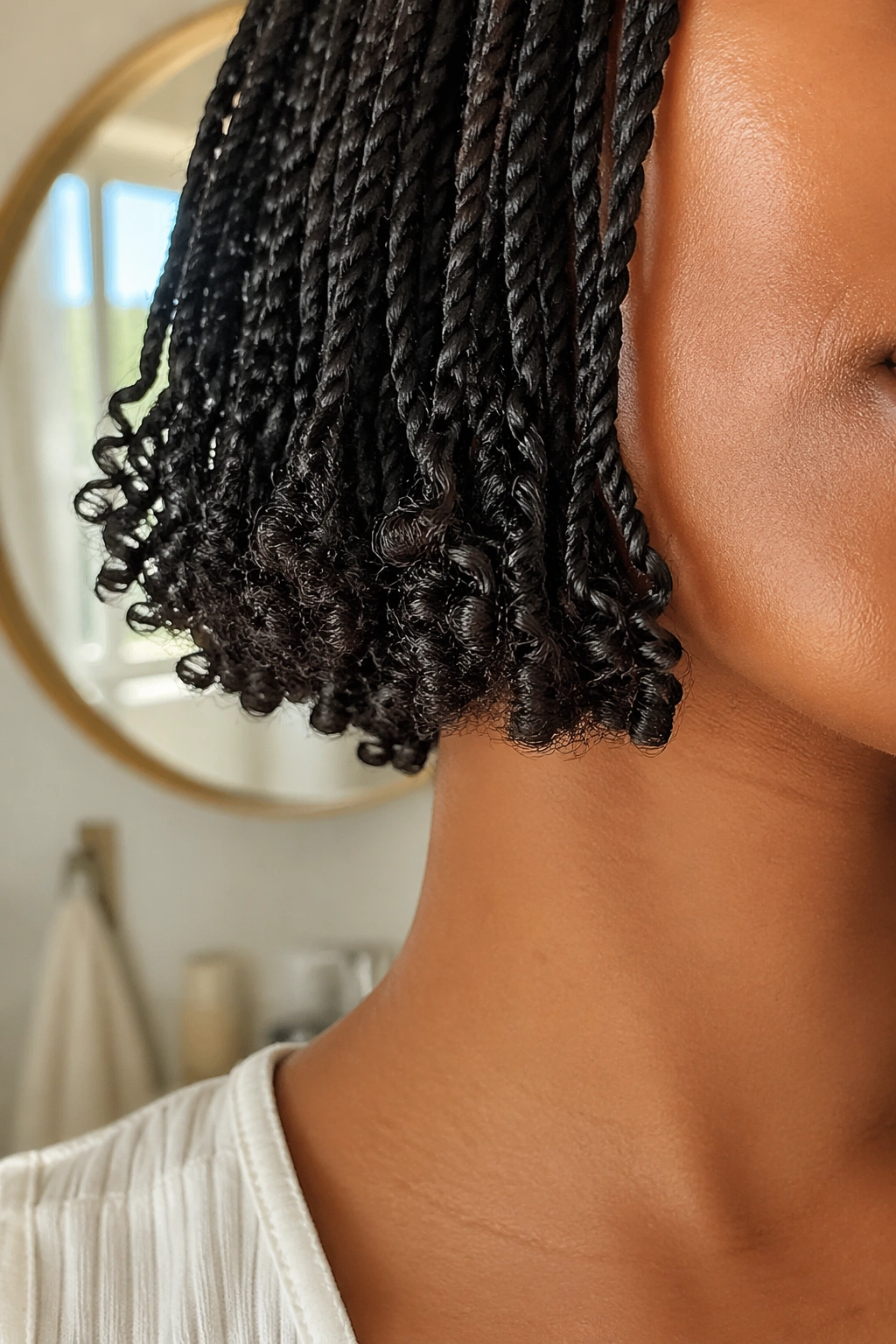
A bob-length set feels fresh because the shape is so clean.
At chin length, the twists stop right where the face starts to narrow, which gives the style a crisp frame. The curled ends add lift at the bottom, so the cut doesn’t sit flat against the jaw. That’s a small thing. It makes a big visual difference. A blunt bob can feel heavy; a bob with curled tips feels lighter and more animated.
What to ask for at install
Ask for a perimeter that follows the jaw instead of dropping too low toward the neck. That keeps the bob tidy when it’s worn down.
- Keep the parting neat and the sections even.
- Set the ends on small rods if you want tight spirals.
- Ask for enough length to tuck behind one ear without losing the bob shape.
Styling notes
This is one of the easiest styles to keep looking intentional on busy days. A side clip, a single cuff near the temple, or even just a clean middle part is enough. If the bob gets too full, the shape can turn triangular, so I prefer a slightly controlled finish here. Not flat. Controlled.
8. Goddess-Style Curly Senegalese Twist Hairstyles with Loose Pieces
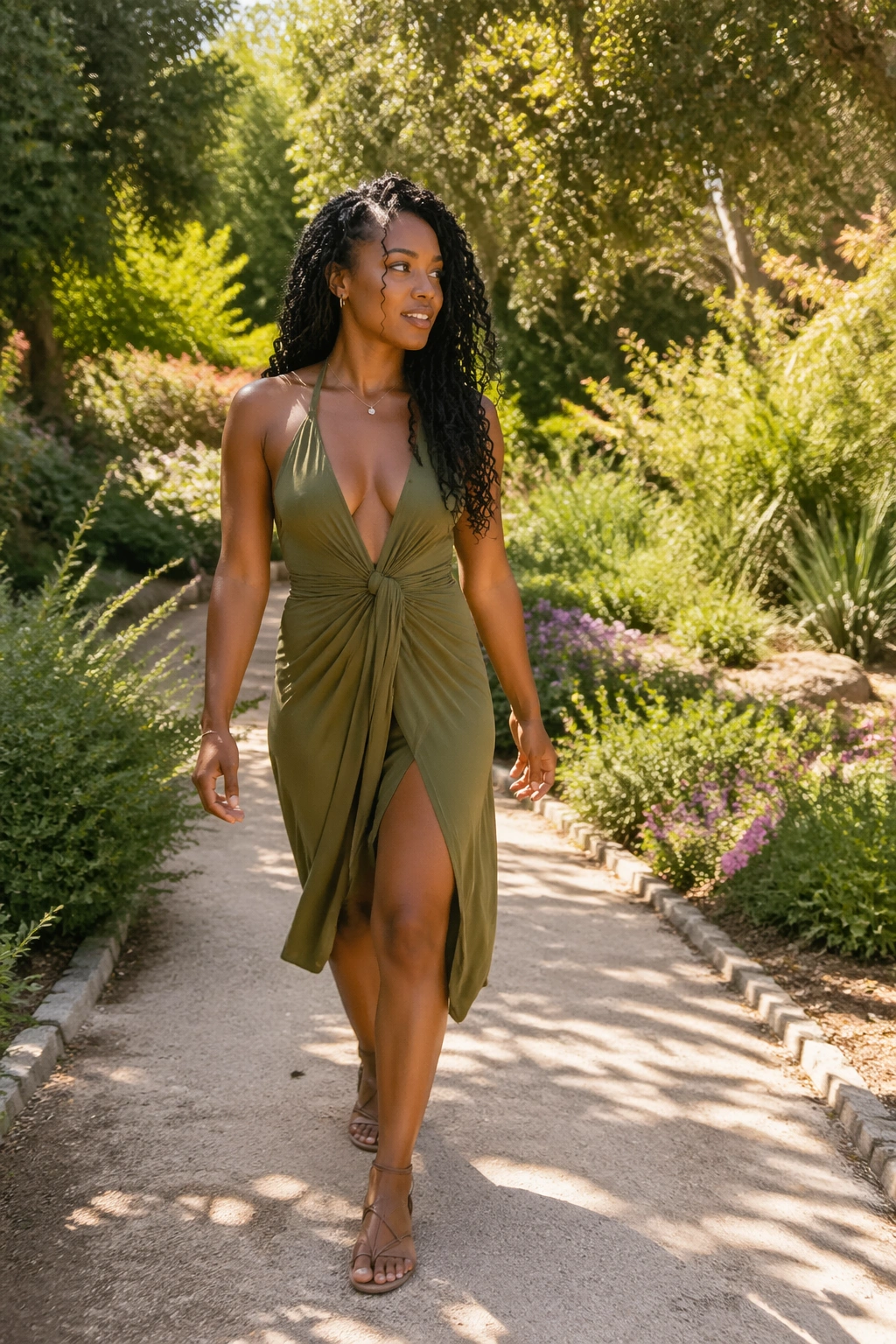
A little frizz is not the enemy here.
Goddess-style twists use mixed texture on purpose, which means the look is softer and less uniform than a classic twist set. You’ll usually see a few loose curly strands blended through the twists, sometimes near the ends and sometimes at the face. That loose texture makes the whole style feel lived-in instead of stiff. It is the difference between “done” and “overdone.”
The part people miss is restraint. If every row gets the same amount of loose curl, the style loses its shape fast. I like to keep the extra texture in selected sections only, then let the rest of the twists stay clean and smooth. That balance keeps the style from ballooning out at the sides.
This is a good pick when you want movement first and neatness second. It photographs well in motion, and it looks better after a little wear. That is not a flaw. It is exactly why people like it.
9. Space Buns with Hanging Twists
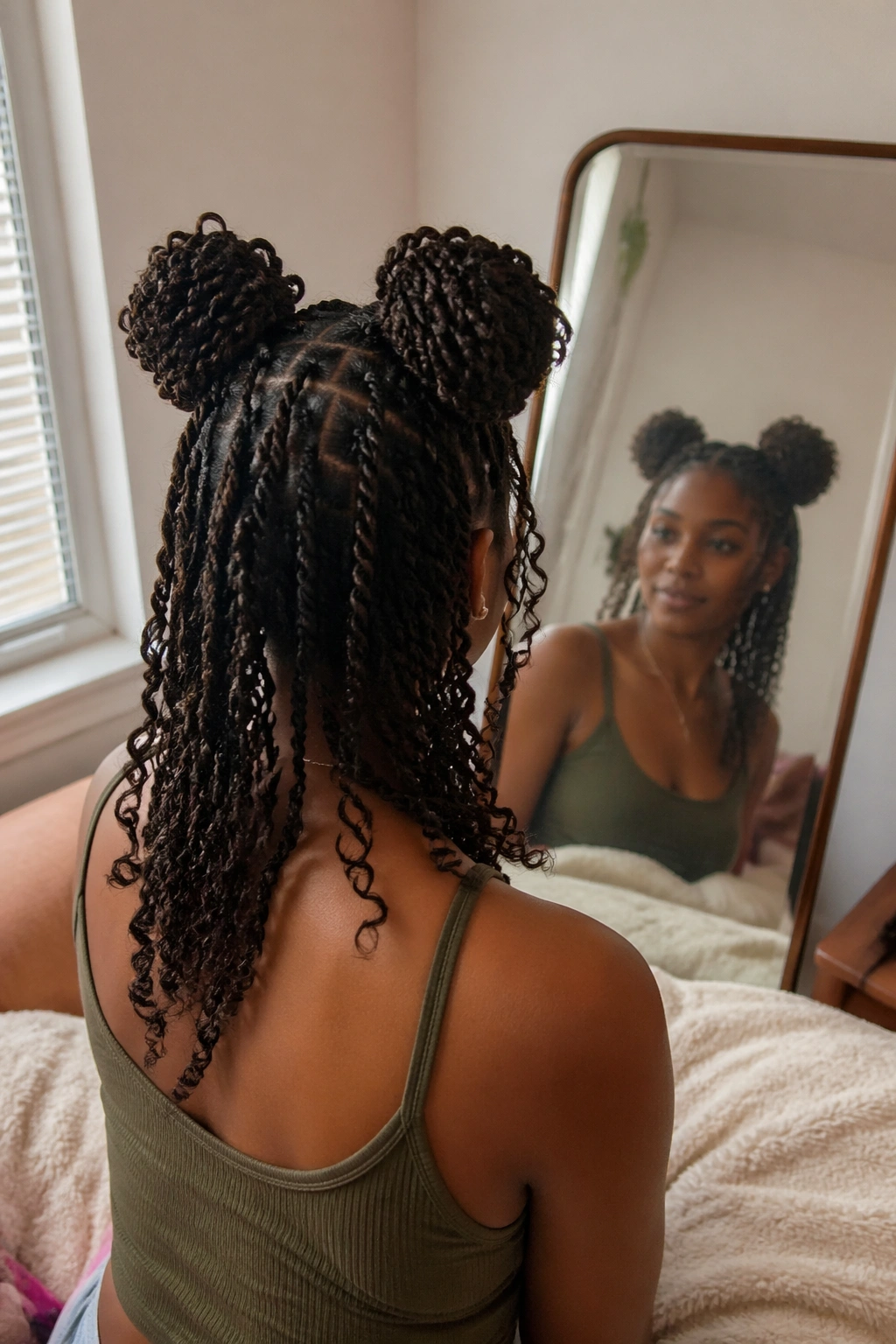
Space buns turn the twists into a shape, not just a length.
You split the hair into two high sections, twist each side into a bun, then let the remaining lengths hang loose from the base or the back. The result is playful, yes, but it also keeps the face open and the neck cooler. The curled ends soften the whole thing so it does not read too stiff or too childish. That matters. The texture keeps it grown-up.
- Place the buns slightly above the crown for more lift.
- Leave a few twists free at the nape so the style still moves.
- Use pins that match the hair so the buns look clean from the side.
I like this style for days when the set feels too bulky to wear completely down. It breaks the weight into two sections and makes the hair easier to manage. If one bun starts slipping, the other still holds the look together. That sounds obvious, but it is useful when you’re moving around all day.
10. Side Part with Gold Cuffs and Shells
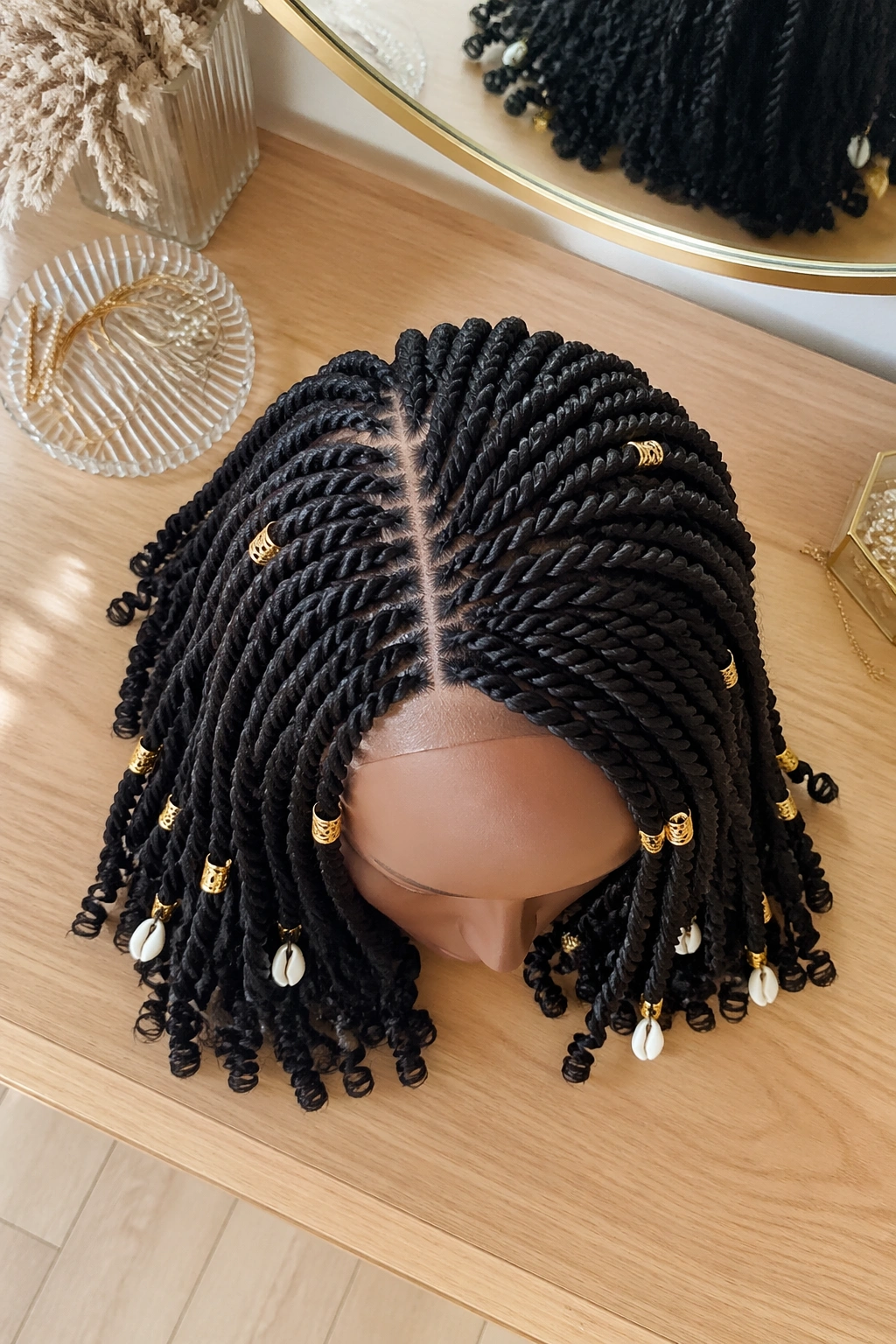
Accessories can carry a twist style if you choose them with some restraint.
A side part gives you the lane. The cuffs and shells give you the punctuation. I like gold cuffs on Senegalese twists because the smooth braid texture reflects the metal without fighting it. Put them too close together and the hair starts to look crowded. Space them out, and each one has a chance to show.
The smarter move is to cluster the accents in one area. A few cuffs near the front, or a small line of shells near the ends, usually looks better than scattering them everywhere. That keeps the style from tipping into costume territory. You want detail, not clutter.
This version works especially well with medium to long lengths, because the accessories have room to breathe. Shorter twists can handle one or two cuffs. Longer sets can carry more. Still, I’d rather see three well-placed pieces than ten random ones. The eye notices bad spacing faster than it notices color.
11. Crown Updo with Curly Tendrils
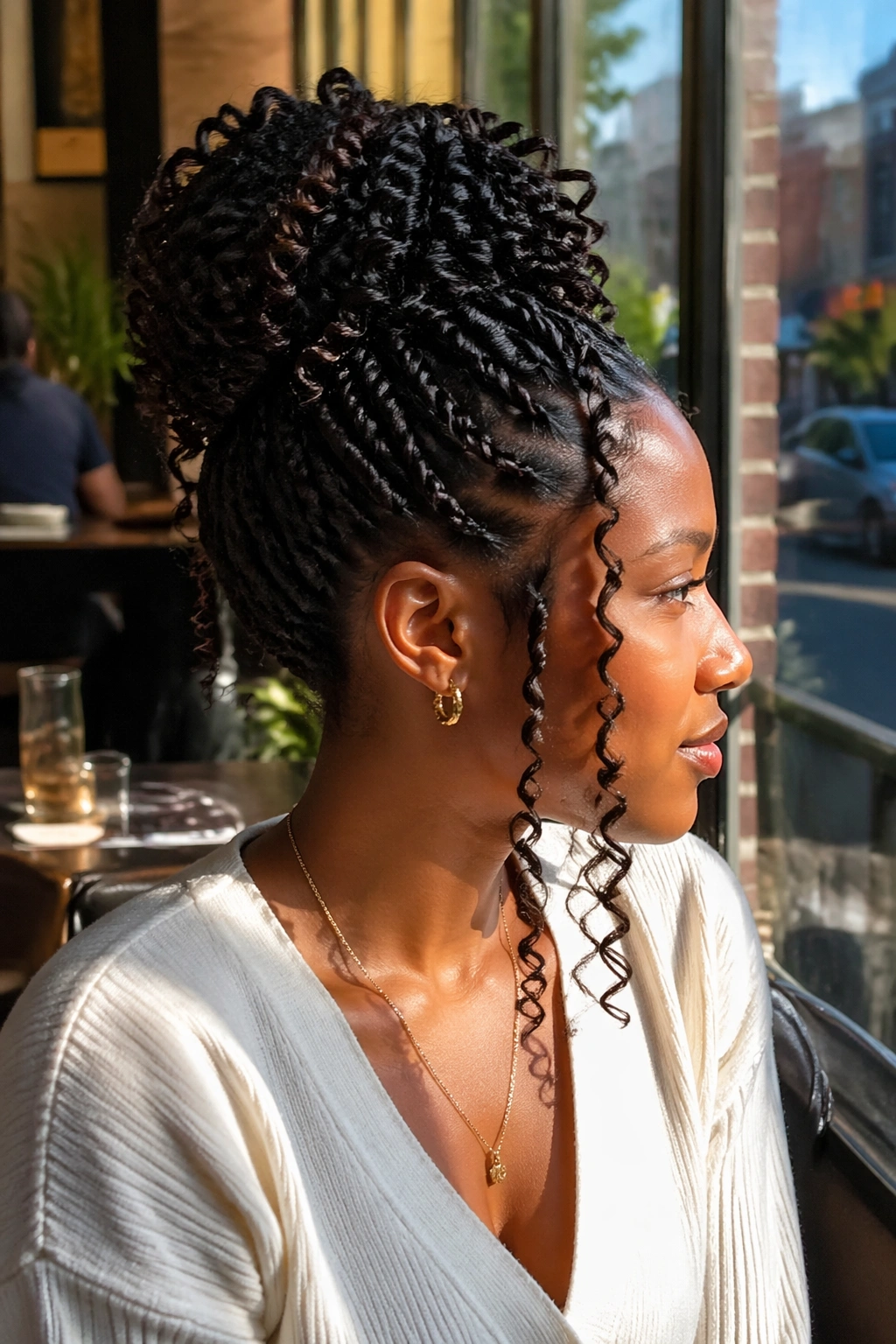
Can twists still feel soft when they’re pinned all the way up? Absolutely.
A crown updo takes the twists around the perimeter of the head and lifts them into a rounded shape, almost like a halo sitting just above the ears and crown. The loose curly tendrils at the front stop the style from feeling too locked down. That contrast is what makes it work. The updo gives structure; the tendrils keep the face open.
Building the crown
Start by pinning the side sections upward in a gentle curve. Don’t force the hair into a hard shell. A rounder shape looks better and holds better because the twists follow the head instead of fighting it.
Leaving the right pieces out
Pull out two to four slim pieces around the temples and near the cheekbones. Those pieces should stop around jaw level, not hang all the way to the chest.
- Use U-pins for the main shape.
- Tuck the ends inward so nothing pokes out.
- Keep the front soft, not slicked flat.
This is one of those styles that looks fussy in theory and turns out easier than expected. The pinning takes patience. The payoff is worth it.
12. Faux Hawk with Pinned Sides
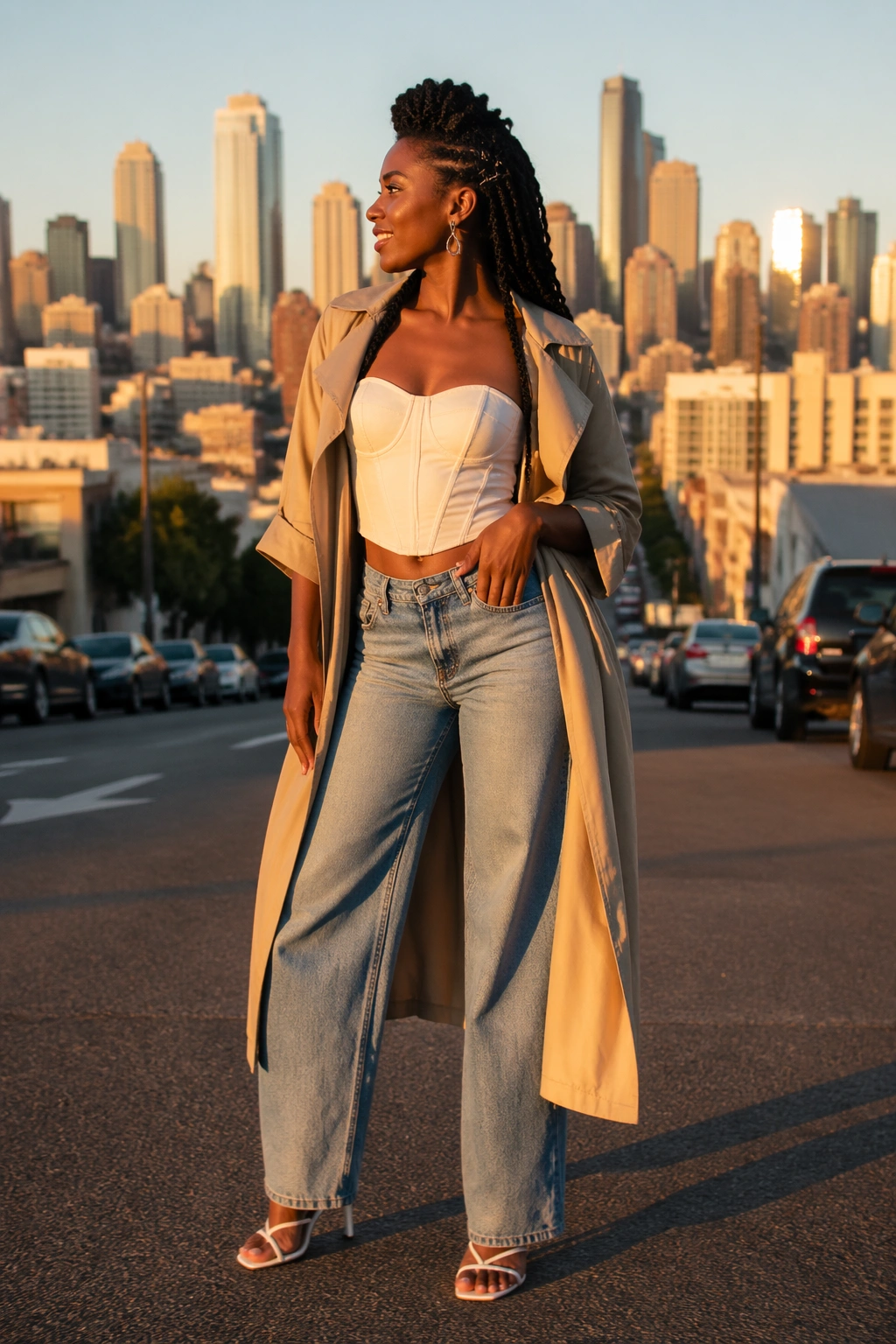
This one looks sharper than a top knot.
The faux hawk uses the center of the head as the main line, with the sides pinned tight enough to disappear and the middle left full and lifted. On curly Senegalese twists, that central ridge gives the style a strong shape without requiring a full shave or a heavy gelled look. It is a strong silhouette, but it still keeps movement in the curls.
The key is pin placement. I like to pin from the temples upward and then again near the back of the ear, using enough pins to flatten the sides without making the scalp feel sore. If the sides puff out, the whole effect softens. That can look nice too, but it changes the point of the style. You want a clear line through the middle.
This is a good choice when you want height and a little edge without putting all the twists into one knot. It works with medium-length sets especially well, because the center section can lift without feeling heavy.
13. Waist-Length Twists with Flipped Ends
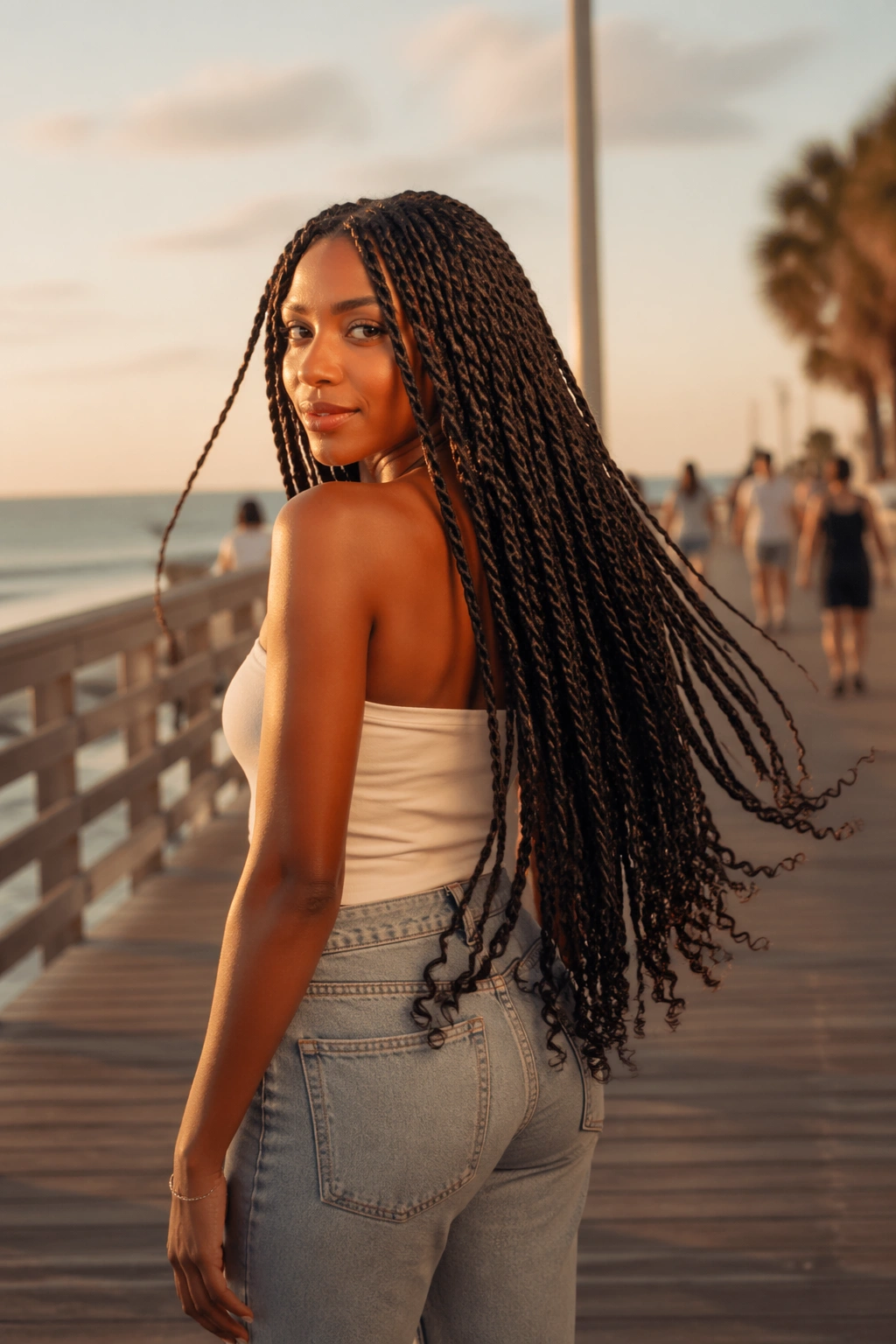
Long twists tell a different story.
Waist-length sets have more swing, more weight, and a more dramatic curl when the ends are flipped outward. The effect is less about neatness and more about movement. When the hair reaches that length, the way it falls over a shoulder matters as much as the twist pattern itself. A strong flip at the ends keeps the bottom from looking heavy.
How to set the flip
Use large rods or a looser curl method if you want the ends to bend outward instead of coiling tightly. Small rods can look too springy at this length. Bigger sections give you a smoother curve.
- Keep the ends evenly trimmed before setting.
- Let the curl cool fully before removing rods.
- Separate the finished ends with your fingers, not a comb.
Long sets need a little more care around the nape because the weight can pull if the parts are too tight. That is why a clean section pattern matters here. If the base is neat, the rest of the length can move freely.
14. Tucked-In Chignon with Hidden Ends
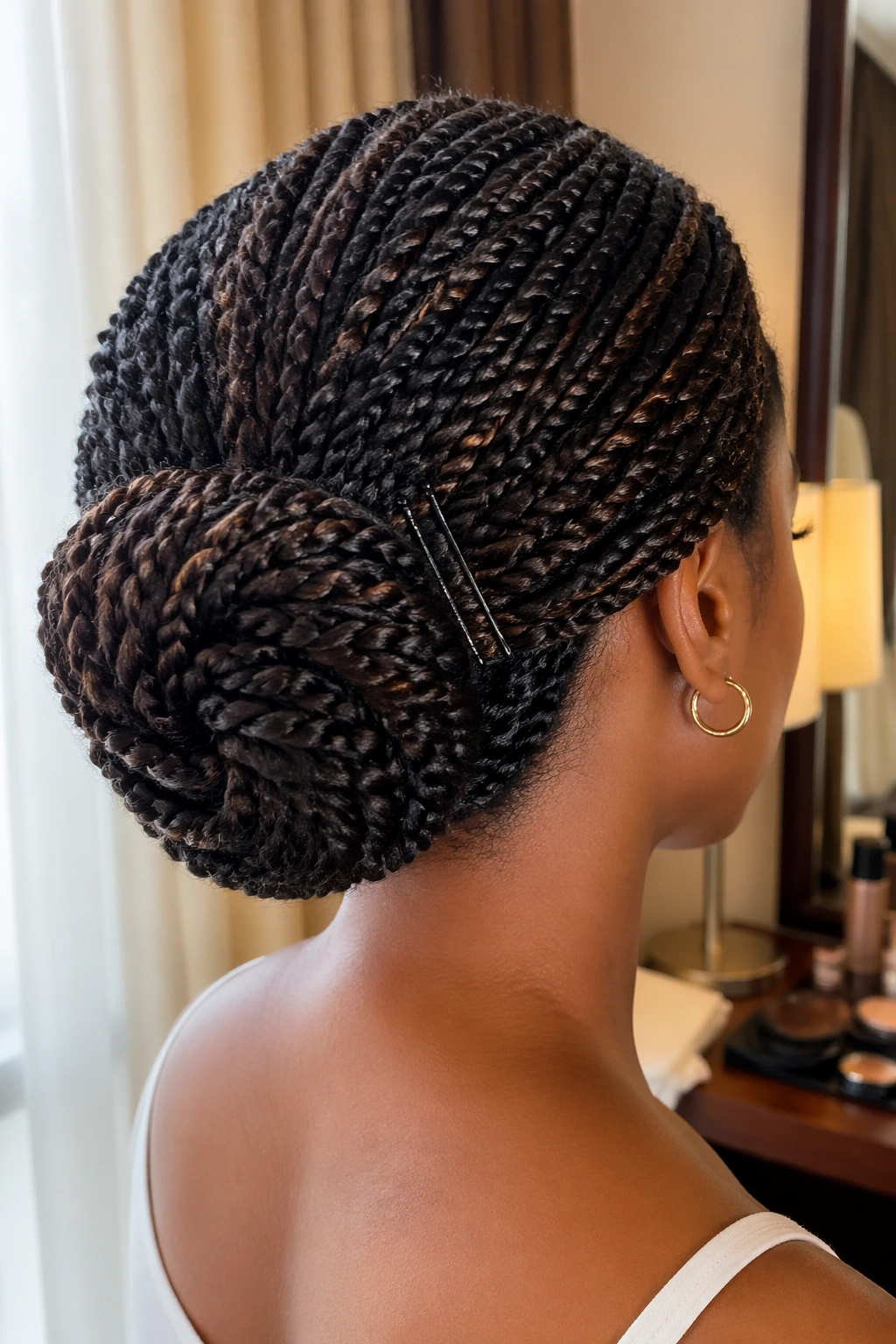
A tucked-in chignon is the cleaner cousin of the low bun.
The difference is simple. In a bun, you still see a lot of the twist length wrapped around the base. In a chignon, the ends disappear into the shape. That hidden finish makes the style feel more compact and polished, and it is a smart pick when you want the hair off the shoulders for travel, events, or days when you just want less motion around your face.
This style works best when the twists are medium length, because there is enough hair to tuck without creating a giant knot. I like a side part with this one. It keeps the front from looking too severe and gives the chignon a little shape from the front view. If the top is too flat, the style can look older than it needs to. A small lift at the crown helps.
Keep a few pins handy. Six is often enough, sometimes eight if the hair is dense. After that, stop. Too many pins make the base feel stiff and can make the chignon slide around instead of staying snug.
15. Long Curly Senegalese Twist Hairstyles with Face-Framing Spirals
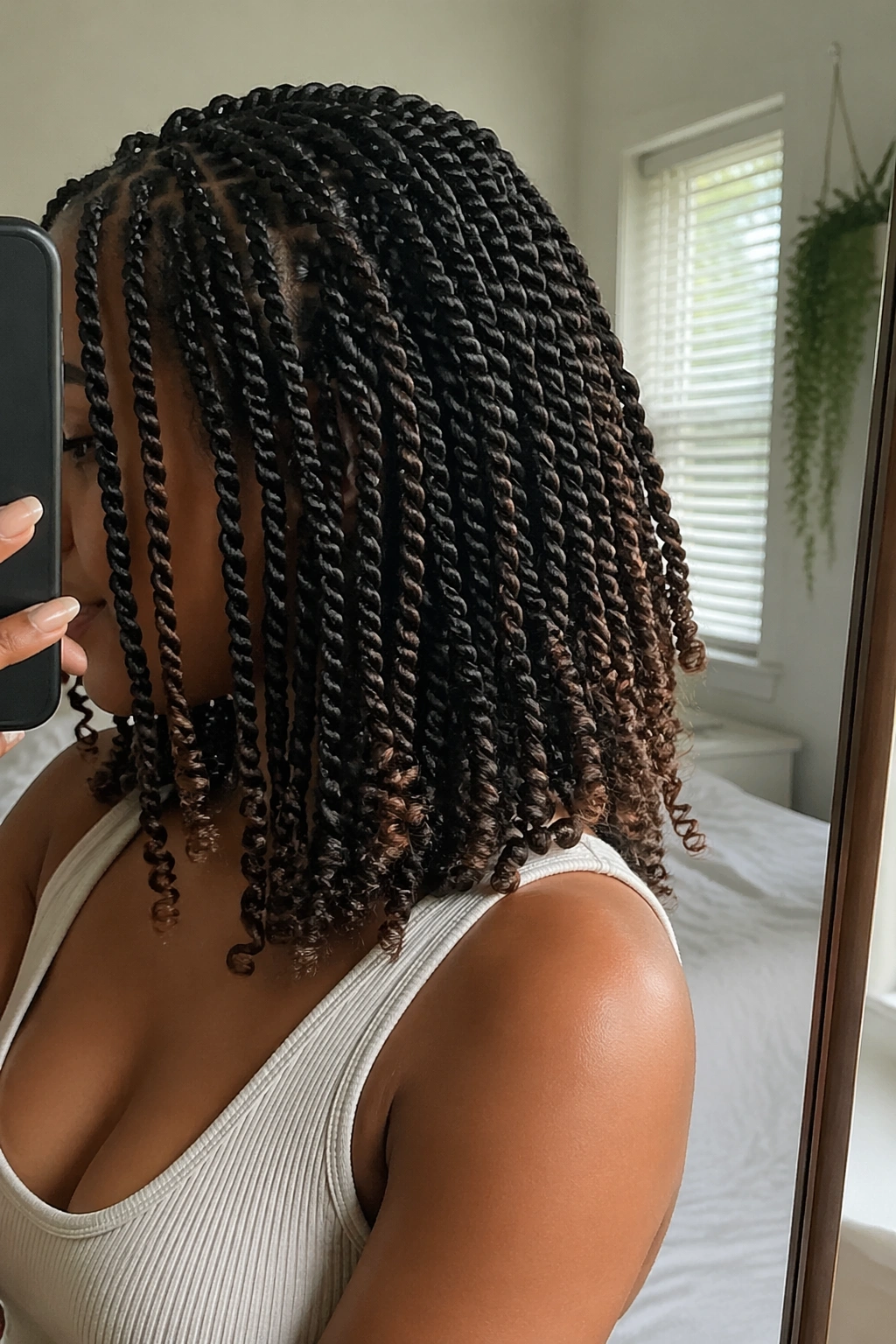
Long twists with face-framing spirals are the style I reach for when I want length but still want shape near the face.
The front pieces do a lot of work here. If they stop around the jaw or cheekbone, they soften the line of the face without hiding it. The rest of the length can fall straight down the back or over one shoulder, which keeps the style easy to wear even when it’s very full. The face-framing curls stop it from feeling too heavy at the top.
I prefer this version when the curl pattern is tidy near the ends but looser around the front. That mix gives the style some movement without turning the whole head fuzzy. It’s a useful balance. The long length adds drama; the front spirals add a little control.
If you like styles that change with your clothes, this one does that well. It can look soft with a sweater, sharper with a blazer, and more dressed up with earrings and a middle part. Nothing about it is locked into one mood, which is probably why it stays interesting for so long. The twists hold the structure. The curls keep the length from getting boring.