



Finding curly afro wigs that look real used to feel impossible. For years, the options were either shiny synthetic helmets that screamed costume from across a room, or exorbitantly priced human-hair units that most people couldn’t justify. The middle ground barely existed.
That’s shifted in a major way. Better synthetic fibers, improved lace construction, and small-batch vendors who actually understand textured hair have changed what’s possible at every price point. You can now pick up a wig that passes as your natural hair in broad daylight — if you know what to look for and where to look.
This guide is about those wigs. Twenty-two specific styles, lengths, and constructions that I’ve either worn, researched obsessively, or watched close friends rock with confidence. Each one offers a different angle on the “looks real” promise.
What “Looks Real” Actually Means
Before digging into the styles, it helps to define what separates a convincing wig from an obvious one. Four things matter most:
The hairline has to look natural. A pre-plucked lace front or a well-made hand-tied hairline beats everything else. If the hair plants straight at the front edge, the wig reads fake no matter how good the rest is.
The texture has to match real curl patterns. Perfect spirals in every section look wrong. Real afros have variation — tighter in some spots, looser in others, a few frizzies, a bit of chaos.
The density has to be appropriate. Super-dense wigs look thick and helmet-like. Natural hair has areas of different density, and good wigs reflect that.
The shine has to be right. Too shiny reads plastic. Too matte reads lifeless. A healthy natural glow sits in between.
Get those four right and almost any wig becomes believable.
Synthetic vs Human Hair
Synthetic wigs have come a long way. Heat-resistant synthetic fibers now mimic human hair texture more convincingly than they used to, and the price difference is still dramatic — a good synthetic afro runs $40-150, while a comparable human hair version starts around $200 and goes up to $1500.
Human hair wigs win on longevity and versatility. You can dye them, heat style them, bleach the knots yourself, and they last two to three years with care. Synthetics last six months to a year with regular wear, and they can’t be heat styled unless labeled heat-resistant.
For a first wig or a backup look, synthetic is the smart pick. For your daily unit or statement piece, human hair pays for itself over time.
Worth knowing: virgin hair, Remy hair, and non-Remy hair aren’t just marketing. Virgin hair has never been chemically processed. Remy hair has aligned cuticles that prevent tangling. Non-Remy is cheaper but tangles faster. For afros, Remy or better is worth the upgrade.
Lace Types and Why They Matter
Lace fronts, full lace, 360 lace, HD lace, transparent lace — the labels multiply fast. Here’s the short version:
Lace fronts have lace across the front hairline only. The rest of the cap is solid. Best for people who wear the hair down or in low styles where the back isn’t visible.
Full lace wigs have lace across the entire cap. You can part the hair anywhere, pull it into a high ponytail, or style it however you want. Most expensive.
360 lace has lace around the entire perimeter with a solid middle. Good for high ponies and updos.
HD lace and transparent lace are thinner, more skin-matching laces that melt into the hairline better. The difference matters most for lighter skin tones — darker complexions can use any lace and get good results with proper application.
Cap Construction and Fit
A wig that doesn’t fit your head properly will never look real, regardless of the hair quality. Measure your head before ordering: around the circumference, from ear to ear over the top, from front hairline to nape, and from temple to temple across the back.
Most caps come in small (21.5″), medium (22.5″), and large (23.5″) circumferences. Adjustable straps inside let you fine-tune the fit. Combs at the front, sides, and nape hold the cap in place.
A cap that’s too big slides around and exposes the wefts. A cap that’s too small creates tension headaches and puts pressure on the edges.
1. The 4C Kinky Curl Full Lace
Why It’s a Top Pick
This is the wig I recommend first when someone asks where to start. A full lace cap in 4C kinky texture, shoulder-length, with a hairline pre-plucked by the vendor.
- Cap size adjustable
- Texture that matches tight natural coils
- Can be parted in any direction
- Holds up well to daily wear for six months or more
What makes it sing: the match with natural 4C hair is nearly perfect. Even your close friends won’t know unless you tell them.
Expect to spend $300-600 for a quality unit in this category. The low-end options skimp on density or lace quality, and you’ll see the difference within a month.
2. The Jerry Curl Shoulder-Length Wig
Jerry curls aren’t the shiny, wet-looking style from decades past — the modern version is a soft, defined curl pattern with medium spring. Shoulder length sits at the collarbone, and the weight of the length helps the curls fall naturally.
This style looks believable on most face shapes and pairs well with everyday outfits. The curl pattern is forgiving during styling — you can finger coil sections that lose definition and they bounce back.
Price range: $120-400 depending on hair source.
3. The Short Afro Pixie With Closure
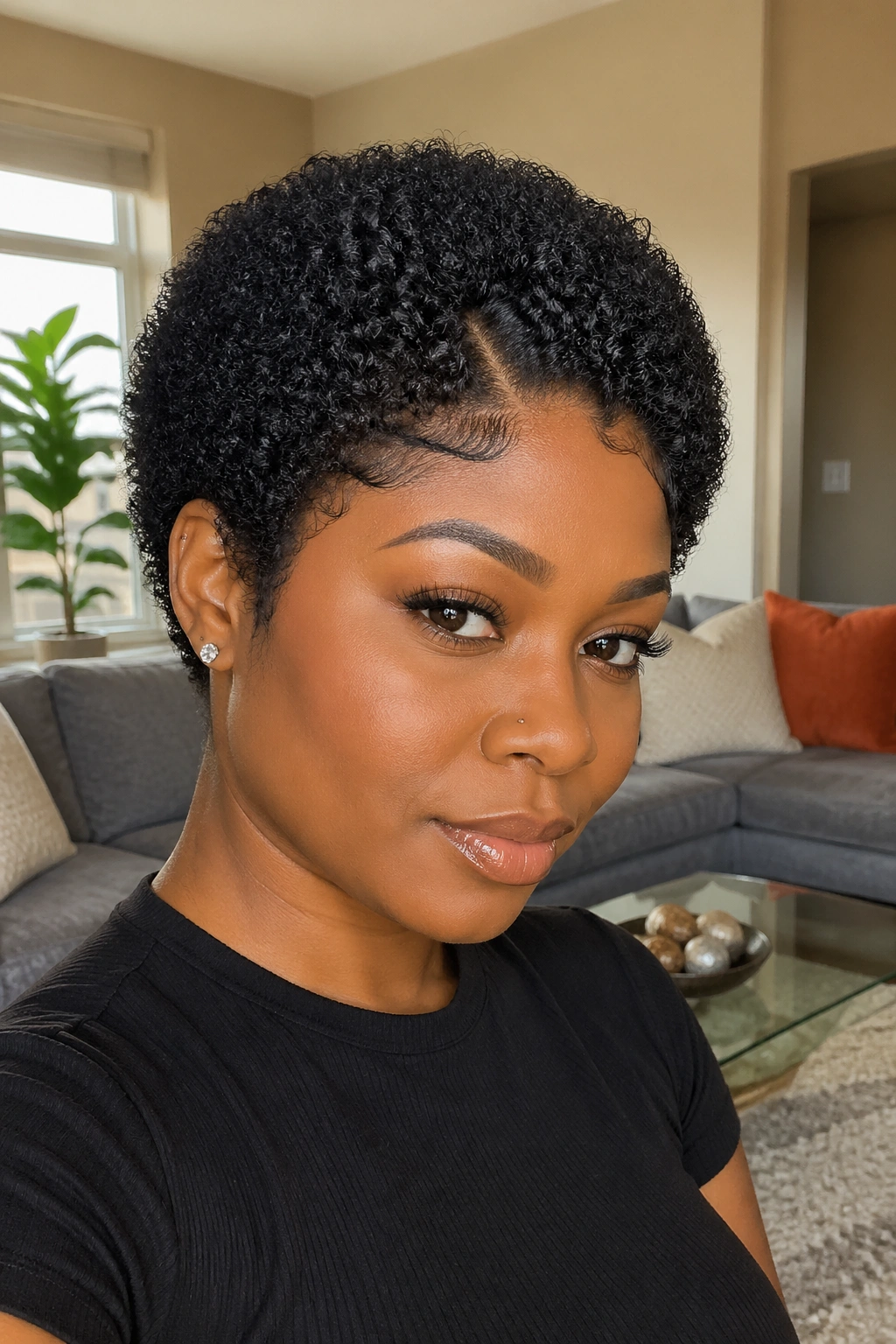
Think of a pixie cut but with full afro texture. This style hits just past the ears, with a 4×4 lace closure at the front to create a natural parting area.
The short length makes the density requirements lower, which keeps costs down. A quality short afro wig runs $80-250, and the maintenance is minimal because there’s less hair to detangle.
Pair with bold earrings and structured clothing for a striking, sculptural look.
4. The Big Hair Retro Afro
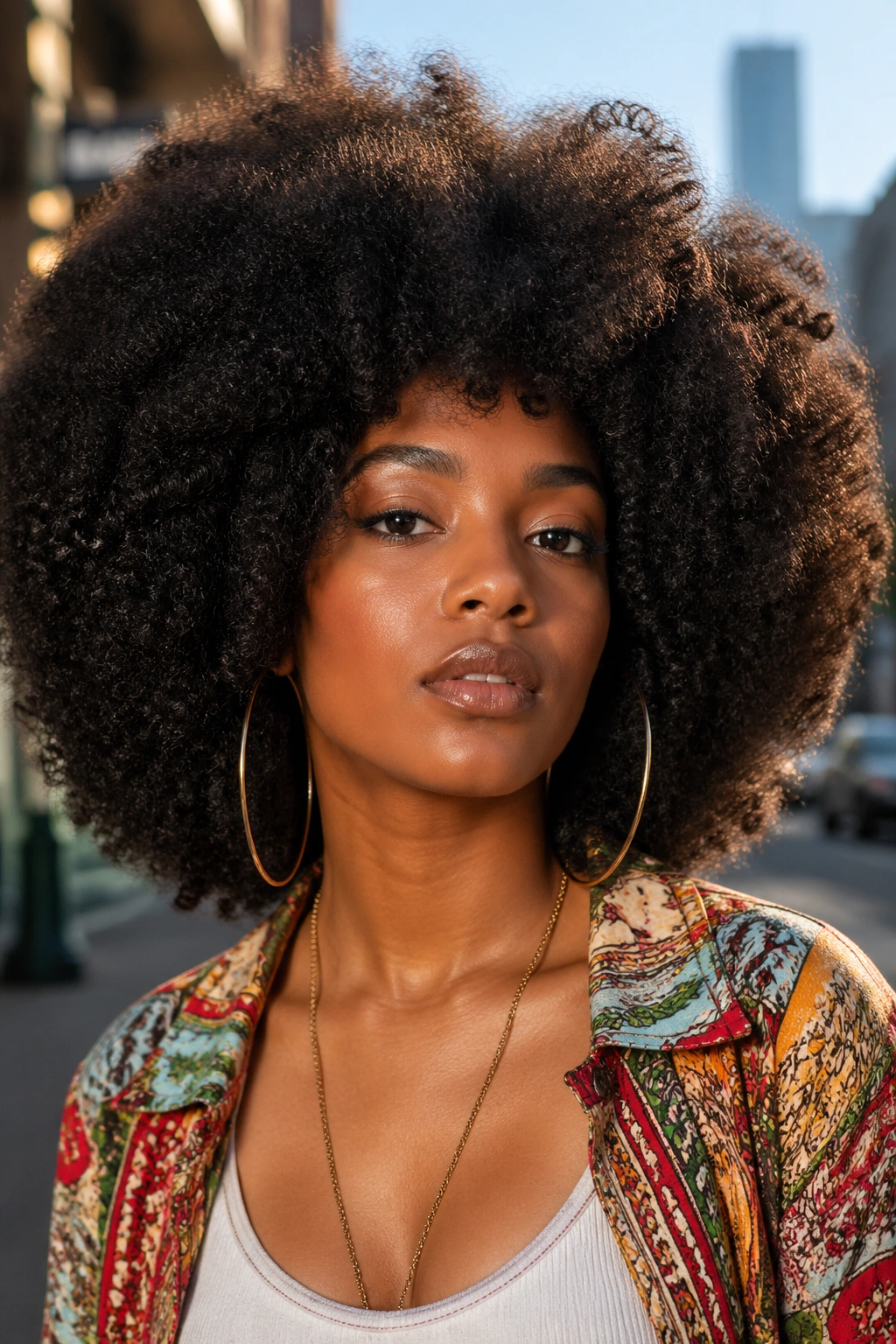
Is there anything more iconic than a full, round, shoulder-width afro? This style pays tribute to the classic silhouette without the costume feel. The key is choosing a wig where the curl pattern varies across the head — tighter at the roots, looser at the tips — instead of a uniform pompom shape.
The cap needs to be sturdy. A full afro shape carries weight, and a flimsy cap will slide out of position.
Worth trying on: the size can be overwhelming at first. Give it a few wears before deciding.
5. The Mid-Back Length Curl
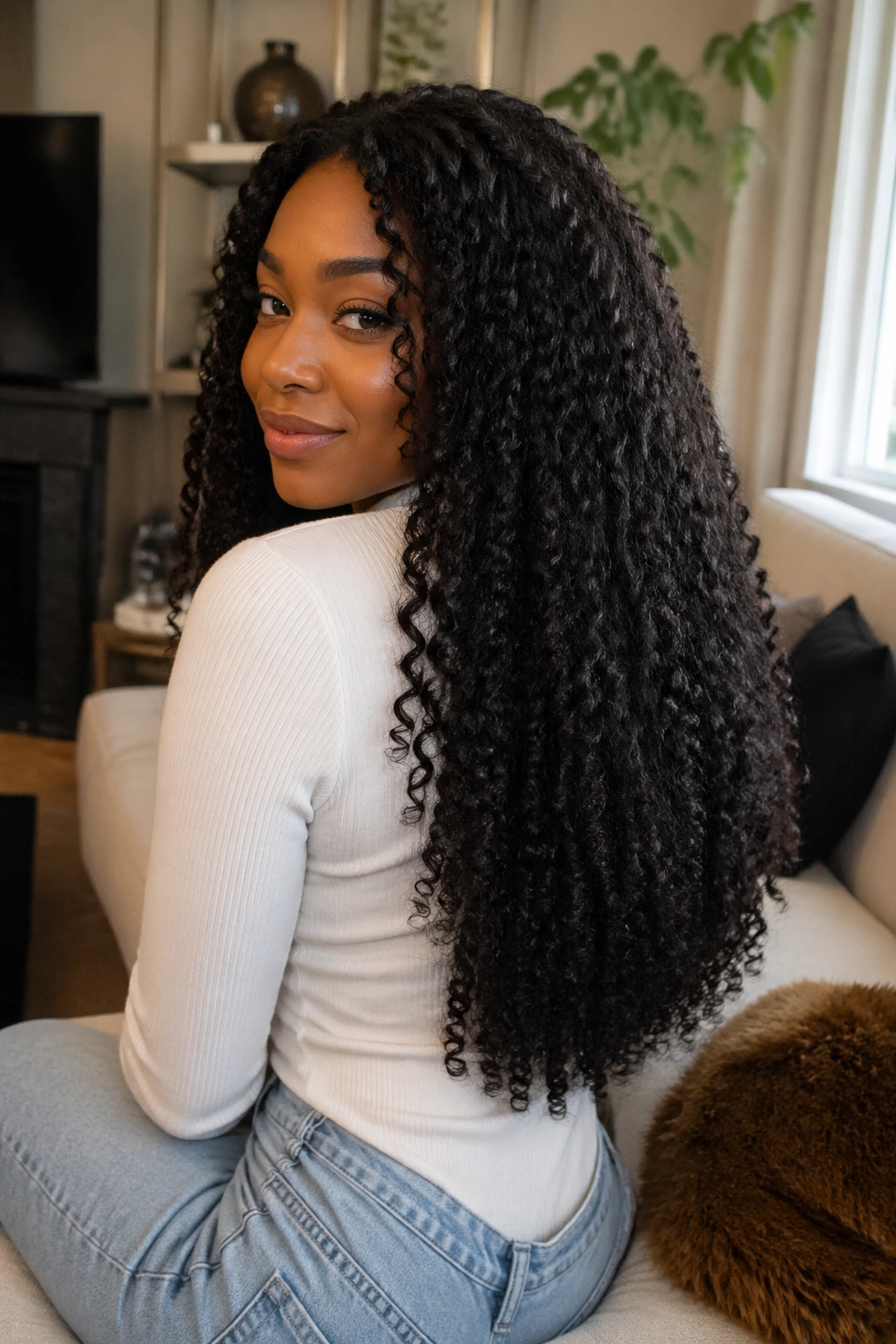
Length changes everything. A mid-back length curly afro wig drapes over the shoulders and down the back, reading dramatic and elegant. The extra length requires more maintenance — longer wigs tangle faster — but the visual payoff is worth it.
Detangle daily from the tips upward. Never yank from the top. Store on a wig stand to prevent matting.
Human hair is strongly recommended for this length. Synthetic long wigs tangle into knots that can’t be undone.
6. The Bob With Curl Definition
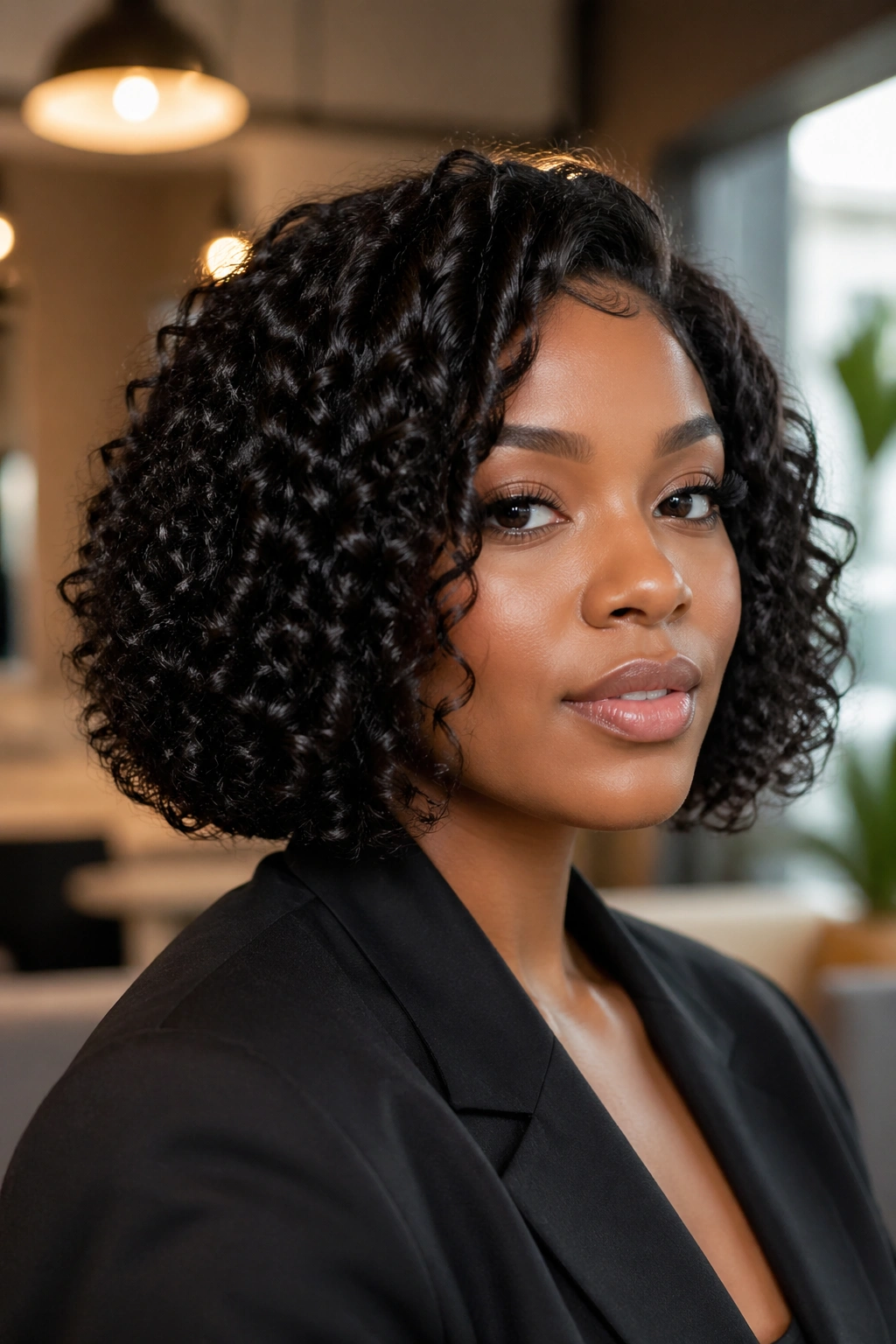
A curly bob cut sits at the chin or just below the jaw. It’s one of the most flattering cuts on almost every face shape, and curly texture gives the bob bounce and volume that straight versions can’t match.
Look for a bob with a slight A-line — slightly longer in the front than the back. That shape elongates the face and sharpens the jawline.
Great for: professional settings, first-time wig wearers, and anyone who wants to look polished without much fuss.
7. The Water Wave Long Wig
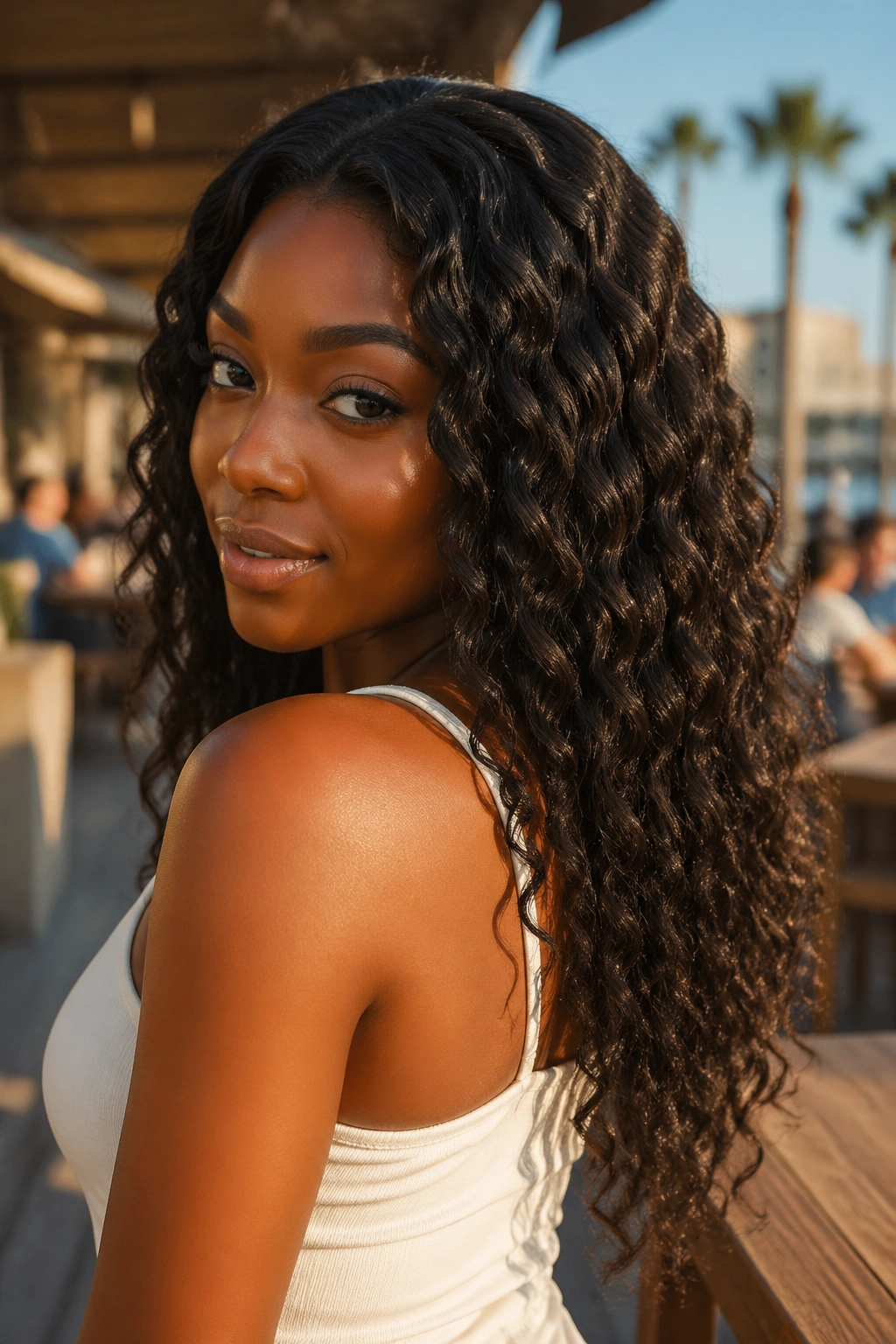
What’s Different
Water wave texture is a looser, wavier pattern than tight coils — closer to type 3B or 3C curls. A long water wave wig in the 20-24 inch range creates a beachy, effortless look.
- Doesn’t require much styling once installed
- Blends well with natural hair for hybrid installs
- Holds definition for days
- Looser texture is easier to detangle than tight coils
Budget note: water wave wigs run cheaper than tighter curl patterns because the fiber production is simpler. $100-350 gets you a quality unit.
8. The Springy Afro With Headband
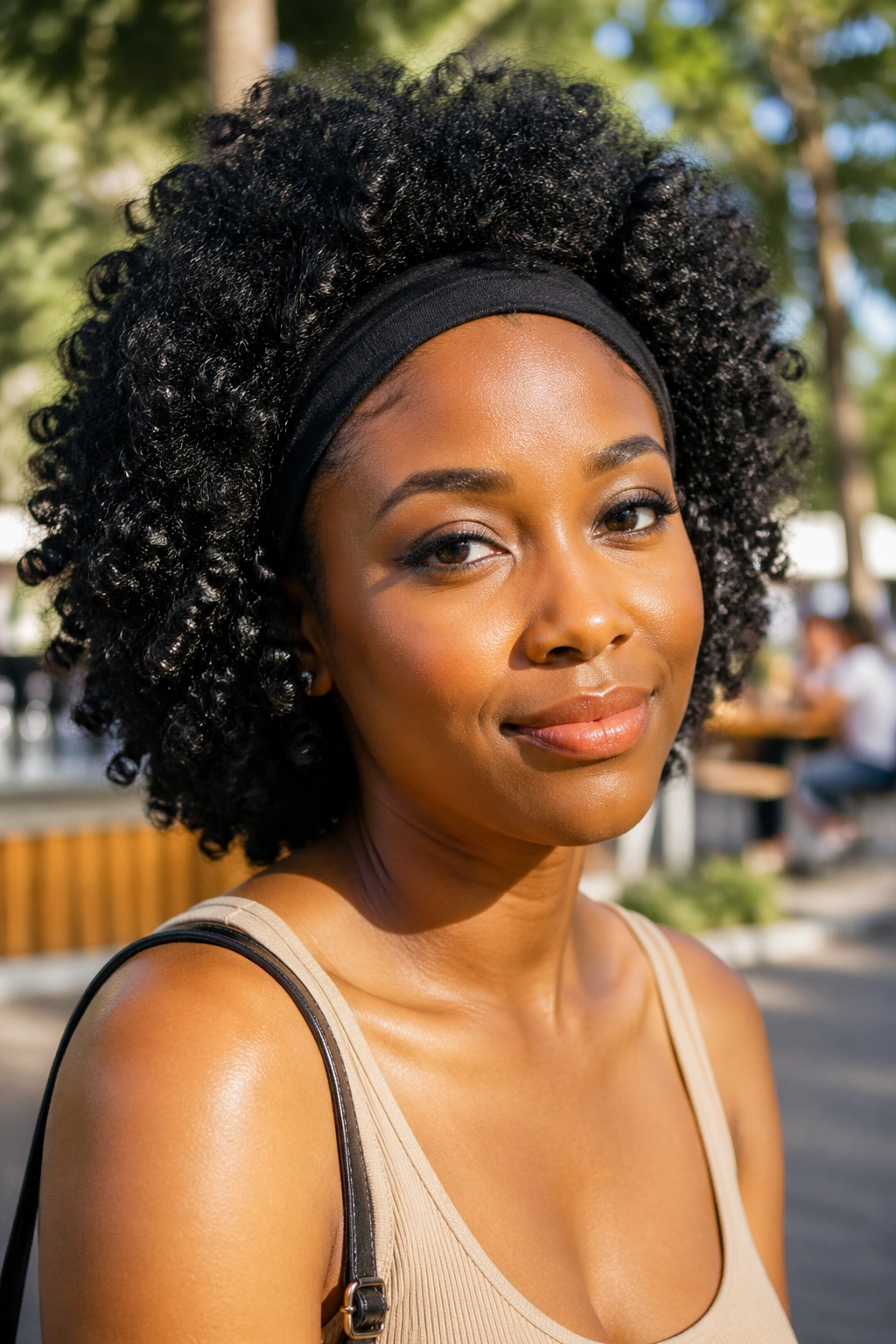
A headband wig skips the lace front entirely and comes with an attached headband that sits at the hairline. You slide it on like a hat, tuck your natural hairline under the headband, and you’re done.
Total install time: under a minute. No glue, no tape, no fussing with the lace.
The tradeoff is that you can’t style it up into a high ponytail or deep side part. But for casual daily wear, headband wigs are the fastest, most beginner-friendly option available. Expect to pay $40-180.
9. The Kinky Straight Wig
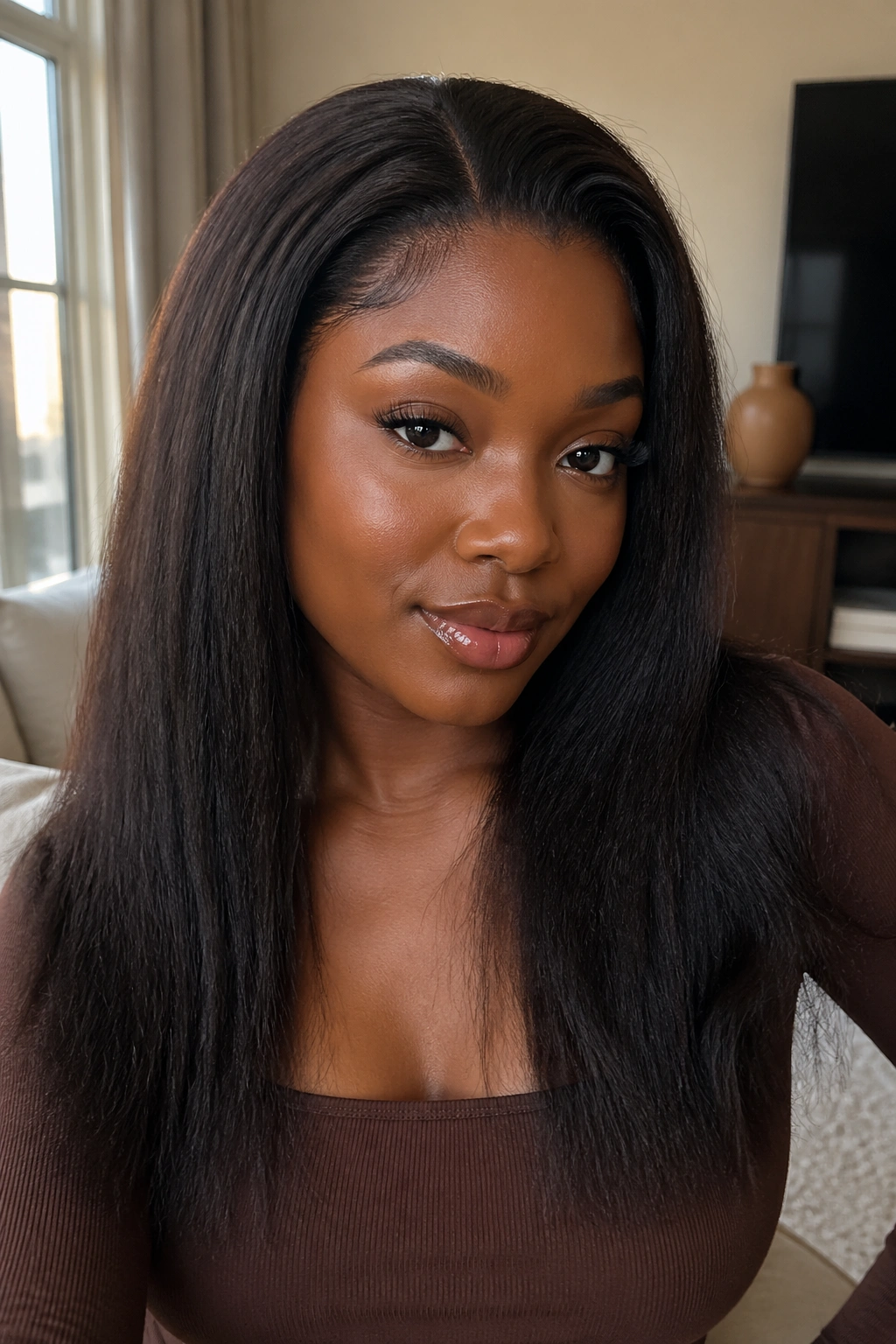
Not every “afro” wig is curly. Kinky straight texture — afro texture that’s been stretched straight — reads natural and professional. It sits straight but has the volume and body of textured hair, which makes it blend beautifully with relaxed or flat-ironed natural hair.
Best for: anyone who wants the sleekness of straight hair without the obvious “bone-straight” look that screams wig.
Heat can redefine the curl pattern, so treat it carefully. Store properly and avoid high heat.
10. The Deep Wave With Side Part
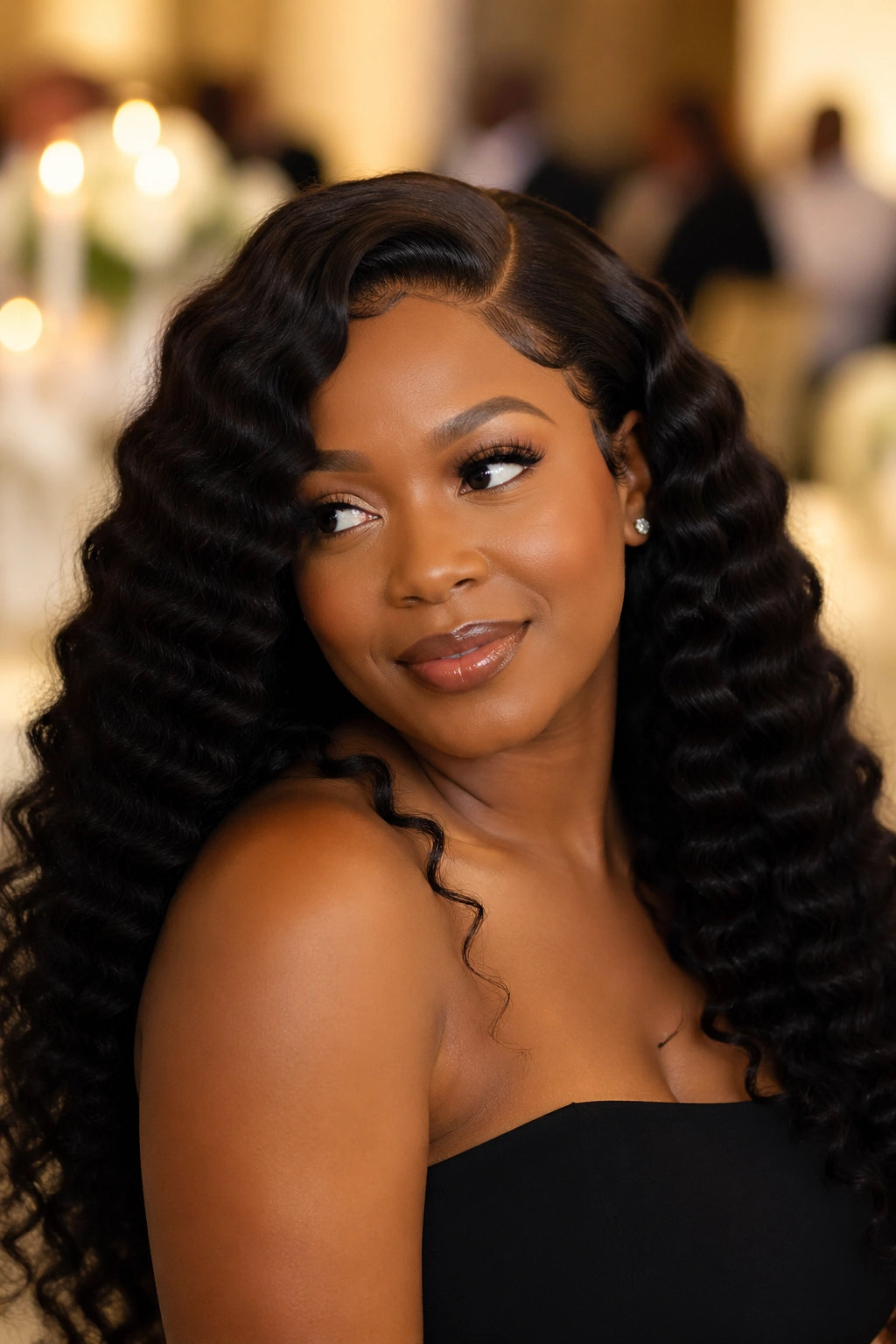
Deep wave texture creates soft, large waves that cascade down. A side part adds asymmetry and frames the face.
The wig cap is usually 13×4 lace at minimum, giving enough flexibility for side parting. Pre-plucked hairlines save you the work.
Wears beautifully to weddings, dinners, and any occasion where you want to look dressed up without going full glam.
11. The Curly U-Part Wig

A U-part wig has an opening at the top where you pull your own hair through. This lets your real hairline stay visible, which is the most foolproof way to avoid a fake-looking wig front.
The natural hair blending takes some practice. The curl texture of the wig should match your real hair closely, or the contrast reveals the trick.
Great for: people with short hair who want length without a full install, or anyone nervous about wearing a lace front in public for the first time.
12. The Big Curl Balayage
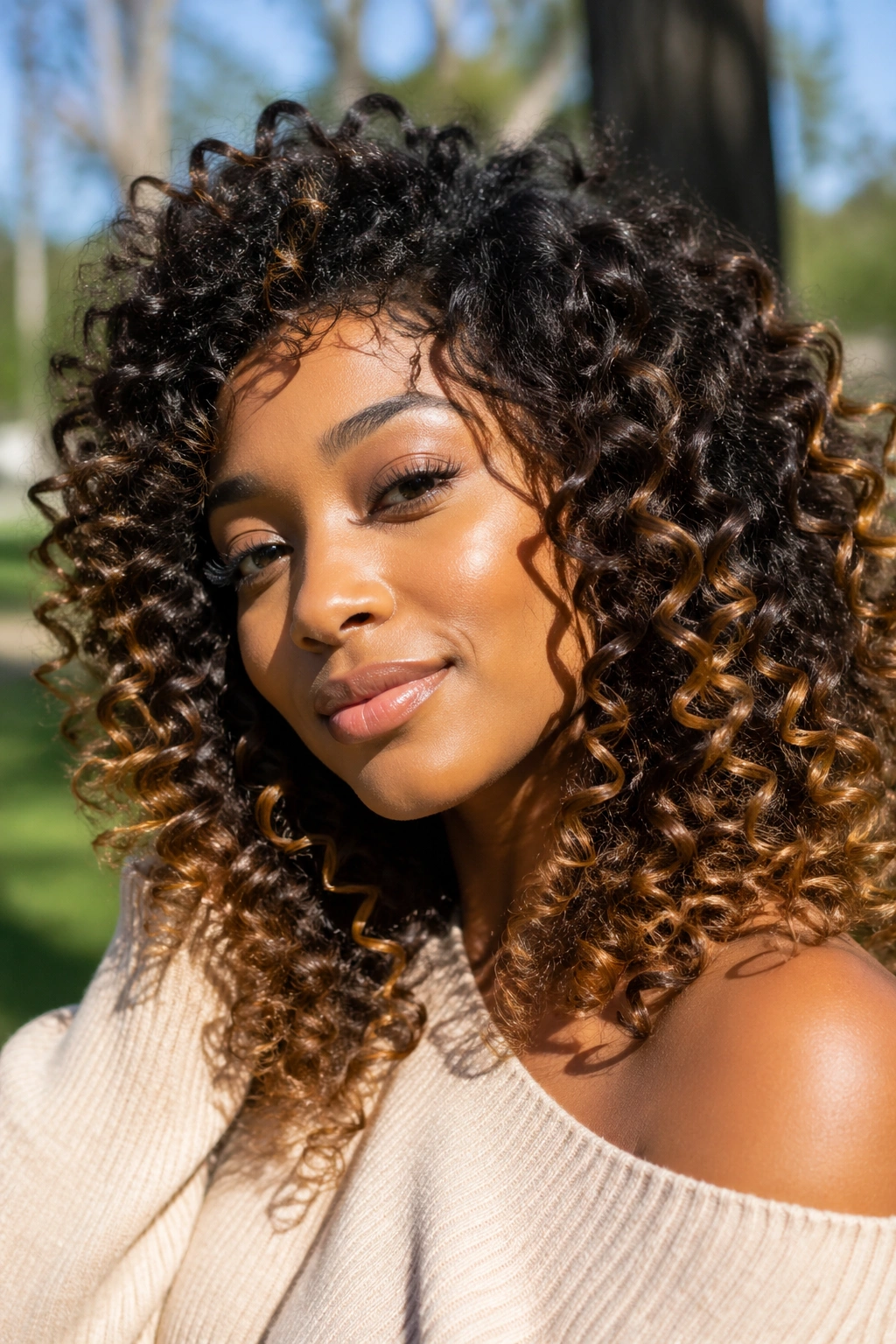
Balayage — the hair color technique where color is painted on for a sun-kissed gradient — translates beautifully to afro wigs. A big curl wig with dark roots fading to a warm caramel or honey at the tips adds visual depth.
Hand-painted balayage wigs cost more than solid-color ones ($250-700), but the dimension makes them look dramatically more realistic than flat one-tone dyes.
Don’t wash them in hot water. Hot water fades the color gradient.
13. The Full Lace With Baby Hair
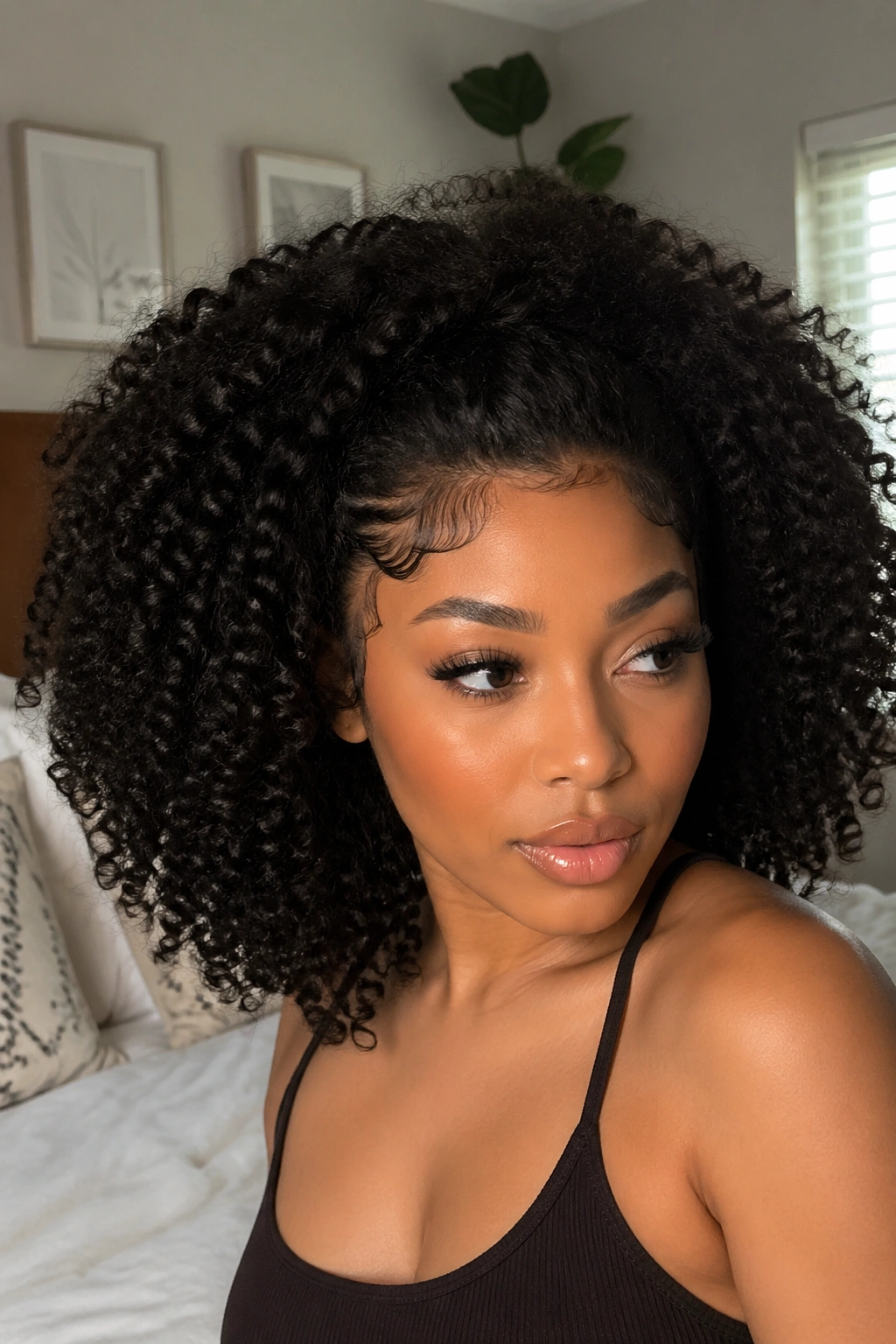
Some wigs come pre-plucked with “baby hair” at the hairline — fine, wispy hairs that mimic the natural baby hairs along a real forehead. When styled correctly, baby hairs add the final touch of realism.
If the wig doesn’t come with them, you can create them yourself by customizing the hairline: pluck a thin section, leave the shorter hairs free, and style them with edge control.
Worth the extra cost if you’re buying a mid-to-high range wig. The detail makes a noticeable difference.
14. The Short Curly Mohawk-Style
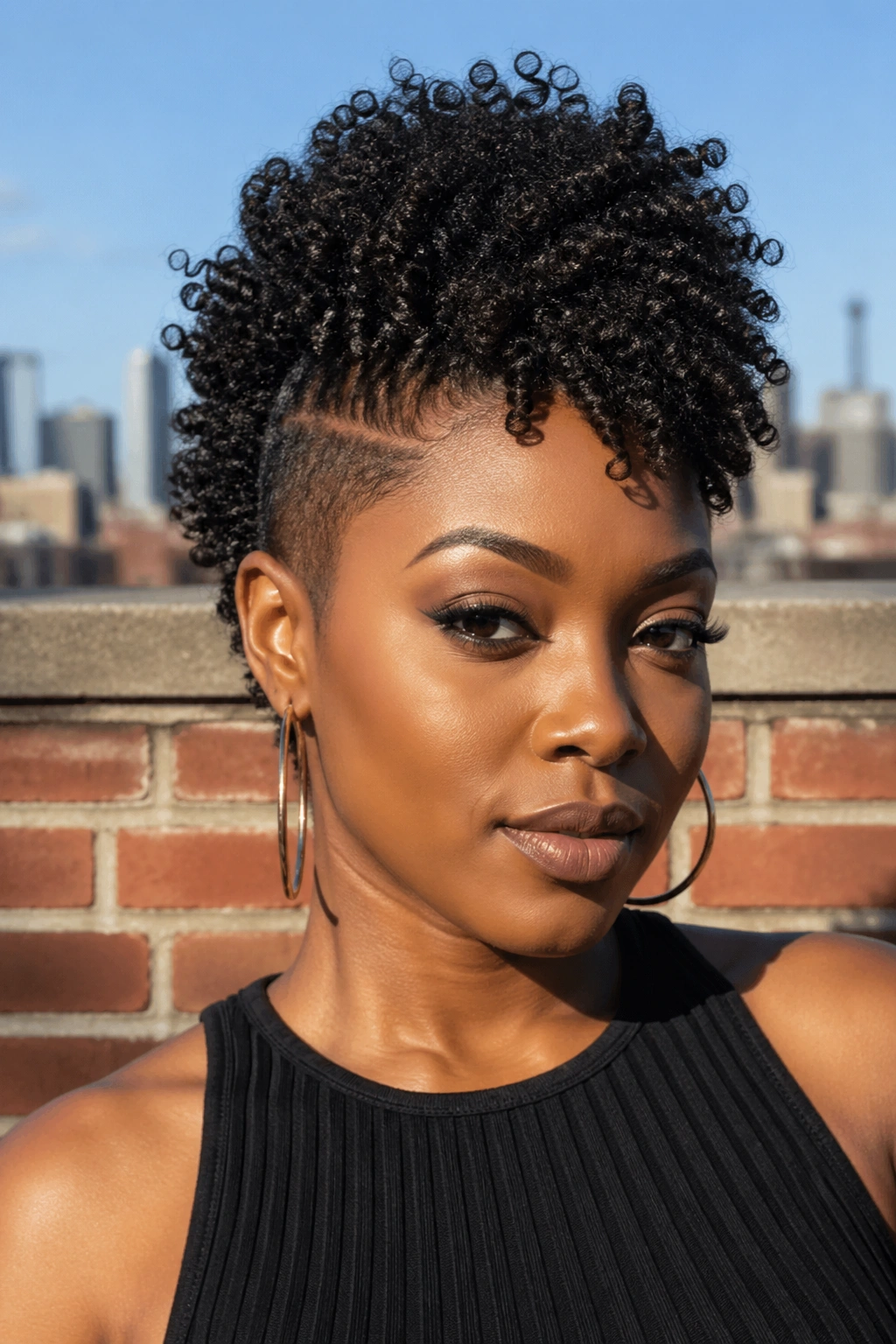
A short curly wig styled like a mohawk — fuller in the middle, shorter at the sides — reads edgy and architectural. This one is bold and best for people who want a statement look.
The cap is usually shorter at the sides to allow the mohawk shape. Look for a version with curl definition rather than a pompom shape on top.
Best for: creative workplaces, photo shoots, and people who want something nobody else is wearing.
15. The Afro Kinky Bulk for Custom Wigs
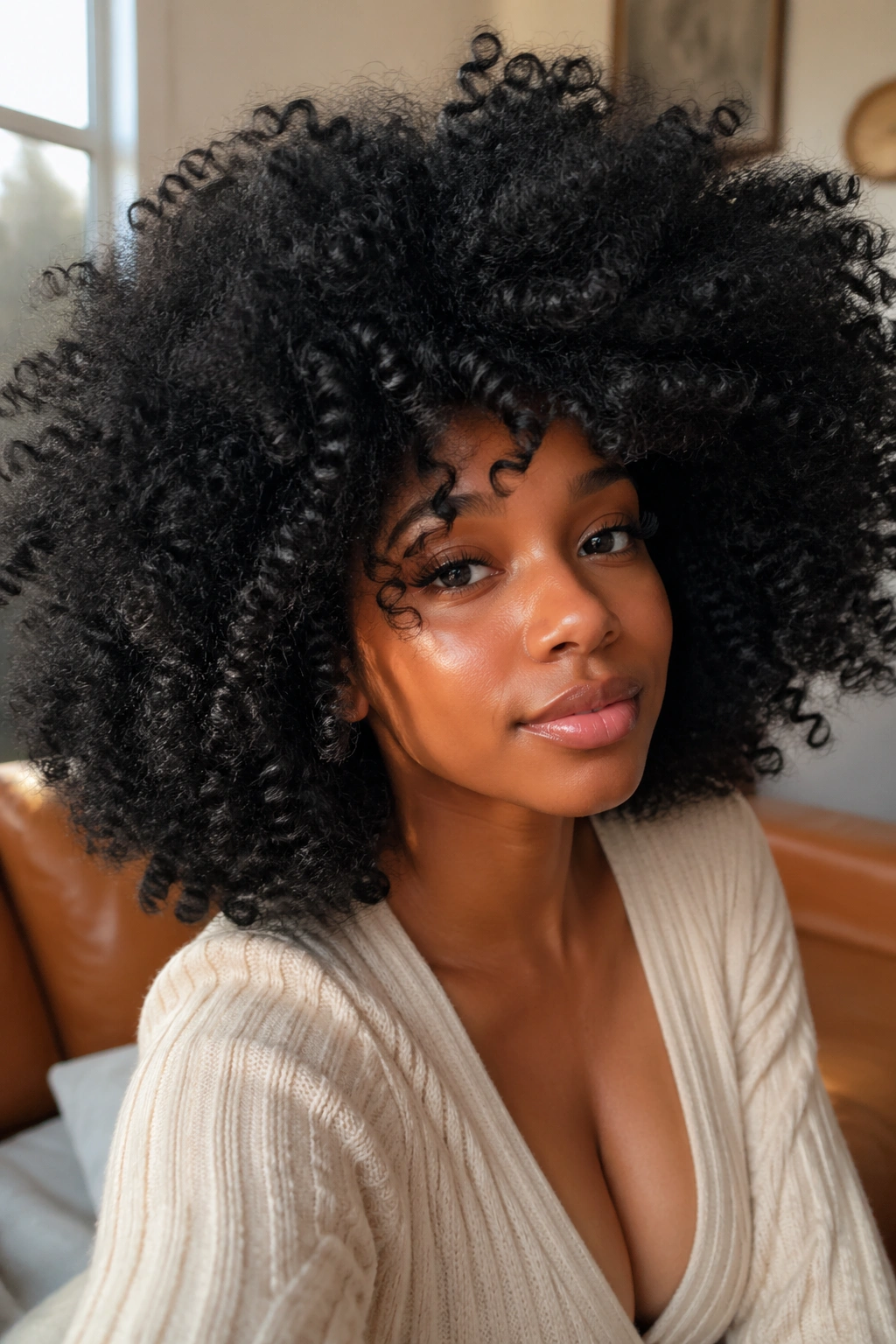
Unlike pre-made units, afro kinky bulk hair lets you (or a wigmaker) create a fully custom wig from scratch. You pick the texture, length, density, and cap style.
Custom wigs run $400-2000 depending on the hair and the maker. For the price, you get a unit that fits your head perfectly and matches your exact style preferences.
Best for: anyone who wears wigs daily and wants a unit that lasts years.
16. The Glueless Curly Lace Wig
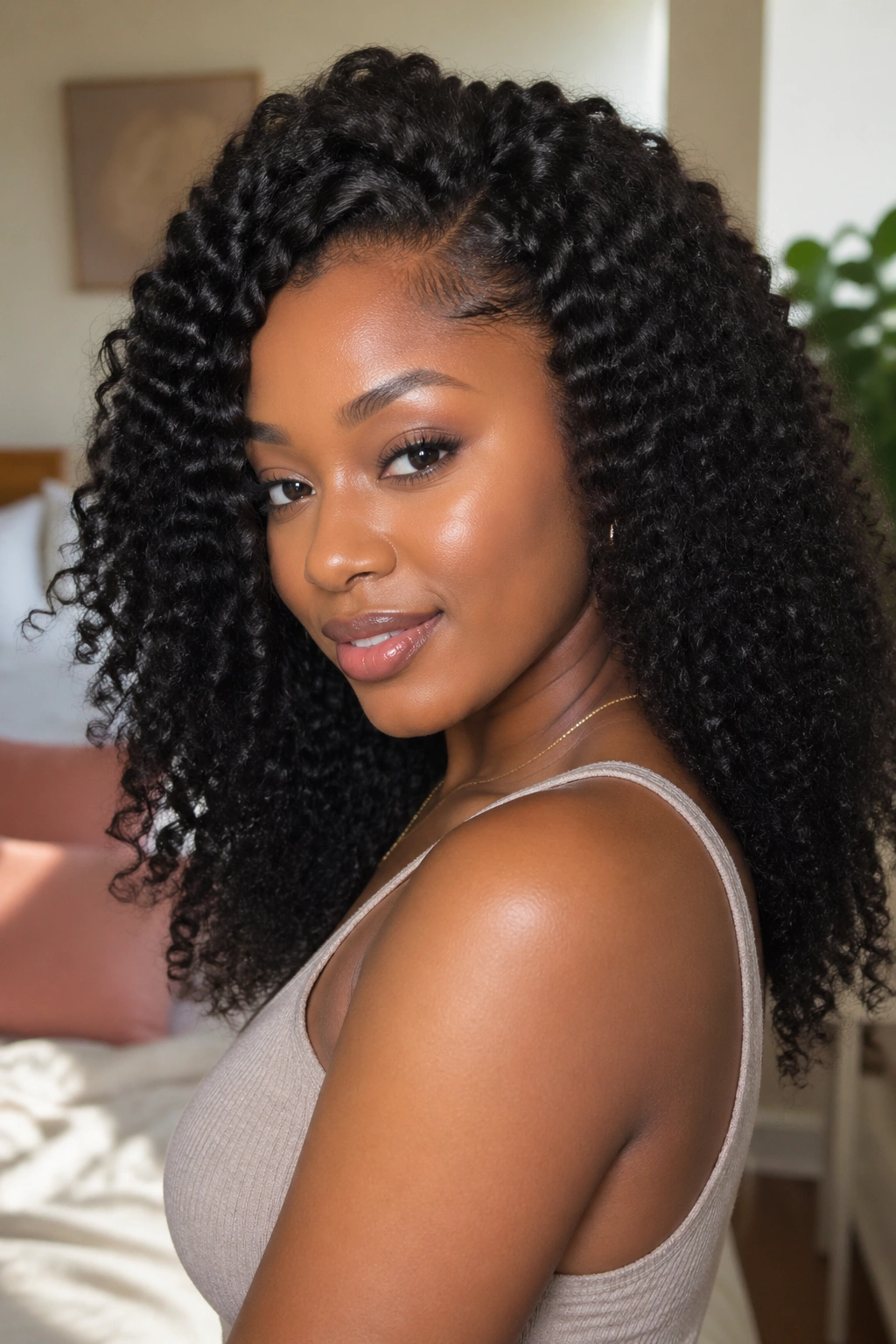
Glueless wigs have become the go-to for people who don’t want to deal with adhesives. They rely on adjustable straps, combs, and elastic bands to stay in place.
A well-made glueless curly lace wig installs in under five minutes. No mess, no skin reactions, no sticky residue.
The tradeoff: some slide more than glued ones. For active days — running, dancing, swimming — a glued install still wins. For everyday wear, glueless is usually enough.
17. The Layered Curl Wig

Layers add movement and prevent the “helmet” look that uniform cuts can create. A curly wig with face-framing layers shaped around the cheekbones gives the whole look dimension.
Look for wigs where the layers are already cut, not ones marketed as “layered” that have just slightly different lengths. Real layers have defined shape.
Best paired with: a side part or middle part that reveals the layered framing.
18. The Ombré Curly Wig
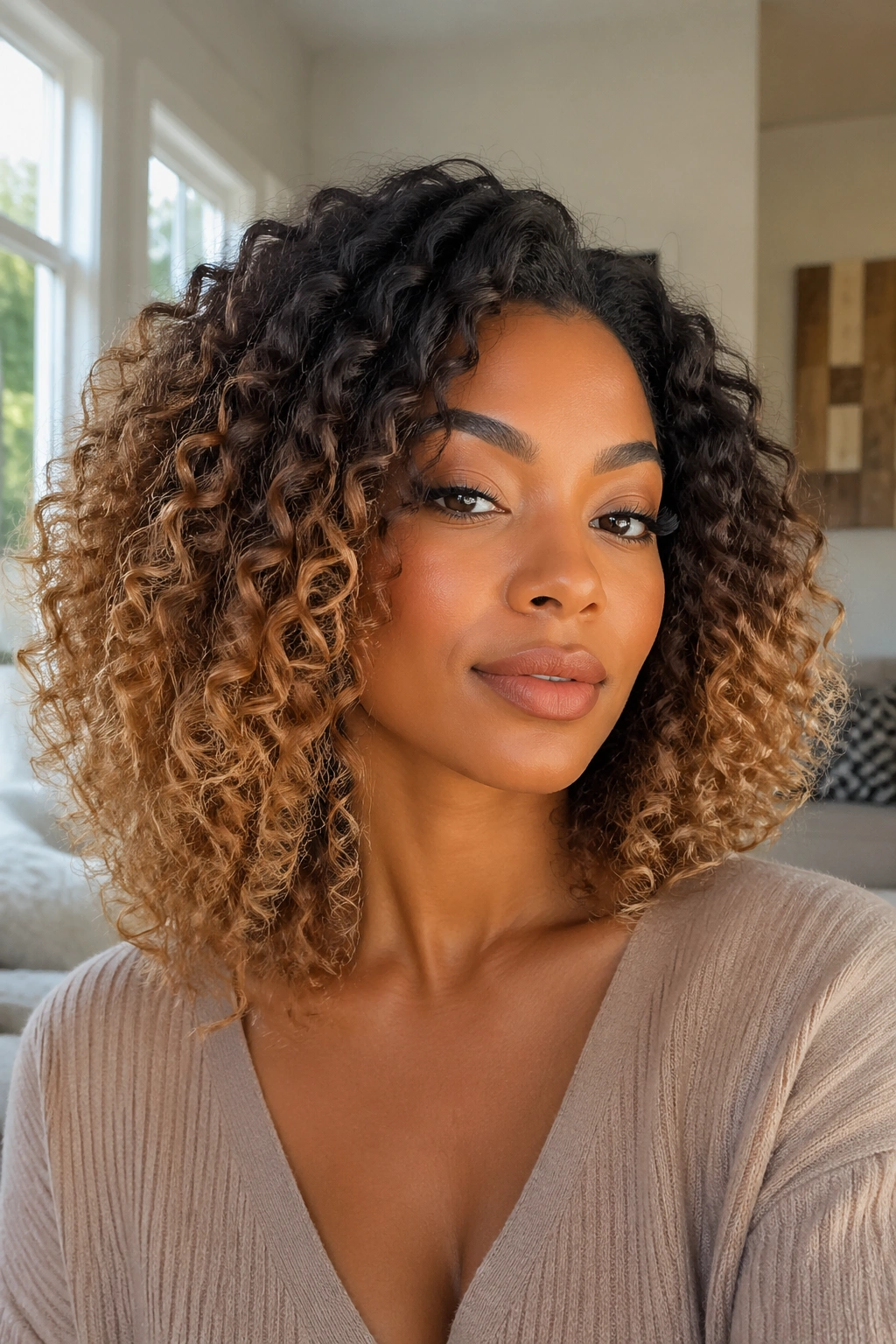
Ombré — a color gradient from dark roots to lighter ends — adds visual interest without the commitment of single-process color. A curly ombré wig can be subtle (dark brown to medium brown) or bold (black to blonde).
Subtle ombré reads more natural. Bold ombré reads statement. Pick based on the occasion.
Remember: ombré colors on synthetic wigs fade faster than on human hair. For a color gradient that lasts, human hair is worth the upgrade.
19. The Curly Fringe Wig
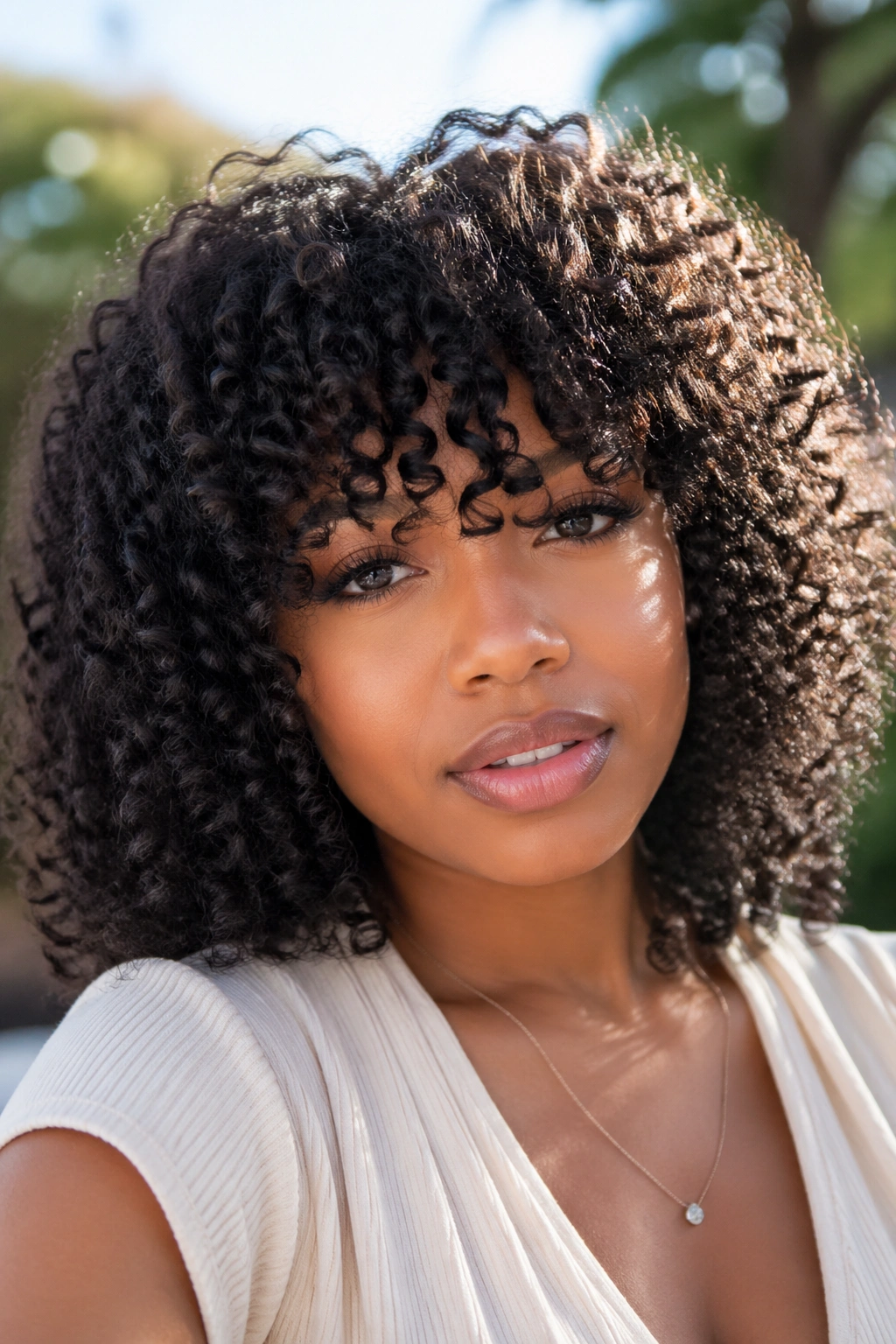
Bangs — or a fringe — change the entire shape of a wig. A curly wig with a textured fringe covers the forehead and gives a softer, more romantic look.
Curly bangs take practice to style. They need daily refreshing with a spray bottle and curl cream. If you’re not willing to do that, skip this style — a flat, sad bang ruins the whole wig.
Great for: people who want to hide a wide forehead or add a playful, youthful touch.
20. The High-Density Full Afro
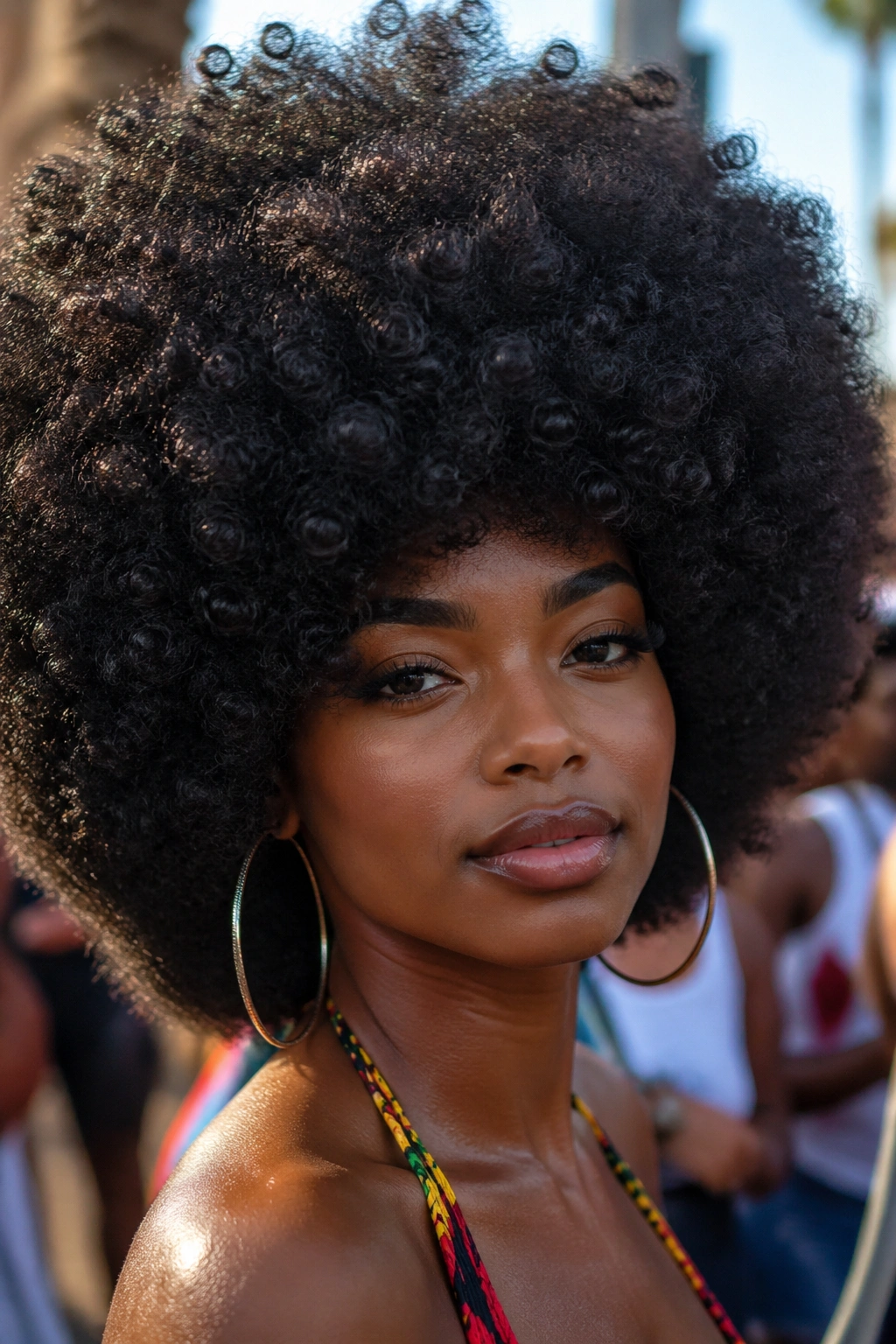
High density wigs — 200% or more — have more hair per square inch, creating the full, voluminous look of thick natural hair. For afros specifically, high density reads as “well-nourished” and healthy.
The tradeoff is weight. A dense afro wig can sit heavy on the scalp. If you’re not used to it, start with shorter wear times and build up.
Best investment: a high-density full afro is the kind of wig you’ll pull out for events, photos, and special occasions for years.
21. The Curly Half Wig
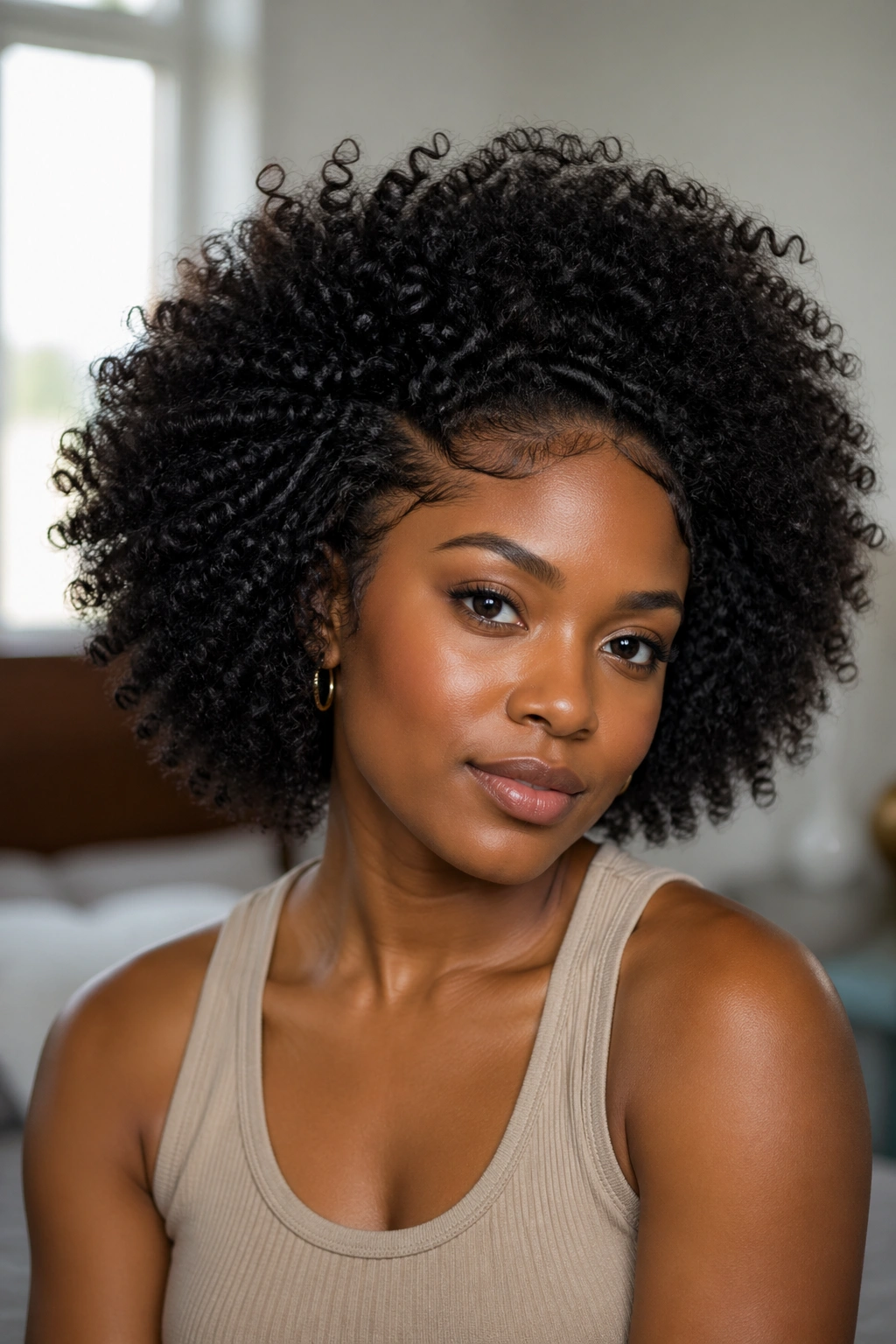
A half wig covers the back of the head only. Your own hair at the front and crown stays out, blending into the wig texture.
This style is underrated. The install is easy, the blending is foolproof if your textures match, and you get the length and volume of a full wig without the full commitment.
Price point: $60-200, making it one of the most accessible options on this list.
22. The 360 Lace Deep Curl
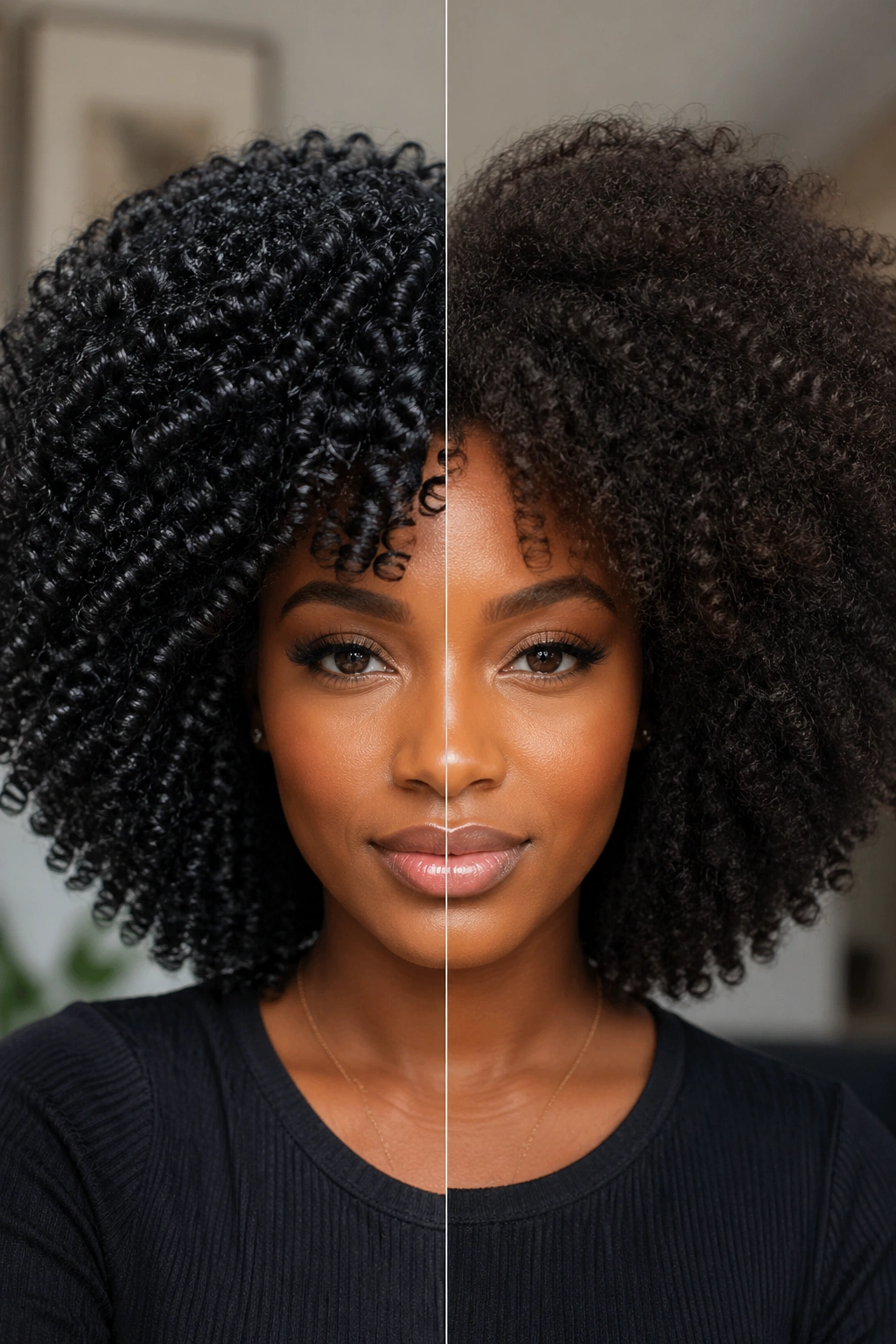
Closing with a showstopper. A 360 lace wig with deep curls lets you style the hair in any direction, including high ponytails, deep side parts, and sleeked back updos — all without exposing the cap.
The 360 lace construction is more expensive than standard lace fronts, but the versatility justifies the cost if you change styles frequently.
Pair with statement earrings and a bold lip for maximum impact.
How to Install a Wig So It Looks Real
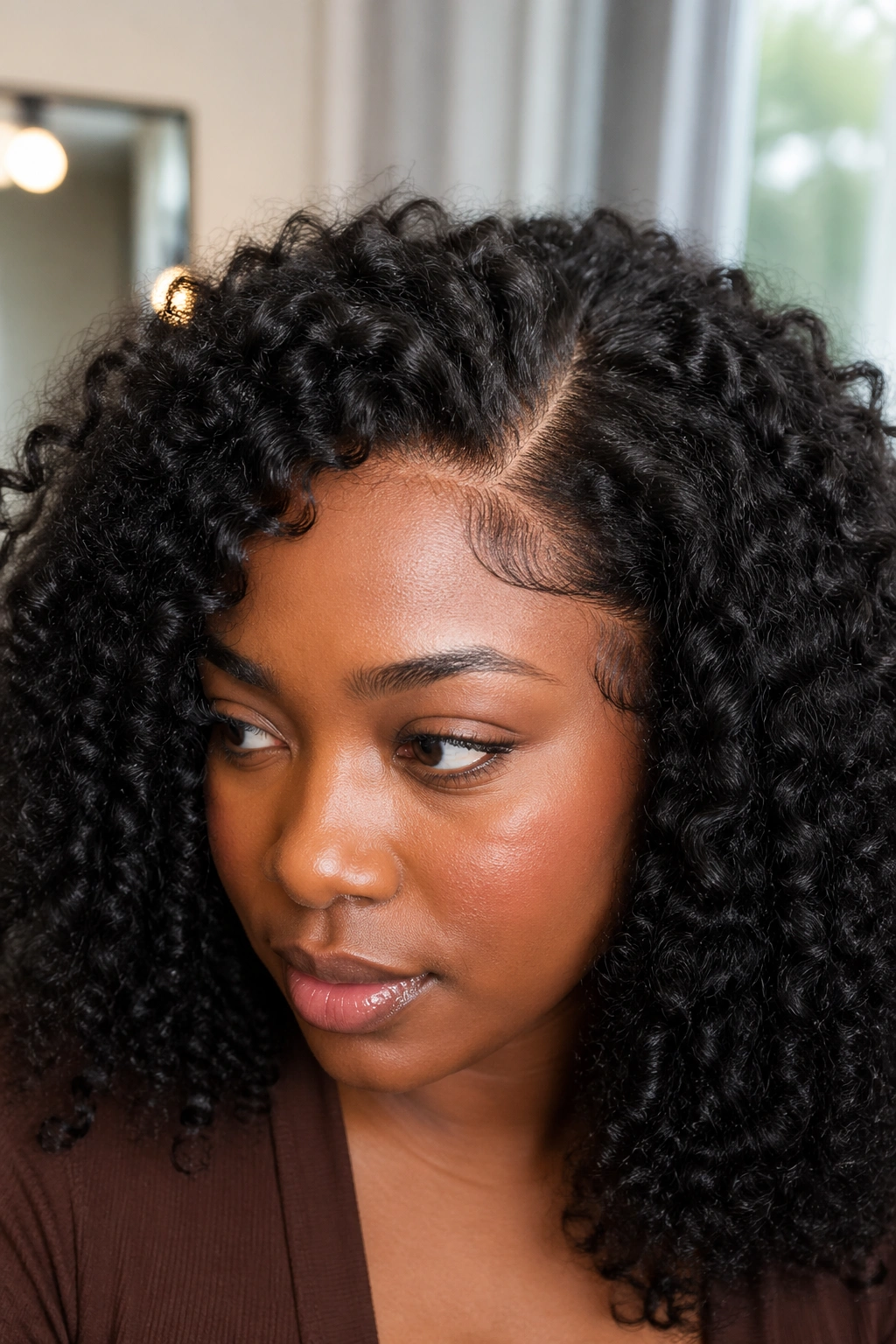
The install makes or breaks the look. Here’s the sequence that works consistently:
Braid your natural hair flat against the scalp. Cornrows work best. Flatten the front hairline with gel so nothing escapes.
Put on a wig cap that matches your skin tone. Skin-tone caps disappear under the lace better than black caps.
Position the wig and adjust the straps. The front lace should sit right along your natural hairline, not in front of it or behind it.
Trim the excess lace carefully — leave about a quarter-inch past the hairline for natural blending.
Secure with adhesive or glueless combs. If using glue, apply it thinly and wait for it to get tacky before pressing the lace down.
Style the baby hairs and blend the part. This is the final 10 percent that makes the other 90 percent work.
Maintenance That Keeps Wigs Looking New
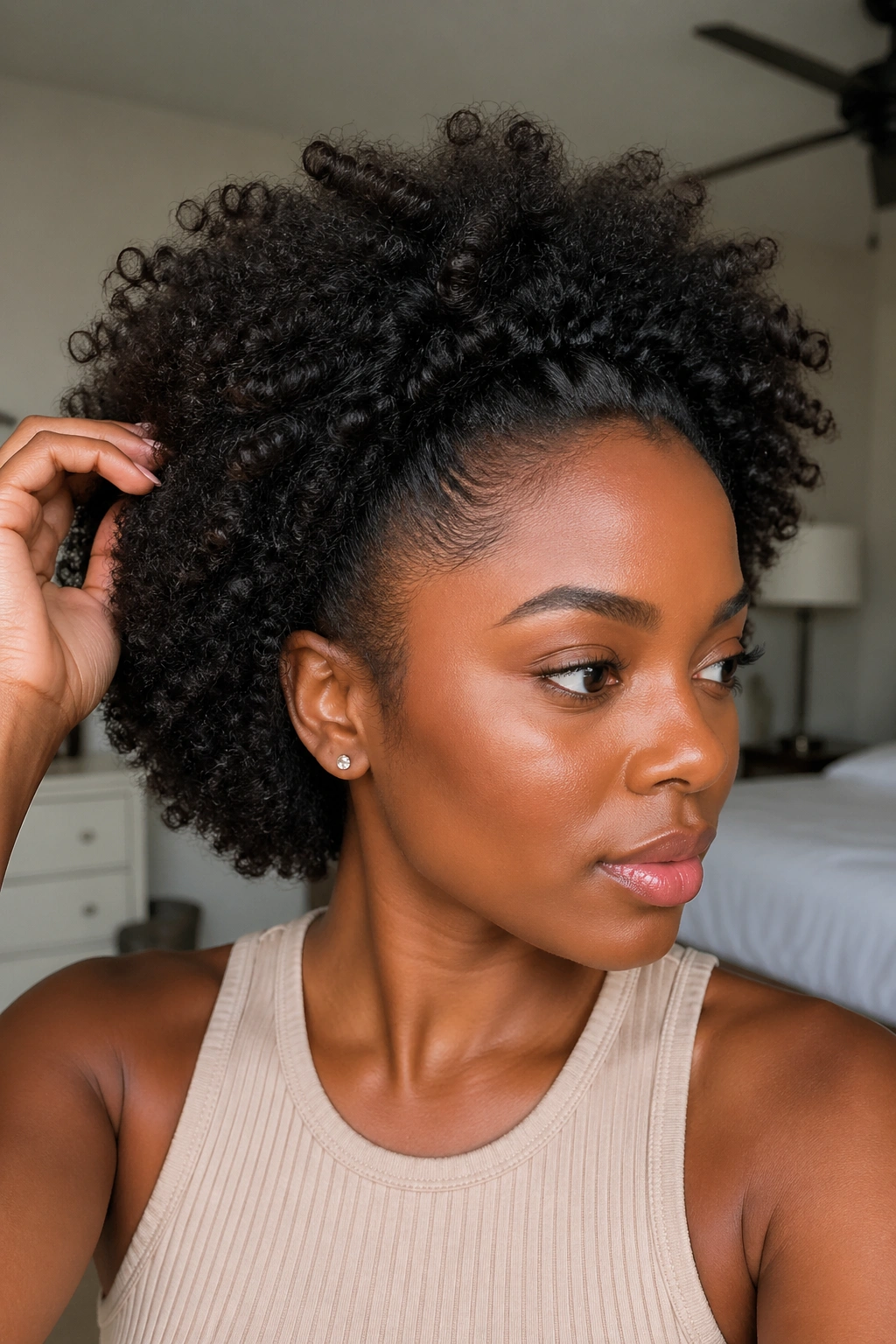
Wash curly wigs once every two to three weeks with sulfate-free shampoo. Condition generously. Rinse with cool water.
Detangle when wet with a wide-tooth comb, starting from the ends and working up.
Store on a wig stand, not crumpled in a drawer. The shape holds better and the curls stay defined.
Sleep with a satin bonnet over the wig if you leave it on overnight. The friction of regular pillowcases frizzes synthetic and dries out human hair.
Revive curls between washes with a mixture of water, leave-in conditioner, and a drop of oil in a spray bottle. Spritz and scrunch.
Common Mistakes That Out the Wig
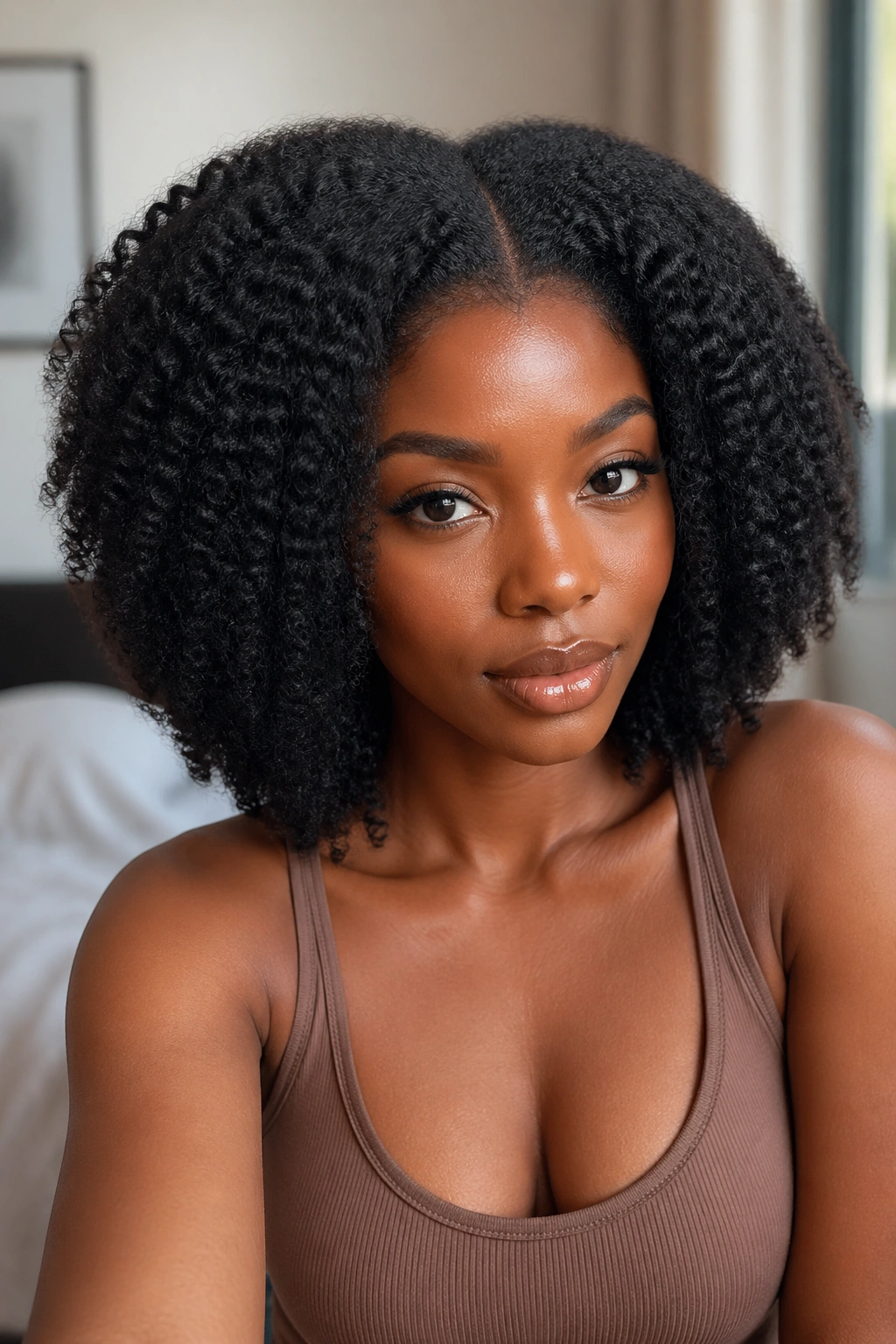
A few things will reveal a wig instantly:
The hairline sits too low on the forehead, or too far back from where your real hairline would be.
The density is too uniform — real hair has thinner and thicker spots.
The part looks painted — glossy and flat instead of showing scalp.
The color is too perfect — real hair has slight variations.
The hair moves as one unit when you turn your head — well-installed wigs have individual movement.
Fix these one at a time and your wig goes from obvious to undetectable.
Final Thoughts
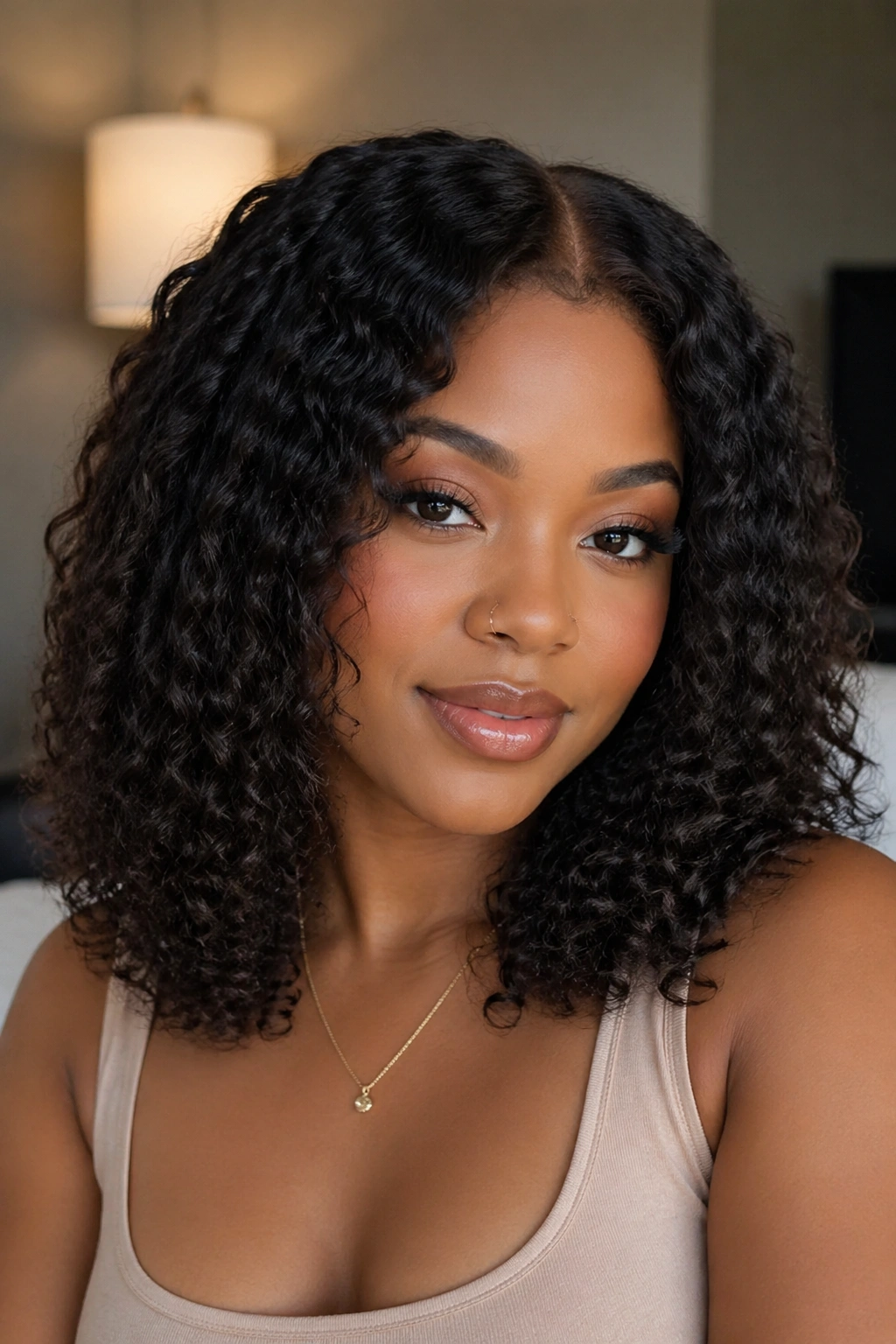
The best curly afro wigs on the market look so real that even experienced stylists have to look twice. The gap between “obviously a wig” and “how is that not her real hair” has narrowed dramatically, and the options at every price point keep improving.
Start with one solid unit — something medium length, medium density, in a style you’d wear often. Learn how to install it properly. Get comfortable wearing it. From there, build a small rotation over time rather than buying many cheap wigs that never look right.
A good wig is an investment in how you feel when you look in the mirror. Choose one that makes you feel like yourself, just on a great hair day. That’s the whole goal.
