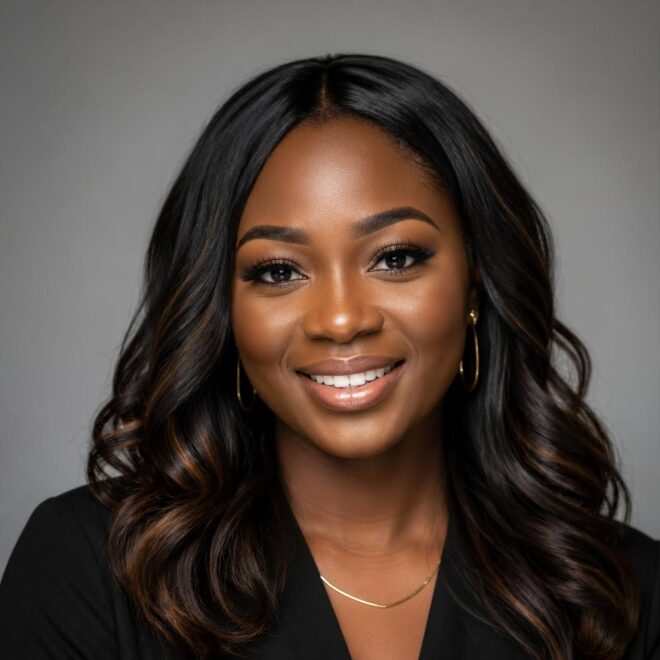


A sleek mid weave ponytail can do a lot of work with very little drama. On curly hair, that middle placement sits in a sweet spot: high enough to look sharp, low enough to keep the shape elegant, and flexible enough to hold curls that actually move instead of sitting like a helmet.
The trick is the balance. Too much product and the roots go stiff. Too little and the style puffs up around the hairline before lunch. Curlier textures also behave differently under tension, so the base needs to be smooth without being yanked flat. That’s why the best versions of sleek mid weave ponytails for curly hair usually start with a clean part, a controlled crown, and a ponytail length that has enough body to look intentional.
There’s also a nice bonus here: this height tends to flatter a lot of face shapes and neck lines. It keeps the focus on the eyes and cheekbones, and it lets curly extensions carry the style instead of fighting the head shape. A good mid ponytail should look polished from the front and full from the side. Both matter.
The styles below each take that same idea and push it in a different direction — softer, sharper, bolder, or more protective — so you can match the ponytail to your hair, your routine, and the kind of mood you want to walk in with.
1. Sleek Mid Weave Ponytail With a Center Part
A center part gives this style its cleanest line, and that line does a lot of visual heavy lifting. It pulls the eye straight down the middle, which makes the ponytail feel deliberate instead of rushed. Sit the ponytail right around the top of the ear or a touch above it, then let the curly length drop from there. Too high, and it stops feeling like a mid ponytail. Too low, and you lose the lift that makes this shape so neat.
Why the center part works
The middle part is one of those details that looks simple but changes everything. It creates symmetry, which helps curly hair read as smooth on top even when the texture underneath is full and dense. If you’re using a weave ponytail, a deep wave or kinky-curly bundle gives the front a sharp contrast: sleek roots, soft movement below.
- Use a rat-tail comb to part on clean, damp hair.
- Brush the roots back with a small amount of styling gel, not a heavy blob.
- Wrap a 1-inch strip of hair around the elastic to hide it.
- Choose 18- to 22-inch extensions if you want the ponytail to fall below the shoulders.
Best tip: flatten the part first, then build the ponytail. If you try to smooth everything at once, the crown usually gets lumpy.
2. Deep Side Part Mid Ponytail With a Curly Tail
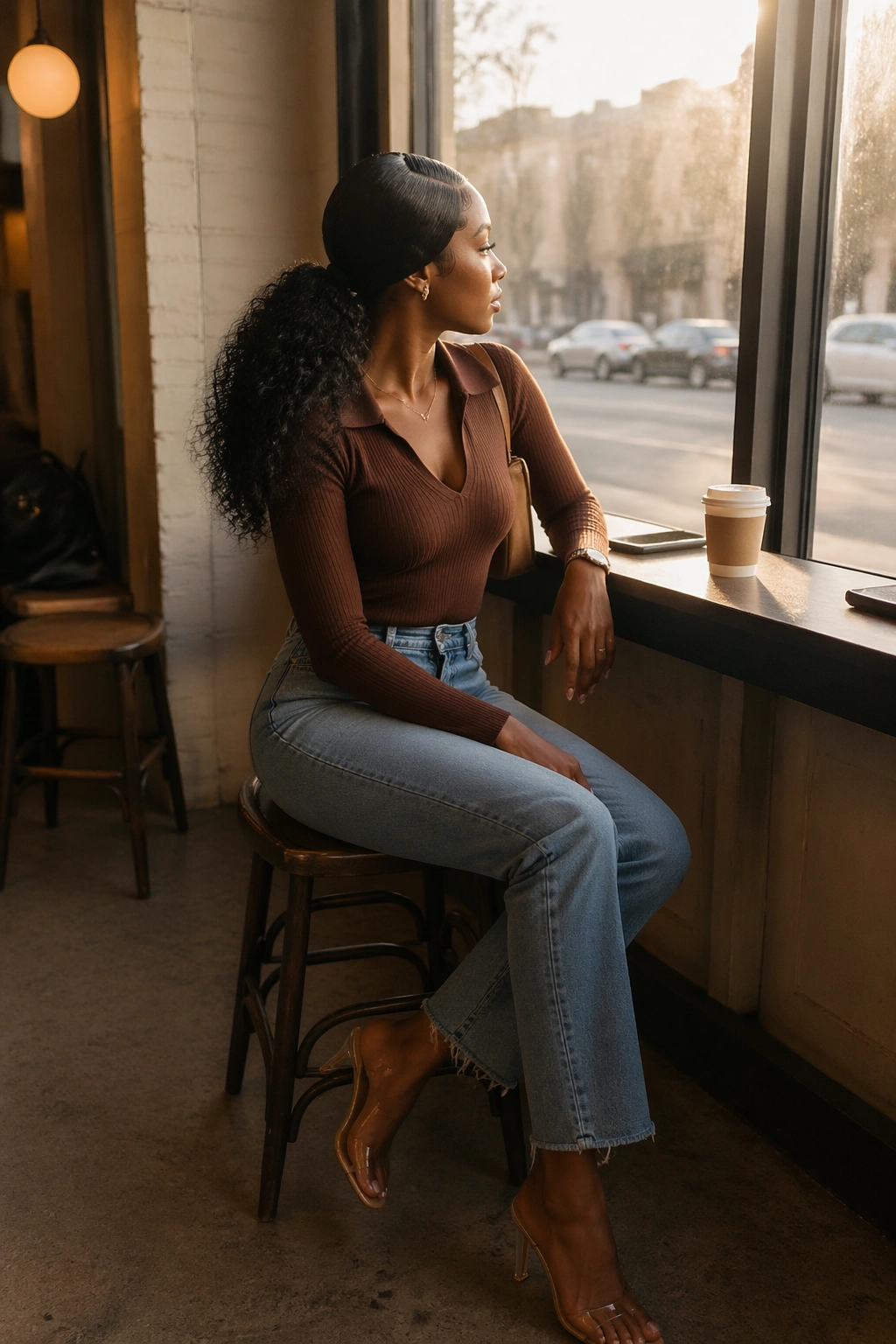
A deep side part changes the whole attitude of the style. It gives the ponytail more sweep and a little more drama, which is useful if your face feels wide or you want the style to sit softer across the forehead. The ponytail still sits in the middle of the head, but the part shifts the energy.
The cleanest version starts with one side laid flat and the other side blended into the base. That contrast is what makes it look rich. Use a side part that lands just above the arch of the brow, then curve it back instead of drawing a straight line. Straight side parts can look harsh on curly hair. A curve feels more natural.
This style loves full bundles. Deep wave, water wave, or a loose kinky curl all work. You want the tail to have enough density to balance the strong front line, or the whole look can feel top-heavy. If you wear hoops or a sharp neckline, this one pulls the outfit together fast.
3. Sleek Mid Ponytail With Face-Framing Tendrils
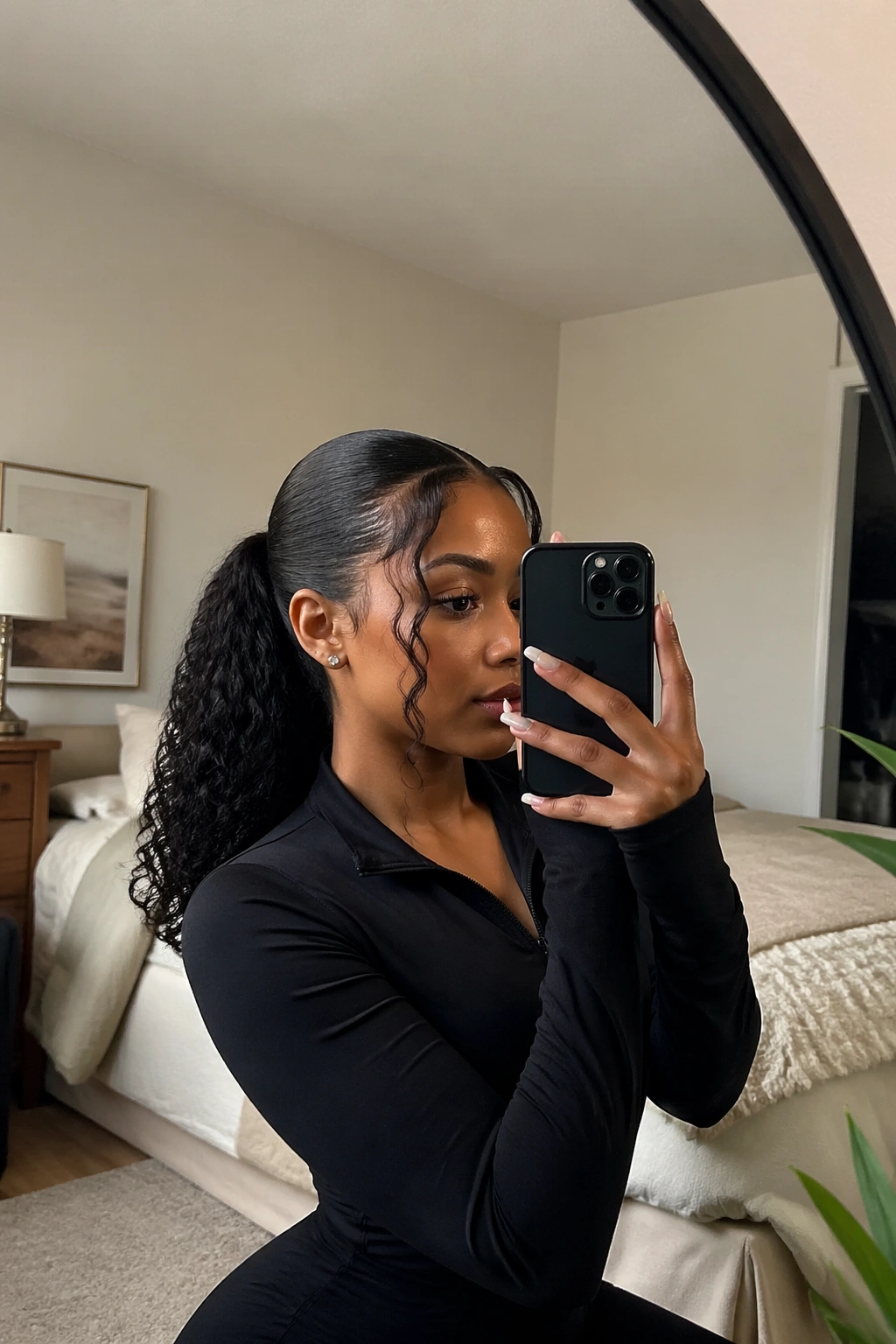
Some ponytails need perfection. This one needs restraint. Leaving out two narrow tendrils at the front softens the face and keeps the style from feeling too severe, which matters a lot when the rest of the hair is slicked close to the scalp.
Keep the tendrils thin. Thick front pieces can turn the style messy fast, and on curly hair they often swell more than you expect once the air hits them. I usually like two strands no wider than a pencil on each side, curled lightly or left in their natural pattern if they already sit well. The rest stays smooth and pulled into the ponytail at mid height.
This version works especially well for people who like the sleek look but don’t want every strand pinned down. It also helps if you’re wearing a weave ponytail with curlier texture at the ends, because the soft front pieces echo the movement in the tail. The result feels less rigid, more wearable, and a little less done-up.
4. Braided Base Mid Ponytail With Loose Curls
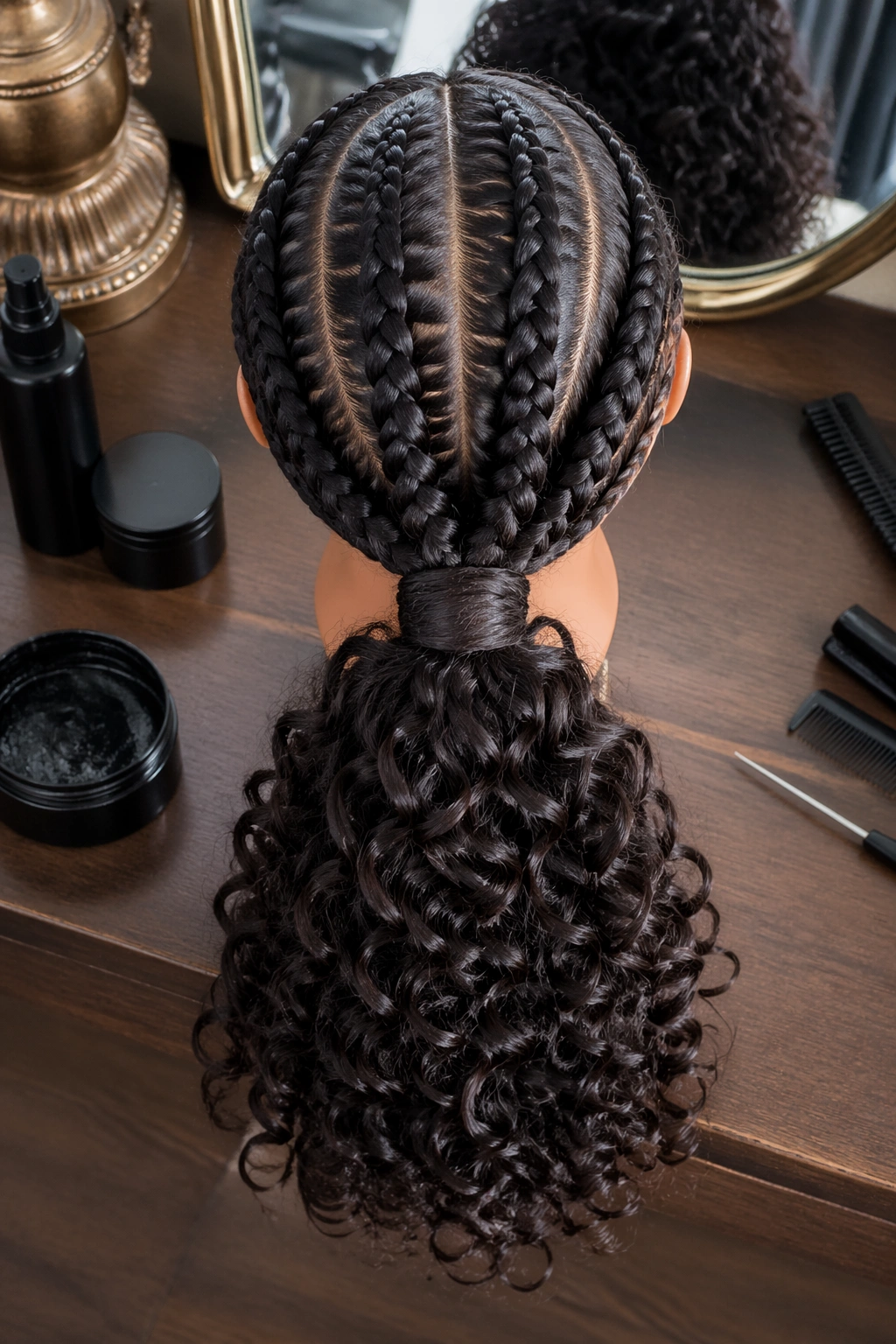
Braids at the base give this ponytail structure, and structure matters when the hair is thick. A flat braid foundation spreads tension better than a tight elastic-only pull, which is why this style tends to stay comfortable for longer wear. It also gives the ponytail a cleaner seat at the back of the head.
The base does the real work
If the scalp is doing all the gripping, the style gets sore. Fast. A few cornrows or feed-in braids leading into the ponytail hold the weave more securely and make the top look smoother. From there, let the curly extension hair fall loose and full.
The contrast is the thing I like here. Tight braid base, soft curly tail. It looks polished but not stiff, and it has a bit more visual weight than a plain wrapped ponytail. Use this when you want the style to last through a busy day without constant mirror checks.
Good details to ask for:
- 2 to 4 flat braids into the base
- medium-hold gel for the roots
- a bundle with a strong curl pattern, not a loose wave
- a small wrap piece to hide the elastic
5. Mid Ponytail With a Scarf-Wrapped Base
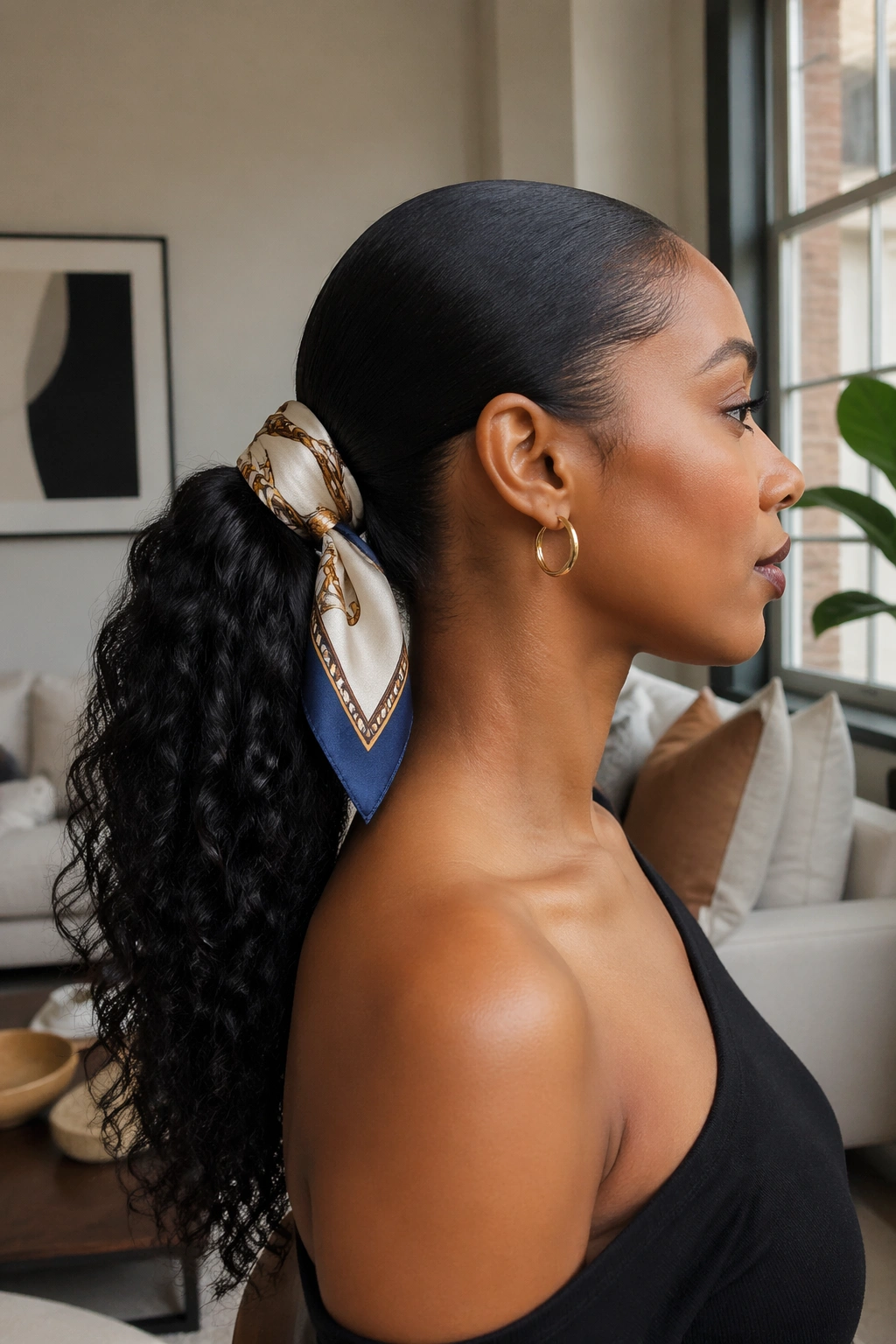
A scarf wrap changes the feel of the whole hairstyle. Instead of hiding the base with extra hair, you use fabric to cover the elastic and add a clean finish. Satin or silk works best because it sits flat and doesn’t fight the rest of the style. Cotton usually gets bulky. It also soaks up product, which is not what you want near the crown.
This version is a nice move when you want the ponytail to feel a little softer or more outfit-driven. A printed scarf can make a simple mid ponytail look intentional without piling on more braids or accessories. Keep the knot small and centered unless you want an asymmetrical finish.
The scarf also helps protect the slicked area if you’re wearing the style over a few days. That matters more than people think. Friction around the base is often what ruins a ponytail early, not the curls themselves. A flat wrap keeps the seam from puffing out and gives the style a neat edge from every angle.
6. Side-Swoop Mid Ponytail With One-Side Volume
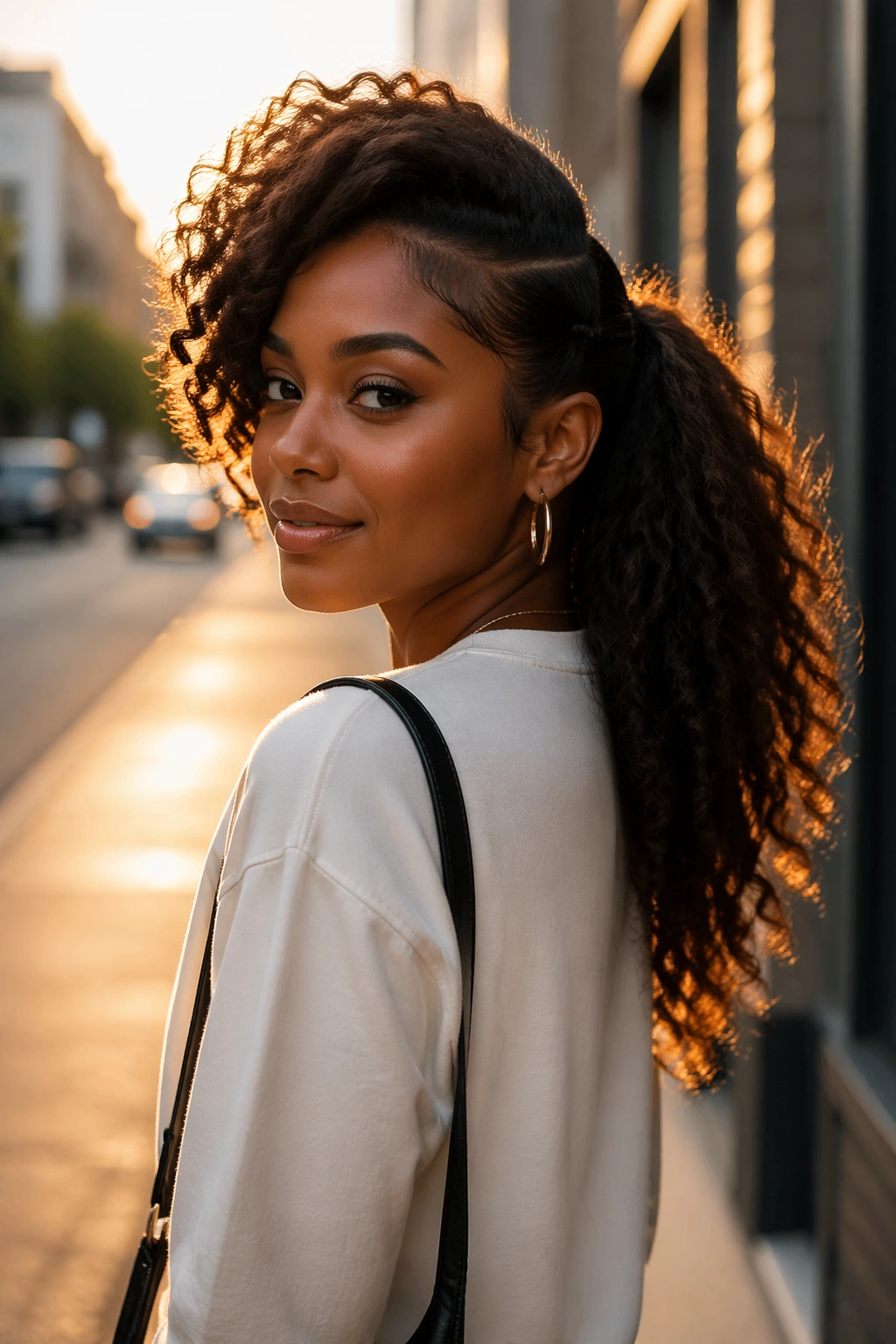
This one is all about the front shape. One side sweeps across the forehead, the other stays tucked and smooth, and the result has a little asymmetry that makes curly hair look richer. It’s a smart choice if you want the ponytail to feel softer than a strict center part but less dramatic than a full side part.
The volume sits in the front, not at the ponytail base. That’s the key. You want one side to have a lifted curve, almost like the hair is moving into the ponytail instead of just being dragged back. A small paddle brush and a medium-hold gel are enough if you work in thin layers. Don’t flood the front with product. It flattens the curls in a bad way.
Side-swoop ponytails look especially good with oval, heart, and round faces because the front curve breaks up the width across the cheeks. If your curls are very dense, this shape can feel more flattering than a centered slick look. It gives the eye somewhere to travel.
7. Bubble Mid Ponytail With Curly Sections
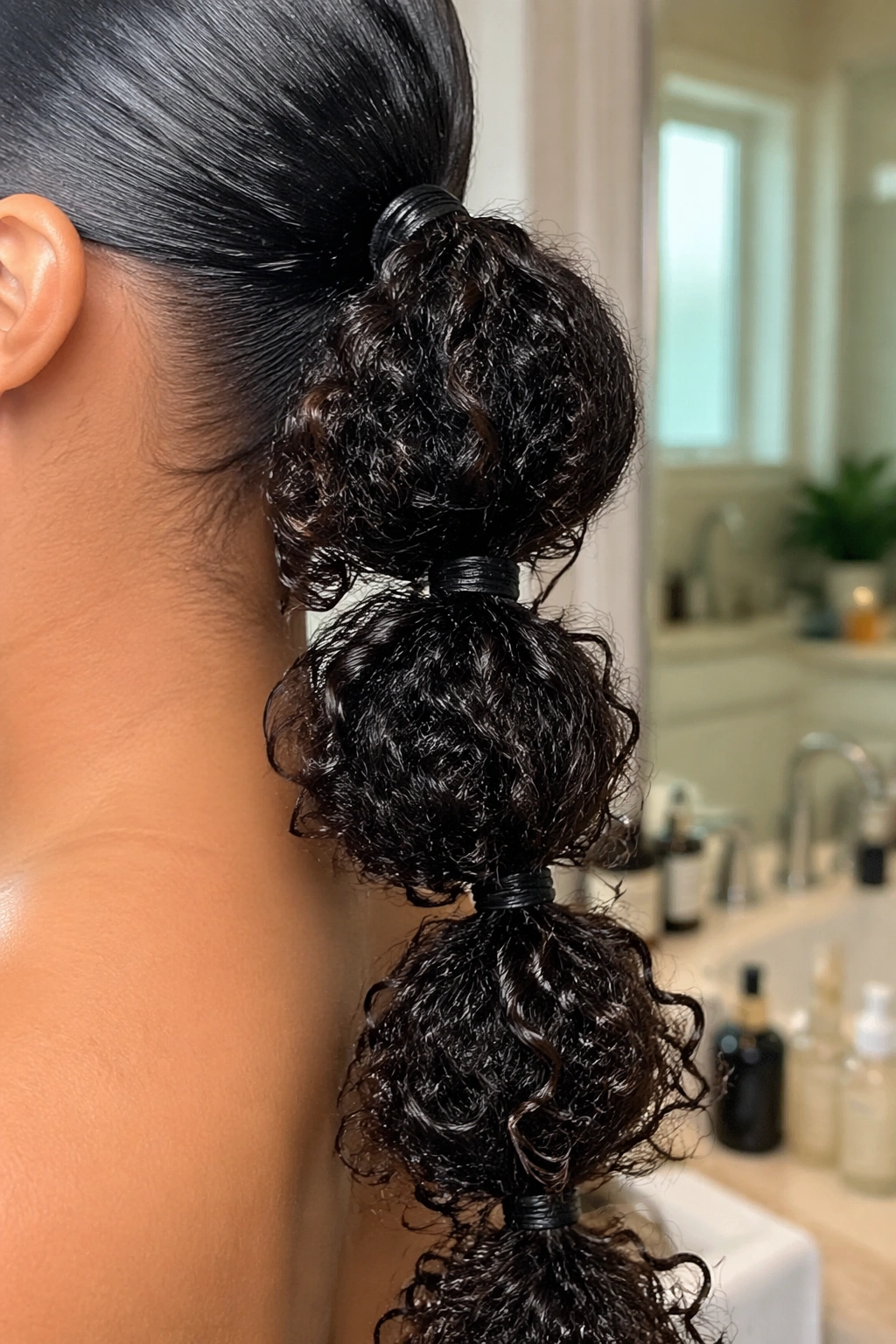
Bubble ponytails can look playful, but on curly hair they can also read polished if you keep the base neat. The style works by sectioning the ponytail with small elastics so each segment puffs out into a rounded “bubble.” Curly textures make that easier because they hide the elastic lines better than straight hair does.
How to keep the bubbles clean
Start with a sleek mid base and one smooth ponytail. Then add elastics every 2 to 3 inches down the length, depending on how long the ponytail is. Gently tug each section to round it out. You are not trying to make it huge. You’re trying to make it even.
This style is a good pick when you want something eye-catching without adding extra braids or ornaments. It also works well if the bundles have a coiled or crimped curl pattern, because the texture gives each bubble more body. A little shine spray on the outer layer helps the sections catch light and stay separated.
If your hair frizzes easily, leave the crown extra smooth and keep the elastics soft. Hard bands can kink the extension hair in an ugly way.
8. Sleek Mid Weave Ponytail With Cornrow Feed-Ins
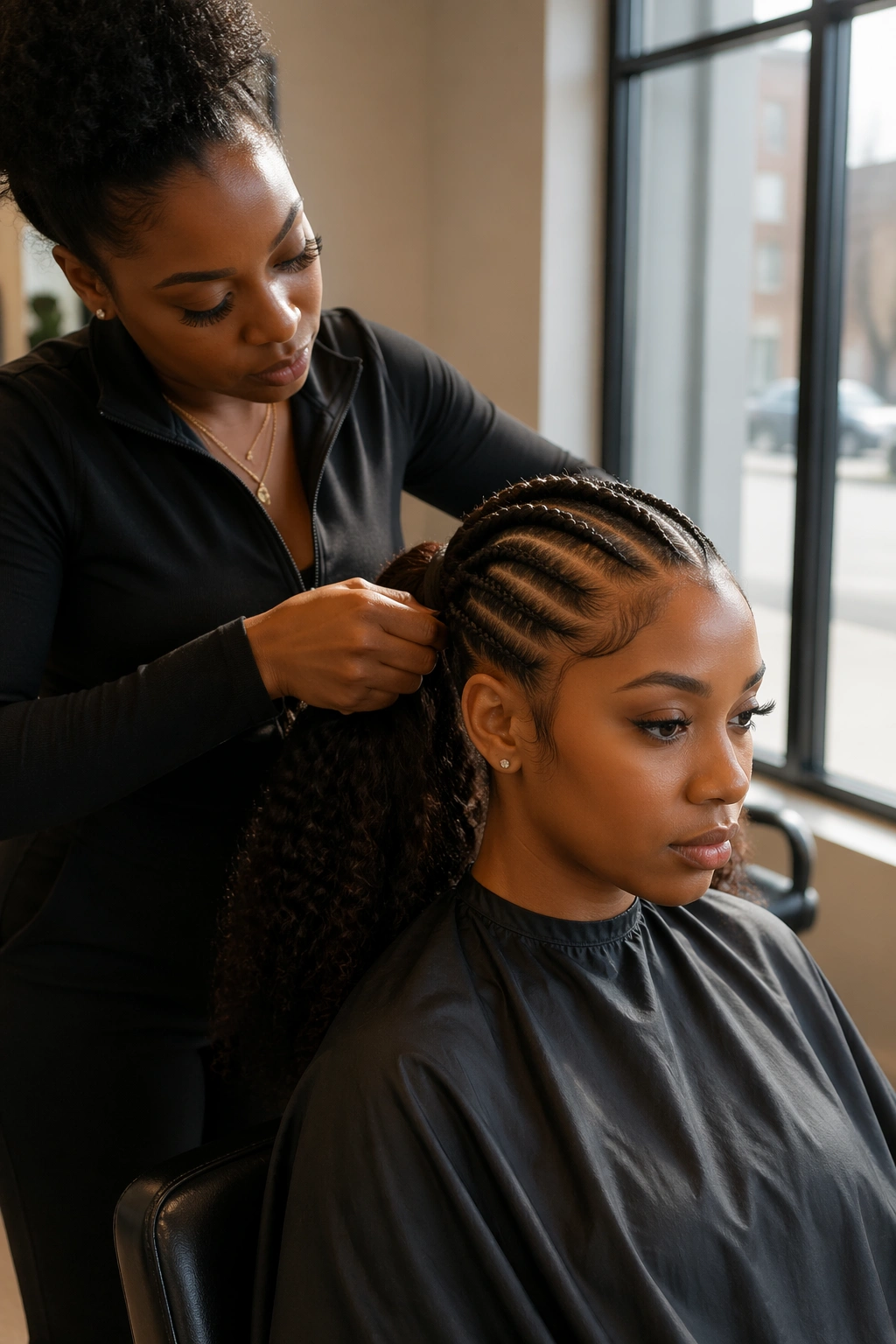
Cornrow feed-ins are the backbone of a strong mid weave ponytail. They keep the base flat, secure the extensions, and make the style sit more evenly on the head. When the braids are fed in gradually instead of jammed in all at once, the base feels cleaner and less bulky.
That matters with curly bundles because the length already has visual weight. If the base is thick and uneven, the ponytail can look like it starts too abruptly. Feed-ins solve that by tapering the front into the ponytail. The finish feels smoother and more deliberate.
What makes this version hold up
- Good for fuller bundles or longer lengths
- Better for thick, coily hair than a loose elastic base
- Easier to lay edges when the braids are flat
- Nice for styles that need to last more than one wear
I like this version when the goal is durability. It is not the fastest install, but it pays you back with a firmer shape and less daily adjustment. If you’ve ever had a ponytail slide lower by mid-afternoon, you already know why this matters.
9. Low-Tension Sculpted Mid Ponytail for Thick Curls
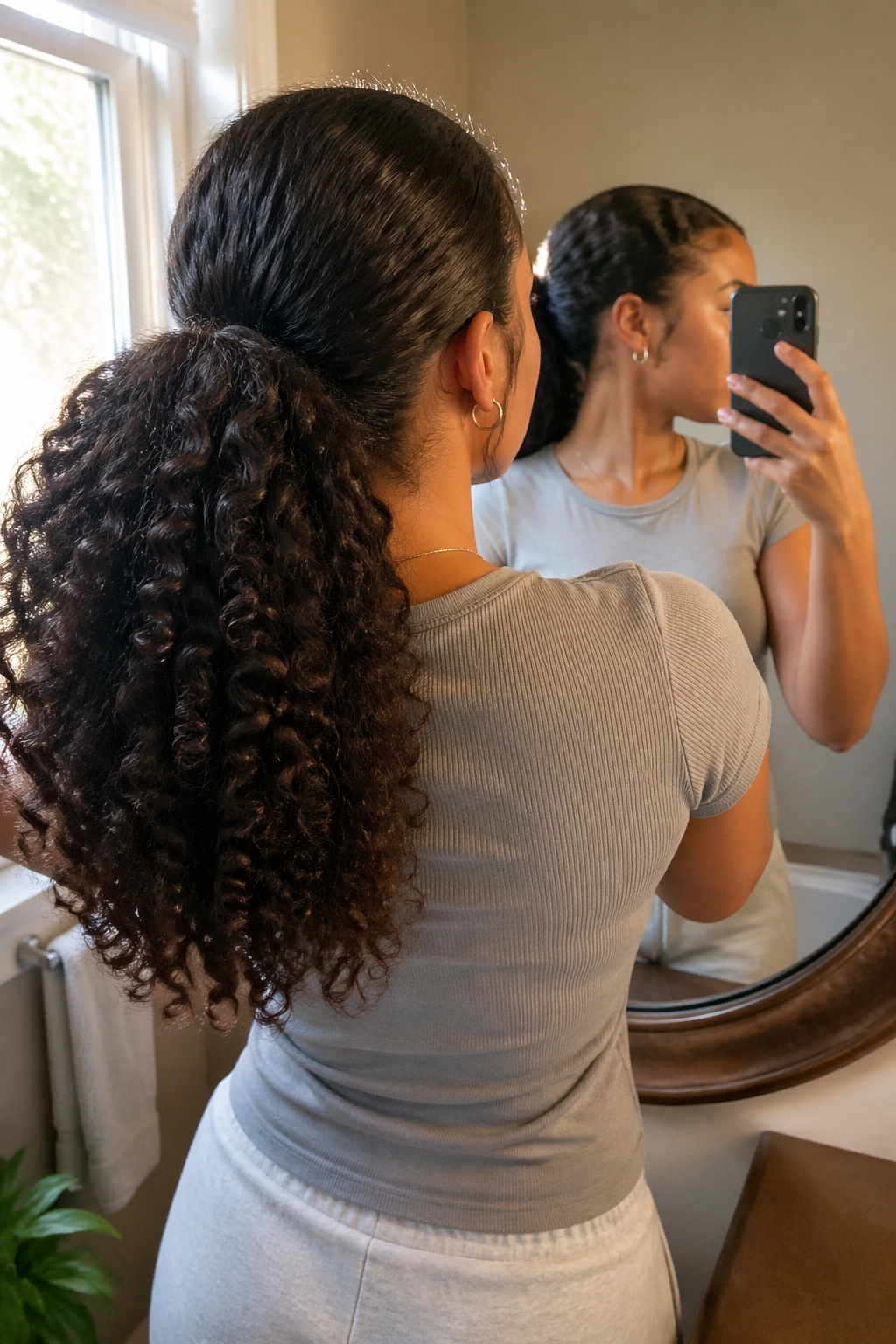
Thick curls need room, not punishment. This style keeps the crown smooth while avoiding the kind of tight pull that leaves the scalp sore by the end of the day. The ponytail still sits mid-height, but the setup is softer, with a broader base and a gentler grip.
The smart move here is to use a larger elastic or a bungee-style holder so the pressure spreads out. Small bands can dig in and create that uncomfortable ridge at the scalp. If you’re wearing a weave ponytail, ask for a base that is secure but not over-compressed. The difference is noticeable the second you turn your head.
This version is practical, which is not a bad thing. It suits work days, travel, long events, and any time you want the style to stay neat without feeling tight. The curls can still be full and glossy, but the head itself should feel calm. That’s the real luxury here.
10. Mid Ponytail With Curly Bangs
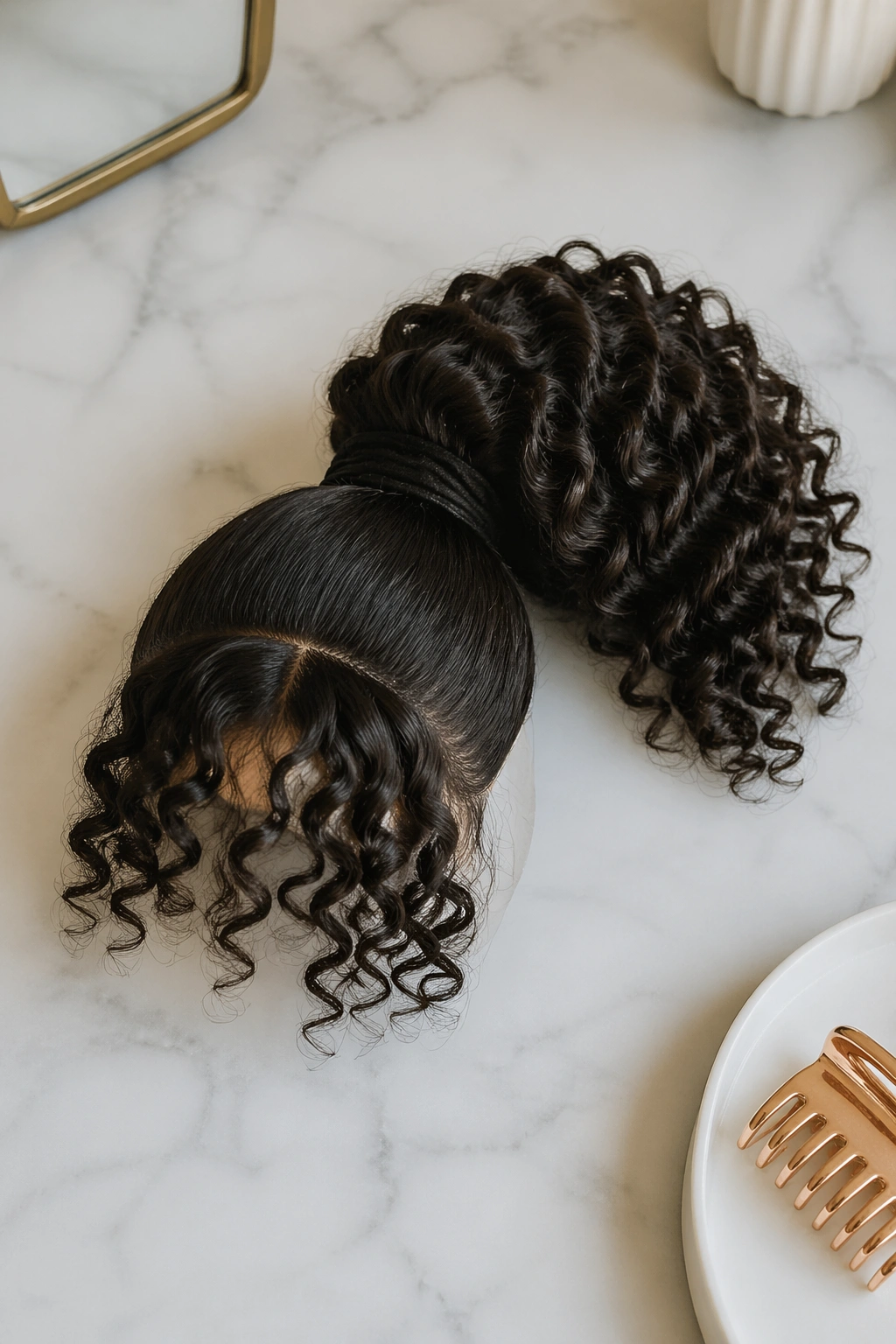
Curly bangs change the whole face frame. They take some of the weight off the forehead and make a mid ponytail feel less severe, especially when the rest of the hair is slicked back. A few short curls at the front can soften strong features or balance a long face shape without making the style look messy.
The important part is keeping the bangs separate from the ponytail base. If they get pulled too tightly into the crown, they stop reading as bangs and start looking like broken pieces of hair. Let them sit forward with a little spring. If they’re extensions, shape them with a small rod or finger coils so they hold together.
I like this look with kinky-curly or water-wave lengths because the front texture and the tail texture can mirror each other. That connection makes the whole style feel complete. It’s a small thing, but it stops the ponytail from looking like a separate add-on.
11. Wet-Look Sleek Mid Ponytail
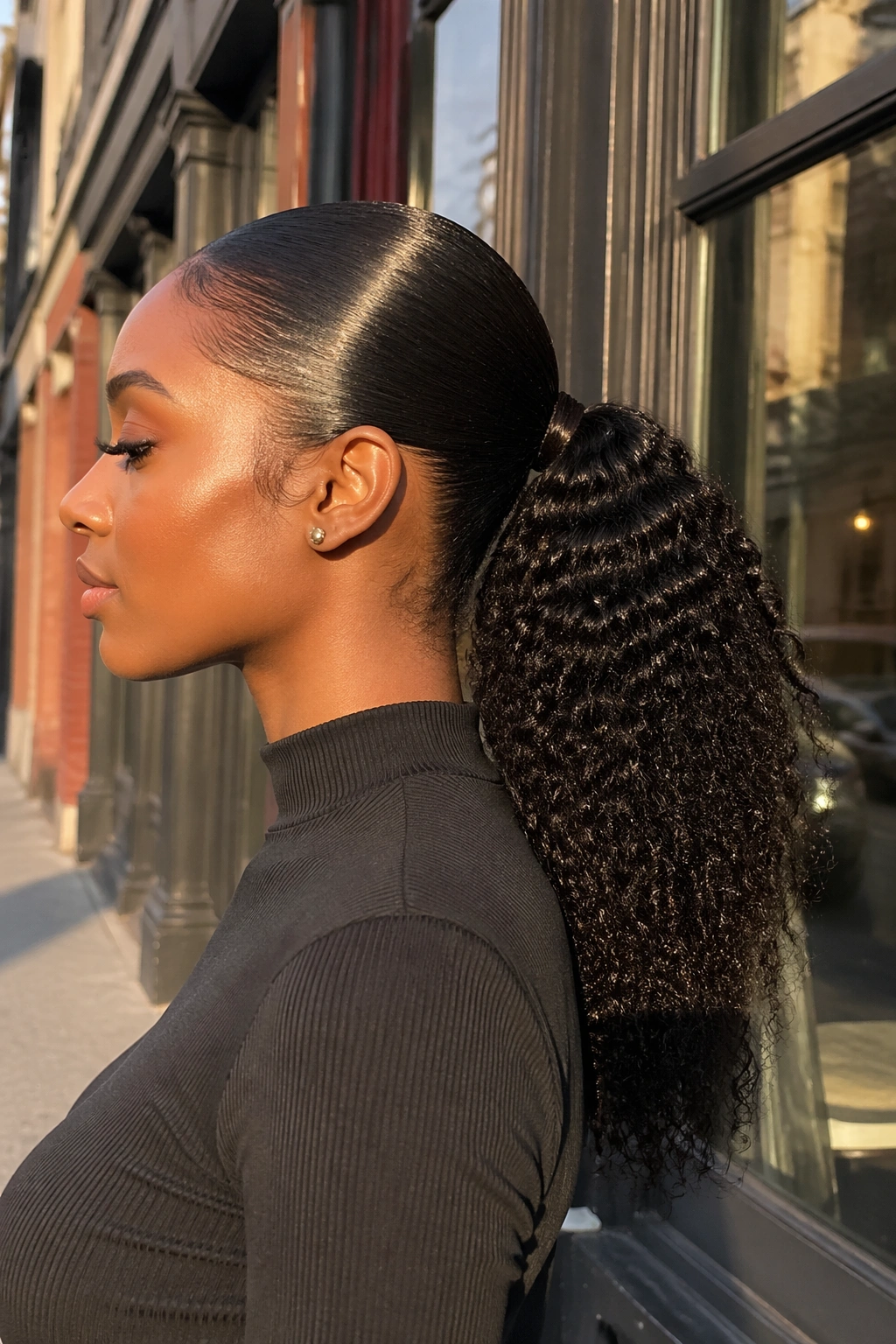
Wet-look hair has its own mood. It’s glossy, a little sharp, and a lot more controlled than a dry satin finish. On curly hair, the style works best when the roots are slick and the ponytail length is textured, not when the whole head is drenched in product. That split keeps the look clean instead of greasy.
Use a strong-hold gel on the crown and a shine product only where the light hits most: the part, the top of the ears, and the ponytail base. The extension hair should still move. If it turns into one shiny block, the look loses depth fast. Deep wave and water wave bundles are especially good here because they already have visible curve.
This is one of those styles that looks polished in a very direct way. No fluff. It’s the ponytail I’d choose for a dressier outfit, a photo-heavy event, or any day when you want the hair to look intentionally styled from across the room.
12. Mid Ponytail With Gold Cuffs and a Braided Accent
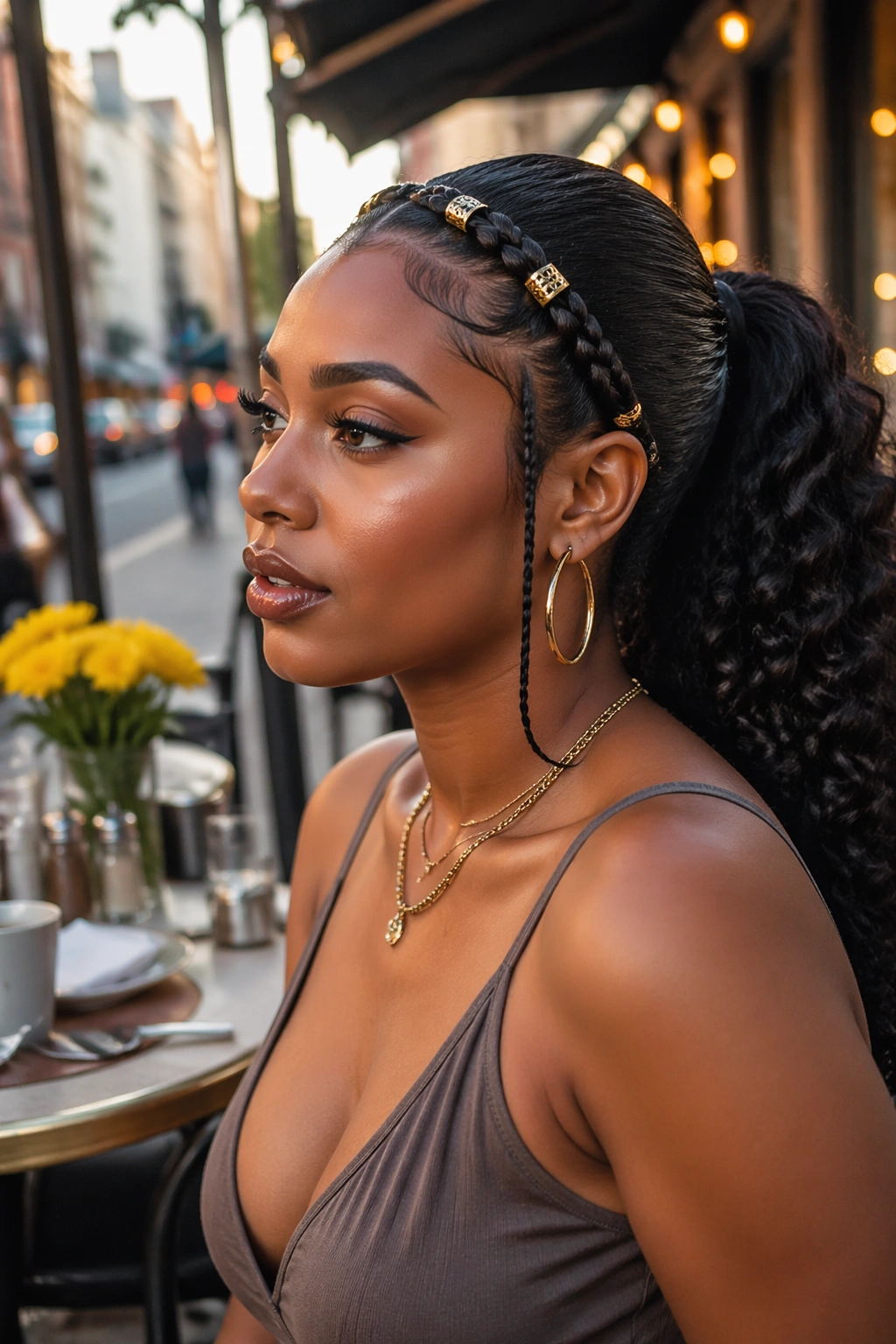
Small hardware can change the mood of a ponytail in seconds. Gold cuffs on one braid or around the base add structure without crowding the style. The trick is restraint. Too many cuffs, and the hair starts looking noisy. One or two in the right place feels sharp.
A thin accent braid near the part works well because it gives the hardware a place to sit. You can keep the rest of the crown slick and simple, then let the curly tail stay full. The contrast between the polished root and the decorated braid creates a nice split in texture.
I like this style for darker hair colors because the gold pops more against black or deep brown bundles. It also works on honey or caramel shades, but the result feels softer there. If you want the ponytail to look dressed up without becoming fussy, this is one of the easiest ways to do it.
13. Half-Flat Twist, Half-Ponytail Mid Style
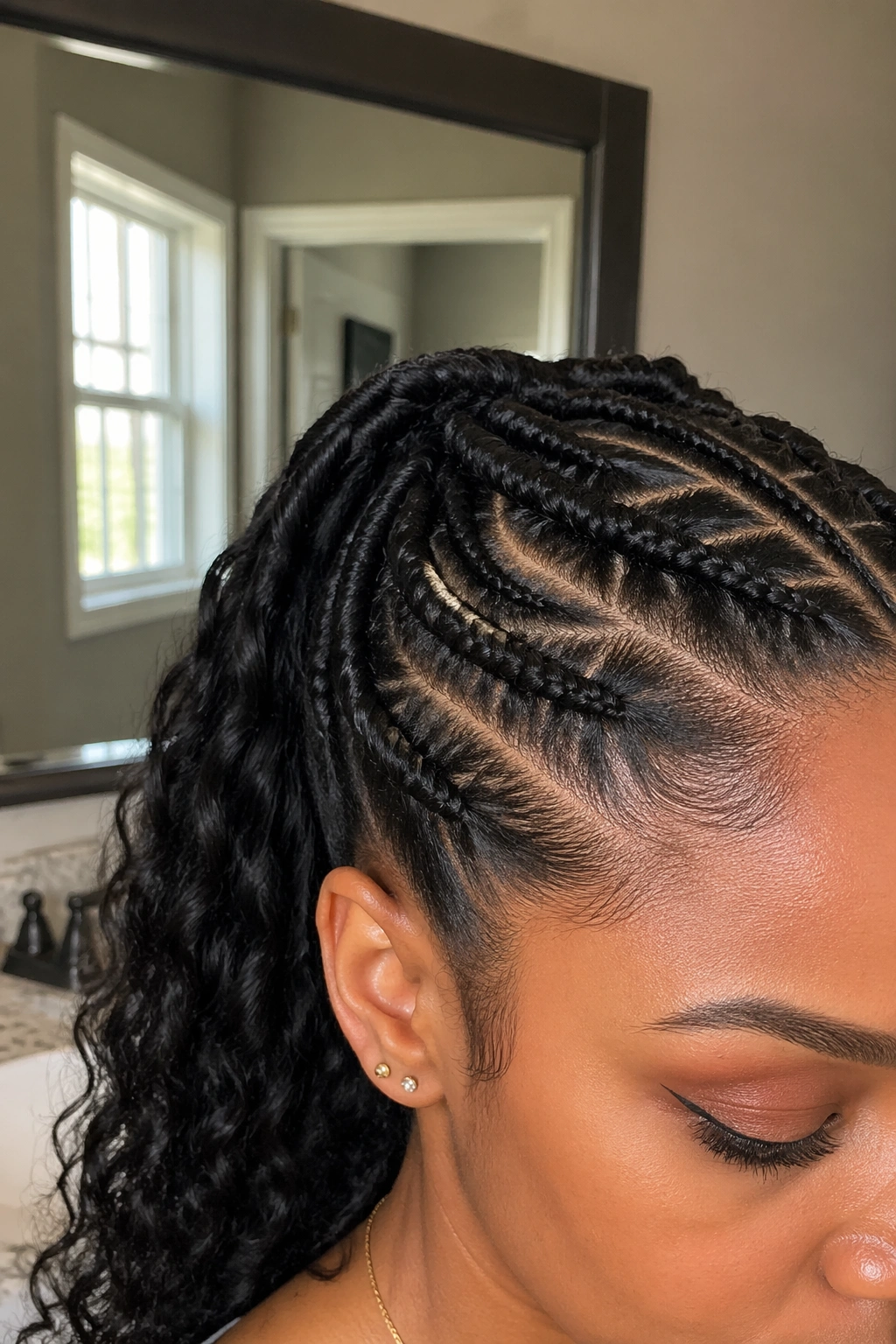
Flat twists give the front of the style a little texture while still keeping the crown controlled. They’re gentler than tight braids in some hands, and they sit close to the scalp without needing much length. Two or four twists feeding into the ponytail can create a very neat mid-height shape.
Where the twists should sit
The sweet spot is from the hairline back to the ponytail base. Stop the twists before they get bulky. If they start to puff up at the middle, the sleek part gets lost, and that’s not what you want here. The goal is a smooth front that transitions into a defined ponytail.
This version works well for natural hair that needs a low-manipulation setup. It also makes a good base for a weave ponytail because the twist pattern helps hold the extensions in place. The style has a softer finish than a braided base, which makes it easier to wear when you want something clean but not rigid.
There’s a nice handmade feel to it, too. Not sloppy. Just less stiff.
14. Mid Ponytail With a Braided Ponytail Wrap
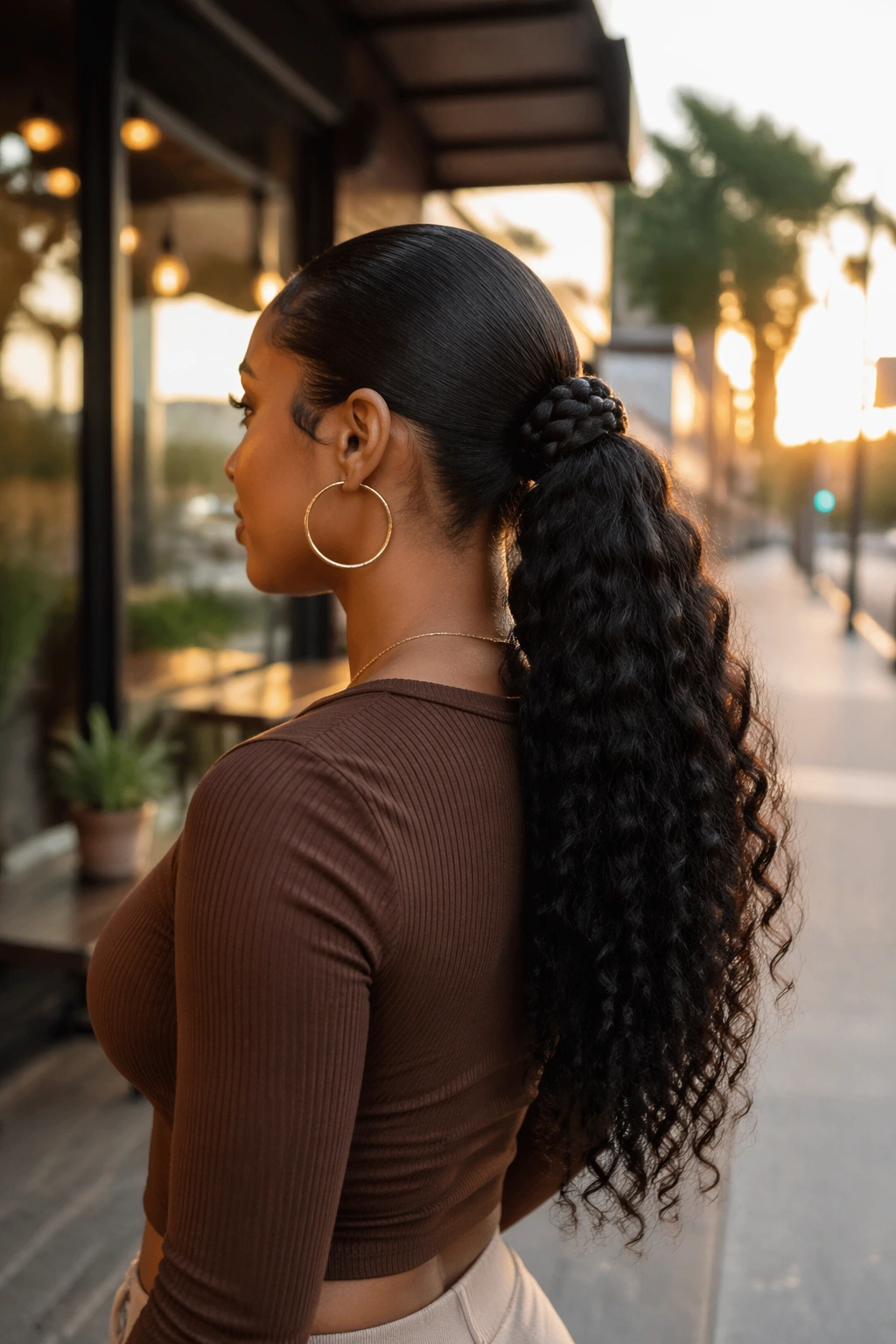
A braided wrap around the ponytail base looks more polished than a loose hair wrap, and it stays put better if the hair texture is a little slippery. You take a small section of extension hair, braid it, and wind it around the elastic until the base disappears. The braid gives the wrap more grip and a more finished edge.
This style is useful when you want the ponytail itself to be the star but still want the base to look neat from every angle. The wrap should be snug, not bulky. If it gets too thick, the mid height starts looking heavier than it should. A slim braid usually does the job.
For curly hair, I like this because it gives you a tidy line before the texture opens up. The ponytail can be full and soft, but the base stays sharp. That contrast is what makes the style look expensive without needing much extra work. It’s tidy in a good way.
15. Mid Ponytail With Deep Wave Length Blend
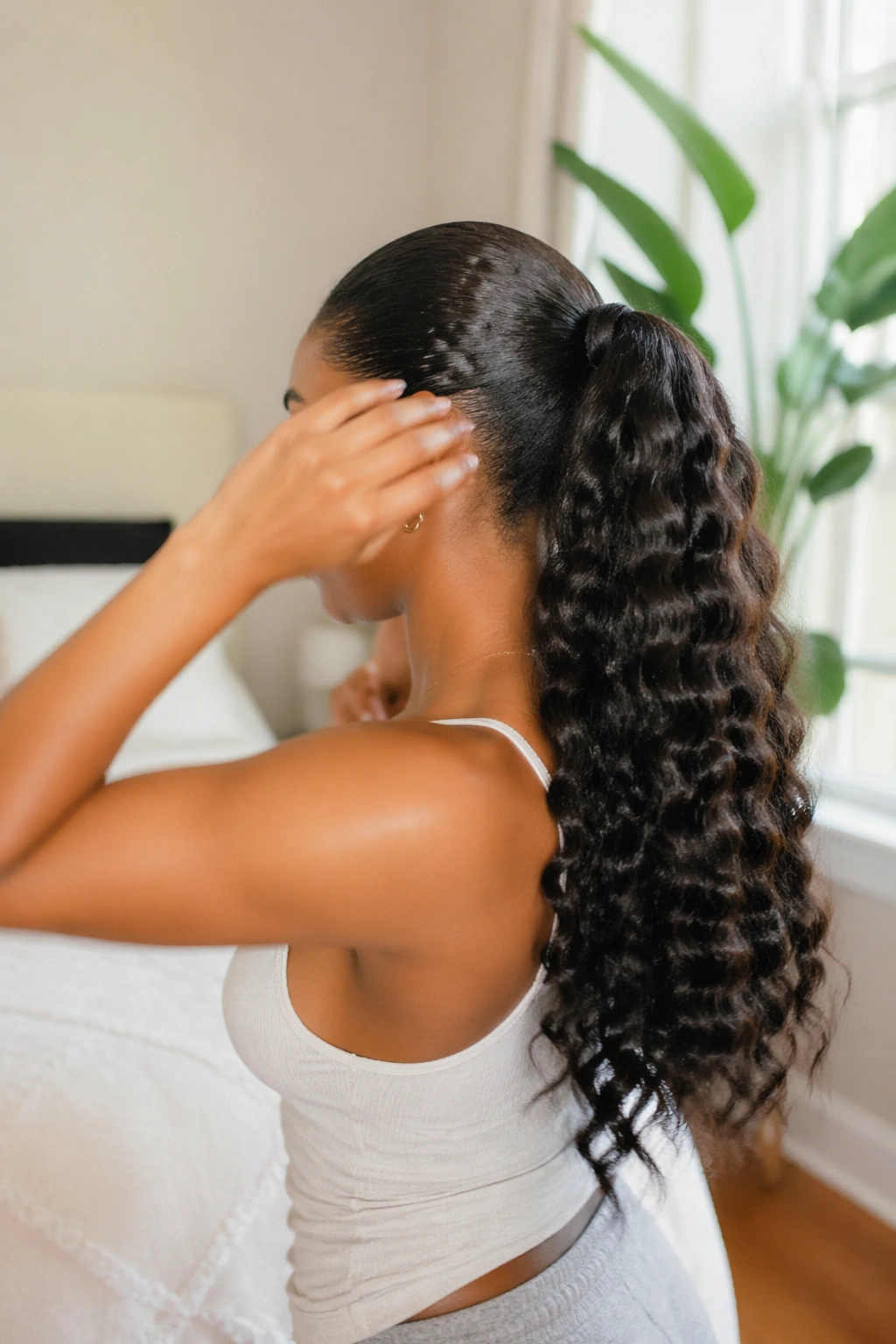
Deep wave hair gives this ponytail a smooth, rich curve that lands somewhere between curl and wave. It’s a good match for curly hair because it doesn’t fight the natural movement of the style. Instead, it echoes it. The result feels fuller than straight hair and less dense than a tight kinky curl.
The texture blend matters here. A deep wave ponytail works especially well when the roots are sleek and the lengths are soft enough to move around the shoulders. If the pattern is too loose, the style can look flat. If it’s too tight, the ponytail can start looking heavy. Deep wave sits in a useful middle ground.
This is one of the easiest styles to dress up or down. Wear it with a blazer and it looks clean. Wear it with a soft top and it reads casual. The length does the talking here, and it speaks in a calm voice.
16. Mid Ponytail With Pin Curl Ends and a Smooth Crown
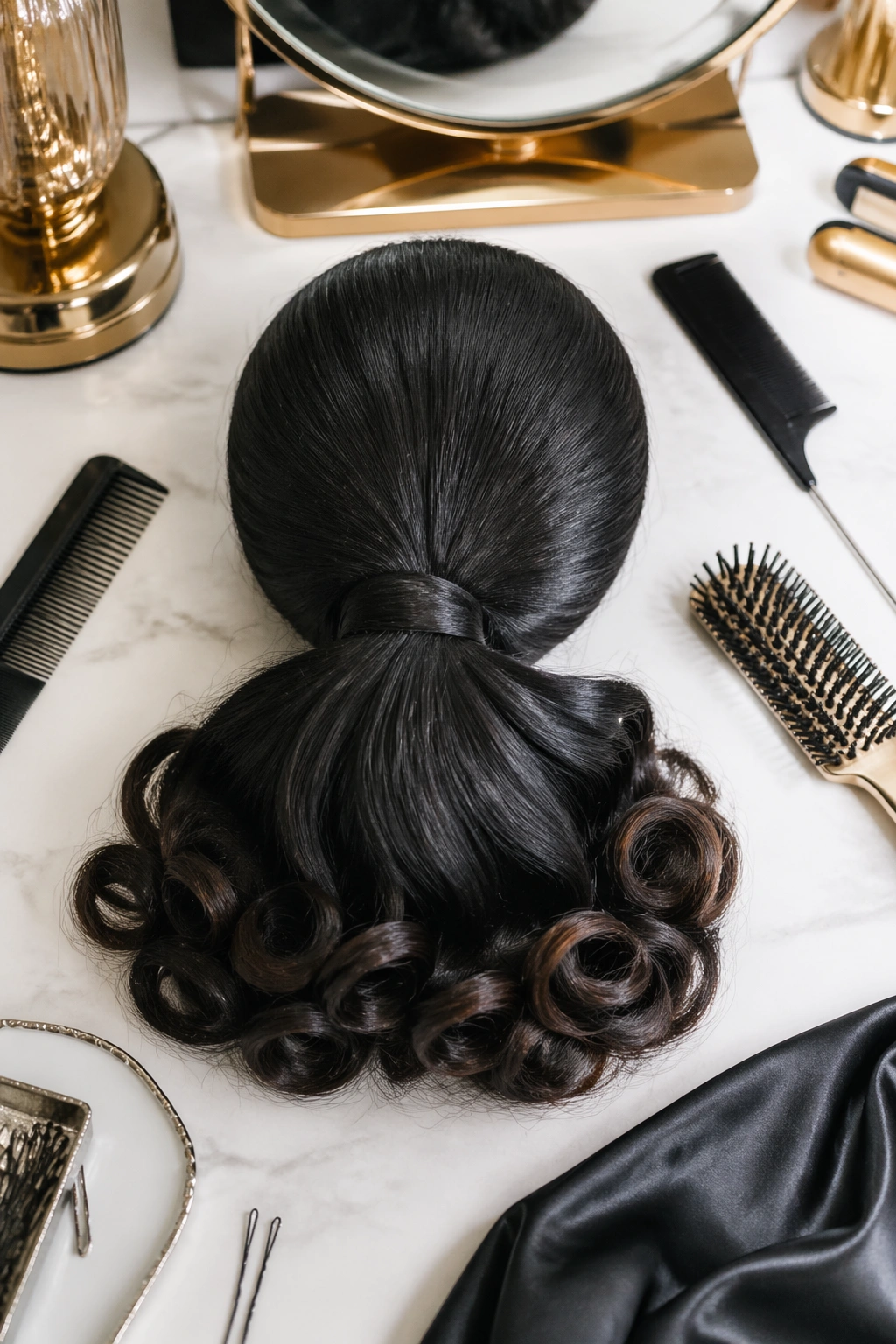
Pin curls at the ends give the ponytail a more shaped finish. Instead of letting the extension hair fall straight or in loose waves, you roll the ends into neat coils so the tail has a little bounce at the bottom. It gives the style a retro feel without making it old-fashioned.
The crown should stay very smooth. If the top looks busy, the pin curls won’t stand out the way they should. I like this style with body wave or straight-texture extensions because the curls at the end create a deliberate contrast. You can also use flexi rods or medium rollers to set the ends before you pin them.
What makes this one useful is the control it gives you. A ponytail with pin curls doesn’t whip around as much as loose lengths, so it sits neatly against the back and shoulders. That can be a good thing when you want a cleaner silhouette and less frizz at the ends.
17. Mid Ponytail With a Curved Side Part and Tucked Ear
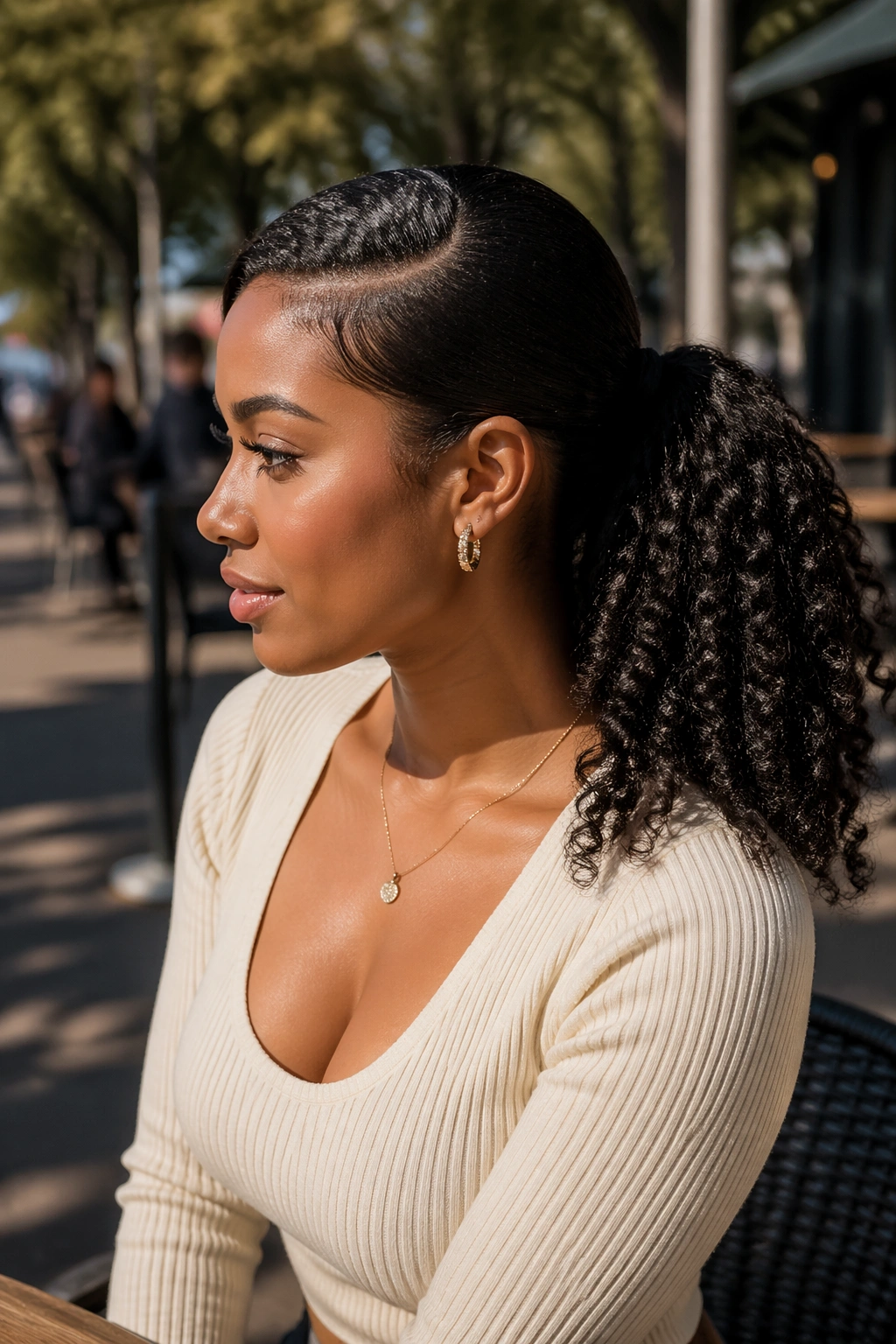
A curved side part softens the front more than a straight side part does. It arcs gently toward the temple, then tucks one side behind the ear so the ponytail starts with a little sweep instead of a hard line. That shape works especially well if you want earrings to show.
The tucked ear detail matters more than people think. It opens the face and gives the ponytail a clearer outline from the side. On curly hair, it also stops one side from puffing out near the cheek, which can happen if the hair is left loose around the temple.
This style feels neat and feminine without being sugary. It’s one of the better options if you like mid ponytails but want the front to look slightly softer than the standard slick-back look. The curved part adds movement before the ponytail even begins, and that makes the whole style feel more natural.
18. Mid Ponytail With Two Slim Braids at the Hairline
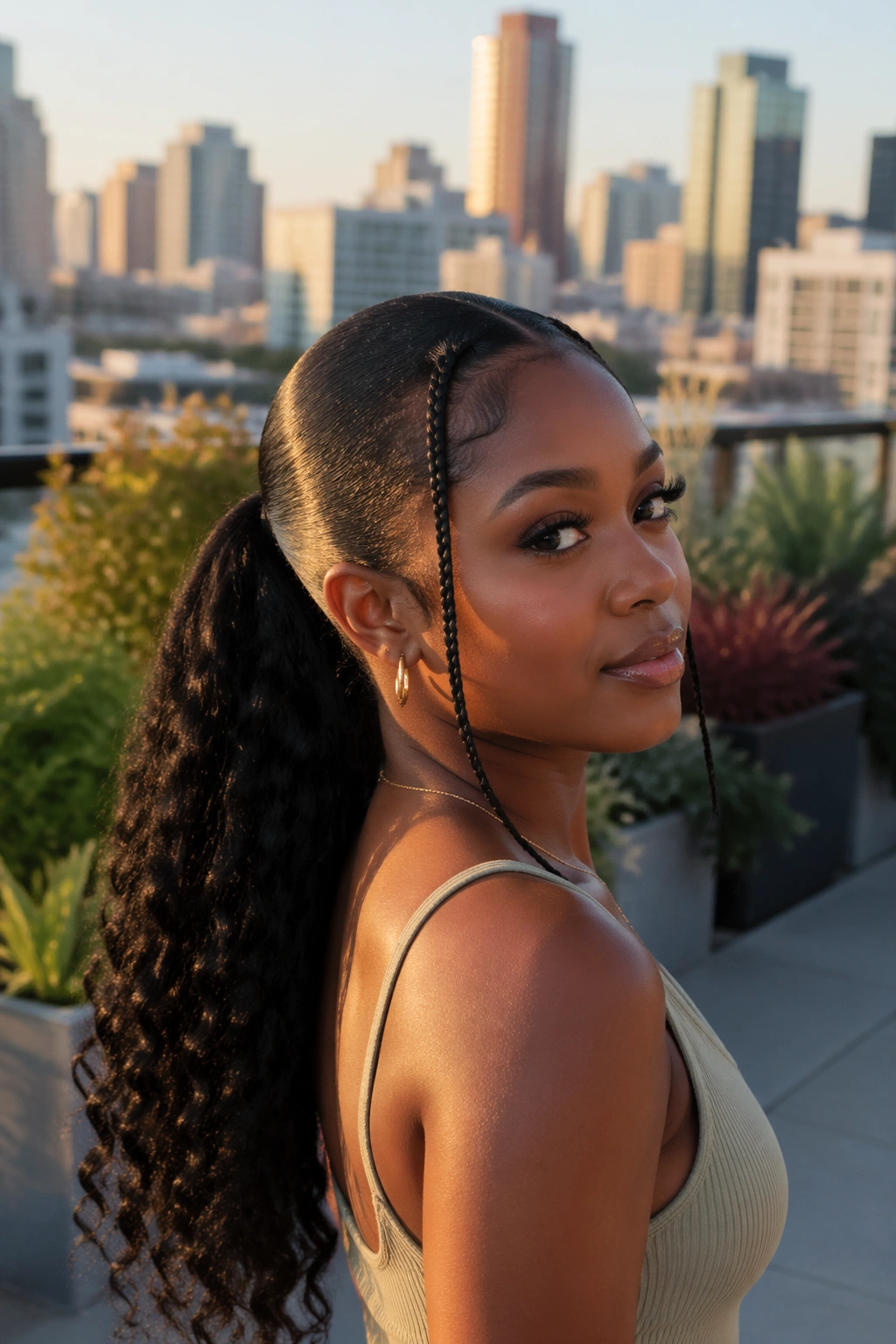
Two slim braids at the hairline give the style a little detail without taking over the whole head. They frame the face, guide the eye back toward the ponytail, and keep the front from looking too bare. If you like a clean look with one small twist, this is a nice one.
Small braids, big payoff
The braids should stay narrow. Thick front braids can make the style look heavy and can push the ponytail shape off balance. Two tiny braids are enough. They work best when they start near the temples and curve back into the sleek base.
This is also a good place to use bead-free hardware if you want a quiet finish. A pair of cuffs or tiny rings can sit on the braids without crowding the rest of the style. The ponytail itself can stay smooth and curly, which keeps the look from turning into a braid-heavy style.
I like this version for people who want something pretty but not crowded. It has detail, yes, but it still breathes.
19. Mid Ponytail With Jumbo Twist Base
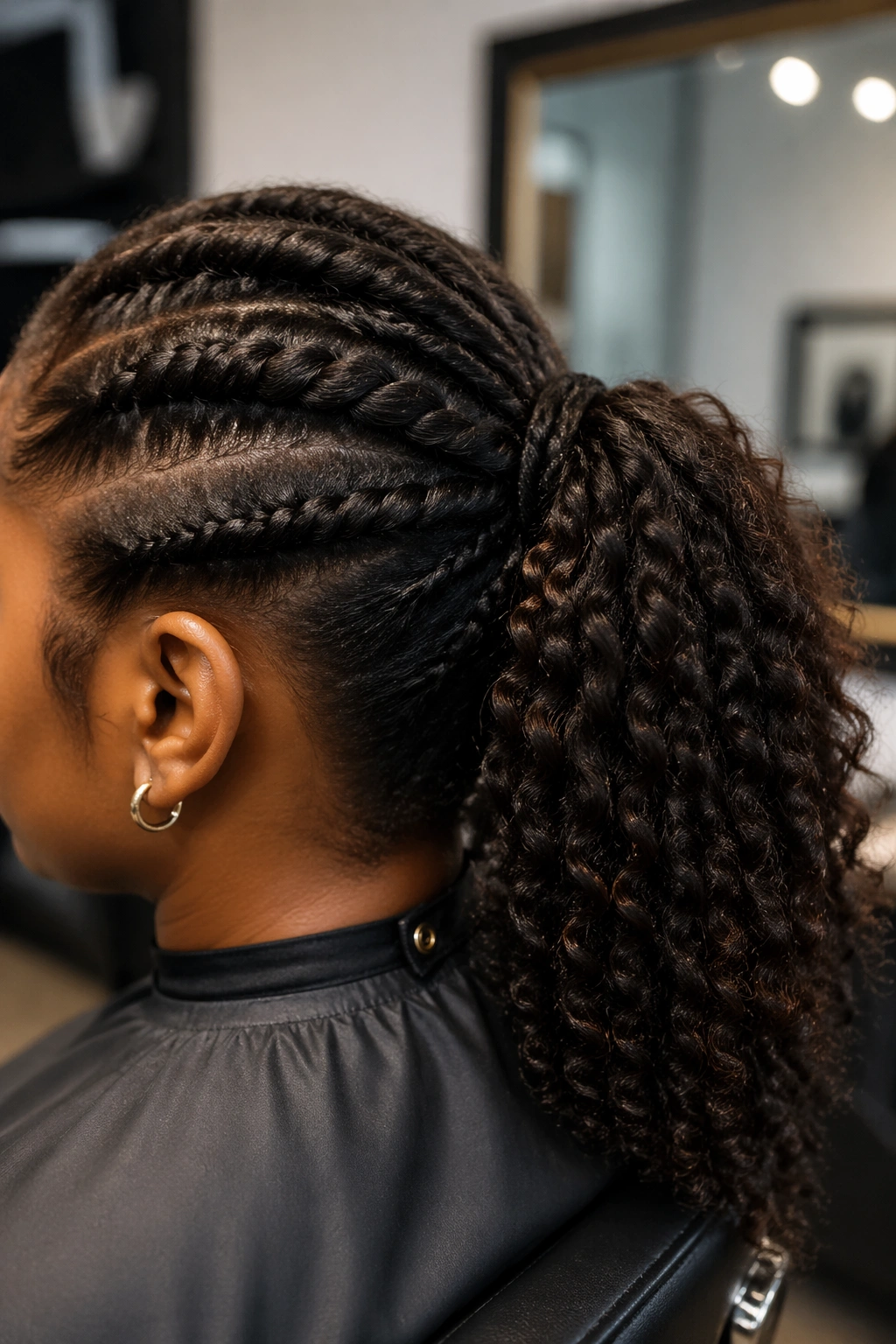
Jumbo twists at the base create a softer shape than braids and can be faster to put in when you want the ponytail to look styled without spending forever on the foundation. The twist pattern sits flatter than many people expect, especially when the sections are kept even and secured properly.
This style suits thick or coily hair because the twists hold the root in place without making the scalp feel overworked. They also give the base a little texture, which looks nice under curly extensions. The ponytail length can stay full and dense while the top feels calm and controlled.
The one thing I like to say about this version: it’s comfortable. Not every hairstyle needs to feel like armor. If you want a mid ponytail that looks neat and lets your scalp relax a bit more than a tight braided base, jumbo twists are worth a hard look.
20. Mid Ponytail With Flipped Ends and a Smooth Wrap
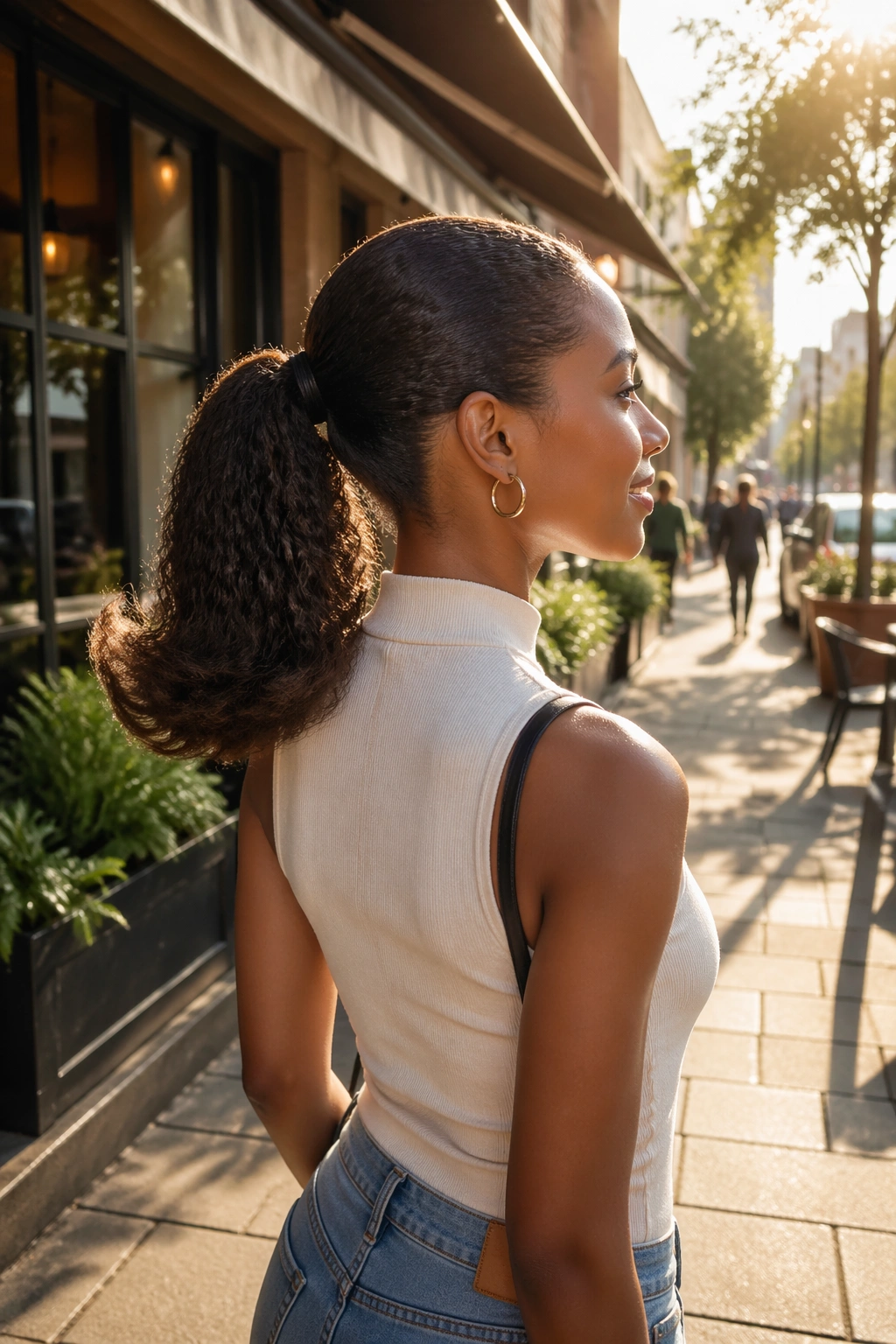
Flipped ends give the ponytail a little swing at the bottom. Instead of a uniform curl pattern all the way through, the ends kick outward slightly, which makes the style feel more lively. It works especially well with layered bundles or hair that already has a bit of bend near the last few inches.
The smooth wrap at the base keeps the look from tipping into casual. That contrast is what makes the style hold together. Sleek top, playful end. Straight lengths can be curled under or out with a medium barrel iron, while wavy lengths usually need less shaping. Don’t overdo the bend. A mild flip is enough.
This one has a nice profile from the side. The curved ends stop the ponytail from falling flat against the back, so the whole style feels more three-dimensional. It’s a small detail, but it matters when you want movement without losing polish.
21. Sleek Mid Weave Ponytail for Shorter Natural Hair
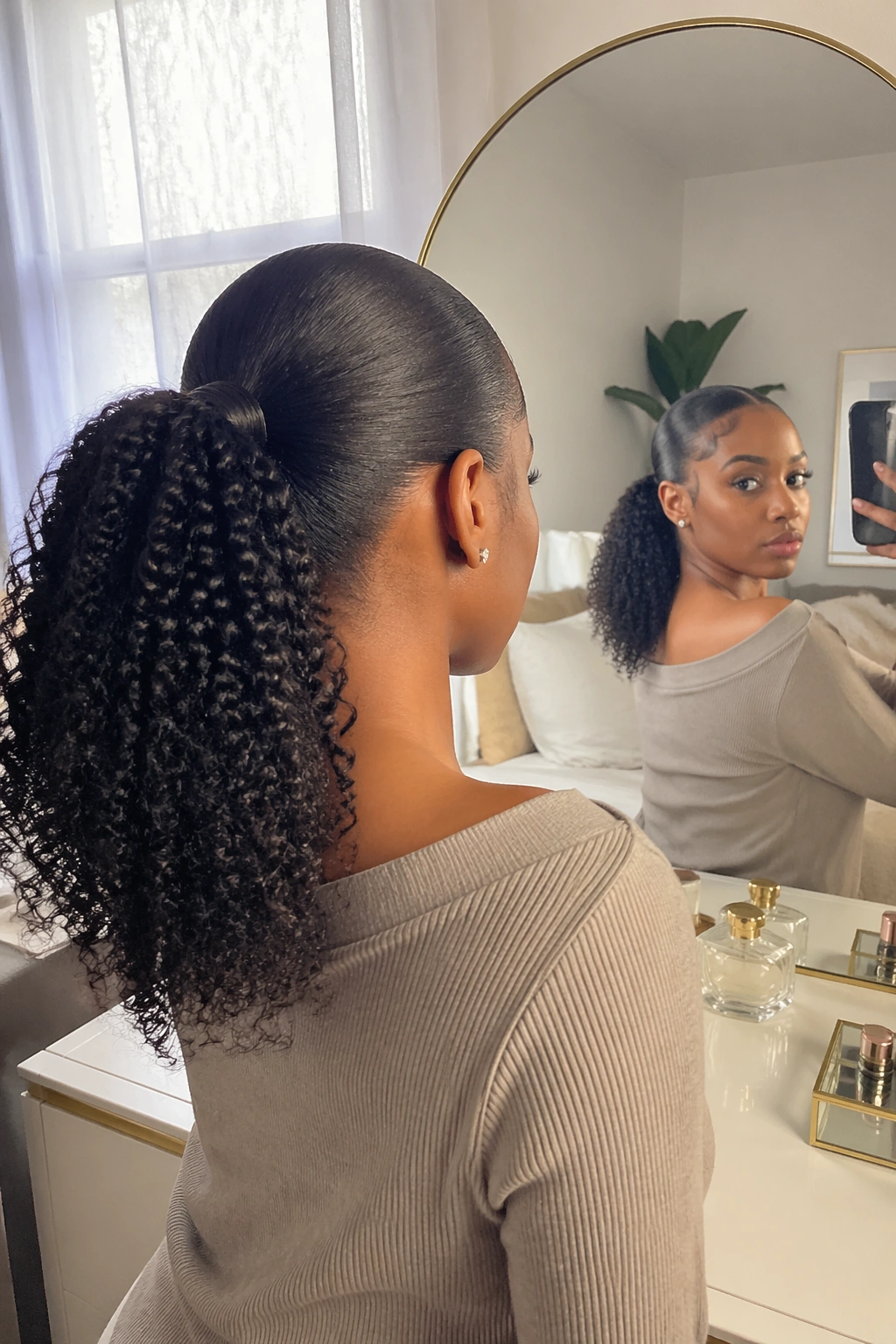
Shorter natural hair does not rule this style out. It just changes the prep. The base needs to be secure enough to hold the extension ponytail, which usually means a clean braid foundation, a drawstring ponytail, or a quick weave ponytail install that sits flat against the head. Once the base is set, the length does the rest.
What to ask for
- A snug foundation that does not pull at the temples
- Extension hair with enough density to cover the base
- A texture that matches your natural curl pattern or sits one step looser
- A small wrap piece to hide clips, combs, or elastic
The biggest mistake is choosing extensions that are too heavy for the amount of natural hair underneath. That makes the ponytail slide or feel awkward at the crown. A mid placement helps because it balances the weight better than a high ponytail would. If your natural hair is short, this shape is kinder and easier to wear than a towering style.
22. Mid Ponytail With Feathered Curly Layers
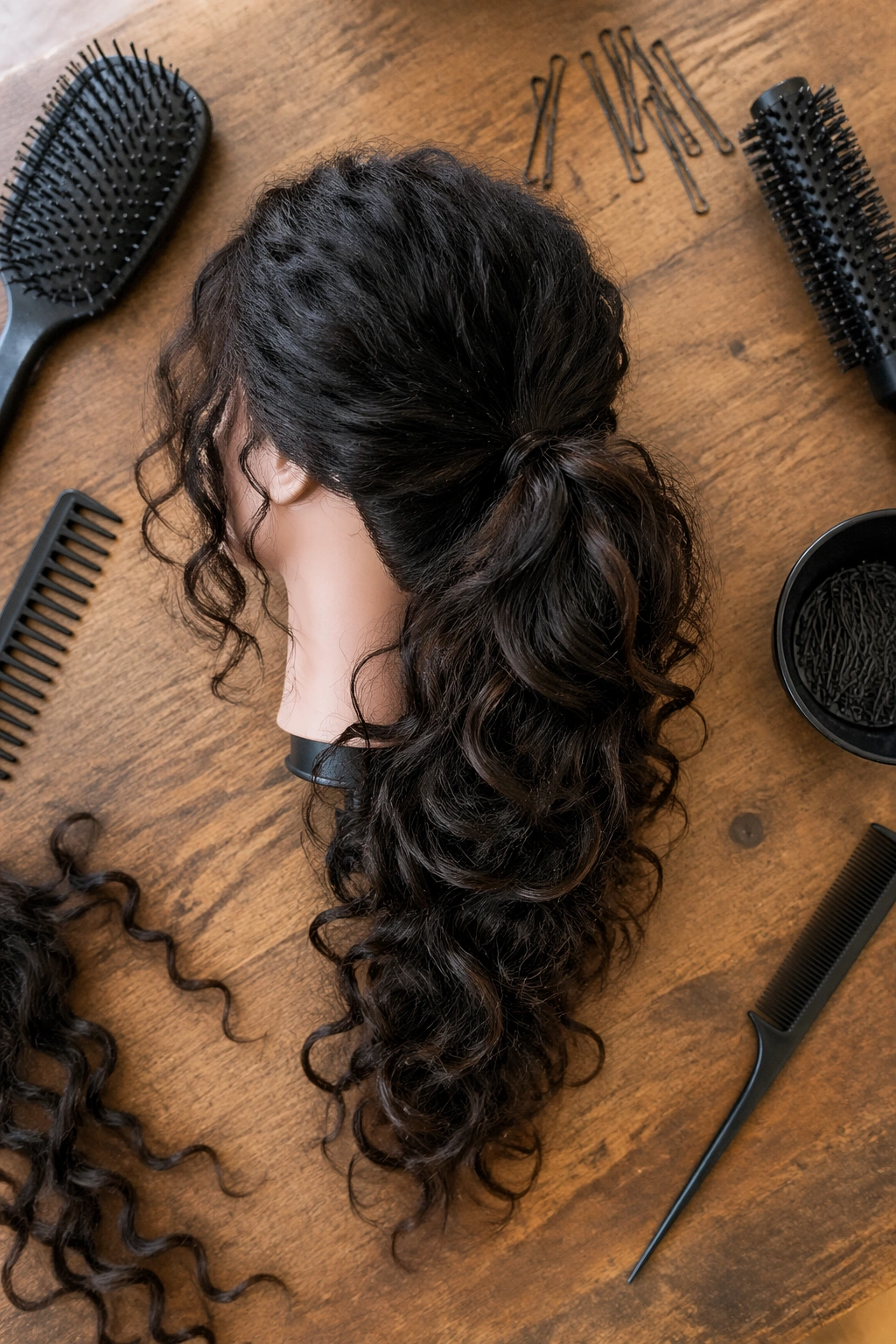
Feathered layers keep curly lengths from looking blunt or blocky. Instead of one heavy curtain of hair, the ponytail moves in lighter sections, which makes the style feel softer around the shoulders and neck. This is a good choice if your bundles are dense and you want to stop them from reading too thick.
How to keep the layers balanced
Start with a smooth base and ask for the length to be shaped in layers, not chopped into uneven pieces. A soft layer around the face and a longer layer toward the back usually works well. Too many layers can make curly extensions frizzy. Too few can make the ponytail look boxy.
I like feathered ponytails when the goal is movement. They are less rigid than a straight cut and less heavy than a full blunt tail. If you wear gold hoops, a high neckline, or a simple fitted top, the layers help the hair stay lively without stealing the whole outfit.
23. Soft-Edge Mid Ponytail With a Clean Finish
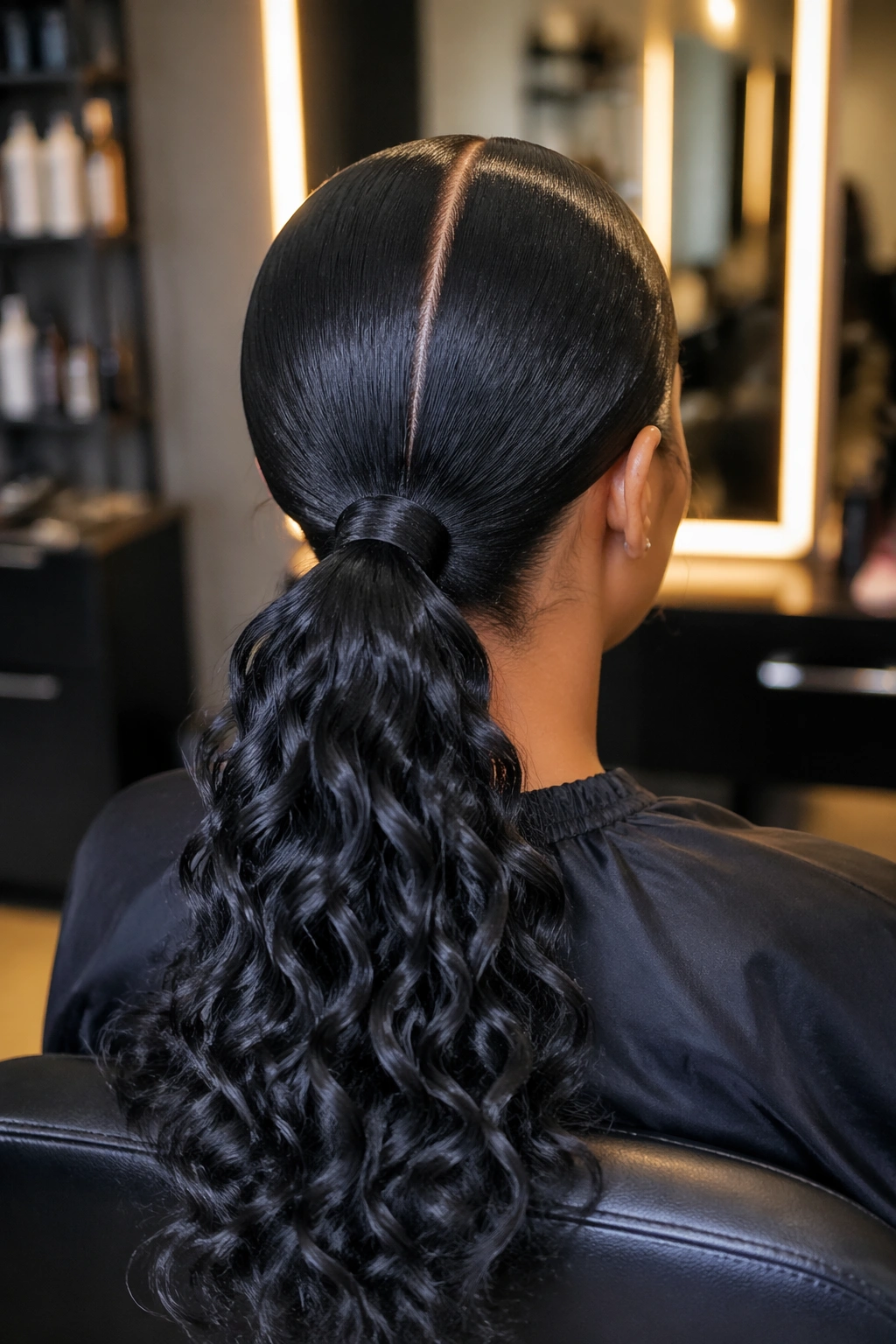
A soft-edge finish is the style I keep coming back to when I want a ponytail that looks neat without looking overworked. The crown stays smooth, the part stays clean, and the curls at the back get to do the talking. Nothing about it feels loud. That’s the appeal.
The edges should be laid, not plastered. There’s a difference. A little edge control around the hairline keeps the style crisp, but too much makes the front look stiff and flaky by the end of the day. I’d rather see a controlled, touchable hairline than a shiny shell. The ponytail itself can be deep wave, kinky-curly, or a looser curl pattern, depending on how full you want the finish.
If you want one style from this whole set that can move from errands to dinner without changing much, this is the one I’d point to first. It’s clean, wearable, and easy to adjust if your curls or bundles need a quick refresh. No drama. Just a ponytail that knows exactly what it’s doing.