


Everyday wear has different rules than occasion wear, and most people figure this out the hard way — after installing an elaborate style on a Sunday night and realizing by Tuesday morning that it simply doesn’t fit into their actual life. Afro twist looks for everyday wear need to solve real daily problems: they need to survive sleep, sweat, exercise, repeated touching, humidity changes, and the general physical reality of living in a body. Looking good while doing all that is the challenge.
The styles in this list are not scaled-down versions of elaborate styles. They’re designed from the start for daily functionality. Some are protective. Some are quick to install and easy to modify. A few look simple but have specific technique details that make the difference between a style that lasts all week and one that’s falling apart by Wednesday.
Not every afro twist style works for everyday wear. Highly intricate styles that require significant daily manipulation to maintain, or styles so structured that sleeping in them becomes a production — those are weekend and occasion styles. What follows is genuinely everyday-friendly: wearable, practical, durable, and visually interesting enough that you don’t feel like you’ve sacrificed anything for the sake of convenience.
Why Twists Are Particularly Good for Daily Life
Two-strand twists — whether done on natural hair alone or with extension hair — have a natural resilience that many other styles don’t. The twisting formation locks the hair strands around each other in a way that resists frizz more effectively than braids or loose styles. A well-executed twist can look almost identical on day seven as it did on day one, which is a remarkable thing.
They’re also adjustable without being undone. A set of twists can be worn loose and flowing one day, pinned up the next, gathered in a puff the day after that. The versatility isn’t just about looking different — it’s about responding to the practical demands of each day. Job interview on Tuesday means pinned-up and polished. Hot yoga on Wednesday means gathered puff. Low-effort Friday means loose and free.
Twist styles also work with your hair’s natural moisture cycle rather than against it. As your natural hair absorbs and releases moisture throughout the day, twists accommodate that movement without losing their shape the way that straightened or roller-set styles would. This makes them genuinely reliable for people in humid climates or people who sweat regularly.
What Makes a Twist Style Truly Everyday-Ready
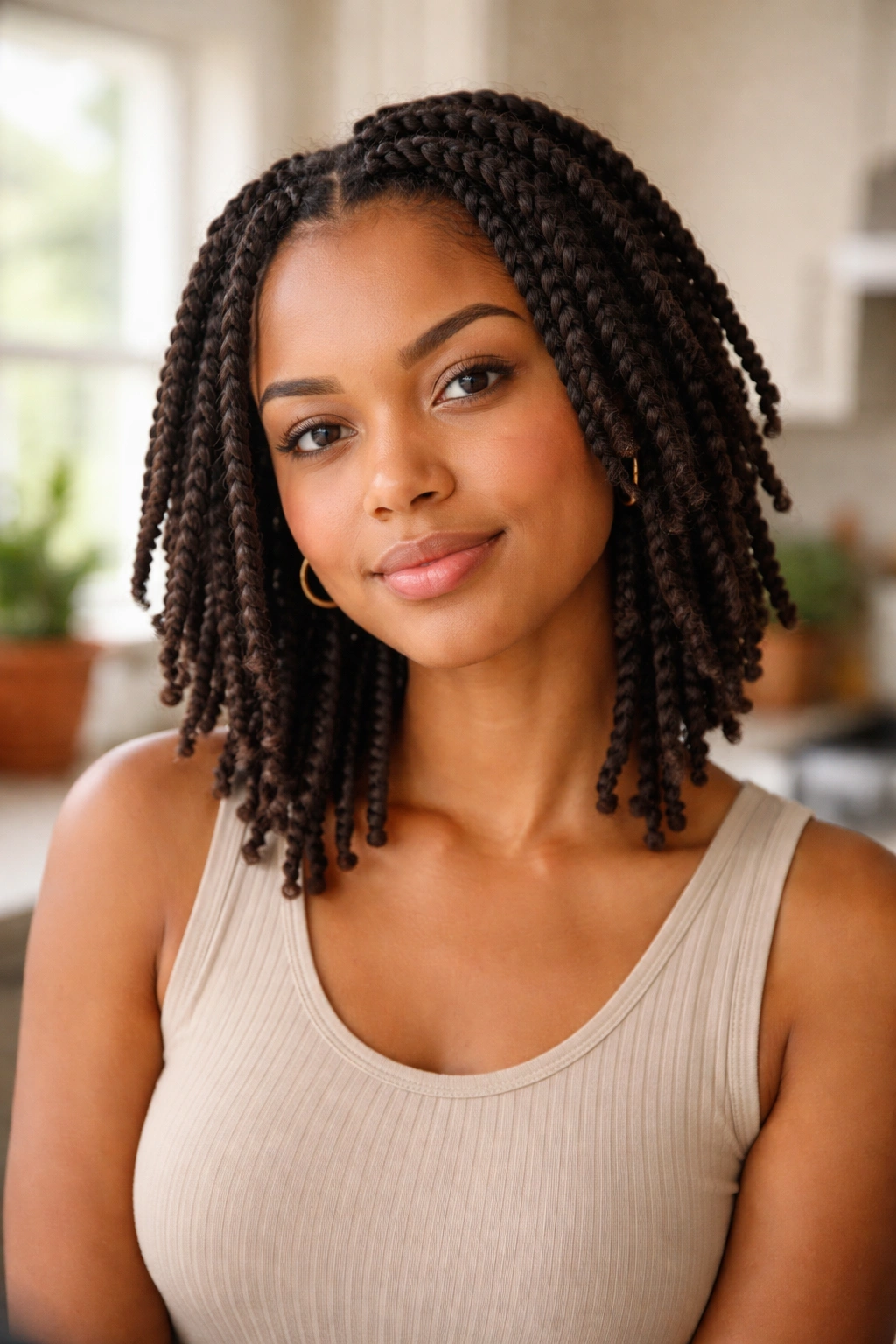
The distinction between an everyday twist and an occasional twist comes down to three factors: installation complexity, maintenance requirements, and durability under daily wear.
Installation complexity matters because an everyday style should be installable (or re-doable) in a reasonable amount of time. A style that takes six hours every two weeks is viable for a weekend project; a style that needs re-doing every three days needs to be installable in under ninety minutes or it’s not genuinely practical.
Maintenance requirements matter because the average person is not going to spend forty minutes on their hair every morning. Styles that hold their look through a normal morning routine without intensive effort are the ones that actually get worn. The less morning manipulation a twist style needs, the more consistently it can be worn.
Durability under daily wear — sleeping, exercise, weather, repeated touching — is the final and most important test. Some styles look perfect when they leave the salon chair and start unraveling by day two under real-world conditions. The styles in this list are selected specifically because they hold up.
The Right Twist Size for Your Daily Life
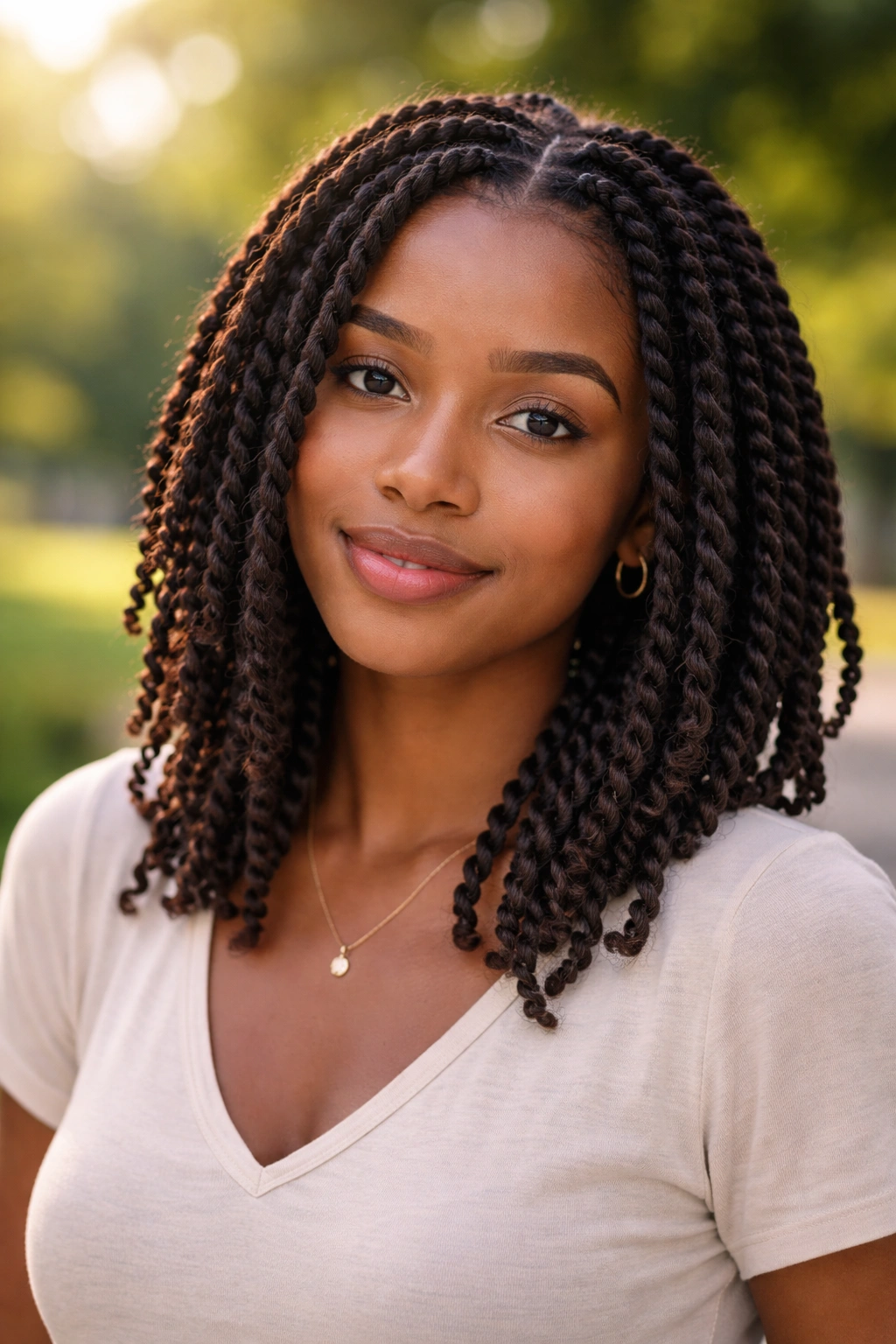
Size matters more for everyday wear than for occasional styles because everyday styles need to last. The relationship between twist size and longevity is direct: smaller twists hold longer. The more surface area of each strand that’s interlocked with the other strand in the twist, the more structural integrity the twist maintains over time.
But smaller also means longer installation time. There’s a sweet spot for most people between micro-twists (very time-intensive) and jumbo twists (fast to install but quicker to unravel) that balances installation time with durability. Medium-sized twists — about the thickness of a pencil for most hair types — are the practical daily sweet spot.
Your hair type affects this calculation too. 4C hair with high shrinkage holds a twist tightly because the hair strands grip each other aggressively. 3B or 3C hair with less shrinkage may find that twists unravel faster because the strands don’t grip as tightly — in those cases, a smaller twist section or a light holding product at the root helps significantly.
Products That Make Everyday Twists Last
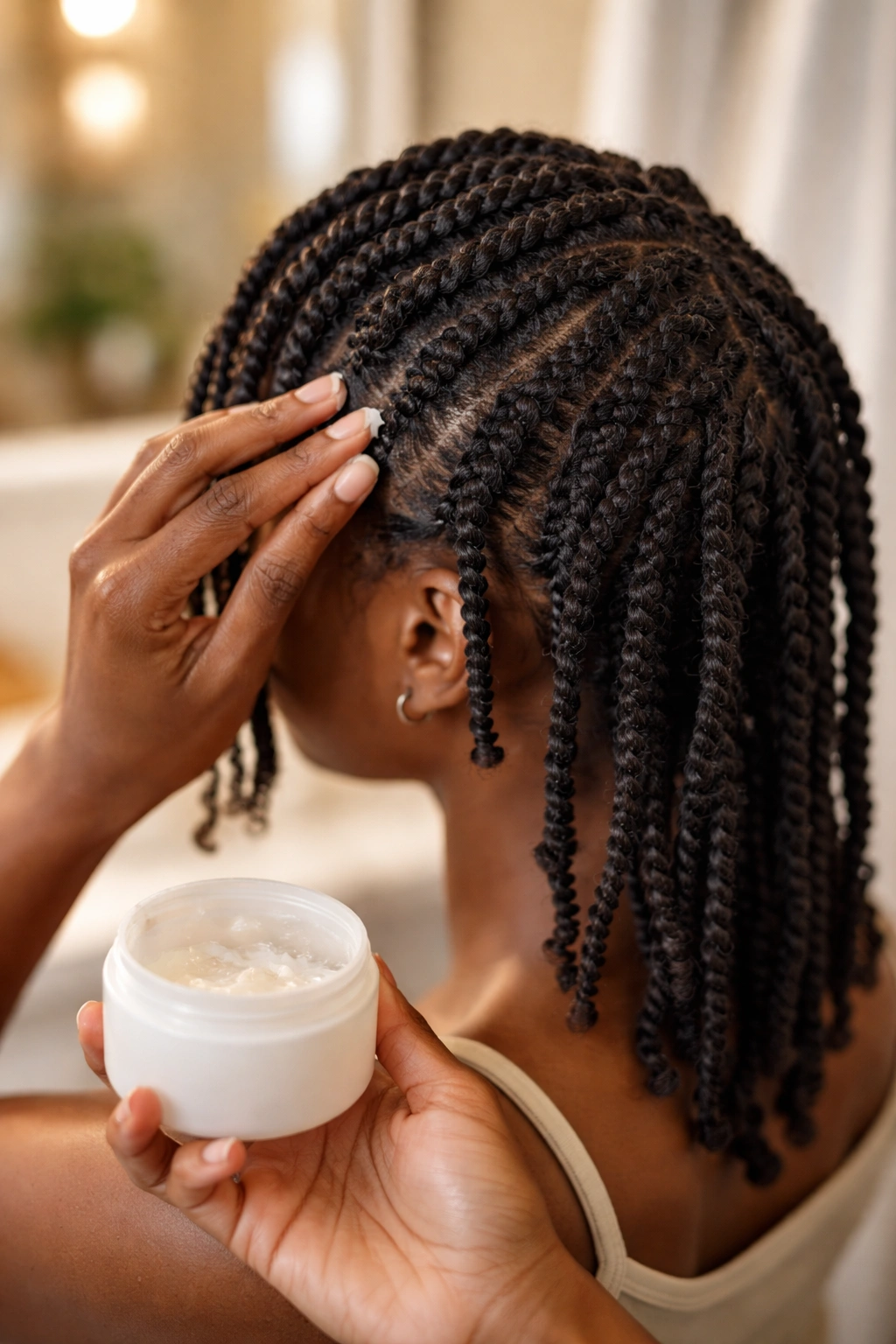
A light hold is what you want for everyday twists — not a heavy gel, not a styling cream so thick it sits on the surface of the hair, but something light enough to absorb into the twist and help the strands grip each other without stiffening.
Shea butter applied to slightly damp sections before twisting provides moisture and a very light hold. Flaxseed gel is an excellent natural alternative — it provides more hold than shea butter alone while remaining water-soluble and light enough not to build up over a week of wear. For people who prefer commercial products, a light curl defining cream applied sparingly at the base of each twist works well.
Avoid heavy pomades or thick edge gels applied throughout the twist. These products create buildup over days, attract lint, and make the scalp feel tight and uncomfortable. Save the heavy products for the edges only, where their hold is most needed, and keep the body of each twist product-light.
1. The Classic Two-Strand Twist Set
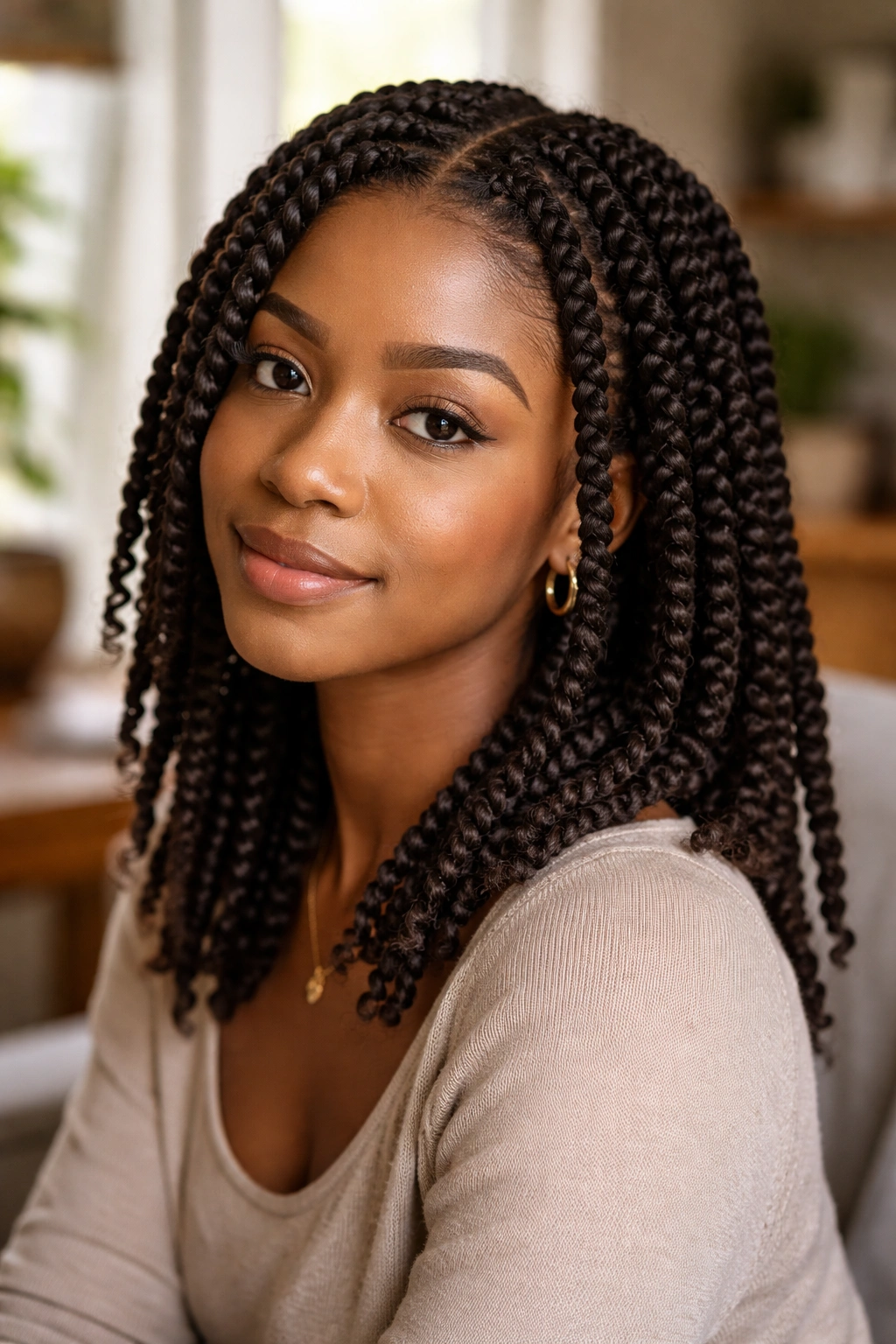
Starting with the foundation because it genuinely deserves the first position — a well-executed two-strand twist set on natural hair, no extensions, is one of the most practical and beautiful everyday styles that exists. Two sections of your hair twisted around each other from root to tip, repeated systematically across your head.
At its best, this style wears for five to seven days with minimal manipulation. The first day it’s installed it’s neat and defined. By day three or four it loosens slightly into a fuller, more relaxed version of itself that many people actually prefer to the freshly installed look. By day seven, if you’ve been protecting it at night, it’s still presentable enough for most environments.
The only thing that ruins a twist set prematurely is the wrong product choice or too much manipulation. Don’t comb or pick through the twists to add volume — that causes frizz. Instead, gently separate the sections at the roots using just your fingers to add fullness without disturbing the twist structure.
2. Mini Twist Natural Hair Style
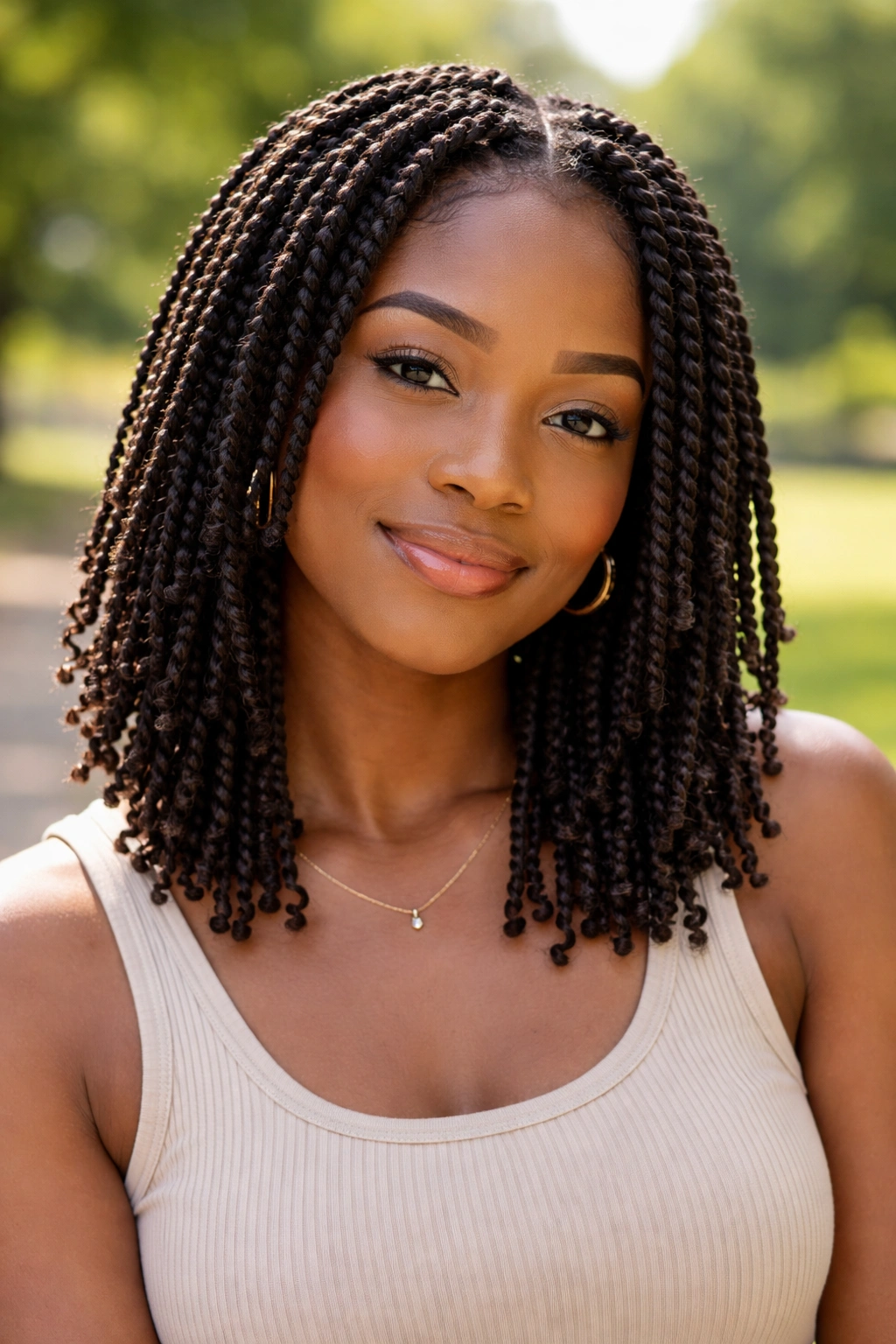
Mini twists take the two-strand concept and apply it to much smaller sections — thin, densely packed twists that cover the entire head in a fine, intricate texture. The size requires more installation time (three to four hours for a full set on most hair), but the payoff is a style that can last two to three weeks with proper nightly care.
The visual richness is immediate. Mini twists in their first week look almost like small coils, each one individually defined, creating a texture that’s simultaneously neat and natural. By week two they loosen and blend into what looks like a very full, textured natural hairstyle.
The edges do need attention on a mini twist set. The perimeter twists — the ones at the hairline — tend to unravel first because they’re the most exposed to friction from face-touching and pillow contact. A thin application of edge control smoothed over the hairline edges every two or three days keeps the perimeter looking neat while the interior twists maintain their structure.
3. Twist Out Style
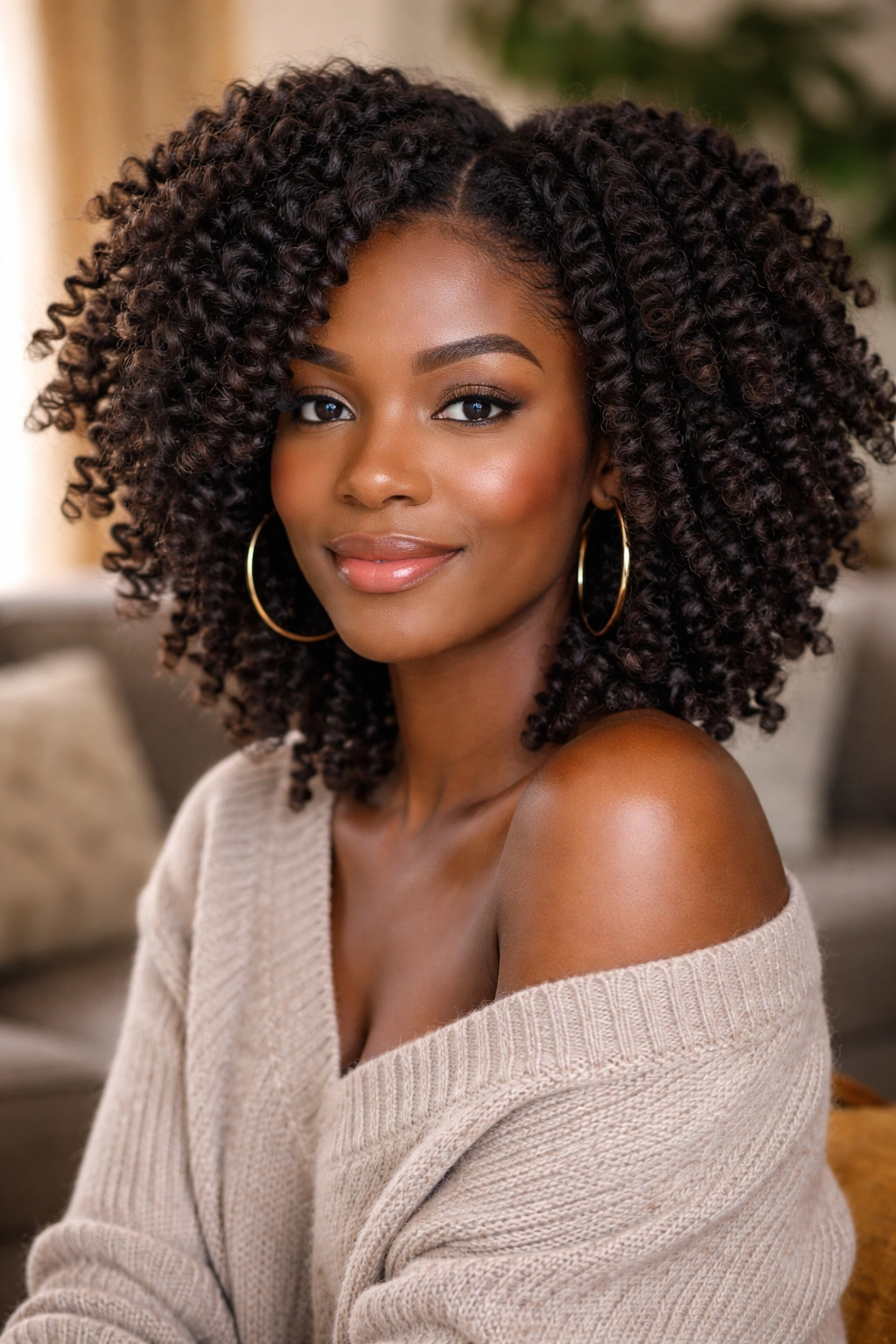
The twist out is technically a styling method rather than a style in itself — you install twists, let them set completely, then carefully unravel each one, using the unraveled twist to shape a defined, stretched curl pattern. The result looks nothing like the twists you installed; it looks like a big, fluffy, defined natural hairstyle.
How to Use It
For a twist out to work for everyday wear, the initial twisting needs to be tight and even. Loose, inconsistent twists produce a patchy, uneven twist out with some sections more defined than others. Apply a curl defining cream or a light gel to each section before twisting for the most defined result.
Allow the twists to dry completely before unraveling — on wet hair, on slightly damp hair, on hair that’s 80% dry. All of these will give different results. For everyday wear, unraveling after the hair is fully dry (usually six to eight hours, or overnight) produces the most definition and the longest-lasting outcome.
4. Flat Twist Styles
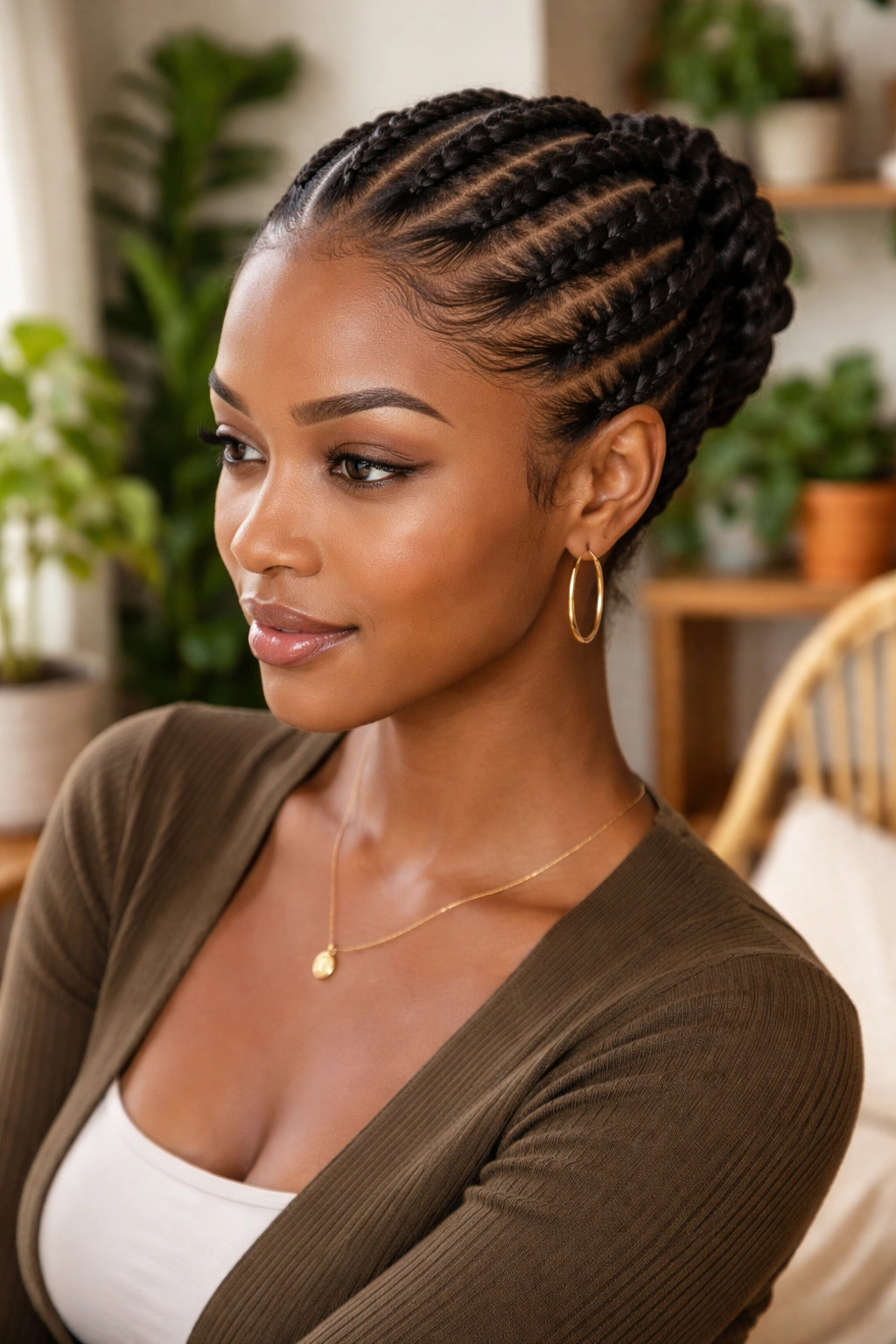
Flat twists are the cornrow equivalent of two-strand twists — twists that sit flat against the scalp rather than standing upright. They create a neater, more structured appearance than hanging twists and work beautifully for everyday wear because they require zero daily manipulation after installation.
A simple flat twist pattern — two or three twists running from the front hairline toward the crown, meeting at the back in a small gathered cluster — takes about thirty minutes to install and can last four to five days without significant intervention. The structure is too flat and secure to need daily adjustment, and the look reads as deliberately styled rather than hastily done.
Flat twists do require some skill. The twisting motion for on-scalp flat twists is different from standard hanging twists — you’re picking up small amounts of new hair as you move backward, similar to cornrowing, while simultaneously maintaining the flat twist formation. Practice in front of a mirror before attempting a style you need to look clean.
5. Flat Twist Into Puff
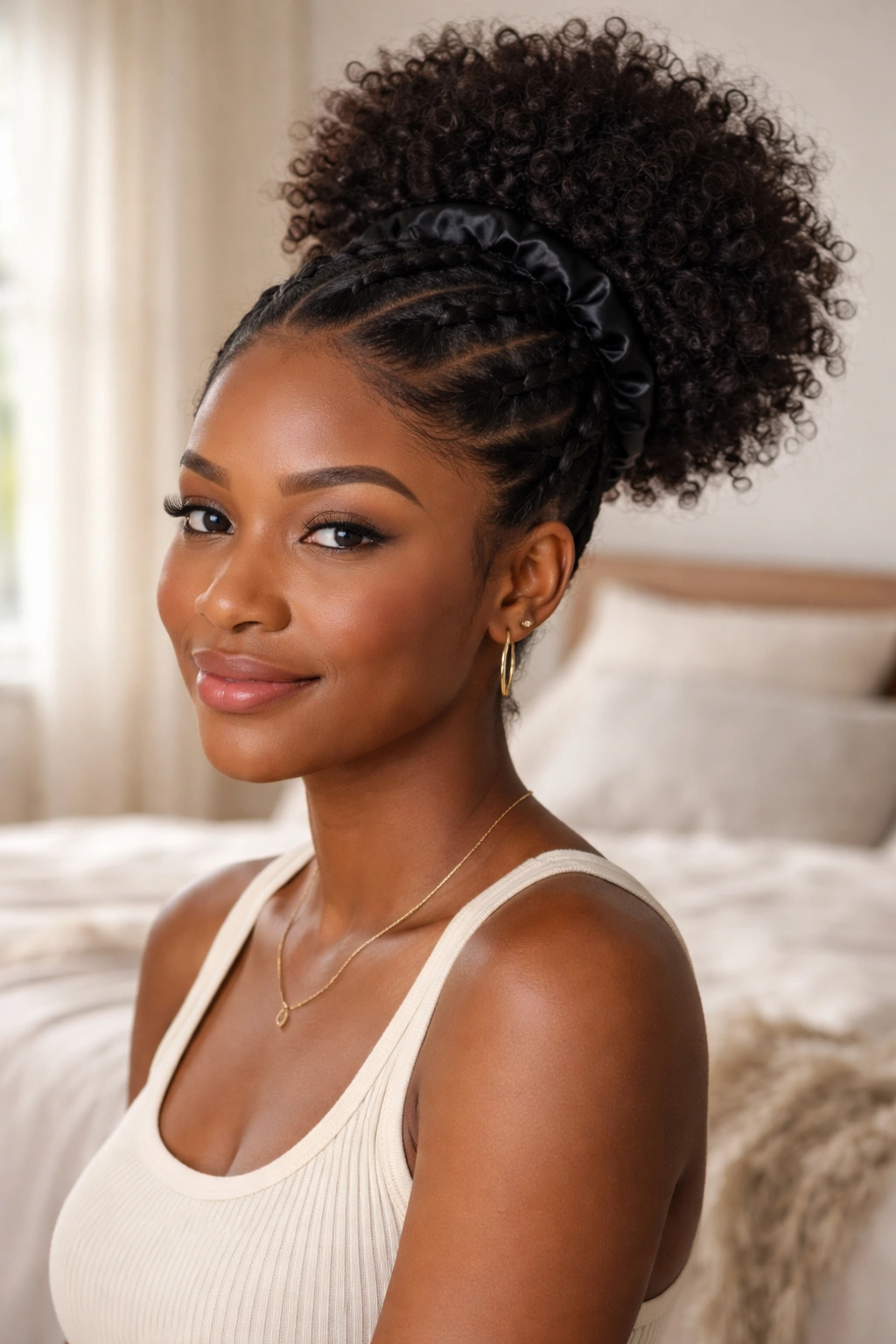
The flat twist puff is one of the most practical everyday styles on this list. Flat twists at the front of the head, directing the hair backward toward the crown, and all the hair at the crown gathered into a loose, full puff with a satin-lined scrunchie. Simple, fast to re-do, looks polished.
Because the flat twists at the front are installed and stay in place, the only daily variable is how you manipulate the crown puff. You can wear it high and tight for a more structured look, loose and low for something more relaxed, or slightly off-center for an asymmetric effect. Three different looks from the same base installation.
The puff does require that your natural hair at the crown is long enough to gather into a visible mass. For shorter natural hair, a small puff attachment or clip-in puff extension provides the same visual without needing the length.
6. Two-Strand Twists With Tapered Ends
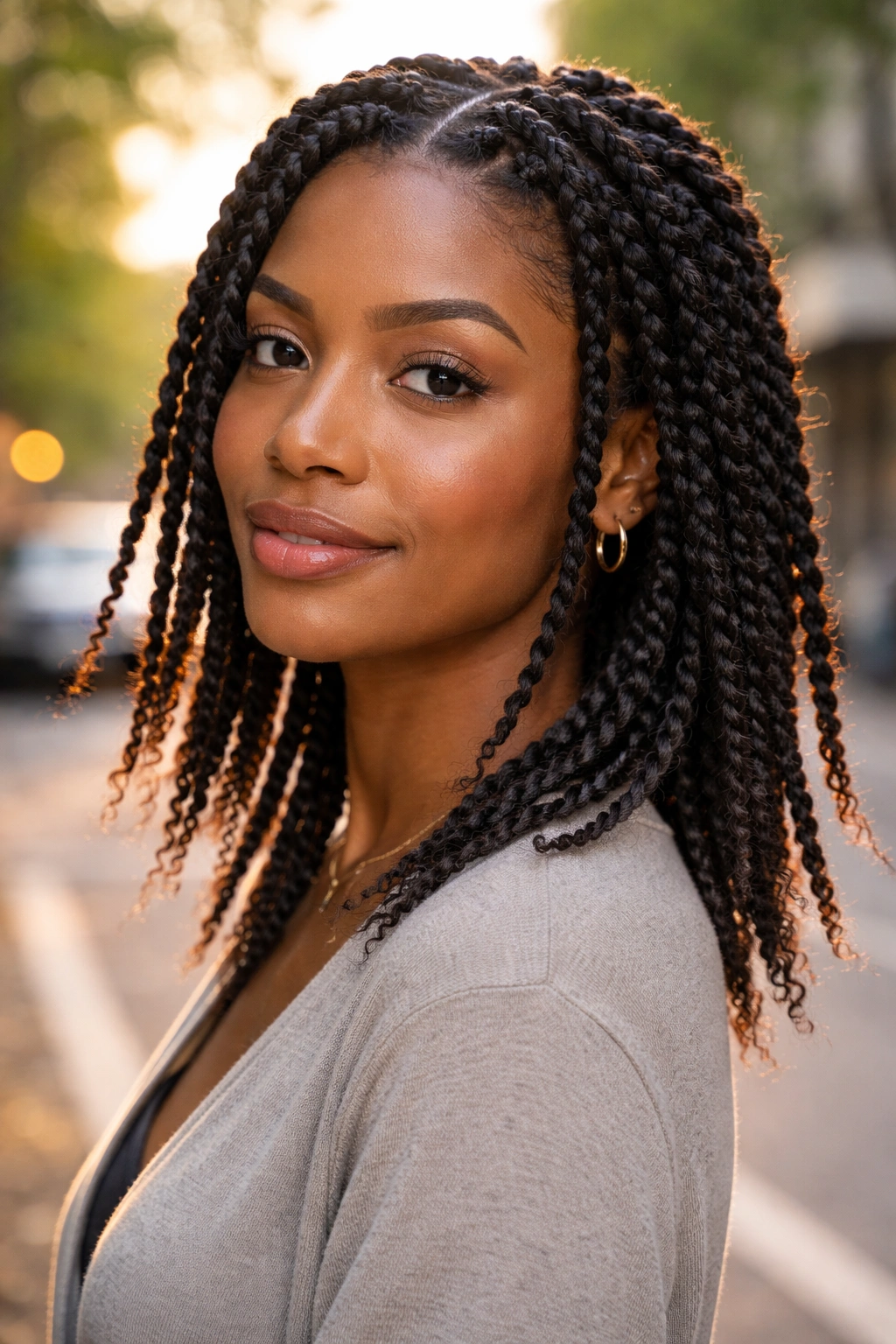
Rather than twisting uniformly from root to tip, this variation twists with gradually decreasing tension toward the ends, creating a twist that’s tight and defined at the base but opens into a softer, looser coil at the tips. The tapered end gives each twist a more organic, lived-in appearance.
The technique requires conscious effort against the natural inclination to twist evenly. As you approach the last two inches of each twist, consciously reduce your tension and allow the twist to open slightly as you complete it. You can also leave the very tip untwisted for a natural frizz or coil.
For everyday wear, this variation holds up slightly less rigidly than a tight-tipped twist, but the loosened ends actually look better as the days progress — they blend into the overall softness of a style that’s been worn rather than looking like the ends are simply unraveling.
7. Single-Length Chunky Twists
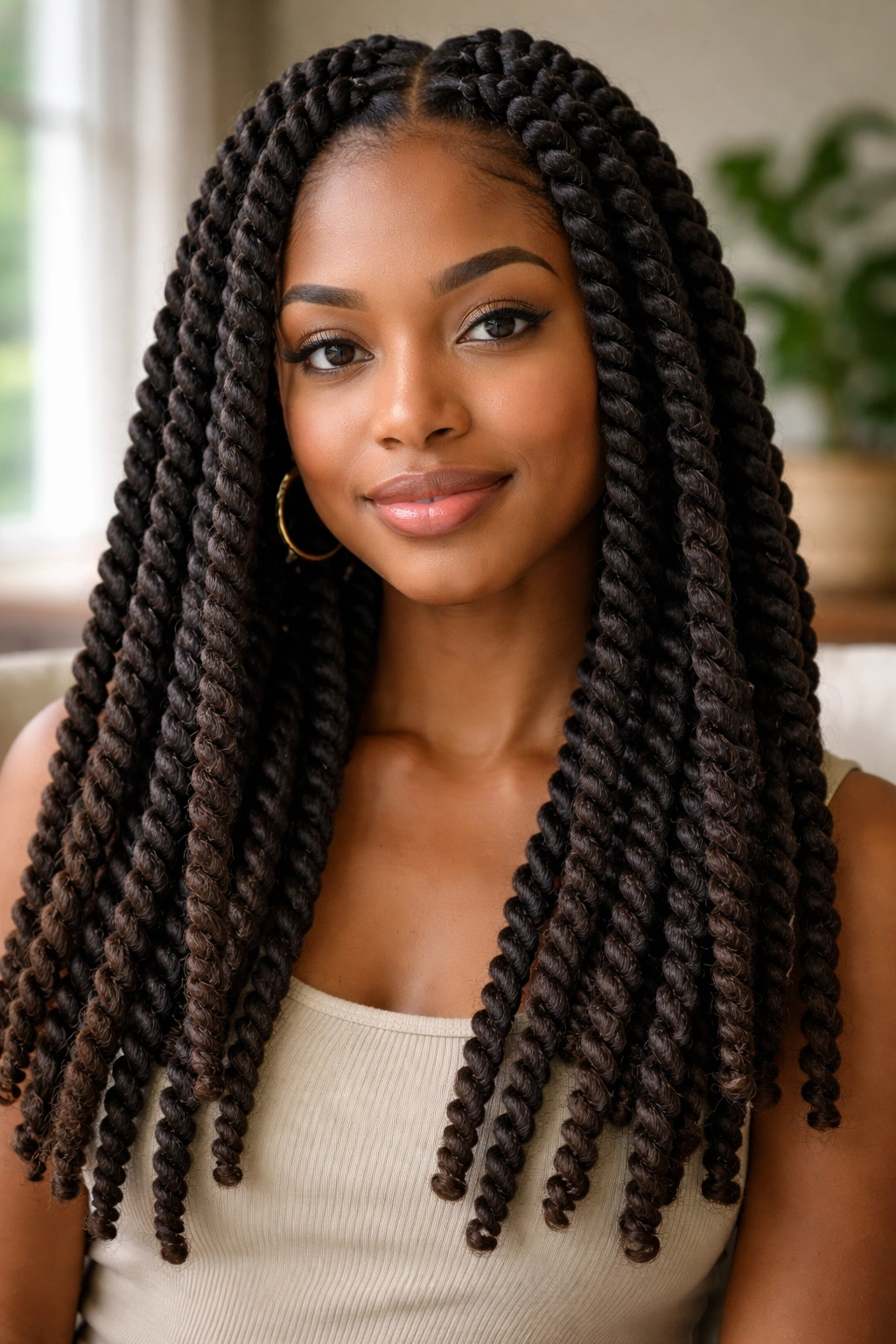
Uniformly sized chunky twists — all the same thickness, all the same length, all twisted to the same tightness — create a graphic, intentional look that requires very little daily attention. The symmetry reads as purposeful. There’s nothing to adjust because everything is already in its place.
This style works well for people who find decisions about styling exhausting. Once installed, the chunky twist set essentially makes itself — there’s no deciding how to wear it because it looks complete as-is, every day, without modification.
The thickness of chunky twists (usually two to three fingers wide at the root section) means they hold their shape for longer than smaller twists because there’s more hair mass in each twist and more structural integrity. Expect five to seven days of solid wear before any noticeable loosening.
8. Crown Twist Style
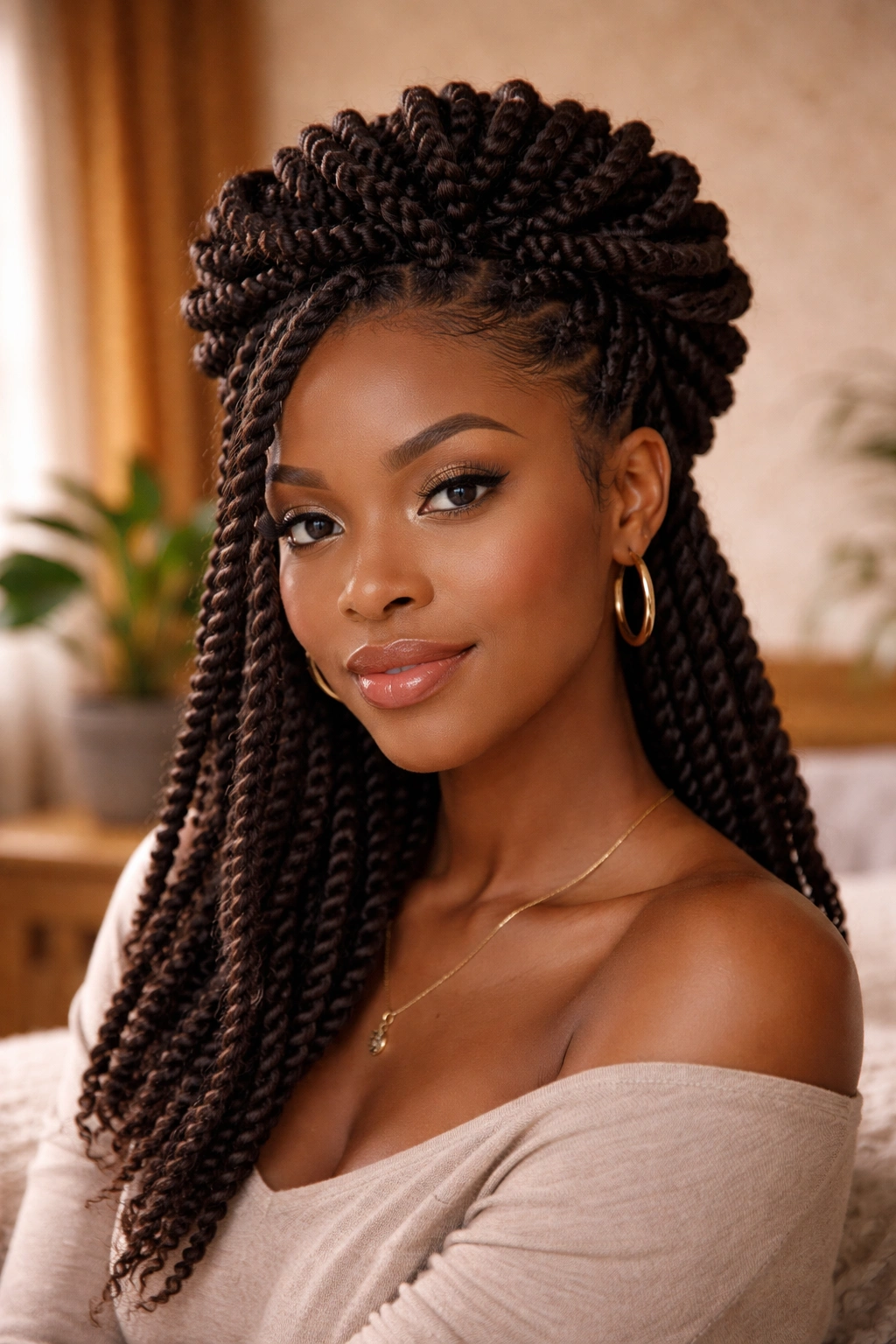
All the twists are directed toward the crown and pinned into a large, loose gathering at the top of the head, creating a crown or halo effect where the twist ends fan out from the central pin point. It’s an elegant style that takes under ten minutes to achieve from an existing twist set.
The height of the crown affects the look significantly. Gathered high on the very top of the head creates a tall, dramatic effect. Gathered slightly toward the back of the crown creates something that reads more like a classic updo. Gathered to one side creates a romantic, asymmetric style.
For everyday wear, the crown twist is especially valuable because it’s a completely different look from wearing the twists down, achieved without any additional product or styling time. A set of twists that you’ve been wearing for three days suddenly looks fresh and deliberate when gathered into a crown.
9. Bantu Knot and Twist Combination
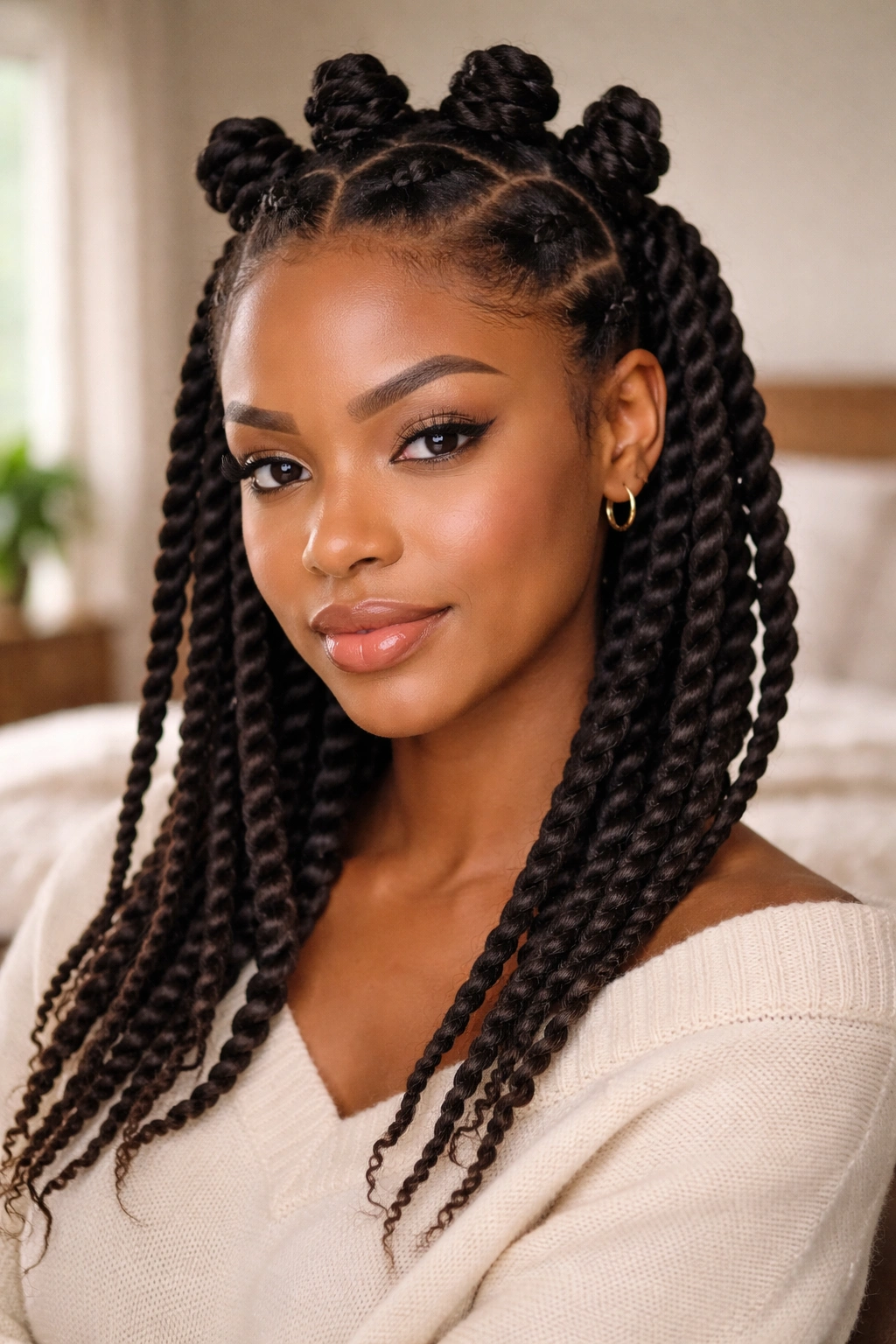
Bantu knots — where sections of hair are coiled and pinned against the scalp in small, tight knots — can be combined with hanging twists in the same style. The knots sit at the crown and along the top section, while twists hang from the sides and back.
The visual contrast between the compact, geometric knots and the hanging, flowing twists creates a dimensional style with two distinct textures. For everyday wear, the knots keep the top section neat and flat (useful for people who find large volumes of hair at the crown cumbersome), while the twists provide length and movement at the sides.
Bantu knots do flatten during sleep regardless of how carefully you wrap your hair. A specific nightly strategy is needed: wrap the knot section loosely with a satin scarf, and tuck the twist section into a large satin bonnet. The combination protects both elements simultaneously.
10. Twist Updo for Active Days
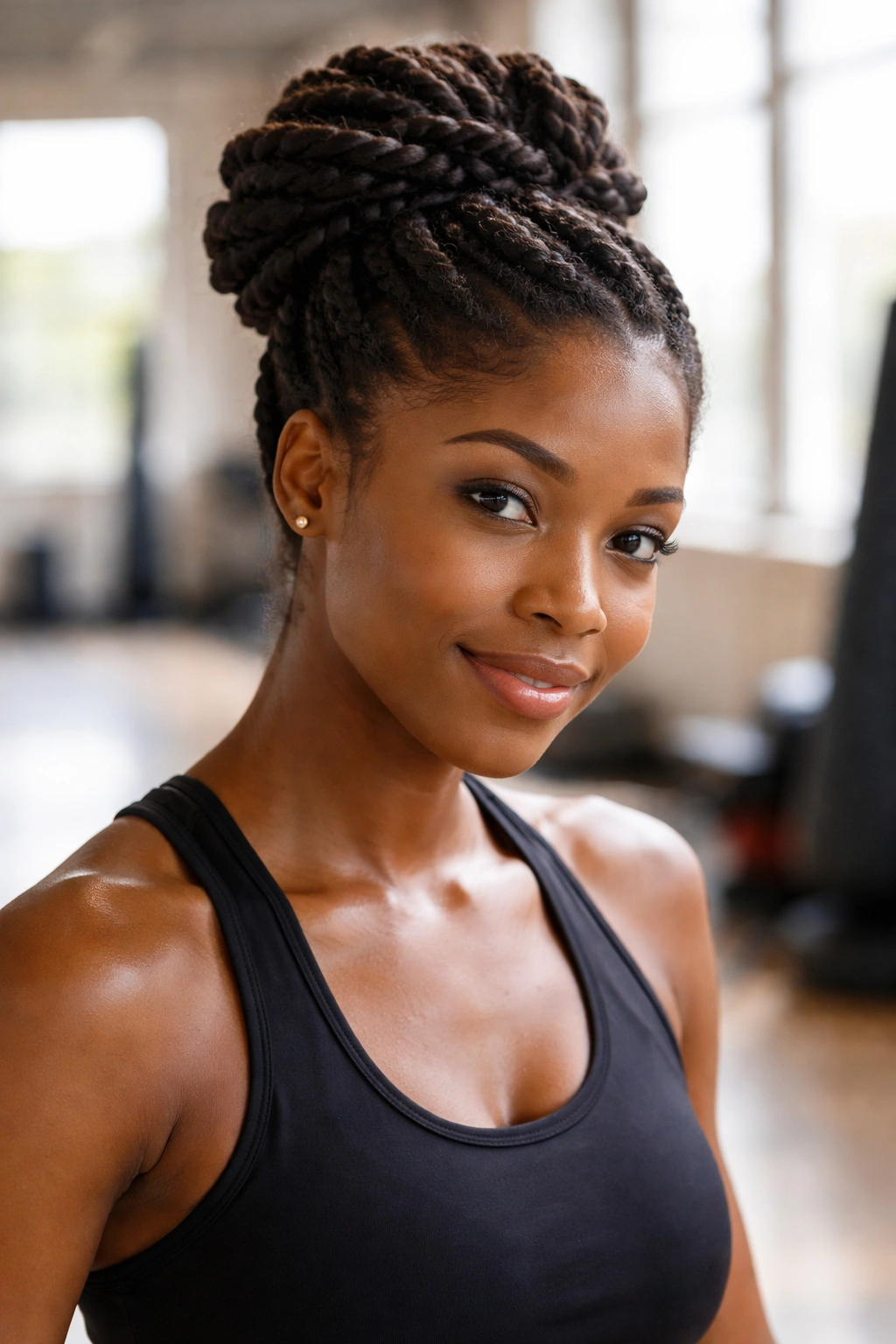
For workout days, physically active professional environments, or simply hot days when you want everything off your face and neck, a twist updo is the practical solution. Gather all your twists — or as many as possible — and pin them at the crown in a loosely gathered bun or chignon. Secure with satin-covered pins or large bobby pins.
The updo doesn’t need to be elaborate. In fact, for everyday wear, a twist updo that looks clearly improvised — casually gathered and pinned — often looks more modern and intentional than a stiffly constructed formal updo. The textures of the individual twists do the visual work; the gathering simply positions them.
After physical activity, release the twists back to their normal hanging position. Shake gently to separate any sections that flattened together. The style returns to its usual appearance almost immediately.
11. Rope Twist Style
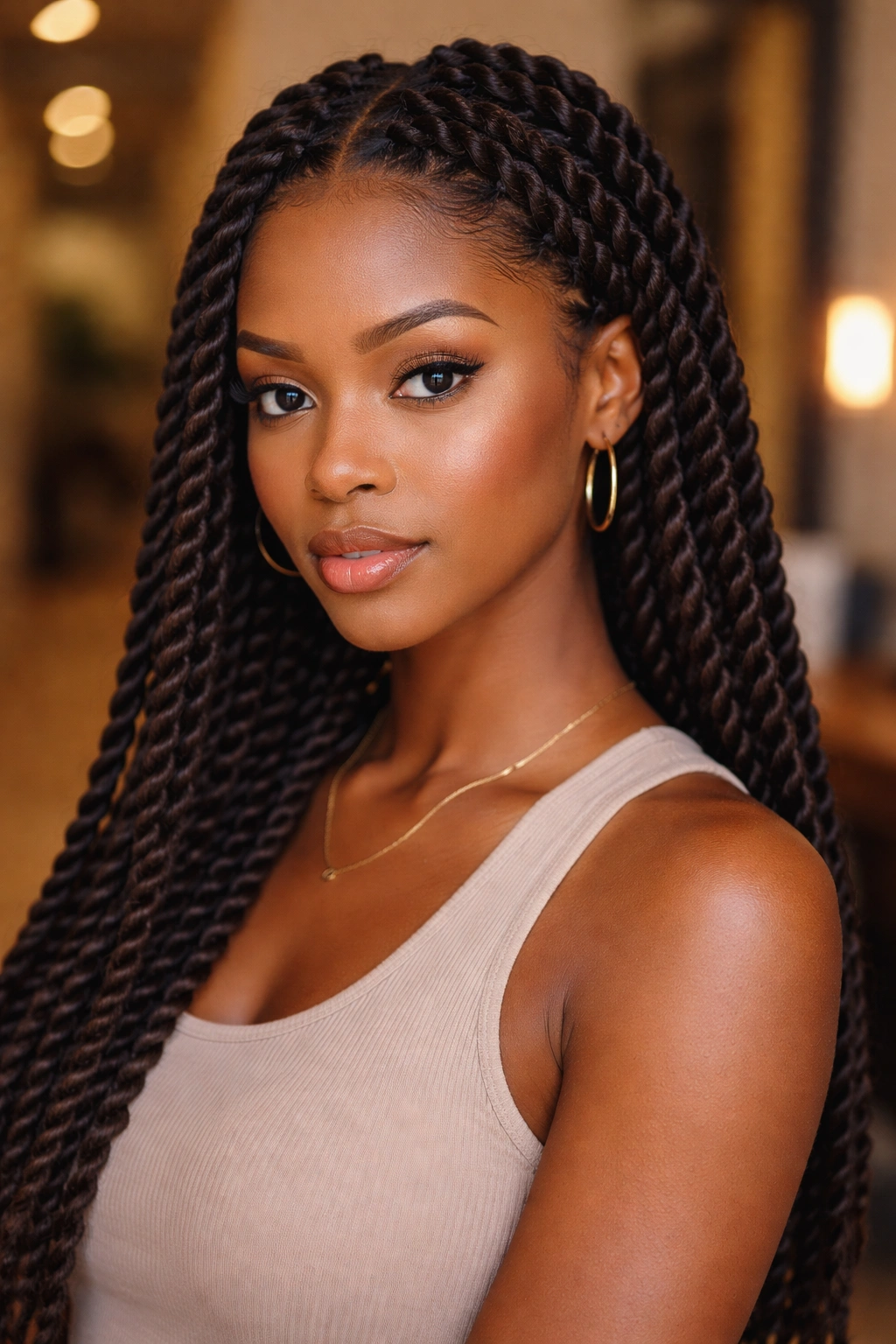
Rope twists — twisted in only one direction rather than the typical two-direction two-strand twist — create a more tightly wound, cylindrical style that has a defined rope-like appearance. The single direction creates more tension in the twist and a slightly more structured shape than a standard two-strand.
Because rope twists are more tightly wound, they hold their shape longer than looser two-strand twists. They also maintain their roundness better, keeping a cylindrical appearance throughout the week rather than flattening slightly with sleep and wear.
The installation technique requires practice. You’re twisting both strands in the same direction — always clockwise, or always counterclockwise — while twisting them around each other in the opposite direction. It sounds contradictory, but the opposing tension is exactly what creates the rope-like lock.
12. Springy Kinky Twists on Natural Hair
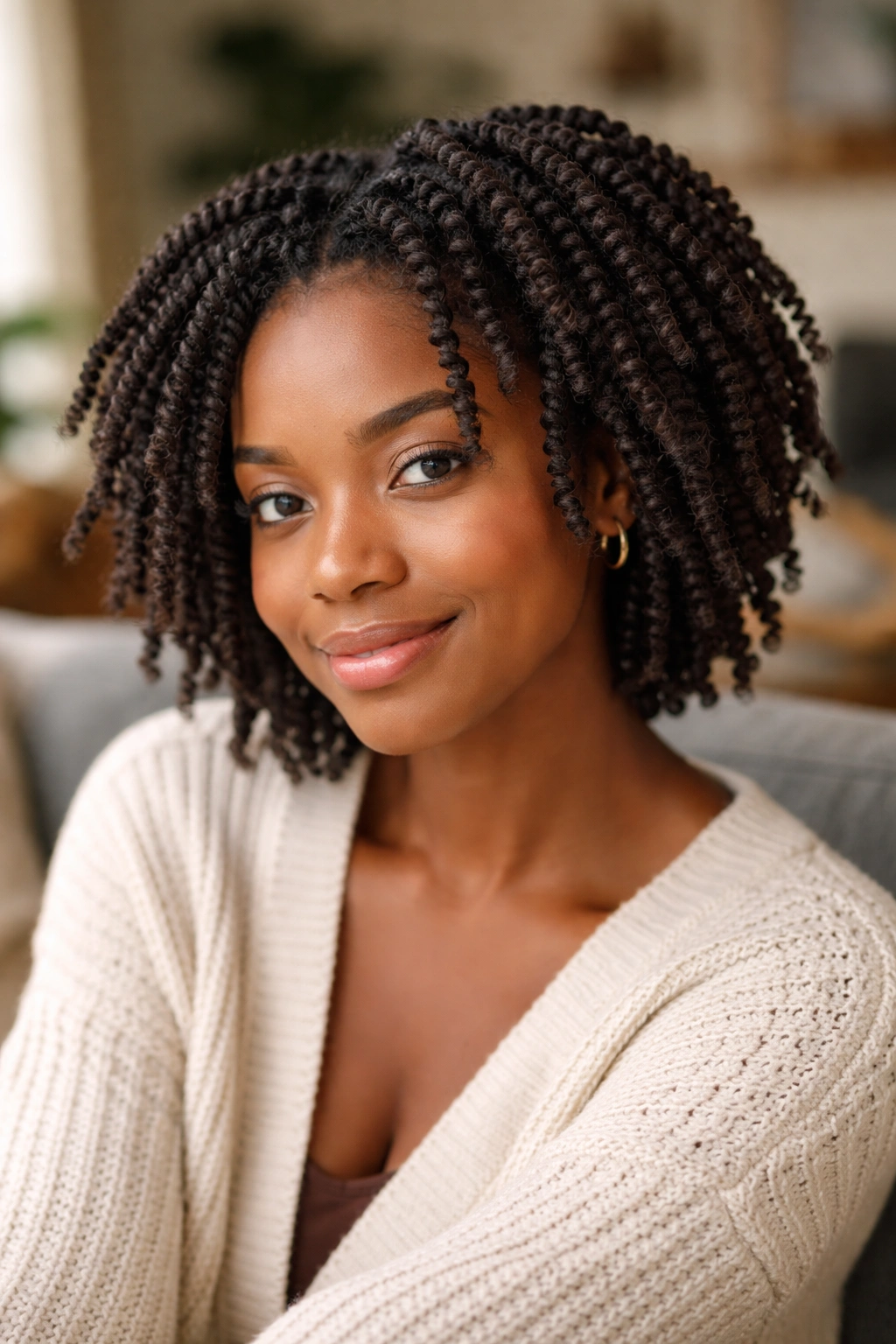
Using the kinky twist technique on natural hair without any extension fiber creates the shortest-lasting but most maintenance-free of all the styles on this list. Twisting your own natural hair with a slight kinky or coiled texture amplified by product creates twists that look great for three to four days and then transition naturally into a beautiful loose twist out.
No extensions means no weight, no attachment points, no scalp tension from added mass. For people whose scalps are particularly sensitive to extension weight, or who prefer not to wear extension hair for personal or practical reasons, this is the optimal daily style.
The product choice is particularly important here because there’s no extension fiber to add visual mass — your natural hair needs to carry the look entirely. A thick defining cream applied to small, damp sections before twisting adds visible texture and helps the twists hold their shape until the inevitable (and welcome) transition to the twist out state.
13. Side-Parted Twist Style
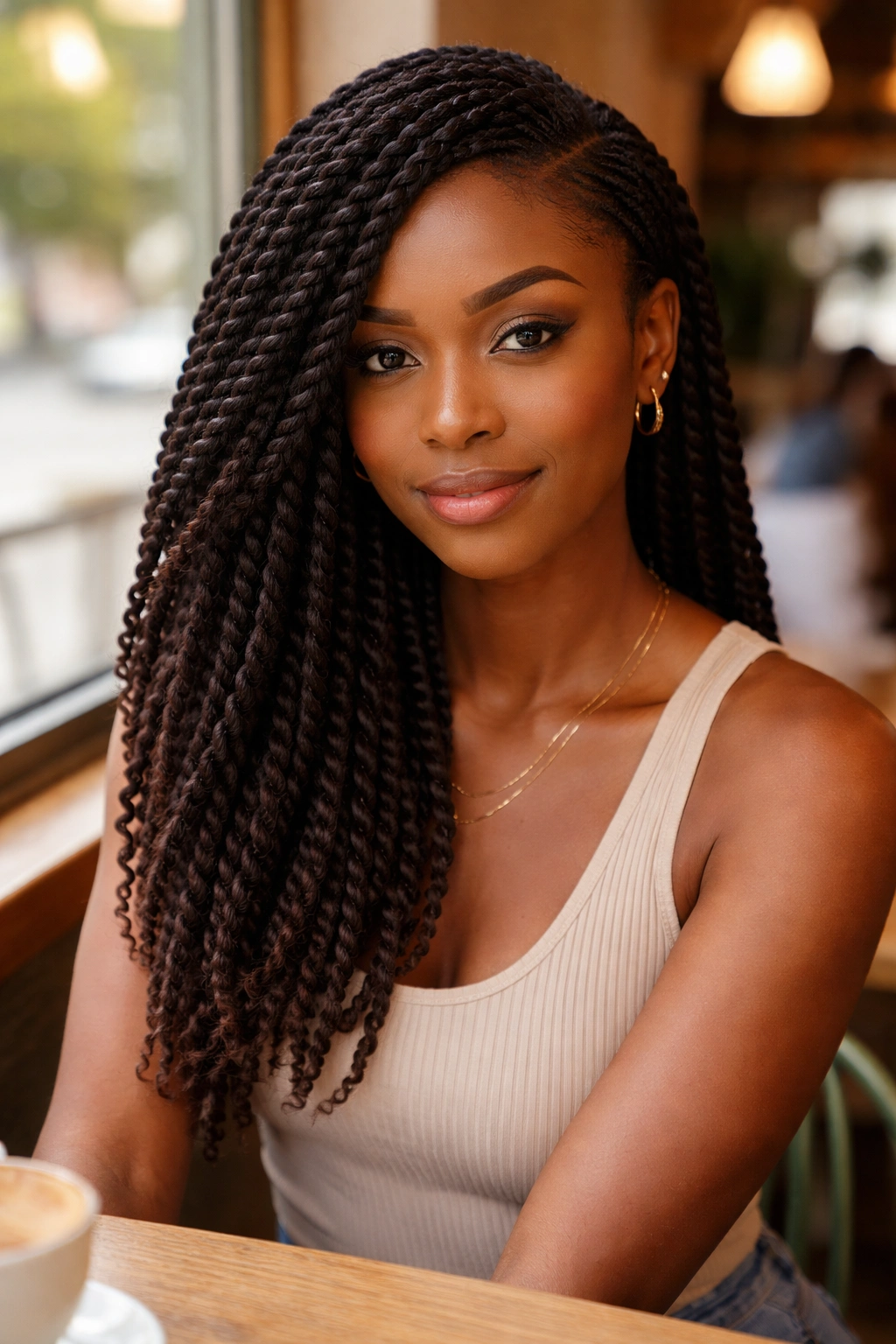
Parting all the twists to one side — a dramatic, deep off-center part that sends most of the hair mass to one shoulder — creates a completely different aesthetic from a center-parted or freely hanging style. The asymmetry reads as a styling decision rather than an accident.
For everyday wear, the side part is particularly useful because it keeps hair away from the dominant side of your face (useful for people who tend to push their hair back while working), while maintaining a full, textured look on the opposite side.
The part line itself needs to be clean. Use a rat-tail comb to draw a precise part, then smooth the parting with edge control applied along the part line for definition. A clean part makes the whole style look more deliberate.
14. Twist Style With Headband
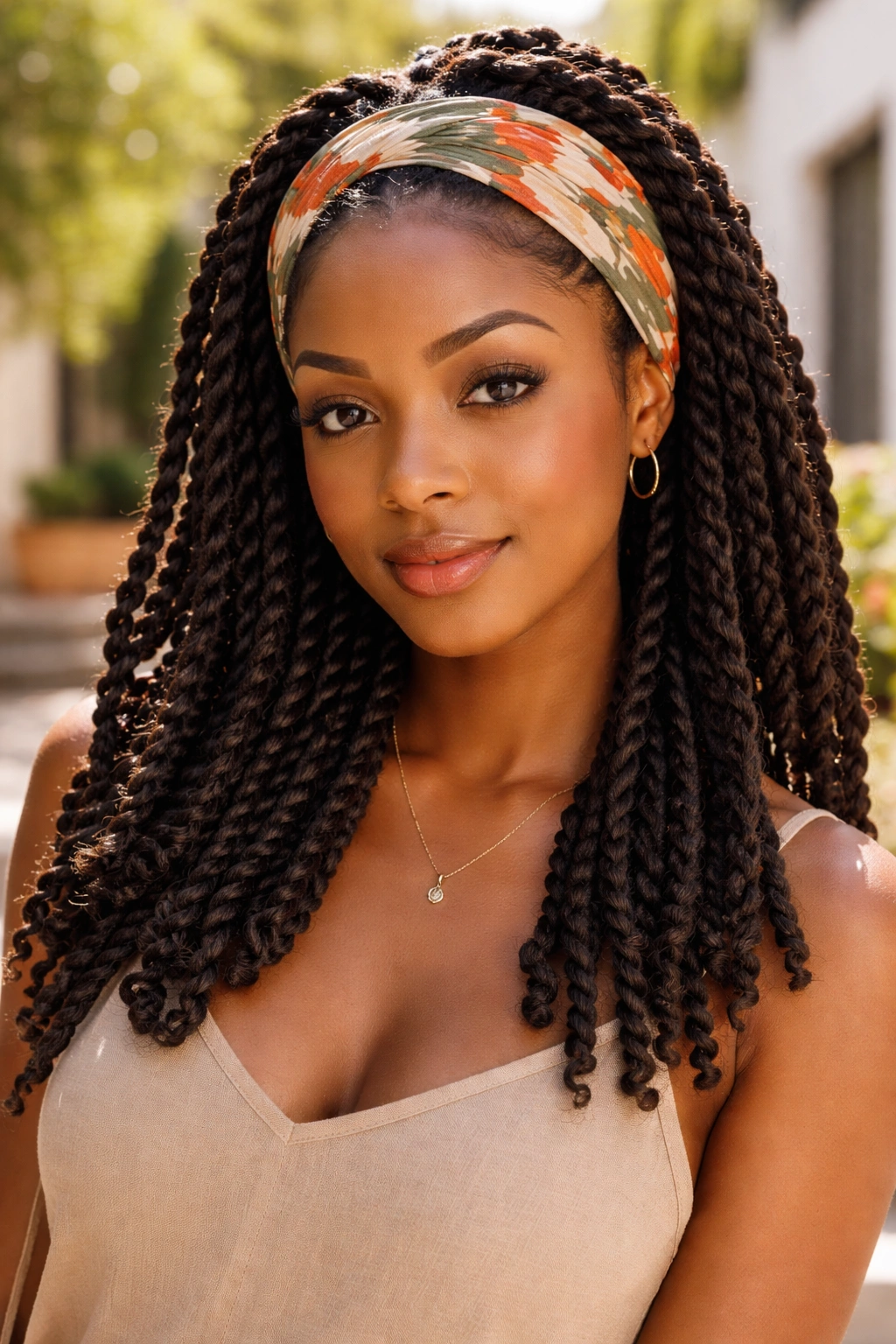
Adding a headband — fabric, wrapped, or structured — to a simple twist style is one of the fastest ways to make the style look intentional rather than default. The headband frames the hairline, adds a color or texture element, and changes the overall shape of the look.
Fabric headbands that match the hair color create the most seamless, editorial look. Contrasting colors or bold prints create a more statement-oriented effect. For everyday wear, both approaches work — the choice depends on whether you want the headband to blend or to be the focal point of the style.
Positioning matters. A headband pushed back slightly from the hairline creates a different silhouette than one sitting right at the hairline. Experiment with placement — even a half-inch change in position significantly affects how the style reads.
15. Defined Twist Out Into Wash-and-Go Transition
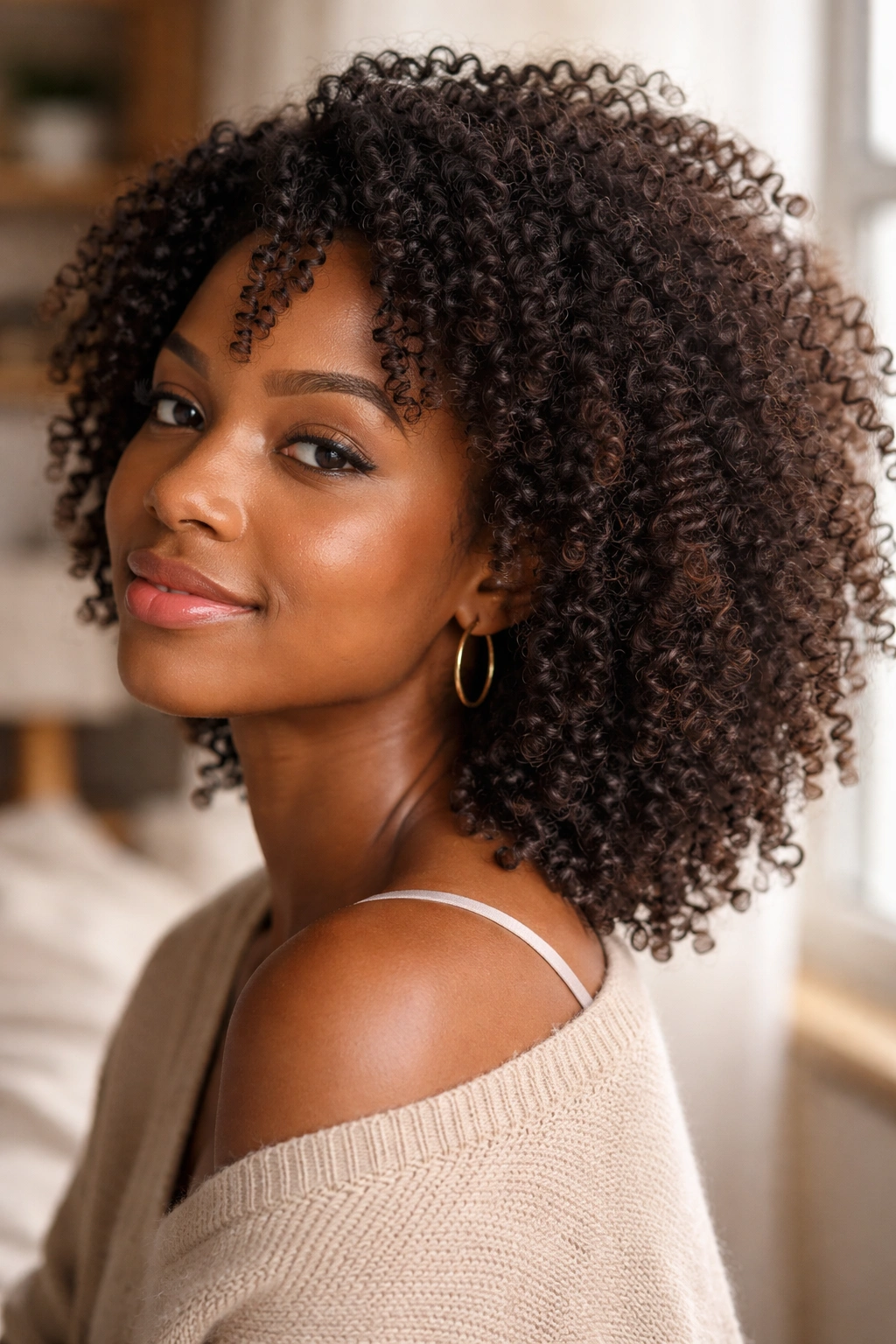
The transition from defined twist out to wash-and-go is one that happens naturally with many hair types, and instead of fighting it, you can embrace it as its own everyday style. As the defined curls from the unraveled twist soften and bloom over three to four days, the style shifts from a defined pattern into a full, airy natural cloud.
This transition works best on hair types with natural curl memory — 3C through 4B tends to show the transition most beautifully. As humidity and movement soften the initial definition, the curls bloom outward into a full natural shape that holds on its own without additional manipulation.
Enhancing the transition rather than fighting it means using a light refresher spray (water, a small amount of leave-in conditioner, and a few drops of oil in a spray bottle) each morning to refresh moisture and encourage the curls to bloom rather than frizz.
16. Scalp-Parted Individual Twists
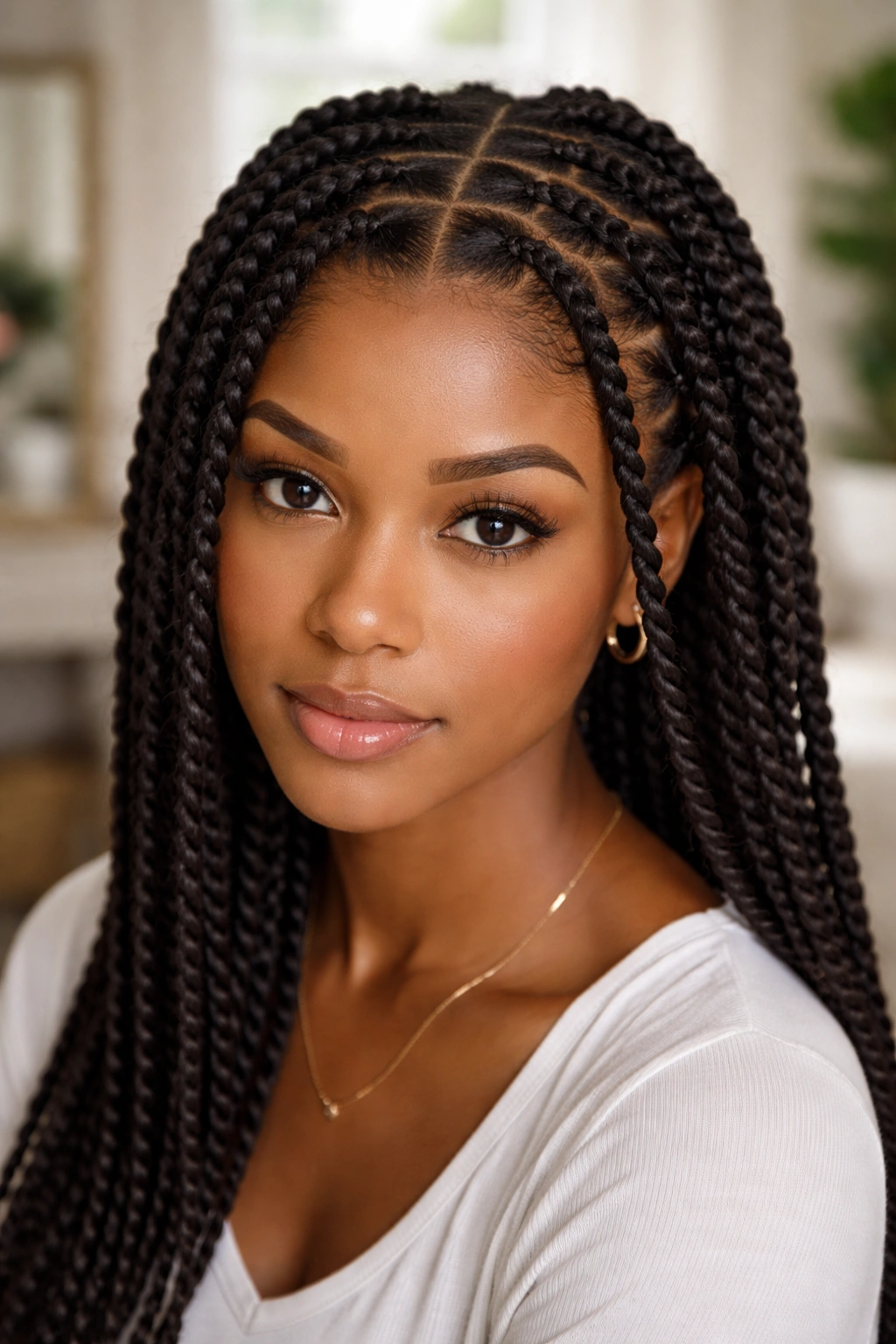
The difference between randomly sectioned twists and scalp-parted individual twists is significant. Scalp-parted twists use a precise part at the scalp for every single twist — straight lines, geometric squares or diamonds — creating a pattern visible at the scalp that’s almost as visually interesting as the twists themselves.
The visible part pattern gives the style structure from above. It reads as carefully considered rather than quickly done. For everyday wear, this level of precision pays off because the style maintains its structure longer — each twist knows exactly where it starts, and there’s no overlap or irregularity to cause twists to merge or shift.
17. Protective Twist With Tucked Ends
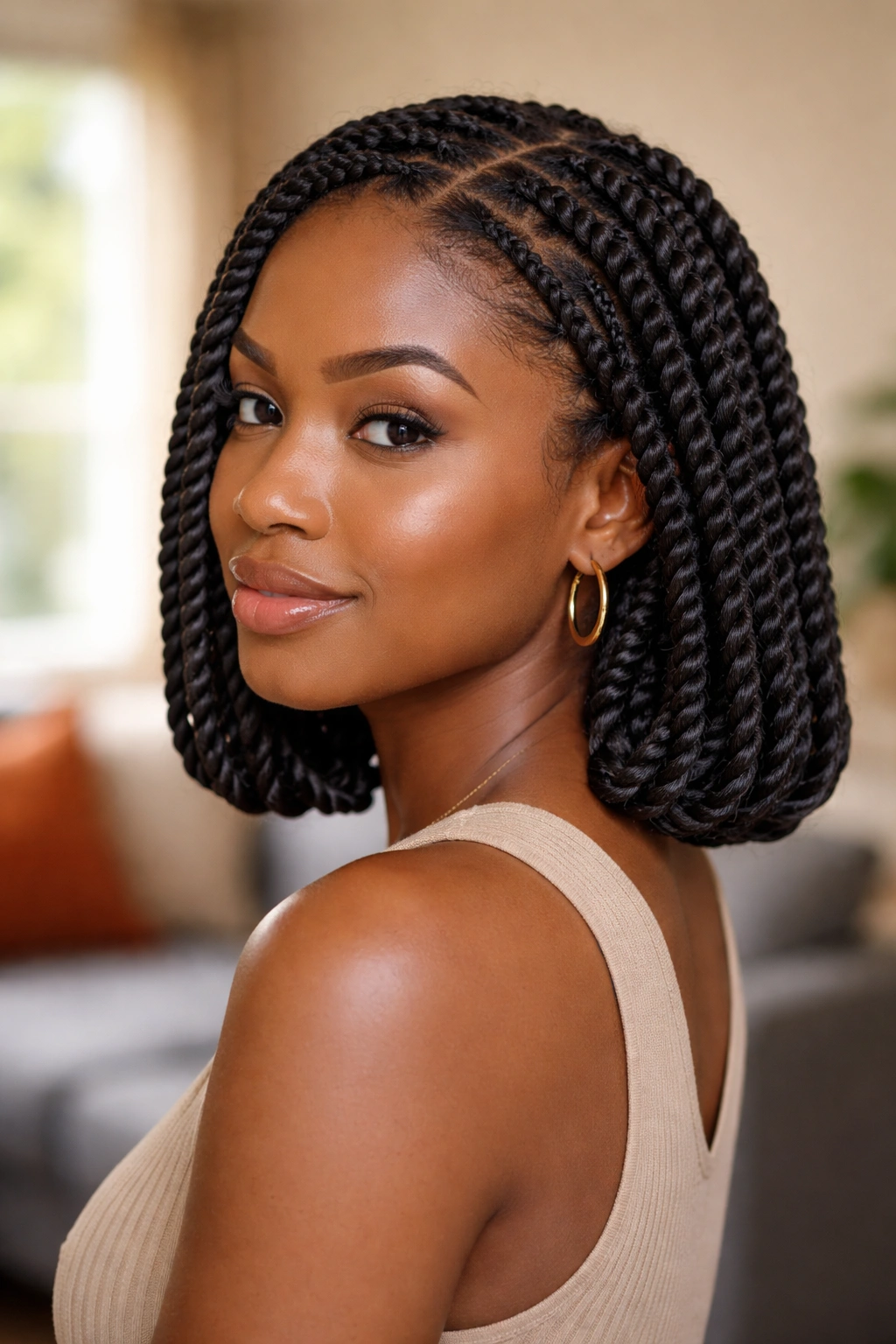
This variation takes each individual twist and coils or tucks its end back up under the twist body or against the scalp, hiding the tip and creating a style where all the ends are tucked away. The result looks like small, sealed coils or rounded twists with no visible ends.
Tucked ends are the most protective configuration for twist styles. The ends of your natural hair — the oldest, most fragile part — are hidden inside the tuck rather than exposed to friction and environmental damage. For people focused specifically on length retention or dealing with fragile ends, this style extends the protective benefit of the twist significantly.
The tuck doesn’t require any product or tools — just a small pin or bobby pin to hold the tucked end in place under the twist body until the twist’s own structure holds it.
18. Flat Twist Mohawk
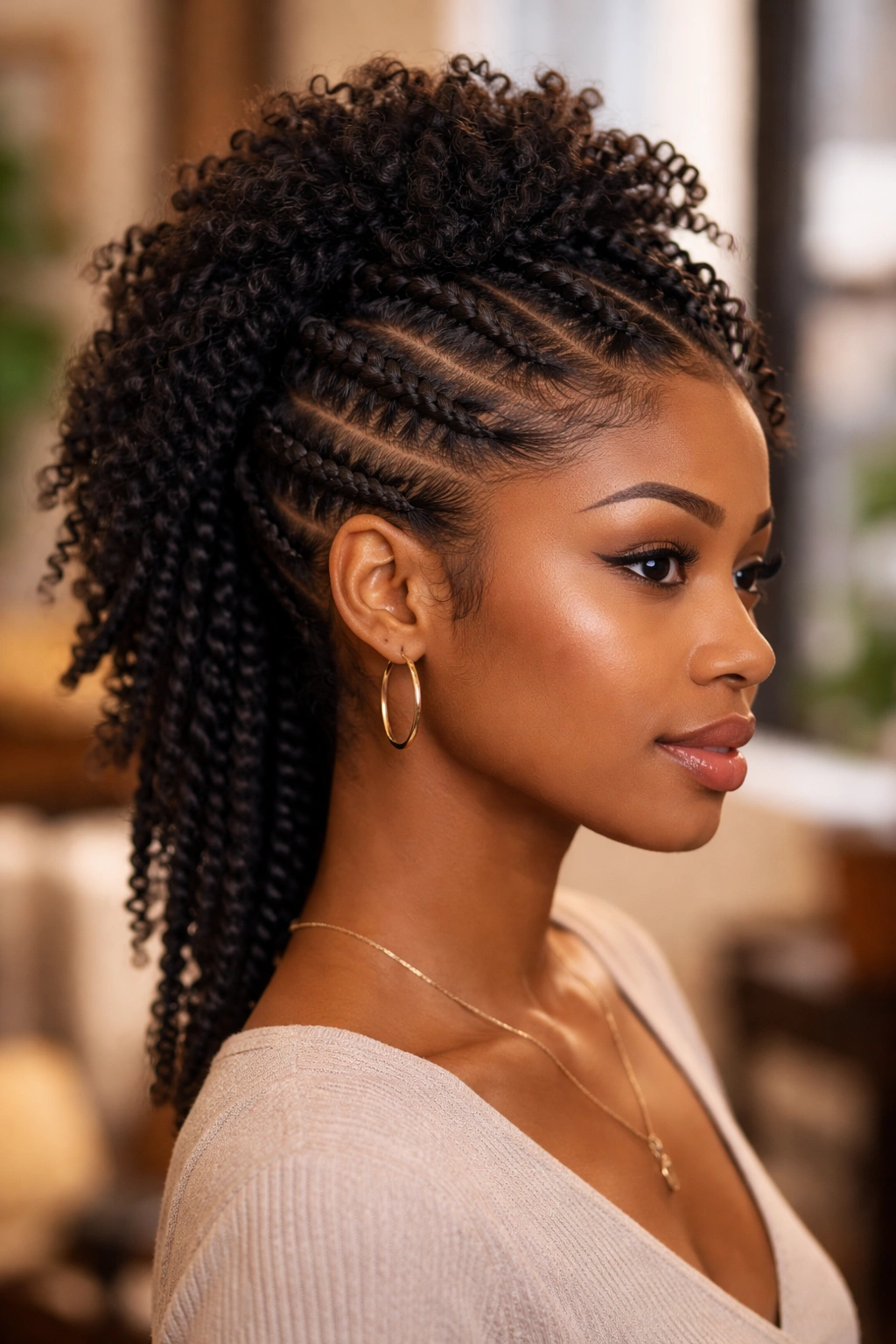
Flat twists on both sides of the head, running from the front hairline to the crown, direct the hair toward a central ridge that runs from front to back. The central section is left in hanging twists or gathered into a strip of puff. The effect is a mohawk silhouette created entirely from twists.
This style looks far more complex than it is to install. Two flat twist rows on each side of the head — four total — converging at a center ridge, takes about forty-five minutes for someone with flat twist experience. The result holds for four to five days without adjustment.
The mohawk silhouette works across professional and casual settings depending on how the center strip is styled. Gathered into a smooth strip it reads corporate-adjacent; left loose in a slightly puffed ridge it’s more casual and expressive.
19. Low Manipulation Twist Refresh
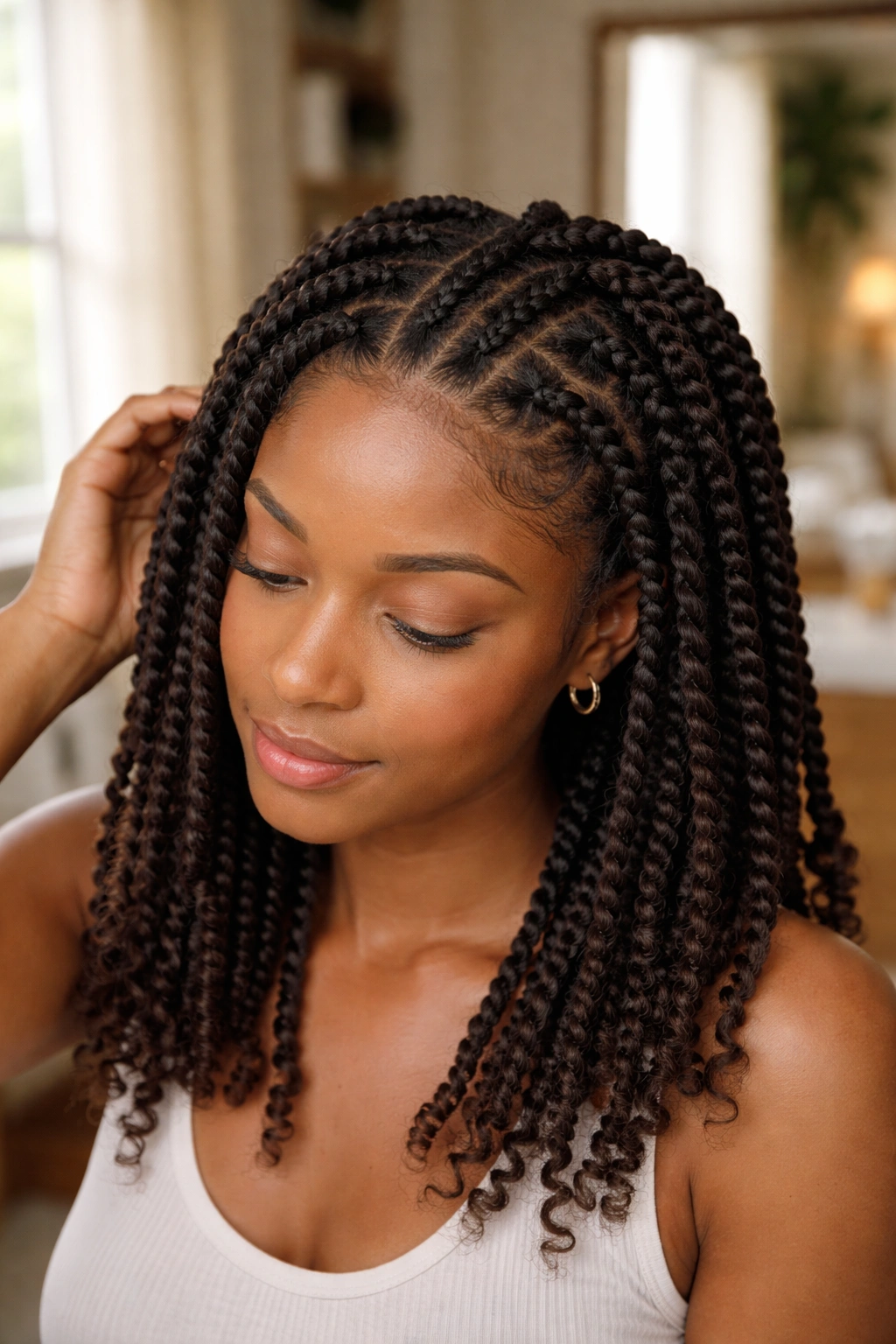
This is specifically a maintenance style rather than a first installation — what you do when your existing twist set is entering its second week and starting to look slightly worn. A targeted refresh extends the life of the style without full removal and reinstallation.
Re-twist only the sections that need it — typically the hairline edges, the crown, and any individual twists that have significantly unraveled. Leave the twists that are still intact and neat in place. Apply a tiny amount of defining cream to the re-twisted sections for fresh hold, and smooth the edges with edge control.
This selective approach takes thirty minutes rather than the hours required for a full installation and can extend the life of your style by five to seven additional days. Most twist sets have a mix of sections that look perfectly fresh and sections that look worn — and addressing only the worn ones is the efficient move.
20. Twist Braids Into Space Buns
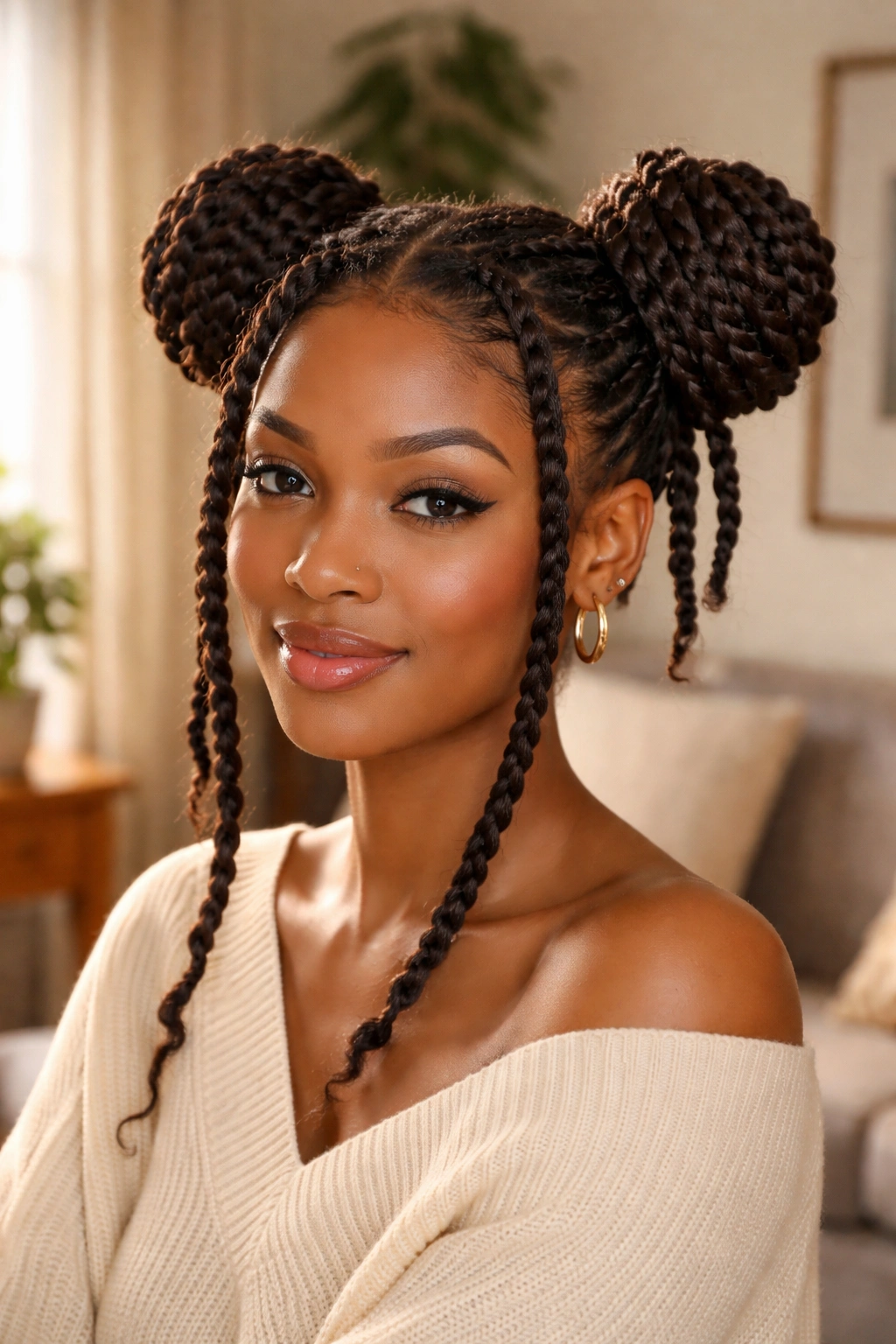
Two large gatherings of twists — one on each side of the head, at roughly the temple area — gathered and twisted around themselves into round buns. Space buns from a twist set have a texture and volume that a smooth bun from straight hair simply cannot replicate.
The buns don’t need to be perfectly round or identical. In fact, slightly imperfect space buns from a twist set look more intentional than over-engineered ones. Let some twists fall loosely at the nape; let the buns be roughly but not mechanically round.
This style transitions well from daytime to evening. During the day, with flat shoes and simple clothing, space buns read as casual and effortless. With elevated clothing and accessories in the evening, the same buns read as stylishly playful.
21. Pinned Half-Up Twist Style
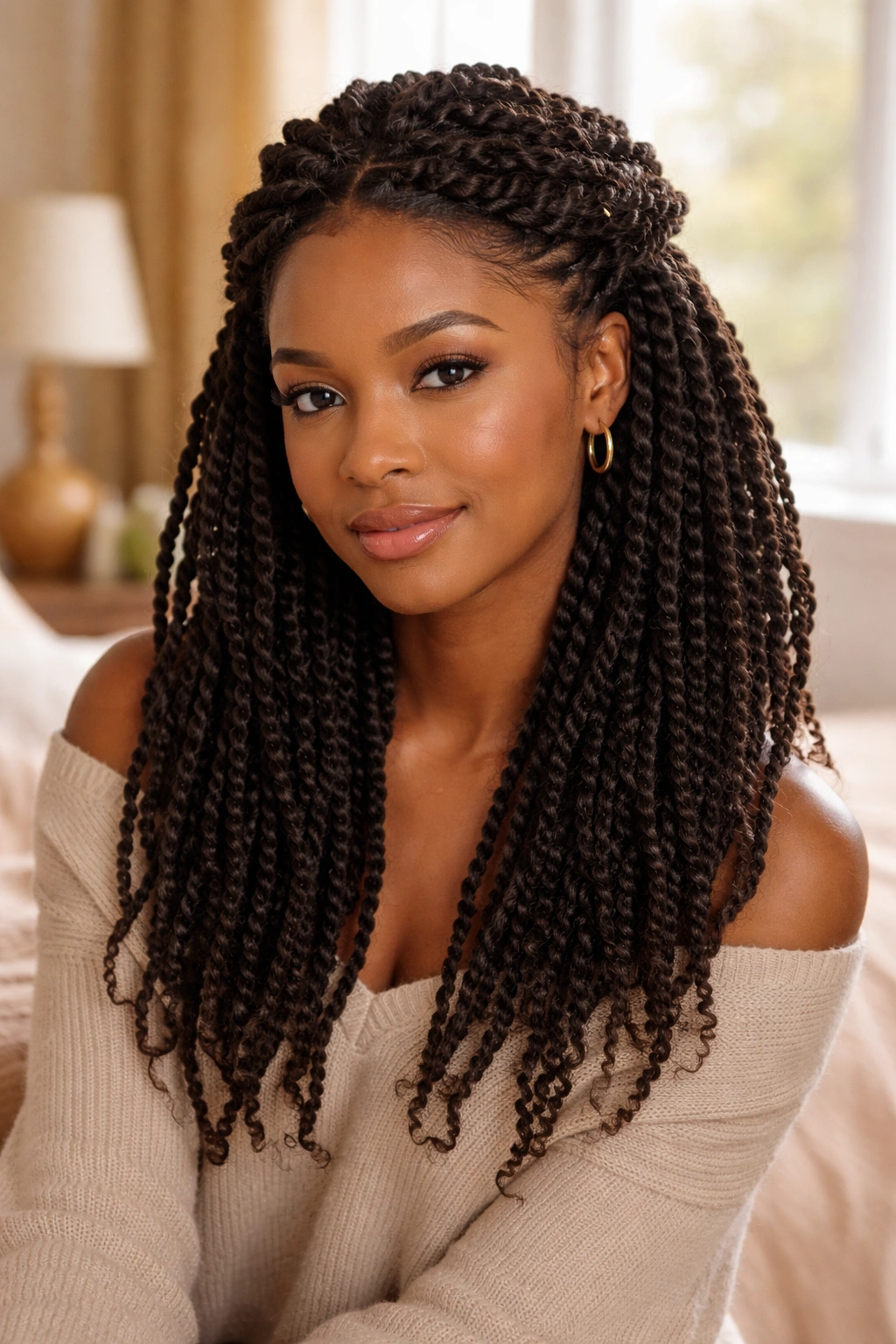
Take the top third to half of your twists and pin them back and up, letting the bottom portion hang freely. Use satin pins or a large decorative pin to keep the gathered section in place. The style separates the visual weight of the full twist set and creates a clear distinction between the gathered and free sections.
For everyday wear, this style is practical because it keeps hair away from the face during tasks that require close visual attention or physical work, while still showing significant length and texture from the hanging section below.
The pinned section doesn’t need to be flat or tight. A loosely pinned gathering that allows some twists to slip forward slightly looks natural and un-fussy.
22. Twist and Curl Combination
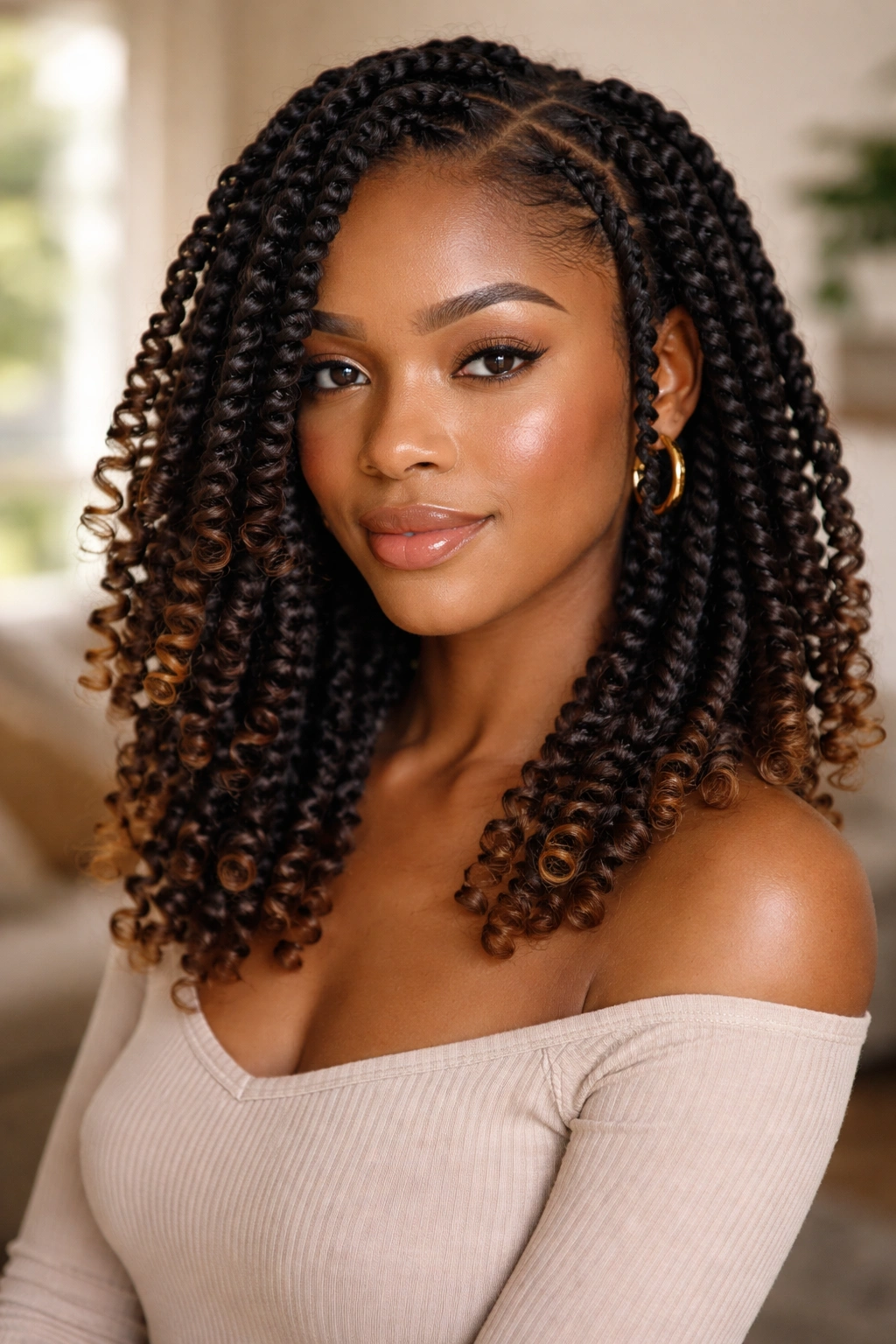
This style uses twists from the roots to approximately mid-shaft, then the ends are set on small flexirod rollers before the set is final. When the rollers are removed, the bottom portion of each twist opens into a defined curl, creating a style that’s structured at the root and flowing and curly at the ends.
The visual transition from structured twist to open curl creates a style with significantly more dimension than a standard twist set. The curl portion catches light differently than the twist portion, adding depth and interest to the overall look.
The roller-setting process adds time to the installation — an extra hour to ninety minutes — and requires the rollers to be left in until the hair is completely dry, which usually means overnight. But the resulting style lasts longer than a plain twist set and looks distinct enough to feel like a genuinely different style.
23. Wash-Day Twists
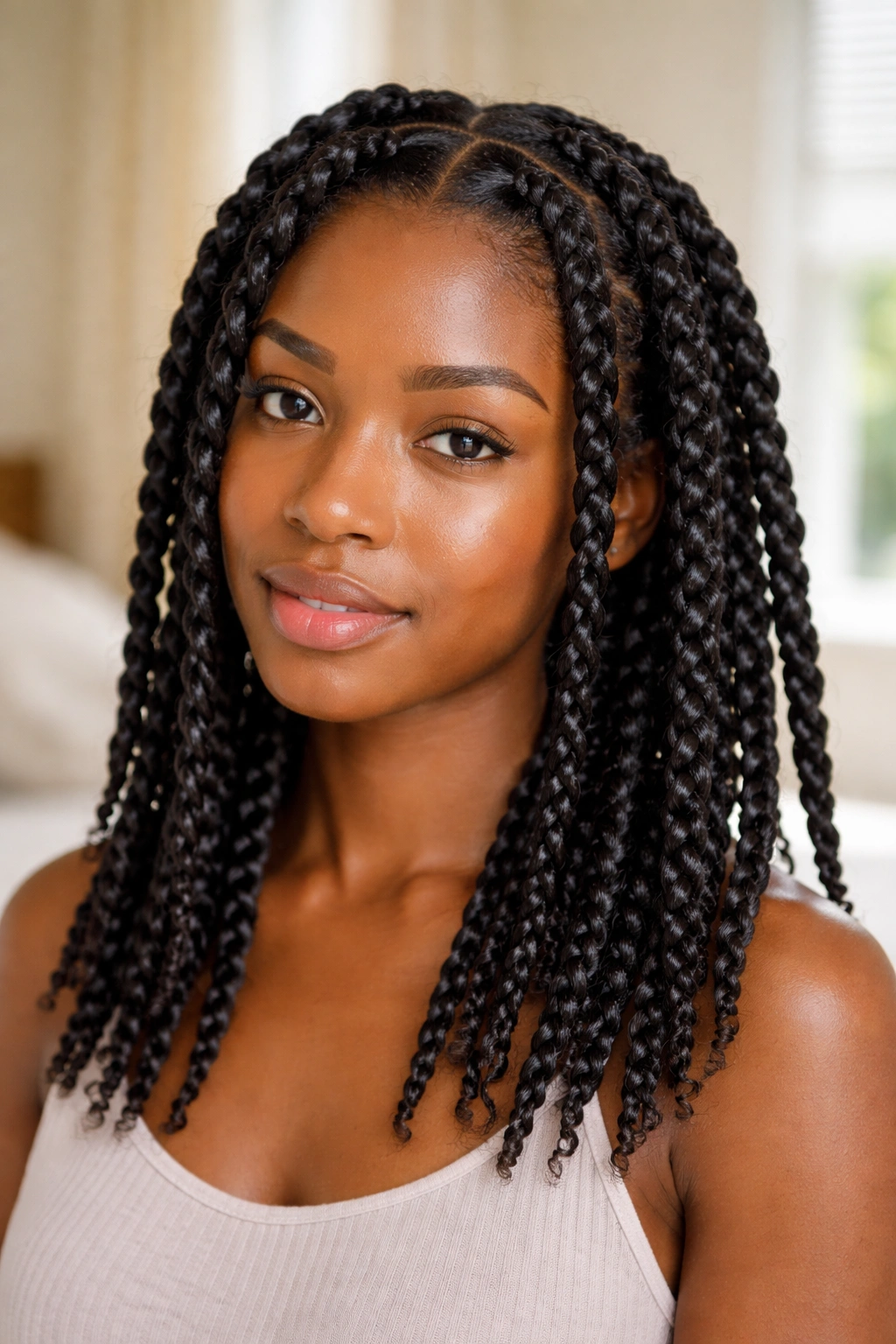
Wash-day twists are a functional style that most natural hair wearers know intimately — the two-strand twists you install after washing and conditioning your hair to stretch it, protect the cuticle, and keep the hair manageable while it dries. They’re typically not meant to be a “style” in the traditional sense, but they’re genuinely attractive when done neatly.
Big, chunky, loosely installed two-strand twists on freshly washed, conditioned natural hair have a particular quality — damp, slightly glossy, full of product benefit, sitting naturally without stiffness or effort. If your technique is clean, this style is absolutely presentable as an everyday look on day one, and transitions into a beautiful twist-out by day two once the hair is fully dry.
The trick to making wash-day twists a deliberate style is in the product choice and the sectioning. Neat, consistent sections and a curl-defining product that doesn’t flake or dry to a crunch make the functional style look intentional rather than transitional.
24. Accessorized Everyday Twist Styles
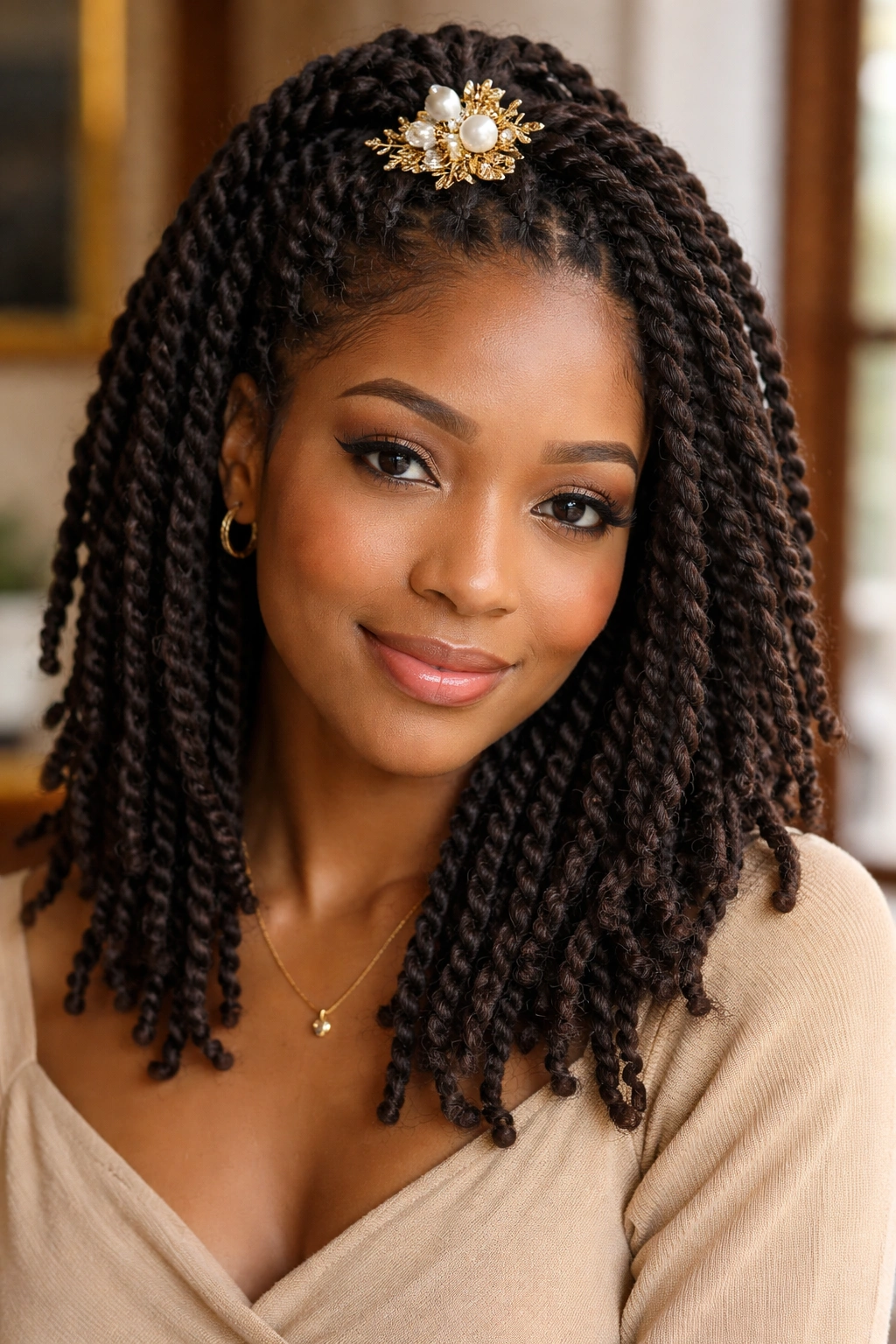
Accessories transform an existing twist set into a different style without any re-twisting required. A collection of simple accessories — satin scrunchies, small claw clips, decorative pins, fabric headbands, metal rings — gives you the ability to create multiple different looks from one installed set.
Specific combinations that work consistently: a printed headscarf tied over the hairline with the twists fanning out behind it; three or four gold rings clasped around different twists at different heights; a large claw clip gathering twists at the nape into a loose cascading cluster.
The key is restraint. One or two accessories look deliberate. Six accessories look cluttered. Let each accessory have space to do its visual work.
25. The No-Fuss Everyday Free-Flowing Twist Set
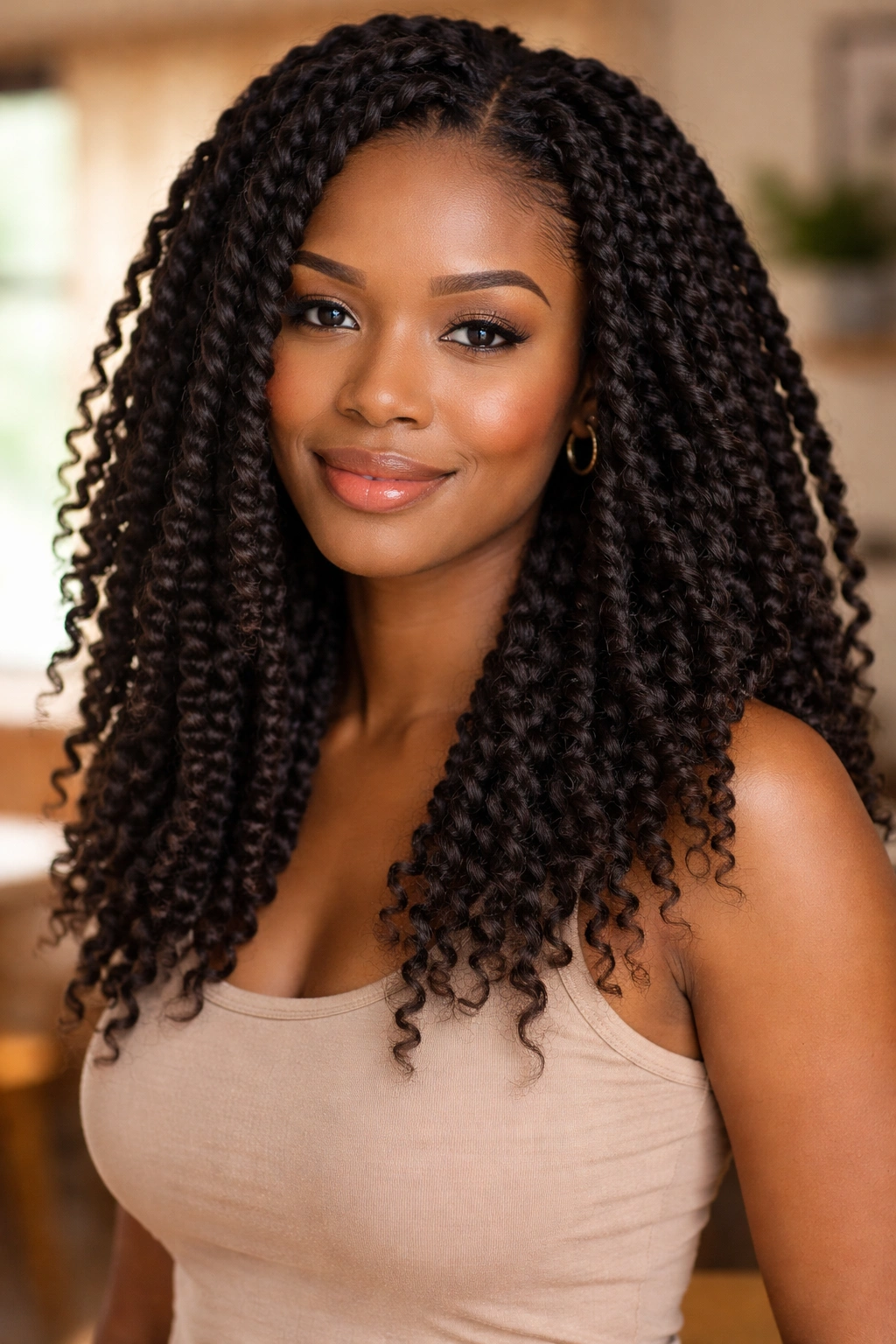
Sometimes the best everyday style is the simplest one. A well-installed, appropriately sized twist set worn completely loose — no gathering, no pinning, no accessories — is genuinely one of the most beautiful hairstyle options for everyday Black women’s hair, and its power comes entirely from the quality of the installation and the health of the hair underneath.
Clean parts. Consistent sizes. Good moisture in the hair before twisting. Length that suits your face and lifestyle. That’s the formula. And when it comes together, the free-flowing twist set worn loose and natural is the style that other people ask about, the one that makes complete strangers stop you to say something, the one that photographs beautifully in any light.
Don’t underestimate it.
Nighttime Protection for Everyday Twist Styles
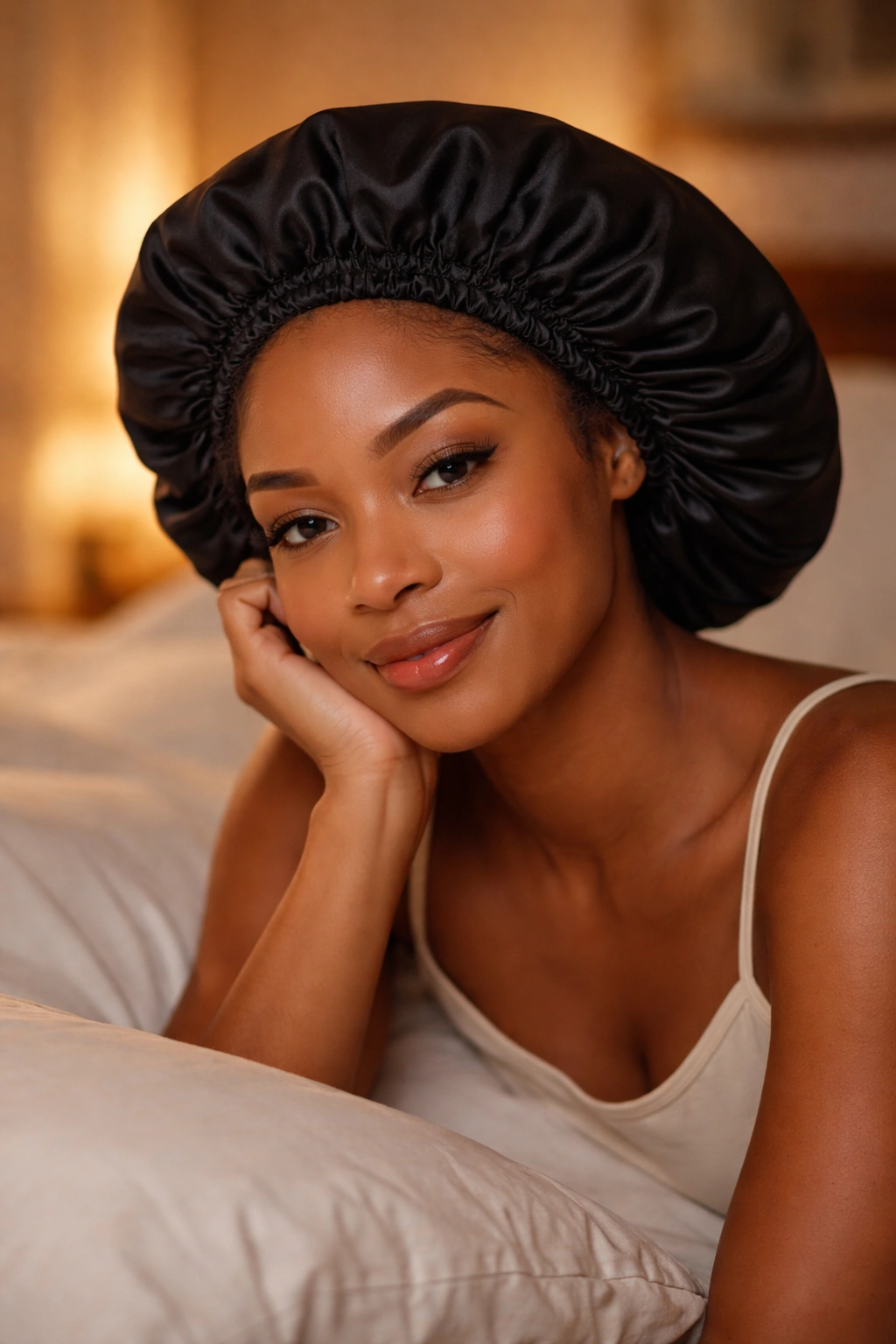
The single thing that most determines how long an everyday twist style lasts is what you do with it at night. Cotton pillowcases are the enemy — the friction degrades the outer surface of each twist over hours of movement during sleep, causing frizz that accumulates night by night until the style looks worn out.
A satin or silk pillowcase is the minimum protection. A large satin bonnet that fits over your entire twist set without crushing or compressing the twists is better. For very full or long twist sets, a “pineapple” — a loose gathering at the crown that keeps most of the length elevated — combined with a satin scarf at the base of the pineapple works better than any bonnet.
Take two minutes at night to protect the hair. It’s two minutes that extends the life of your style by three to four extra wearable days.
Refreshing Twists After Exercise
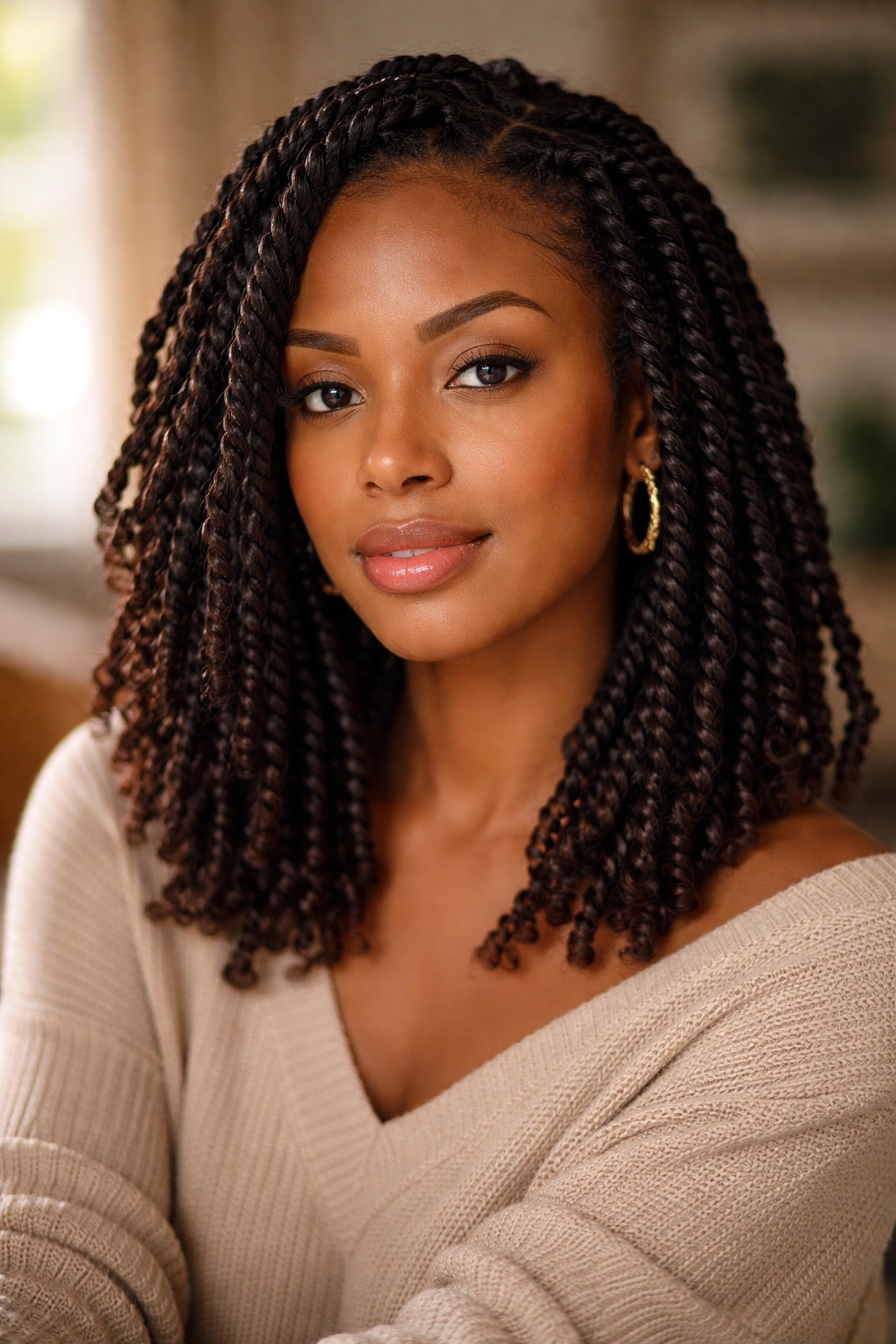
Exercise is where everyday twist styles get tested most severely. Sweat can dampen the extensions or natural hair, disturb the root tension slightly, and cause the style to look disheveled after an intense session. None of this is disqualifying — it just requires a quick post-workout refresh strategy.
After exercise, allow the hair to air dry before touching the twists. Immediately styling damp, sweat-damp twists causes more frizz than leaving them alone to dry first. Once dry — usually twenty to thirty minutes after an average workout — gently smooth the hairline edges with edge control, finger-smooth any distorted twists back into their cylindrical shape, and apply a light mist of water if the hair feels dry.
For scalp freshness after sweating, diluted witch hazel on a cotton pad applied carefully at the scalp between the twist sections removes sweat residue without making the extensions wet.