



A side ponytail can go from casual to clunky in a blink. That’s the risk. But when the texture is right and the shape is controlled, messy side ponytails look sharper than a lot of polished styles that try too hard.
The trick is not making every strand obey. It’s giving the hair a few rules and then letting it move. A little lift at the crown, a bend through the tail, a couple of face-framing pieces, and an elastic that disappears instead of shouting for attention — that’s the difference between “I threw this together” and “I meant to wear this.”
I’ve always liked side ponytails for one simple reason: they forgive you. Day-old hair helps. Soft waves help. Even straight hair can fake some texture with the right prep. The styles below lean into different lengths, hair types, and moods, so you can pick the version that fits your hair instead of forcing your hair to fit the style.
1. Soft Messy Side Ponytail With Loose Waves
This is the side ponytail I reach for when I want hair that feels relaxed but still looks planned. The waves break up the outline, so the ponytail falls over one shoulder with shape instead of hanging like a rope.
Why It Works
A 1-inch curling iron gives you enough bend without turning the whole style into curls. Curl away from the face, let the hair cool, then brush it out with your fingers once the heat is gone. Gather the ponytail just behind the lower ear and leave two thin pieces loose at the temples.
- Keep the crown smooth, not flat.
- Wrap a small strand around the elastic.
- Stop the wave at mid-length if your hair is fine.
Best move: finish with a light texturizing spray and a quick scrunch. That tiny bit of roughness is what keeps it from looking overworked.
2. Low Twisted Side Ponytail
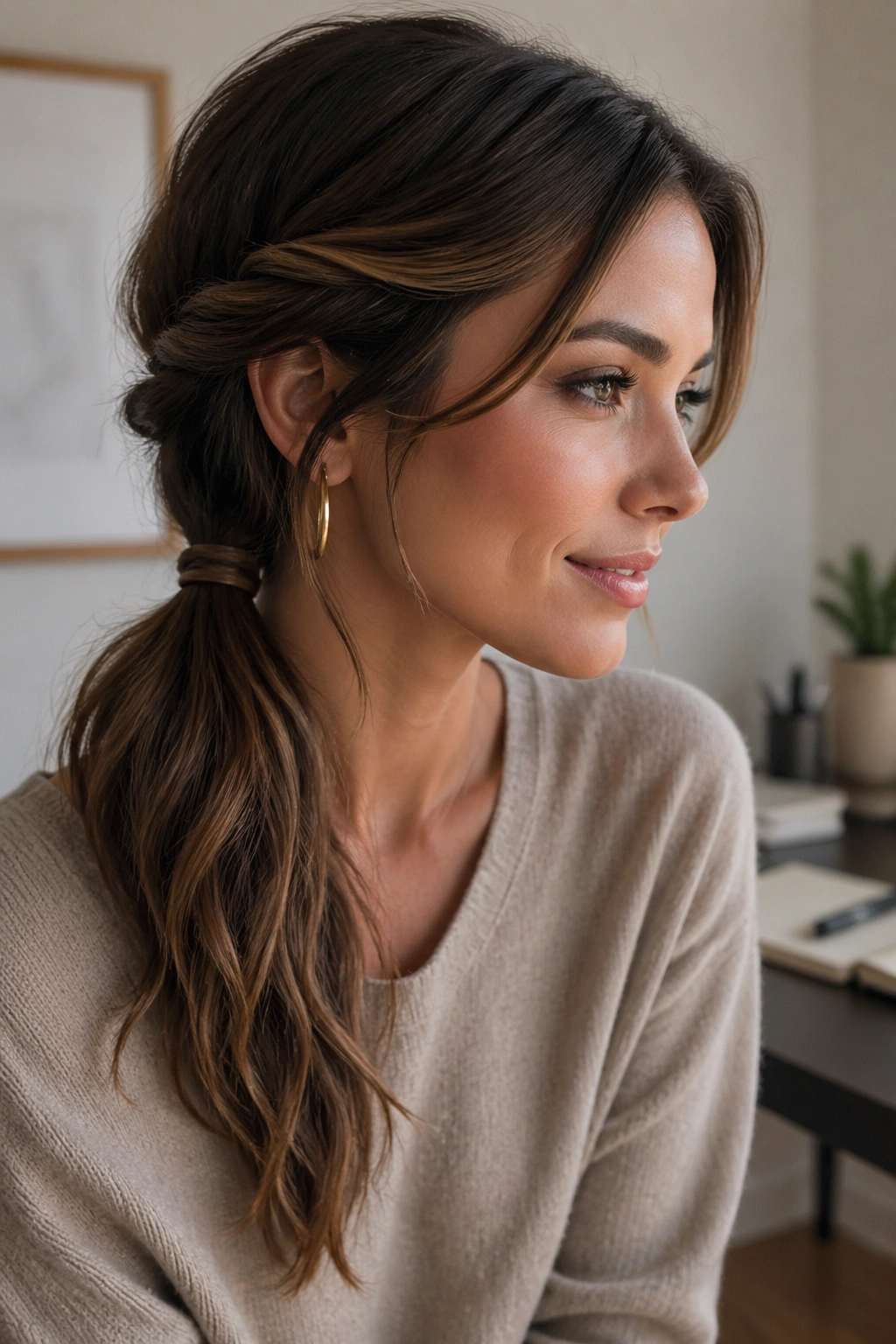
A low twisted side ponytail is the quickest way to make messy hair look deliberate. It has less swing than a high side ponytail, which is why it feels calmer and a little more grown-up.
Twist a 1-inch section from each temple back toward one ear, then join them at the nape with a soft elastic. Don’t pull every strand tight. A little slack at the roots keeps the shape soft, and that’s the whole point here. If your hair is slippery, mist the roots with dry shampoo first. It gives the twists something to hold onto.
This one is good when you want structure without stiffness. Office day, dinner, even a simple dress — it works because the twists create the shape and the tail does the easy part.
3. Braided Crown Side Ponytail
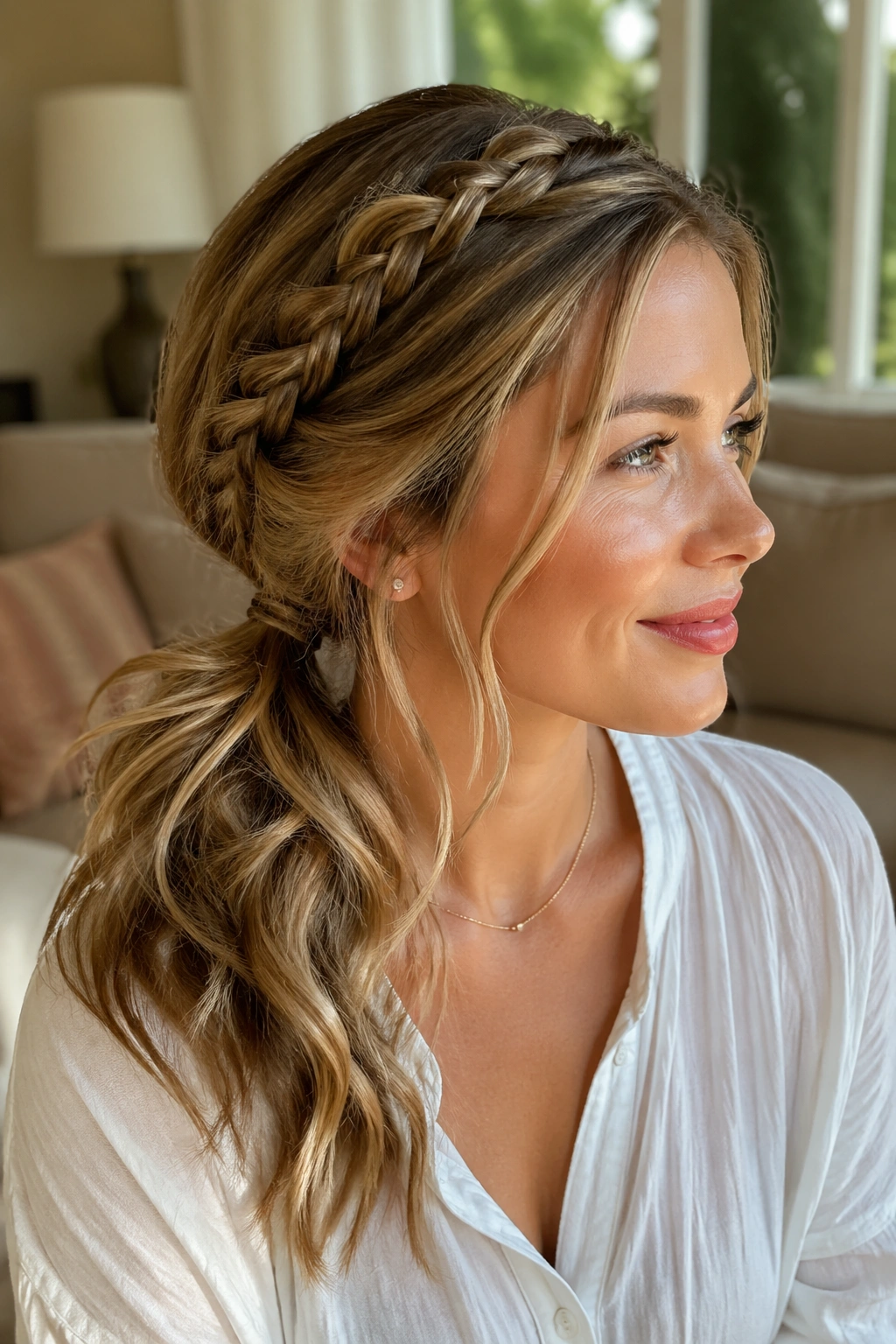
If your hair tends to slide loose by lunchtime, a braid near the hairline solves more than people expect. It gives the style a built-in anchor and keeps the side ponytail from feeling too bare.
Start with a narrow braid along the part line or just above the temple, then fold that braid into the rest of the hair as you sweep everything to one side. Keep the braid slightly loose so it doesn’t look stuck on top. A tiny pancake of the braid — gently pulling the edges wider with your fingers — makes it softer and helps it blend.
- Braid only 3 to 4 inches if you want a quick version.
- Use a clear elastic if the braid should disappear.
- Leave the tail a little bent, not straight.
The payoff is nice. You get control up top and movement at the bottom, which is a smart trade.
4. Messy Side Ponytails With Face-Framing Pieces
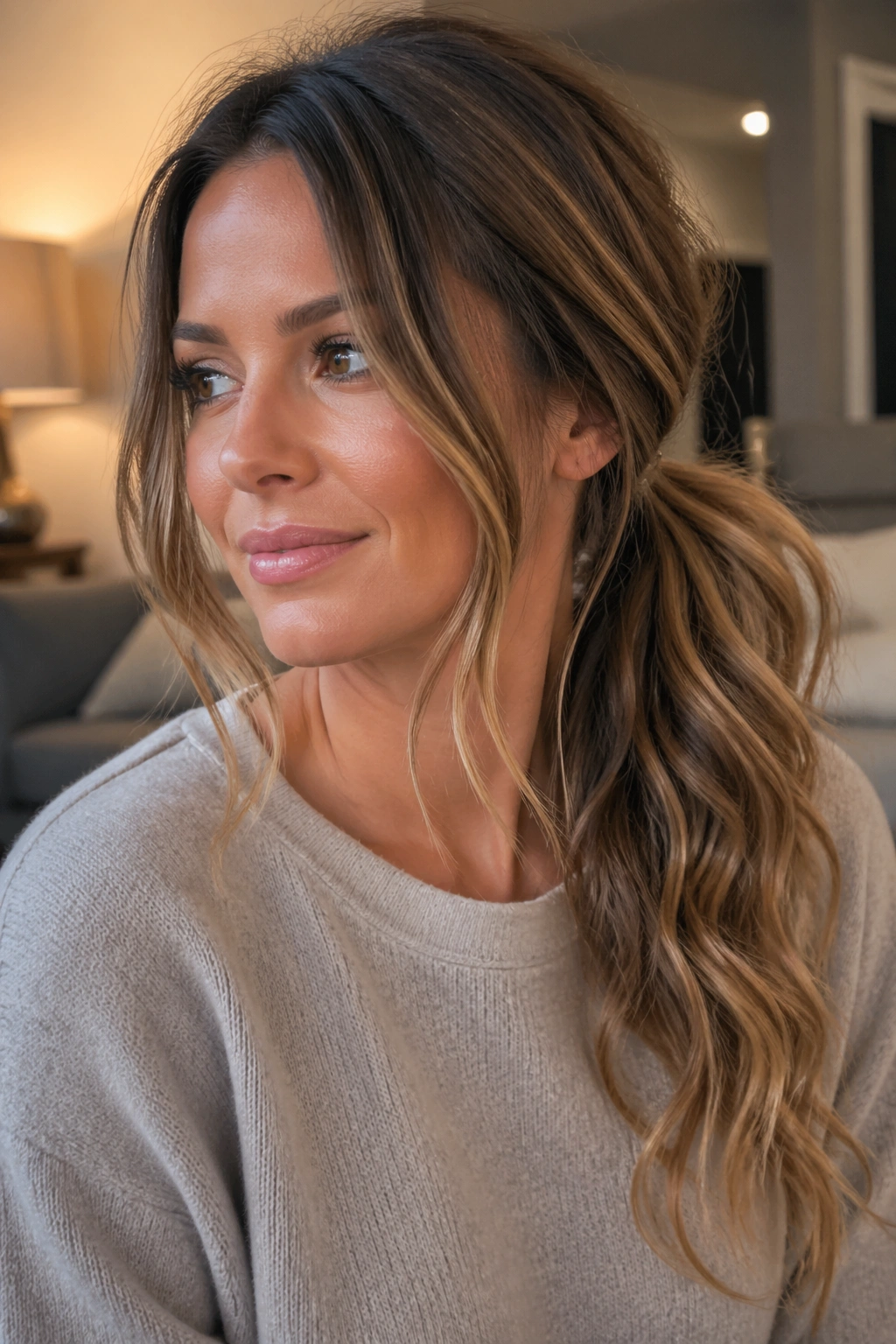
What makes messy side ponytails look modern instead of half-done? Usually, it’s the face-framing pieces. Those two little strands do more work than people give them credit for.
Let one piece fall near the cheekbone and another near the jaw. Keep them soft, not curled into perfect spirals. If your hair is naturally wavy, just twist the front pieces around your fingers after you gather the ponytail. If it’s straight, bend them lightly with a flat iron so they curve away from the face.
How to Style It
The ponytail itself should sit low and to one side, with the base tucked just under the ear. That placement matters. Too high, and the style can look sporty. Too low, and it can drag the face down.
Use a soft-hold spray only on the front pieces if they split apart too fast. Leave the tail alone. A little looseness in the back keeps the style breathing.
5. Voluminous Blowout Side Ponytail
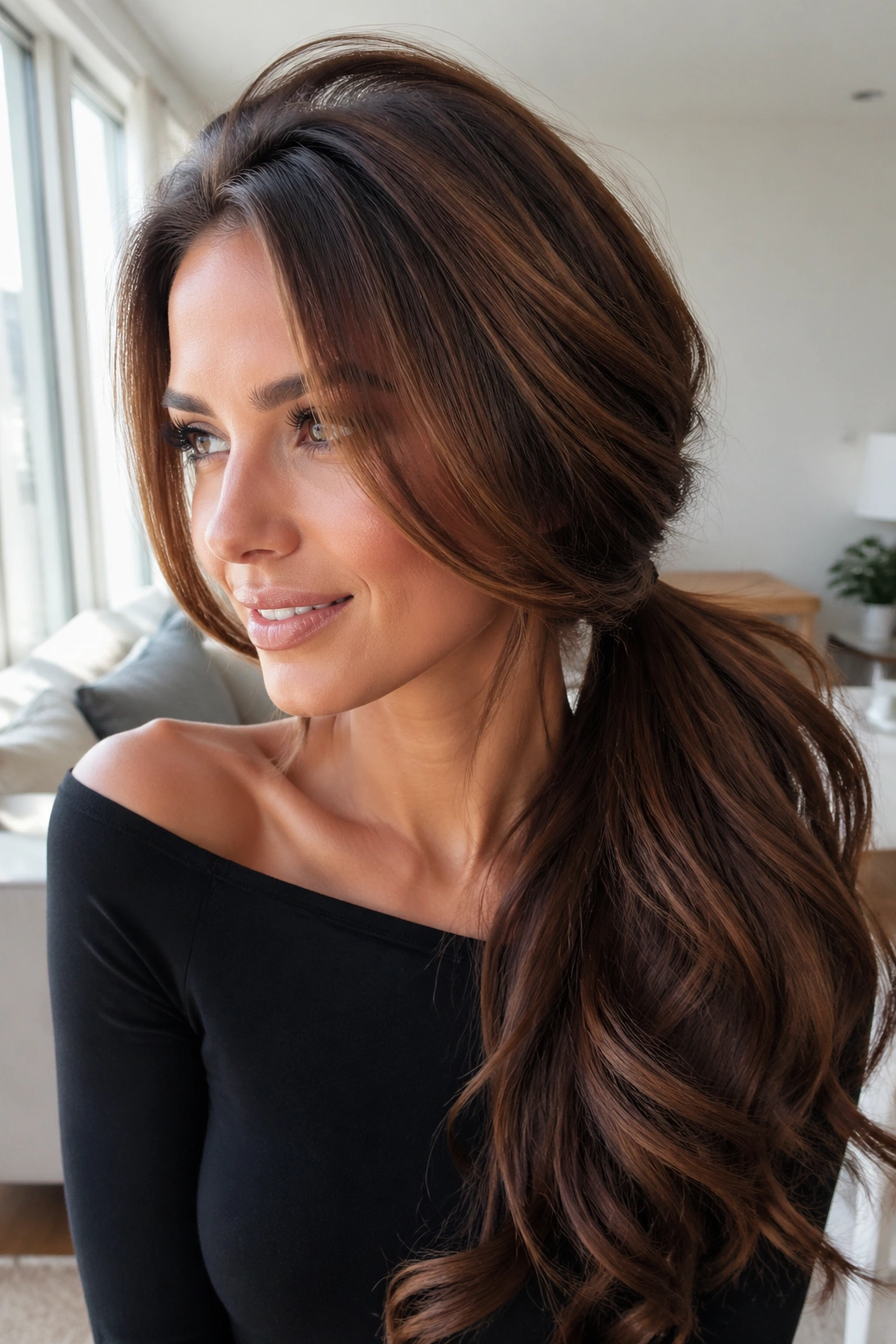
A voluminous side ponytail feels different from a tight one immediately. It has lift. It also has a little swing when you turn your head, which sounds minor until you actually wear it.
The easiest way to build that shape is with a round brush at the roots and a quick bend through the mid-lengths. Blow-dry the front section away from the face, then sweep everything to the heavier side. Don’t flatten the crown when you gather it. Keep the root volume you built or the whole thing turns into a long, sad tail.
This version suits thick hair, but it can help finer hair too if you backcomb a 2-inch section at the crown before you gather it. Just smooth the top layer over the tease so it stays hidden. The finish should look full, not puffy. That’s a line worth keeping in mind.
6. Braided Bubble Side Ponytail
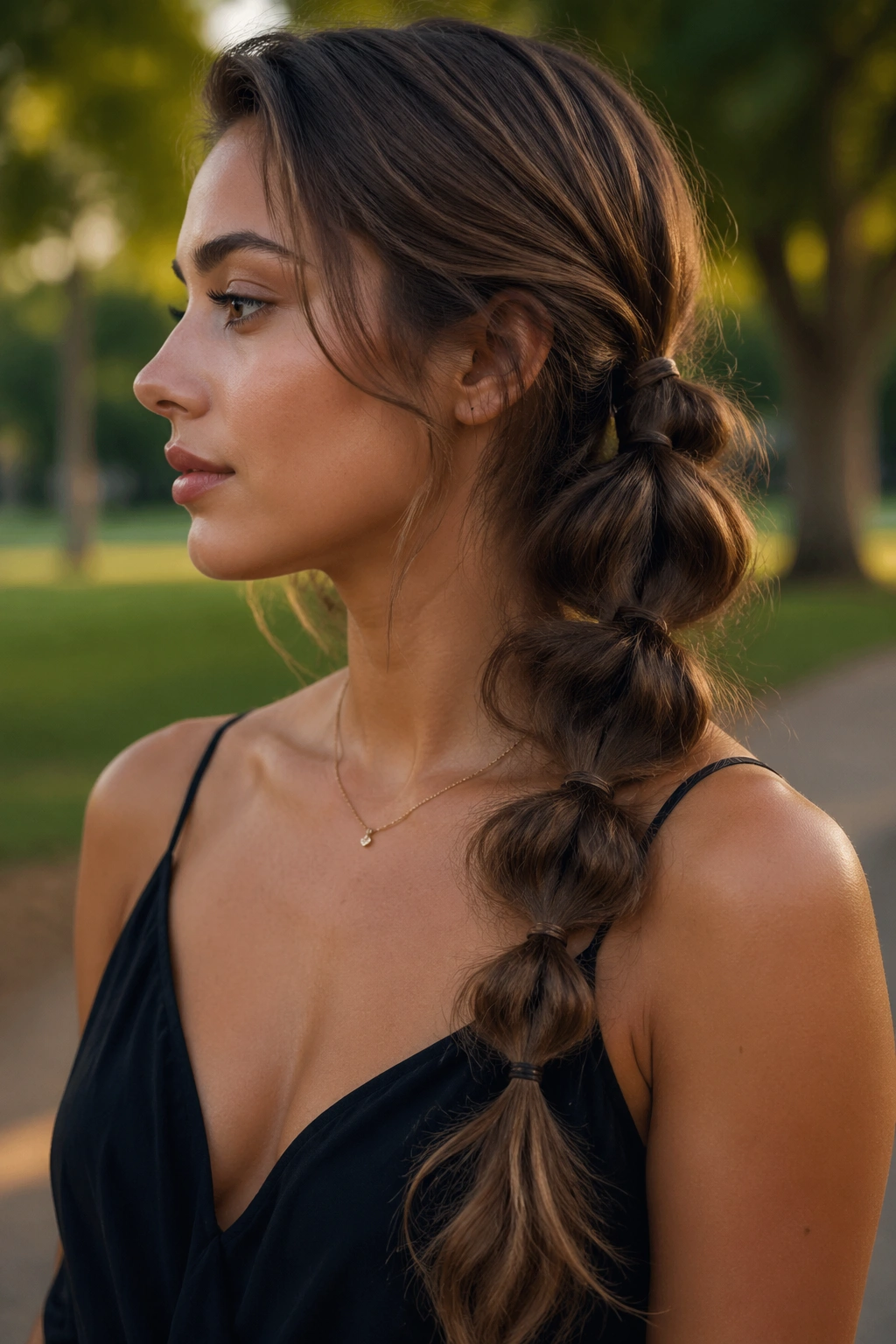
A braided bubble side ponytail gives you a lot of shape without asking for perfect hands. It looks intricate from a distance, but the method is forgiving. Good news for anyone who gets impatient with braids.
Start with a loose side ponytail, then add clear elastics every 2 to 3 inches down the tail. Gently pull each section wider with your fingers until it forms a soft bubble. If you want the braid effect, twist each bubble slightly before tugging it out. It creates a rope-like shape that reads as more styled than a standard ponytail.
What to Watch For
Don’t over-tighten the elastics. That’s where the style gets stiff. Use snag-free bands and keep the bubbles uneven on purpose. A little irregularity makes it look lived in instead of engineered.
Tip: this is one of the best side ponytails for long hair that needs to stay out of the way but still look interesting.
7. Half-Up Side Ponytail
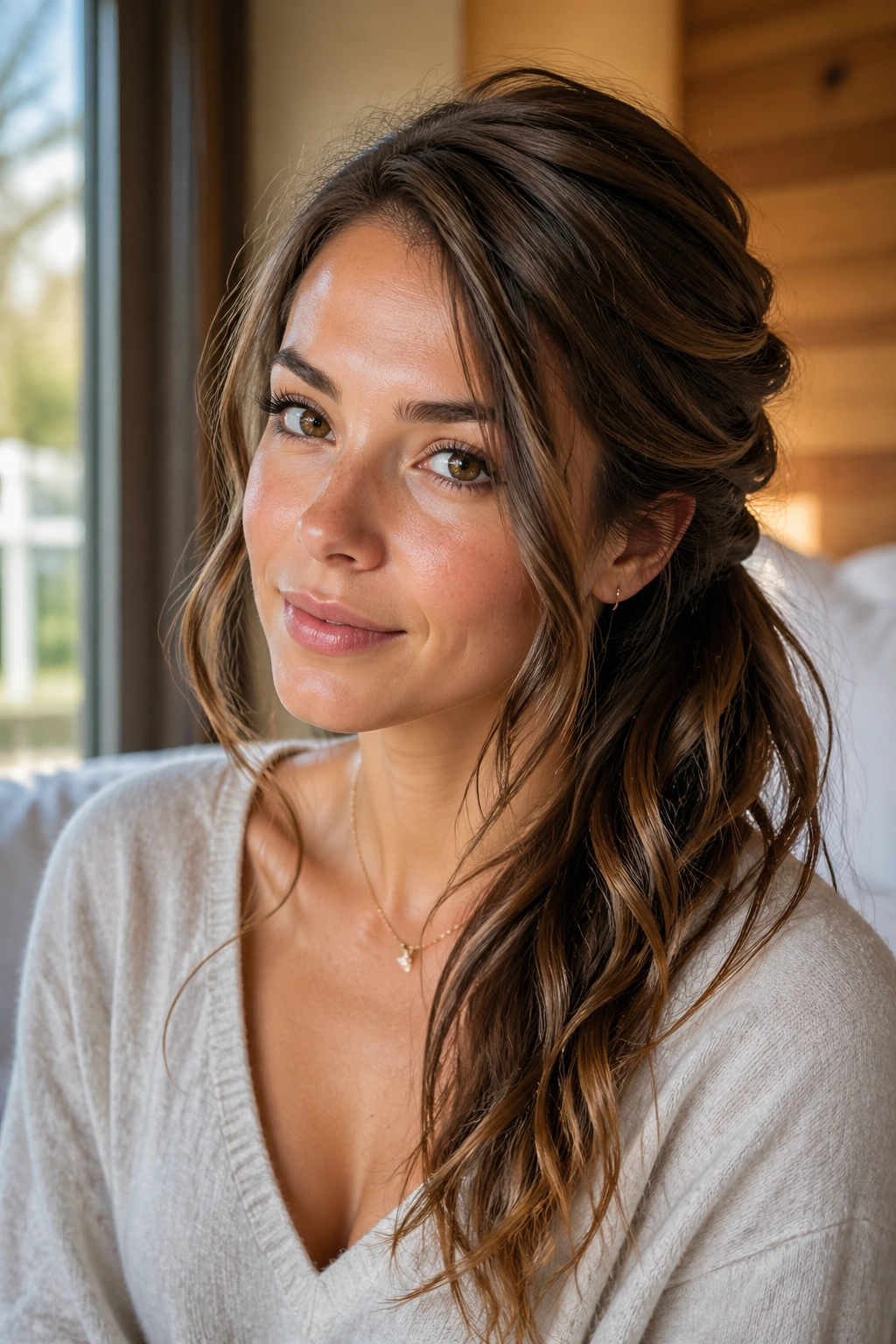
A half-up side ponytail is a smart fix for hair that feels too loose or too heavy when everything is pulled back. You get the face-framing lift of an updo and the length of a ponytail at the same time.
Take the top half of your hair from temple to temple, sweep it to one side, and secure it just behind the ear. Leave the bottom half free. That split keeps the style airy, which matters if your hair is thick or if you hate the heavy feeling of a full ponytail pulling at the scalp.
This is one of those styles that looks best when the top section is slightly imperfect. A little bend near the roots, a soft part, and one or two small pieces left loose are enough. Too neat and it loses the charm.
8. Curly Side Ponytail With Scrunched Ends
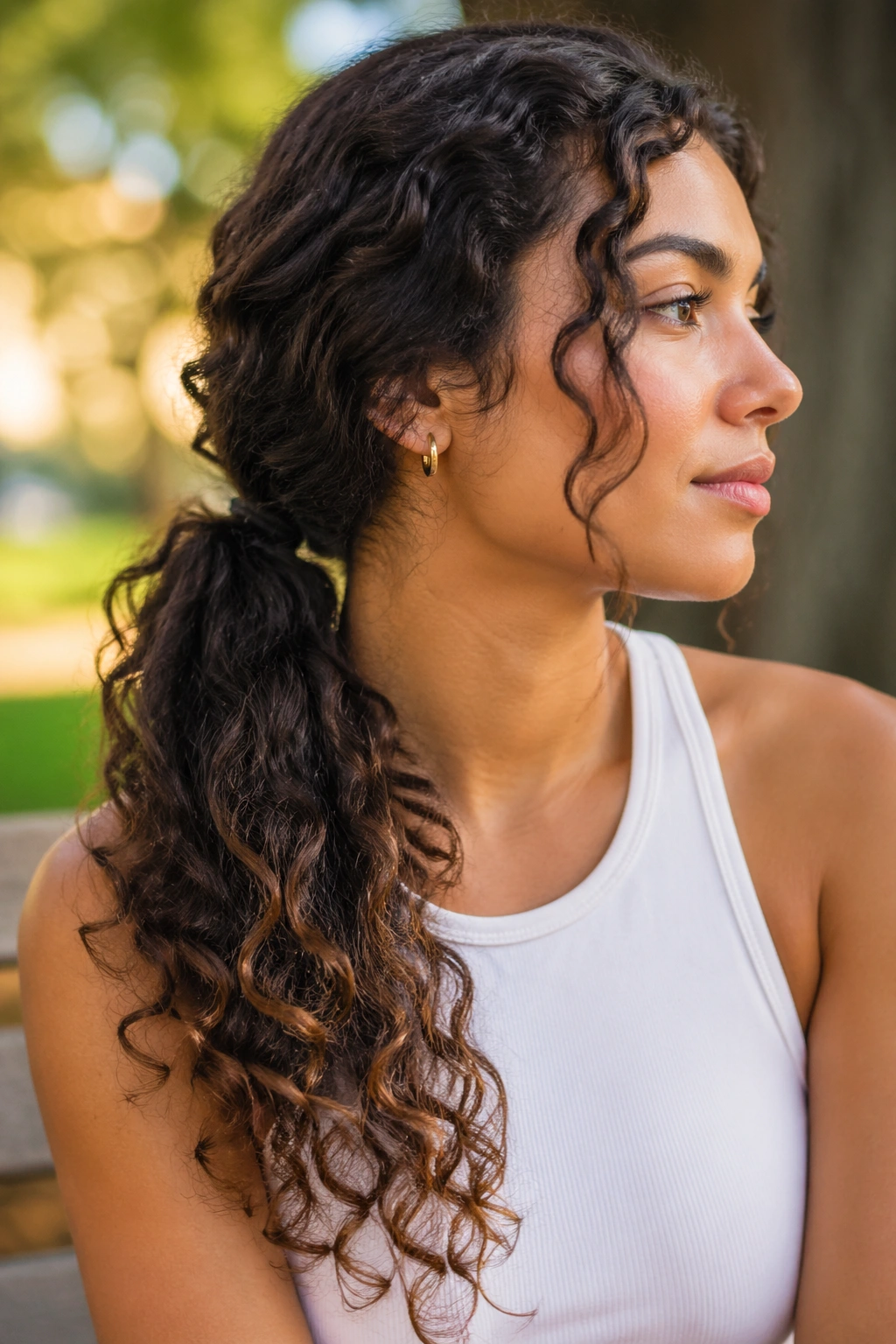
Curly hair doesn’t need much help to look good in a side ponytail. It needs restraint. Brush it too much, and the shape goes fuzzy fast.
Keep the curl pattern intact with leave-in conditioner and a little gel while the hair is still damp. Once it’s dry, gather the curls with your hands instead of a brush. That keeps the curl clumps together and stops the tail from turning into a frizzy cloud. A side ponytail on curls works best when the ends are still springy and soft, not stretched flat.
I like this version because it feels honest. The curls do the heavy lifting, and you only guide them. If a few front pieces fall out, leave them. They usually make the whole style look better, not worse.
9. Side Part and Volume Side Ponytail
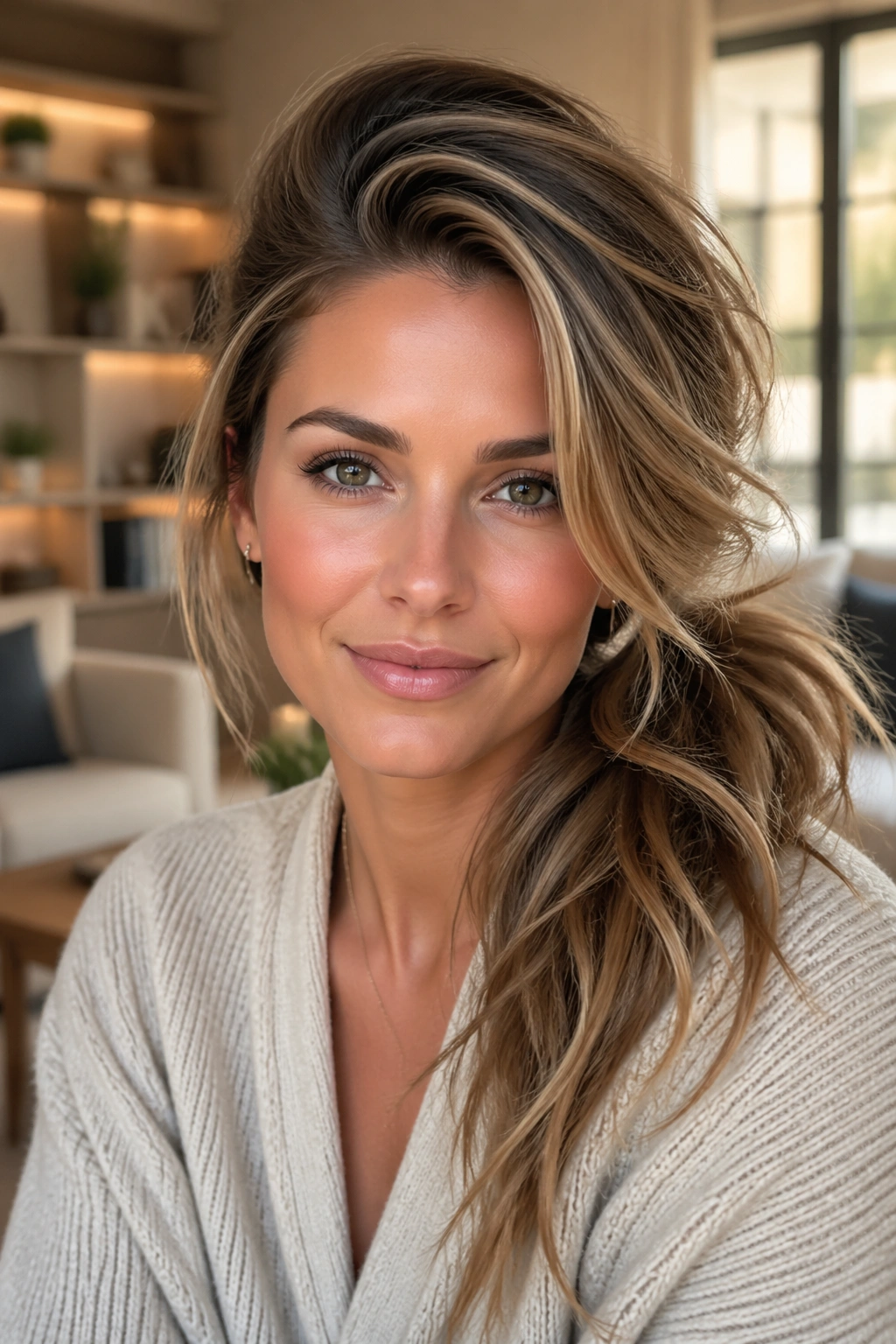
A deep side part changes the whole mood of a side ponytail. It gives the style direction, and direction is half the battle with hair that wants to fall flat.
Push the heavier section over from the opposite side and lift the roots with a blow dryer or a bit of dry shampoo. Then gather the ponytail low on the heavier side, so the part and the tail work together instead of fighting each other. On fine hair, that root lift is the thing that keeps the style from collapsing by noon.
- Use a 2-inch section at the crown for soft tease.
- Smooth the top layer with a boar-bristle brush.
- Leave the tail loose through the ends.
This version flatters most face shapes because the part creates a long diagonal line. It’s a small trick, but it changes the whole read of the style.
10. Rope Braid Side Ponytail
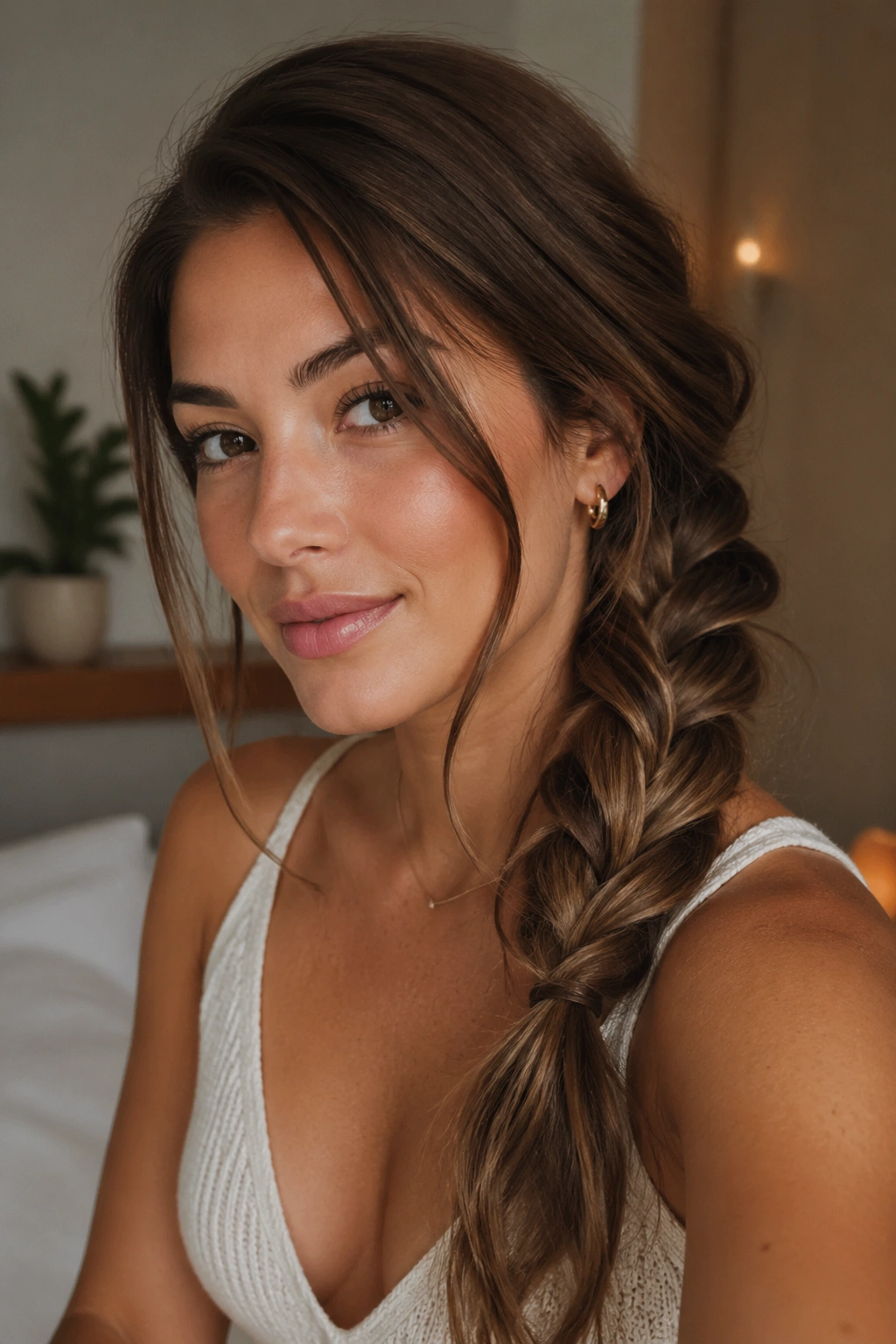
A rope braid looks cleaner than a loose three-strand braid, and that’s useful when you want the hair to feel neat without becoming formal. It also takes less time than people think.
Split the ponytail into two sections, twist each section in the same direction, then wrap them around each other in the opposite direction. That opposite twist is what locks the braid shape in place. Keep the twists loose enough to pull apart slightly once you finish, because a tightened rope braid can look too exact for a messy side ponytail.
How to Get the Twist Right
Hold the ends while you twist the top so the shape doesn’t unwind. If the hair is layered, tuck the shortest bits into a tiny clear elastic at the base before you begin. That keeps the braid from fraying halfway down.
This style works well when you want texture without using heat. It’s tidy, but not stiff. That matters.
11. Sleek Roots, Loose Ends Side Ponytail
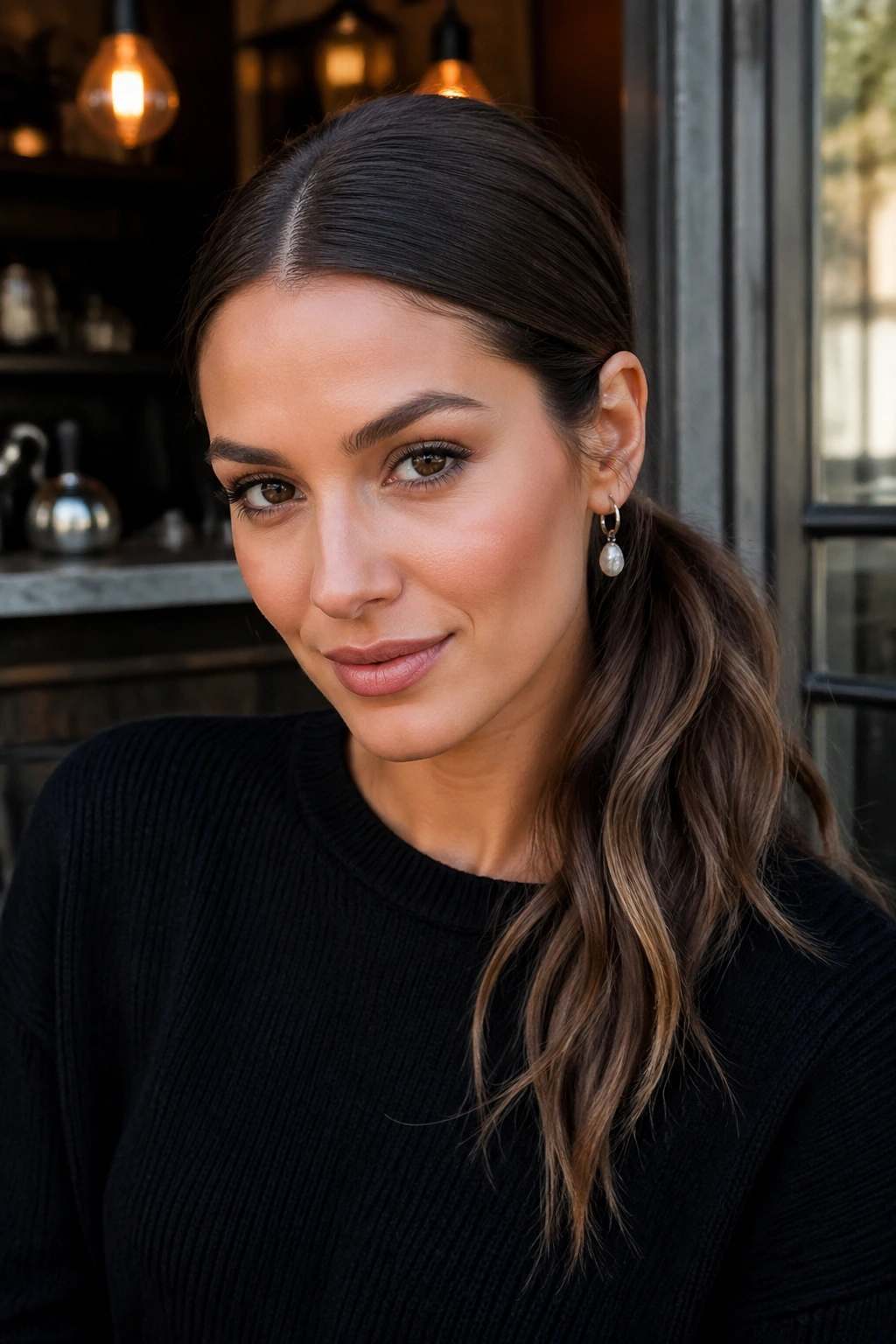
This is the version for people who hate frizz but don’t want helmet hair. The roots stay smooth, the tail stays soft, and the contrast keeps it interesting.
Use a light smoothing cream only at the top and sides, then leave the mid-lengths alone. Too much product all over the hair will flatten the tail and make it look greasy by the end of the day. Gather the ponytail low and to one side, then finger-comb the ends so they keep some movement.
The neat root line does the polish. The loose ends keep it from feeling severe. If you’re wearing earrings or a high neckline, this style is especially nice because it shows both off without stealing the whole scene.
One small rule: don’t overbrush the tail after it’s tied. A little piecey texture is your friend here.
12. Scarf-Wrapped Side Ponytail
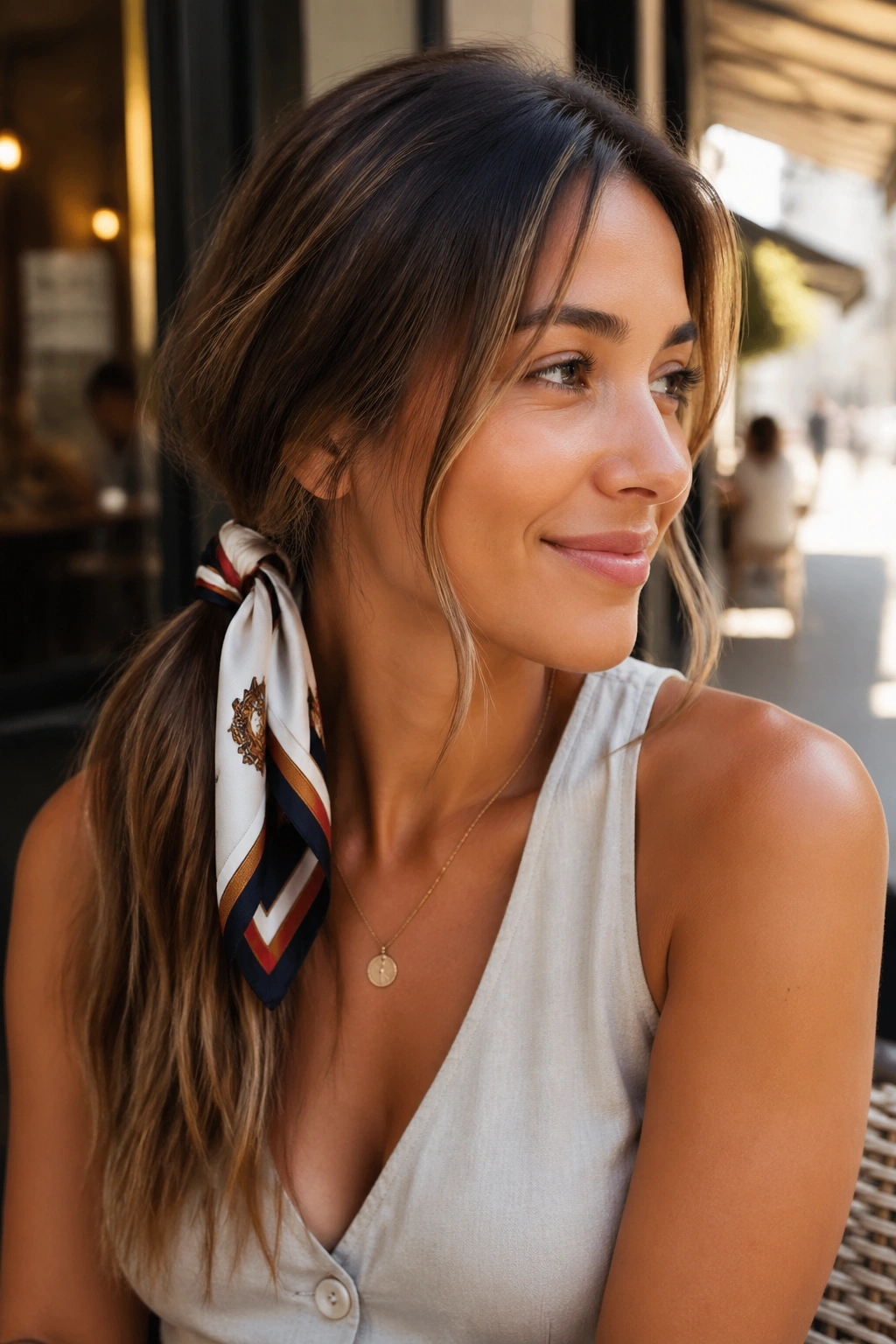
A scarf-wrapped side ponytail solves two problems at once. It hides the elastic and softens any flyaways that stick up around the base.
Pick a silk or cotton scarf and fold it into a strip about 2 inches wide. Tie it around the elastic, then let the tails hang with the ponytail or knot them under the base if you want a cleaner finish. A printed scarf can make the whole style feel more playful, while a solid one keeps it quiet.
- Use a narrow scarf on fine hair.
- Choose a thicker wrap for long or dense hair.
- Keep the knot low so it doesn’t bulge.
It’s a simple add-on, but it changes the shape in a good way. The ponytail stops reading as plain and starts reading as styled.
13. Fishtail Side Ponytail
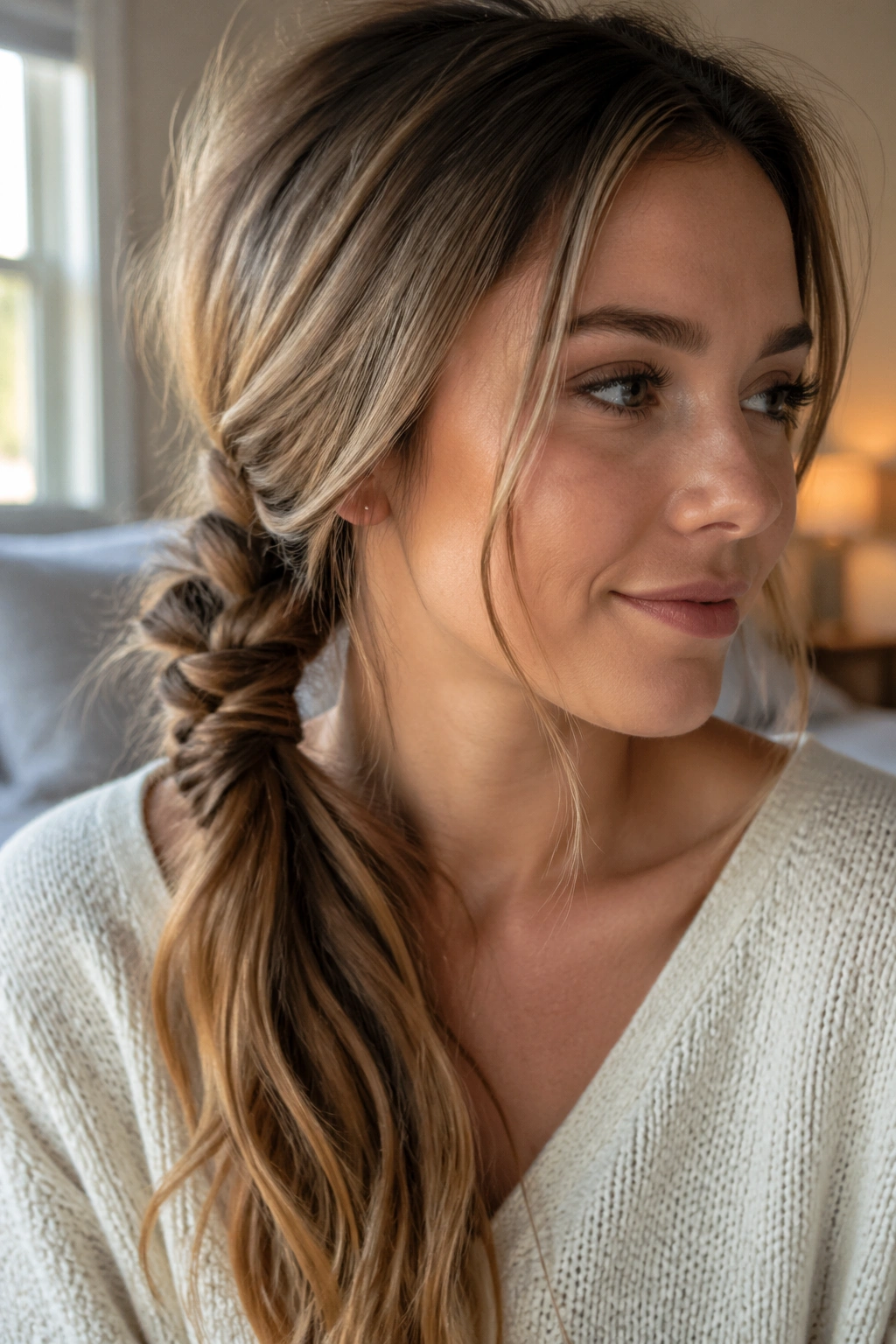
A fishtail side ponytail looks more detailed than a standard braid, but the messy version is easier than it seems. You do not need to braid the whole length perfectly.
Start the fishtail near the base of the side ponytail and work only the top 6 to 8 inches if you want a looser result. Then leave the rest in a soft tail. That keeps the braid from taking over the whole style, which can happen fast with fishtails. Pull the edges apart a little once you secure it. The width softens the braid and gives it that undone shape people usually want.
It’s a nice choice for medium to long hair. Short layers can slip out too fast, and very fine hair may need texture spray first. Still, when it works, it’s one of the prettiest ways to wear a side ponytail without making it look precious.
14. Side Ponytail for Short Hair
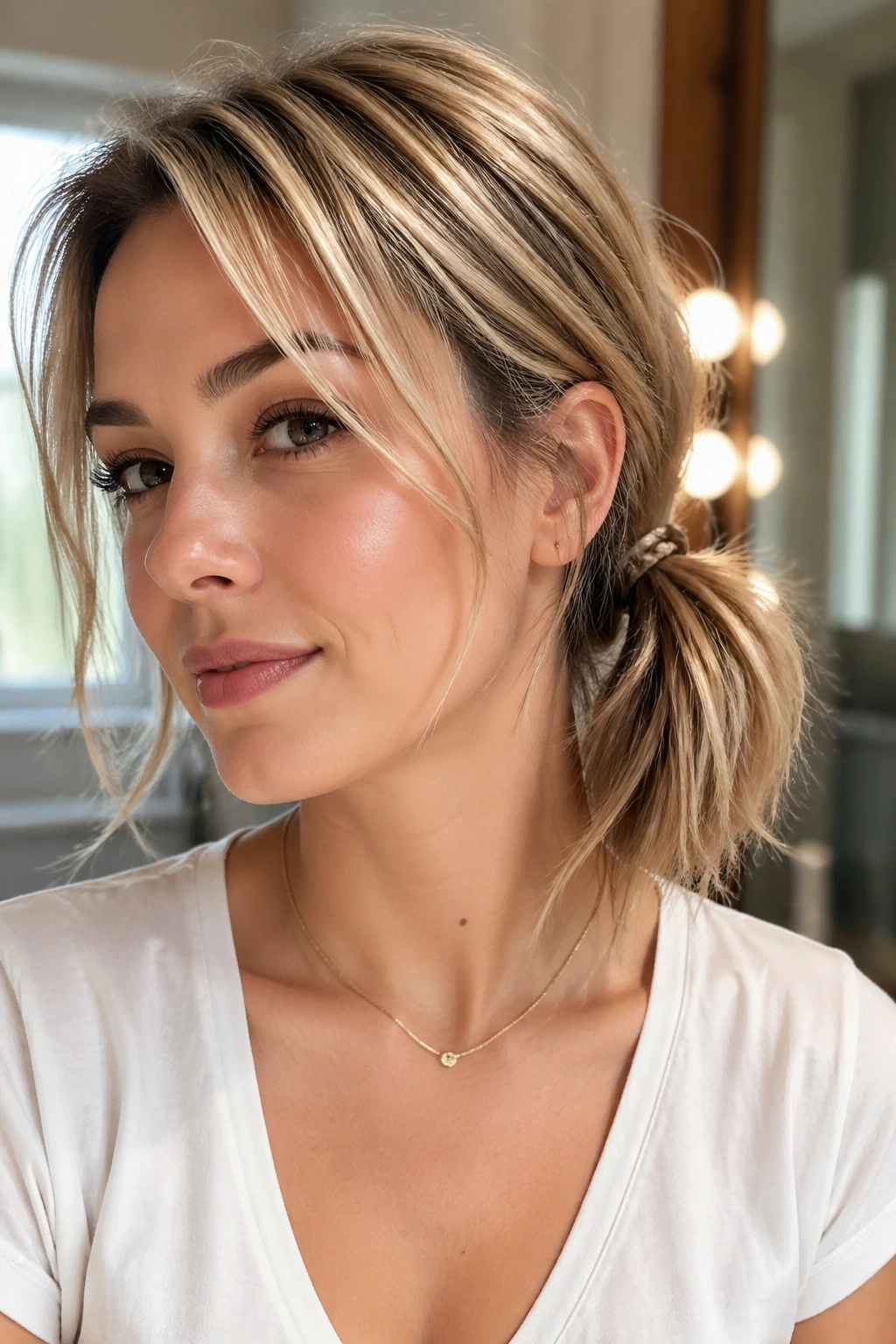
Short hair can absolutely do a side ponytail. It just needs a little help and a lower target point than long hair would.
If your hair barely reaches the nape, gather only what you can comfortably hold and anchor it with a small elastic behind one ear. Use two bobby pins in an X under the base to catch shorter layers that want to spring free. A texturizing spray on the roots helps the style stay in place without needing a lot of tension.
This works especially well on bobs and long bobs. The trick is not trying to force every strand in. A few ends can escape. In fact, they usually make the style look softer and more believable.
Tiny side ponytails can be cute, but this version is better when you want the shape to feel grown-up.
15. Side Ponytail for Thick Hair
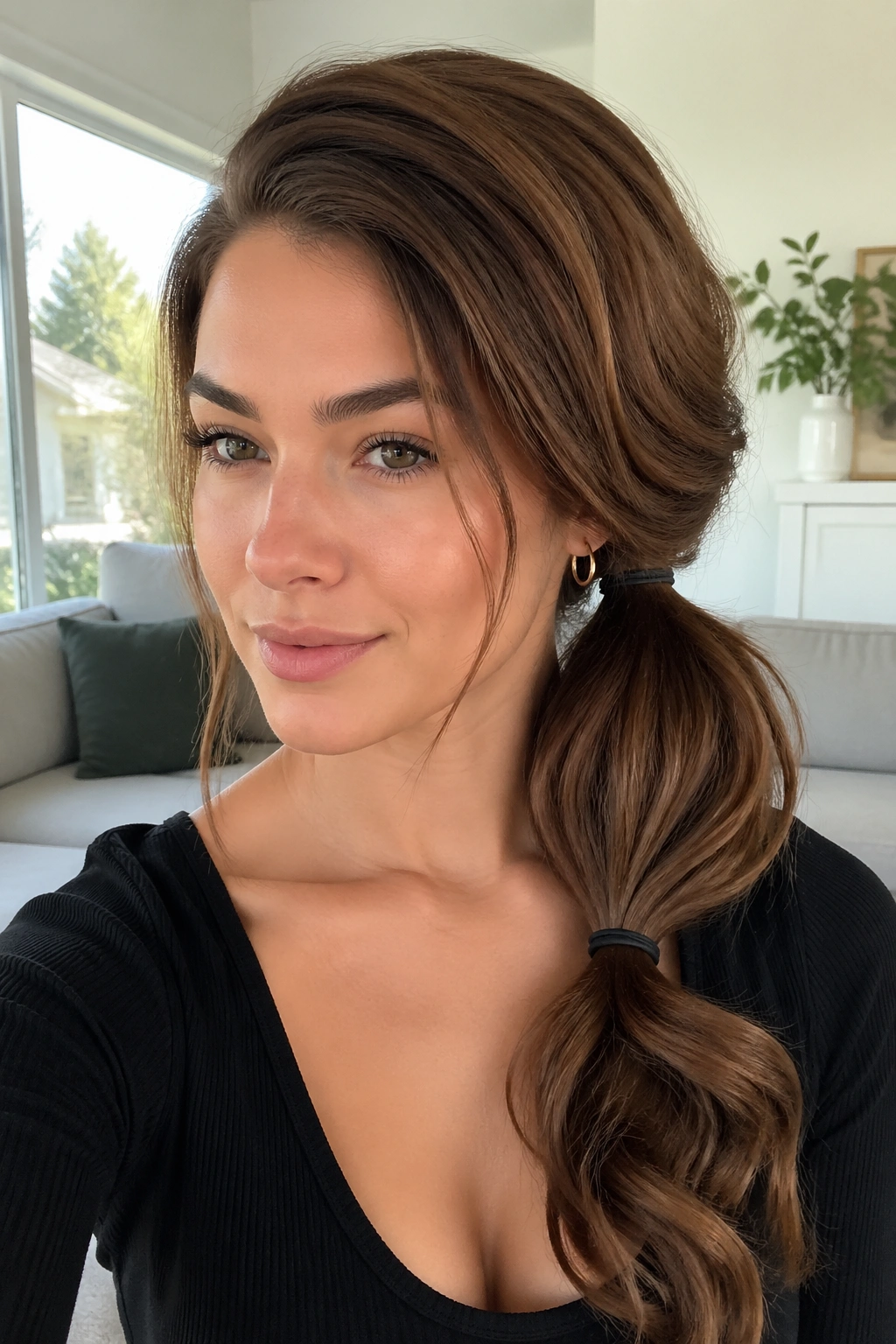
Thick hair needs room. If you cram it into one tiny elastic, the base swells, the weight drags down, and the ponytail loses shape fast.
Section the hair before you gather it. Smooth the top half first, then combine the rest at the side with a larger snag-free elastic. If your hair is heavy, use a second elastic 2 inches below the first one so the ponytail keeps its shape instead of sagging. That extra support matters more than people expect.
A thick side ponytail looks best when the ends stay light. A few waves or a soft bend through the lower half help the tail move instead of sitting like a block. I would skip too much oil at the roots. The hair already has enough weight.
16. Side Ponytail for Fine Hair
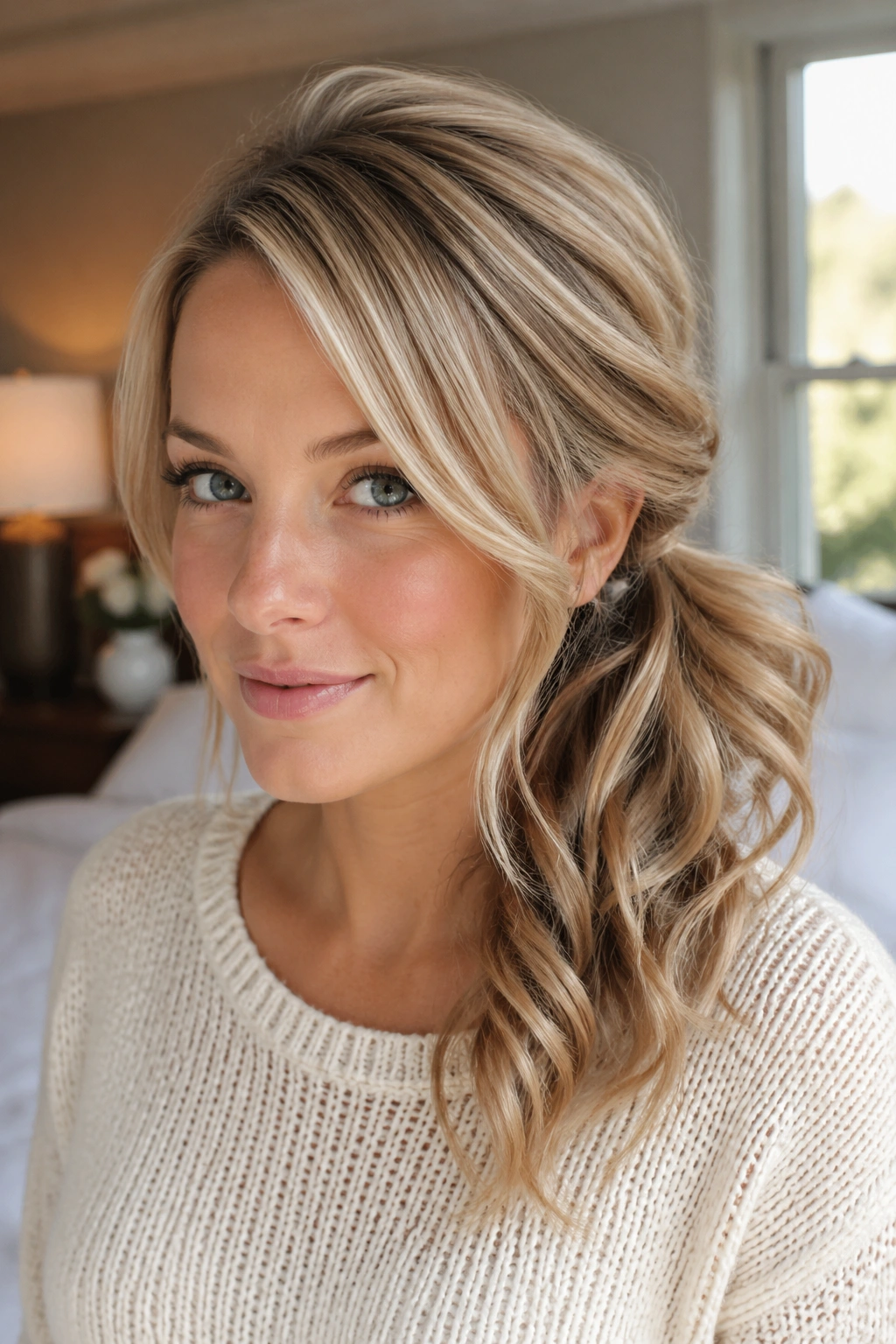
Fine hair can wear a side ponytail without collapsing. The secret is creating lift before you gather anything.
Dry shampoo at the roots gives the hair a little grit, and a gentle backcomb on a 1-inch crown section builds the base. Smooth the top layer over it with your fingers, not a hard brush, so you don’t flatten the shape right back down. Then curl the tail away from the face with a 1-inch iron and let it cool before touching it.
A side ponytail on fine hair should feel airy, not overloaded with product. Too much serum will flatten the ends and make the whole style look thin. Keep the finish soft and moveable, and the hair will look fuller than it is. That’s the whole trick.
17. Side Ponytail for Natural Curls
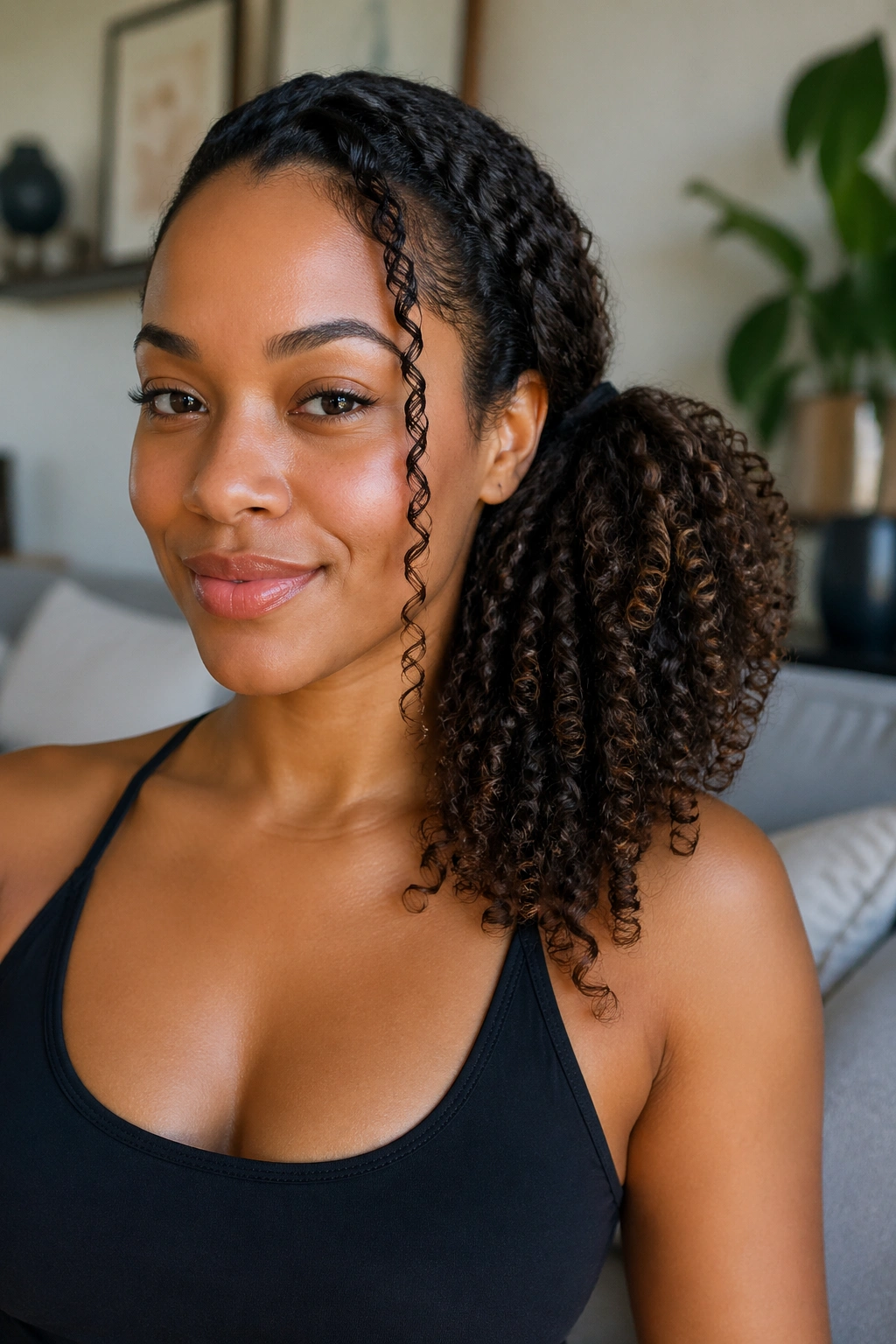
When curls start to feel wide on both sides of the head, moving them to one side changes the shape in a useful way. The style gets narrower through the profile and fuller at the shoulder.
Gather the curls with your hands instead of a brush, because brushing usually breaks up the curl pattern and makes the tail frizzier. Use a stretch gel or cream while the hair is damp, then let the curls dry with a soft hold before tying them back. A loose side ponytail lets the curls stack instead of spreading out, which looks cleaner and usually feels lighter too.
If your edges need taming, smooth them with a little cream on the fingertips, not a heavy layer. The goal is definition, not slickness. Curls have enough personality already.
18. Side Ponytail With Loose French Braid
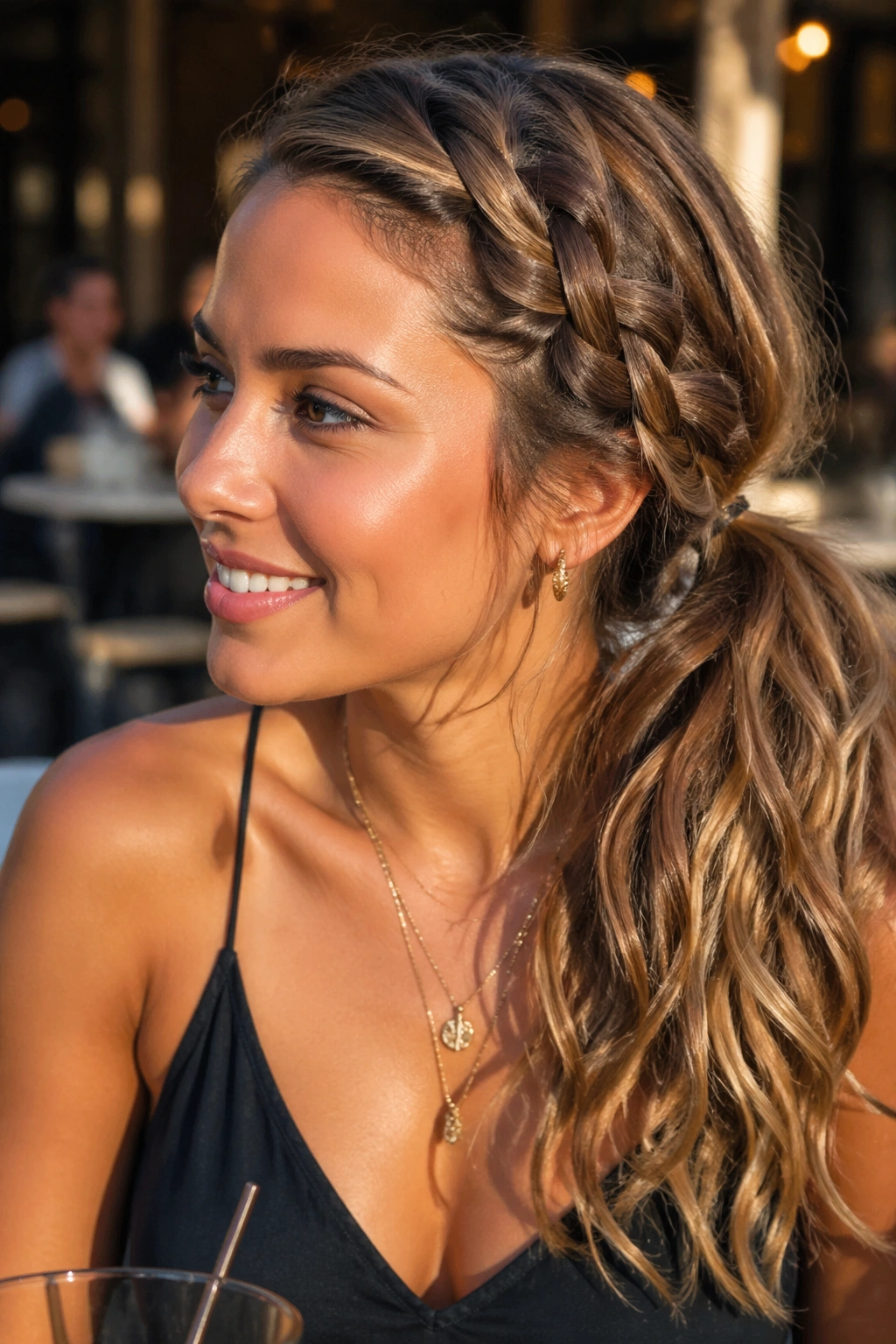
A loose French braid feeding into a side ponytail gives you control at the scalp and freedom at the ends. That split is what makes it so wearable.
Braid from one temple or along the side part, then stop when you reach the ear and secure the rest into a ponytail. Keep the braid loose enough that the hair still looks full around it. A tight braid can flatten the front too much, and then the side ponytail loses its softness. You want the braid to act like a guide, not a cage.
This is a good choice when you want something a little more dressed up than a plain ponytail, but not as formal as a full braided updo. It works on straight hair, wavy hair, and hair that has a bit of day-old texture.
19. Side Ponytail With Messy Bun Hybrid
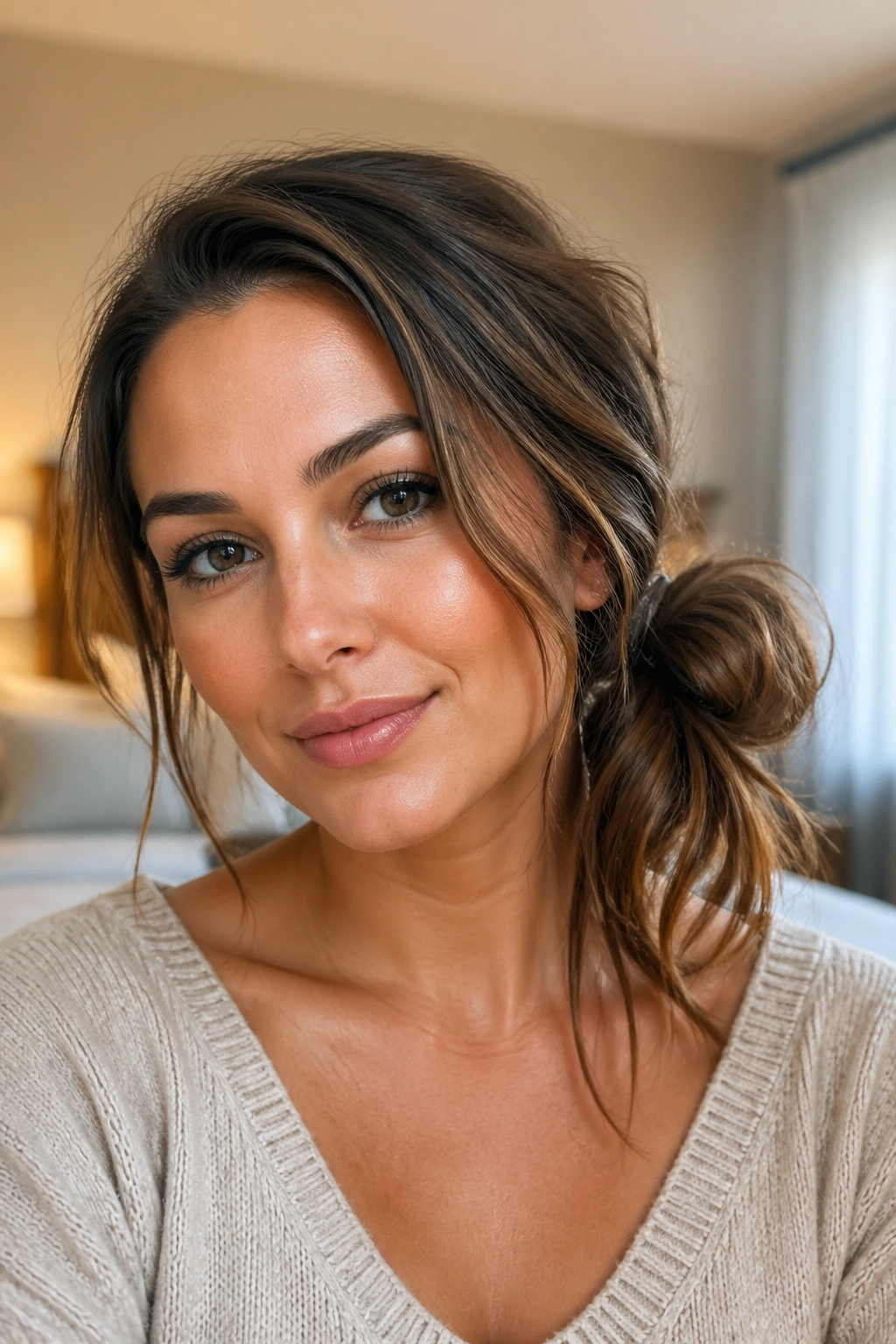
Can a side ponytail and a bun share the same hairstyle? Absolutely. And the result is better than it sounds.
Pull the hair to one side, then twist the tail into a loose loop before the last few inches of the ends. Pin the loop so it reads like a small bun, but let the ends poke out a little. That mix of shapes keeps it from looking too neat. The base still behaves like a ponytail, yet the tucked length gives you a fuller outline at the shoulder.
Why It Works
The hybrid shape holds better than a ponytail alone because the tucked length adds structure. It’s also forgiving with layers, which is a nice bonus if your hair never sits the same way twice.
Best for: medium hair, second-day texture, and anyone who wants an undone style that still survives a long day.
20. Crimped Texture Side Ponytail
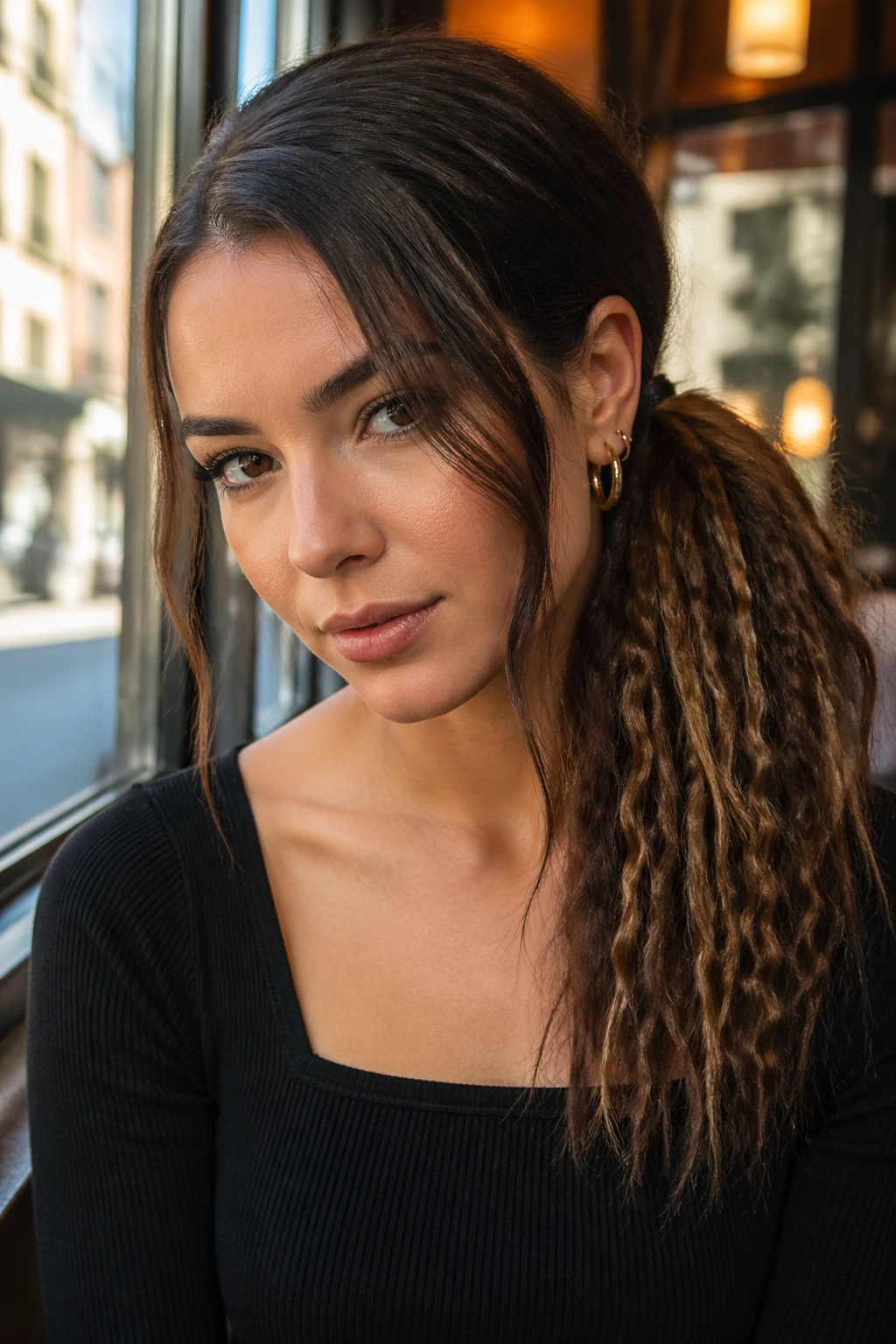
Crimped texture is one of those things that looks strange in the mirror and then makes perfect sense once the ponytail is in place. It gives the hair grip and a little edge without needing much volume from the roots.
Crimp only the mid-lengths or the underside if you want the effect to stay subtle. If you crimp everything, the style can get too dense and a bit dated. A side ponytail with crimped sections works best when the top stays smoother than the tail. That contrast keeps the look grounded.
This is a smart option for straight hair that falls flat fast. The texture holds, the ponytail stays bulky enough to matter, and the shape still looks casual. It’s a little bold. That’s the point.
21. Ribbon-Tied Side Ponytail
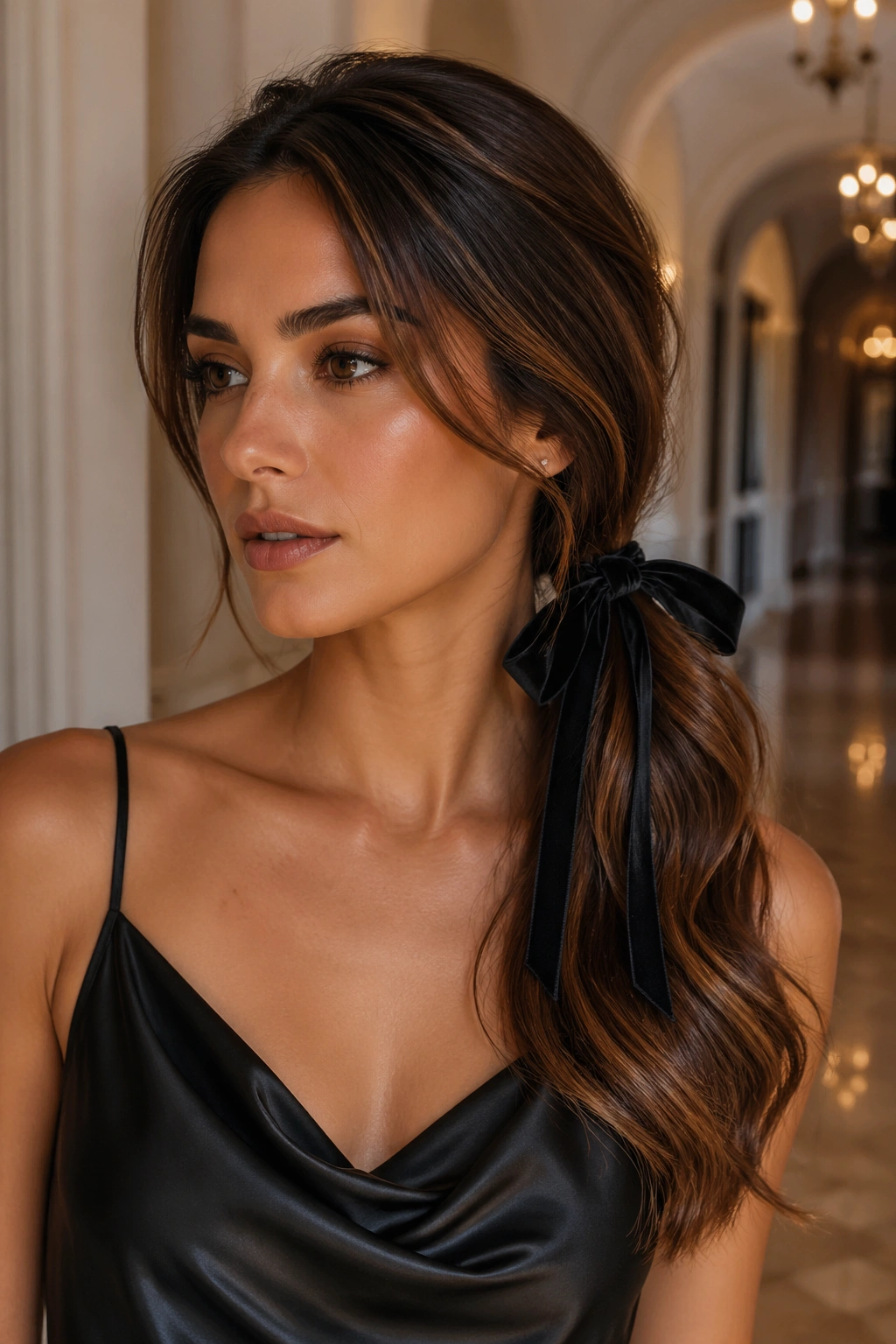
A ribbon sounds almost too simple, which is probably why it works. It softens the style without asking for much more effort than tying a knot.
Choose a velvet ribbon for cooler months or a grosgrain ribbon if you want something that holds its shape better. Tie it around the base of the ponytail, then let the tails trail down the hair or knot them just below the elastic. A ribbon in a darker shade tends to read more polished, while a lighter one can make the style feel airy and sweet.
- Keep the bow small if the hair is already thick.
- Use a wider ribbon on long hair.
- Match the ribbon texture to the outfit.
It’s a quick fix when the hair itself doesn’t need much more. Sometimes that’s enough.
22. Second-Day Messy Side Ponytail
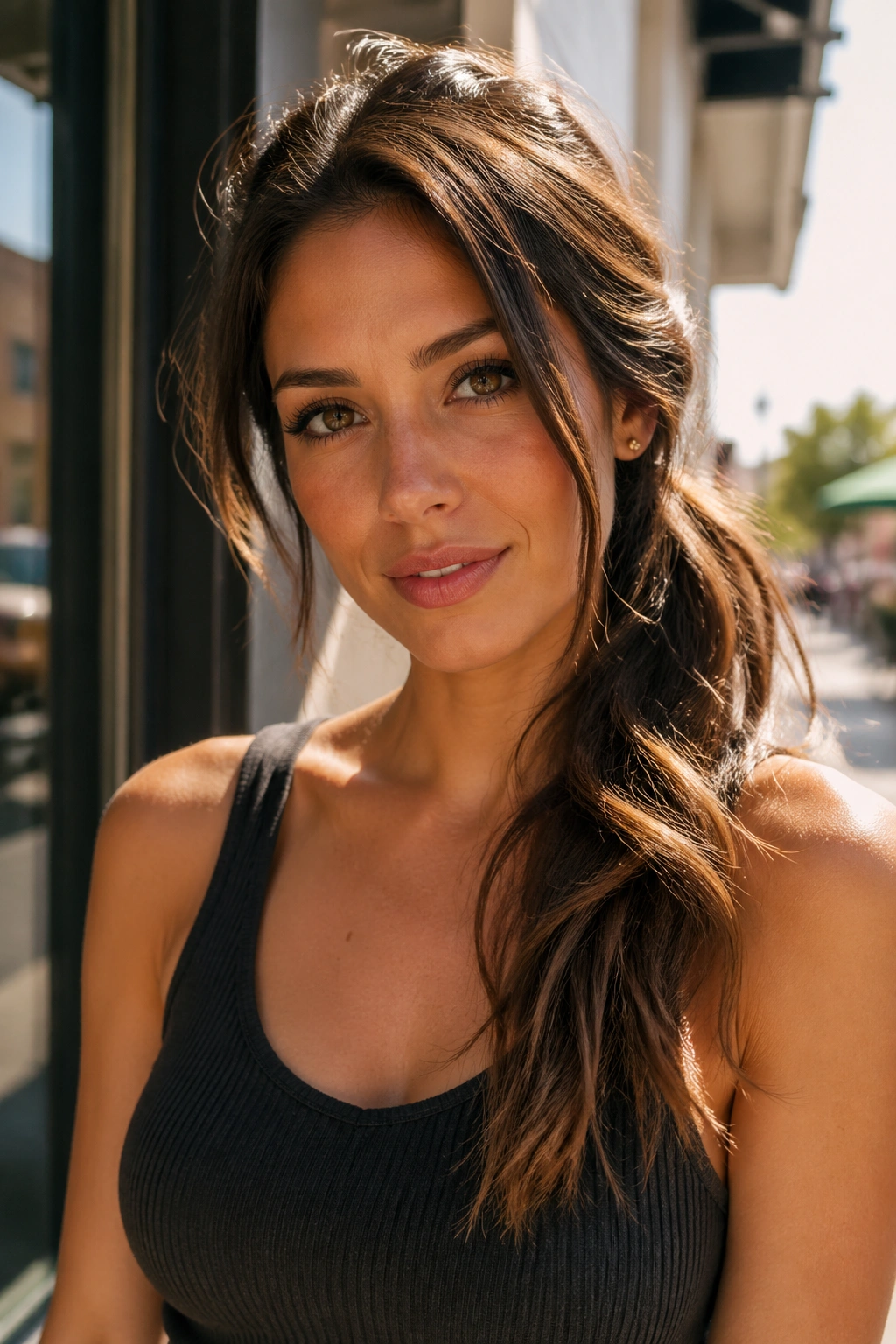
Second-day hair is almost unfairly good for messy side ponytails. The scalp has a little natural oil, the strands hold texture, and the style stays put without constant adjusting.
If the roots feel flat, dry shampoo at the part and crown before you gather anything. Then brush only the top layer so the surface looks clean while the underneath keeps its grip. Pull the ponytail to one side and use your fingers to break up the tail. That keeps it from looking too tidy, which is the whole charm of this version.
This is the side ponytail I’d pick for errands, travel, or any day when washing your hair feels like a chore. It’s low effort, but not careless. That’s a useful difference.
23. Formal Side Ponytail
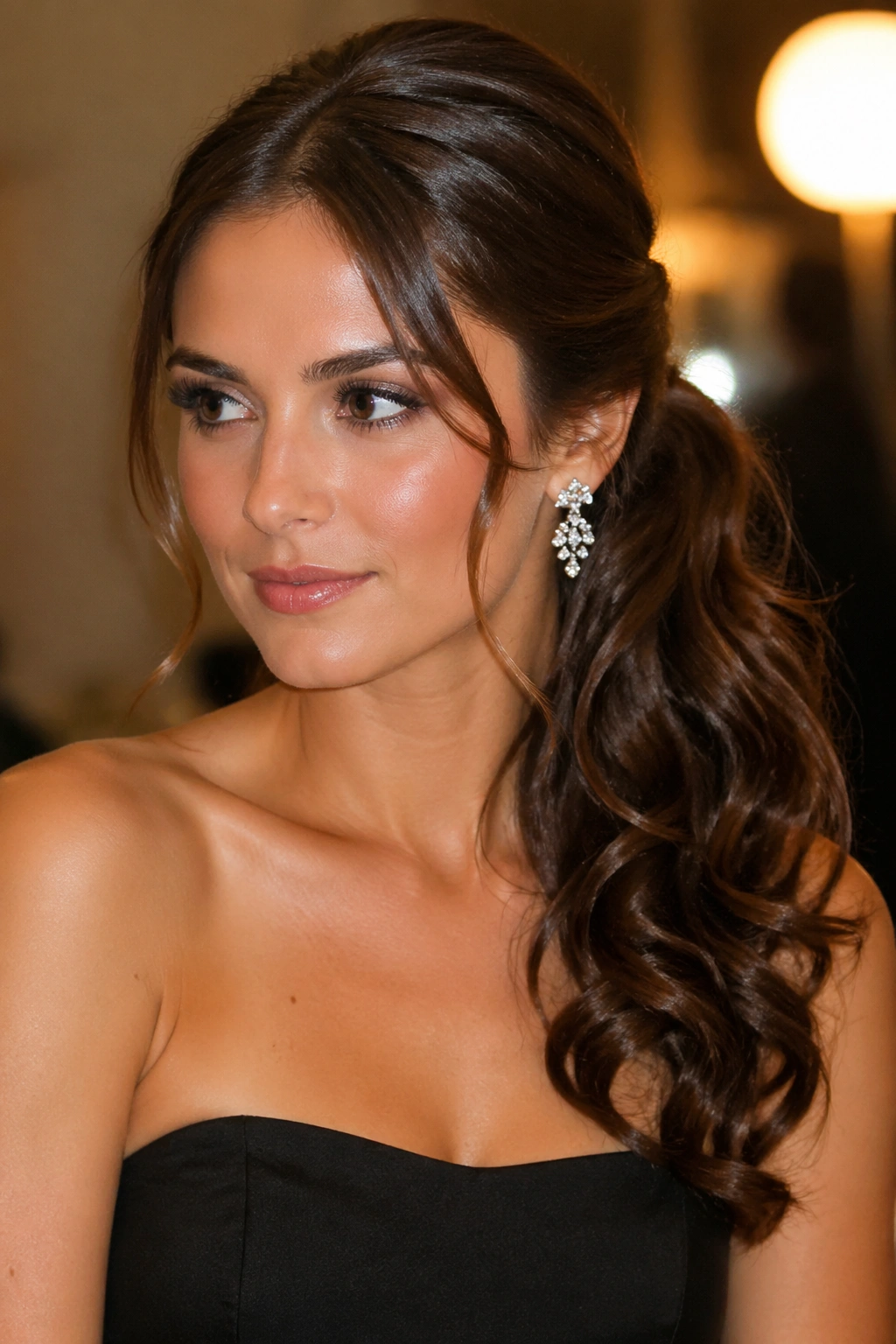
A formal side ponytail works because it gives you structure without the hard finish of a tight updo. It can sit with a dressy neckline, a pair of earrings, or a bare shoulder and still feel balanced.
Keep the front smooth and the crown lifted just enough to show shape. Then curl the tail in large sections so it falls in soft bends rather than tight spirals. A shine spray on the top layer helps, but only a light mist. Too much and the hair starts to look wet instead of glossy. Hidden bobby pins at the base will keep the style secure while you move around, which matters more than people think when the hair is all swept to one side.
I like this version for evenings because it feels polished without getting severe. There’s enough softness left to keep it human.
24. Crown-Teased Side Ponytail
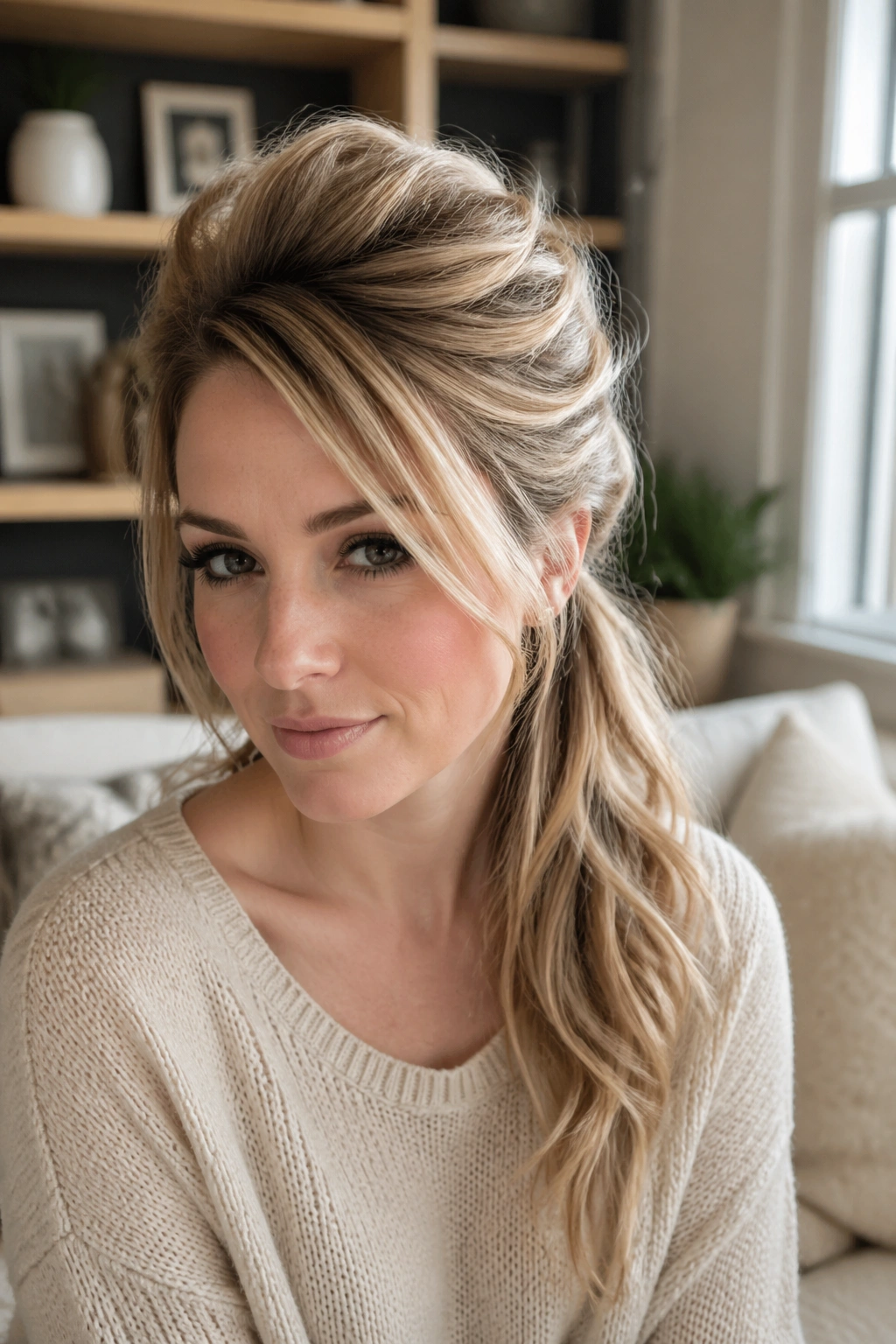
A little tease at the crown can save a side ponytail from looking too flat. A lot of tease can ruin it fast.
Backcomb a 1-inch section near the crown, then smooth the top layer over it with a brush or your palm. You want lift, not a bump you can spot from across the room. Sweep the rest of the hair to one side and let the volume sit slightly above the ear. That height opens the face and gives the ponytail a bit of shape before it even hits the shoulder.
This style is especially useful on hair that lies close to the scalp. It also photographs well in real life because the crown has enough shape to survive movement. Still, don’t keep adding product until the hair feels stiff. Soft lift beats helmet hair every time.
25. Side Ponytail With Side Bangs
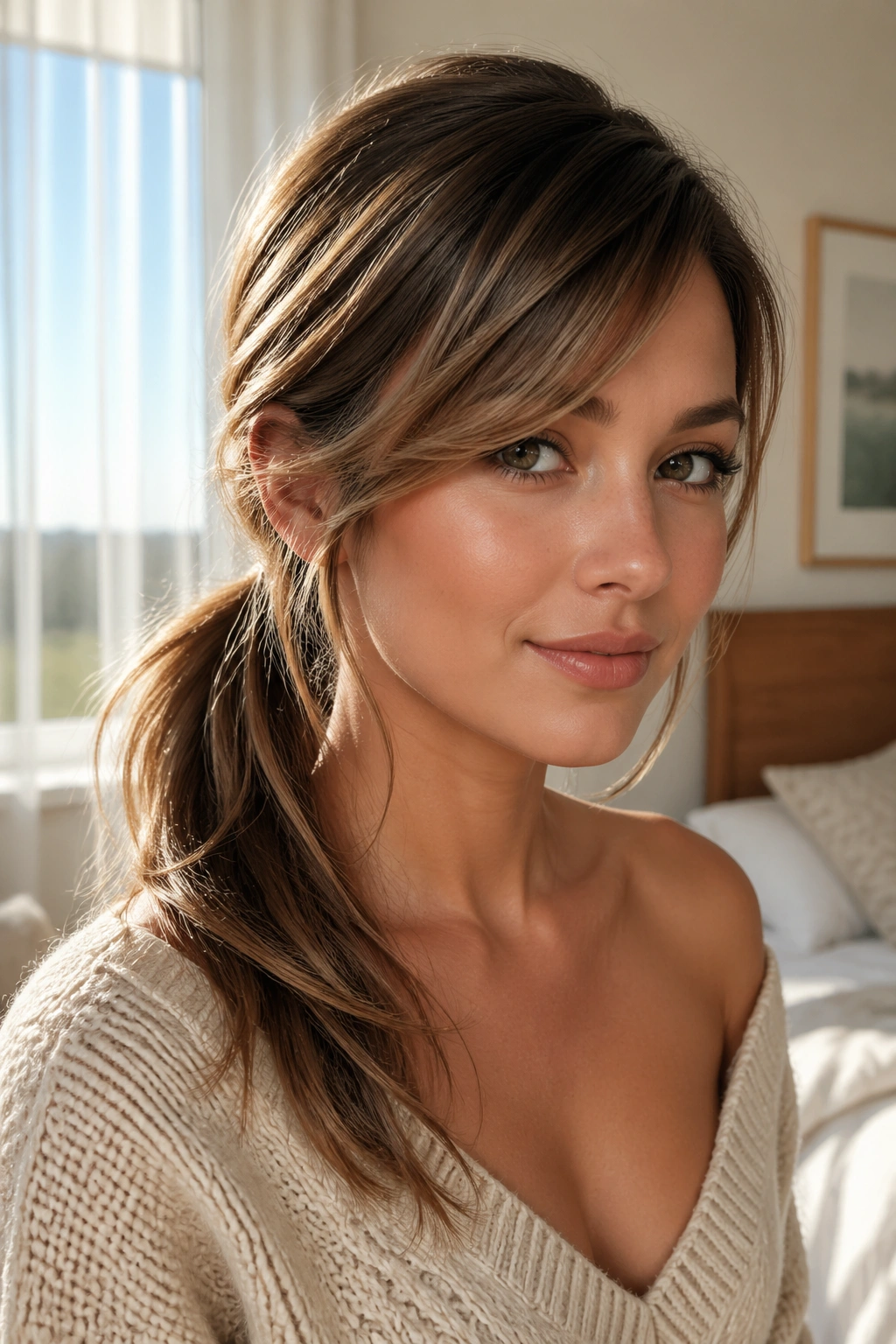
Side bangs and a side ponytail belong together more often than people admit. The angles echo each other, so the style feels finished without needing much else.
Let the bangs fall naturally into the ponytail direction, then keep the rest of the front section soft so there isn’t a hard line where the bangs end and the ponytail begins. If the bangs are long, tuck a few ends into the side sweep. If they’re shorter, let them stay free and use a light mist so they don’t split apart.
How to Keep It Balanced
A side ponytail with bangs works best when one side doesn’t fight the other. The ponytail should sit low enough that the bangs still matter, but not so low that the face loses shape. A little curve around the cheek solves most of that.
- Keep the part clean.
- Use a small iron bend on the bangs if needed.
- Don’t over-smooth the front.
26. Flipped-Out Ends Side Ponytail
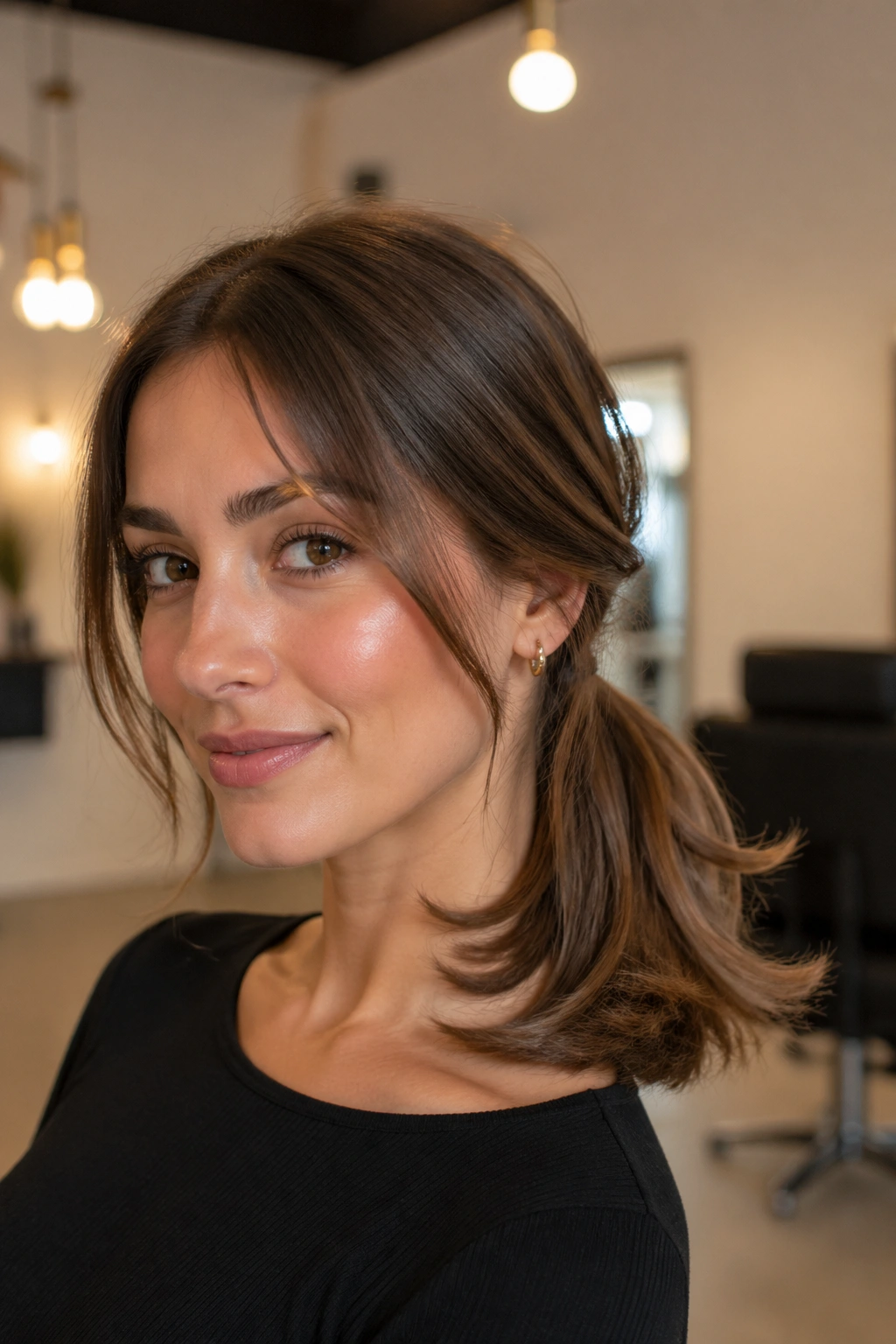
Flipped-out ends give a side ponytail a bit of play. Instead of curling the hair under or into soft waves, you flick the ends outward by 1 to 2 inches so they open up at the shoulder.
Use a flat iron or round brush to bend the last few inches away from the neck. Keep the roots fairly calm so the flip at the bottom has room to stand out. This shape works especially well on shoulder-length hair, where the ends can turn outward instead of just hanging straight. The result feels lighter and a little more lively.
Compared with curled-under ends, the flipped-out version looks less serious. That makes it a good pick when the outfit is plain and the hair needs some personality. Not too much. Just enough.
27. The Most Put-Together Messy Side Ponytail
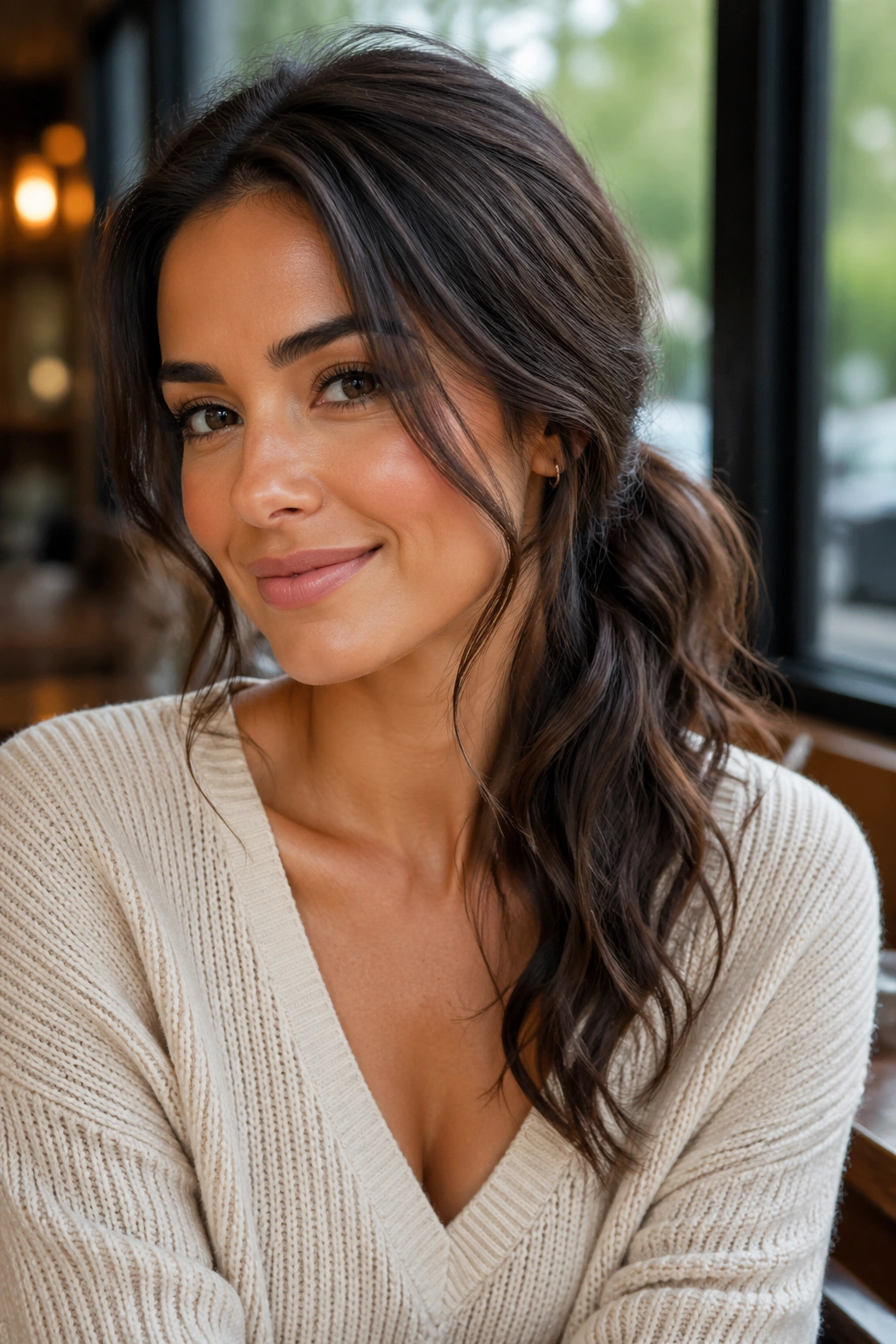
This is the version that sits closest to polished without crossing into stiff. It uses the same loose side sweep as the others, but every detail gets one small job: the crown gets lift, the front gets softness, and the tail gets a bend.
Start with a side part, smooth the top layer, then leave two face pieces out before gathering the rest low and to one side. Wrap a strand around the elastic, tuck the ends underneath, and bend the tail with a large iron or a few finger twists. The style should look effortless from a distance and intentional up close. That’s the sweet spot.
If a strand falls loose, don’t rush to pin every bit of it. One stray piece can be charming. Six of them is just a mess.
Final Thoughts
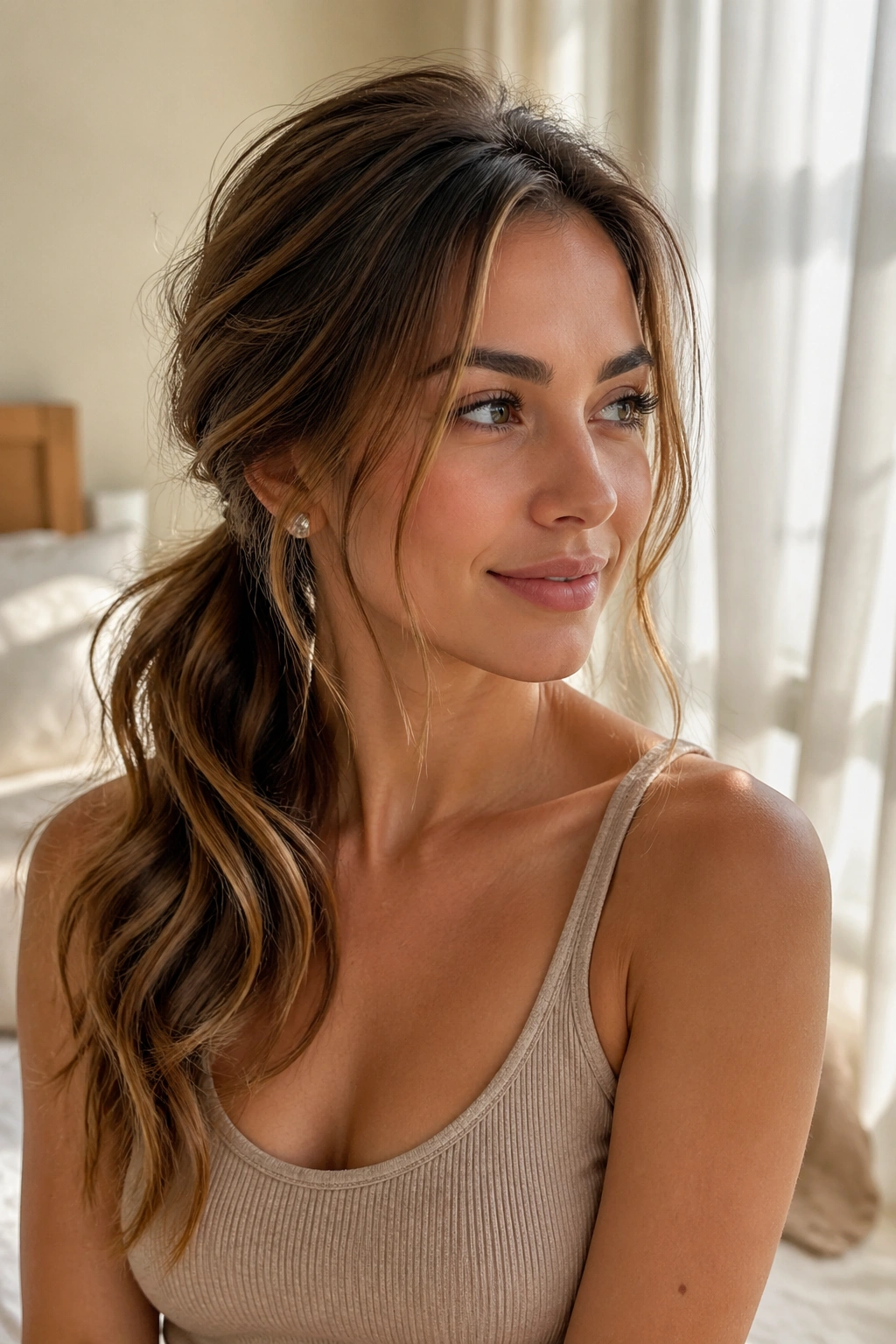
The best messy side ponytails are never random. They have shape at the roots, softness around the face, and enough texture in the tail to keep the whole thing from looking flat.
That’s why the style works so well across hair types and lengths. You can push it toward playful, romantic, sharp, or relaxed just by changing the part, the volume, or the finish.
If you want one rule to keep in your pocket, use this one: leave the mess where it helps the shape, and smooth the parts that frame the face. That split keeps the style from drifting into sloppy territory, which is the only real mistake here.
